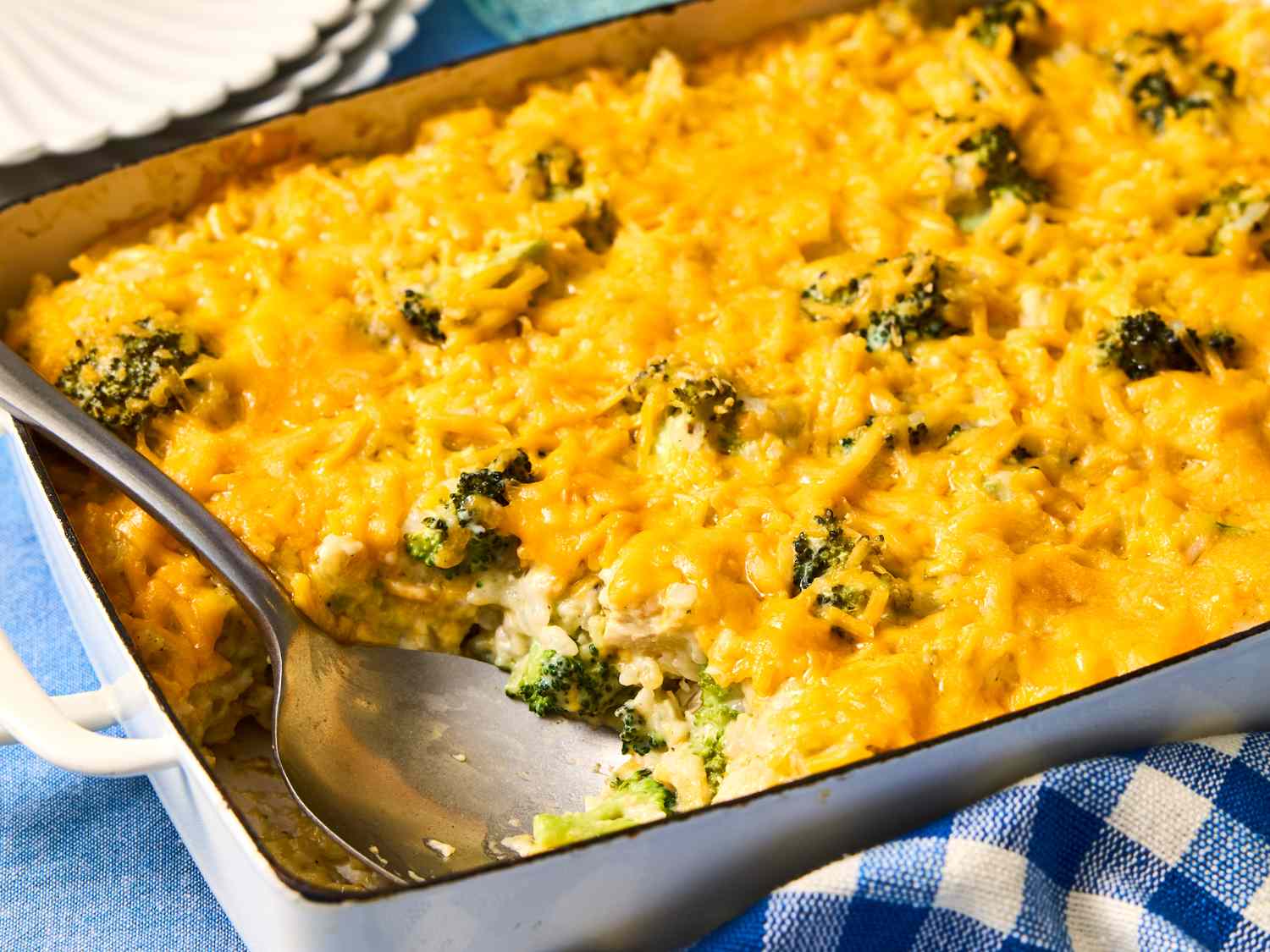
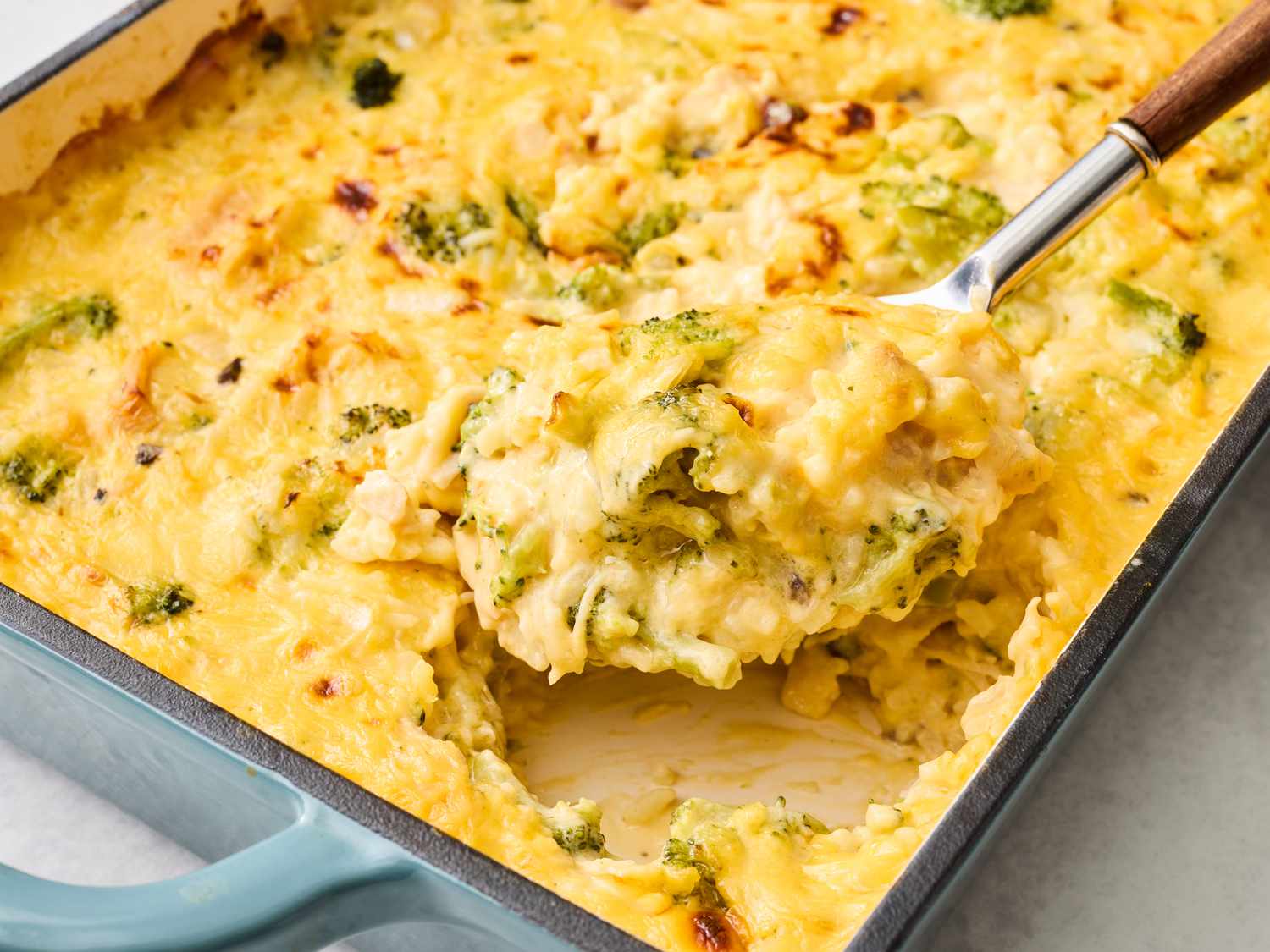
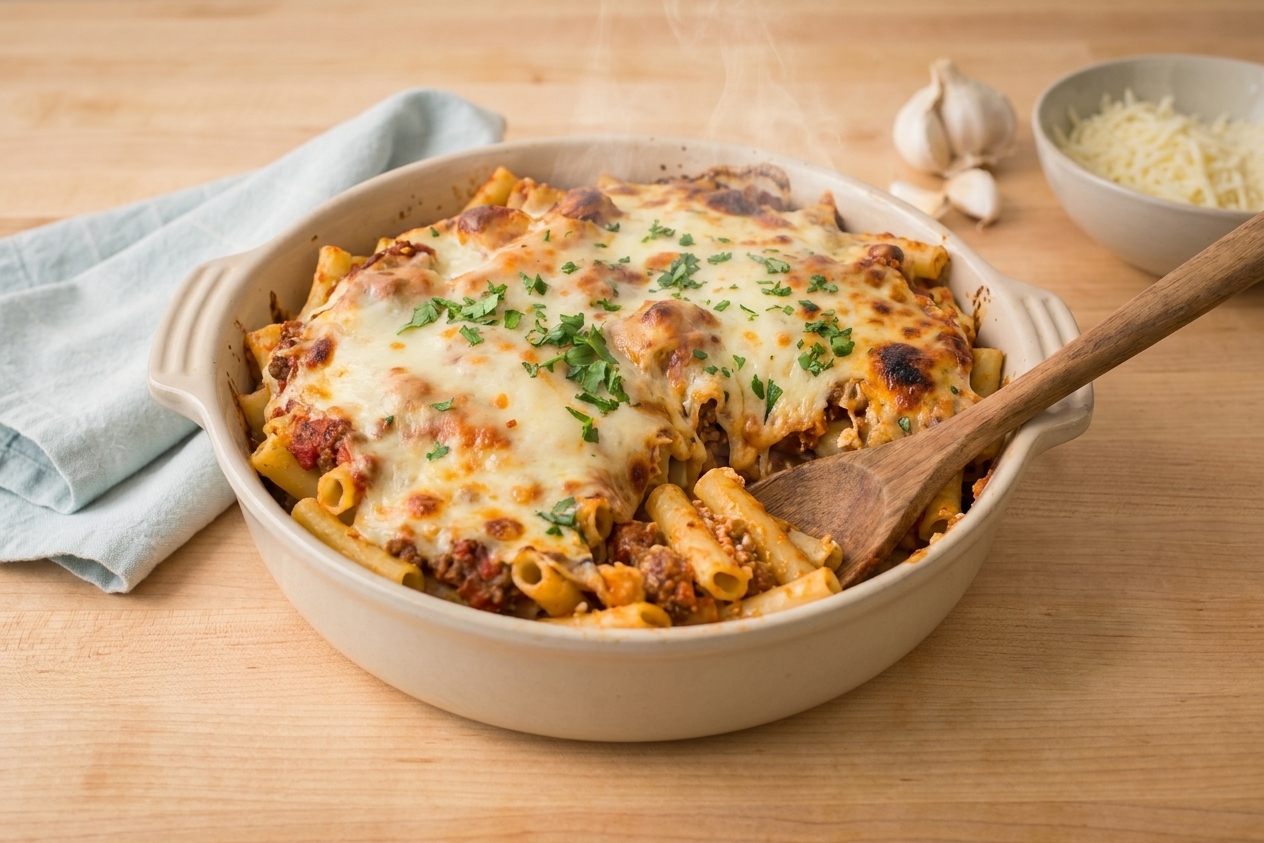
If your brain is fried and your people are hungry, dump-and-bake casseroles are your best friend. No pre-cooking pasta. No separate saucepan. No "wait, did I already salt this?" moments. You mix everything right in the baking dish, cover it, and let the oven handle the heavy lifting.
Below you will find my simple dump-and-bake formula, the key rules that keep these casseroles from turning out watery or crunchy, how to tell when they are actually done, and six reliable recipes that scale beautifully for potlucks, game days, big family dinners, or meal trains.

What counts as dump-and-bake
To earn the name, a dump-and-bake casserole has three things going for it:
- Everything goes into one baking dish. No separate boiling, browning, or sautéing required.
- A tight cover for the first bake. Foil or a lid traps steam so rice, pasta, or raw vegetables cook through.
- A finish uncovered. The last 10 to 15 minutes gives you golden edges, melty cheese, and that "I totally meant to do this" top.
Are they fancy? Not in a fussy way. But they can be deeply delicious if you balance salt, fat, and acid and use the right amount of liquid.
The foolproof formula
Think of this like building a very forgiving dinner in layers. Here is the structure I use when I am making up a casserole from what is in the fridge.
Before you start
Lightly grease the dish (especially for rice and cheesy bakes). It is a tiny step that saves your future self a lot of scrubbing.
1) Choose your base (the "bulk")
- Short pasta: penne, rotini, shells
- Rice: long-grain white rice cooks most predictably
- Tortellini or ravioli: refrigerated works great
- Gnocchi: shelf-stable or refrigerated
- Tortilla chips or tortillas: for taco-style bakes
2) Add protein (optional, but helpful for a crowd)
- Rotisserie chicken (my weeknight MVP)
- Canned beans (rinse well)
- Fully cooked sausage (sliced)
- Frozen meatballs
- Canned tuna or salmon
3) Add vegetables (fresh, frozen, or leftover)
Frozen veg work well in covered bakes because they release moisture as they cook, which helps prevent drying out. Just remember that extra water counts toward your total liquid.
- Broccoli florets, cauliflower, peas, spinach, bell peppers, corn
- Thin-sliced mushrooms, zucchini, or onions (keep pieces small)
4) Add sauce and liquid (the make-or-break part)
Your starch needs enough liquid to cook, but not so much that you end up with soup. Sauce thickness varies wildly by brand, so treat these as starting points and adjust if your sauce is very thin.
- For pasta bakes: pasta + sauce (marinara, Alfredo, salsa verde) + extra liquid (broth, water, or milk). As a starting point, add about 1 to 1 1/2 cups extra liquid per 12 to 16 ounces dry pasta if your sauce is thick. If your sauce is thinner (a looser marinara is the usual culprit), start with about 1 cup, then add a splash after the halfway stir only if the pasta looks dry.
- For rice bakes: start with about 1 3/4 to 2 cups liquid per 1 cup long-grain white rice (about 2 3/4 to 3 cups for 1 1/2 cups rice). Count everything pourable toward that number, including salsa, broth, and creamy sauces. If you are using a very liquid salsa or a lot of frozen veg, use the lower end.
5) Season, then add cheese or crunch
Covered baking dulls flavors a bit. I always include:
- Salt (especially if your sauce is low-sodium)
- Something acidic at the end: lemon, vinegar, pickled jalapeños, yogurt, or a squeeze of lime
- Something crunchy: breadcrumbs, crushed chips, toasted nuts, or crispy onions

My 6 best casseroles
Each recipe below is written for a standard 9x13-inch baking dish and feeds about 6 to 8. For a bigger crowd, you can double into two dishes and bake side by side.
1) Creamy Pesto Chicken Tortellini Bake
Why it works: Refrigerated tortellini cook quickly and stay tender, and pesto plus lemon keeps the creaminess from feeling heavy.
- In the dish, add: 20 oz refrigerated cheese tortellini, 2 cups shredded rotisserie chicken, 2 cups broccoli florets (fresh or frozen), 1 1/2 cups cherry tomatoes (halved), 1 cup basil pesto, 1 cup heavy cream (or half-and-half), 1/2 cup chicken broth, 1 cup shredded mozzarella, 1/2 tsp kosher salt, black pepper.
- Stir: mix well so the pesto and cream coat everything.
- Cover and bake at 400°F for: 20 minutes.
- Uncover and finish: stir thoroughly (get the corners), top with an extra handful of mozzarella (optional), bake 8 to 12 minutes until bubbly.
- If it is not tender yet: re-cover and bake 5 minutes, then check again.
- Finish: zest of 1 lemon and a squeeze of juice.

2) Salsa Verde Chicken and Rice Casserole
Why it works: Salsa verde is basically sauce plus acid built in, so it tastes bright even after baking.
- In the dish, add: 1 1/2 cups long-grain white rice (rinsed), 1 1/2 cups hot chicken broth, 1 1/4 cups salsa verde (see note), 1 1/2 cups shredded cooked chicken, 1 cup frozen corn, 1 can (15 oz) cannellini beans or black beans (rinsed), 1 tsp cumin, 1 tsp kosher salt.
- Stir: mix well, then use the back of a spoon to press the rice down so it is mostly submerged.
- Cover and bake at 375°F for: 45 minutes.
- Uncover and finish: fluff and stir well, sprinkle 1 cup shredded Monterey Jack on top, bake 10 minutes.
- Note on salsa verde: salsa thickness is all over the map. If yours is very thick, bump the broth up by 1/4 cup. If yours is very thin, keep the broth at 1 1/2 cups and do not increase the salsa. This recipe is designed for about 2 3/4 to 3 cups total pourable liquid (broth + salsa) for 1 1/2 cups rice, with the corn and beans adding just enough extra moisture as they heat.
- If the rice is still firm: add 1/4 cup hot broth, re-cover tightly, and bake 10 minutes more.
- Finish: chopped cilantro and a big squeeze of lime.

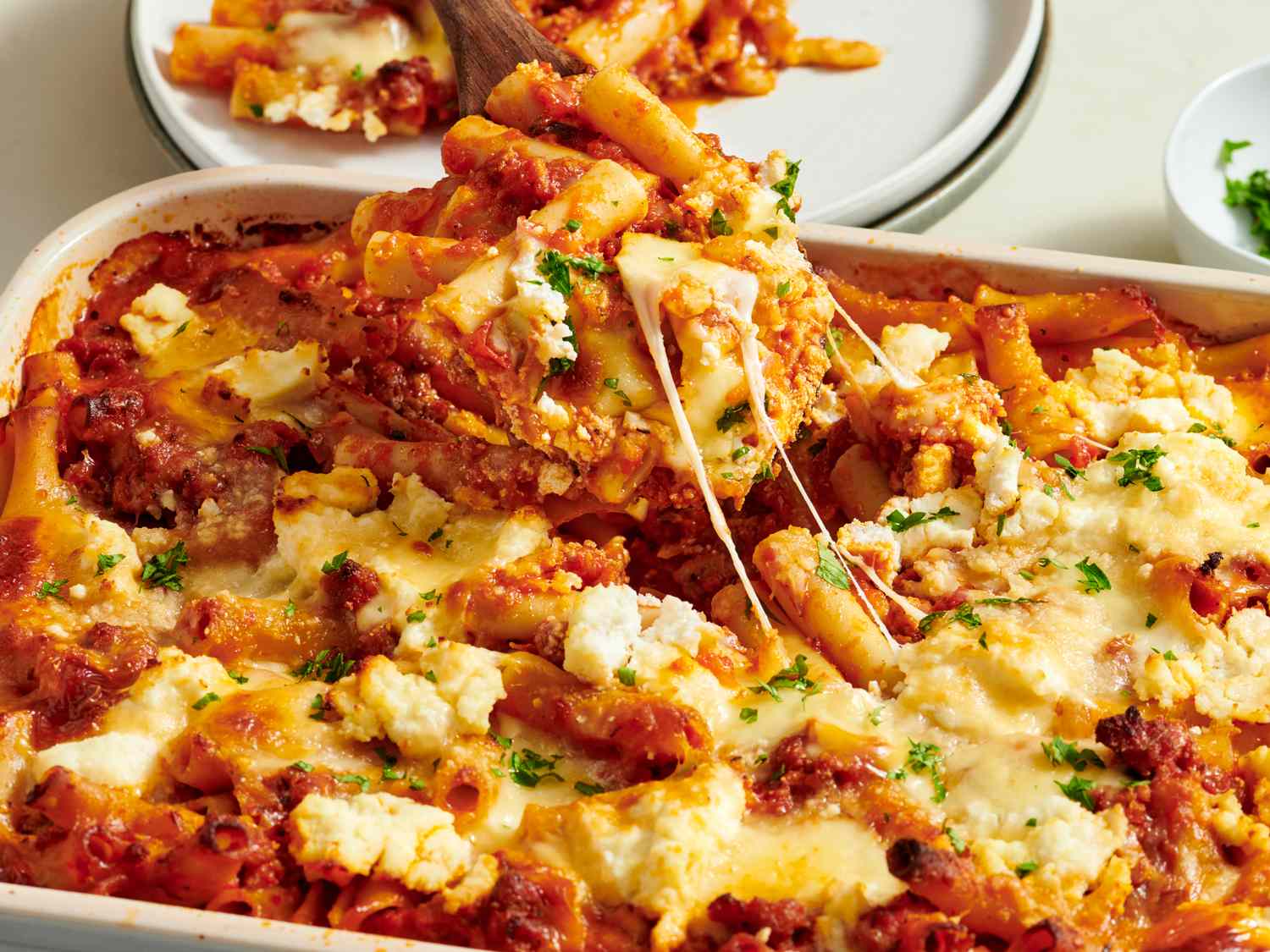
3) No-Boil Baked Ziti with Spinach
Why it works: Plenty of sauce plus a little extra water turns dry pasta tender, and spinach sneaks in greens without extra steps.
- In the dish, add: 1 lb dry ziti (or penne), 1 jar (24 oz) marinara, 1 to 1 1/2 cups water (see note), 2 cups packed baby spinach, 1 cup ricotta, 2 cups shredded mozzarella, 1/2 cup grated Parmesan, 2 tsp Italian seasoning, 1 1/2 tsp kosher salt.
- Stir: mix thoroughly so the pasta is coated.
- Press down: make sure the pasta is mostly submerged in the sauce mixture before covering.
- Cover and bake at 400°F for: 35 minutes.
- Uncover and finish: stir very well (separate any stuck-together noodles), level the top, bake 10 to 15 minutes until browned at the edges.
- If the pasta is still chewy after stirring: re-cover and bake 5 to 10 minutes.
- Note on water: if your marinara is on the thinner side, start with 1 cup water. If it is thick, use 1 1/2 cups. After the halfway stir, add a splash more only if the pasta looks dry.
- Optional: add 1 lb fully cooked Italian sausage slices for extra heft.

4) Buffalo Cauliflower and Chickpea Bake
Why it works: This one is vegetarian, bold, and snacky. It disappears at parties because it tastes like wings, but eats like dinner.
- In the dish, add: 1 large head cauliflower (bite-size florets), 2 cans (15 oz each) chickpeas (rinsed), 1 cup buffalo sauce, 1/2 cup ranch or blue cheese dressing, 1/2 cup milk, 1 1/2 cups shredded cheddar, 1/2 tsp garlic powder, 1/2 tsp kosher salt.
- Stir: mix well so the cauliflower is evenly coated.
- Cover and bake at 425°F for: 25 minutes.
- Uncover and finish: stir, top with another handful of cheddar, bake 10 minutes.
- If the cauliflower is too firm: re-cover and bake 5 to 10 minutes, then finish uncovered.
- Finish: sliced scallions and celery leaves if you have them.

5) Tuna Noodle Dump-and-Bake (No Cream Soup)
Why it works: A quick homemade sauce bakes into creamy comfort without opening a can of condensed soup.
- In the dish, whisk: 3 cups cold milk, 3 tbsp flour, 1 tsp Dijon mustard, 1 tsp kosher salt, black pepper.
- Make it actually smooth: whisk until you see no dry flour, then whisk 30 seconds more. If your flour tends to clump, swap in 2 tbsp cornstarch instead. (Cornstarch likes cold liquid, so whisk it into cold milk until smooth.)
- Add and stir: 12 oz egg noodles, 2 cans tuna (drained), 1 cup frozen peas, 1 cup shredded cheddar, 1/2 cup grated Parmesan. Stir well.
- Press down: make sure the noodles are mostly submerged before covering.
- Cover and bake at 375°F for: 35 minutes.
- Uncover and finish: stir thoroughly. Top with buttered breadcrumbs (2/3 cup breadcrumbs mixed with 2 tbsp melted butter). Bake 10 to 12 minutes until golden.
- Note: the sauce thickens most during the uncovered bake and the rest time.
- If noodles are not tender: add a splash of milk, re-cover, and bake 5 to 10 minutes.
- Finish: a squeeze of lemon. Yes, even here.

6) Meatball Parmesan Gnocchi Bake
Why it works: Shelf-stable gnocchi cook in sauce like tiny dumplings, and frozen meatballs make it feel like a feast with zero effort.
- In the dish, add: 1 lb shelf-stable gnocchi, 3 cups marinara, 1 cup water, 16 to 20 frozen fully cooked meatballs, 1 tsp Italian seasoning, 1/2 tsp kosher salt, 2 cups shredded mozzarella, 1/2 cup grated Parmesan.
- Stir: mix well so the gnocchi are coated and not piled in one spot.
- Cover and bake at 400°F for: 30 minutes.
- Uncover and finish: bake 10 minutes until browned and bubbling.
- If gnocchi are not tender: re-cover and bake 5 minutes more.
- Finish: torn basil or parsley.

How to know it is done
- Pasta: stir and taste a noodle from the center. It should be tender, not chalky. If it needs time, re-cover and bake 5 to 10 minutes.
- Rice: the liquid should be absorbed and the rice should be fluffy in the center, not crunchy. If it is firm, add a small splash of hot broth, cover tightly, and bake 10 minutes more.
- Overall: you want bubbling in the middle, not just around the edges.
- Rest time matters: let most casseroles rest 10 minutes before serving so the sauce thickens and the texture settles.

Key rules for tender results
Use the right dish size
A 9x13-inch dish gives you enough surface area for even cooking. If you cram everything into a smaller dish, the center steams while the edges overcook.
Cover tightly first
Foil should be snug. If steam escapes, rice stays crunchy and pasta dries out. Crimp it around the rim and press it down firmly.
Stir halfway for pasta
Dry pasta loves to clump. Stir thoroughly once halfway through so everything hydrates evenly. Scrape the corners while you are at it.
Press pasta down
Before covering, use the back of a spoon to nudge pasta and noodles under the liquid. It is the difference between tender and crunchy, especially on the top corners.
Watch dense raw vegetables
Carrots and potatoes can be stubborn. If you want them in a true dump-and-bake, slice them thin or use frozen.
Finish with acid
This is my instructor habit I cannot quit. A squeeze of lemon, a spoon of vinegar-based hot sauce, or pickled peppers at the end makes a baked casserole taste awake.

Make-ahead and storage
Can I assemble it ahead?
Yes, with one caveat: dry pasta and rice will keep soaking. If you assemble more than 2 to 3 hours ahead, expect to add an extra splash of broth or water right before baking. For overnight prep, I prefer casseroles built around tortellini, gnocchi, beans, meatballs, and vegetables, which hold up better.
How to scale for a crowd
- Double into two dishes instead of one very deep pan.
- Add 5 to 10 minutes if your fridge-cold casserole goes straight into the oven.
- If your oven runs hot, tent loosely with foil during the uncovered finish so the top does not over-brown before the middle is hot.
How to store leftovers
- Fridge: up to 3 to 4 days in an airtight container.
- Freezer: 2 to 3 months. For best texture, freeze after baking and cooling.
- Reheat: add a splash of water or broth before microwaving, or cover and warm in a 350°F oven until hot. For best safety, reheat until steaming hot throughout (165°F if you like a number).

No-waste swaps
Dump-and-bake casseroles are secretly a clean-out-the-fridge superpower. Here are swaps I use constantly:
- Leftover roasted vegetables: stir in during the last 10 minutes so they do not turn mushy.
- That half jar of marinara: top it off with water or broth, plus a spoon of tomato paste if you have it.
- Random cheese bits: mix them. Cheddar + mozzarella + Parmesan is always a win.
- Wilting herbs: chop and stir in at the end, or freeze in olive oil in an ice cube tray for next time.
- Stale bread: blitz into crumbs and toast on top with a little butter or olive oil.
FAQ
Do I really not need to cook the pasta first?
Not if you add enough liquid and keep it covered for most of the bake. Think of it like oven-braising your pasta. Stir once halfway for the best texture, and press the pasta down into the liquid before you cover it.
Why did my casserole turn out watery?
Common culprits: too many high-water vegetables (zucchini, mushrooms), a very thin sauce, or not enough uncovered time to reduce. Next time, add 10 minutes uncovered and let it rest 10 minutes before serving.
Why is my rice still crunchy?
Usually the cover was not tight or the liquid was short. Use hot broth, cover snugly, and choose long-grain white rice for the most predictable bake. If it is still firm, add a splash of hot broth, re-cover, and bake 10 minutes more.
Can I use a disposable foil pan?
Yes. Set it on a baking sheet for stability, and crimp the foil cover tightly so steam stays trapped. Foil pans can cook a little faster at the edges, so start checking 5 to 10 minutes early.