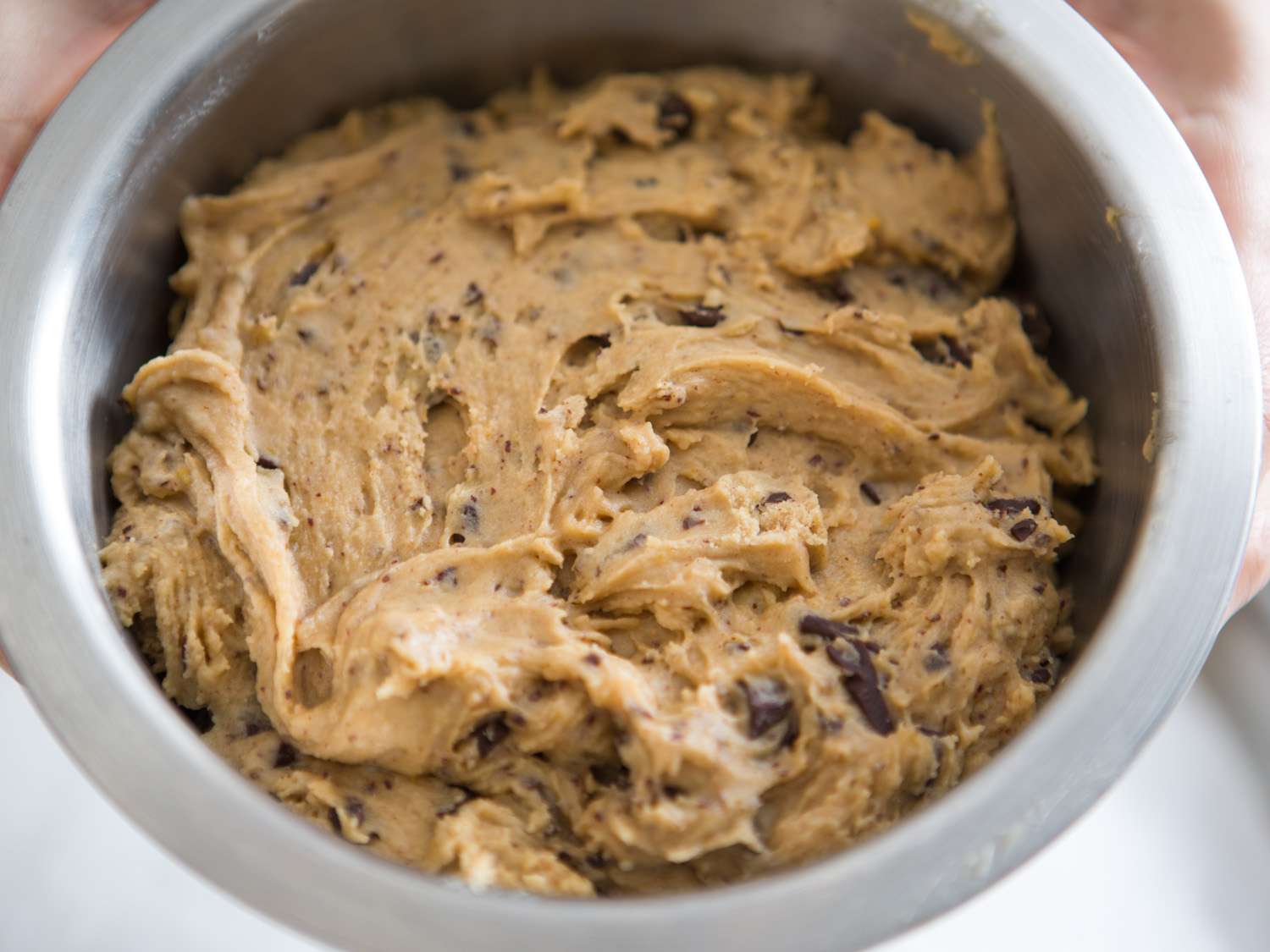
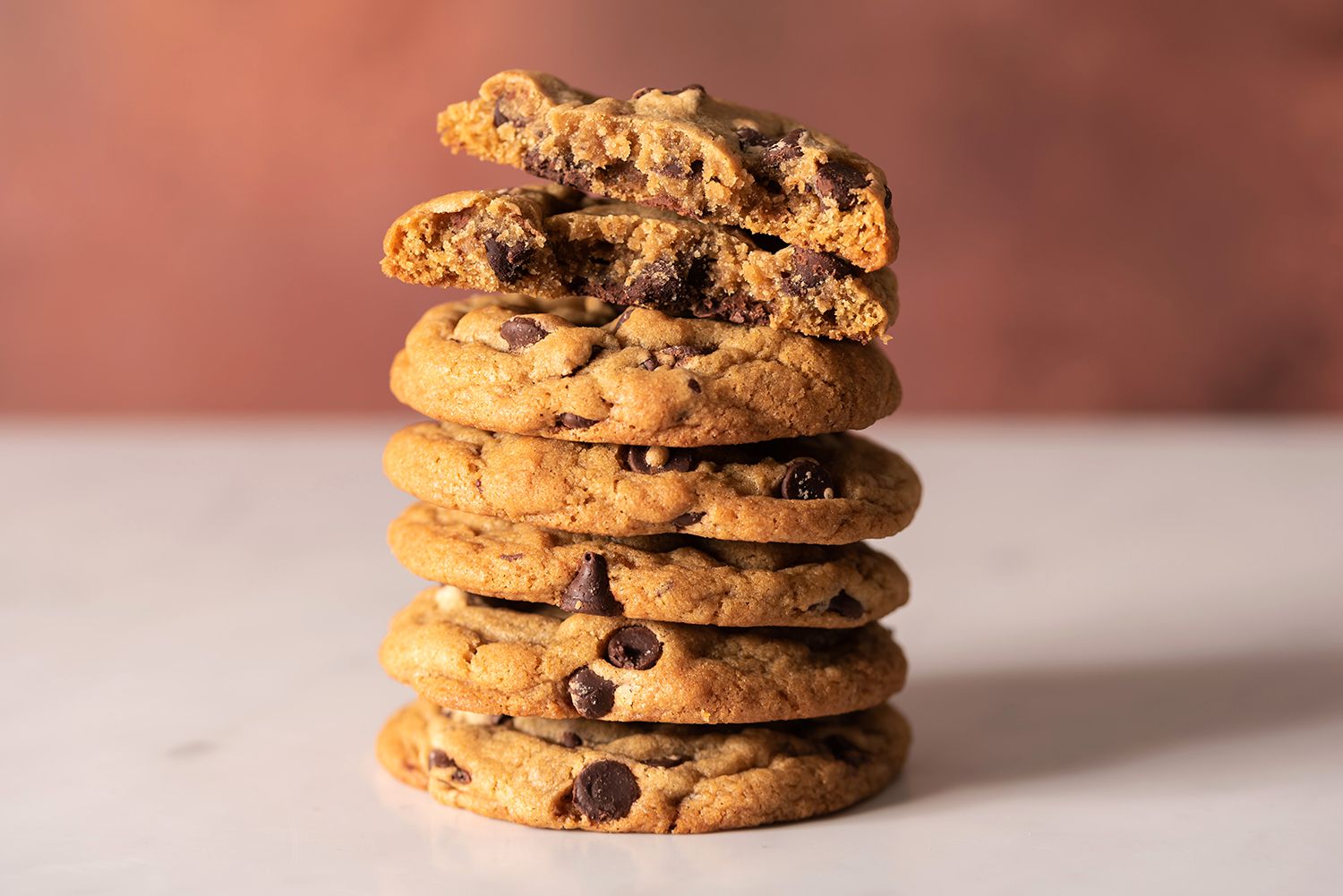
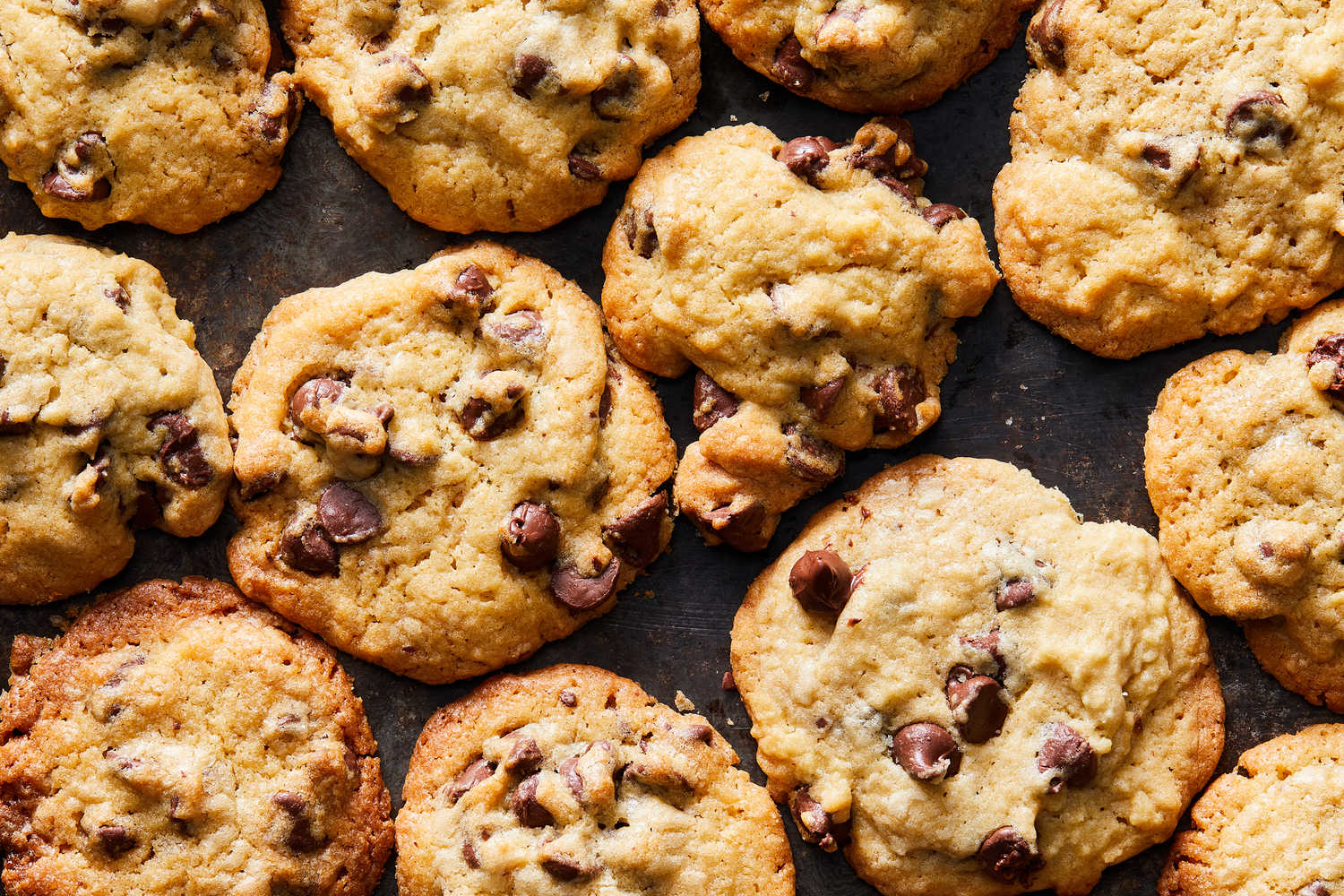
Cookie dough is forgiving, but it is also very honest. Tiny changes in butter temperature, flour measurement, or oven heat can turn “cozy bakery tray” into “why are these crackers?” fast. Here are the nine cookie baking mistakes I see most often, plus the fixes that get you back on track in the same batch when possible.
1) Cookies spread too much
What you see: Thin, lacy edges. One giant cookie puddle. Greasy-looking bottoms.
Most common causes: Butter too warm or melted, dough too warm, too little flour, over-greased pan, or a hot baking sheet. Humid kitchens can also make dough feel softer and spread faster.
Fix it now (next tray or same day)
- Chill the dough 20 to 30 minutes (even 10 helps). Cold fat spreads slower.
- Cool the baking sheet completely between batches. If you only have one pan, run it under cool water, dry well, then reload.
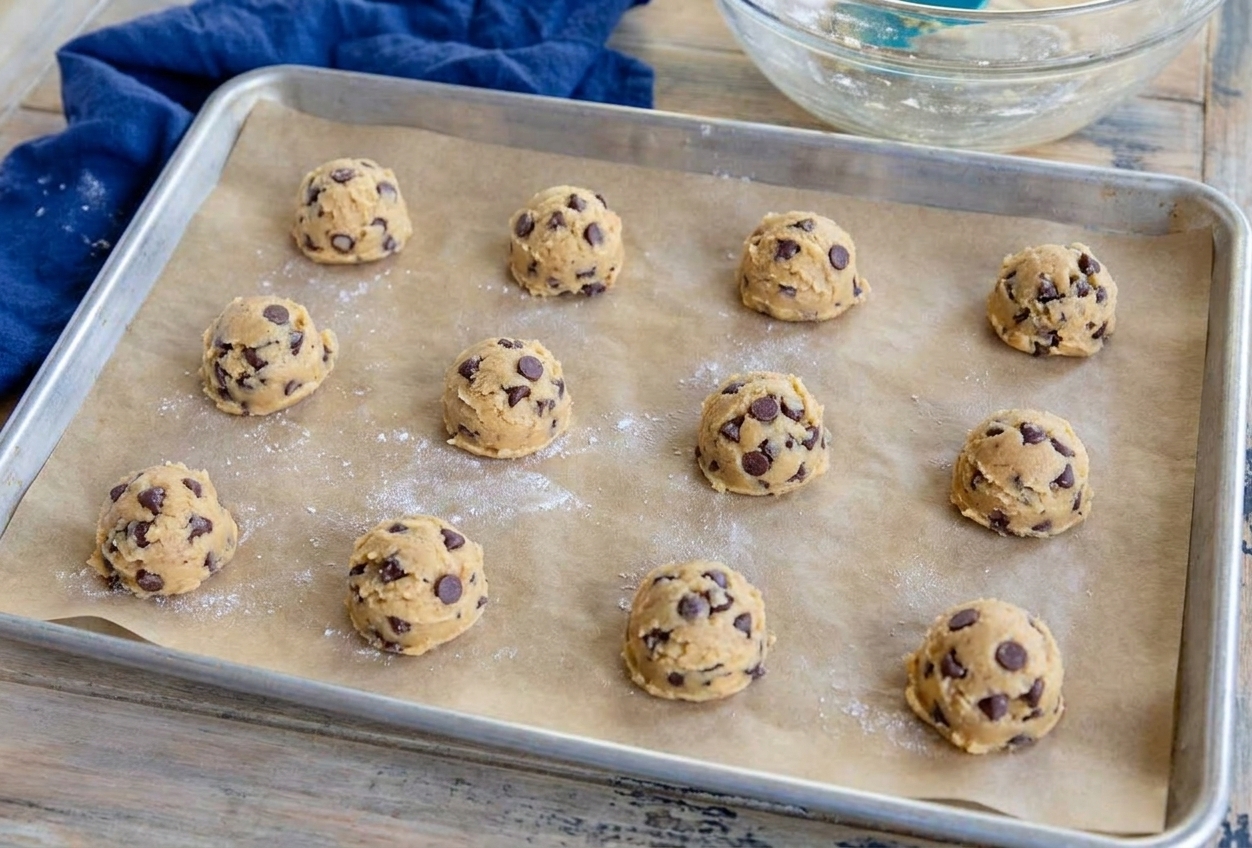
- Scoop taller mounds instead of flattening. Height buys you thickness.
- Use parchment instead of greasing the pan. Grease encourages spread.
Prevent it next time
- Measure flour accurately: fluff, spoon into the cup, level. Better yet, weigh it.
- Start with cool room-temperature butter: it should dent when pressed, not look shiny or oily.
- Check your leavener: too much baking soda increases spread and browning.
- Watch substitutions: margarine, vegan butter, or “spreadable” tub butters often contain more water and can change spread. If you swap, expect different results.
2) Cookies do not spread enough
What you see: Thick, puffy cookies that stay in little domes. Dense texture.
Most common causes: Too much flour, dough over-chilled or too stiff, butter too cold, or too much mix-ins.
Fix it now
- Let the dough sit at room temperature 10 to 15 minutes so it can relax.
- Lightly press the tops of dough balls before baking (especially for sugar and peanut butter cookies).
- Keep mix-ins reasonable: if every scoop is mostly chips and nuts, the dough cannot flow.
Prevent it next time
- Do not pack flour into the measuring cup.
- Cream butter and sugar properly: you want it lighter in color and fluffy, not a quick stir.
- Know your sugars: more brown sugar usually means thicker, chewier cookies; more white sugar tends to spread more. Swapping them changes shape and texture.
3) Cookies turn out dry or crumbly
What you see: Crumbly edges, sandy bite, cookies that fall apart when you pick them up.
Most common causes: Too much flour, overbaking, too little fat, or too much flour from heavily floured hands and counter.
Fix it now
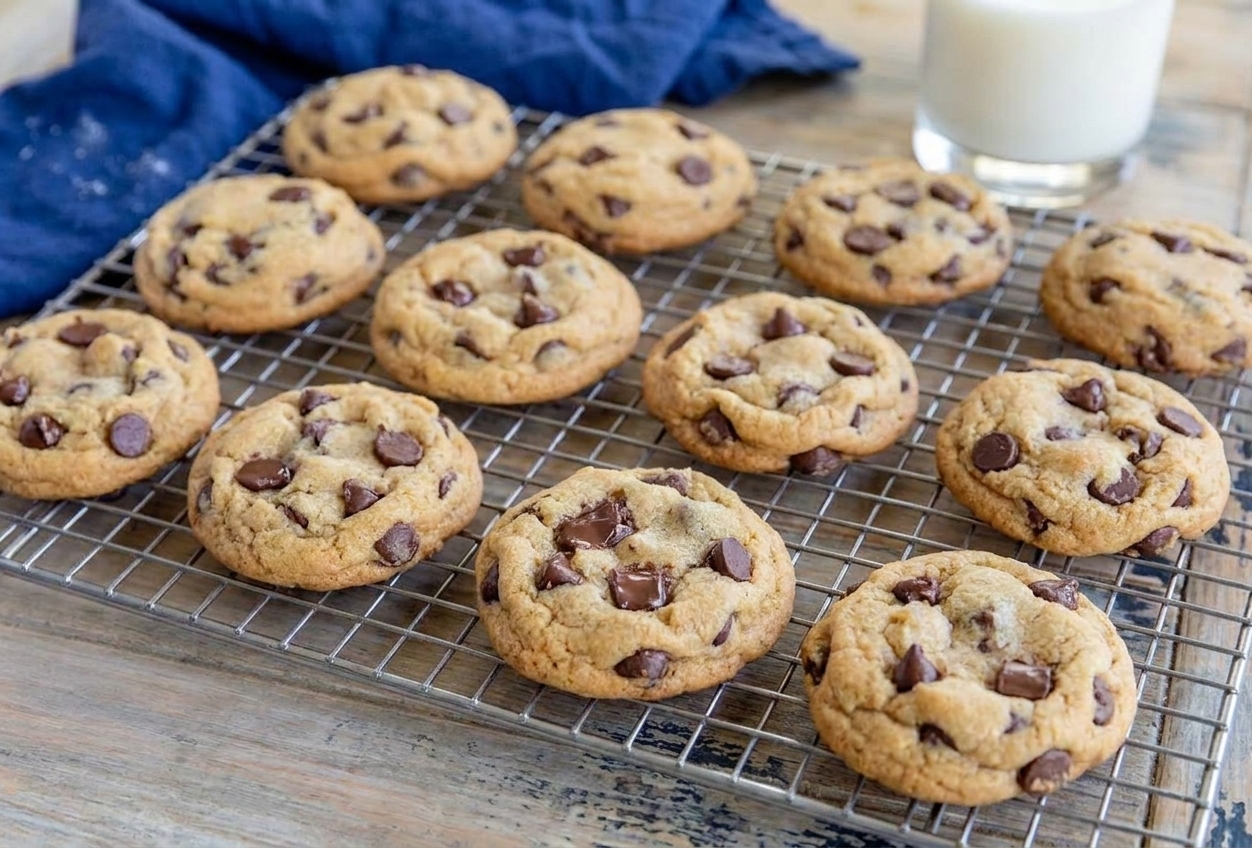
- Pull them earlier: cookies continue to set from residual heat. Aim for set edges and a slightly soft center.
- Steam-soften the batch: store in an airtight container with a slice of bread for 8 to 12 hours. The cookies absorb a little moisture. (Swap the bread slice daily.)
- Standardize size: a #40 cookie scoop is about 1.5 tablespoons and helps cookies bake evenly, so you are not accidentally making smaller cookies that overbake.
Prevent it next time
- Weigh flour if you can. “Just a little extra” flour is the fastest route to dry cookies.
- Mix just until combined once flour goes in. Overmixing develops gluten and toughens cookies.
4) Cookies are underbaked in the middle
What you see: Raw-looking centers, doughy stripe, cookies that collapse into a gummy layer as they cool.
Most common causes: Oven running cool, cookies scooped too large, dark pan browning edges too quickly, or dough baked straight from very cold.
Fix it now
- Give them 2 to 4 more minutes, but watch the edges. If your bottoms are browning too fast, move the pan up one rack for the last few minutes.
- Use the “jiggle test”: gently shake the pan. The center should wobble slightly, not slosh.
- Let the pan rest 5 to 10 minutes before moving cookies. They keep cooking on the hot sheet.
Prevent it next time
- Verify oven temperature with an inexpensive oven thermometer. Many ovens can be off by 25 to 50 degrees.
- Standardize cookie size: the bake time in recipes assumes a typical scoop size.
- Convection note: if you bake with convection (fan), cookies often brown faster. Try lowering the temperature by 15 to 25 degrees or checking a couple minutes earlier.
5) Burned bottoms (but pale tops)
What you see: Dark, bitter bottoms while the tops look underdone.
Most common causes: Oven rack too low, dark nonstick pan, over-preheated sheet pan, or hot spots.
Fix it now
- Move the rack up one level.
- Double pan: set your cookie sheet on top of a second empty sheet to insulate the bottoms.
- Switch to parchment instead of foil. Foil can contribute to darker bottoms in many ovens.
Prevent it next time
- Use light-colored aluminum sheets for the most even baking.
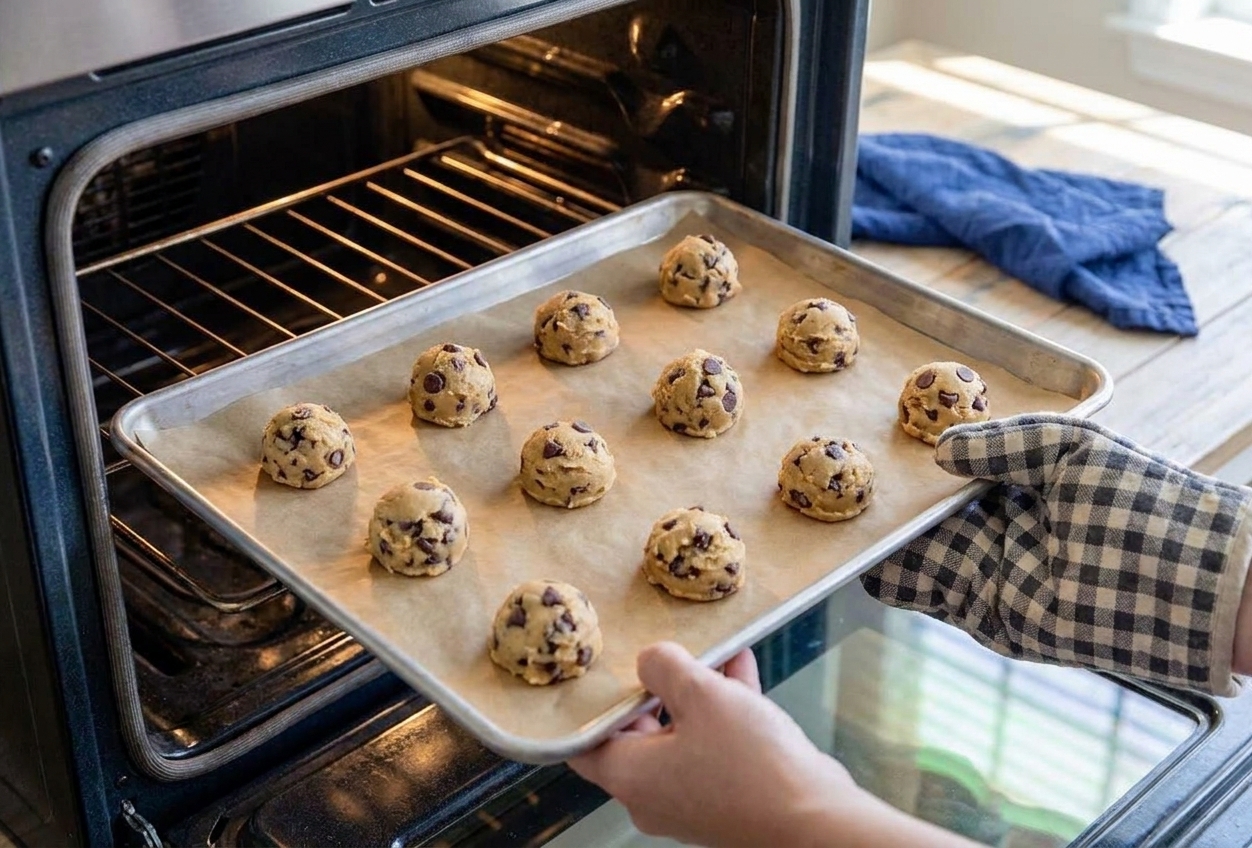
- Rotate the pan at the halfway point, especially in older ovens.
6) Uneven texture
What you see: Random pockets of flour. Shiny greasy patches. Some cookies bake up fine, others weird.
Most common causes: Incomplete mixing, flour added too quickly, butter and sugar not creamed evenly, or warm butter separating.
Fix it now
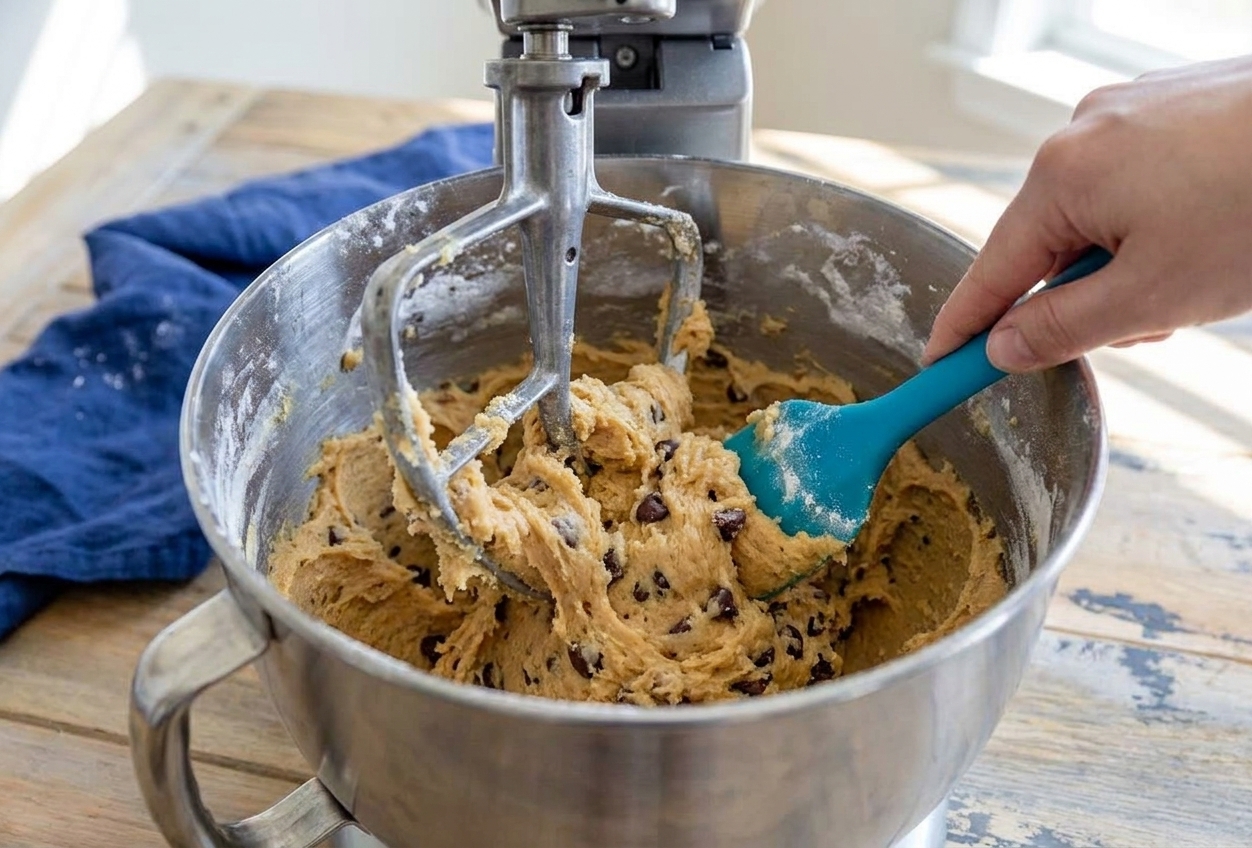
- Stop and scrape: scrape the bowl thoroughly, especially the bottom butter layer. Then mix briefly again.
- Fold by hand for the last few turns. A spatula catches flour pockets better than a mixer.
Prevent it next time
- Add dry ingredients in two additions on low speed, then finish by hand.
- Cream with intention: 2 to 4 minutes for butter and sugar, until it looks fluffy and a shade lighter.
7) Cookies are tough
What you see: Chewy in the wrong way, bready bite, cookies that fight back when you break them.
Most common causes: Overmixing after flour is added, too much flour, or too high-protein flour for a delicate cookie.
Fix it now
- Do not keep mixing to “smooth it out.” Once flour is in, mix just until no dry streaks remain.
- Rest the dough 15 to 30 minutes before baking. This hydrates the flour and can improve tenderness and consistency (depending on the recipe, it may also make cookies a bit thicker or chewier).
Prevent it next time
- Use all-purpose flour unless the recipe specifies bread flour.
- Mix-ins last, and only until combined.
8) Cookies brown unevenly
What you see: Some cookies are pale while others are deeply browned on the same tray. Or one side is darker.
Most common causes: Oven hot spots, crowded pans, uneven dough portioning, or baking sheets that are warped.
Fix it now
- Rotate the pan front to back at the halfway mark.
- Re-space the dough: give cookies room for air circulation, usually 2 to 3 inches apart.
- Pull done cookies first if needed and let the rest finish.
Prevent it next time
- Bake one sheet at a time if your oven is finicky.
- Use a scoop for equal portions so bake time matches across the tray.
9) Cookies stick to the pan
What you see: You lose half the cookie trying to lift it. The bottoms smear and tear.
Most common causes: No parchment, sugar-heavy dough caramelizing on bare metal, cookies moved too soon, or residue build-up on the pan.
Fix it now
- Wait 5 minutes before moving cookies. Hot sugar is basically glue.
- Use a thin metal spatula and slide under confidently, keeping it flat to the pan.
- For next batch, switch to parchment (or a silicone baking mat if you own one).
Prevent it next time
- Clean baking sheets well: baked-on residue causes sticking and over-browning.
- Avoid greasing unless the recipe explicitly says to. Parchment is more consistent.
Quick reality checks
Use your senses, not just the timer
- Edges: should look set and lightly golden for most drop cookies.
- Centers: can look slightly underdone. They finish as they cool.
- Aroma: when you can smell toasted butter and sugar clearly, you are close.
My save-the-batch moves
- Too spread: chill dough and cool the pan.
- Too dry: pull earlier and store airtight with a slice of bread.
- Too pale: bump oven temperature up 15 to 25 degrees next round after checking with a thermometer.
FAQ
Why did my cookies spread even though I chilled the dough?
Two usual culprits: the butter started too warm (so chilling did not fully reset the fat), or there is not enough flour for your kitchen conditions. Humidity, brand-to-brand flour differences, and even how you scoop flour can all nudge spread. Also confirm you are not baking on a still-hot sheet pan.
Can I fix cookie dough that feels too dry?
Sometimes. If the dough is crumbly and will not scoop, mix in 1 tablespoon milk (or water) at a time just until it holds together. If it is dry because of too much flour, you will still get a more “shortbread-ish” cookie, but it will be less dusty.
What is the best pan for cookies?
Light-colored aluminum sheet pans bake the most evenly and help prevent burned bottoms. Pair with parchment for the easiest release and the most consistent spread.
Do I need to change temperature for convection?
Often, yes. Convection can brown cookies faster. If your recipe does not specify, try reducing the oven temperature by 15 to 25 degrees, or start checking 2 to 3 minutes early.