Balsamic vinaigrette is the kind of small kitchen habit that makes weeknight food feel intentional. It takes about as long as your greens take to dry, and it instantly upgrades everything from bagged salad to roasted vegetables to a leftover grain bowl. The key is balance: enough balsamic for brightness and sweetness, enough salt to wake it up, and just enough Dijon to help it stay together.
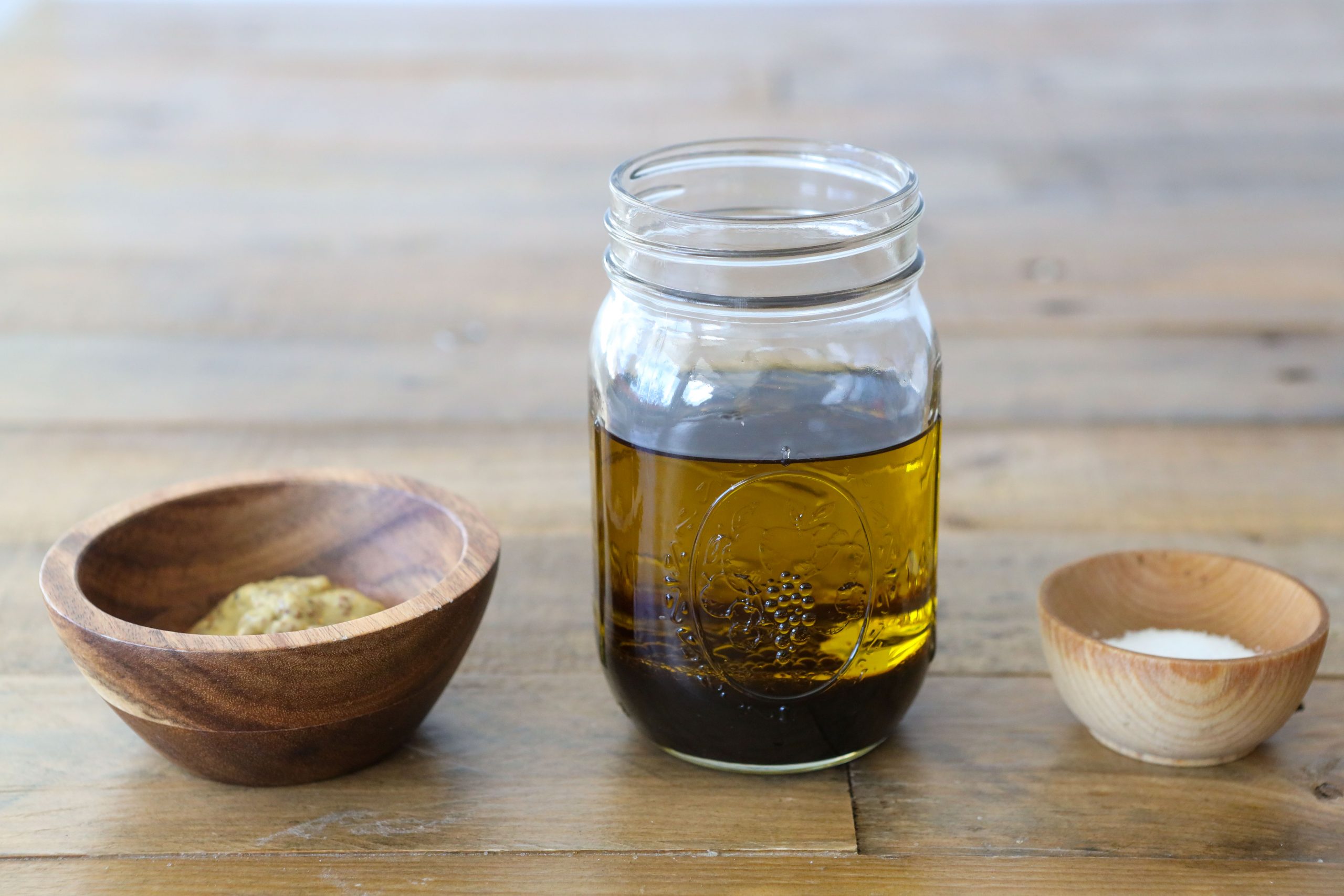
At its core, vinaigrette is oil plus acid plus seasoning. Some versions include an emulsifier too (mustard is the classic), which helps everything stay nicely blended. Balsamic brings its own personality: sweet, tangy, and a little fruity, so it can taste flat without enough salt or a touch of sharpness (like Dijon). Expect a bold, bright dressing you can tweak to match whatever you are serving.
Why this recipe works
- Balanced flavor: Balsamic brings sweetness and tang, olive oil adds body and a pleasant bitterness, and salt and pepper keep it from tasting flat.
- Better texture: A small amount of Dijon mustard helps emulsify the dressing so it stays cohesive longer instead of quickly separating.
- Fast and flexible: The base formula is easy to adjust with more oil, vinegar, salt, or pepper depending on what you are dressing.
When you taste vinaigrette straight off the spoon, it should feel a little intense. Once it hits lettuce, warm vegetables, or grains, it mellows out. Aim for “bright and confident,” then adjust after you dress a small portion.
Ingredient notes
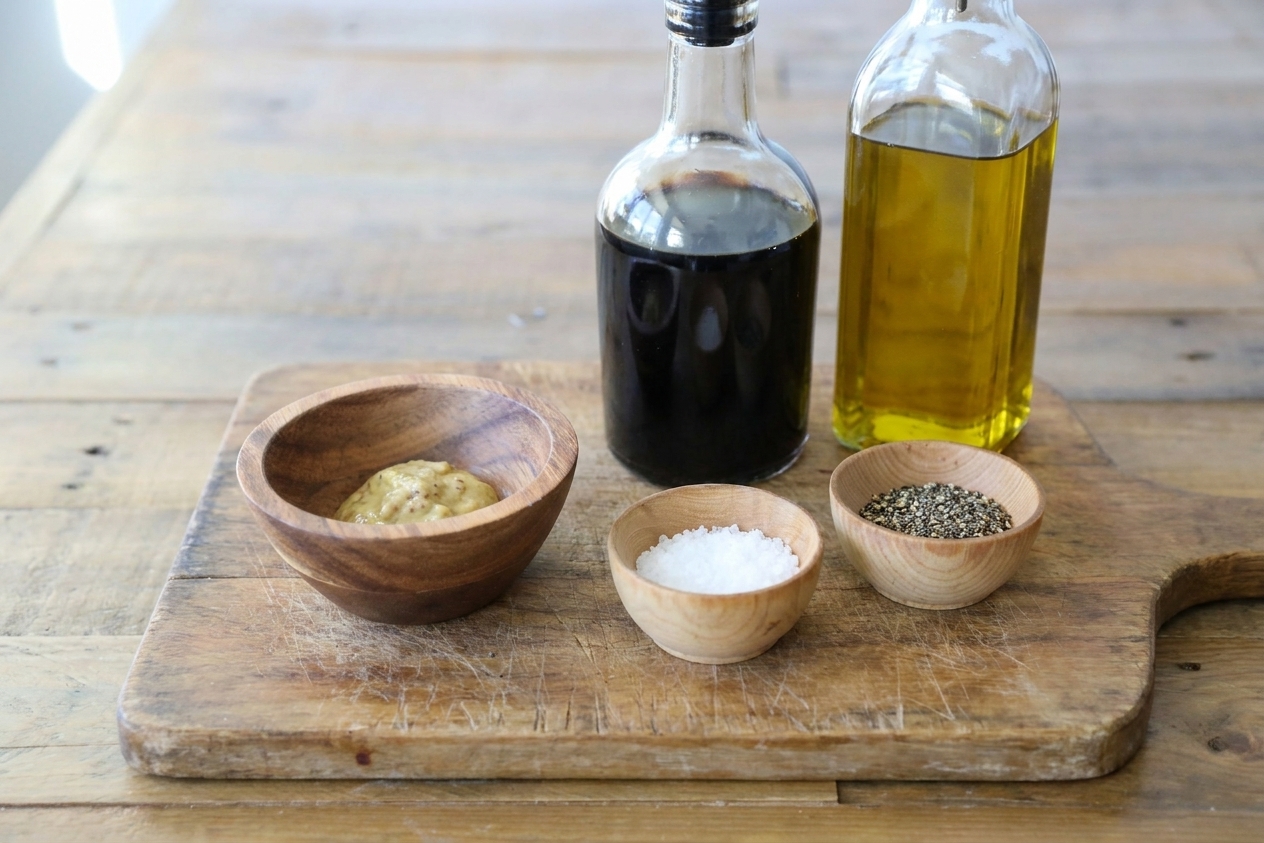
- Balsamic vinegar: Sweet, tangy, and a little fruity. Because some brands are intense and sweet, you may want to pull the vinegar back for a mellower dressing.
- Extra-virgin olive oil: Classic choice for body and a pleasant bitterness that balances balsamic’s sweetness. Olive oil can firm up in the fridge.
- Dijon mustard: Optional but helpful. Even a small amount helps the dressing emulsify and adds gentle heat.
- Salt: Nonnegotiable. Dissolving salt early in the vinegar phase helps season the whole dressing evenly. If using table salt, start with less than kosher salt and adjust.
- Black pepper: Adds bite and keeps the flavor lively.
- Garlic (optional): A tiny pinch can help, but if using raw garlic, plan to store refrigerated and use sooner.
- Lemon (optional): A little lemon juice (and zest) can add lift and make the dressing taste less sweet.
Equipment you will need
- Medium bowl and whisk (for whisking and drizzling in the oil)
- Jar with a lid (optional alternative for mixing and storing)
- Microplane or garlic press (optional, for finely grating garlic into a paste)
- Measuring spoons and measuring cup
Pro tips
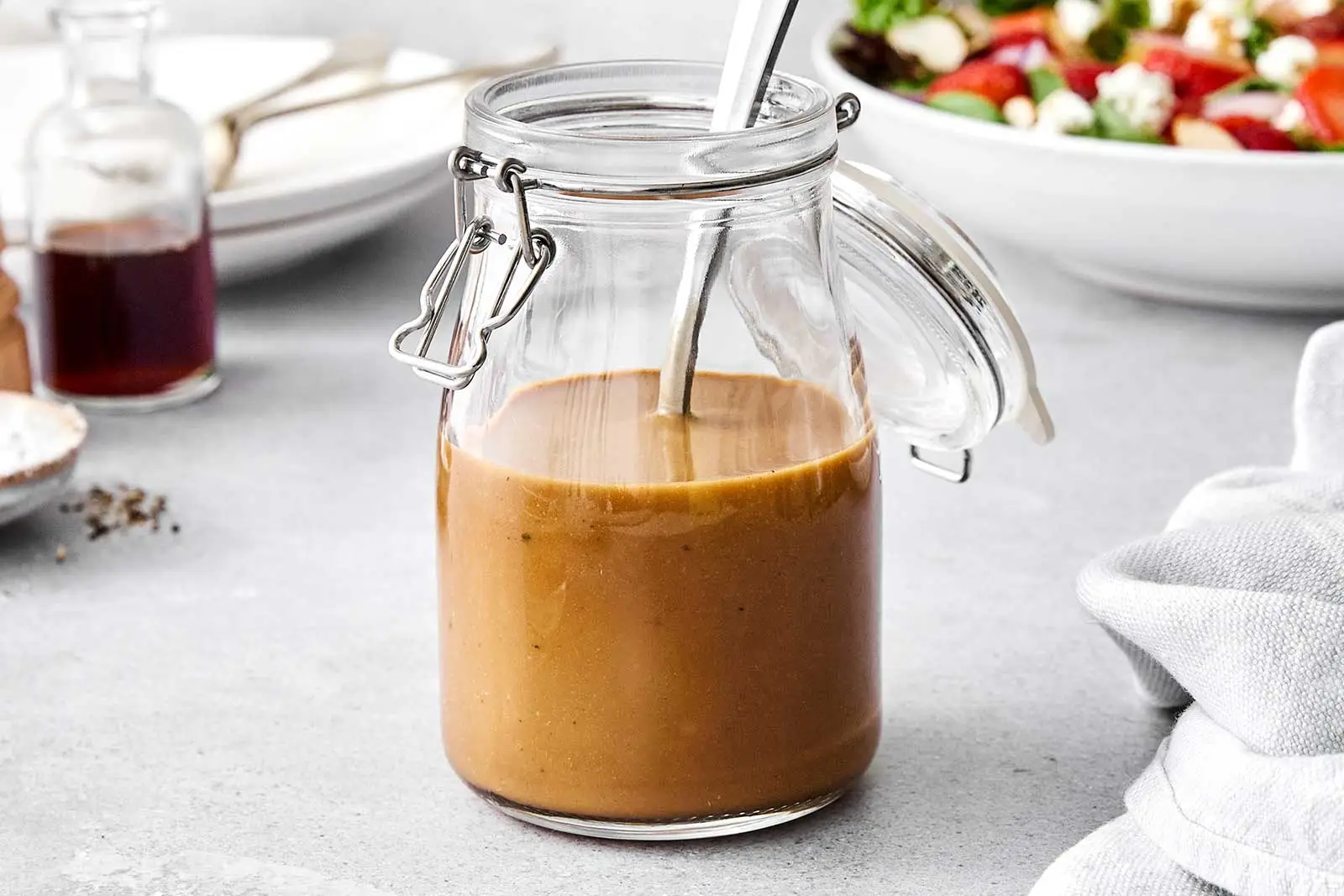
- Drizzle the oil slowly: While whisking constantly, slowly add the olive oil for a slightly thickened, glossy dressing.
- Use Dijon for stability: Even 1 teaspoon helps it emulsify and slows separation.
- Salt early: Whisk salt into the vinegar phase so it dissolves fully and seasons evenly.
- Taste on the food: Dip in a leaf of what you are dressing. If it tastes sharp, add a tiny splash more oil. If it tastes dull or overly sweet, add a pinch more salt or a few drops more vinegar.
- Warm slightly if chilled: Let a refrigerated jar sit at room temperature 10 to 15 minutes, then shake hard if the olive oil has firmed up.
Substitutes that work
- No Dijon mustard: Skip it (the dressing will separate faster) or try 1 teaspoon mayonnaise as an alternative emulsifier, then shake right before serving.
- Milder oil option: If you want a less assertive flavor than extra-virgin olive oil, use a lighter olive oil or avocado oil, then add a little more pepper and a pinch more salt to keep it lively.
- Balsamic glaze (instead of vinegar): Use a small amount (start with 1 to 2 teaspoons), thin with a splash of water or another vinegar, then season aggressively with salt.
Variations
Honey balsamic vinaigrette
Add 1 to 2 teaspoons honey or maple syrup. This is great on bitter greens, grapefruit salad, or shaved Brussels sprouts.
Shallot balsamic vinaigrette
Finely mince 1 tablespoon shallot and let it sit in the vinegar for 5 minutes before adding the oil. The vinegar tames the bite.
Lemon-balsamic vinaigrette
Add 1 to 2 teaspoons lemon juice plus a little lemon zest. It brightens heavier salads and makes the dressing taste less sweet.
Herby balsamic vinaigrette
Stir in 1 to 2 tablespoons chopped parsley, basil, or dill. If your herbs are wilting, chop them and freeze for later. The texture softens after freezing, but they are still perfect for dressings.
Creamy balsamic vinaigrette
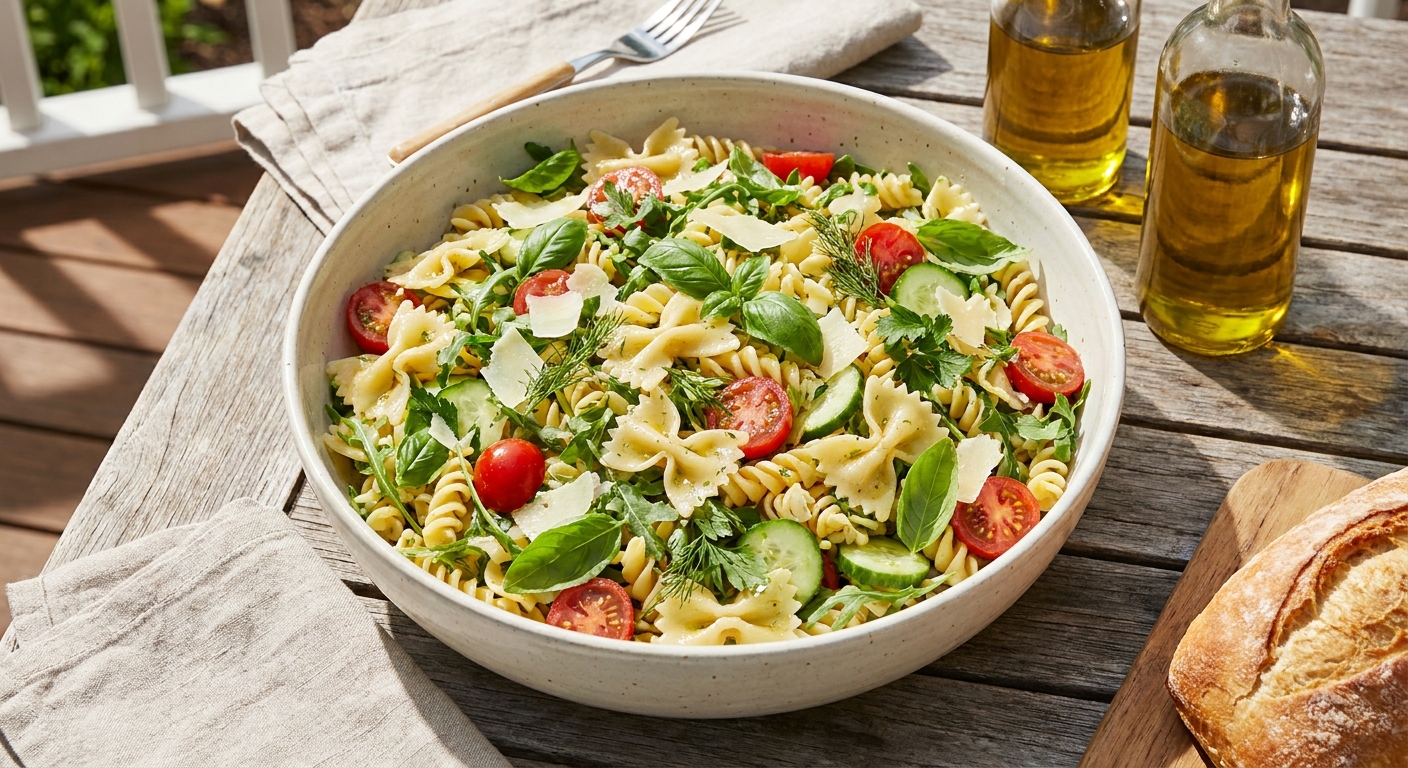
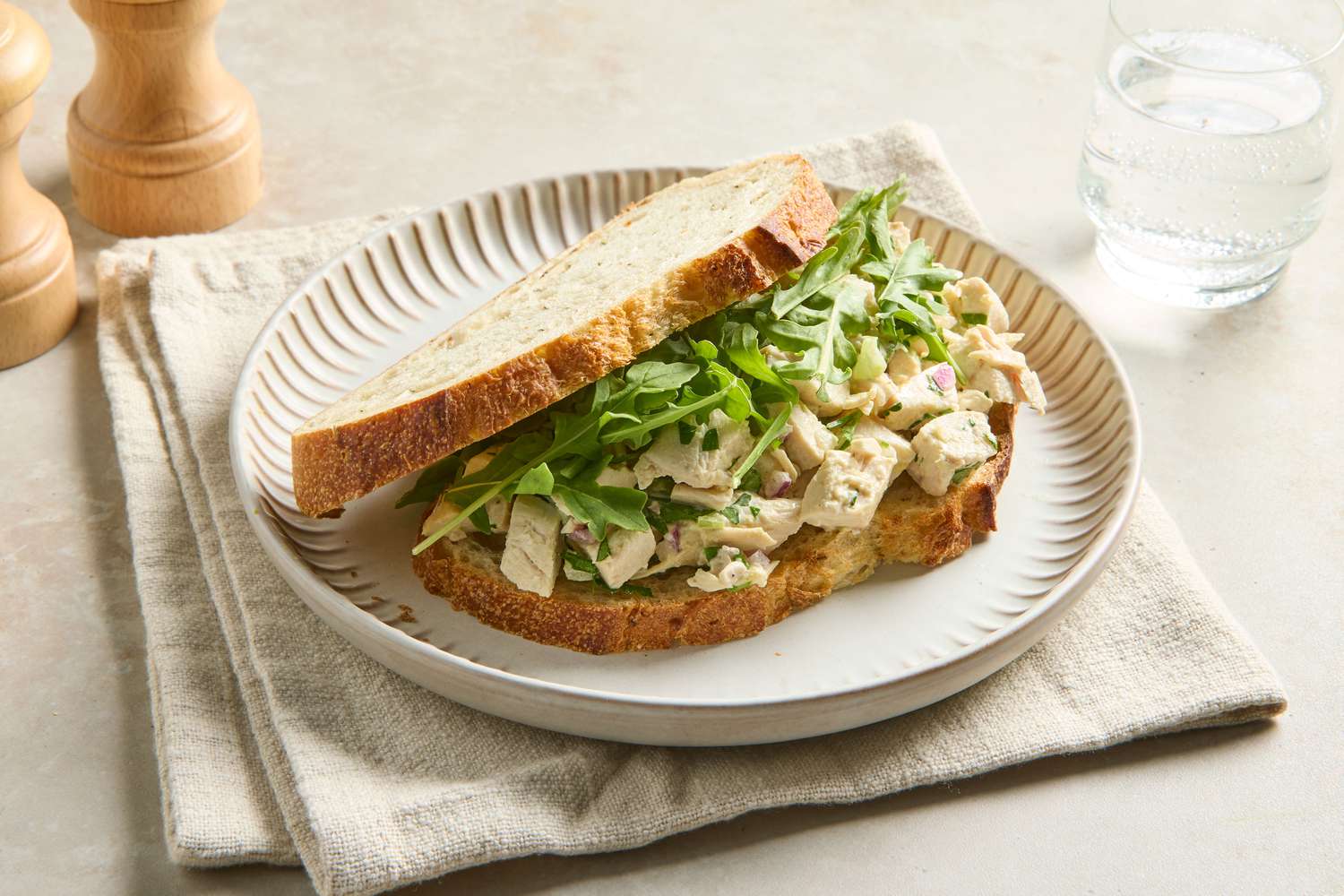
Whisk in 1 tablespoon mayonnaise or Greek yogurt for a thicker, clingier dressing that is excellent on chicken salads and pasta salads.
Serving ideas
Think beyond salad. A good vinaigrette is basically a finishing sauce.
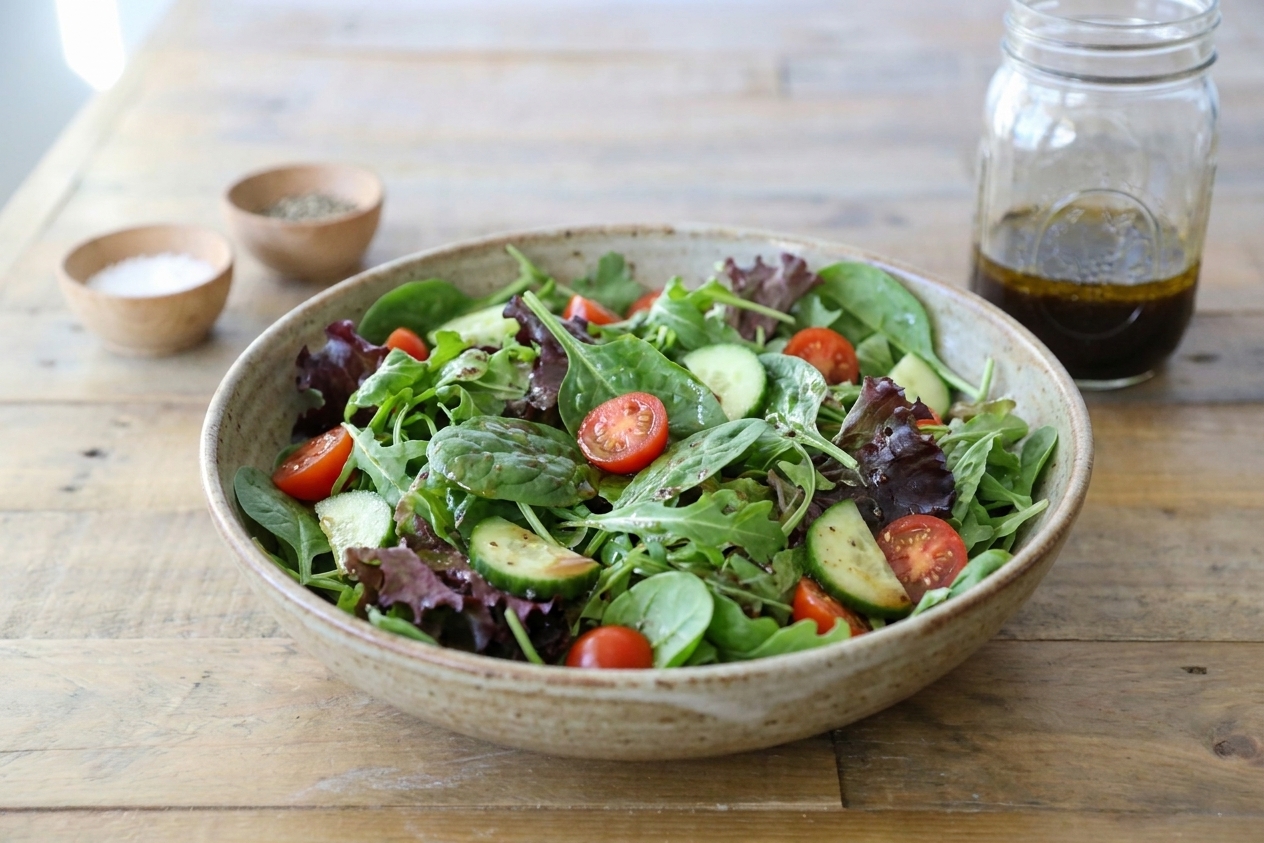
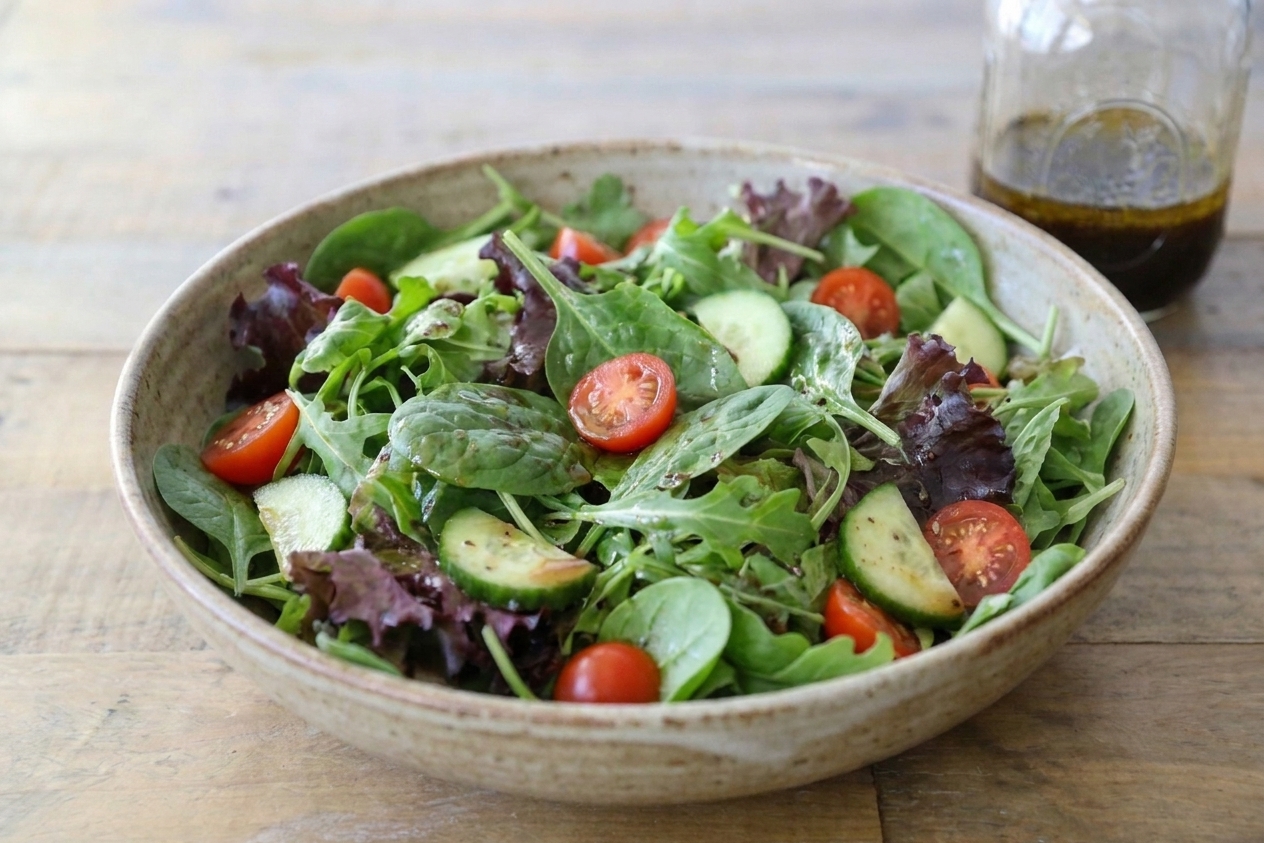
- Salads: mixed greens with pear and walnuts, arugula with shaved Parmesan, kale with Parmesan and crunchy breadcrumbs.
- Roasted vegetables: drizzle on warm roasted carrots, beets, cauliflower, or Brussels sprouts so it soaks in.
- Grain bowls: quinoa, farro, or rice bowls with roasted veggies and a soft-boiled egg.
- Proteins: spoon over sliced steak, grilled chicken, or lentils.
- Caprese-style pairings: tomatoes, mozzarella, peaches, basil.
Storage and reheating
- Fridge: Store in a sealed jar.
- How long it keeps: Without fresh garlic, it keeps well for up to 1 week. With raw garlic, play it safer and use within 2 to 3 days (guidelines vary, and garlic in oil should always be kept refrigerated).
- Shake before using: Especially after chilling, when olive oil may firm up.
- Room temperature note: If your dressing contains raw garlic, keep it refrigerated and do not leave it out for long periods.
- Batching tip: Double the recipe, then reserve some as a quick marinade for chicken or mushrooms later in the week.
Common mistakes
- Rushing the oil in: Pouring the oil too quickly is the fastest way to end up with an oily layer and a dressing that separates.
- Under-salting: Balsamic can taste flat if you do not add enough salt. Add it early and adjust after tasting on the food.
- Judging flavor from a spoon taste alone: Vinaigrette should taste a little intense in the jar; it mellows once it hits lettuce, warm vegetables, or grains.
- Not accounting for the fridge: Separation is normal after chilling, and olive oil may firm up. Let it sit 10 to 15 minutes, then shake hard.
FAQ
Can I use balsamic glaze instead of balsamic vinegar?
You can, but it is much sweeter and thicker. Use a small amount (start with 1 to 2 teaspoons) and thin with a splash of water or another vinegar, then season aggressively with salt.
What is the best oil for balsamic vinaigrette?
Extra-virgin olive oil is classic. If you want a milder flavor, use a lighter olive oil or avocado oil, then add a little more pepper and a pinch more salt to keep it lively.
Is this the same as Italian dressing?
Not exactly. Italian dressing usually includes more dried herbs and sometimes a sweeter, more processed profile. This is a simple vinaigrette with clean flavors you can adjust to your taste.
Can I make it without mustard?
Yes. It will separate faster, but it still tastes great. Try 1 teaspoon mayo as an alternative emulsifier, or just shake right before serving.
Balsamic Vinaigrette Dressing
A bold, bright weeknight balsamic vinaigrette made by whisking balsamic vinegar, Dijon, salt, and pepper, then slowly emulsifying with extra-virgin olive oil. Makes about 3/4 cup, enough for 2 to 4 salads depending on how dressed you like them.
- Prep
- 5 minutes
- Cook
- 0 minutes
- Total
- 5 minutes
- Yield
- Makes about 3/4 cup (enough for 2 to 4 salads)
Ingredients
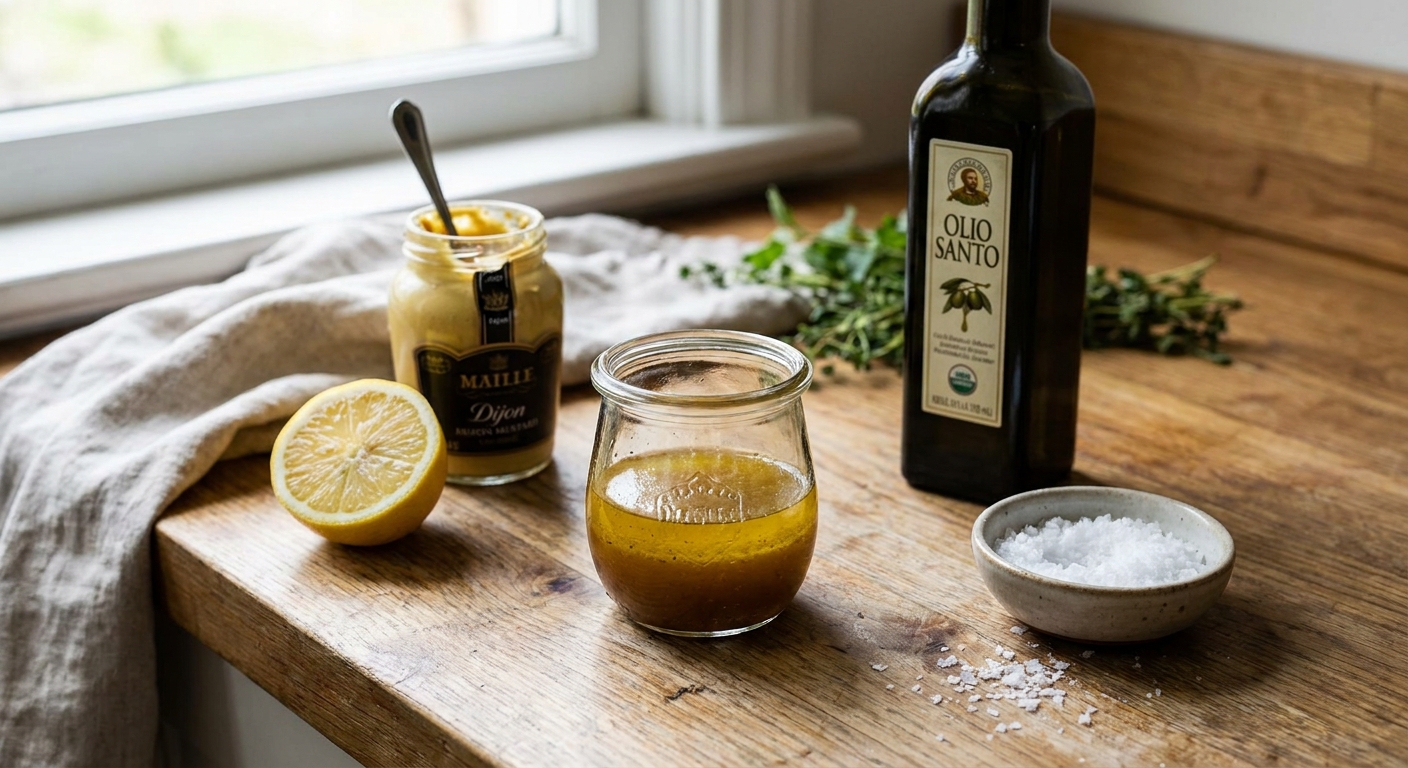
- 3 tablespoons balsamic vinegar
- 1 teaspoon Dijon mustard
- 1 small garlic clove, finely grated or smashed into a paste (optional)
- 1/2 teaspoon kosher salt, plus more to taste (if using table salt, start with 1/4 teaspoon and adjust)
- 1/4 teaspoon freshly ground black pepper
- 1/2 cup extra-virgin olive oil
Instructions
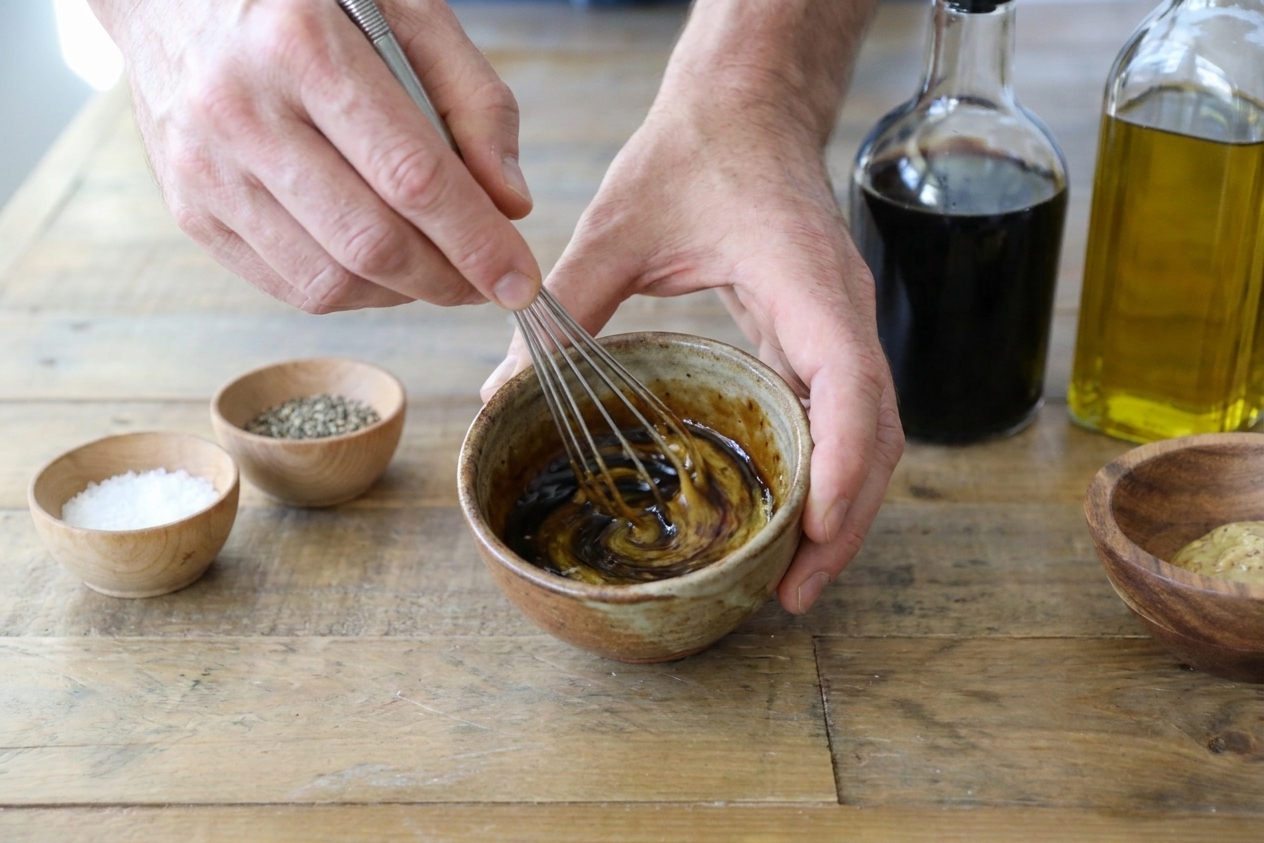
- Build the base. In a medium bowl (or a jar with a lid), whisk together the balsamic, Dijon, garlic (if using), salt, and pepper until dissolved.
- Emulsify. While whisking constantly, slowly drizzle in the olive oil. You want the dressing to look slightly thickened and glossy, not oily and separated.
- Taste and tweak. Dip in a leaf of whatever you are dressing (seriously, taste on the food). If it tastes sharp, add a tiny splash more oil. If it tastes dull or overly sweet, add a pinch more salt or a few drops more vinegar.
Notes
Ratio guide: The classic starting point is 3 parts oil to 1 part vinegar. With balsamic, you may want less vinegar if your brand is intense and sweet.
- Mellow, everyday dressing: 4 parts oil : 1 part balsamic
- Punchier salad (arugula, radicchio, steak salad): 3 parts oil : 1 part balsamic
- Marinating roasted veggies or grilled chicken: 2.5 to 3 parts oil : 1 part balsamic (plus extra salt)
If you are measuring, note that 1/2 cup oil + 3 tablespoons vinegar is an 8:3 ratio (closer to the punchier end). For a true 3:1, use 1/2 cup plus 1 tablespoon oil with 3 tablespoons vinegar, or keep the oil at 1/2 cup and use a scant 3 tablespoons vinegar.
If it separates: Some separation is normal, especially after chilling. Shake before using. For a badly broken dressing, start with 1 teaspoon Dijon in a clean bowl, whisk in the broken dressing slowly, and keep whisking; or add 1 teaspoon warm water to the jar and shake vigorously.
Troubleshooting flavor: If too sharp, add more oil a tablespoon at a time (or 1/2 teaspoon honey if still harsh). If too sweet, add a pinch of salt first, then a splash more vinegar or a squeeze of lemon if needed. If flat, add a pinch of salt, a tiny bit of Dijon, or a few grinds of pepper.
Nutrition
- Calories: ~125
- Fat: ~14 g
- Carbs: ~1 g
- Protein: ~0 g
- Fiber: ~0 g
- Sugar: ~1 g
- Sodium: ~290 mg
Nutrition values are approximate and will vary by ingredient brands and exact serving size.