Why meatloaf gets dry
Dry meatloaf is usually a combo of three things: lean meat, not enough moisture held inside the loaf, and overcooking. The good news is you can solve all three without fancy ingredients.
- Use meat with enough fat. Think 80 to 85% lean ground beef, or a blend of beef and pork. Fat equals flavor and insurance.
- Add moisture that stays. A panade (breadcrumbs soaked with milk) helps retain moisture in the meat mixture so it bakes up tender instead of crumbly.
- Mix gently, shape loosely. The tighter you pack and the more you knead, the tougher the loaf gets.
- Pull it at the right temp. An instant-read thermometer is the single best tool for juicy meatloaf.
Ingredients for a tender loaf
This is a classic American-style meatloaf, with restaurant-level technique hiding in plain sight. Here is what matters most and why.
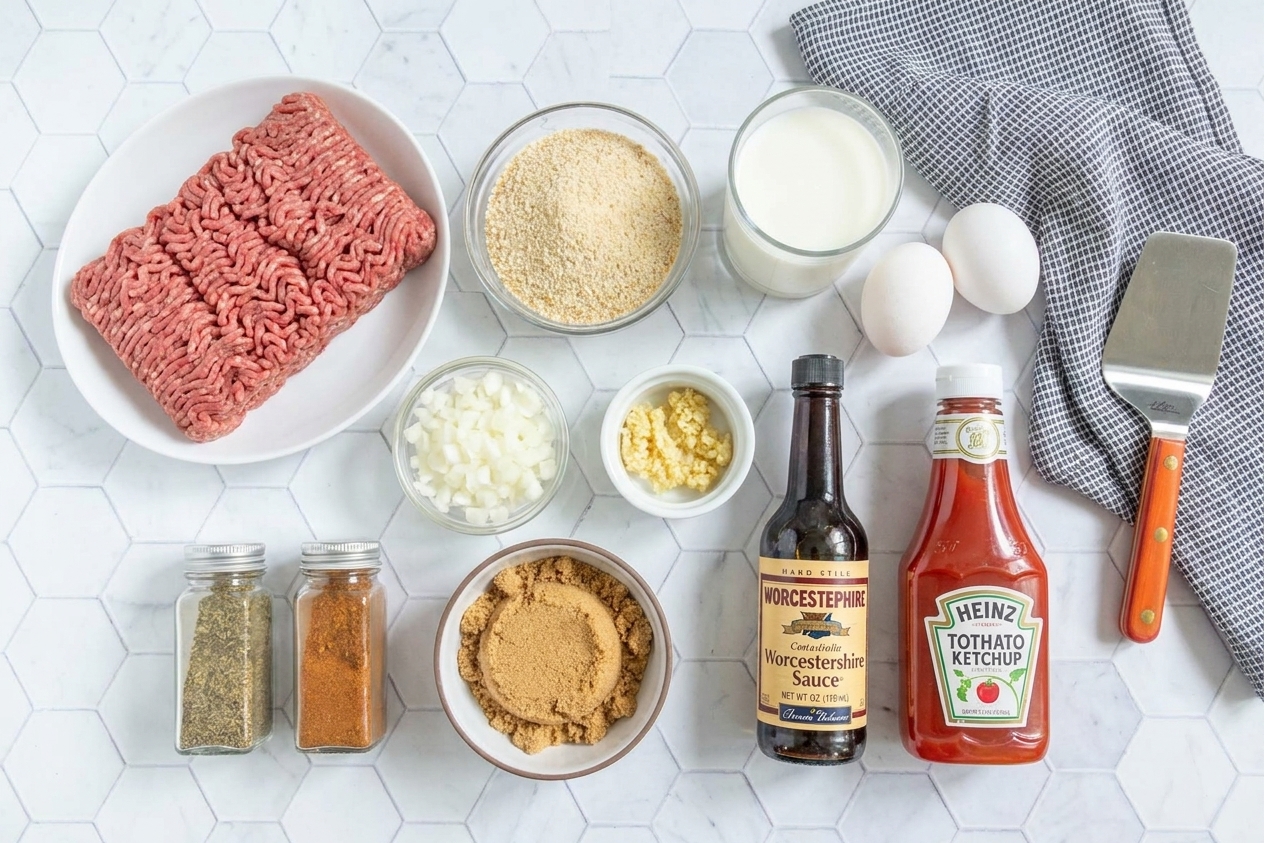
The meat
Best pick: 2 pounds ground beef at 80 to 85% lean. If you love a softer, richer texture, do 1 pound beef plus 1 pound ground pork.
Avoid: Extra-lean beef (90%+). It can work, but you need more moisture and it still tastes less lush.
The panade (breadcrumbs + milk)
This is the secret that makes meatloaf feel like a hug. You are basically pre-hydrating the crumbs so they do not steal moisture from the meat as it bakes.
Best crumbs: plain breadcrumbs or panko. If you only have seasoned breadcrumbs, reduce added salt slightly.
Milk swaps: half-and-half, unsweetened oat milk, or even beef broth in a pinch.
Aromatics and seasoning
Onion, garlic, Worcestershire, and a small amount of Dijon give you deep savory flavor without turning the loaf into a spice cabinet project.
Quick note on onions: Raw onion is totally fine here as long as it is diced very small. It softens as the meatloaf bakes. If you prefer a sweeter, gentler onion flavor, sauté it first (there is a simple trick for that at the end).
Waste-not tip: If you have a sad bunch of parsley, chop it and add a handful. If you have mushrooms, finely mince and sauté them and mix in for extra moisture and umami.
The glaze
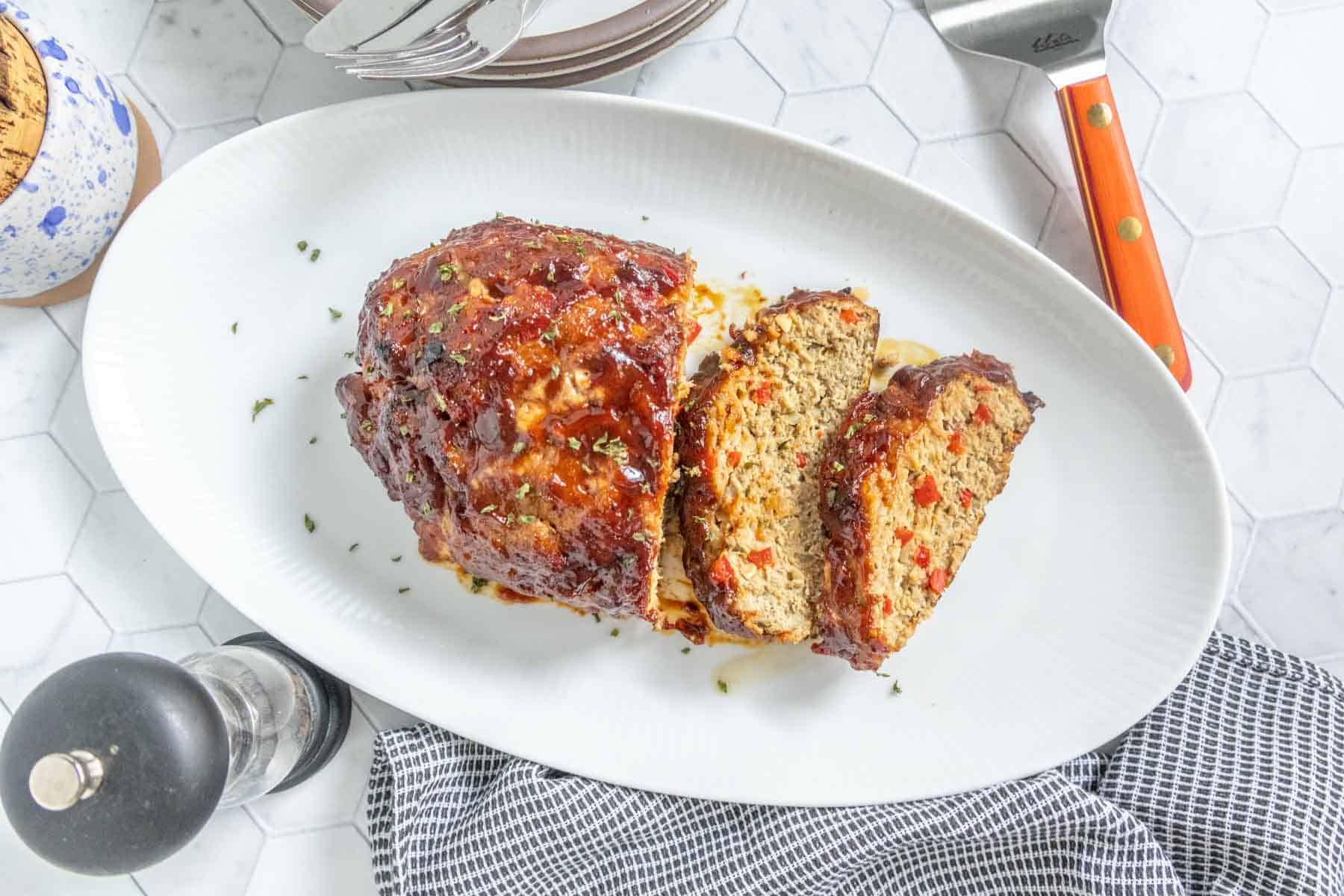
A tangy-sweet glaze bakes into a lacquered top and also protects the meatloaf from drying out. This one is ketchup-based, brightened with vinegar and sweetened with brown sugar.
Classic Meatloaf Recipe
Makes: 6 to 8 servings
Time: about 15 minutes prep, 55 to 70 minutes bake
Oven: 375°F
Ingredients
- For the loaf
- 1 cup breadcrumbs (plain or panko)
- 1/2 cup milk (any unsweetened milk or dairy)
- 2 large eggs
- 1 small yellow onion, very finely diced (about 1 cup)
- 2 cloves garlic, minced
- 2 tablespoons Worcestershire sauce
- 1 tablespoon Dijon mustard (optional but excellent)
- 1 teaspoon kosher salt
- 1/2 teaspoon black pepper
- 1 teaspoon smoked paprika (or sweet paprika)
- 2 pounds ground beef (80 to 85% lean), or 1 pound beef + 1 pound pork
- 1 tablespoon chopped parsley (optional)
- For the glaze
- 1/2 cup ketchup
- 2 tablespoons brown sugar
- 1 tablespoon apple cider vinegar (or white vinegar)
- 1 teaspoon Worcestershire sauce
- 1/2 teaspoon garlic powder (optional)
Instructions
- Heat the oven and prep the pan. Heat to 375°F. Line a rimmed baking sheet with parchment, or use a standard loaf pan. If using a loaf pan, consider a sling of parchment for easy removal.
- Make the panade. In a large bowl, stir together breadcrumbs and milk. Let stand 5 minutes. It should look like thick, wet sand.
- Add flavor builders. Whisk eggs into the breadcrumb mixture, then stir in onion, garlic, Worcestershire, Dijon, salt, pepper, and paprika.
- Mix in the meat gently. Add ground meat and parsley. Use your hands and mix just until everything looks evenly combined. Stop the moment it does. Overmixing is the fast track to dense meatloaf.
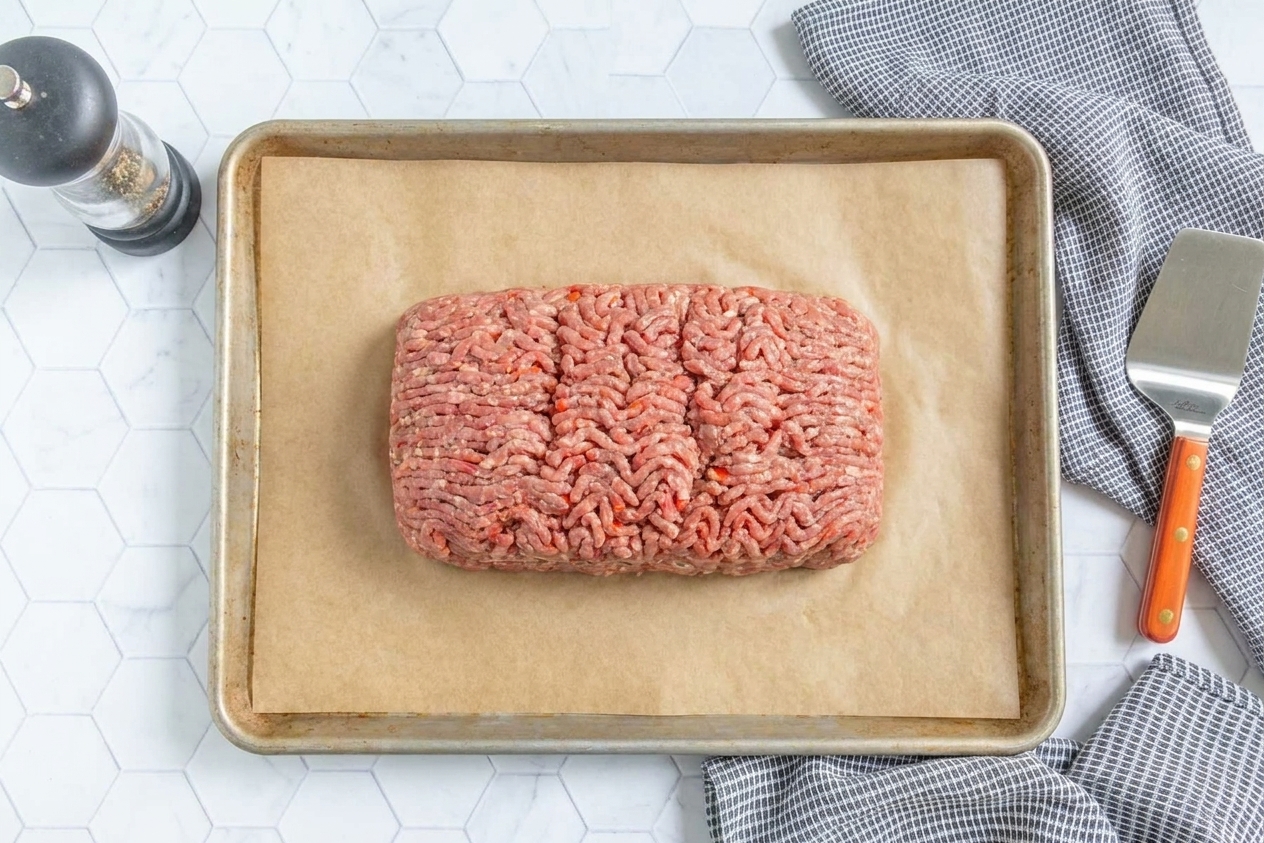
- Shape for even cooking. Turn mixture onto the baking sheet and shape into a loaf about 9 by 5 inches and 1 1/2 to 2 inches tall. A flatter loaf cooks more evenly and gets better glaze coverage.
- Start baking (no glaze yet). Bake 30 minutes.
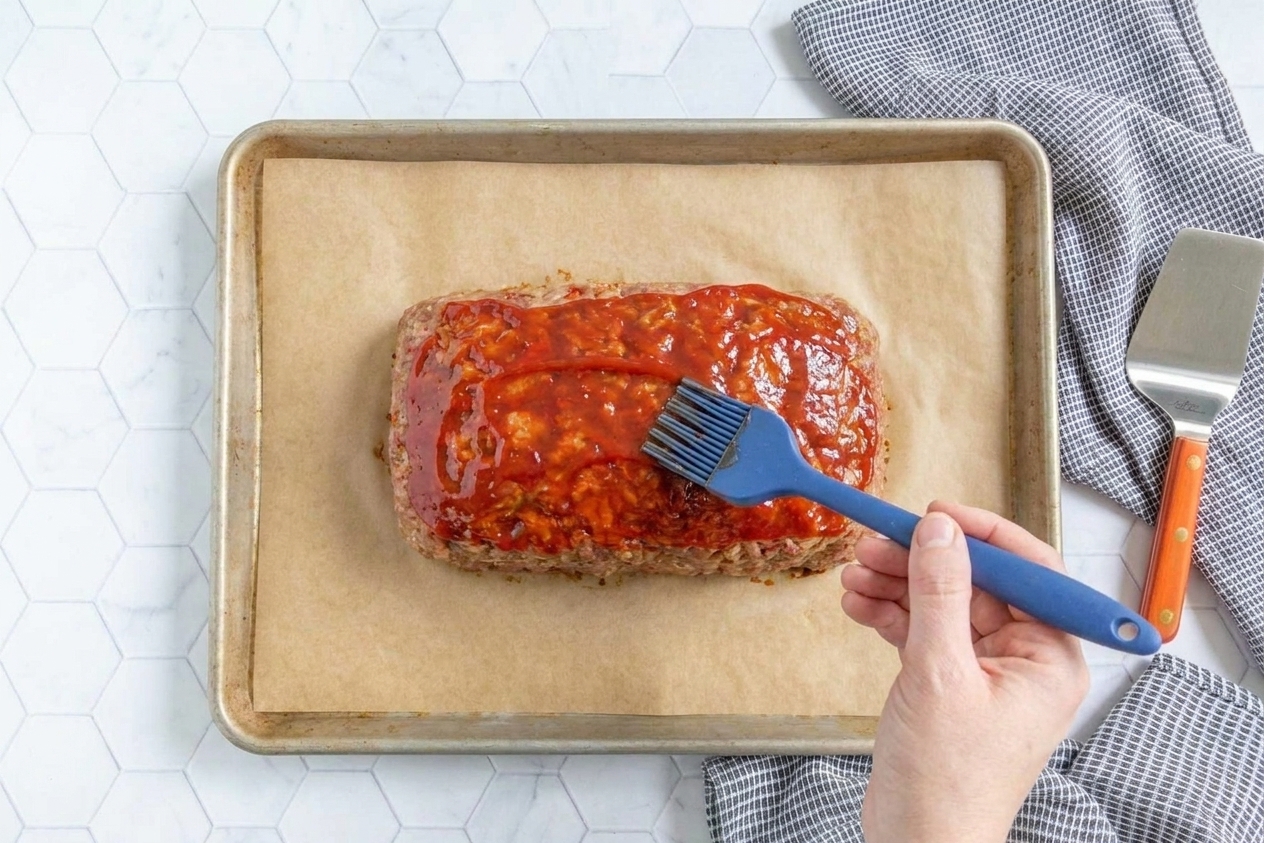
- Mix and apply the glaze. Stir ketchup, brown sugar, vinegar, Worcestershire, and garlic powder. Spread most of it over the top and sides after the first 30 minutes. Reserve a little for serving.
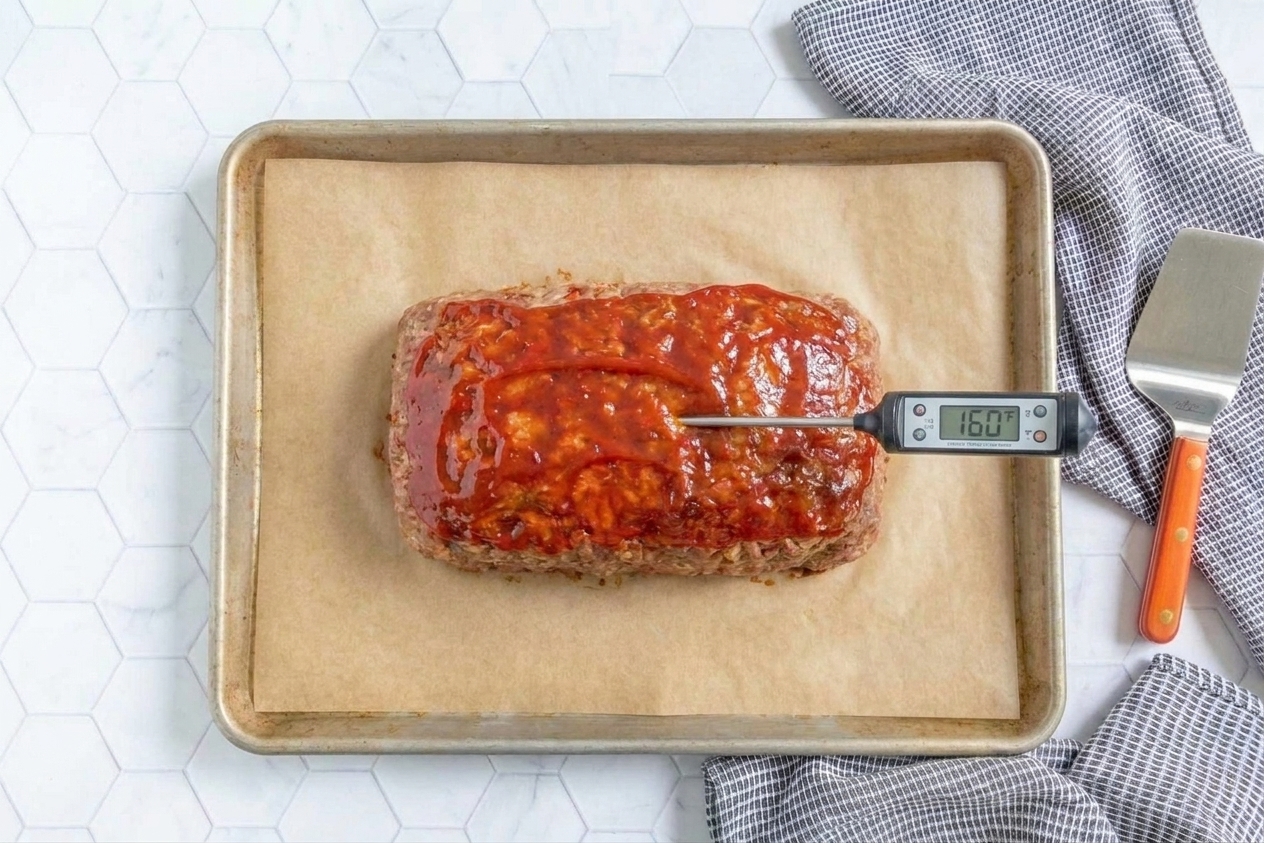
- Finish baking to temp. Bake 20 to 35 minutes more, until the center registers 160°F for beef or beef and pork blends, or 165°F for turkey or chicken. If the top is browning too fast, tent loosely with foil.
- Rest before slicing. Rest 10 to 15 minutes. This is not optional. The juices redistribute, and slices hold together instead of crumbling.
Sheet pan vs loaf pan
I am team sheet pan for most weeknights. You get better browning, more surface area for glaze, and less risk of the loaf steaming in its own juices.
- Sheet pan: more caramelization, less soggy sides, slightly faster cooking.
- Loaf pan: tidy shape, a little less hands-on shaping, but it can trap grease. If you use one, carefully spoon off excess fat halfway through baking (or use a rack insert if you have it).
Tips for juicy meatloaf
- Dice onion small. Big onion chunks can create weak spots that fall apart when slicing.
- Do not pack it down. When shaping, think gentle and cohesive, not compressed.
- Use a thermometer. Meatloaf goes from juicy to dry quickly once it overshoots temp.
- Rest before slicing. If you cut too soon, the juices end up on the cutting board, not in your dinner.
- Glaze in two stages. Adding glaze later prevents burning and gives you that glossy finish.
Swaps and add-ins
Meatloaf is the original clean-out-the-fridge dinner. A few guidelines keep it delicious.
Breadcrumb swaps
- Crushed crackers
- Rolled oats (pulse briefly for a finer texture)
- Stale bread torn small and soaked well
Milk swaps
- Broth (beef or chicken)
- Yogurt thinned with a splash of water
- Unsweetened non-dairy milk
Flavor add-ins
- Sautéed mushrooms (finely chopped) for moisture and savory depth
- Grated zucchini (squeeze lightly) for tenderness
- A handful of shredded cheese like cheddar for richness
- Chopped chipotle in adobo for smoky heat
Rule of thumb: If you add watery vegetables, sauté them first or squeeze out excess moisture so the loaf does not turn soft and crumbly.
Make ahead and storage
Make ahead
You can mix and shape the loaf up to 24 hours ahead. Cover tightly and refrigerate. Let it sit at room temp for 20 to 30 minutes before baking so it cooks evenly.
Refrigerate leftovers
Store sliced meatloaf in an airtight container for up to 4 days for best quality. Add a spoonful of extra glaze or a splash of broth before reheating to keep slices juicy.
Freeze
- Cooked: Cool completely, slice, and freeze with parchment between slices for up to 3 months for best quality.
- Uncooked: Shape the loaf, wrap tightly, and freeze up to 3 months for best quality. Thaw overnight in the fridge before baking.
Best ways to reheat
- Oven: 325°F, covered, until warmed through.
- Microwave: Short bursts at 50 to 70% power with a damp paper towel over the slice.
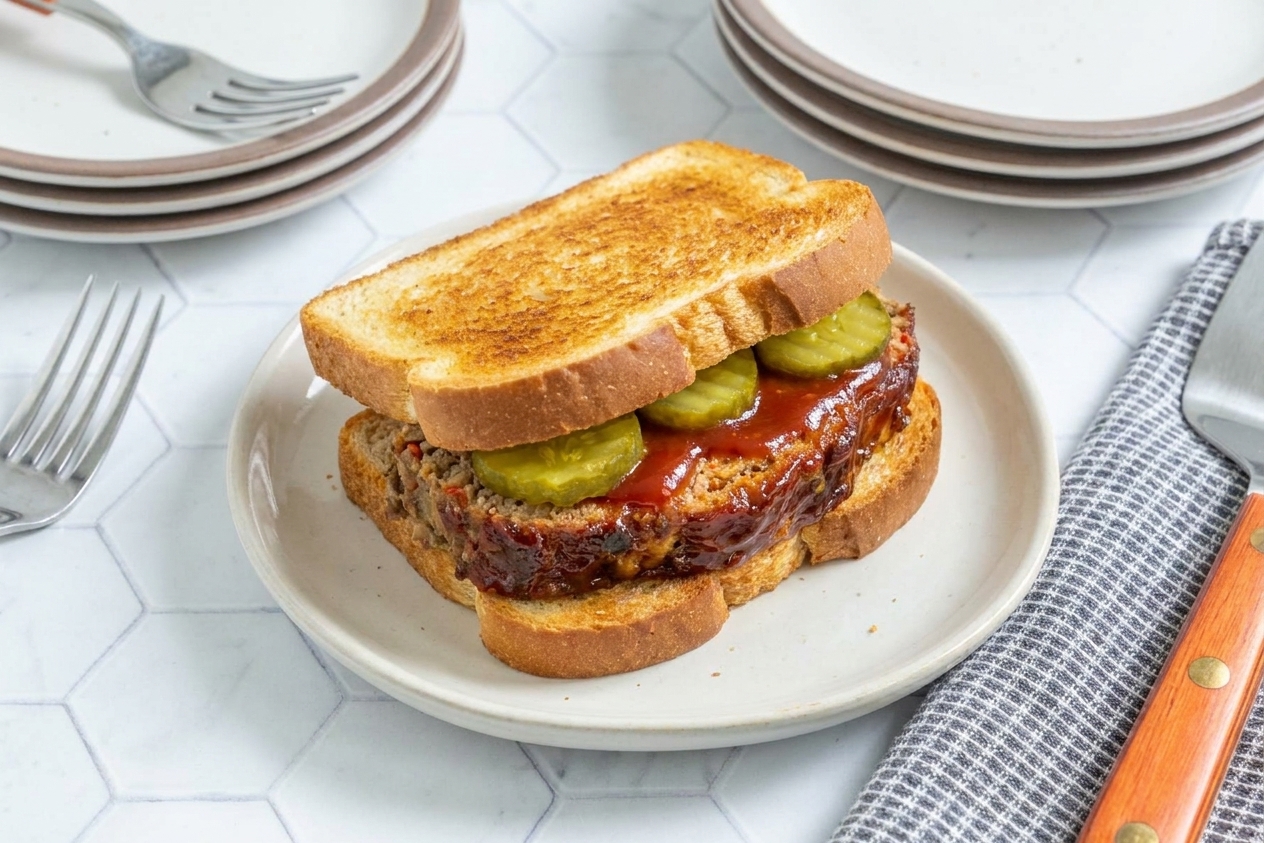
- Skillet: My favorite for sandwiches. Crisp the slice in a little butter, then warm through.
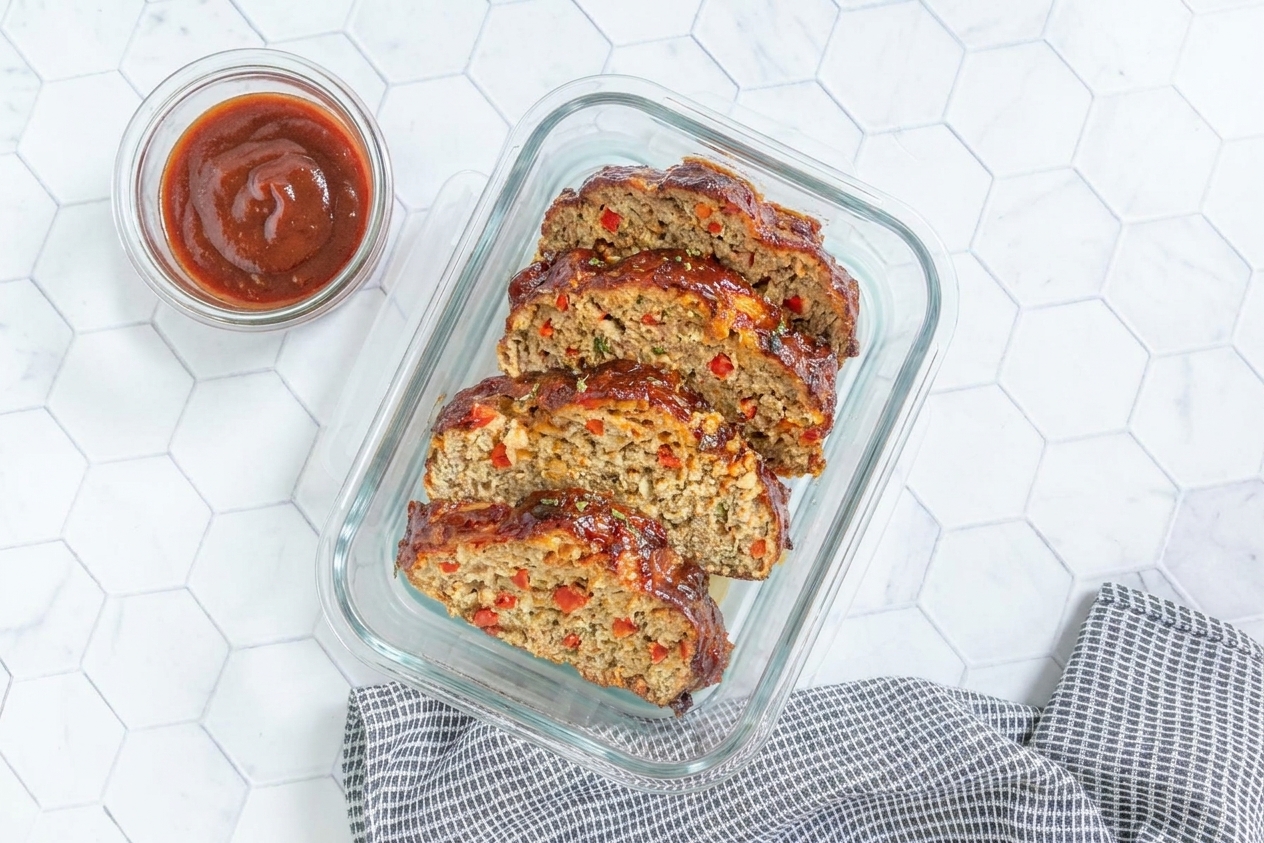
Serving ideas
- Classic plate: mashed potatoes and garlicky green beans.
- Roasted vegetables: carrots, broccoli, or whatever is lingering in the crisper drawer.
- Meatloaf sandwich: toasted bread, mayo, pickles, thin onion, and a warm slice of meatloaf.
- Breakfast upgrade: reheat a slice and top with a fried egg and hot sauce.
Troubleshooting
Why did my meatloaf fall apart?
Usually it is one of these: not enough binders (eggs or panade), onions cut too large, slicing too soon, or the loaf being too hot and fragile. Rest 10 to 15 minutes and slice with a sharp knife.
Why is my meatloaf dense?
Overmixing and overpacking are the big culprits. Mix just until combined, and shape gently. Also, very lean meat can bake up firm.
How do I know it is done?
Use a thermometer in the center. Pull at 160°F for beef or beef and pork blends, or 165°F for turkey or chicken, then rest. Carryover heat finishes the job.
Can I use turkey instead of beef?
Yes, with a couple tweaks: use dark-meat ground turkey if possible, add an extra tablespoon of milk, and bake to 165°F. Turkey benefits from a generous glaze and a little extra salt.
A simple upgrade
If you want that truly tender restaurant texture, sauté the onion in a teaspoon of oil until just translucent, then cool slightly before mixing. It takes 5 minutes, and it removes the harsh raw-onion bite while adding moisture. On a weeknight, I often skip it. The panade does a lot of heavy lifting either way.
When you make this, pay attention to the feel of the mixture: it should be moist and cohesive, not soupy, and not stiff. Trust that, bake to temperature, and your meatloaf will stay juicy.