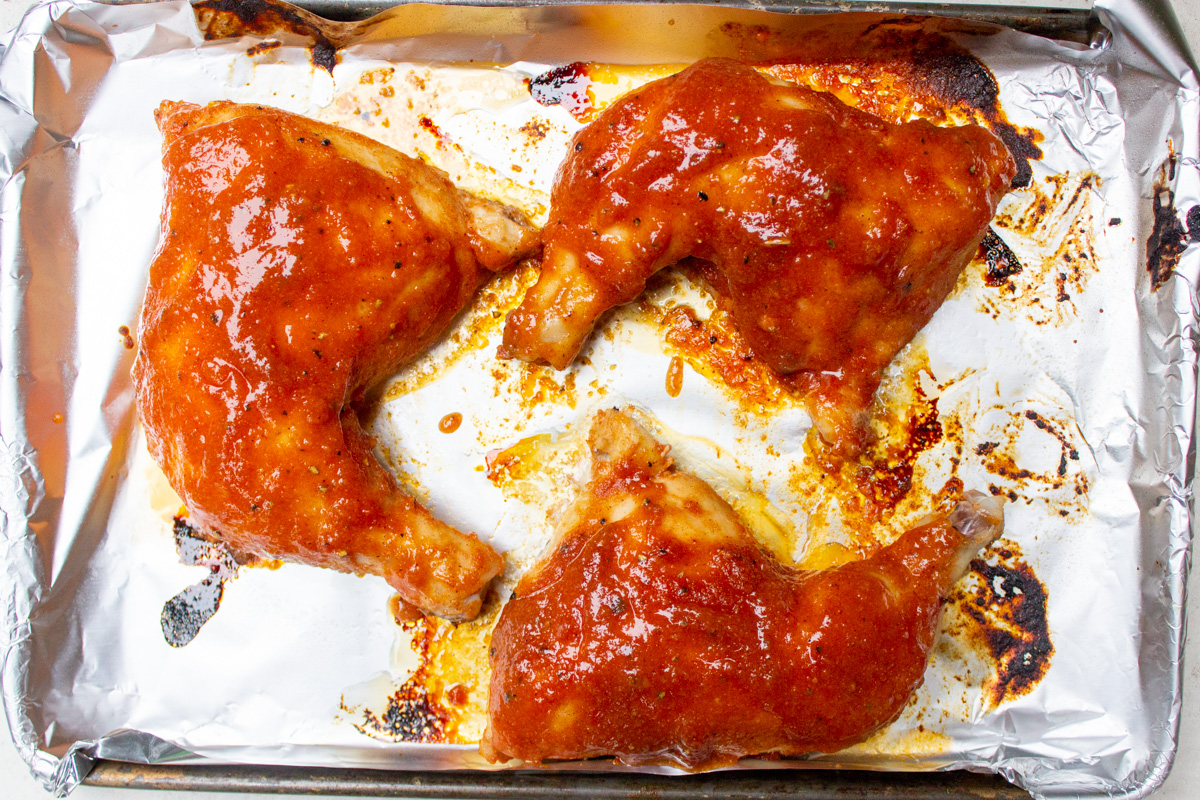
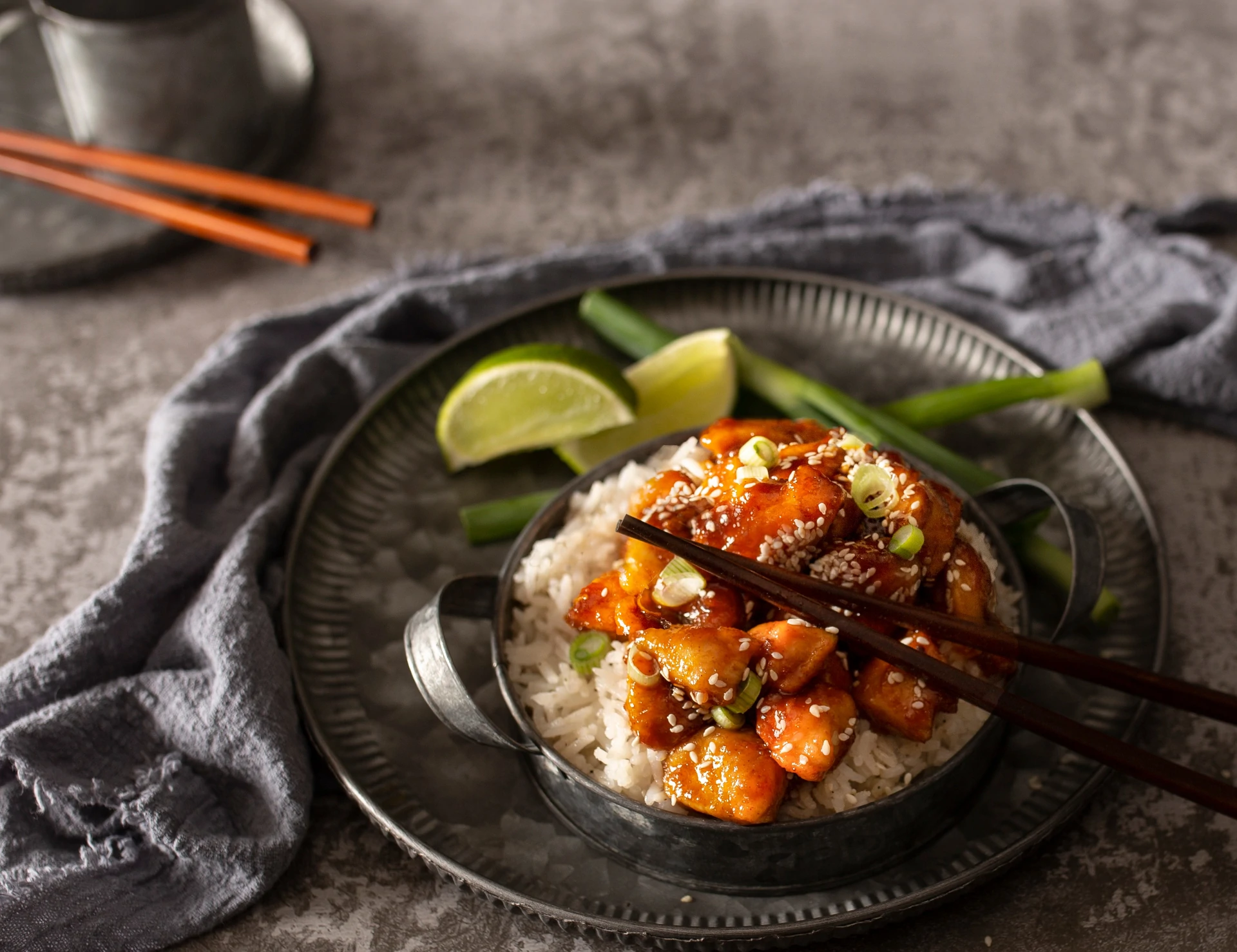
This is the weeknight version of that takeout craving: crunchy chicken pieces, a glossy garlic-ginger sauce that clings to every nook, and a hearty bowl situation that makes rice feel like a non-negotiable. The key is simple: get the chicken truly crisp, then sauce it at the last second so it stays loud and crunchy.
Why this recipe works
- Cornstarch plus a little flour creates a thin, shattering crust without heavy batter.
- Double-cook option (quick pan-fry then oven) gets you restaurant-level crunch with less stovetop babysitting.
- Sauce thickened with a cornstarch slurry turns shiny and sticky fast, no reducing forever.
- Balanced flavor: sweet (honey or brown sugar), salty (soy), acid (rice vinegar), and heat (optional) so it tastes finished, not flat.
Ingredient notes
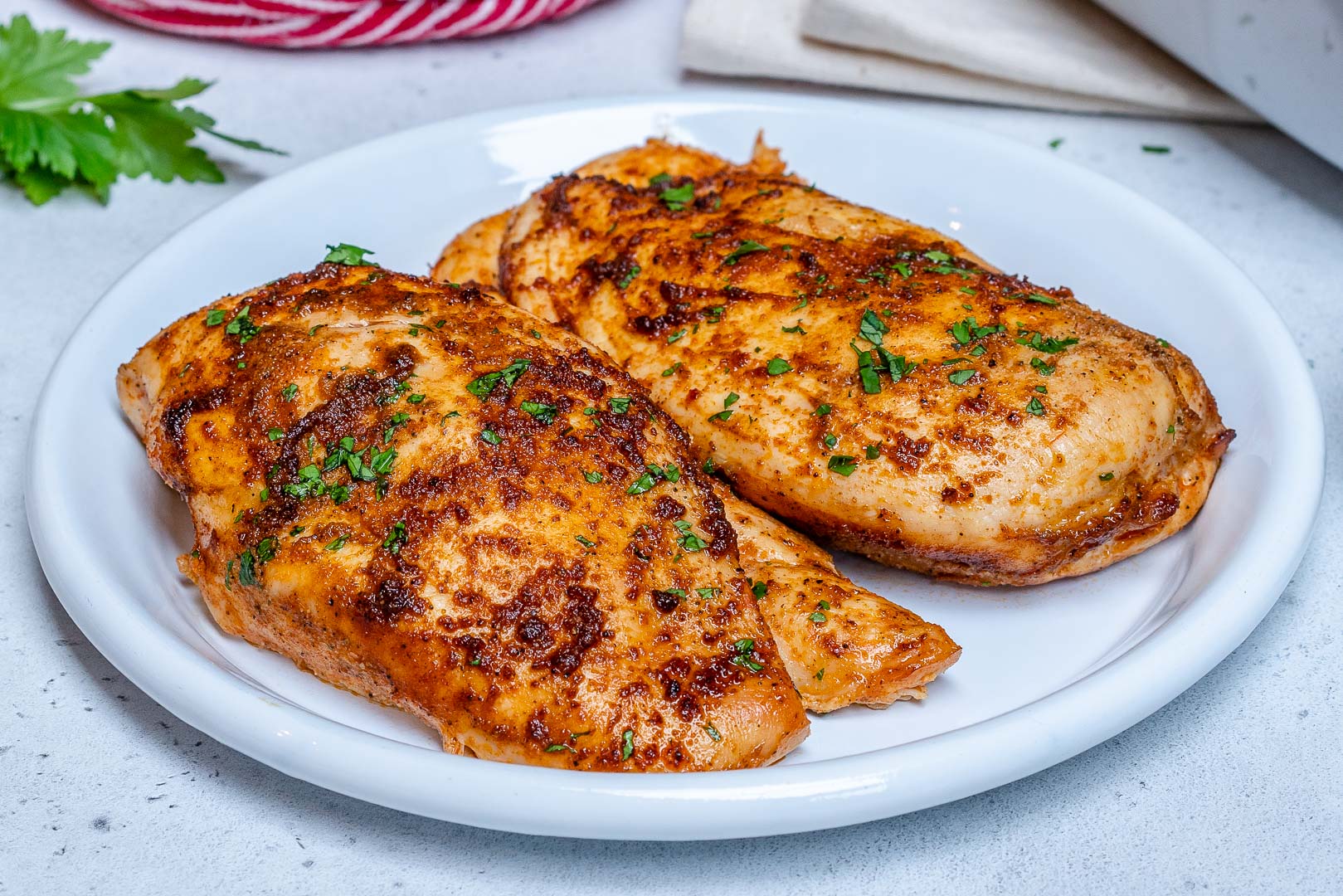
Chicken thighs vs. breasts: Both work. Thighs are forgiving; breasts cook faster, so start checking early and pull as soon as they hit 165°F so they stay tender.
Cornstarch: This is the crisp-maker. Potato starch also works great. All flour works, but the crust will be more bready and less crunchy.
Ketchup (optional): Optional, but great for color and tang in the glaze.
Chili (optional): Use 1/2 to 1 tsp chili crisp or sriracha, or add chili to taste.
Allergen heads-up: contains soy, sesame, egg, and wheat (easy gluten-free swaps below).
Waste-less tip: If you have a lonely knob of ginger or a few scallions on their last day, this is exactly where they shine. Extra ginger freezes well whole. Grate it from frozen and put the rest back.
Equipment you will need
- Large skillet (for pan-frying)
- Mixing bowl (for marinating)
- Shallow bowl (for coating)
- Wire rack set on a sheet pan (for holding chicken and for the pan-fry-then-oven method)
- Small saucepan (for the sauce)
- Whisk (for the sauce and slurry)
- Tongs or a fork (for dredging and tossing)
- Instant-read thermometer (to confirm 165°F in the thickest piece)
- Optional: air fryer
Pro tips
- Dry surface = better crust. Pat chicken dry if it looks wet before marinating.
- Do not crowd the pan. Steam is the enemy of crunch. Batch-fry and keep cooked pieces on a rack.
- Sauce at the end. Toss right before eating. If you love extra sauce, serve more on the side for dipping.
- Use a rack, not paper towels. Paper traps steam. A wire rack keeps air moving underneath.
- Crisp insurance: If you are serving slowly, keep chicken unsauced on a rack in a warm oven (200°F) and sauce individual portions.
Substitutes that work
- Rice vinegar: Use lime juice (for the chicken marinade).
- Cornstarch: Swap with potato starch for similar crispness.
- Gluten-free: Use tamari (or gluten-free soy sauce) and swap the flour for rice flour or more cornstarch.
Variations
Orange-ish chicken
Add 1 tbsp orange zest and 1/3 cup orange juice. Reduce the water to keep the sauce punchy.
Sweet chili
Swap honey for sweet chili sauce. Keep the vinegar, it brightens everything.
Gochujang glaze
Whisk 1 to 2 tbsp gochujang into the sauce. Add an extra tablespoon of honey to balance.
Sesame lemon
Use lemon juice instead of rice vinegar and finish with extra sesame seeds.
Serving ideas
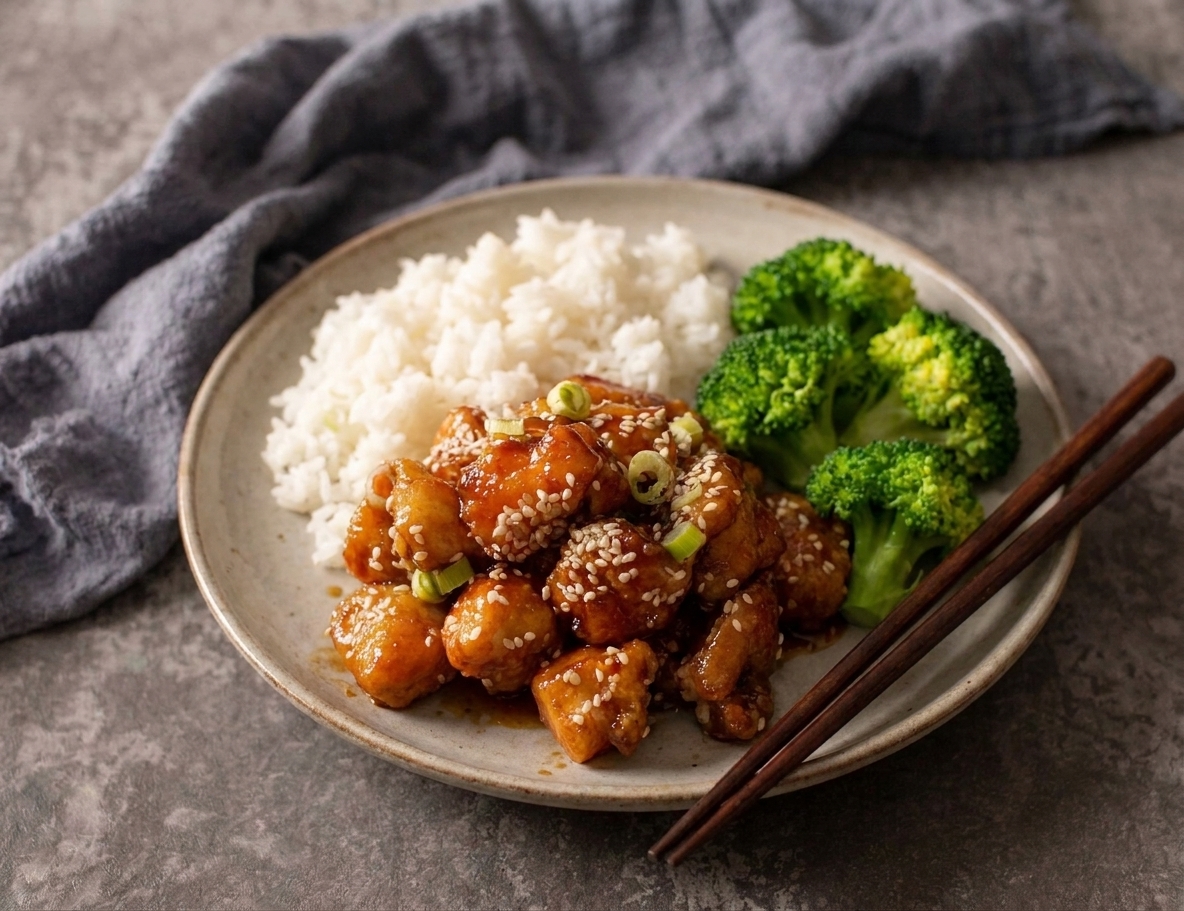
- Steamed jasmine rice or brown rice
- Garlicky stir-fried green beans
- Roasted broccoli with a squeeze of lime
- Cucumber salad with rice vinegar and sesame
- Ramen noodles tossed with a splash of soy and sesame oil
My Portland fridge-door rule: add something crunchy and fresh on the side. Even a handful of sliced cucumbers makes the whole meal feel complete.
Storage and reheating
Make ahead
- Sauce: Make up to 5 days ahead. Store airtight in the fridge. Reheat gently to a simmer with a splash of water to loosen.
- Chicken: You can cut it up 1 day ahead and keep it covered in the fridge.
- Coating mix: Stir together and keep in a jar for weeks.
Leftovers
Store chicken and sauce separately if you can. Re-crisp chicken in an air fryer at 375°F for 4 to 6 minutes, or in a 425°F oven for 8 to 10 minutes. Warm sauce on the stove or microwave, then toss.
Food safety note
Cook chicken to 165°F in the thickest piece (a thermometer beats guessing every time). Thighs stay juicy even if they go a little past, which is why I reach for them most often.
Common mistakes
- Crowding the pan: It steams instead of fries, and you lose crunch. Cook in batches and hold pieces on a wire rack.
- Saucing too early: Toss right before eating. For maximum crunch, keep chicken unsauced on a rack in a warm 200°F oven and sauce individual portions.
- Draining on paper towels: Paper traps steam. Use a wire rack so air can circulate underneath.
- Skipping temperature checks: Confirm the thickest pieces reach 165°F, especially since breasts cook faster than thighs.
FAQ
Can I bake it without frying?
Yes. Use a wire rack on a sheet pan, spray the coated chicken generously with oil, and bake at 450°F for 18 to 22 minutes, flipping halfway, until crisp and 165°F in the center. It will be crisp, just a little less shatter-y than pan-frying.
Can I use chicken breast?
Absolutely. Cut it evenly and pull it as soon as it hits 165°F so it stays tender. A quick 10-minute marinade helps.
Is cornstarch necessary?
It is the crisp-maker here. If you only have potato starch, that works great too. All flour works, but the crust will be more bready and less crunchy.
How do I make it gluten-free?
Use tamari (or gluten-free soy sauce) and swap the flour for rice flour or more cornstarch.
Crispy Asian Chicken
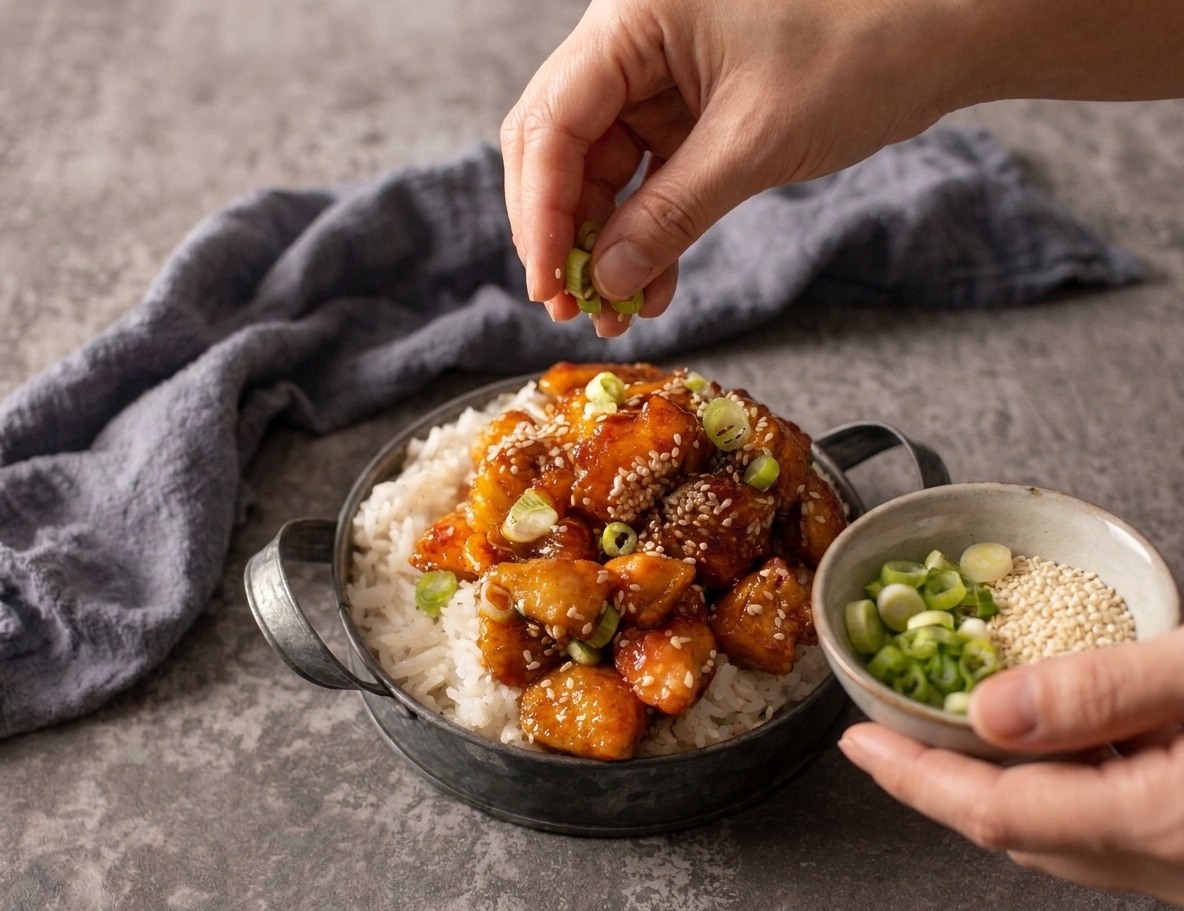
Crispy Asian Chicken with crunchy bite-size pieces and a glossy garlic-ginger glaze. Crisp the chicken first, then toss with sauce right before serving for the best texture. Serve over rice and finish with scallions and toasted sesame seeds.
- Prep
- 15 minutes
- Cook
- 20 minutes
- Total
- 35 minutes
- Yield
- Serves 4
Ingredients
- 1 1/2 lb boneless skinless chicken thighs (or breasts), cut into 1-inch pieces
- 1 large egg
- 2 tbsp soy sauce
- 1 tbsp rice vinegar (or lime juice)
- 3/4 tsp kosher salt
- 1/2 tsp white pepper or black pepper
- 1/2 cup cornstarch
- 1/4 cup all-purpose flour
- Neutral oil for cooking (avocado, canola, grapeseed), enough for about a 1/4-inch layer in a large skillet (roughly 1/2 to 3/4 cup, depending on pan)
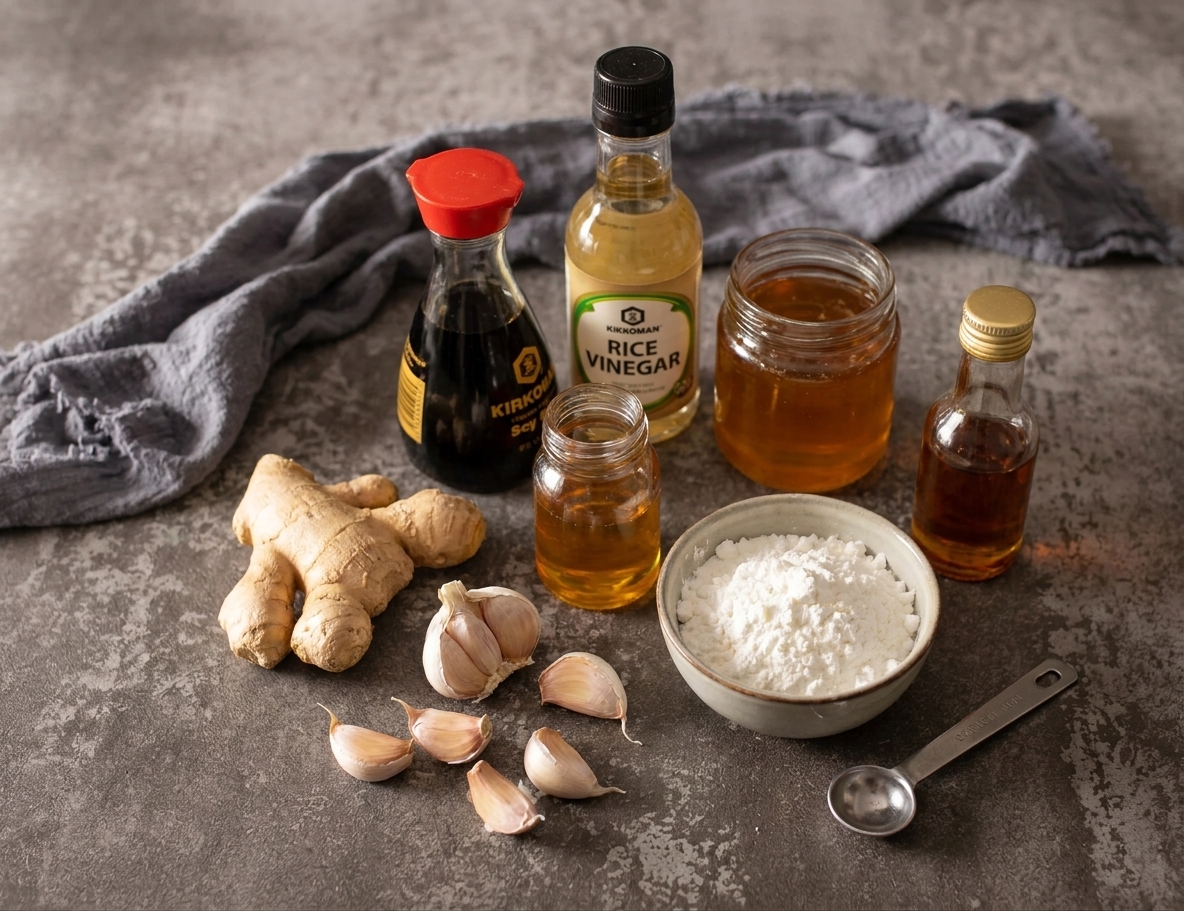
- 1/3 cup low-sodium soy sauce
- 1/4 cup honey (or light brown sugar)
- 2 tbsp rice vinegar
- 2 tbsp ketchup (optional but great for color and tang)
- 1 tbsp toasted sesame oil
- 1 tbsp freshly grated ginger
- 3 cloves garlic, finely grated or minced
- 1/2 to 1 tsp chili crisp or sriracha (optional)
- 1/3 cup water
- 1 tbsp cornstarch + 2 tbsp water (slurry)
- Sliced scallions (to finish)
- Toasted sesame seeds (for topping)
- Steamed rice, noodles, or shredded cabbage (to serve)
Instructions
- In a bowl, toss chicken with the egg, 2 tbsp soy sauce, 1 tbsp rice vinegar, kosher salt, and pepper. Let sit while you prep the sauce, about 10 minutes.
- In a shallow bowl, whisk together 1/2 cup cornstarch and 1/4 cup flour. Lift chicken out of the marinade with a fork or tongs, let excess drip for a few seconds, then toss in the coating and press lightly so it adheres.
- Crisp the chicken (choose one method):
- Stovetop pan-fry: Heat a large skillet over medium-high with about a 1/4-inch layer of neutral oil. When a pinch of coating sizzles immediately, add chicken in a single layer. Cook 3 to 4 minutes per side until deeply golden and crisp, adjusting for piece size, until the thickest pieces reach 165°F.
- Pan-fry then oven: Pan-fry just until golden, then move chicken to a wire rack set on a sheet pan. Bake at 425°F for 8 to 10 minutes to finish and re-crisp. Check for 165°F in the center.
- Air fryer: Spray the basket, arrange coated chicken in a single layer, and spray lightly with oil. Air-fry at 400°F for 10 to 14 minutes, shaking halfway, until crisp and cooked through (165°F).
- Make the sauce: In a small saucepan, combine 1/3 cup soy sauce, honey (or brown sugar), 2 tbsp rice vinegar, ketchup (if using), sesame oil, ginger, garlic, chili (if using), and 1/3 cup water. Bring to a simmer over medium heat.
- Stir the cornstarch slurry, then stream it into the simmering sauce while whisking. Cook about 1 minute (sometimes 1 to 2) until thick and shiny, coating a spoon like warm syrup.
- Add crispy chicken to a large bowl. Pour on just enough sauce to coat and toss quickly. Serve immediately over rice (or noodles/shredded cabbage) and top with scallions and toasted sesame seeds.
Notes
Crisp insurance: If you are serving slowly, keep chicken unsauced on a rack in a warm oven (200°F) and sauce individual portions.
Temperature check: For best results and safety, confirm the thickest pieces hit 165°F.
Leftovers: Store chicken and sauce separately if you can. Re-crisp chicken in an air fryer at 375°F for 4 to 6 minutes, or in a 425°F oven for 8 to 10 minutes. Warm sauce, then toss.
Allergen heads-up: contains soy, sesame, egg, and wheat.
Nutrition
- Calories: ~560
- Fat: ~22 g
- Carbs: ~48 g
- Protein: ~42 g
- Fiber: ~1 g
- Sugar: ~21 g
- Sodium: ~1500 mg
Nutrition values are approximate and will vary by exact ingredients used, frying oil absorption, and how much sauce is used per serving.