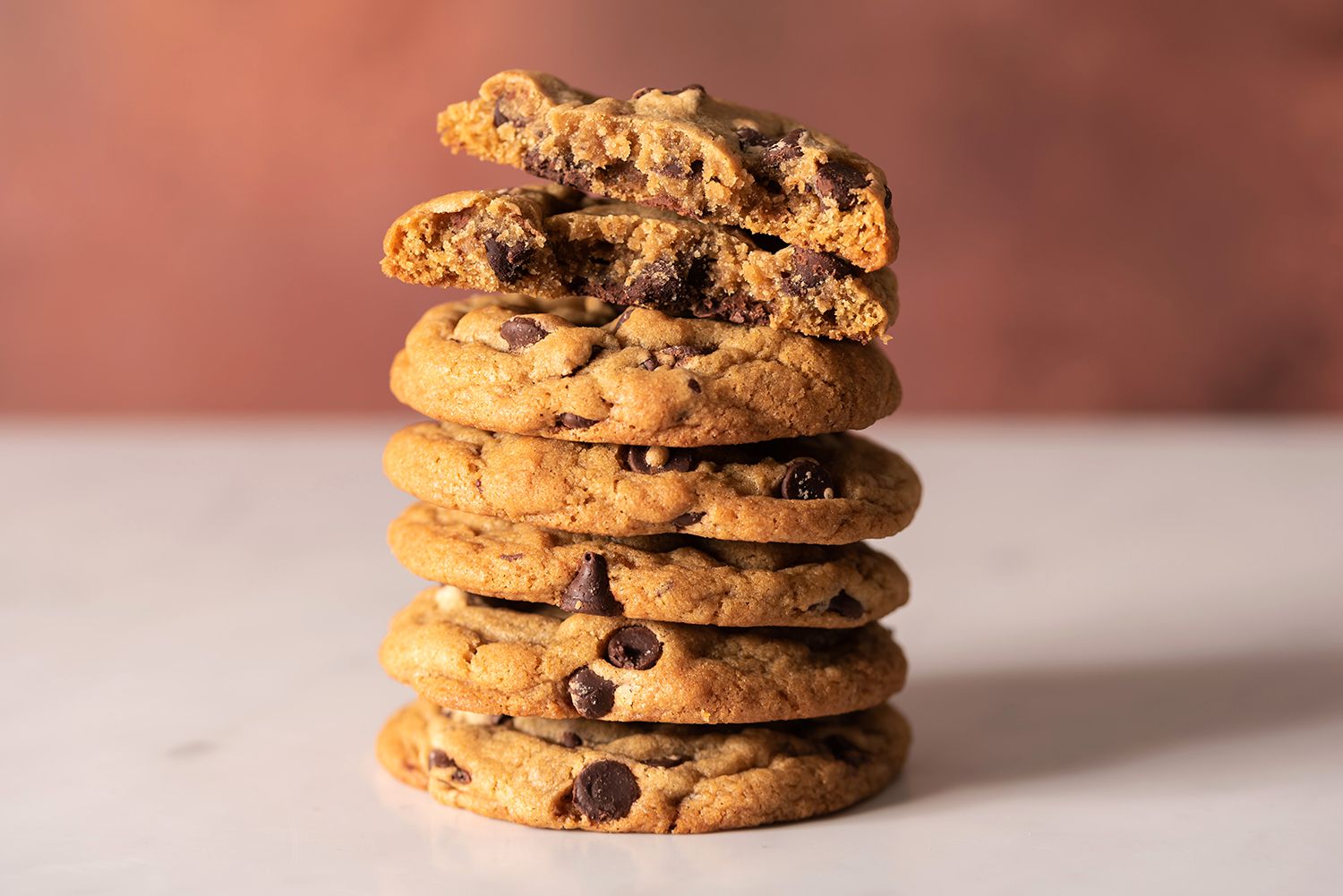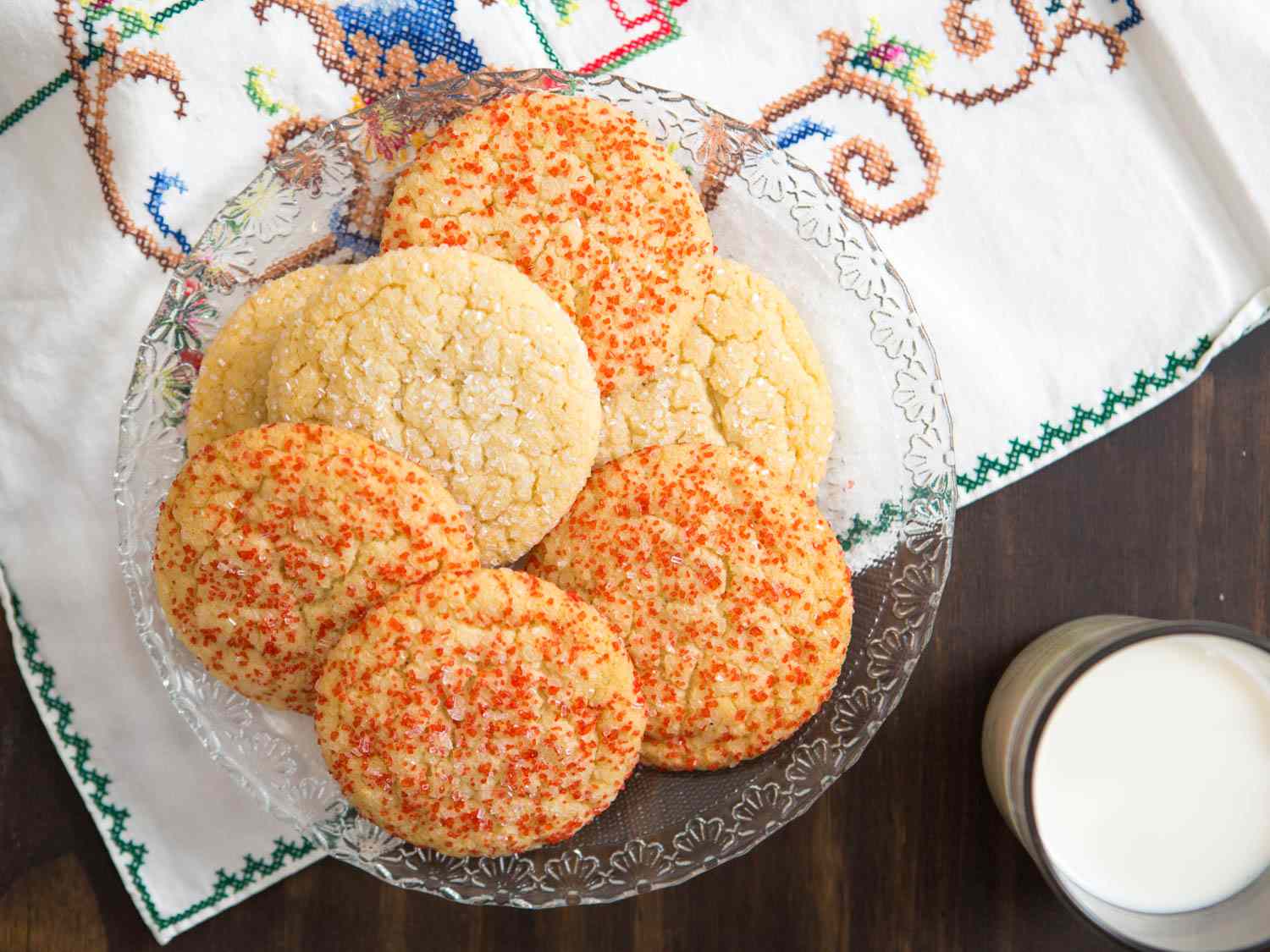
When people say a sugar cookie tastes fresh, they usually mean three things: a clean butter and vanilla aroma, a tender bite (not dry or chalky), and just enough salt to make the sweetness pop. The good news is you do not need fancy ingredients or complicated technique. You need proper creaming, the right flour ratio, and smart bake timing.
My weeknight rule: if you can measure accurately and stop baking one minute sooner than your instincts want, you can make a sugar cookie that tastes like it came straight from a bakery.
- Texture: soft center, lightly crisp edge, sturdy enough to ice
- Flavor: buttery vanilla with balanced salt
- Yield: about 24 to 30 cookies with a 2 1/2 to 3-inch cutter, or about 18 to 22 scooped rounds
- Time: 20 minutes active, 30 to 60 minutes chill, 9 to 11 minutes bake
- Best for: cut-out shapes, rounds, holiday decorating, lunchbox treats
Why this recipe works
- Proper creaming: beating the butter and sugar for 2 to 3 minutes builds an airy structure and helps the cookies taste light and “fresh.”
- Balanced flour ratio: accurate measuring keeps the dough tender instead of dry or chalky.
- Smart bake timing: pulling the cookies when the centers look set but still soft prevents overbaking and dryness.
- Seasoning matters: fine salt keeps sweetness from tasting flat and makes butter and vanilla taste brighter.
- Chilling helps: firming the butter and hydrating the flour improves texture and reduces spreading, especially for clean cut-out edges.
Ingredient notes
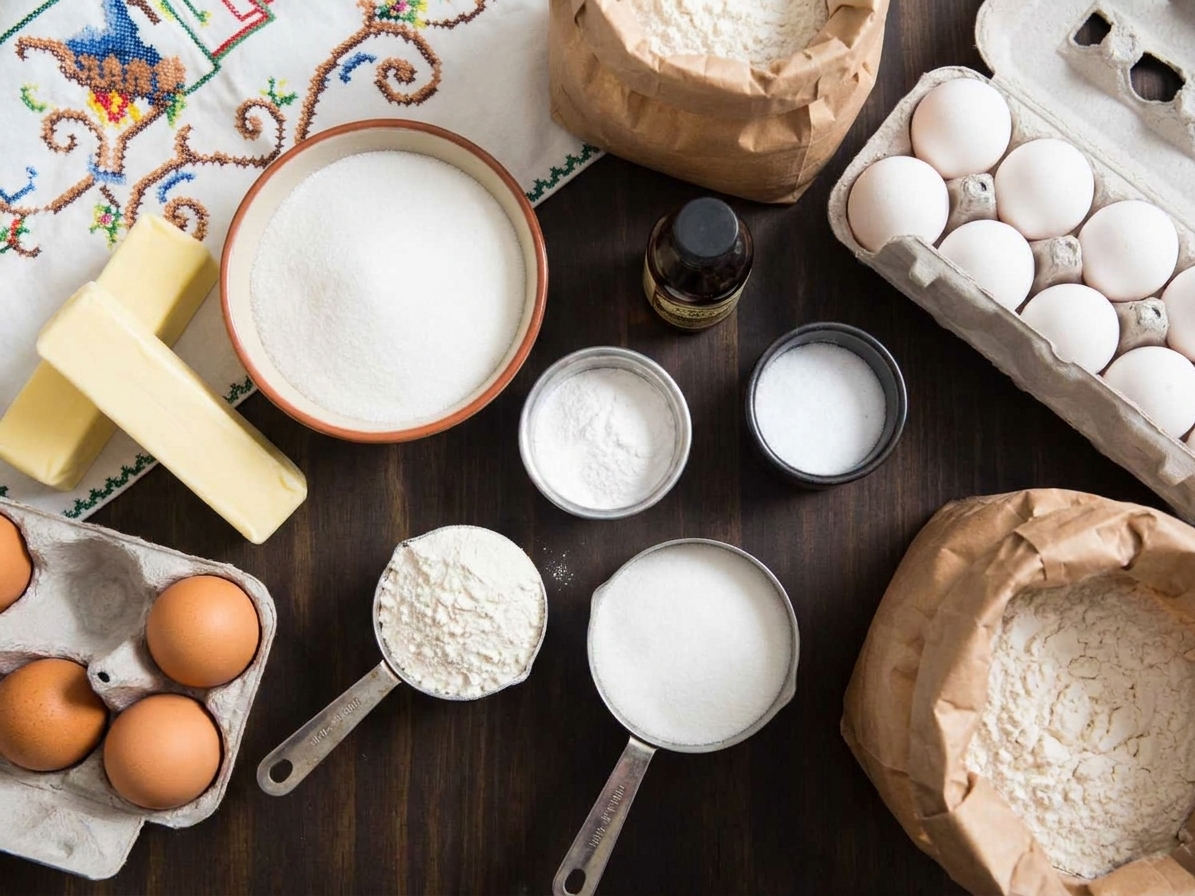
- Unsalted butter: gives clean flavor and lets you control salt. Use room temperature, not melted.
- Granulated sugar: classic sugar cookie snap and shine. If you swap to all powdered sugar, the cookies turn more tender and fine-crumbed, closer to a soft shortbread feel.
- Egg: binds and adds richness. One whole egg is plenty for a batch that holds its shape.
- Vanilla extract: the main flavor. If you have vanilla bean paste, use it for extra aroma.
- All-purpose flour: spoon and level to avoid dry dough (or use a scale for best consistency).
- Baking powder: adds a gentle lift for a soft bite. The classic, not-too-puffy look comes from the overall ratio plus chilling, thickness, and bake time.
- Fine salt: helps the cookies taste “fresh” by keeping sweetness from tasting flat.
- Optional flavor: lemon zest or almond extract for a bright, bakery-style twist.
Note on flour: Flour weights vary by brand and how it is packed. If your site standard uses a different gram conversion per cup, use that. If you are using cups, spoon and level for the intended texture.
Equipment you will need
- Stand mixer or hand mixer
- Rubber spatula
- Sheet pans and parchment paper
- Rolling pin and cookie cutters (optional)
Pro tips
Use truly room temperature butter
Room temperature means the butter dents when you press it, but it still holds its shape. In a cool kitchen, that is often around 65 to 67°F (18 to 19°C). If it is glossy or partially melted, your dough will spread and the cookies can turn thin and dry around the edges.
Measure flour like you mean it
Too much flour is the fastest route to a bland, powdery cookie. If you do not have a scale, spoon flour into the measuring cup and level it. Do not scoop directly from the bag.
Stop baking earlier than you think
Sugar cookies keep cooking from residual heat. Pull them when the centers look set but still soft and matte, not shiny. The edges should be only lightly golden.
Salt is not optional
That “fresh” taste is often just good seasoning. If your cookies taste sweet but dull, add an extra pinch of salt next time or finish iced cookies with one tiny flake of flaky salt per cookie.
Substitutes that work
- Flavor swap: use vanilla bean paste instead of vanilla extract for extra aroma.
- Sugar type: if you swap to all powdered sugar, the cookies turn more tender and fine-crumbed, closer to a soft shortbread feel (rather than the classic snap and shine of granulated sugar).
- Optional flavoring: use lemon zest or almond extract for a twist on the base vanilla profile.
Variations
- Lemon: add 1 tablespoon zest and swap 1 teaspoon vanilla for 1 teaspoon lemon extract.
- Almond bakery-style: add 1/4 teaspoon almond extract plus 1 1/2 teaspoons vanilla.
- Brown butter: brown the butter, chill until it is a soft solid again, then cream with sugar. Deeper, toasty flavor.
- Spiced: add 1/2 teaspoon cinnamon and a pinch of nutmeg. Cozy without turning it into a gingerbread cookie.
Simple icing options

Quick vanilla glaze (dries soft)
- 1 cup (120 g) powdered sugar
- 1 to 2 tablespoons milk
- 1/2 teaspoon vanilla
- Pinch of salt
Whisk until thick but pourable. Dip cookie tops or spoon over. Let set 20 to 30 minutes.
Easy buttercream (fluffy, not rock hard)
- 1/2 cup (113 g) unsalted butter, room temperature
- 2 cups (240 g) powdered sugar
- 1 to 2 tablespoons milk or cream
- 1 teaspoon vanilla
- Pinch of salt
Beat until smooth and fluffy. Perfect for sprinkles, sandwich cookies, or a thick swoosh of frosting.
Classic royal icing (dries firm)
- 2 cups (240 g) powdered sugar
- 1 1/2 tablespoons meringue powder
- 3 to 4 tablespoons water, plus more as needed
- 1/2 teaspoon vanilla or almond extract (optional)
- Pinch of salt
Mix until smooth and glossy. Keep it thicker for outlining, then thin a portion with a few drops of water for flooding. Cover the bowl with a damp towel while you work so it does not crust over.
Serving ideas
- Use for cut-out shapes and holiday decorating, then ice once fully cool.
- Make rounds for quick lunchbox treats.
- Turn them into sandwich cookies with the easy buttercream.
- Food waste idea: if cookies start to go stale, cube them and toast at 300°F for 10 to 12 minutes for a crunchy topping on ice cream or yogurt.

Storage and reheating
How to keep sugar cookies tasting fresh
- Room temperature: store airtight for 3 to 4 days. If you want extra insurance against drying, add a small piece of bread to the container and replace it when it feels stale.
- Re-crisp edges: if cookies feel too soft, uncover for 20 minutes at room temp.
- Freeze baked cookies: freeze uniced cookies in a sealed bag up to 2 months. Thaw at room temp, then ice.
- Freeze dough: wrap dough disks well and freeze up to 2 months. Thaw overnight in the fridge, then roll and bake.
If you want that just-baked freshness even the next day, store cookies airtight and wait to glaze or frost until you are close to serving. A dry cookie plus fresh icing tastes brighter than an iced cookie that has sat for two days, even if the cookie itself is the same.
Common mistakes
- Butter too warm or partially melted: can cause spreading and thin, dry edges. Aim for butter that dents when pressed but holds its shape (about 65 to 67°F / 18 to 19°C in a cool kitchen).
- Measuring flour by scooping: often adds too much flour and leads to bland, powdery cookies. Spoon and level, or use a scale.
- Overbaking: makes cookies dry. Pull them when edges are just barely pale gold and centers look set but still soft.
- Overmixing after adding flour: develops gluten and makes cookies tough. Mix just until combined, then stop and finish with a spatula.
- Baking on warm pans: can encourage spreading. Bake on cool sheet pans; for extra insurance, chill cut cookies for 10 minutes before baking.
- Skipping salt: can make cookies taste sweet but dull. Fine salt helps that “fresh” flavor.
FAQ
Do I really have to chill the dough?
For cut-out cookies, yes, I recommend it. Chilling makes the dough easier to roll and helps cookies keep clean edges. If you are scooping rounds, a 20 minute chill is often enough.
Can I make these without a mixer?
You can, but plan on a solid arm workout. Use very soft (not melted) butter and a sturdy wooden spoon. Cream until the mixture looks lighter and fluffy.
Can I reduce the sugar?
You can reduce by up to 1/4 cup without breaking the dough, but the cookies will be less crisp at the edges and less classic in flavor.
What thickness is best?
I like 1/4 inch for a soft center and enough structure for icing. Thinner bakes crisper, thicker can stay a bit doughy unless you extend bake time.
Fresh Sugar Cookies
Buttery vanilla sugar cookies with balanced salt and a tender bite: soft centers, lightly crisp edges, and sturdy enough to ice. Makes about 24 to 30 cut-outs (2 1/2 to 3-inch) or about 18 to 22 scooped rounds.
- Prep
- 20 minutes
- Cook
- 9 to 11 minutes
- Total
- 1 hour 20 minutes
- Yield
- 24 to 30 cookies
Ingredients
- 1 cup (226 g) unsalted butter, room temperature
- 1 cup (200 g) granulated sugar
- 1 large egg, room temperature
- 2 teaspoons vanilla extract
- 2 3/4 cups (330 g) all-purpose flour, spooned and leveled
- 1 1/2 teaspoons baking powder
- 1/2 teaspoon fine salt
- Optional: 1 teaspoon lemon zest or 1/4 teaspoon almond extract
Instructions
- Cream butter and sugar: In a large bowl, beat butter and sugar for 2 to 3 minutes until lighter in color and fluffy. Scrape the bowl once midway.
- Add egg and vanilla: Beat in egg until smooth, then mix in vanilla (and lemon zest or almond extract if using).
- Whisk dry ingredients: In a separate bowl, whisk flour, baking powder, and salt.
- Combine gently: Add dry ingredients to the wet ingredients and mix on low just until you no longer see streaks of flour. Stop the mixer early and finish with a spatula.
- Chill: Divide dough in half, press into 1-inch thick disks, wrap, and chill 30 to 60 minutes (longer is fine).
- Heat oven: Preheat to 350°F (175°C). Line sheet pans with parchment.
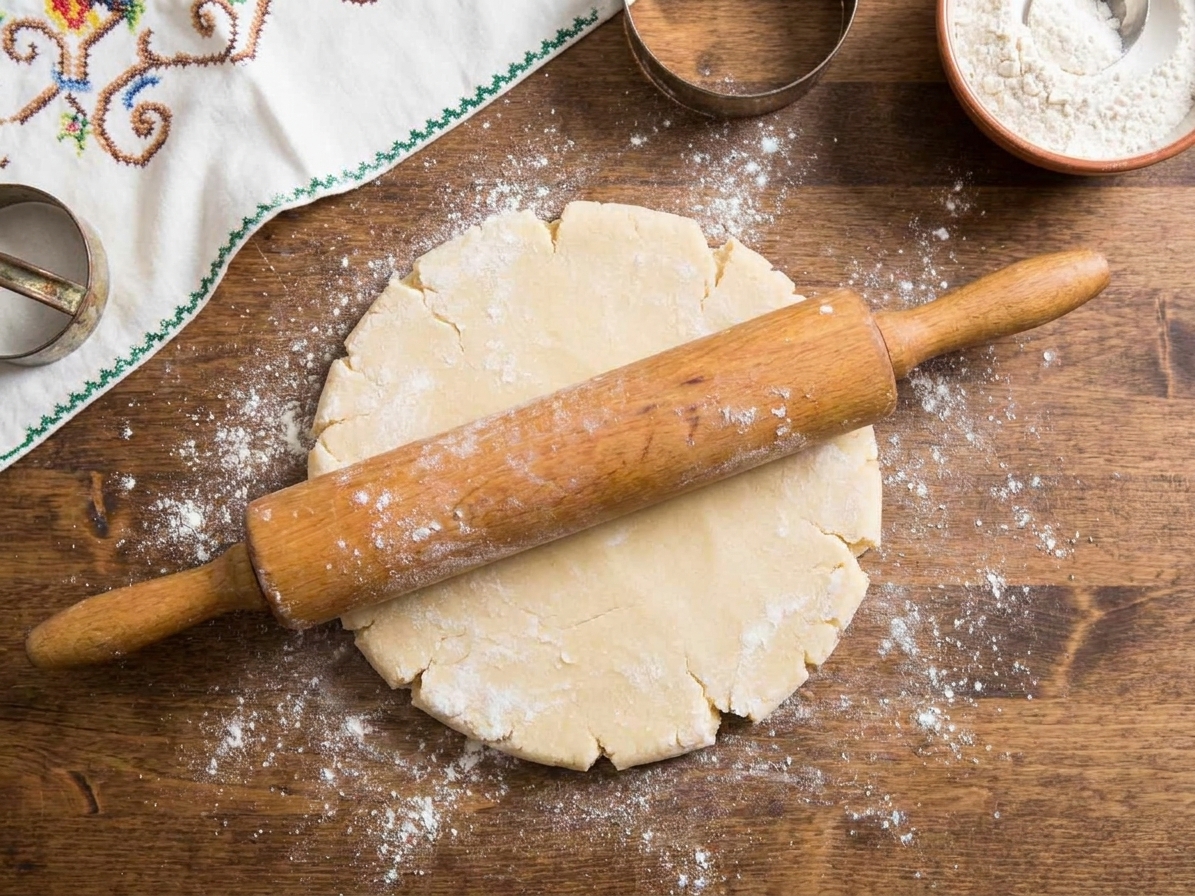
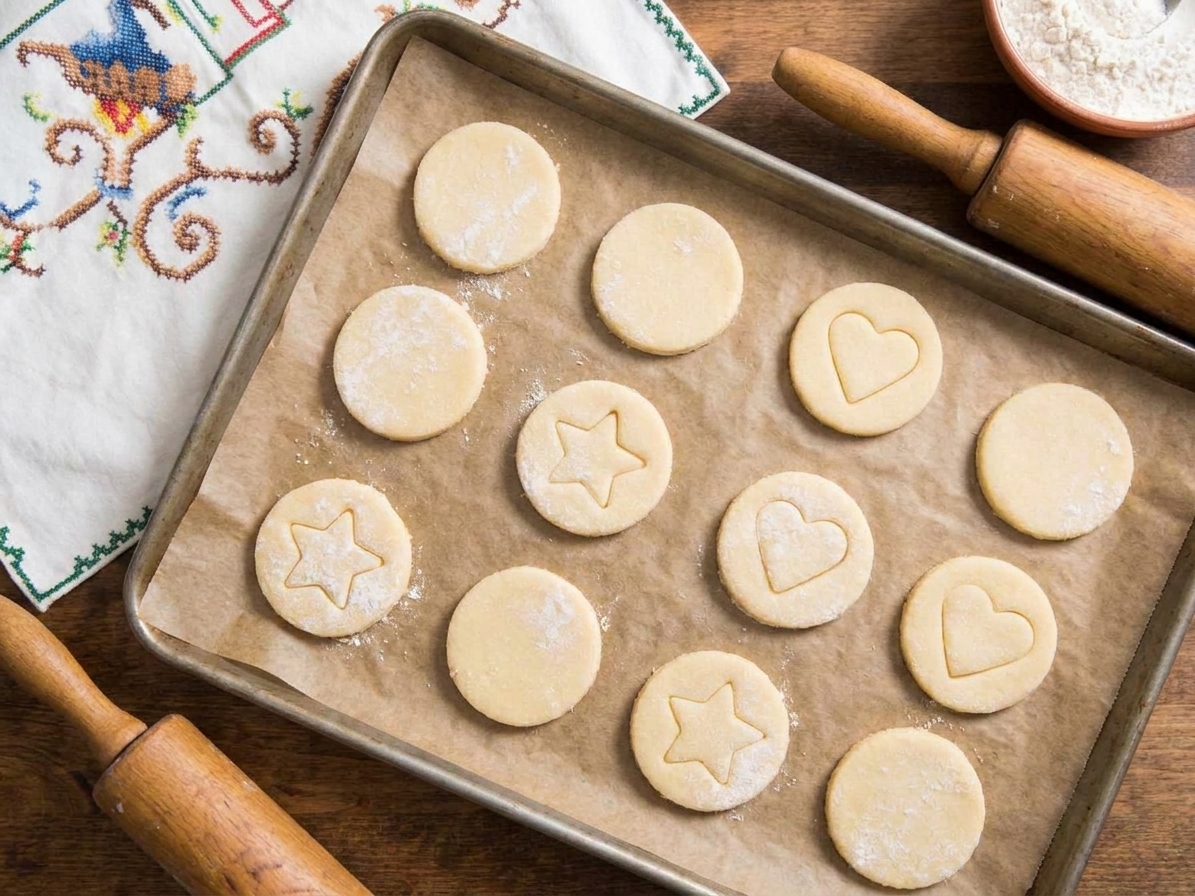
- Option A: roll and cut (best for shapes): Roll dough on a lightly floured surface to about 1/4 inch thick and cut shapes. Gather scraps, press together, and reroll once more. If the dough starts feeling soft or sticky, chill it 10 to 15 minutes before continuing.
- Option B: scoop rounds (fast and easy): Scoop 1 1/2 tablespoon portions, roll lightly, and gently flatten.
- Bake: Bake 9 to 11 minutes until the edges are just barely turning pale gold and the centers look set but still soft. They should not be deeply browned.
- Cool: Cool on the pan 5 minutes, then transfer to a rack to cool completely before icing.
Notes
- Yield: about 24 to 30 cookies with a 2 1/2 to 3-inch cutter, or about 18 to 22 scooped rounds.
- Chilling: 30 to 60 minutes (longer is fine). If cut dough starts feeling soft or sticky, chill it 10 to 15 minutes before continuing.
- Flour measuring: spoon and level (or use a scale) to avoid dry dough.
- Bake timing cue: pull cookies when edges are barely pale gold and centers look set but still soft; they continue cooking from residual heat.
- Flour conversion note: Flour weights vary by brand and how it is packed. If your site standard uses a different gram conversion per cup, use that.
Nutrition
- Calories: 150
- Fat: 8 g
- Carbs: 18 g
- Protein: 2 g
- Fiber: 0.5 g
- Sugar: 8 g
- Sodium: 60 mg
Nutrition values are approximate and will vary by cookie size and exact yield.