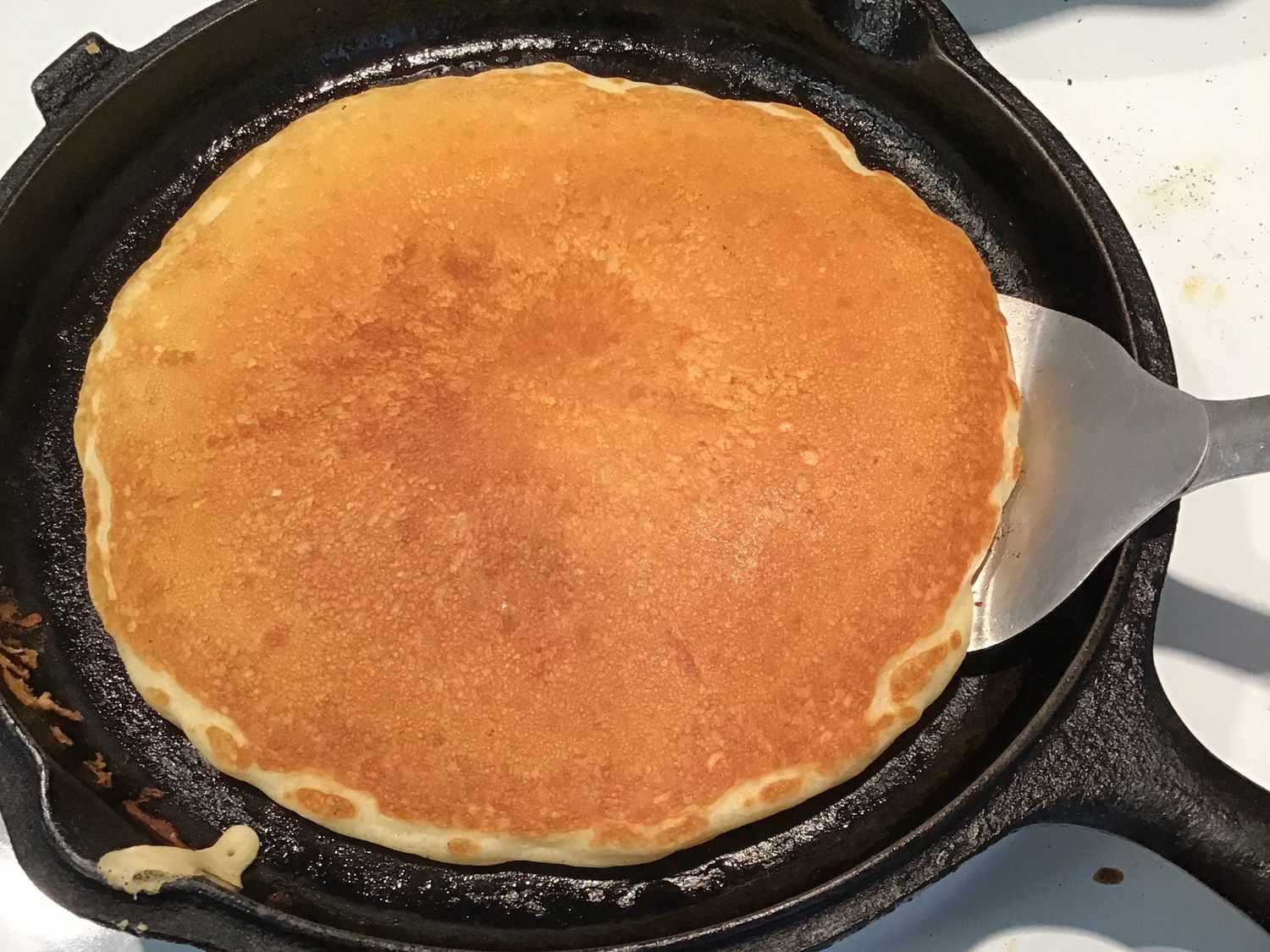
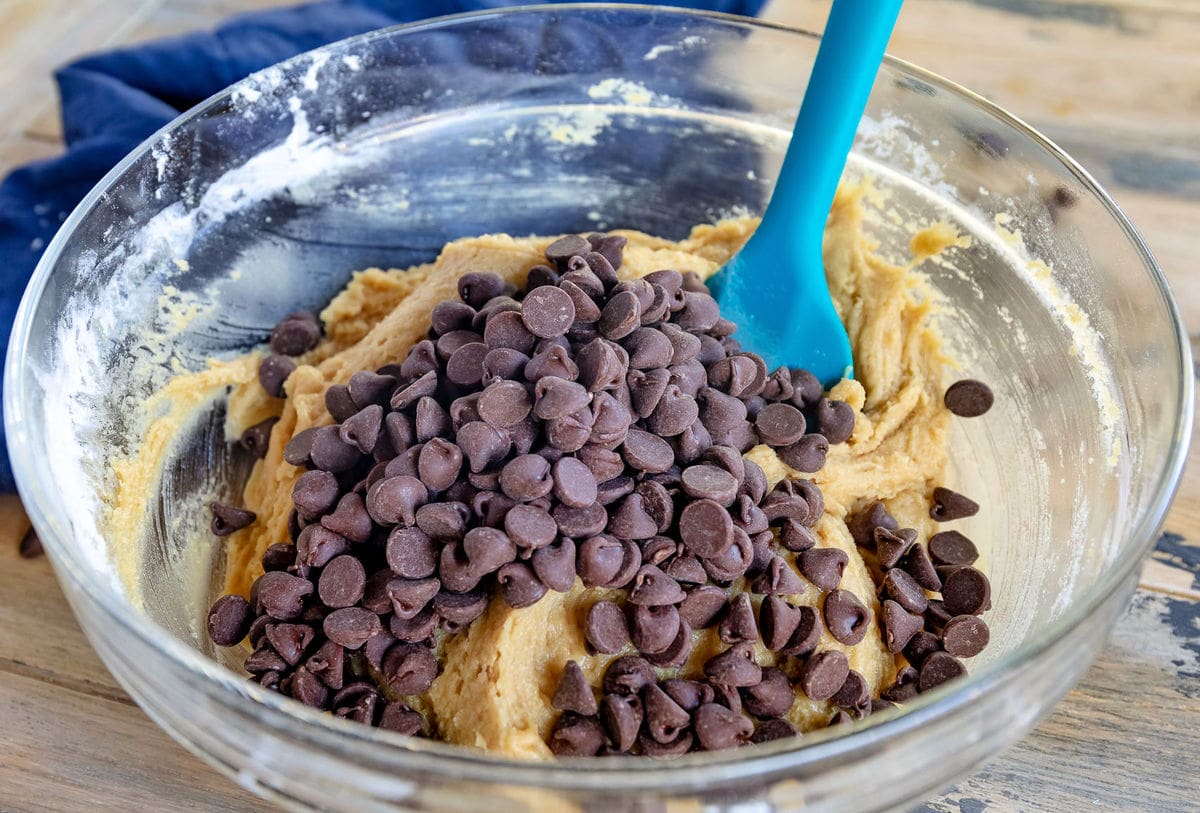
These two little white powders cause a truly outsized amount of baking drama. One wrong swap and your muffins taste bitter, your cake sinks, or your cookies spread into a single pan-sized puddle.
Let’s make it simple: baking soda needs an acid to work, and baking powder brings its own acid. Once you know what your batter already contains, you can choose the right one and substitute with confidence.

The quick difference
- Baking soda (sodium bicarbonate): A base. It reacts when it meets acid + moisture, making carbon dioxide bubbles that lift your batter.
- Baking powder: Usually baking soda + dry acid + starch (to prevent clumping). It activates with moisture, and most of the time again with heat (double-acting).
If your recipe includes something tangy or acidic, it can often use baking soda. If it does not, it typically relies on baking powder.
How baking soda works (and why it can taste “soapy”)
Baking soda is alkaline. When it’s balanced by acid, it produces lift and you get a nice, tender crumb.
When it is not balanced by enough acid, two things happen:
- You get less effective lift, because the reaction stalls without enough acid.
- Leftover baking soda can create a bitter, metallic, or soapy taste and a darker color.
Common acids that activate baking soda
- Buttermilk, yogurt, sour cream, kefir
- Lemon juice, lime juice, orange juice
- Vinegar
- Honey, molasses, brown sugar (can contribute slight acidity, but do not count on them as the only acid)
- Natural cocoa powder (not Dutch process)
- Applesauce, mashed banana (sometimes slightly acidic; don’t count on them as the only acid)
Stovetop cue: If you mix baking soda into something acidic like vinegar or lemon juice and it fizzes immediately, that is the reaction that inflates your batter in the oven.

How baking powder works (and why timing matters)
Baking powder contains everything needed to create lift once it gets wet. Most grocery store baking powder is double-acting, meaning:
- First rise: when it meets moisture during mixing
- Second rise: when heat hits in the oven
Because it contains built-in acid, baking powder is the go-to leavener for recipes that are not especially acidic, like many vanilla cakes, pancakes made with milk, and classic biscuits.
Timing tip: Once liquid hits baking powder, the clock starts. You do not need to sprint, but you also do not want batter sitting around for 45 minutes “while the oven preheats.” Preheat first, then mix.

When to use which
Use baking soda when your batter is acidic
- Buttermilk pancakes or waffles
- Chocolate cake made with natural cocoa
- Banana bread with yogurt or sour cream
- Snickerdoodles (often use soda for spread and chew)
Use baking powder when your batter is neutral
- Vanilla cupcakes made with regular milk
- Scones and biscuits (especially if using sweet milk)
- Muffins without yogurt, buttermilk, or citrus
- Sugar cookies that should keep their shape
Sometimes you see both
Using both is not a mistake. It is a balancing act.
- Baking soda neutralizes some acid for flavor and browning.
- Baking powder adds extra lift insurance for a taller, lighter bake.
You will often see both in recipes like chocolate chip muffins, layered cakes with sour cream, or ultra-fluffy pancakes.
Quick cocoa note: Dutch-process cocoa is alkalized (less acidic), so recipes that use it often lean on baking powder unless another acid is present.
Substitution rules
Swapping is possible, but it is not a 1:1 swap. Here are the rules that keep your baked goods from tasting harsh or falling flat.
Rule 1: Soda is stronger than powder
General strength rule (approximate): For most store-bought double-acting powders, 1 teaspoon baking powder is roughly equivalent to 1/4 teaspoon baking soda if there is enough acid in the recipe to activate the soda.
If you only have baking soda
To replace 1 teaspoon baking powder:
- Use 1/4 teaspoon baking soda
- Add a small amount of acid to make it work. As a starting point, try about 1 teaspoon lemon juice or vinegar. If you add this, consider reducing another liquid in the recipe by about 1 teaspoon to keep the batter consistent.
Best for: pancakes, muffins, quick breads where a little extra tang will not wreck the flavor profile.
Be careful with: delicate vanilla cakes or biscuits. Added acid can change taste and texture, and soda can encourage more browning.
If you only have baking powder
To replace 1/4 teaspoon baking soda:
- Use 1 teaspoon baking powder
About salt: Baking powder adds sodium and extra dry bulk. In most home recipes, you can leave the salt alone. Only consider reducing salt by a small pinch if the recipe is already very salty.
Note: If the recipe relied on baking soda to neutralize acidity (think buttermilk), using only baking powder may leave your final bake a little tangier.
Quick substitution table
- Replace 1 tsp baking powder: 1/4 tsp baking soda + add acid
- Replace 1/2 tsp baking powder: 1/8 tsp baking soda + add acid
- Replace 1/4 tsp baking soda: 1 tsp baking powder
- Replace 1/2 tsp baking soda: 2 tsp baking powder
My weeknight rule: If a recipe calls for baking powder and you only have baking soda, I recommend making something else unless you are comfortable tweaking acidity. It is easier to go powder instead of soda than the other way around.
How to spot what your recipe needs
If you are reading a recipe and want to sanity check the leavener, run this quick checklist.
Look for obvious acids
If you see buttermilk, yogurt, sour cream, citrus, vinegar, molasses, or natural cocoa, baking soda likely belongs.
Look at the desired texture
- Crisp edges and spread (cookies): baking soda is common.
- Tall and fluffy (cakes, muffins): baking powder is common, sometimes with baking soda too.
Look at resting time
If batter needs to sit (some muffin batters or pancake batters), baking powder is more forgiving. Baking soda gives you a fast burst and can lose power if the batter sits too long before baking.
Common baking fails
- Bitter or soapy flavor: too much baking soda or not enough acid to neutralize it.
- Flat, dense bake: expired leavener, not enough leavener, or batter sat too long after mixing.
- Big tunnels and a coarse crumb: too much leavener or overmixing (common in muffins and quick breads).
- Collapsing or sinking center: too much leavener, oven too hot, or underbaked center structure.

Freshness checks
I hate food waste, and dead leavener is a quiet way it happens. Quick tests:
Test baking powder
- Mix 1 teaspoon baking powder into 1/2 cup hot water.
- It should bubble vigorously within a few seconds.
Test baking soda
- Mix 1/4 teaspoon baking soda with 2 teaspoons vinegar or lemon juice.
- It should fizz immediately.
Storage tip: Keep both tightly sealed in a cool, dry cabinet. Humidity triggers clumping and slowly steals potency.

FAQs
Is baking powder the same as baking soda?
No. Baking soda is one ingredient. Baking powder is a blend that includes baking soda plus an acid and starch.
Can I use baking soda instead of baking powder in pancakes?
Only if your pancake batter includes an acid like buttermilk, yogurt, sour milk, or citrus. If it is a milk-based batter with no acid, use baking powder or add a small amount of acid when using soda.
Why do some chocolate recipes use baking soda even without yogurt or buttermilk?
Often because they are using natural cocoa powder, which is acidic enough to react with baking soda. If the recipe uses Dutch-process cocoa (less acidic), it typically leans more on baking powder unless another acid is present.
Can I skip leavener altogether?
In most cakes, muffins, and quick breads, no. You will get a dense, gummy texture. The exceptions are things that rise from eggs, steam, or yeast, like sponge cakes, popovers, or yeasted breads.
What is double-acting baking powder?
It releases gas twice, once when wet and again when heated. That second boost in the oven is why it is so reliable for home baking.
My go-to cheat sheet
If you remember nothing else, remember this:
- Acid present? Baking soda can work.
- No acid? Use baking powder.
- Subbing? 1 tsp baking powder ≈ 1/4 tsp baking soda, but soda needs acid.
And if your batter smells oddly chemical, pause and recheck the leavener before you bake. It is the easiest save you will make all week. Also, a quick safety note: it is best not to taste raw batter because of raw flour and eggs.