If you have ever pulled a cake from the oven and thought, “Wait, why did that happen?”, you are in good company. Cakes are basically edible chemistry, and tiny choices add up fast. The good news is most cake problems come from a short list of usual suspects.
Below are 10 common cake-baking mistakes I see all the time, plus the exact fixes I use when I am developing recipes or teaching nervous bakers. Keep this open on your phone next time you bake. It is the closest thing to having a calm friend at your elbow.

1) Cake sinks in the middle
What it looks like: A cratered center, often with a slightly damp or underbaked line right in the dip.
Why it happens: The structure set too late and collapsed. This is usually from underbaking, opening the oven door too early, too much leavening, or batter that was overmixed.
Exactly how to fix it
- Verify your oven temperature. Use an oven thermometer for a few bakes. Many home ovens can run 25 to 50°F off.
- Do not open the door early. Keep the door shut for at least the first 2/3 of bake time. The rush of cool air can deflate a barely-set center.
- Check doneness the right way. A toothpick should come out clean or with a few moist crumbs, and the center should spring back when lightly pressed.
- Reduce leavening if needed. If your recipe has a lot of baking powder or soda and your cakes consistently crater, try reducing by 1/4 teaspoon next time.
- Mix gently after adding flour. Stop as soon as you do not see dry streaks.

2) Cake is dense or heavy
What it looks like: Tight crumb, low rise, and a slice that feels weighty instead of tender.
Why it happens: Usually too much flour, overmixing after the flour is added, expired leavening, or ingredients that were too cold to emulsify properly.
Exactly how to fix it
- Weigh your flour. If you can, use grams. If you cannot, spoon flour into the measuring cup and level it off. Do not scoop straight from the bag.
- Use ingredients that are not fridge-cold. For many butter cakes, eggs and dairy mix best when they are cool room temperature and not icy. If the batter looks curdled, ingredients are often the culprit.
- Stop overmixing. Once flour goes in, mix on low and stop the moment the batter looks uniform.
- Test your baking powder. Stir 1/2 teaspoon into very warm or hot (not boiling) water. It should bubble vigorously. If not, replace it.

3) Cake is dry
What it looks like: Crumbly slices, a sandy mouthfeel, and a cake that seems to get drier by the hour.
Why it happens: Overbaking is the big one. Too much flour and not enough fat or sugar can also dry a cake out. Another sneaky culprit is baking in an oven that is running hot.
Exactly how to fix it
- Pull it earlier. Most cakes continue cooking from residual heat. Start checking 5 to 8 minutes before the recipe says.
- Use the spring-back test. Lightly press the center. If it springs back and does not leave an indent, it is done.
- Choose the right pan color. Dark pans bake hotter and can dry edges faster. If using dark pans, lower oven temperature by 25°F and start checking early.
- Add moisture insurance. Brush layers with simple syrup (equal parts sugar and water, dissolved and cooled). This is a restaurant trick that reads “bakery” at home.

4) Cake has a gummy streak
What it looks like: A dense, shiny line near the bottom or center, sometimes called a “gluey” layer.
Why it happens: Batter was overmixed, the oven ran cool, the cake was underbaked, or the pan was over-greased, which can contribute to poor rise and an odd, compressed layer.
Exactly how to fix it
- Mix less. Overmixing develops gluten and makes a tight, gummy texture. Low speed, short time.
- Grease and line correctly. Grease the pan lightly, then line the bottom with parchment. Avoid thick layers of grease on the sides unless a recipe specifically calls for it.
- Let it bake through. If you like precision, use an instant-read thermometer. Many butter-based cakes are often done around 200 to 205°F in the center, but the exact target can vary by cake style.

5) Cake domes or cracks
What it looks like: A tall dome in the middle, a cracked top, or one side higher than the other.
Why it happens: The oven is too hot, the pan is too small, or the cake is baking too fast on the edges while the center lags behind.
Exactly how to fix it
- Lower the heat. If doming is constant, try reducing oven temperature by 25°F and bake a few minutes longer.
- Use the correct pan size. An overfilled pan forces the batter upward fast, often cracking.
- Try cake strips. Wrap damp cake strips around the pan to slow edge baking and encourage an even rise.
- Rotate once, late. If your oven has hot spots, rotate the pan once near the end, not early.

6) Cake sticks to the pan
What it looks like: A beautiful top, and then the heartbreak of half the cake staying glued to the pan.
Why it happens: Not enough pan prep, removing at the wrong time, or a pan with a worn interior.
Exactly how to fix it
- Use parchment on the bottom. For layer cakes, this is close to non-negotiable in my kitchen.
- Grease strategically. Light grease on sides plus parchment on bottom. If the recipe is very sugary or sticky, dust sides with flour or cocoa.
- Cool for 10 to 15 minutes, then turn out. Too hot and it breaks. Too cool and sugars can “cement” it in place.
- Loosen the edges. Run a thin knife or small offset spatula around the edge before inverting.

7) Cake tastes bland
What it looks like: Texture is fine, but the flavor is flat. People reach for frosting to do all the work.
Why it happens: Not enough salt, weak vanilla, old spices, or missing acid to brighten sweetness.
Exactly how to fix it
- Salt on purpose. Most cakes do better with a clear amount of salt, often around 1/2 teaspoon fine salt per standard 8 to 9-inch layer recipe. If using kosher salt, you may need a bit more.
- Upgrade vanilla. Pure vanilla extract, vanilla bean paste, or a split vanilla bean makes a big difference.
- Add a little acid. Buttermilk, sour cream, yogurt, or a squeeze of lemon can sharpen flavor and balance sweetness.
- Bloom cocoa and spices. For chocolate cakes, mixing cocoa with hot coffee or hot water deepens flavor. For spices, make sure they are fresh.

8) Buttercream melts off
What it looks like: Frosting looks greasy, droops, or slips as you spread it.
Why it happens: Your cake layers are still warm, the kitchen is hot, or the buttercream is over-softened.
Exactly how to fix it
- Cool completely. Cakes must be fully cool before frosting, no warmth in the center.
- Chill the layers. Wrap and refrigerate 30 to 60 minutes. Cold cake is easier to frost and sheds fewer crumbs.
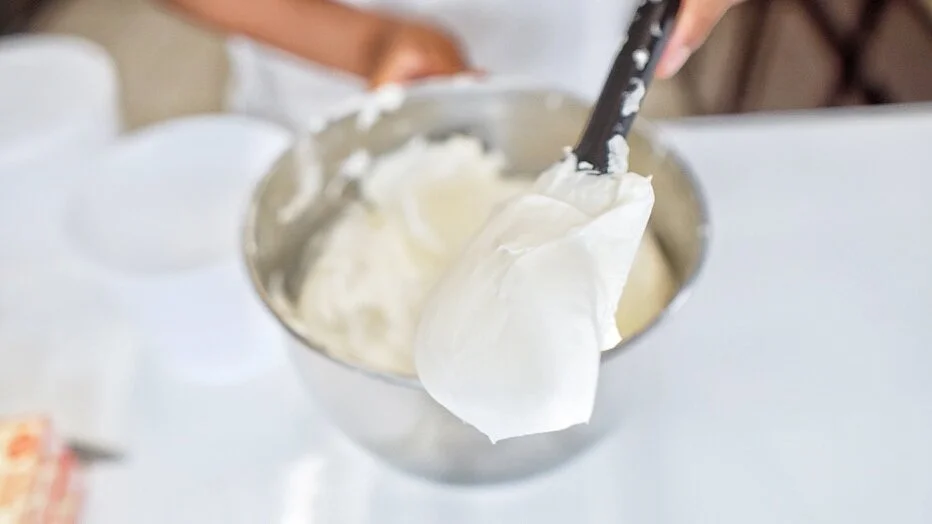
- Adjust buttercream texture. If it is too soft, chill the bowl for 10 minutes, then rewhip. If it looks broken, keep mixing until it comes back together.
- Use a crumb coat. A thin first layer locks in crumbs. Chill 15 minutes, then do the final coat.

9) Cake has tunnels
What it looks like: Long air pockets running through the crumb, often in a line.
Why it happens: Overmixing, batter sitting too long before baking, or too much leavening.
Exactly how to fix it
- Mix just until combined. Especially after flour goes in.
- Bake right away. Once leaveners are activated, you want the batter in the oven. Do not let it hang out on the counter.
- Tap the pan. Give the filled pan 2 to 3 firm taps on the counter to release big air bubbles.
- Measure leavening carefully. Level your teaspoons. More is not better.

10) Edges overbake, center raw
What it looks like: Dry, dark edges with a soft or even raw center.
Why it happens: Oven too hot, pan material conducting too much heat, or the batter is too deep for the pan size.
Exactly how to fix it
- Use the right pan depth and size. If your pan is smaller than the recipe intends, the batter will be thicker and bake unevenly.
- Lower oven temperature and extend time. A gentler bake helps the center catch up without scorching edges.
- Shield if needed. If the top or edges brown too fast, tent loosely with foil for the last third of baking.
- Set pans in the center of the oven. Too low or too close to a heating element can overbrown the outside.

My quick cake save checklist
If you want the shortest troubleshooting path, run through this list:
- Oven temperature: Confirm with an oven thermometer.
- Pan prep: Light grease, parchment bottom, correct pan size.
- Ingredient temperature: For butter cakes, use eggs and dairy that are not fridge-cold.
- Measuring: Weigh flour when possible.
- Mixing: Mix confidently early on, then go gentle once flour is added.
- Doneness: Toothpick plus spring-back test.
- Cooling: 10 to 15 minutes in pan, then turn out and cool fully.

FAQ
Why did my cake fall after I took it out?
It was not fully set in the center. Next time, bake a few minutes longer and avoid opening the oven door early. Also check that your leavening is not over-measured.
Can I fix a sunken cake?
Yes. Level the top, fill the dip with frosting, whipped cream, or fruit, and call it “intentional.” If it is gummy in the center, slice that section out before frosting.
How do I keep cake moist for days?
Cool completely, then wrap airtight. For layered cakes, brush with simple syrup before frosting. For buttercream-frosted cakes, you can usually store at cool room temperature for 1 to 2 days. Cakes with cream cheese frosting often do best refrigerated, then brought back toward room temperature before serving. Cakes finished with whipped cream or fresh fruit should be refrigerated.