If you have chili powder and cumin, you are already halfway to better taco night. I keep a small jar of homemade taco seasoning in my pantry so I can build flavor fast without the mystery ingredients, extra salt, or that one-note “taco packet” sweetness.
This blend is warm, savory, and flexible. It works for beef, turkey, chicken, shrimp, beans, roasted vegetables, even popcorn if you are feeling bold. You will also get my exact ratios for how much to use, plus quick fixes if it tastes flat (it is almost always salt, acid, or not enough simmer time).
Why this recipe works
- You control the salt. Packets vary wildly, and many are salt-forward. This mix is intentionally low-salt, so you can season the meat or beans properly while cooking.
- It tastes fresher. Ground spices fade over time. A small homemade batch that you actually use up is brighter and more aromatic.
- It reduces food waste. Instead of buying a packet for one night, you can use up half-jars of spices hiding in the back of the cabinet.
- It is endlessly adjustable. More heat, less heat, smoky, no garlic, salt-free, all doable.
Ingredient notes
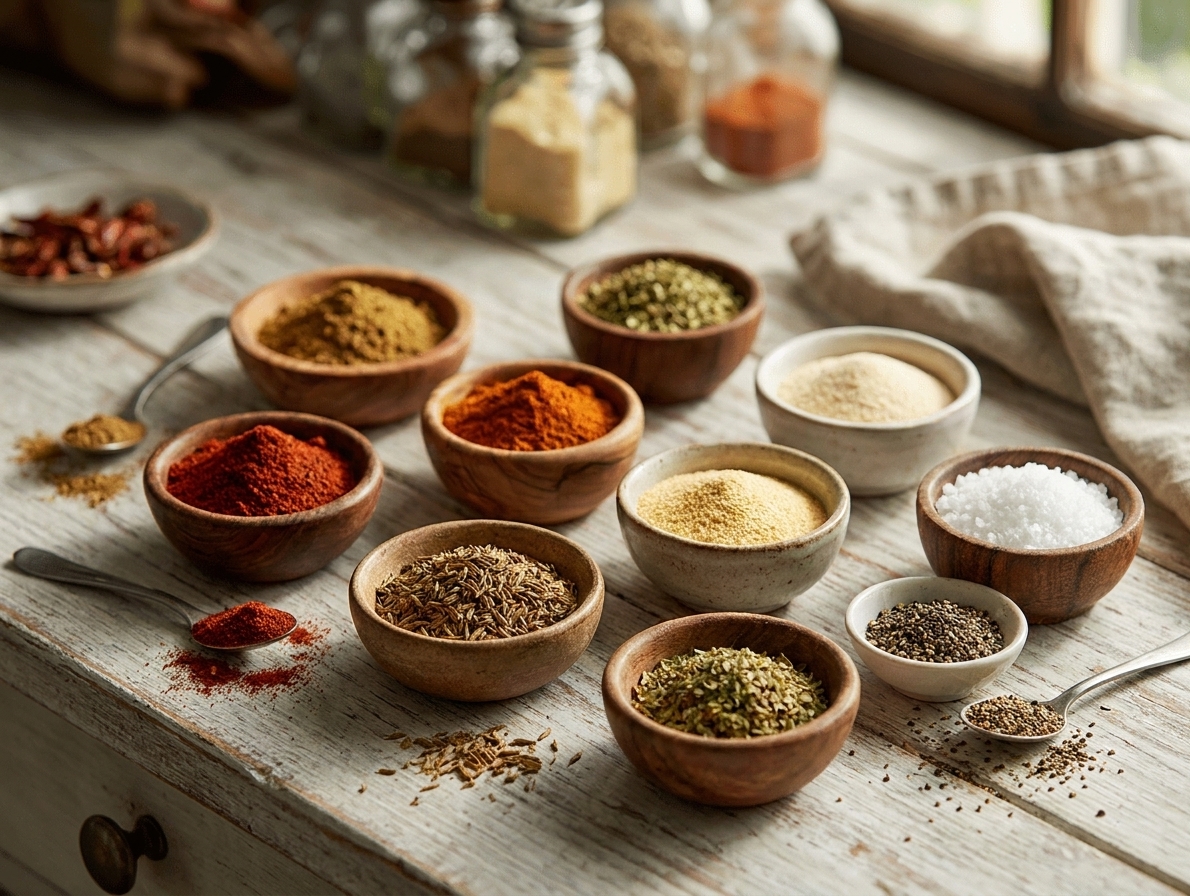
This blend is built around chili powder and cumin, with smoked paprika for a warm, slightly smoky backbone (sweet paprika works too). Garlic powder and onion powder add savory depth, and dried oregano (Mexican oregano if you have it) gives a classic taco-shop note.
Salt: The mix includes 1/2 teaspoon fine salt, but it is optional. Keeping it low-salt makes it easier to season meat or beans properly while cooking.
Optional add-ins: Ground coriander (optional but lovely) adds a subtle citrusy warmth. Cayenne is optional for heat.
Equipment you will need
- Small bowl
- Whisk (or a spoon for breaking up clumps)
- Funnel (helpful for transferring)
- Clean, dry spice jar with a tight lid
Pro tips
- Break up clumps. When whisking, use the back of a spoon to smash any paprika or chili powder clumps so the blend stays even.
- Check aroma to gauge freshness. When you pop the lid, it should smell warm, toasty, and a little smoky. If it smells like almost nothing, your spices may be old. They are still usable, but plan to use a little more and bloom it in oil.
- Bloom for bigger flavor. Even 20 to 30 seconds in hot fat makes a noticeable difference before you add liquid and simmer.
- Finish with acid. If the filling tastes fine but not exciting, add lime juice or a tiny splash of vinegar right before serving; adding it too early can mute the top notes.
- Make a smaller batch if you cook tacos occasionally. Fresh spices beat a giant jar that lasts forever.
- Label and date scaled batches. If you double or triple the recipe, keep it airtight and label it with the date.
Substitutes that work
Smoked paprika
Use sweet paprika instead of smoked paprika for a gentler, less smoky flavor.
No chili powder
In the U.S., “chili powder” is usually a blend (not pure ground chiles). If you do not have it, you can fake it with:
- 1 tablespoon paprika
- 2 teaspoons ground cumin
- 1 teaspoon garlic powder
- 1/2 teaspoon oregano
- Plus cayenne to taste
It will be a little different, but still delicious.
Variations
Mild
Skip cayenne and use sweet paprika instead of smoked paprika for a gentler flavor.
Spicy
Add 1/2 teaspoon cayenne, or swap in 1 to 2 teaspoons chipotle powder for smoky heat.
Salt-free
Omit the salt in the mix. Season the meat or beans directly while cooking. This is my go-to if I am cooking for different salt preferences, or using salty add-ons like queso fresco, olives, or store-bought salsa.
Serving ideas
How much to use (baseline):
- Per 1 pound meat (or plant-based crumbles): 1 tablespoon seasoning
- For beans or lentils: 2 to 3 teaspoons per 15-ounce can (drained and rinsed) or about 1 1/2 cups cooked beans
- For veggies (roasted cauliflower, sweet potato, peppers): 2 teaspoons per sheet pan, plus 1 to 2 tablespoons oil
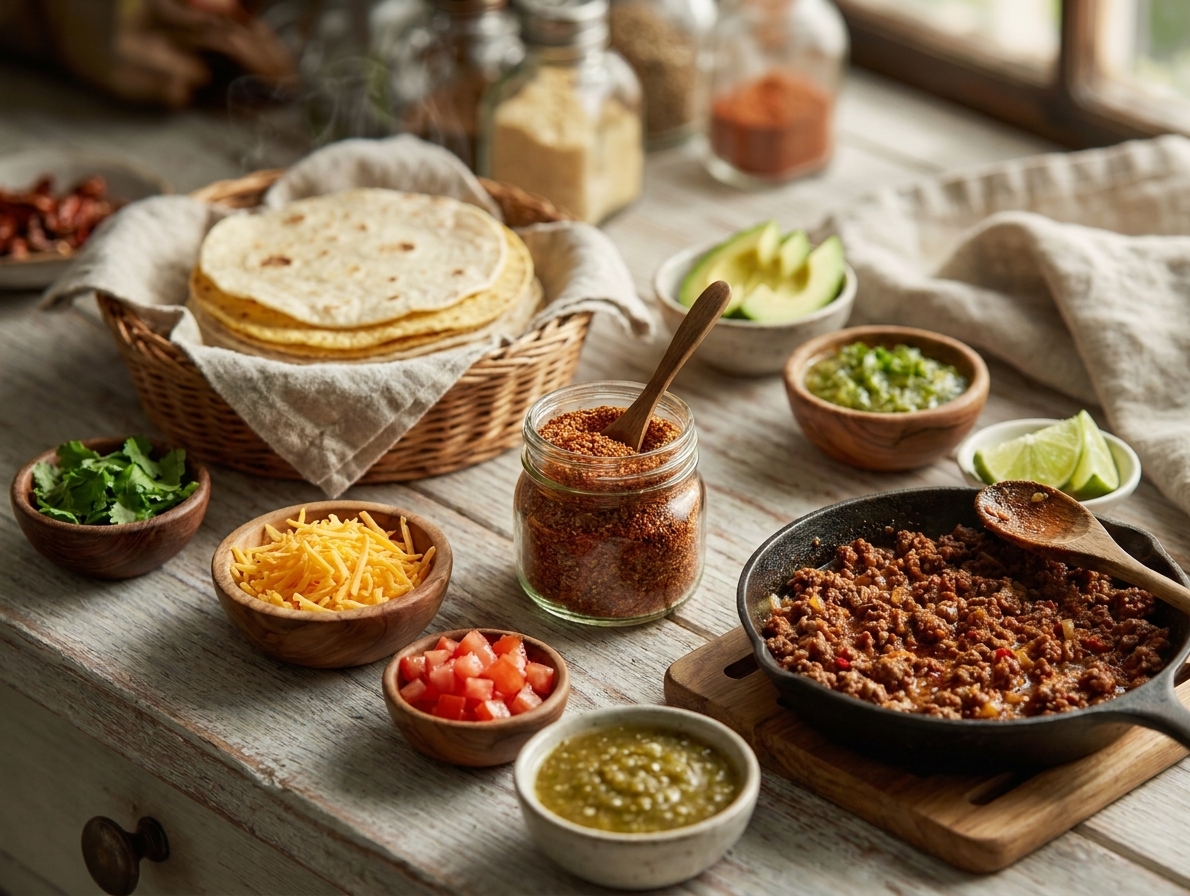
Weeknight method for ground meat: Brown the meat, spoon off excess fat if needed, then sprinkle in the seasoning and stir for 30 seconds. Add 1/3 cup water (or broth), scrape up the browned bits, and simmer 2 to 3 minutes until glossy and saucy.
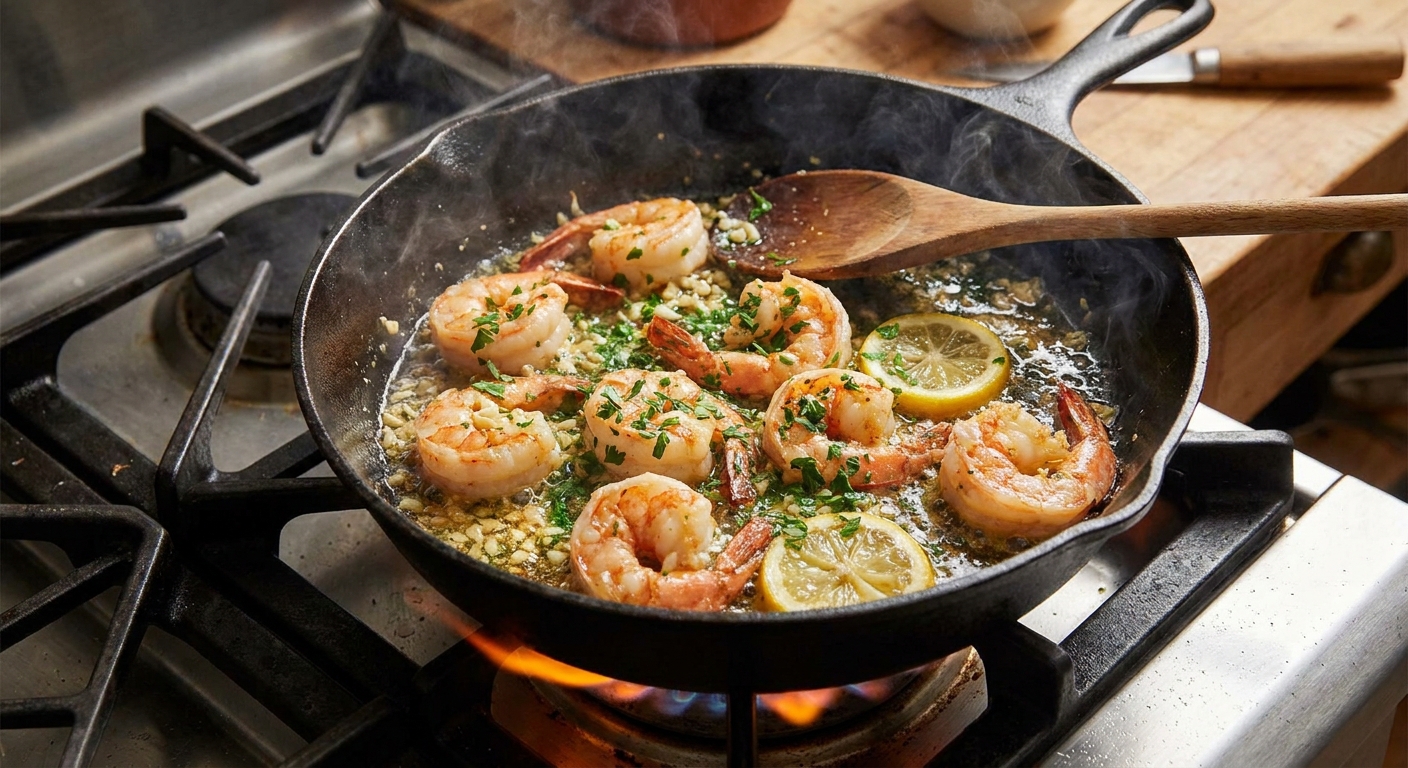
For chicken pieces or shrimp: Toss with seasoning plus a little oil, then cook as usual. If anything starts to look dry, add a splash of water or broth and let it simmer for a minute to hydrate the spices.
Best uses
- Taco soup: Use 2 to 3 tablespoons for a medium pot (about 6 servings).
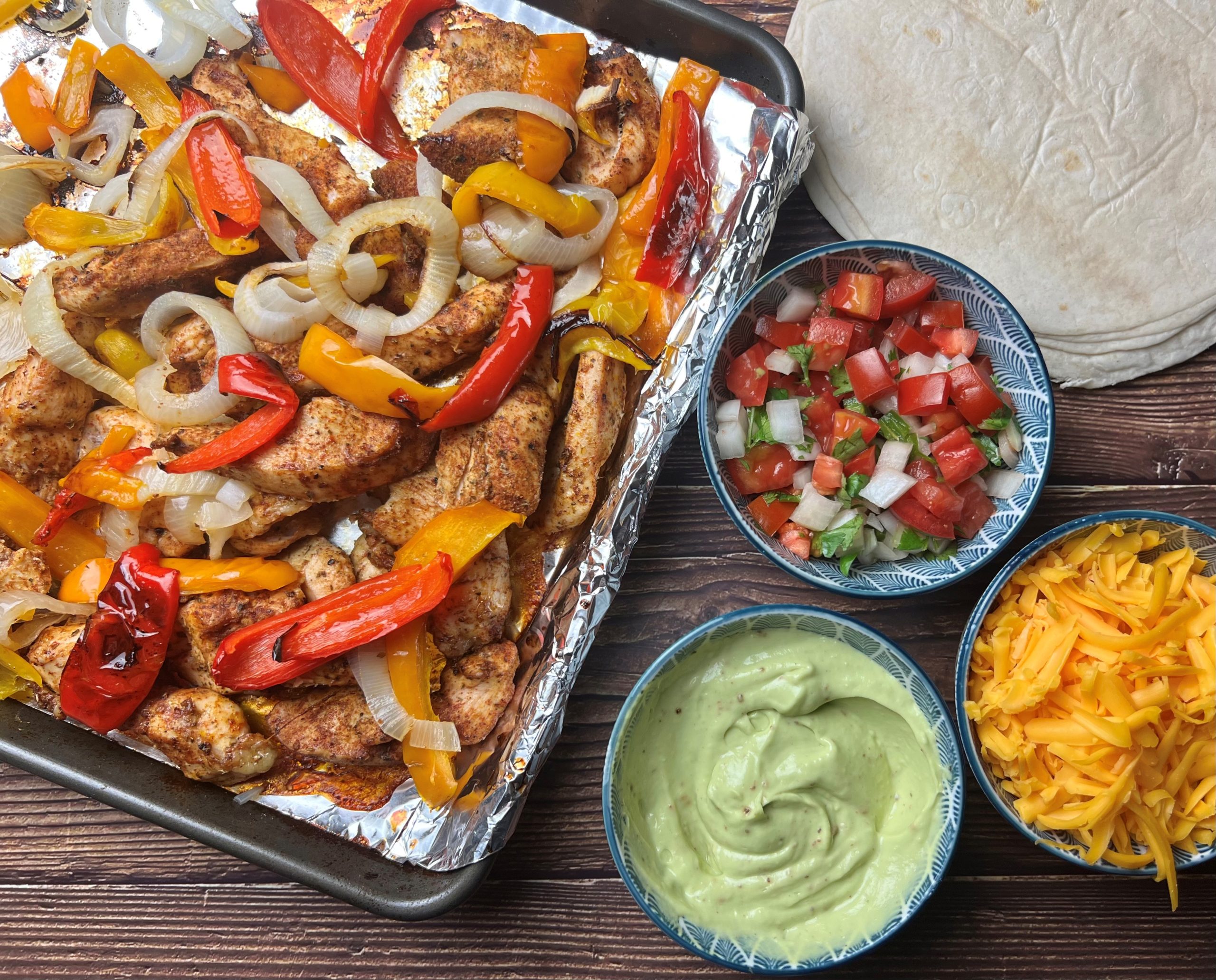
- Sheet pan fajita-ish veggies: Toss peppers and onions with 2 teaspoons seasoning and roast at 425°F until charred at the edges.
- Black bean filling: Warm beans with a splash of broth, 2 to 3 teaspoons seasoning, and lime.
- Breakfast scramble: Season eggs, potatoes, or tofu with 1/2 to 1 teaspoon, then finish with salsa.
Storage and reheating
Store taco seasoning in a tightly sealed jar in a cool, dark cupboard.
- Best flavor: within about 3 months (as a general guideline)
- Still usable: up to about 6 months, depending on how fresh your spices were to begin with and how you store them
Scaling: You can easily double or triple the recipe. Just keep it in an airtight container and label it with the date, because time has a way of making spice jars blend into the background.
Common mistakes
It tastes flat
- Add a pinch of salt, then taste again.
- Add a squeeze of lime.
- Simmer 2 minutes longer with a splash of water or broth to let the spices hydrate.
It tastes bitter
- You may have bloomed the spices too long on high heat. Add liquid sooner next time.
- Balance with a little fat (a spoon of sour cream stirred into the filling off heat) and acid (lime).
It tastes too spicy
- Stir in more of the main ingredient (more meat, beans, or veggies).
- Add dairy on the side: sour cream, crema, or shredded cheese.
- Serve with something cooling like shredded lettuce or avocado.
FAQ
Is taco seasoning the same as chili seasoning?
They overlap, but chili seasoning often leans heavier on cumin and sometimes includes cocoa, cinnamon, or more oregano depending on the style. Taco seasoning is usually brighter and more straightforward for quick-cooked fillings. You can use this blend in chili, just add it early and give it time to simmer.
Can I use this on chicken or shrimp?
Yes. For chicken, use 2 teaspoons per pound and cook with a little oil, then finish with lime. For shrimp, use 1 to 1 1/2 teaspoons per pound, toss with oil, and cook quickly so the spices do not scorch.
Does homemade taco seasoning need flour or cornstarch?
No. Packets sometimes include starch to thicken the sauce when you add water. At home, you can get a great texture by simmering until glossy. If you want it thicker, stir 1 teaspoon cornstarch into your water before adding it to the pan.
How do I make it taste like my favorite taco truck?
Use the seasoning, bloom it in fat, then finish with lime and a pinch of salt. Also, do not skip a fresh topping like diced onion and cilantro. That contrast is where the “taco truck magic” lives.
Any dietary notes?
This blend is naturally gluten-free as written, but spice blends can vary by brand. If you are sensitive, check your chili powder (and any pre-mixed spices) for added salt, anti-caking agents, or potential cross-contamination.
Can I use whole spices?
Yes, and it is fantastic. If you have cumin seeds, toast them in a dry pan for 30 to 60 seconds until fragrant, then grind and use in place of ground cumin for extra pop.
Homemade Taco Seasoning
A warm, savory, flexible homemade taco seasoning blend (about 5 tablespoons total) you can keep in the pantry for quick tacos, beans, veggies, and more. Intentionally low-salt, easy to customize, and ready in minutes.
- Prep
- 5 minutes
- Cook
- 0 minutes
- Total
- 5 minutes
- Yield
- About 5 tablespoons (a little over 1/4 cup)
Ingredients
- 2 tablespoons chili powder
- 1 tablespoon ground cumin
- 2 teaspoons smoked paprika (or sweet paprika)
- 1 teaspoon garlic powder
- 1 teaspoon onion powder
- 1 teaspoon dried oregano (Mexican oregano if you have it)
- 1/2 teaspoon fine salt (optional, see notes)
- 1/2 teaspoon freshly ground black pepper
- 1/4 teaspoon ground coriander (optional but lovely)
- 1/4 teaspoon cayenne pepper (optional, for heat)
Instructions
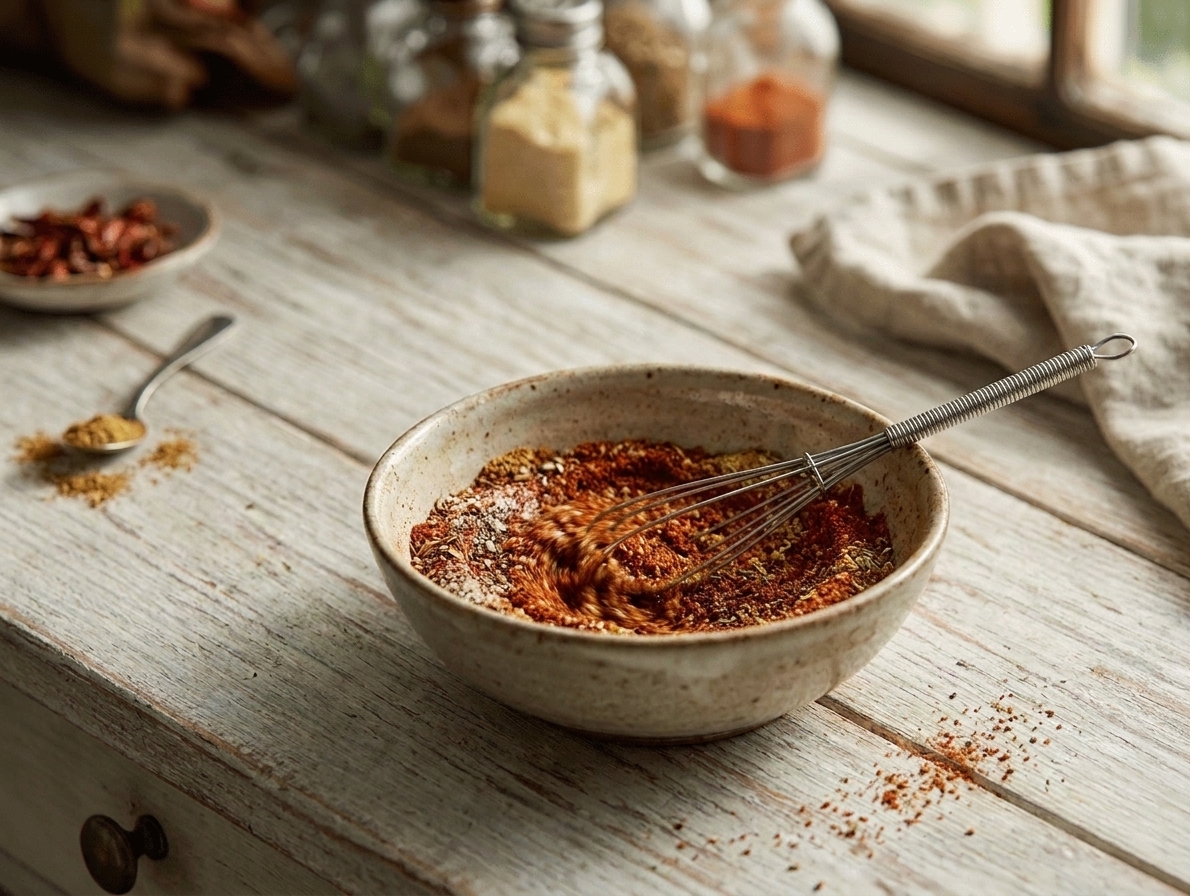
- Combine. Add everything to a small bowl.
- Whisk well. Whisk well, breaking up any paprika or chili powder clumps with the back of a spoon.
- Jar it. Funnel into a clean, dry spice jar with a tight lid.
Notes
Yield: Makes about 5 tablespoons (a little over 1/4 cup), enough for 4 to 5 pounds of meat, depending on how boldly you season.
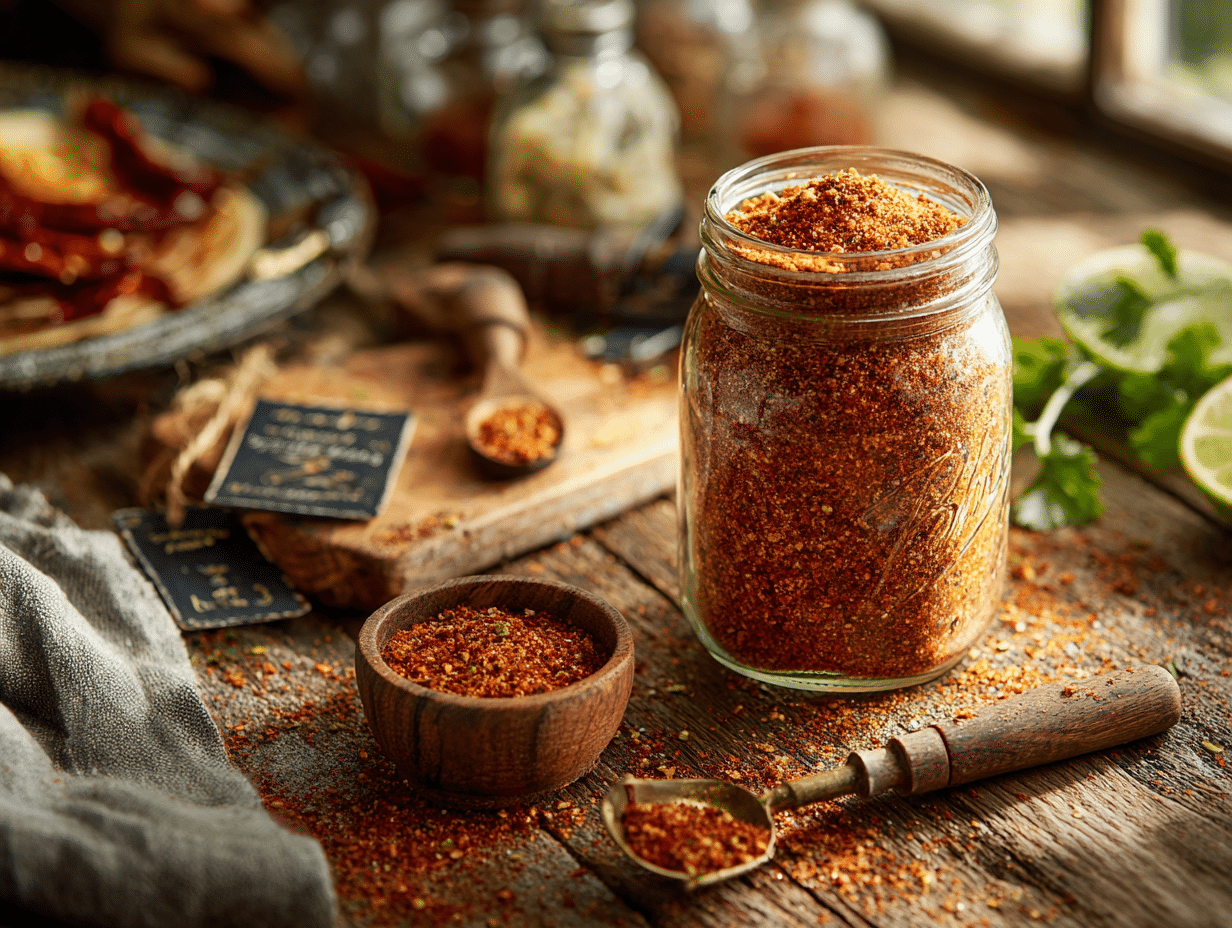
Sensory cue: When you pop the lid, it should smell warm, toasty, and a little smoky. If it smells like almost nothing, your spices may be old. They are still usable, just plan to use a little more and bloom it in oil.
Bloom and balance: After browning meat, keep 1 to 2 teaspoons fat in the pan. Stir in the seasoning until it darkens slightly and smells more intense, then add liquid and simmer. If your filling tastes fine but not exciting, finish with acid: start with 1 teaspoon lime juice per pound of filling, then taste (and if simmering a long time, adjust with acid at the end).
Salt-free option: Omit the salt in the mix and season the meat or beans directly while cooking, especially if using salty add-ons like queso fresco, olives, or store-bought salsa.
Nutrition
- Calories: 16
- Fat: 0.7 g
- Carbs: 3.1 g
- Protein: 0.7 g
- Fiber: 1.4 g
- Sugar: 0.6 g
- Sodium: 195 mg
Nutrition is an approximate estimate per 1 tablespoon of seasoning (including optional salt).