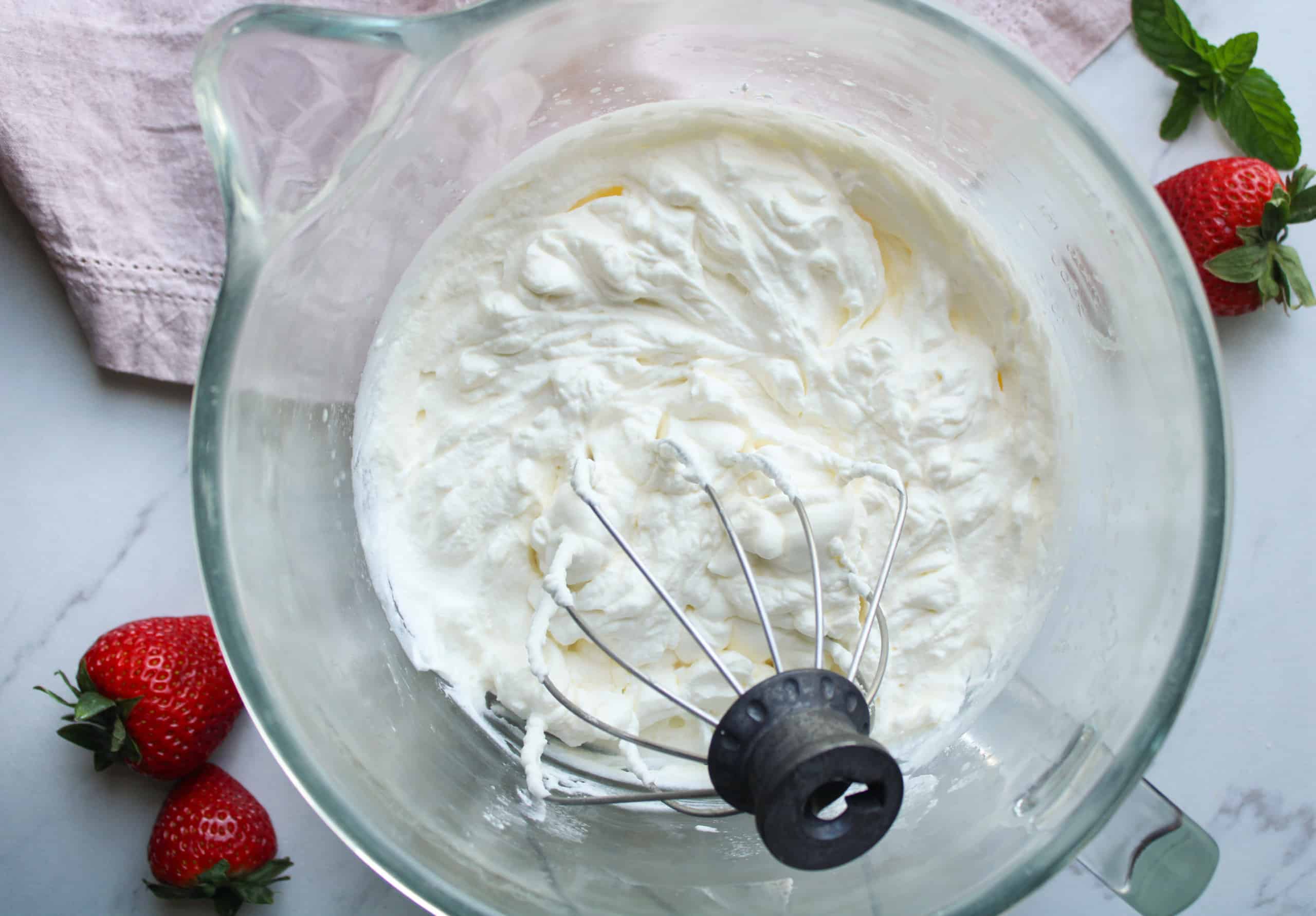
Homemade whipped cream is one of those small kitchen wins that makes dessert feel special with almost no effort. It takes about 3 to 6 minutes, uses a handful of ingredients, and tastes clean, dairy-sweet in a way store-bought tubs just cannot.
It is also a great way to use up heavy cream before it hits its expiration date. If you are anything like me, you buy cream for a recipe, use half, then stare at the carton every time you open the fridge. Whipped cream is the fastest, happiest solution.
Why this recipe works
- Fast, high-reward dessert upgrade: Homemade whipped cream takes about 3 to 6 minutes and makes desserts feel special with almost no effort.
- Better flavor and texture: It tastes clean and dairy-sweet in a way store-bought tubs cannot.
- Simple technique: Start with very cold cream and a cold bowl, then stop at the texture you want. It can go from perfect to grainy quickly.
Ingredient notes
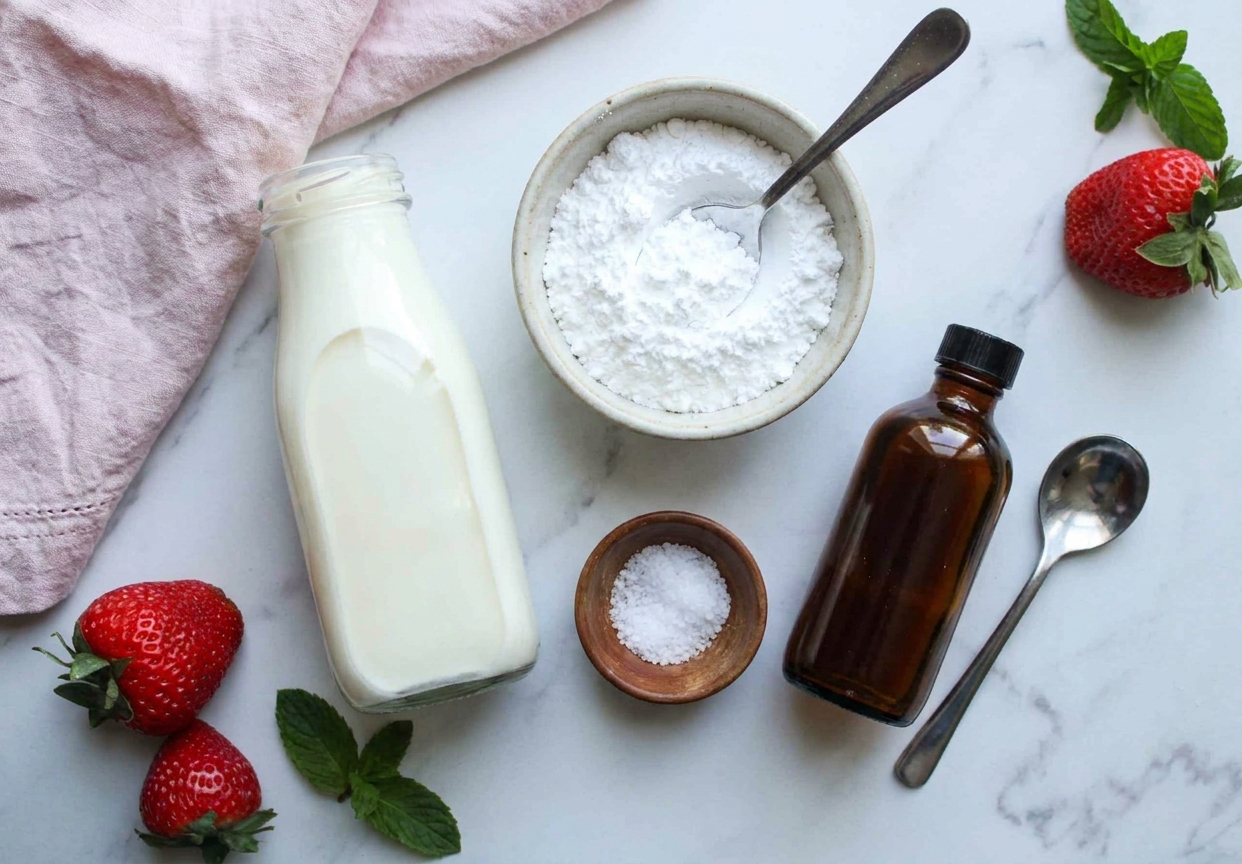
- Heavy cream: Use cold heavy cream (also labeled heavy whipping cream). Look for 36% milkfat if you can.
- Powdered sugar: Dissolves instantly and helps whipped cream hold its shape longer. Use 1 to 2 tablespoons, to taste.
- Vanilla: Vanilla extract or vanilla bean paste both work (use 1 teaspoon per cup of cream).
- Salt: A pinch of fine salt is optional, but it makes the flavor pop.
Sweetener options: Granulated sugar works too; it just needs a little more whipping time to dissolve and can feel slightly gritty if you stop early. Maple syrup and honey are delicious, but they make the cream a touch softer and less stable.
Equipment you will need
- Mixing bowl: A bowl you can chill (10 minutes in the freezer is helpful).
- Hand mixer: The weeknight go-to for quick batches.
- Stand mixer: Use the whisk attachment; best for big batches.
- Jar with a tight lid: For the no-mixer method (shake hard).
- Optional: A larger bowl of ice to set your mixing bowl into if your kitchen is warm.
Pro tips
- Chill everything: Start with very cold cream and a cold bowl. If you have time, chill the bowl and beaters in the freezer for 10 minutes.
- Watch the peaks, not the clock: Timing depends on your mixer; stop frequently near the end to check texture.
- Know the visual cue: At the right point, the cream looks matte instead of glossy and you can see ridges from the whisk.
- Pick the right peak for the job: Soft peaks for folding or spooning, medium peaks as an all-purpose default, stiff peaks for piping and longer hold time.
- Warm kitchen fix: If your kitchen is warm, set the bowl inside a larger bowl of ice while whipping.
Substitutes that work
- Sugar swap: Granulated sugar can replace powdered sugar, but it needs more whipping time to dissolve and can be slightly gritty if you stop early.
- Liquid sweeteners: Maple syrup or honey work, but they make the cream a touch softer and less stable.
- No sugar: Skip the sugar and keep the vanilla and salt.
- Vanilla options: Vanilla extract or vanilla bean paste both work.
Variations
- Citrus: Add 1 to 2 teaspoons finely grated lemon or orange zest with the sugar.
- Chocolate: Sift in 1 tablespoon cocoa powder with the powdered sugar (for 1 cup cream).
- Espresso: Dissolve 1 to 2 teaspoons instant espresso powder in 1 teaspoon hot water, cool, then add with vanilla.
- Boozy: Add 1 tablespoon bourbon, rum, or Irish cream at soft peaks. Keep it at medium peaks, since alcohol softens structure.
- Not too sweet: Start with 1 tablespoon powdered sugar and a pinch of salt, then adjust. It should taste like cream first, dessert second.
Stabilized whipped cream (choose one)
If you are topping a cake, pie, or anything that needs to look good for more than an hour or two, stabilizing helps whipped cream hold peaks longer and reduces weeping.
- Option 1: Powdered sugar Use 2 tablespoons powdered sugar per 1 cup cream. This is often enough for casual desserts.
- Option 2: Cornstarch Mix 1 tablespoon powdered sugar + 1 teaspoon cornstarch per cup of cream, then whip as usual.
- Option 3: Gelatin For 1 cup cream: sprinkle 1/2 to 1 teaspoon unflavored gelatin over 1 tablespoon cold water. Let it bloom 5 minutes, then warm briefly until melted. Cool for a minute so it is lukewarm, not hot. Whip cream to soft peaks, then drizzle in gelatin while whipping on low, then finish to medium or stiff peaks.
Tip: If the gelatin is too warm, it can melt the cream. If it is too cool, it can form tiny threads. Lukewarm is the sweet spot.
Serving ideas
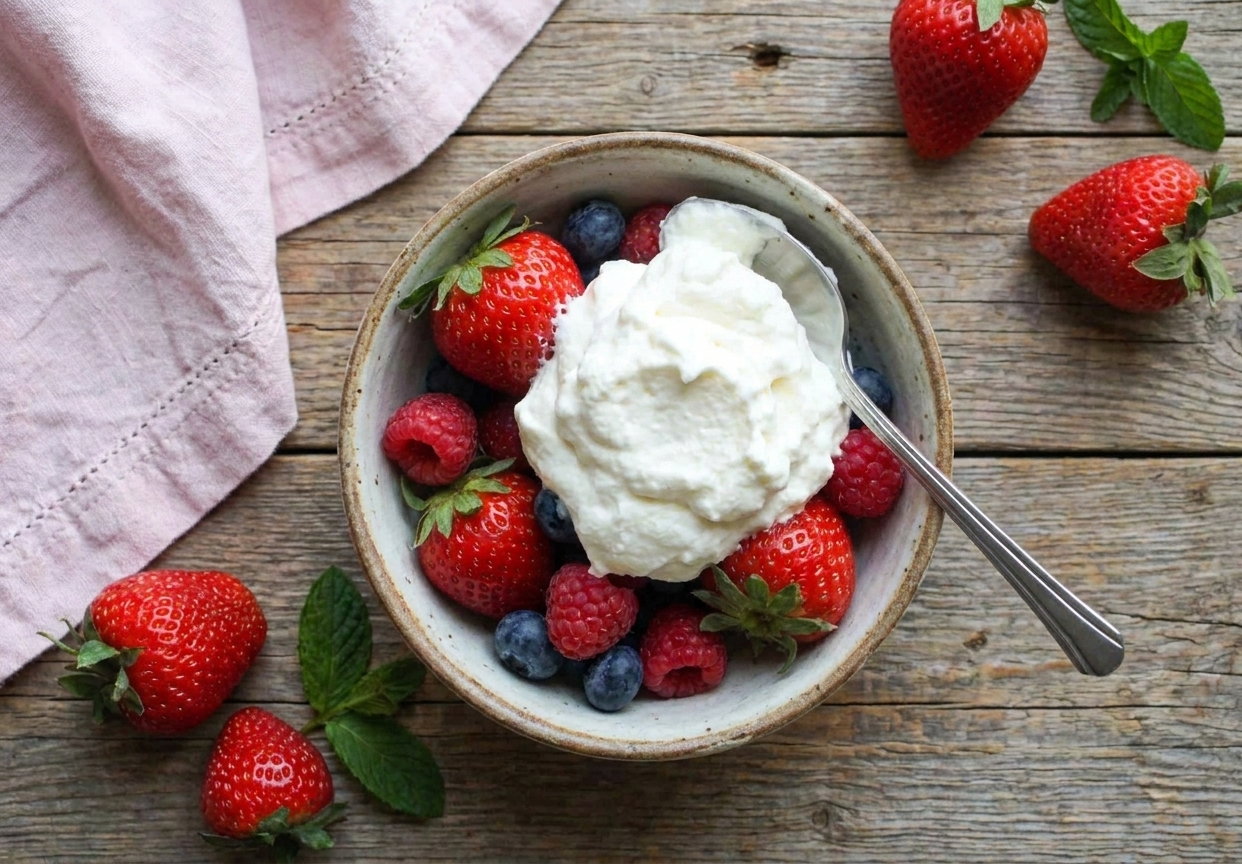
- Soft peaks: Best for folding into mousse, topping hot cocoa, or spooning onto fruit.
- Medium peaks: A great default for most desserts because it holds shape and still tastes creamy.
- Stiff peaks: Best for piping and for desserts that sit out a little longer.
- Practice tip: Practice stopping at medium peaks. It is stable enough to hold a dollop and still soft enough to melt on your tongue.
Storage and reheating
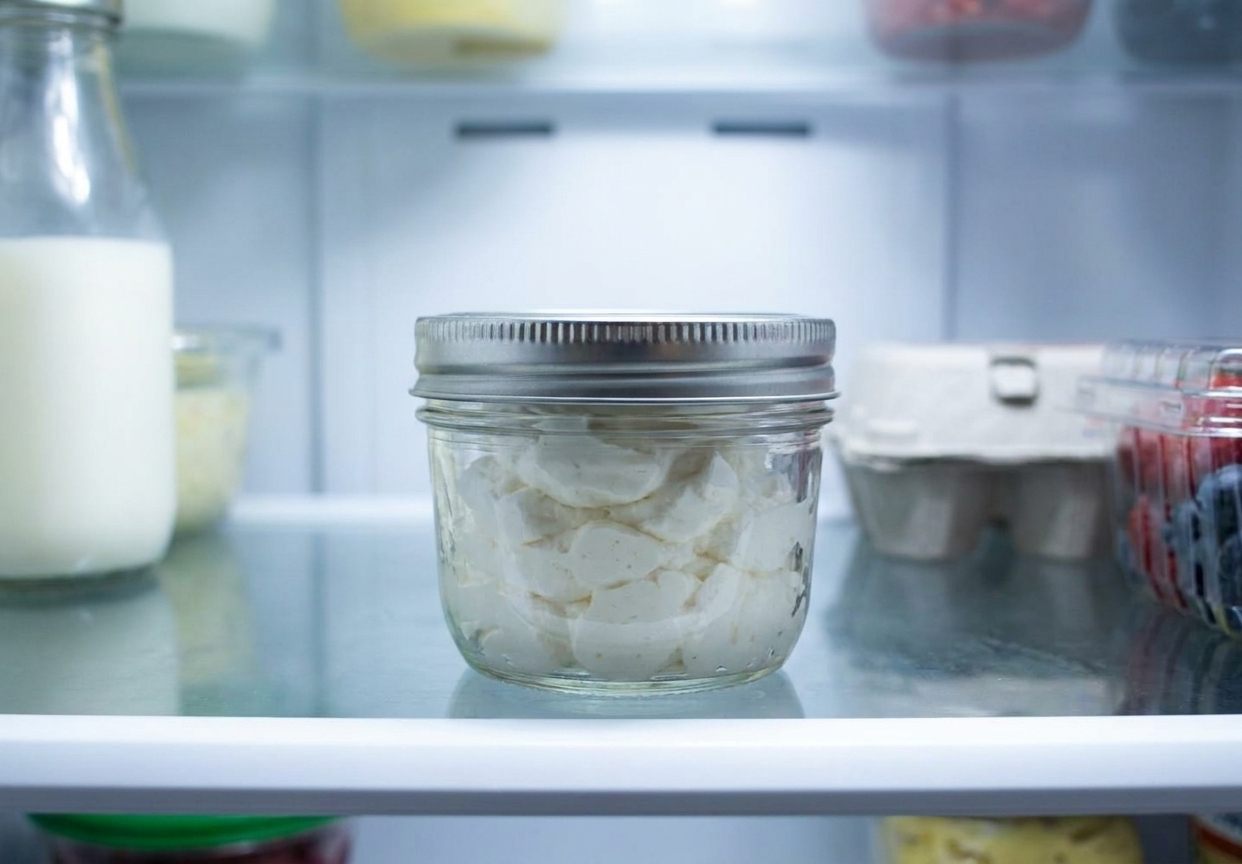
- How long it lasts: Regular whipped cream is best the same day, but will hold 24 hours in the fridge. Stabilized whipped cream can last 2 to 3 days, depending on the method.
- If it deflates: Give it a gentle whisk by hand to fluff it back up. Do not aggressively rewhip or it can turn grainy.
- Freezing: Freeze in dollops. Pipe or spoon mounds onto a parchment-lined sheet pan, freeze until solid, then store in a freezer bag. Great for hot cocoa or waffles. Texture is slightly drier after thawing, but still tasty.
Common mistakes
Overwhipping
Whipped cream goes from perfect to grainy faster than you think. If it starts looking curdled or chunky, you have gone too far.
How to fix overwhipped cream
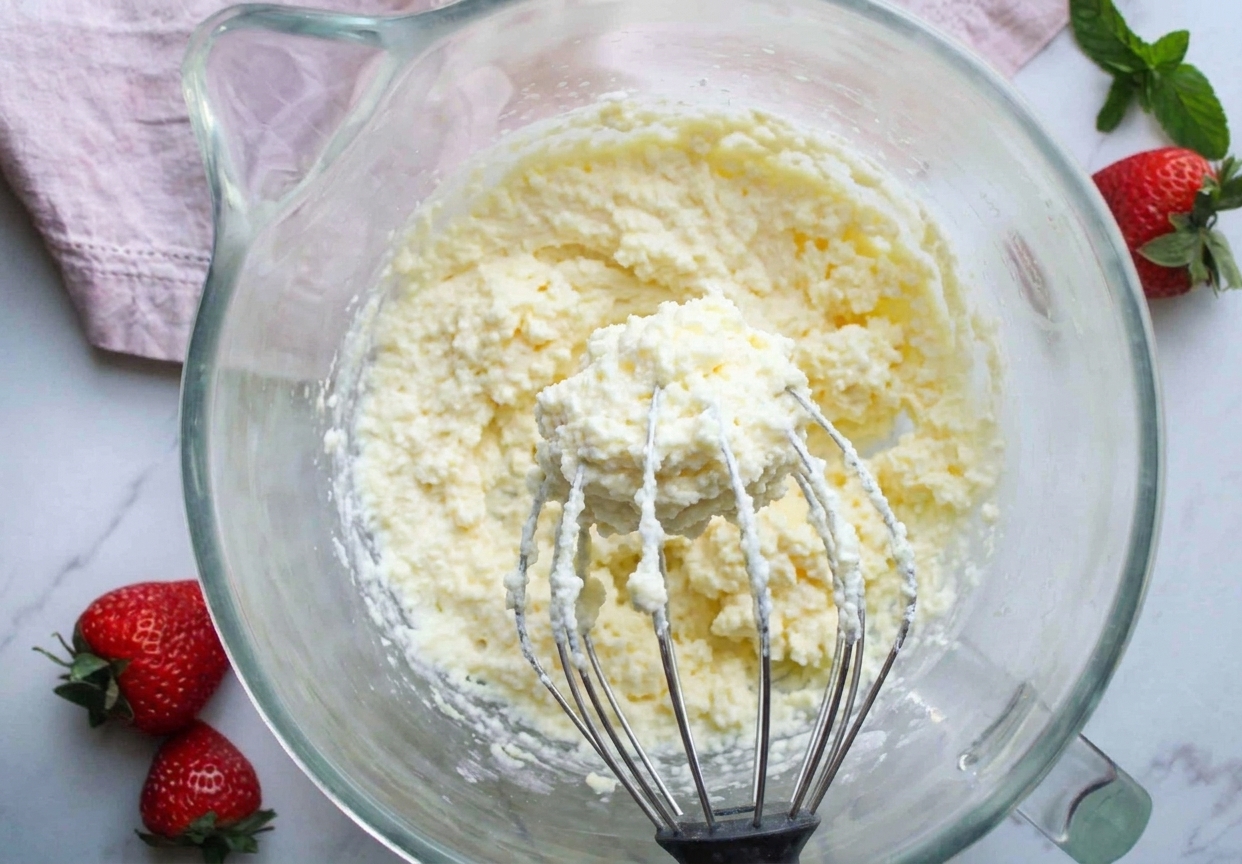
If it is just barely overwhipped and looks a little grainy, you can usually save it.
- Add 1 to 2 tablespoons cold heavy cream.
- Fold gently with a spatula or whisk by hand just until smooth again.
If it is very overwhipped, you will see separation and it will start turning into butter. At that point, you can keep going and make butter on purpose.
Cream will not whip
Most often the cream is not cold enough, the fat percentage is too low, or the cream is very old (especially if it is near its expiration date). Chill everything, use heavy cream (not half and half), and try again. Some ultra-pasteurized creams can take a little longer to whip, but they should still work when fresh. If your kitchen is warm, set the bowl inside a larger bowl of ice while whipping.
Flat flavor
Add a pinch of salt and a tiny splash of acid like 1/4 teaspoon lemon juice. It should not taste lemony. It just wakes up the sweetness.
FAQ
Heavy cream vs heavy whipping cream, is there a difference?
In the U.S., heavy cream and heavy whipping cream are typically the same thing and are usually around 36% milkfat (check the carton to confirm). If you see whipping cream (sometimes called light whipping cream), that is the one that is usually lower, around 30 to 35% milkfat. More fat generally means faster whipping and better holding power.
Why powdered sugar instead of granulated?
Powdered sugar dissolves immediately and includes a small amount of starch, which gently stabilizes the whipped cream. Granulated sugar works, but needs more time to dissolve.
Can I make whipped cream without sugar?
Absolutely. Skip the sugar and keep the vanilla and salt, or try savory whipped cream with a pinch of salt and a little black pepper for soups and roasted fruit.
Soft peaks vs stiff peaks, what is the difference?
- Soft peaks: When you lift the whisk, the peak folds over like a soft wave.
- Medium peaks: The peak stands up but the tip bends slightly.
- Stiff peaks: The peak stands straight up. Be careful because you are very close to overwhipped.
Homemade Whipped Cream
This quick homemade whipped cream comes together in about 3 to 6 minutes with cold heavy cream, powdered sugar, vanilla, and an optional pinch of salt. Whip to soft, medium, or stiff peaks depending on how you plan to use it. Makes about 2 cups.
- Prep
- 10 minutes
- Cook
- 5 minutes
- Total
- 15 minutes
- Yield
- About 8 servings (about 2 cups total)
Ingredients
- 1 cup cold heavy cream
- 1 to 2 tablespoons powdered sugar (to taste)
- 1 teaspoon vanilla extract or vanilla bean paste
- Pinch of fine salt (optional)
Instructions
- Chill a mixing bowl and beaters for 10 minutes (optional, but helpful).
- Pour cold heavy cream into the bowl. Beat on medium speed until foamy, 30 to 60 seconds.
- Add powdered sugar, vanilla, and salt. Beat on medium to medium-high until soft, medium, or stiff peaks form, 2 to 4 minutes. Stop and check often near the end.
- Use immediately, or refrigerate in an airtight container.
Notes
- Yield: About 2 cups whipped cream.
- Peak guide: Soft peaks droop; medium peaks stand with a slight bend; stiff peaks stand straight up (very close to overwhipped).
- Overwhipped fix: If it is just barely grainy, add 1 to 2 tablespoons cold heavy cream and fold gently until smooth. If it separates and starts turning into butter, keep going and make butter on purpose.
- Stabilizing: For casual desserts, use 2 tablespoons powdered sugar per 1 cup cream. For more staying power, mix 1 tablespoon powdered sugar + 1 teaspoon cornstarch per cup of cream, or use the gelatin method: bloom 1/2 to 1 teaspoon unflavored gelatin in 1 tablespoon cold water for 5 minutes, melt, cool to lukewarm, then drizzle into cream at soft peaks while whipping on low.
Nutrition
- Calories: 105
- Fat: 10 g
- Carbs: 3 g
- Protein: 1 g
- Fiber: 0 g
- Sugar: 3 g
- Sodium: 15 mg
Nutrition values are approximate and will vary based on how much sugar you use and whether you include salt.