There are two kinds of queso people: the ones who swear by the classic processed cheese block, and the ones who want “real cheese or nothing.” I have love for both camps, because the goal is the same: a dip that stays smooth, glossy, and scoopable from the first chip to the last.
Today we’re doing a friendly showdown. I’ll walk you through the science of why cheese breaks, why processed cheese blocks behave like a dream, and how sodium citrate lets you make restaurant-style queso with real cheddar that does not seize up the moment it hits heat.

Why queso gets grainy
Cheese is basically a delicate balance of fat, water, and proteins (casein). When you melt cheese, you are asking that structure to relax without falling apart.
Grainy, broken queso usually happens because one (or more) of these is true:
- Too much heat, too fast. High heat tightens proteins and squeezes out fat, so you get greasy puddles and clumps.
- Not enough liquid. Melted cheese needs enough liquid to stay emulsified. A thick, low-moisture melt is more likely to split.
- Acid added at the wrong time. Tomatoes, pickled jalapeños, salsa, and lime are delicious but can push proteins to clump if the base is not stabilized.
- Pre-shredded cheese. It is often coated with starches and anti-caking agents that can sometimes turn your queso pasty or grainy.
The fix: gentle heat, enough liquid, and an emulsifying helper. Processed cheese blocks have that helper built in. Sodium citrate is the DIY version.
Processed cheese block
Processed cheese blocks (the kind many of us grew up dipping into at parties) are engineered for meltability. They often include emulsifying salts (commonly sodium citrate or sodium phosphate) that keep the proteins from grabbing onto each other too tightly, so fat and water stay happily blended. If you are curious, check the label for “sodium citrate” or “sodium phosphate.”
Pros
- Nearly foolproof. Wide margin for error on heat and timing.
- Stays smooth longer. Great for slow cookers, buffets, and game days.
- Minimal ingredients needed. You can get away with just the block plus a splash of milk.
Cons
- Flavor ceiling. It is mild and can read a little one-note unless you boost it.
- Texture preference. Some people love the ultra-smooth “stadium queso” vibe, others want a more cheese-forward bite.

Cheddar + sodium citrate
If you want queso that tastes like actual cheddar, melts like processed cheese, and can handle salsa, you want sodium citrate.
What it does: Sodium citrate changes the behavior of the cheese proteins so they disperse into the liquid instead of clumping. In plain language, it helps your queso stay emulsified and glossy.
Where to find it
- Online (most reliable)
- Some specialty grocers and modernist pantry sections
How much to use
A good working range is 2 to 4% sodium citrate by weight of the cheese. For most home cooks, a solid starting point is 1 teaspoon (about 4 to 5 grams) per 8 ounces of cheese, which lands around 2%. If your queso still looks a little tight or prone to splitting (different cheeses vary), bump it up gradually toward 2 teaspoons per 8 ounces. You do not need a lab coat, but a small kitchen scale makes dialing this in basically effortless.
Scaling note: sodium citrate scales with the cheese. Double the cheese, double the sodium citrate and liquid, then adjust texture at the end.
Best cheeses
- Cheddar: classic, bold, and the point of this showdown.
- Monterey Jack: milder, very smooth. Great for blending with cheddar.
- Low-moisture mozzarella: makes it stretchy. Use sparingly unless you want serious pull.
My weeknight tip: use a 50:50 mix of sharp cheddar and Monterey Jack for maximum flavor with a super-friendly melt.

Recipe 1: Processed block queso
This is the “show up with chips and save the party” queso. It is fast, stable, and endlessly customizable.
Ingredients (about 3 cups)
- 16 ounces processed cheese block, cubed
- 3/4 cup whole milk (plus more as needed)
- 1 (4-ounce) can diced green chiles, drained
- 1/2 teaspoon garlic powder
- 1/2 teaspoon ground cumin
- 1 to 2 tablespoons pickled jalapeños, finely chopped (optional)
- Kosher salt, to taste
Method
- Warm the milk. In a medium saucepan over low heat, warm the milk until steaming but not simmering.
- Melt the cheese gently. Add the cubed processed cheese and whisk slowly until fully melted and silky.
- Season. Stir in green chiles, garlic powder, cumin, and jalapeños if using.
- Adjust texture. If it is thicker than you like, whisk in a splash of milk at a time.
- Taste, then salt. Many processed blocks are already salty. Add salt only if it needs it.
Make it yours
- Meaty: stir in browned chorizo or taco-seasoned ground beef.
- Smoky: swap green chiles for fire-roasted chiles or add a pinch of smoked paprika.
- Bright: finish with a squeeze of lime right before serving.

Recipe 2: Cheddar queso
This is my “I want real cheese flavor but I refuse to babysit a finicky sauce” version. It holds beautifully for a party and reheats like a champ.
Ingredients (about 3 cups)
- 8 ounces sharp cheddar, freshly grated
- 8 ounces Monterey Jack, freshly grated (or more cheddar for a sharper dip)
- 1 1/2 cups water or evaporated milk (see note)
- 2 teaspoons sodium citrate (see note on adjusting)
- 1 (4-ounce) can diced green chiles, drained
- 1/2 teaspoon ground cumin
- 1/4 teaspoon chili powder (optional)
- 1 to 2 tablespoons salsa or diced tomatoes (optional, add at the end)
- Kosher salt, to taste
Water or evaporated milk?
Evaporated milk gives a slightly richer, rounder queso. Water gives you the cleanest cheese flavor and a brighter finish. Both work. If your cheddar is very sharp and you love that tang, start with water.
Method
- Make the base. In a medium saucepan, combine the water (or evaporated milk) and sodium citrate. Set over medium-low heat and whisk until dissolved.
- Heat gently. Bring it to a gentle simmer with small bubbles around the edges, then keep it below a boil. (Boiling is where cheese sauces go to break up.)
- Add cheese gradually. Sprinkle in a handful of grated cheese at a time, whisking until smooth before adding more. Keep the heat steady and gentle.
- Season and finish. Stir in green chiles, cumin, and chili powder if using. If adding salsa or tomatoes, stir them in now.
- Taste for salt. Cheddar varies a lot. Salt at the end, a pinch at a time.
Texture cues
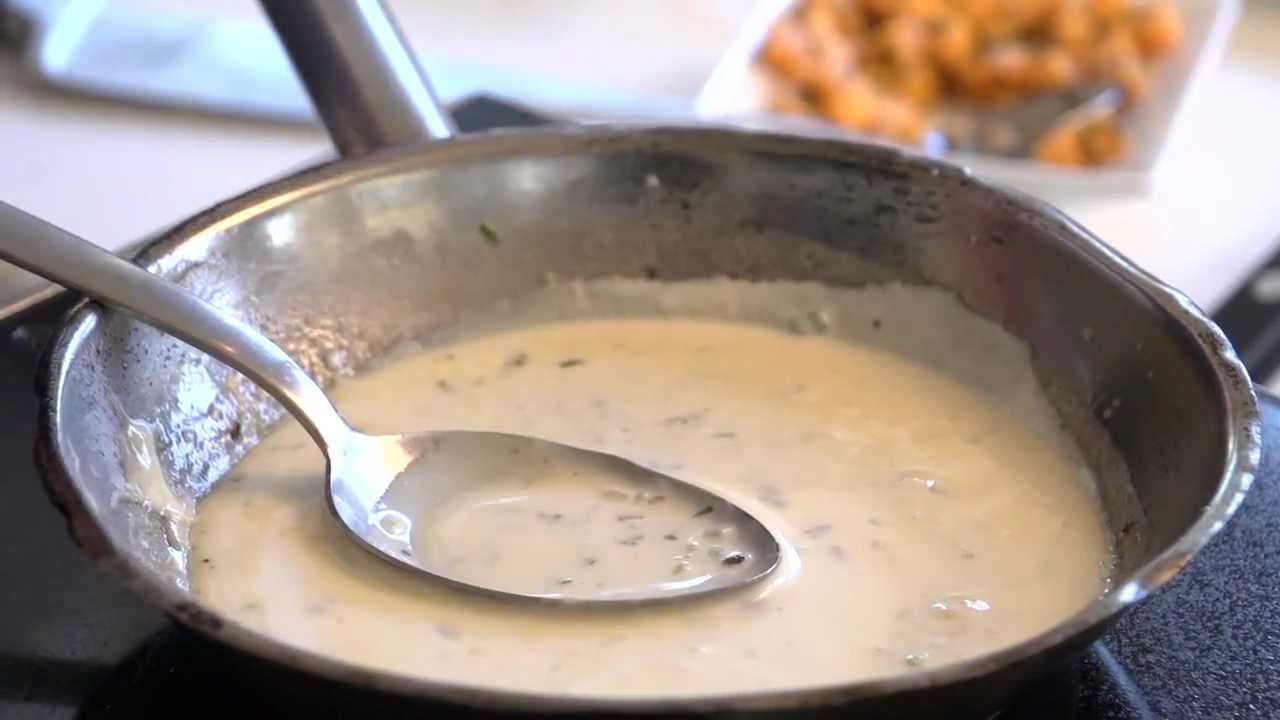
- Perfect queso: it falls off a spoon in a thick ribbon and settles back into itself.
- Too thick: whisk in 1 tablespoon warm water, milk, or evaporated milk at a time.
- Too thin: simmer very gently for 1 to 2 minutes, whisking, or add a small handful of cheese.

Flavor showdown
Processed block queso
Texture: ultra-smooth, glossy, stable even when it cools a bit.
Flavor: mild and creamy, easy to shape with spices, chiles, and hot sauce.
Real-cheese queso (with sodium citrate)
Texture: smooth and cohesive, slightly more “cheesy” body depending on your cheese blend.
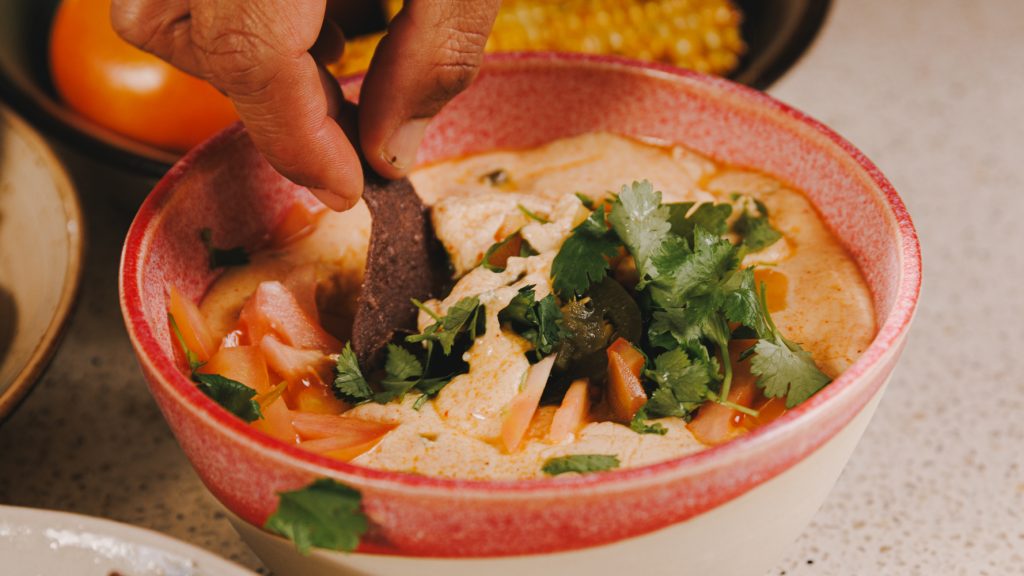
Flavor: louder, sharper, more like nacho cheese from a great taqueria or burger spot.
If you are feeding kids or a very mixed crowd, the processed block is pure comfort. If you want a queso that tastes like you grated the good stuff (because you did), sodium citrate is the move.
Troubleshooting
My queso looks grainy
- Lower the heat immediately.
- Whisk in a splash of warm liquid (water, milk, or evaporated milk) to loosen it.
- If using real cheese without sodium citrate, whisk in 1 to 2 teaspoons cornstarch mixed with 1 tablespoon cold water, then warm gently and whisk until it thickens and looks smooth again (usually 30 to 60 seconds). It will not be as sleek as sodium citrate, but it helps.
Oil is pooling on top
- It got too hot. Remove from heat, whisk vigorously, and add a tablespoon of warm liquid.
- Next time, keep it at a bare simmer. Boiling is the fastest way to break cheese sauce.
It thickened as it sat
- Totally normal. Rewarm over low heat and whisk in warm liquid a splash at a time.
- For a party, keep it warm in a small slow cooker on “warm” and stir occasionally.
It tastes flat
- Add acid: a squeeze of lime, a spoon of pickled jalapeño brine, or a few dashes of hot sauce.
- Add salt: just a pinch, then taste again.
- Add smoke: chipotle powder, smoked paprika, or roasted poblanos.

Holding and reheating
Keep it warm
If you are using a slow cooker, melt the queso on low (or on the stovetop first), then switch to warm. Avoid “high” for long holds, since sustained high heat is how queso turns grainy.
Make-ahead
Both versions can be made up to 3 days ahead. The sodium citrate version tends to reheat the smoothest.
Storage
Cool, then refrigerate in an airtight container. Keep it refrigerated at or below 40°F / 4°C.
Reheating
- Stovetop: low heat, whisk often, add a splash of water, milk, or evaporated milk.
- Microwave: 30-second bursts at 50 to 70% power, stir well between rounds.
For serving guests, reheat until steaming hot.
Food waste note (my little soapbox)
If you have leftover queso, do not toss it. Stir it into mac and cheese, drizzle over roasted potatoes, or thin it with broth for a quick tortilla soup shortcut.
FAQ
Is sodium citrate safe to eat?
Yes. It is a food-grade ingredient used widely in cheeses and beverages. You are using a small amount to stabilize an emulsion. If you are watching sodium, just remember it does add some.
Can I use American cheese slices?
You can. Slices melt smoothly, but they often have a slightly different texture and salt level. If using slices, start with less added salt and add milk slowly to control thickness.
Can I make real-cheese queso without sodium citrate?
You can, but it is less forgiving. Use low heat, add cheese gradually, and consider a cornstarch slurry for stability. Expect a narrower window between “perfect” and “grainy.”
Best cheese blend?
My weeknight favorite is sharp cheddar + Monterey Jack. If you want more stretch, replace a small portion of Jack with low-moisture mozzarella.
My pick
If you want the easiest party win, grab the processed block and do not overthink it. If you want queso that tastes like you mean it and still behaves beautifully on a Tuesday night, keep sodium citrate in your pantry. Once you make real-cheddar queso that stays silky, it is hard to go back.