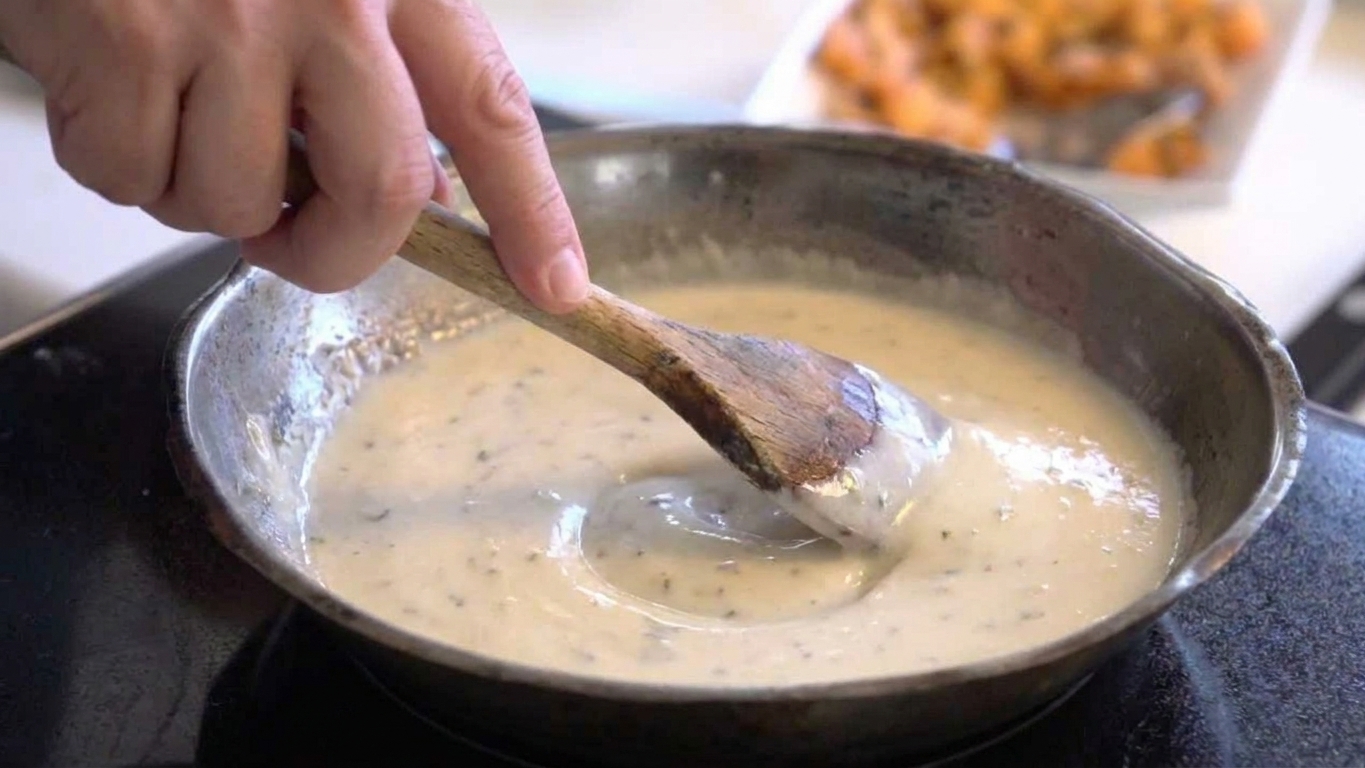
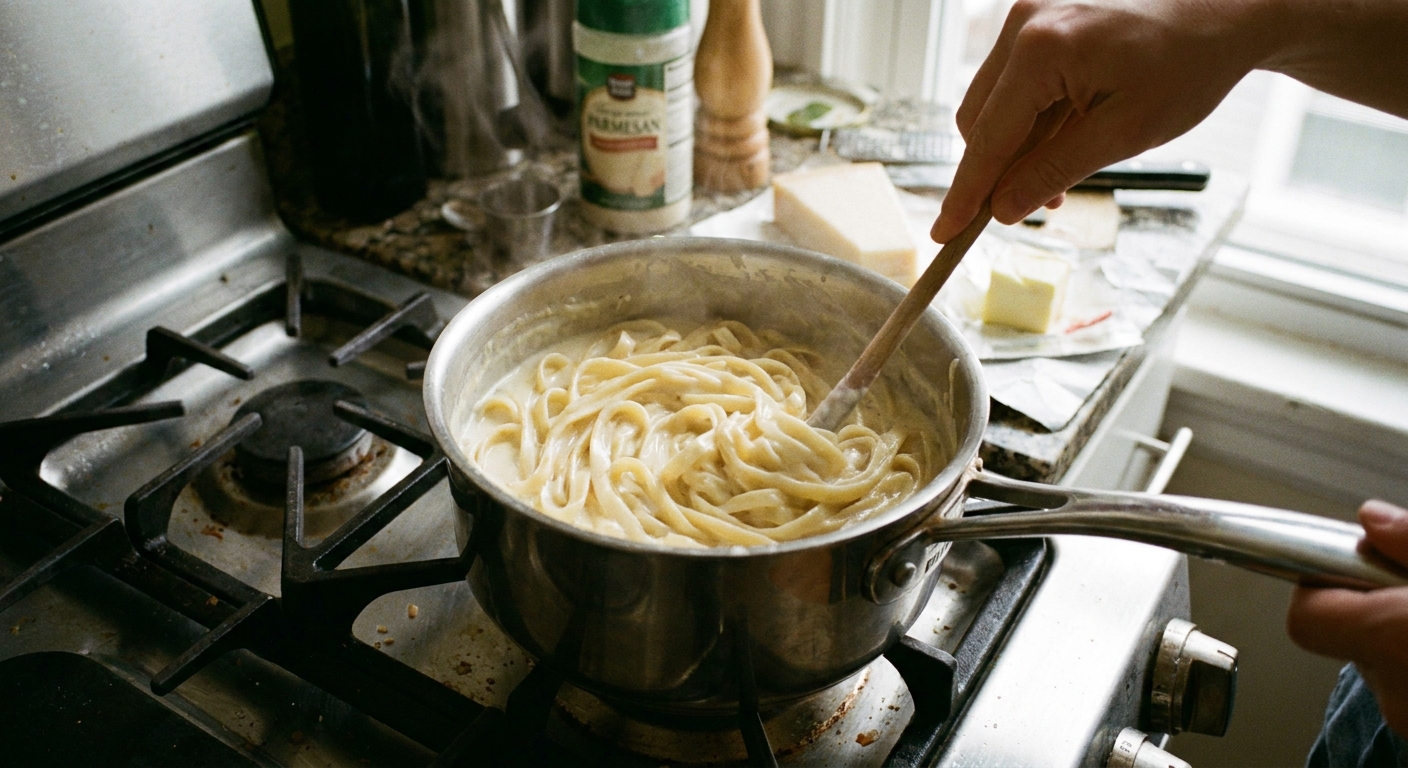
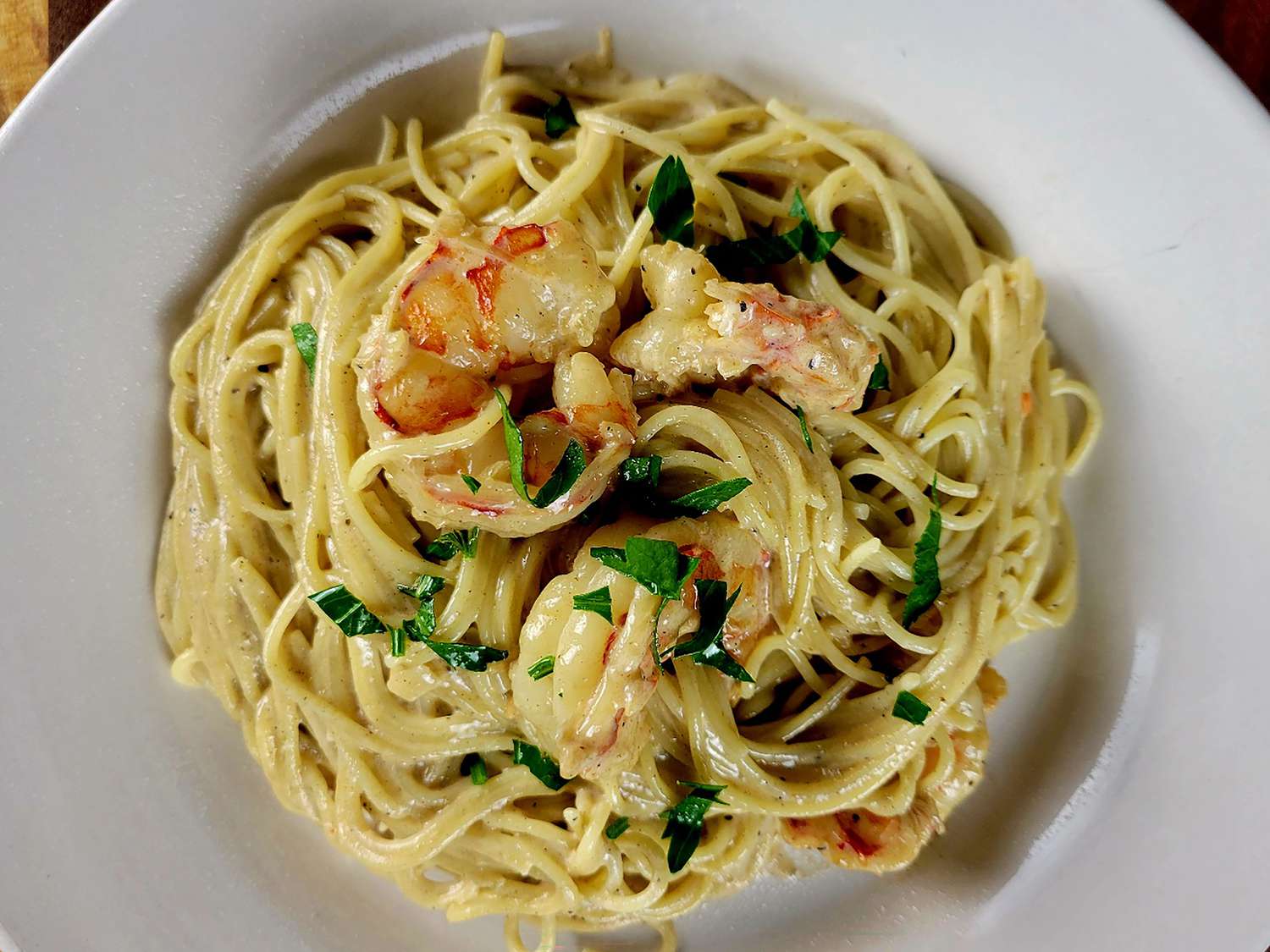
A split cheese sauce looks dramatic, but it is usually fixable. When it “breaks,” the smooth emulsion of fat, water, and proteins falls apart and you get greasy puddles, grainy bits, or rubbery clumps. The good news: you can often bring it back in under 5 minutes without dumping the pot.
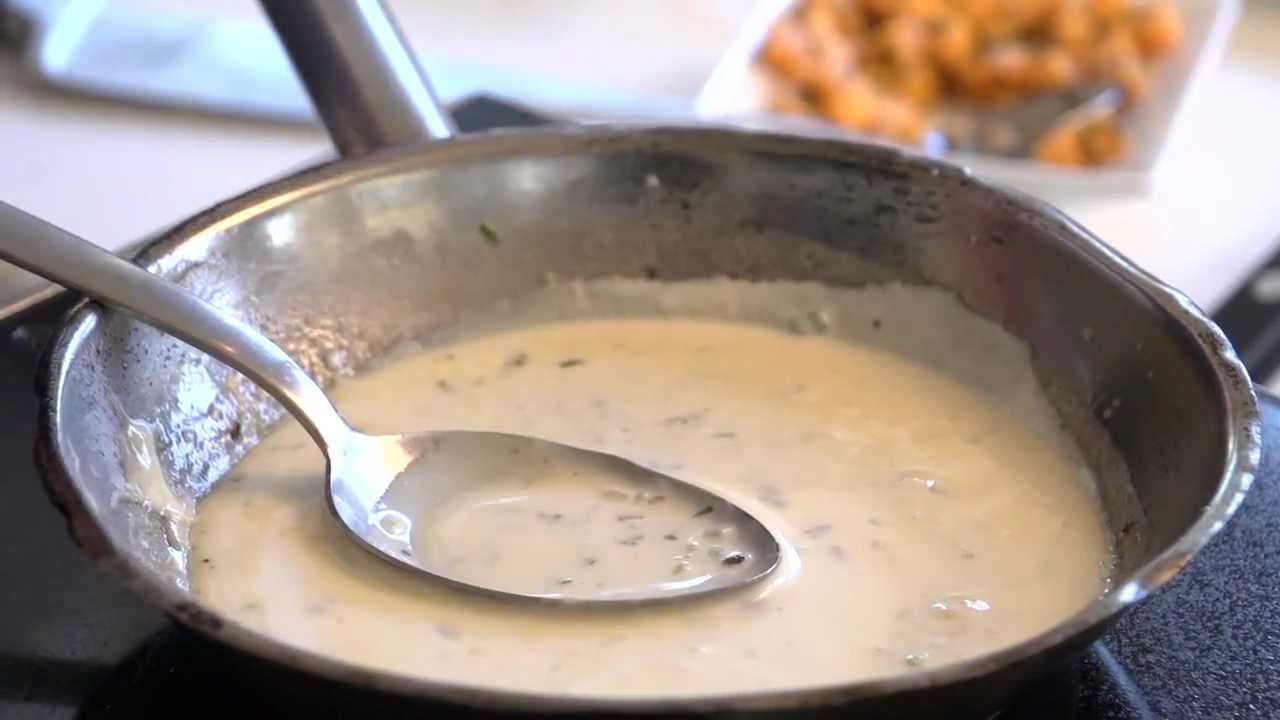
How to tell it’s splitting
- Oily sheen or puddles on top: fat has separated from the water phase.
- Grainy, sandy texture: proteins tightened and squeezed out moisture, often from too much heat or acid.
- Stringy or clumpy curds: the cheese is melting unevenly or the sauce got too hot too fast.
- It thickened suddenly, then turned greasy: classic sign of overheating once the cheese went in.
Why cheese sauces split
Most broken cheese sauces come down to one (or a combo) of these issues:
- Heat is too high. Cheese proteins tighten as temperature rises. When they tighten too much, they squeeze out fat and water.
- Cheese added too quickly. A big handful can melt unevenly and overload the sauce, so you stir harder and crank the heat chasing “smooth,” which encourages splitting.
- Not enough starch or stabilizer. Starch helps keep fat and water together. Without it, separation is more likely.
- Too much acid at the wrong time. Tomato, wine, lemon, hot sauce, or pickled jalapeño brine can curdle dairy if the sauce is hot and unbuffered.
- Pre-shredded cheese. Anti-caking agents (often starches and cellulose) can sometimes affect how evenly it melts and can contribute to a slightly pasty or grainy texture.
- Low-moisture, aged cheeses used alone. Parmesan and aged cheddar are delicious, but they can turn gritty if they are the only cheese and the sauce runs hot.
Translation: your sauce is not ruined. It just needs gentler heat and a little help re-emulsifying.
First move: off the heat
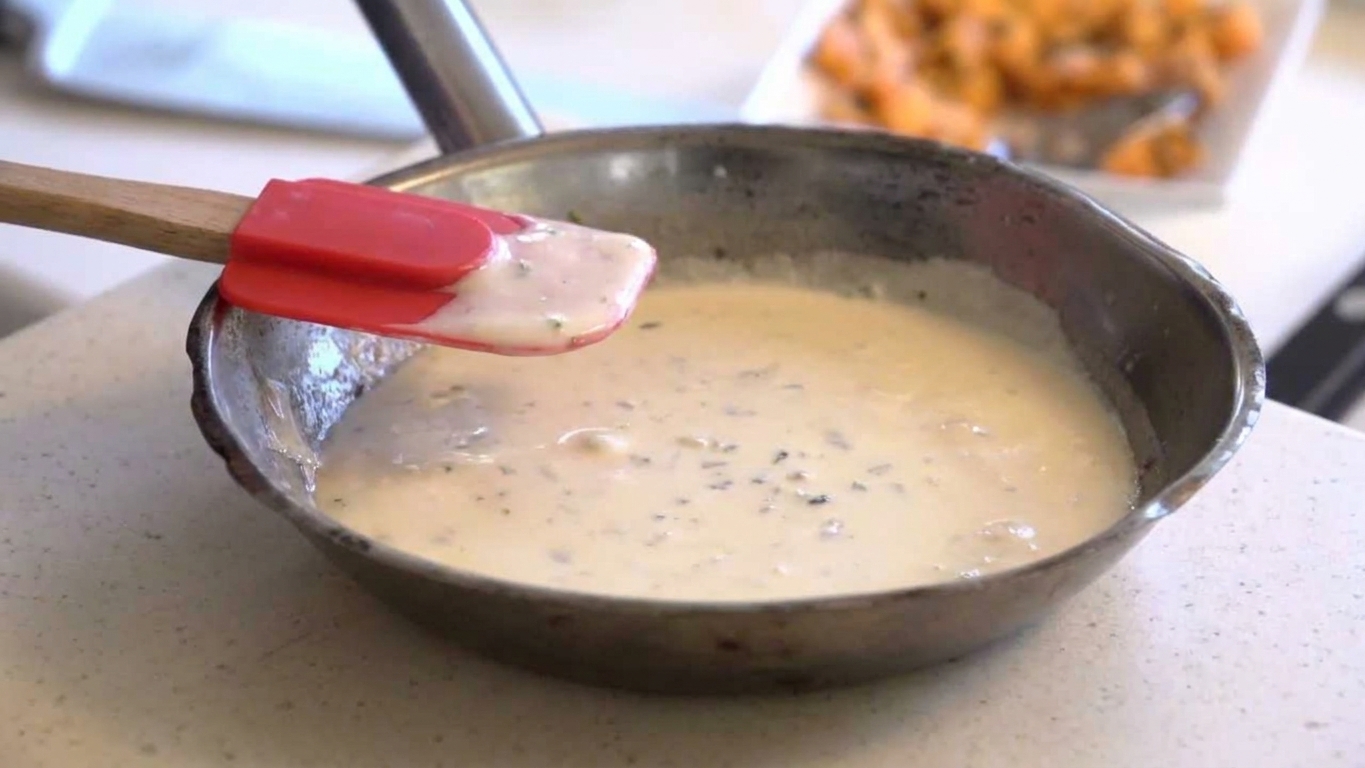
If your sauce looks glossy with oil or you see tiny grainy bits, remove the pan from the burner immediately. Let it sit for 30 to 60 seconds. This pause stops the proteins from tightening further while you set up a fix.
Quick rescue methods
You do not need to try all of these. Choose the method that fits what you have and how your sauce was built.
Method 1: Warm liquid
Best for: sauces that are only slightly oily or starting to look grainy.
- Warm 1 to 3 tablespoons milk, cream, pasta water, or water (microwave for 10 to 15 seconds).
- Off heat, whisk it into the sauce one tablespoon at a time.
- Return to very low heat only if needed, whisking constantly, just until smooth.
Sensory cue: the sauce should go from “greasy shine” to “velvety gloss.” If it stays oily after 3 tablespoons, jump to Method 2, 3, or 4.
Heads up: adding liquid can thin the sauce. If it ends up looser than you want, give it a minute on very low heat to tighten back up, or use the starch option below.
Method 2: Starch save
Best for: mac and cheese and creamy pasta sauces where the sauce looks broken and thin with oil pooling.
- Pasta water option: Whisk in 1 tablespoon at a time of hot starchy pasta water until it comes together.
- Cornstarch slurry option: Stir 1 teaspoon cornstarch with 2 teaspoons cool water until smooth. Off heat, whisk in half the slurry. Warm gently over low heat for 30 to 60 seconds, whisking, to let it thicken. Add more only if needed.
Why this works: starch binds water and helps keep fat dispersed, which is basically what you want your sauce to do again.
Do not overdo it: too much starch can turn a cheese sauce gelled or gluey. Add in small amounts and stop as soon as it turns glossy and cohesive.
Method 3: Blender rescue
Best for: nacho cheese or queso-style sauces that separated hard, especially if they contain peppers or mix-ins.
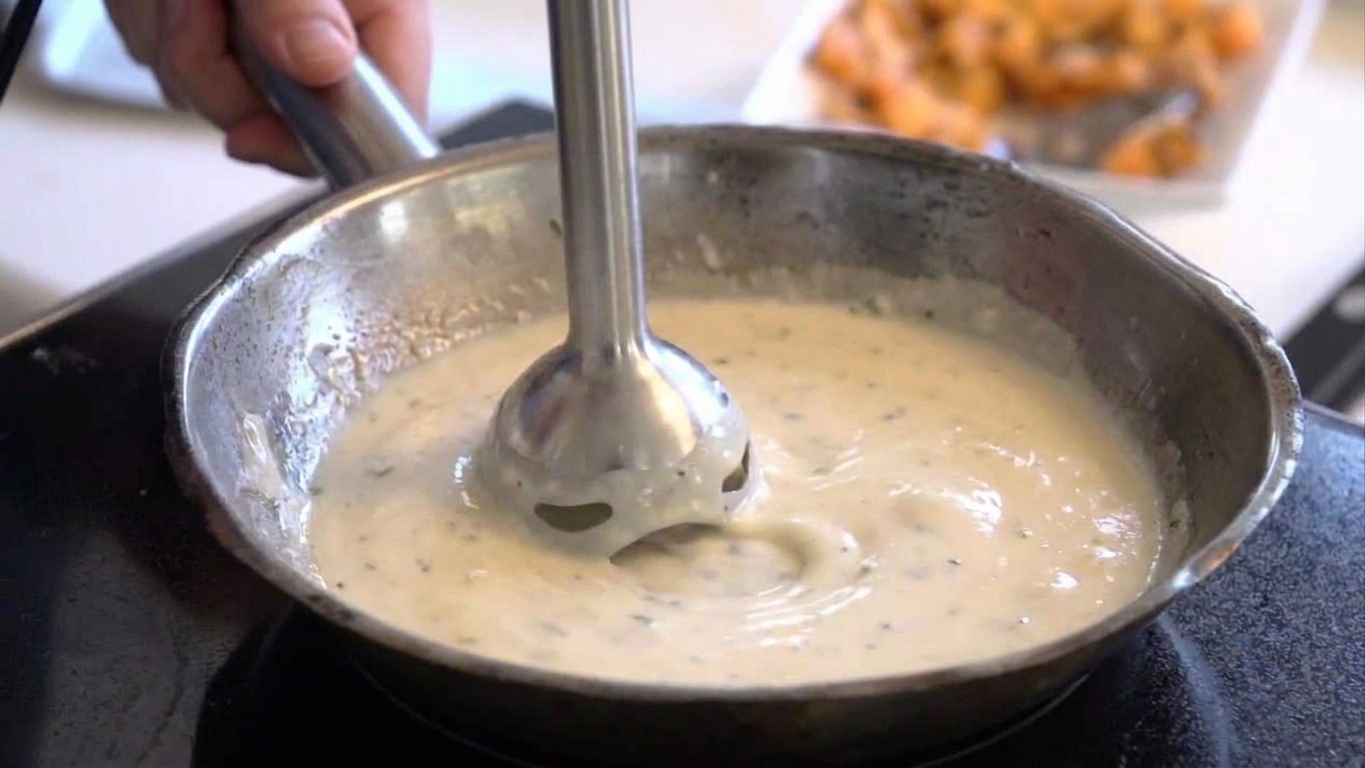
- Pour the sauce into a blender or use an immersion blender.
- Add 1 to 2 tablespoons hot water or milk.
- Blend 10 to 20 seconds until glossy and cohesive.
Safety note: vent the blender lid and start on low. Hot cheese sauce expands quickly.
Method 4: Add a helper emulsifier
Best for: sauces that repeatedly break, especially nacho cheese and creamy pasta sauces with aged cheese.
- Mustard: Whisk in 1/2 teaspoon Dijon. It can help a little, especially in milk or roux-based sauces, but it is a gentle helper, not a magic wand.
- Evaporated milk: Whisk in 2 to 4 tablespoons off heat. The extra milk proteins make sauces a bit more forgiving, especially alongside starch or a little processed cheese.
- American cheese: Tear in 1 to 2 slices and whisk over low heat until melted. It contains emulsifying salts that pull sauces back together.
- Sodium citrate (most reliable): If you keep it around, whisk in 1/4 teaspoon at a time (off heat), then warm gently and whisk until smooth. It is the same idea as emulsifying salts in processed cheese, just in a tiny, controllable dose.
Flavor note: American cheese does not have to dominate. One slice can stabilize a whole pot and disappear into cheddar flavor.
Method 5: Start a new base
Best for: severely broken mac and cheese where the sauce is oily with lots of curds.
- In a clean saucepan, melt 1 tablespoon butter over medium-low heat.
- Whisk in 1 tablespoon flour. Cook 30 seconds.
- Whisk in 3/4 cup milk (warm is best). Simmer until lightly thickened and it coats the back of a spoon.
- Now whisk your broken sauce into this new base a ladle at a time over low heat.
This sounds like a detour, but it is quick. You are making a stable landing pad, then reintegrating what you already made.
Fixes by sauce type
Mac and cheese
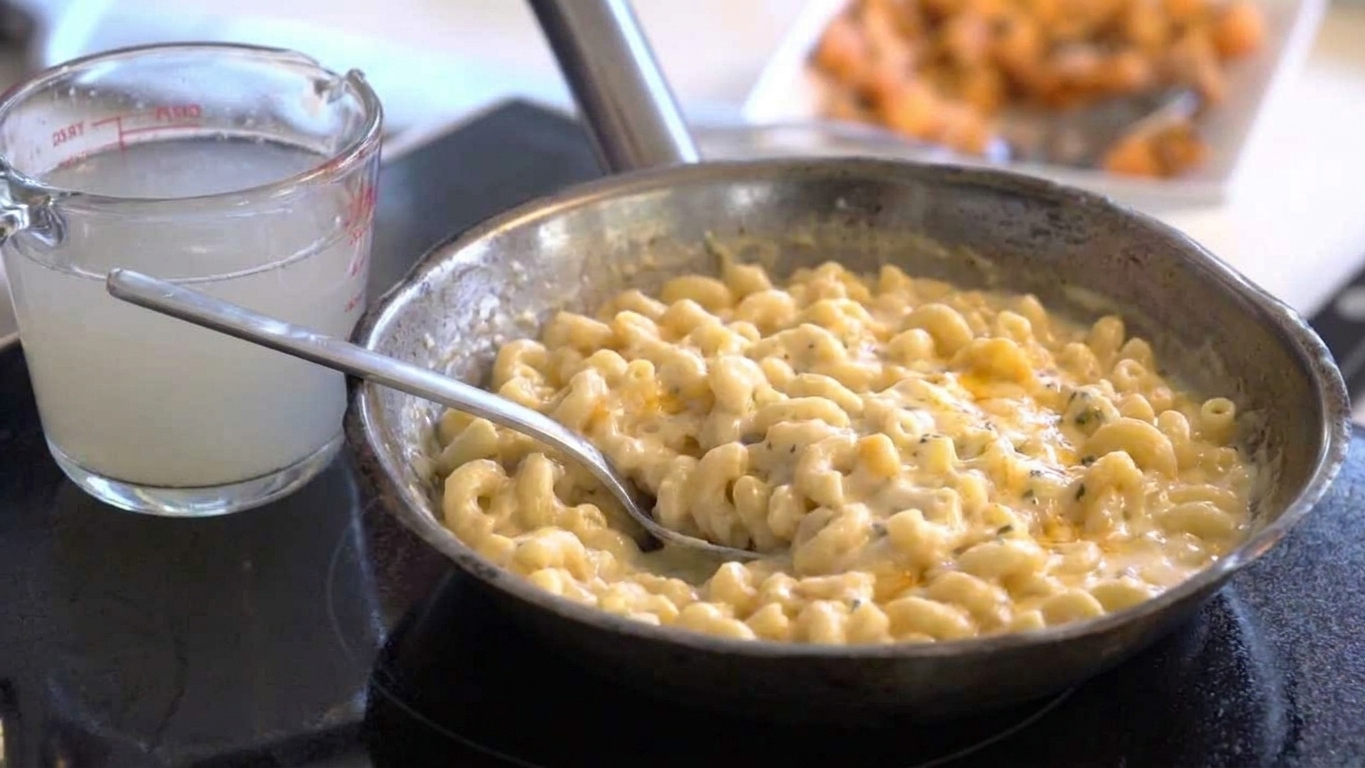
- Best rescue: pasta water first, then cornstarch slurry if needed.
- If it broke after baking: stir in a splash of hot milk and cover loosely for 5 minutes to rehydrate, then stir again.
- If it is gritty: you likely overheated after adding cheese. Cool 1 minute, then whisk in warm milk and blend briefly if needed.
Nacho cheese (queso)
- Best rescue: blender method, then add 1 slice American cheese if it wants to separate again.
- If you used pickled jalapeño brine: add brine only after the sauce is smooth and off heat, starting with 1 teaspoon.
- If it gets gluey: too much starch. Thin with hot water 1 tablespoon at a time.
Creamy pasta sauces with cheese
- Best rescue: take off heat, add hot pasta water, and toss vigorously.
- If parmesan clumps: your pan is too hot or the cheese is too aged and dry. Lower heat, use finer grating, and add cheese in small showers while tossing.
- If it looks oily: emulsify with pasta water and motion. Whisking or tossing is your friend here.
Prevention tips
Temperature rules
- Kill the heat before adding cheese. Add cheese off heat, then return to very low only if necessary.
- No bubbling after cheese goes in. Aim for warm and steamy, not simmering. If you like numbers, keep it roughly below 180°F / 82°C.
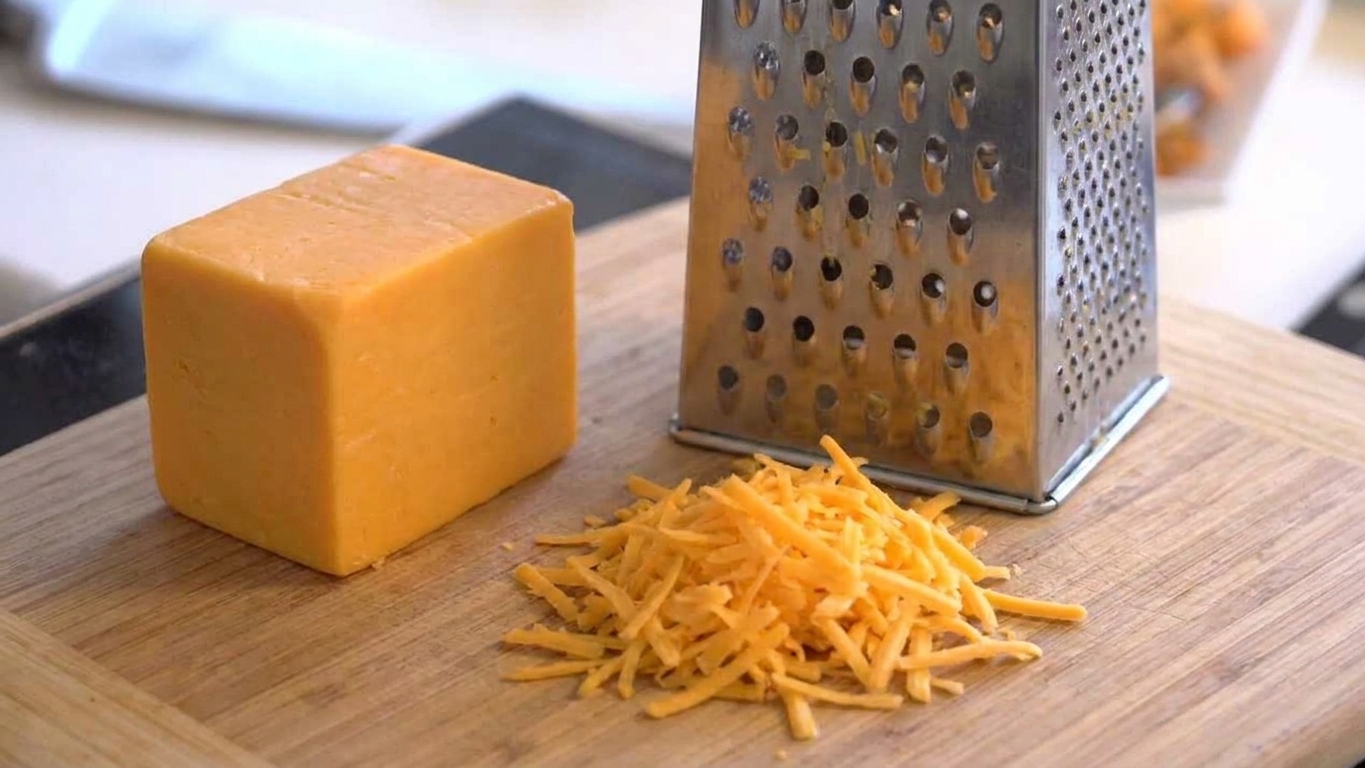
- Grate or shred your own cheese. It melts more evenly and predictably.
Build a stable base
- For mac and cheese: start with a roux (butter + flour) or use evaporated milk for extra stability.
- For pasta: reserve at least 1 cup pasta water. It is your built-in sauce insurance.
- For nacho cheese: consider a small amount of American cheese or a pinch of sodium citrate, even if your main flavor is cheddar or Monterey Jack.
Add acid carefully
- Keep acids (wine, lemon, hot sauce, tomato) modest and late.
- If you want a brighter sauce, try a pinch of citric acid or a little Dijon instead of a big splash of vinegar.
Salt timing
Cheese brings salt. Taste after the cheese is fully melted and smooth. Over-salting early can push you into adding too much liquid later, which makes rescue harder.
Troubleshooting
- Sauce is oily but still mostly smooth: whisk in warm milk or pasta water 1 tablespoon at a time.
- Sauce is grainy: remove from heat, whisk in warm liquid, then blend briefly if needed.
- Sauce is clumpy with lots of curds: use the “new base” method (quick roux), then whisk the broken sauce into it.
- Sauce keeps re-splitting: add a stabilizer (a slice of American cheese, a spoon of evaporated milk, or a pinch of sodium citrate) and keep heat low.
FAQ
Can I fix a split cheese sauce with more cheese?
Usually no. More cheese can make it clumpier if the underlying issue is heat or lack of stability. Fix the texture first (warm liquid, starch, blending, or emulsifying salts), then adjust cheese flavor.
Why did my cheddar sauce turn grainy?
Cheddar is prone to graininess when it gets too hot after melting, especially sharp or aged cheddar. Lower the heat, add cheese off heat, and use a starch support like roux, pasta water, or evaporated milk.
Is pre-shredded cheese the problem?
It can be. Anti-caking agents can affect how evenly it melts. If pre-shredded is what you have, melt it slowly off heat and lean on stabilizers like evaporated milk, a small amount of American cheese, or a pinch of sodium citrate.
Can I reheat cheese sauce without it splitting again?
Yes. Reheat low and slow, ideally with a splash of milk or water added first. Stir frequently and stop as soon as it is hot and smooth. Do not let it simmer.
My weeknight rule
If I had to pick one habit that prevents most split cheese sauce emergencies, it is this: turn the heat down before the cheese goes in, and add it in small handfuls. Pair that with a little starch (roux or pasta water), and your sauce stays glossy and calm.