Creamy garlic shrimp pasta is one of those meals that feels like you lit a candle and put on jazz, even if you are actually feeding yourself in sweatpants at 7:12 pm. The secret is not fancy ingredients. It is timing, a good hit of acid, and using a little pasta water like it is a magic wand.
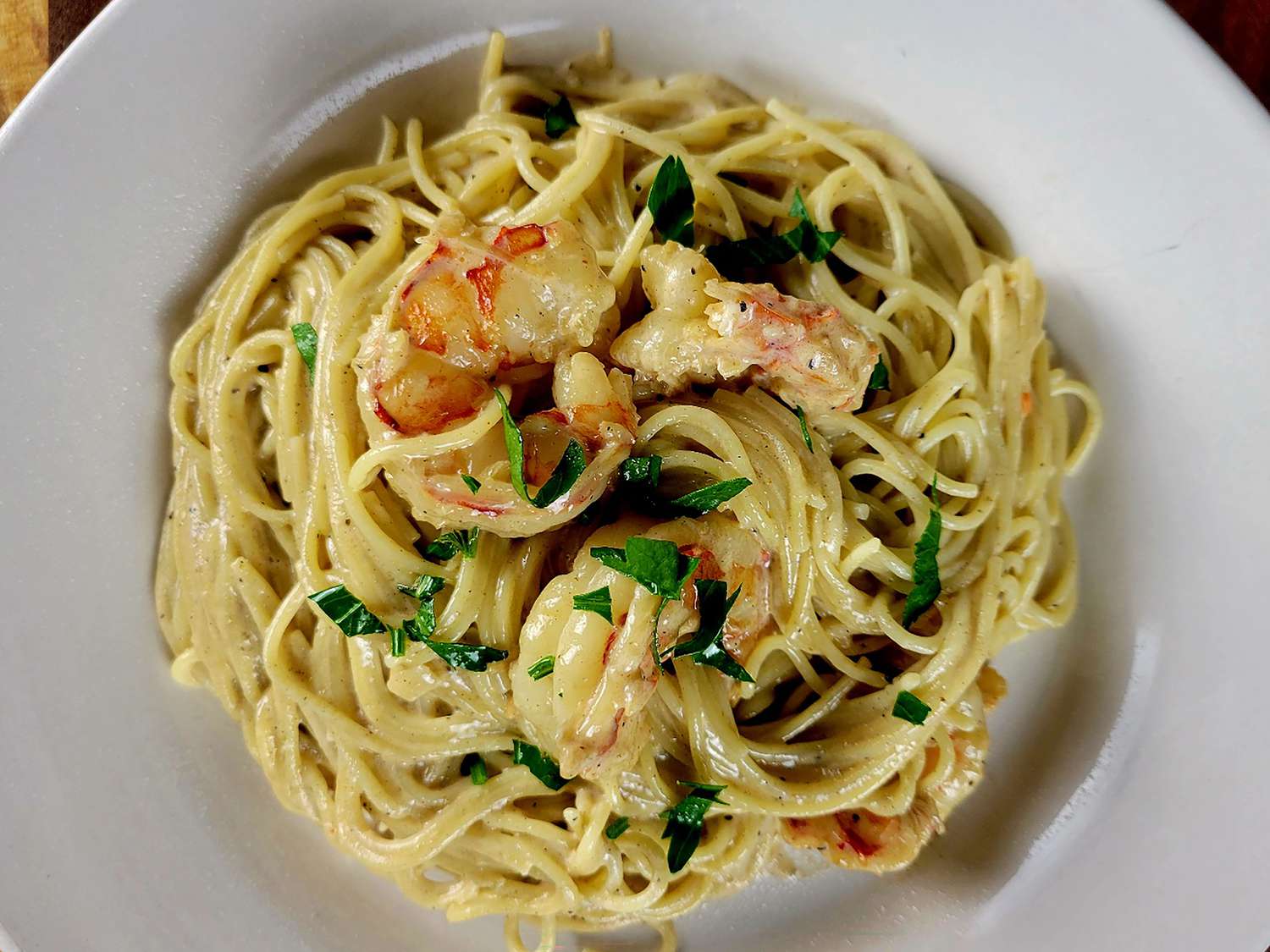
Below is my weeknight-friendly method that keeps the shrimp juicy, the sauce glossy (not clumpy), and the garlic flavorful (not bitter). I will walk you through exactly what to look for at the stove so you can cook this confidently on a random Tuesday.
Why this recipe works
- Shrimp cook separately, then go back in at the end. This prevents rubbery shrimp and keeps the sauce from over-reducing while you wait.
- Garlic blooms in butter and oil. Butter for flavor, oil for insurance so the butter does not scorch as easily.
- Lemon and Parmesan balance the cream. Cream alone can taste flat. A squeeze of lemon plus salty cheese gives you that restaurant “pop.”
- Pasta water finishes the sauce. It helps emulsify the fat and cling to noodles instead of puddling on the plate.
Ingredient notes
This is written for 2 to 3 generous servings (or 4 lighter ones with a salad).
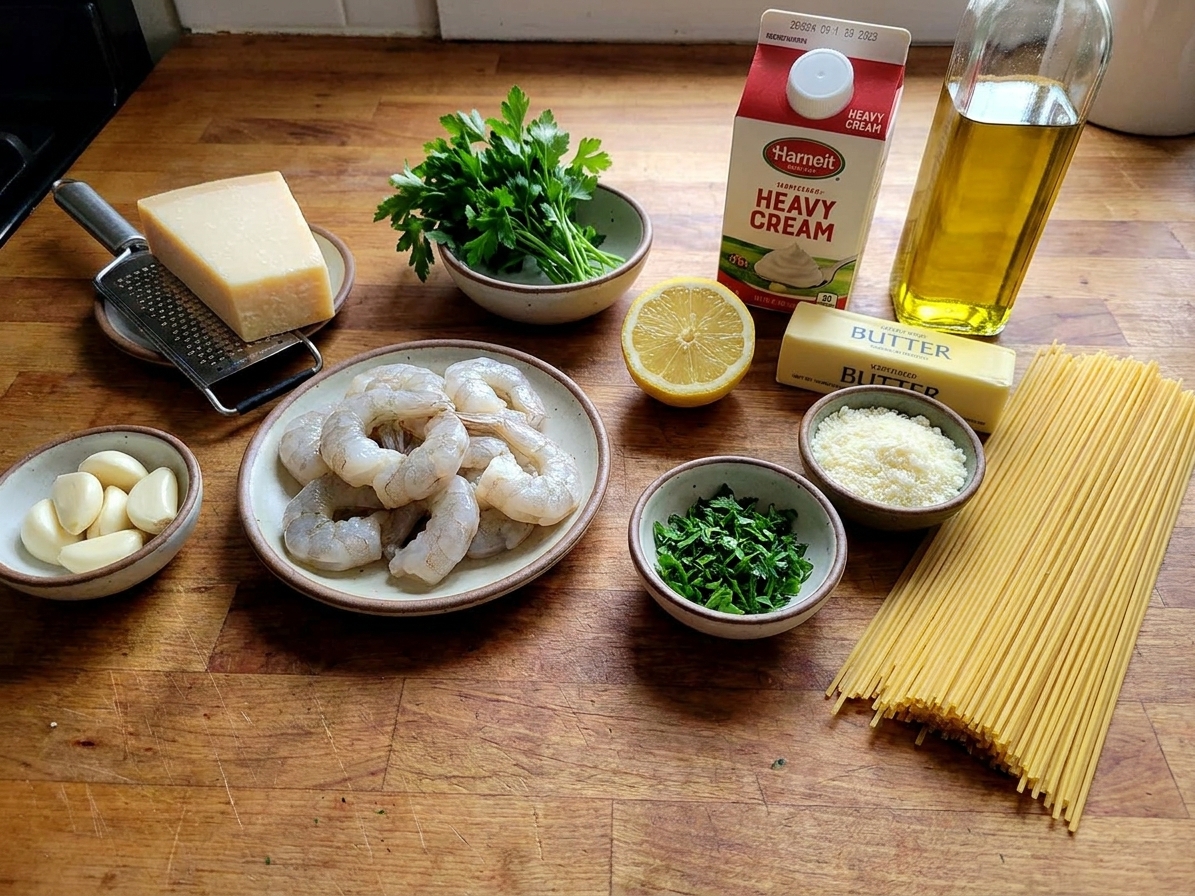
- Pasta: Linguine, fettuccine, or spaghetti all work.
- Shrimp: Large shrimp (16 to 20 count) are ideal. Shrimp size note: If you are using smaller shrimp, start checking at 45 to 60 seconds per side. If you are using jumbo, you may need closer to 2 minutes per side depending on your pan and heat.
- Garlic: This is a garlic-forward pasta (5 to 7 cloves).
- Butter + olive oil: Butter brings flavor; oil helps keep the butter from scorching as easily.
- Parmesan: Finely grated Parmesan (from a wedge is best) melts more smoothly into the sauce.
- Lemon: Juice is essential; zest is optional for extra brightness.
- Optional add-ins: Baby spinach, sun-dried tomatoes, or a handful of frozen peas.
Equipment you will need
- Big pot for boiling pasta
- Colander
- Measuring cup (to reserve 1 cup pasta water)
- Large skillet
- Tongs (for tossing pasta)
- Microplane or fine grater (for Parmesan and optional lemon zest)
- Paper towels (to pat shrimp dry and, if needed, wipe out overly dark browned bits)
Pro tips
- Dry shrimp = better sear. Moisture steams shrimp instead of browning it.
- Keep the sauce at a gentle simmer. Heavy cream can handle heat, but once Parmesan is in the party, high heat is where grainy or broken sauce starts to happen.
- Grate your own Parmesan if you can. Pre-shredded cheese often contains anti-caking agents that make sauces grainy.
- Use pasta water gradually. You are aiming for a sauce that coats noodles like satin. Add, toss, watch it cling, then decide if you need more.
- Acid at the end. Lemon juice brightens everything but can taste dull if cooked too long.
- Quick pan check before garlic: If the browned bits look dark (not golden), wipe the pan quickly with a paper towel or add a splash of water and scrape, then pour it off to keep garlic from tasting burnt.
Substitutes that work
- Heavy cream swap (lighter): Use half-and-half. Simmer gently and expect a slightly looser sauce.
- Milk-based swap (lighter): Use 3/4 cup whole milk + 1 tablespoon flour whisked together before adding to the pan. Simmer until thickened, then add cheese slowly.
- Protein swap: Chicken (thinly sliced cutlets or bite-size pieces) can be seared and removed like the shrimp.
- Seafood swap: Scallops can be seared quickly and added back at the end using the same method.
- Vegetarian pantry swap: Add a can of drained cannellini beans and a big handful of spinach.
- Herb swap: Parsley is classic, but basil, chives, or even a little dill can work.
Variations
Make it lighter
- Swap heavy cream for half-and-half. Simmer gently and expect a slightly looser sauce.
- Use 3/4 cup whole milk + 1 tablespoon flour whisked together before adding to the pan. Simmer until thickened, then add cheese slowly.
Add vegetables
- Spinach: stir in a few handfuls at the end until just wilted.
- Asparagus: thinly slice and sauté after shrimp, before garlic.
- Cherry tomatoes: blister them in the shrimp pan for 2 to 3 minutes, then continue.
Gluten-free
Use your favorite gluten-free pasta and be generous with pasta water. GF pasta water can be less starchy depending on the brand, so you may need a little extra tossing energy to get that glossy emulsion. If the sauce still looks stubborn, add a small knob of butter and toss again.
No shrimp?
- Chicken: thinly sliced cutlets or bite-size pieces, seared and removed like the shrimp.
- Scallops: sear quickly and add back at the end, same method.
- White beans: for a pantry-friendly vegetarian version, add a can of drained cannellini beans and a big handful of spinach.
Serving ideas
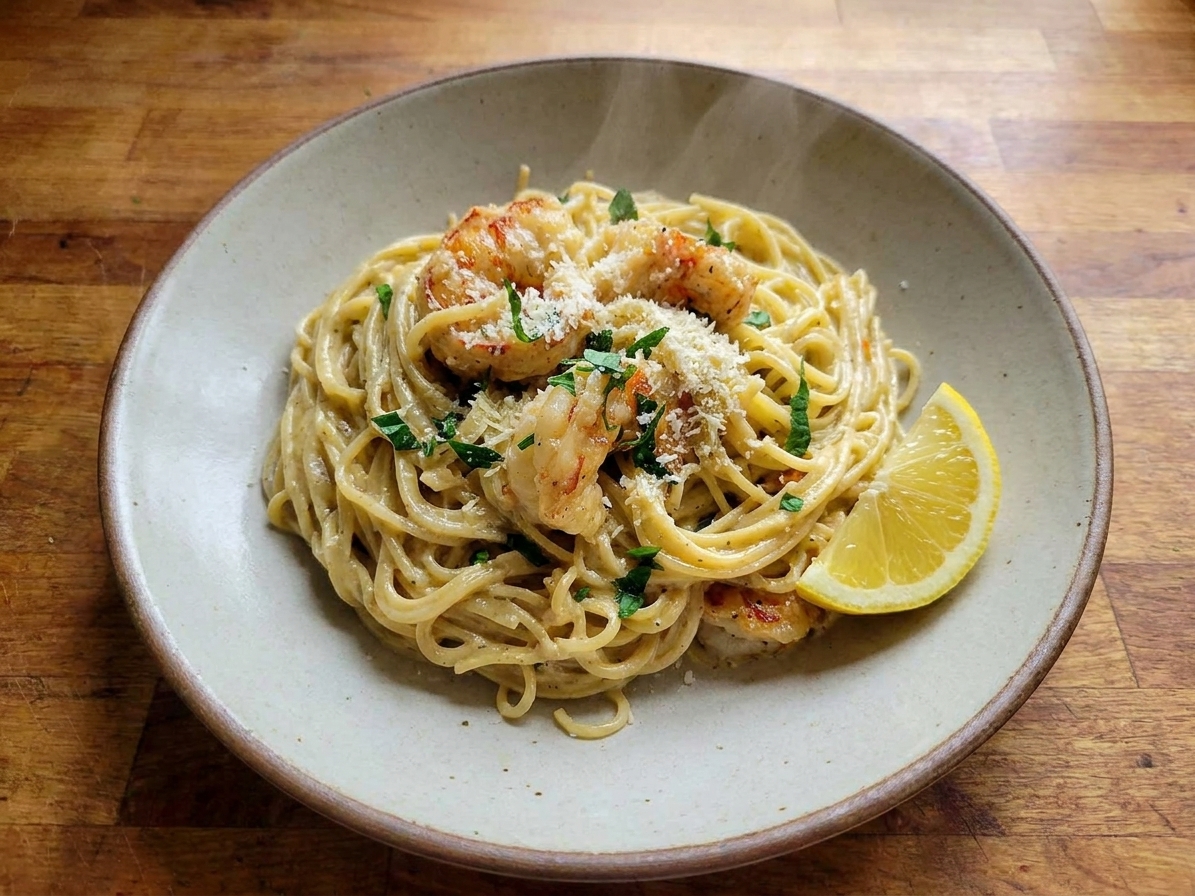
- Twirl into bowls and top with more Parmesan.
- Serve with lemon wedges (and optional lemon zest right before serving for extra brightness).
- For 4 lighter servings, pair with a salad.
- Add peas or spinach and serve with a side salad to stretch the shrimp without feeling shorted.
Storage and reheating
Creamy pasta is best fresh, but leftovers can still be good if you reheat gently.
- Store: cool, then refrigerate in an airtight container for up to 2 days.
- Reheat: in a skillet over low heat with a splash of water or milk, stirring often until glossy again. Avoid microwaving on high, which can overcook shrimp and push the sauce toward grainy.
- Freeze: I do not recommend freezing cream sauces. Texture gets grainy.
Common mistakes
- Overcooking shrimp: If shrimp curl into a tight O, they are overcooking. Aim for a loose C and pull them early since they finish when added back to the hot pasta.
- Not drying shrimp: Wet shrimp steam instead of browning, which hurts flavor and texture.
- Skipping the pan check: If browned bits are dark (not golden), garlic can pick up a burnt edge. Wipe out the pan quickly or loosen with a splash of water and pour it off.
- Boiling after adding Parmesan: High heat after cheese goes in can make the sauce grainy or broken.
- Adding Parmesan too fast or using pre-shredded: Both can lead to a grainy sauce.
- Forgetting pasta water: Pasta water helps emulsify the sauce so it clings to noodles instead of puddling.
- Adding lemon too early: Lemon juice brightens the sauce but can taste dull if cooked too long.
FAQ
Why did my cream sauce turn grainy?
Usually it is one of three things: heat was too high after the cheese went in, Parmesan was added too fast, or the cheese was pre-shredded and did not melt smoothly. Keep the sauce at a gentle simmer, add cheese gradually, and use freshly grated Parmesan when possible.
How do I know when shrimp are done?
Look for opaque pink shrimp that curl into a loose C and feel springy, not firm. They finish cooking quickly when you add them back to the hot pasta, so pull them from the pan early rather than late.
Can I use frozen shrimp?
Absolutely. Thaw overnight in the fridge, or quick-thaw in a bowl of cold water for 15 to 20 minutes. Dry them very well before searing.
What pasta shape is best?
Linguine and fettuccine hold creamy sauces beautifully, but spaghetti works too. If you want a shorter shape, try penne or shells and toss vigorously with pasta water so the sauce coats every ridge.
Creamy Garlic Shrimp Pasta
A weeknight-friendly creamy garlic shrimp pasta that keeps shrimp juicy and the sauce glossy by cooking shrimp separately, finishing the cream sauce with Parmesan and pasta water, and brightening everything with lemon at the end.
- Prep
- 10 minutes
- Cook
- 20 minutes
- Total
- 30 minutes
- Yield
- 2 to 3 generous servings (or 4 lighter ones)
Ingredients
- 8 to 10 oz linguine, fettuccine, or spaghetti
- Kosher salt (about 1 to 2 tablespoons per gallon of water for the pasta pot)
- 1 lb large shrimp (16 to 20 count), peeled and deveined
- Black pepper
- Pinch of red pepper flakes (optional)
- 1 tablespoon olive oil
- 2 tablespoons butter, divided
- 5 to 7 cloves garlic, minced
- 2 to 3 tablespoons dry white wine or chicken broth (optional)
- 3/4 cup heavy cream
- 1/2 cup finely grated Parmesan, plus more to serve
- 1 lemon (zest optional, juice essential)
- Small handful parsley, chopped
- Optional add-ins: baby spinach, sun-dried tomatoes, or a handful of frozen peas
Instructions
- Boil the pasta. Bring a big pot of water to a boil and salt it until it tastes nicely seasoned (about 1 to 2 tablespoons kosher salt per gallon of water). Cook pasta until just shy of al dente (usually 1 minute less than the package says). Before draining, scoop out 1 cup pasta water, then drain.
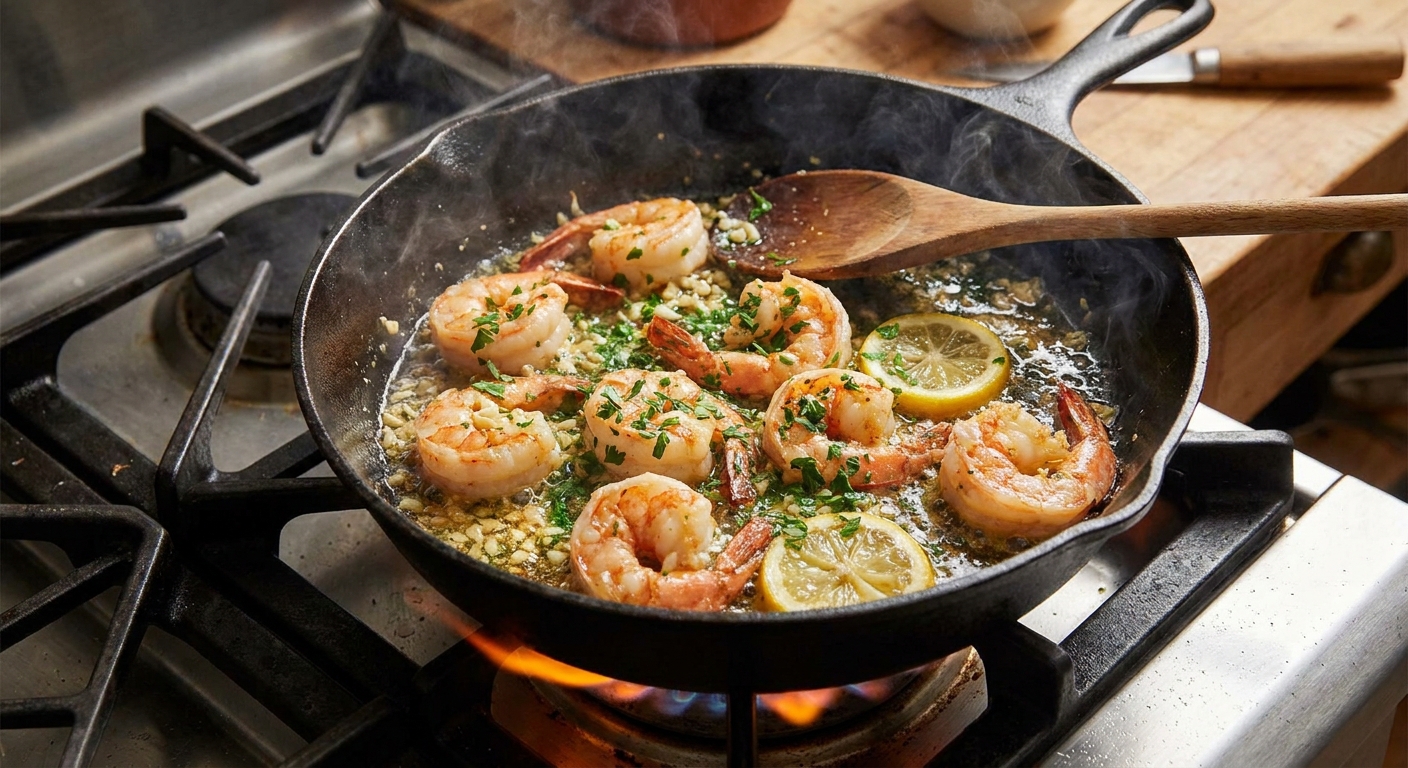
- Season and sear the shrimp. Pat shrimp dry. Season with salt and pepper (and a pinch of red pepper flakes if using). Heat a large skillet over medium-high. Add olive oil and 1 tablespoon of the butter. Add shrimp in a single layer and cook 60 to 90 seconds per side until pink and curled into a loose C. Transfer to a plate. (For smaller shrimp, check at 45 to 60 seconds per side; for jumbo, it may take closer to 2 minutes per side.)
- Quick pan check, then garlic. Turn heat down to medium and check the browned bits. If they look dark (not golden), wipe the pan quickly with a paper towel or add a splash of water and scrape, then pour it off. Add the remaining 1 tablespoon butter. When melted, add garlic and stir constantly for 30 to 45 seconds until sweet and fragrant, lowering heat immediately if it starts browning fast.
- Make it creamy (and keep it smooth). Optional: deglaze with 2 to 3 tablespoons dry white wine or chicken broth and simmer for 30 seconds. Pour in cream and bring to a gentle simmer. Stir for 1 to 2 minutes, then add Parmesan in 2 to 3 additions, stirring until melted. Keep heat at a low simmer (not a rolling boil). Add 1/4 cup pasta water and stir until silky; add more pasta water as needed.
- Toss pasta, then finish with lemon and shrimp. Add drained pasta to the skillet and toss for 1 to 2 minutes so it absorbs some sauce and finishes cooking. Turn heat to low. Add shrimp back in with any juices. Squeeze in lemon juice (start with half the lemon, then taste). Add parsley. Taste and adjust with salt and plenty of black pepper. Add lemon zest right before serving if you want extra brightness.
- Serve right away. Twirl into bowls, top with more Parmesan, and serve with lemon wedges. Cream sauces thicken as they sit, so serve straight from the skillet.
Notes
- Pasta water: Reserve 1 cup before draining; start with 1/4 cup to finish the sauce and add more as needed for a silky, glossy texture.
- Shrimp doneness: Loose C shape is the goal; a tight O means overcooked.
- Garlic: Stir for 30 to 45 seconds and lower heat immediately if it begins to brown fast to avoid bitterness.
- Cheese + heat: Keep the sauce at a gentle simmer after adding Parmesan and add it in 2 to 3 additions for a smooth sauce.
- Optional add-ins: Baby spinach, sun-dried tomatoes, or frozen peas can be added to stretch the dish.
- Low-waste move: If you always forget to reserve pasta water, place a measuring cup in your colander as a visual reminder.
Nutrition
- Calories: ~720
- Fat: ~30 g
- Carbs: ~68 g
- Protein: ~44 g
- Fiber: ~3 g
- Sugar: ~3 g
- Sodium: ~950 mg
Nutrition values are approximate and will vary by ingredient brands, exact pasta amount used (8 to 10 oz), and how much salt, Parmesan, and pasta water end up in the final dish.