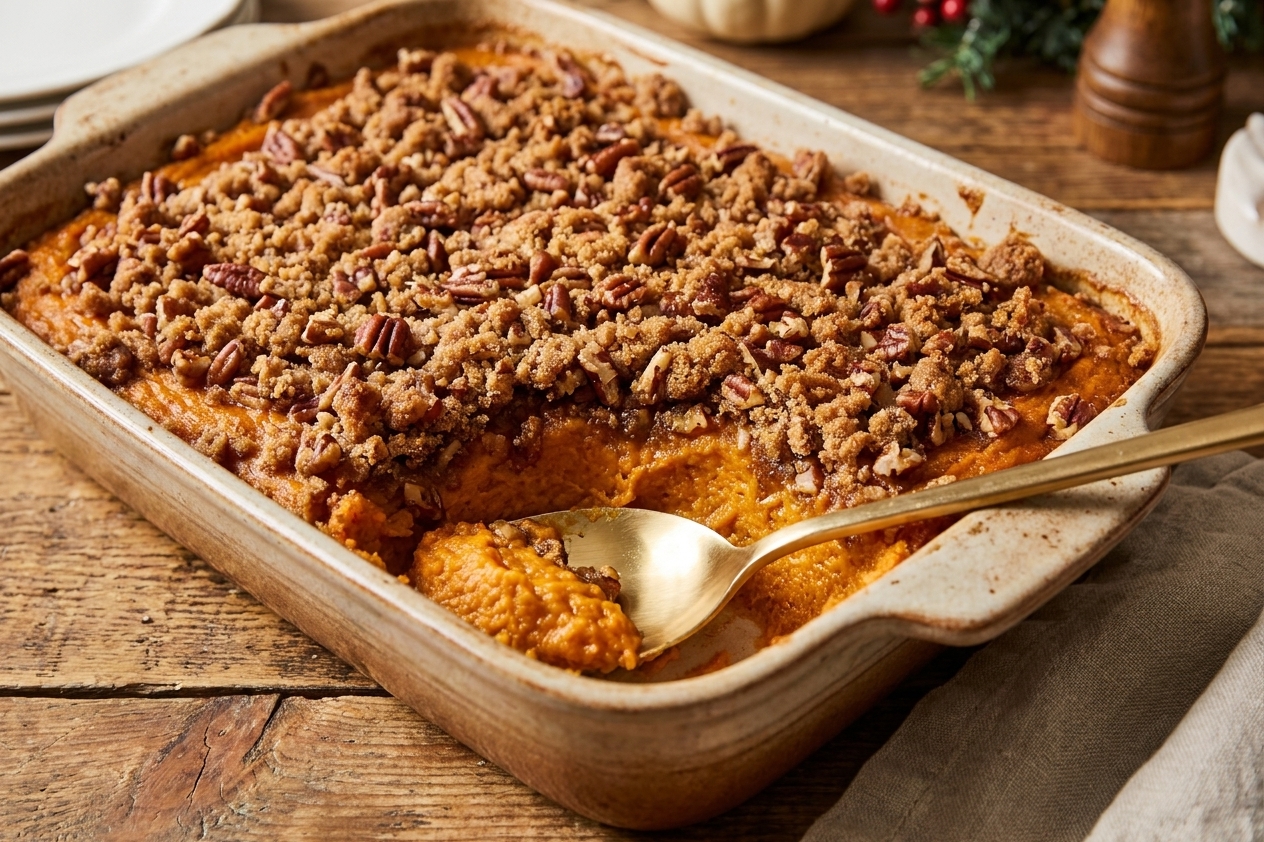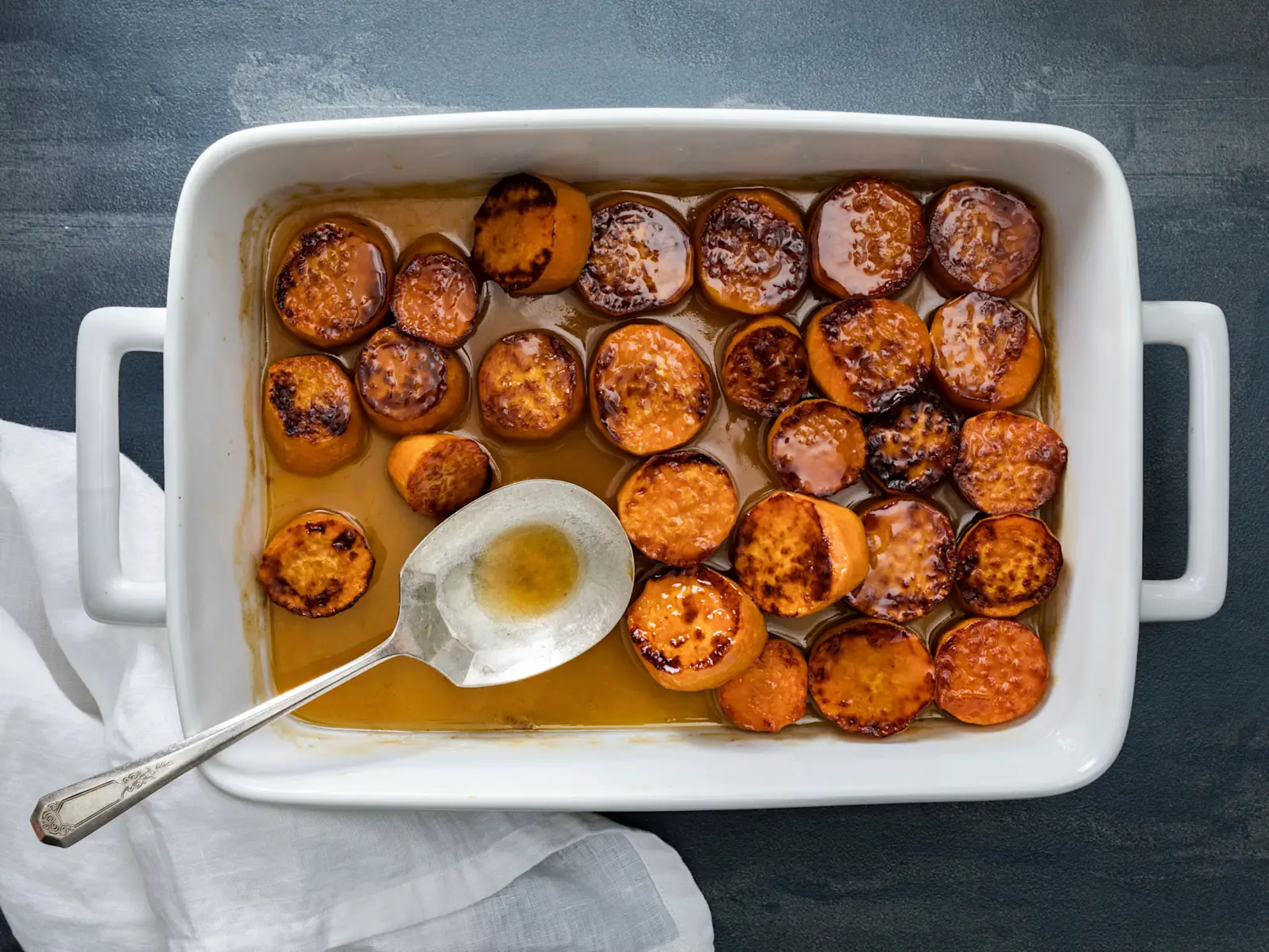


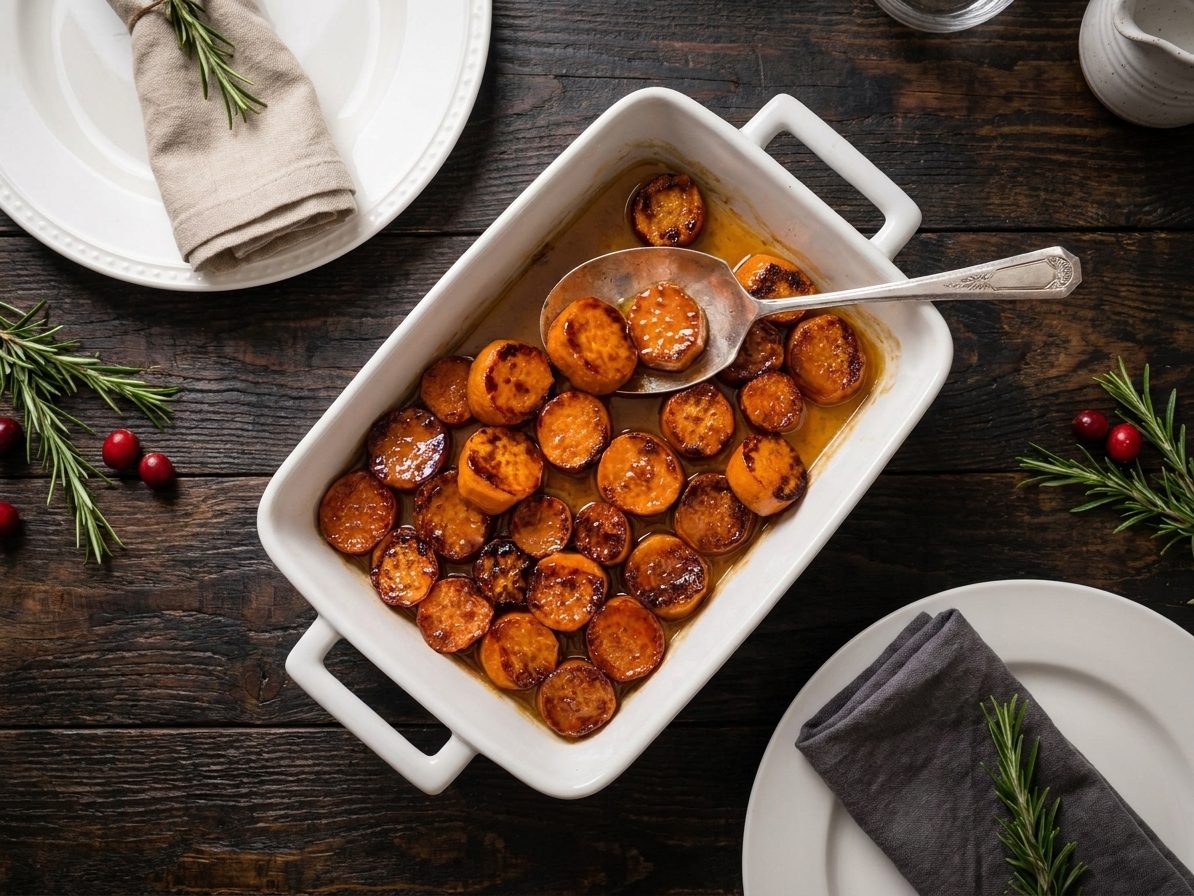
Candied sweet potatoes should feel like a side dish, not a dessert casserole in disguise. You want distinct pieces of sweet potato you can scoop with a spoon, each one lacquered in a buttery brown sugar glaze that turns glossy and clings to every edge, not mashed and not buried under marshmallows.
In my teaching days, the biggest candied sweet potato heartbreak I saw was this: perfectly cooked potatoes, and then a scorched, bitter glaze welded to the bottom of the pan. The fix is simple and still very weeknight-friendly because it is mostly hands-off once it hits the oven. I start the glaze gently over medium-low heat, with a small splash of liquid to help the sugar dissolve evenly. That little bit of insurance helps prevent hot spots that scorch, and it also helps keep the glaze from crystallizing into a grainy mess. Then I bake covered first so the potatoes steam-tender before the glaze concentrates.
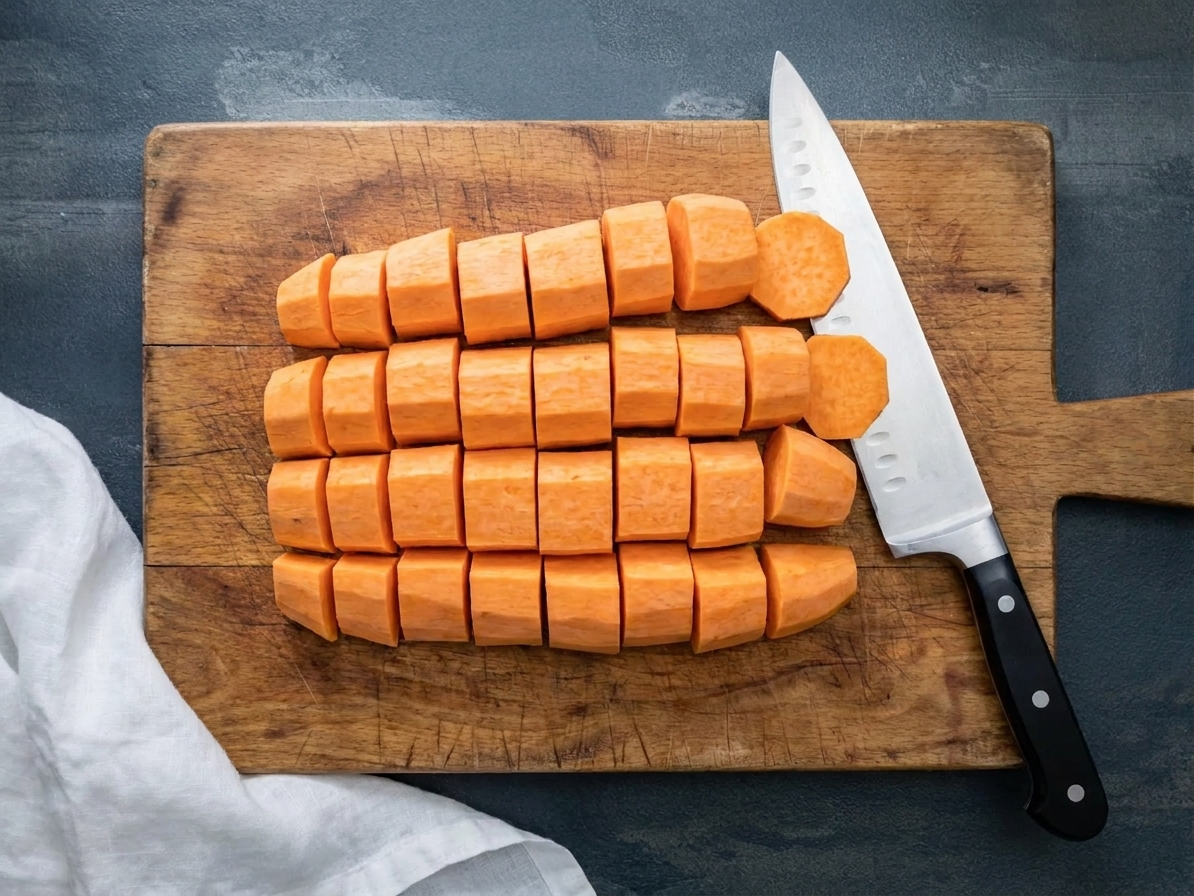
The key detail is the cut. For pieces that cook evenly and keep their shape on this timeline, aim for 3/4-inch to 1-inch chunks. Smaller than that and they can go soft before the glaze thickens. Much larger and you are waiting longer for the centers to turn creamy.
If you want to make these ahead for a holiday table, you can. I actually prefer making them earlier in the day so the glaze has time to settle into that shiny, syrupy consistency. Then reheat gently, covered at a low oven temperature until warmed through, and refresh the finish with a quick uncovered stint so they come back to life without turning mushy.
Why this recipe works
- Chunky, not mashed: Cutting the sweet potatoes into 3/4-inch to 1-inch pieces keeps them scoopable and intact, with creamy centers.
- Steam first, glaze later: Starting covered lets the potatoes turn tender before the sugar reduces, which helps prevent scorching and crystallization.
- Controlled heat for caramel flavor: Moderate oven temperature concentrates the butter-brown sugar mixture into a glossy coating without burning the sugars.
- Built-in seasoning balance: Salt plus a little acid at the end keeps the sweetness from tasting flat and makes the butter taste more buttery.
Ingredient notes
Sweet potatoes: Look for firm, medium sweet potatoes with smooth skin. Orange-fleshed varieties (often labeled Garnet or Jewel) give that classic candied texture. If your sweet potatoes are very large, cut them in half lengthwise before chunking so you can keep pieces uniform.
Brown sugar: Dark brown sugar gives a deeper molasses note and a more old-school candy flavor. Light brown sugar works too and tastes a bit cleaner and less intense.
Butter: This is not the place for cutting corners. Butter is what makes the glaze taste round instead of just sweet. Unsalted butter lets you control seasoning, but salted butter is fine. Just taste before adding extra salt.
Liquid for the glaze: A small splash of water (or orange juice, apple cider, or bourbon) helps the sugar dissolve evenly, prevents scorching, and helps distribute the glaze in the pan.
Warm spices (optional): Cinnamon is classic. A pinch of nutmeg or allspice reads as "holiday" without turning the dish into pumpkin spice territory.
Acid (highly recommended): A teaspoon of lemon juice or apple cider vinegar added at the end brightens everything and keeps the sweetness from feeling heavy.
Equipment you will need
- Large cutting board and sharp chef's knife
- Vegetable peeler
- 2 to 3 quart baking dish (ceramic or glass works well)
- Small saucepan (or microwave-safe bowl) for melting the glaze
- Foil or a tight-fitting lid for the baking dish
- Flexible spatula or large spoon for gentle tossing
Pro tips
- Cut thickness matters: Keep pieces at 3/4-inch to 1-inch. If you see skinny wedges and big chunks in the same dish, the skinny ones will collapse before the big ones are tender.
- How to keep the glaze from scorching: Melt butter and sugar over medium-low heat with a splash of liquid, then bake covered first. If you ever smell sharp, bitter caramel, your heat is too high or the glaze is too dry. Add 1 to 2 tablespoons water, stir carefully, and lower the oven temp.
- Toss gently, and not too often: Stirring once halfway through uncovered baking is plenty. Over-stirring breaks the potatoes and makes the glaze cloudy and starchy.
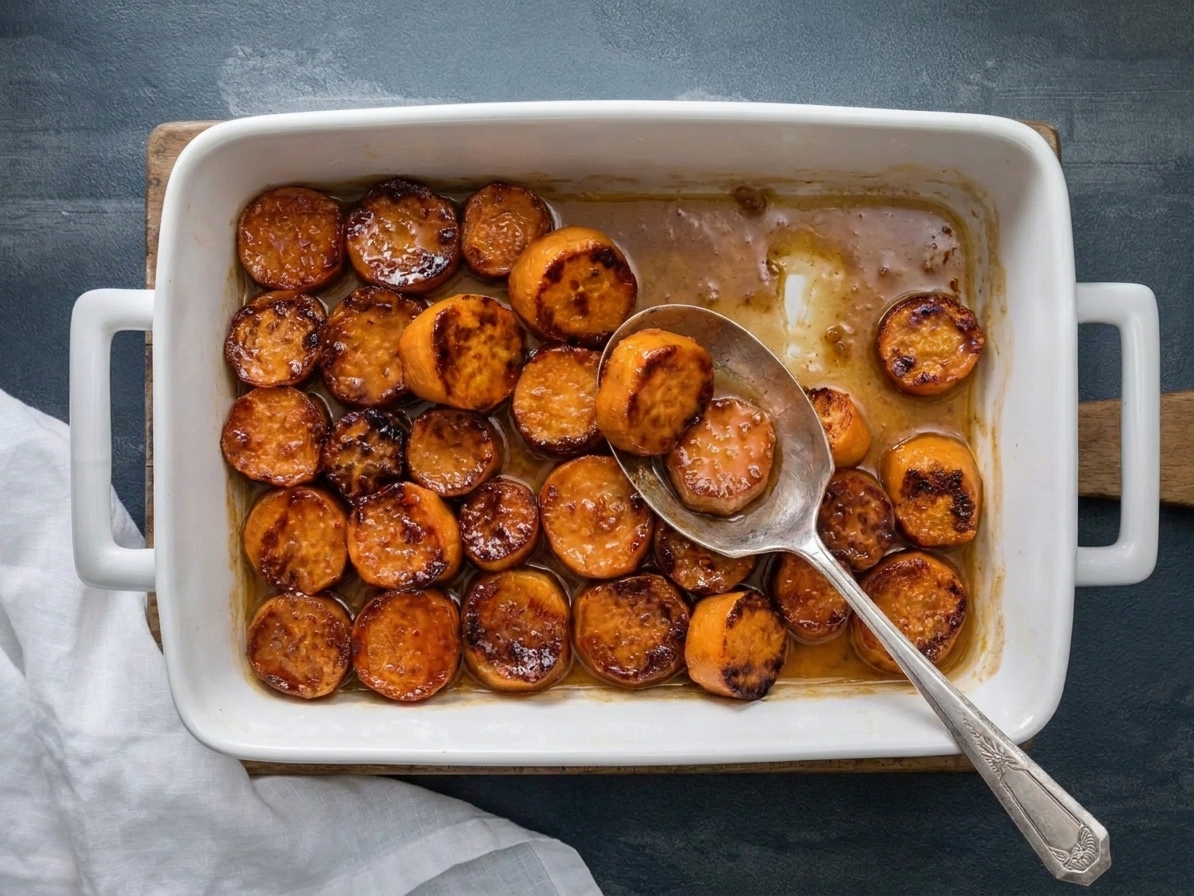
- Look for the right finish: Done is glossy, not watery. The glaze should coat a spoon like thin syrup and the potatoes should pierce easily with a fork, with slight resistance at the center.
- Brighten at the end: Stir in a tiny splash of lemon juice or vinegar right before serving. It makes the dish taste less sugary and more buttery.
Substitutes that work
- Brown sugar: Swap in coconut sugar for a slightly darker, toasty sweetness. If using white sugar, add 1 teaspoon molasses if you have it.
- Butter: Use plant-based butter for dairy-free. Choose one that browns reasonably well and has a neutral flavor.
- Liquid: Water is perfect. Orange juice adds a citrus note. Apple cider adds cozy fruitiness. Bourbon adds depth (the alcohol mostly cooks off).
- Spices: If you do not like cinnamon, try a pinch of ground ginger or cardamom for a fresher aroma.
Variations
Orange-maple glaze
Replace half the brown sugar with maple syrup and use orange juice as the liquid. Finish with orange zest right before serving.
Bourbon-vanilla
Use bourbon for the liquid and add 1/2 teaspoon vanilla extract to the glaze after it comes off the heat.
Ginger-lime
Add a pinch of ground ginger (or a teaspoon of freshly grated ginger) and finish with lime juice instead of lemon for a brighter, less traditional twist.
Serving ideas
- Serve alongside roast turkey, ham, or a simple roast chicken.
- Pair with tangy greens like sautéed kale, collards, or a mustardy vinaigrette salad to balance the sweetness.
- Add to a weeknight plate with pork chops and a crunchy slaw.
- For a potluck, bring these in the baking dish and rewarm on-site. They travel better than mashed casseroles.
Storage and reheating
Make-ahead
You have two great options:
- Fully cook ahead: Bake until tender and glossy, cool, cover, and refrigerate up to 3 days.
- Prep ahead: Peel and cut sweet potatoes into chunks up to 24 hours ahead. Store submerged in cold water in the fridge. Drain, rinse, and dry well before baking so the glaze does not get watered down.
Reheating (best method)
Reheat covered at 325°F until hot throughout, 20 to 30 minutes depending on how cold and how deep the dish is. Then uncover and bake 5 to 10 minutes to re-gloss the glaze.
If the glaze looks tight or sticky after chilling, stir in 1 to 2 tablespoons water before reheating.
Fridge and freezer
- Refrigerate: Store in an airtight container up to 3 days.
- Freeze: You can freeze, but the texture softens. Freeze up to 2 months, thaw overnight in the fridge, and reheat gently covered. Expect slightly more tender pieces.
Common mistakes
- Cutting uneven pieces: Mixed sizes cook at different rates, leading to some pieces breaking down and others staying firm. Aim for uniform 3/4-inch to 1-inch chunks.
- Skipping the cover at the beginning: If you bake uncovered the whole time, the glaze can scorch before the potatoes are tender.
- Using high heat to speed things up: Sugar goes from caramel to bitter fast. Stick with moderate heat and let the glaze reduce gradually.
- Stirring too aggressively: Sweet potatoes are tender when cooked. Over-stirring breaks them and turns the glaze cloudy.
- Forgetting salt: Without enough salt, candied sweet potatoes taste one-note sweet. Salt makes the butter and molasses flavors pop.
FAQ
Should I boil the sweet potatoes first?
No need. Baking covered at the start effectively steams them tender while the glaze develops. One pan, less mess, better flavor.
What thickness should I cut sweet potatoes for candied sweet potatoes?
For pieces that stay intact and cook evenly, cut them into 3/4-inch to 1-inch chunks. That size gives you creamy centers and enough surface area for glaze to cling.
How do I keep the brown sugar glaze from burning?
Use a splash of liquid in the glaze, bake covered first, and avoid cranking the heat. If the dish looks dry at any point, add 1 to 2 tablespoons water and stir gently.
Can I make candied sweet potatoes the day before?
Yes. Cook fully, cool, and refrigerate. Reheat covered at 325°F until hot, then uncover briefly to bring back the shine.
Why is my glaze grainy?
Usually the sugar crystallized or did not fully dissolve, or the pan ran too hot too quickly. Next time, melt the butter and sugar gently with a splash of liquid until smooth, then pour over the potatoes.
Candied Sweet Potatoes
Sweet potato chunks baked in a butter-brown sugar glaze until tender, glossy, and lightly caramelized. No mashing, no topping, just a classic glazed side dish.
- Prep
- 15 minutes
- Cook
- 45 minutes
- Total
- 1 hour
- Yield
- 6 servings
Ingredients
- 3 pounds orange-fleshed sweet potatoes, peeled and cut into 3/4-inch to 1-inch chunks
- 6 tablespoons unsalted butter
- 3/4 cup packed dark brown sugar (or light brown sugar)
- 1/4 cup water (or orange juice, apple cider, or bourbon)
- 1 1/4 teaspoons kosher salt
- 1 teaspoon ground cinnamon (optional)
- Pinch of ground nutmeg or allspice (optional)
- 1 teaspoon lemon juice or apple cider vinegar (finish, optional but recommended)
Instructions
- Heat the oven. Arrange a rack in the middle of the oven and heat to 350°F.
- Prep the sweet potatoes. Peel the sweet potatoes and cut into 3/4-inch to 1-inch chunks. Add them to a 2 to 3 quart baking dish and spread into an even layer.
- Make the glaze gently. In a small saucepan over medium-low heat, melt the butter. Add the brown sugar, water, salt, and cinnamon and nutmeg (if using). Stir until the sugar is mostly dissolved and the mixture looks smooth and glossy, 2 to 4 minutes. Do not let it boil hard.
- Coat the potatoes. Pour the warm glaze over the sweet potatoes. Toss gently until everything is evenly coated, then spread back into an even layer.
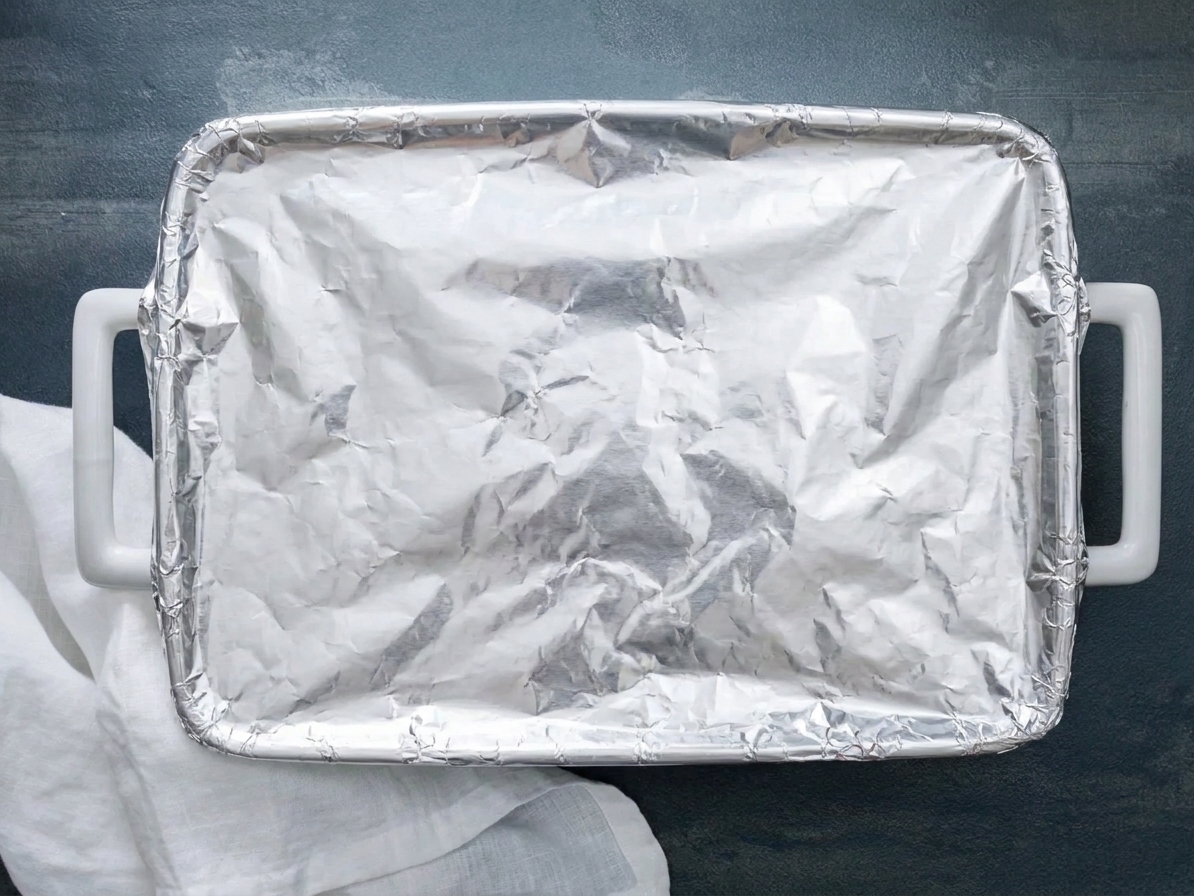
- Bake covered. Cover the baking dish tightly with foil. Bake for 25 minutes.
- Bake uncovered to thicken the glaze. Carefully remove the foil and stir gently, scraping the bottom to coat the pieces in glaze. Continue baking uncovered until the sweet potatoes are fork-tender and the glaze is syrupy and clings to the potatoes, 15 to 25 minutes more. Stir once halfway through uncovered baking.
- Finish and serve. Let stand 5 minutes so the glaze settles and thickens slightly. Stir in the lemon juice or vinegar (if using). Serve warm.
Notes
Make-ahead: Bake fully, cool, cover, and refrigerate up to 3 days. Reheat covered at 325°F for 20 to 30 minutes until hot, then uncover for 5 to 10 minutes to re-gloss. If the glaze is very thick after chilling, stir in 1 to 2 tablespoons water before reheating.
Glaze getting too dark: If the glaze looks like it is reducing too fast, add 1 to 2 tablespoons water and lower the oven to 325°F.
Cut size reminder: 3/4-inch to 1-inch chunks give you tender centers without turning into mash.