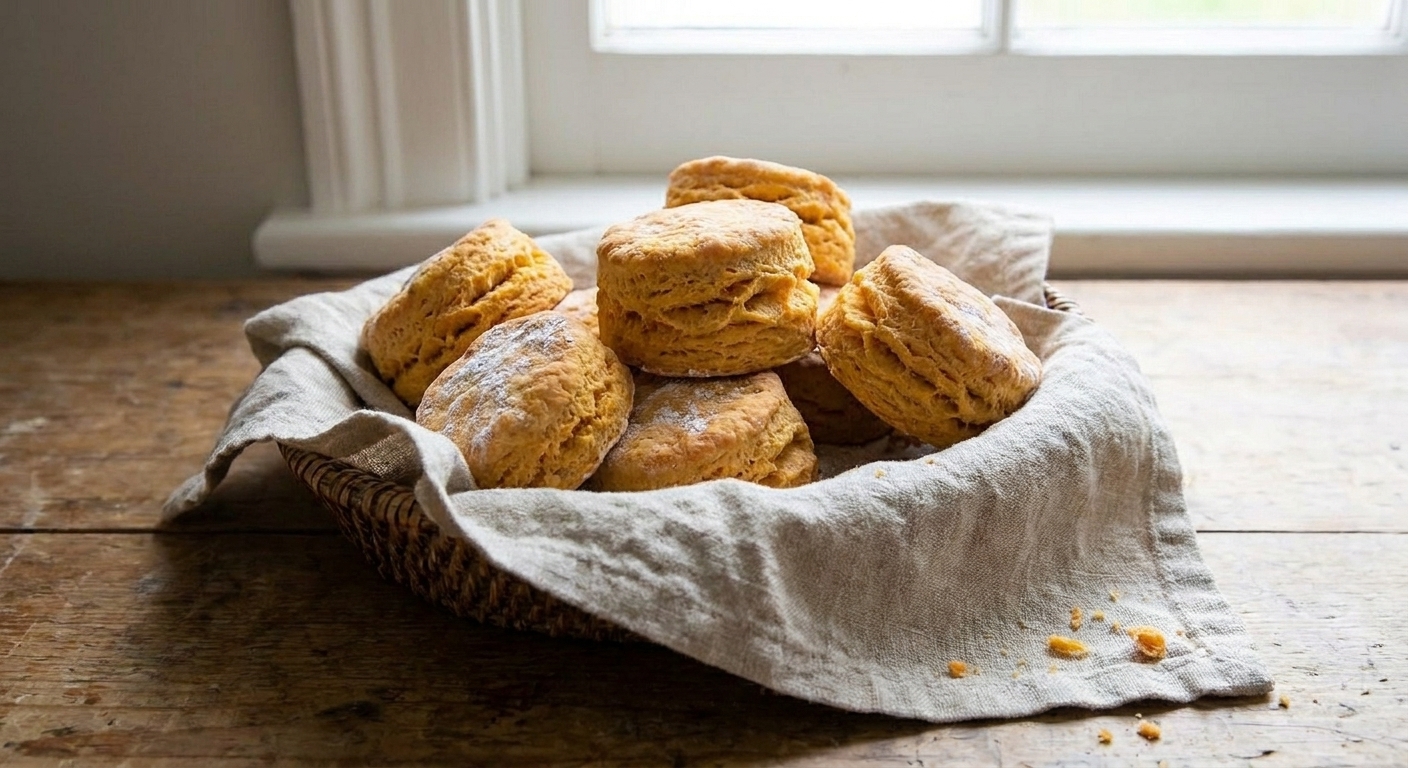

I love sweet potato biscuits because they are the reason I teach quick breads: big payoff, low drama. You get that cozy orange glow and gentle sweetness, but the texture stays firmly in biscuit territory. Flaky layers, crisp edges, and a soft, tender center that begs for salted butter or a swipe of jam.

The fussy part is moisture, and it can vary more than you would think depending on the sweet potato, how long it roasts, and how smooth you mash it. Sweet potato mash is not a dry ingredient. It is a vegetable puree, which means it brings water into the dough along with starch and sugars. Too wet and your biscuits spread instead of rising. Too dry and they can bake up a little bready, especially if the dough gets overworked.
In this recipe, we control moisture in three ways: roast instead of boil, measure the mash, and add buttermilk gradually.
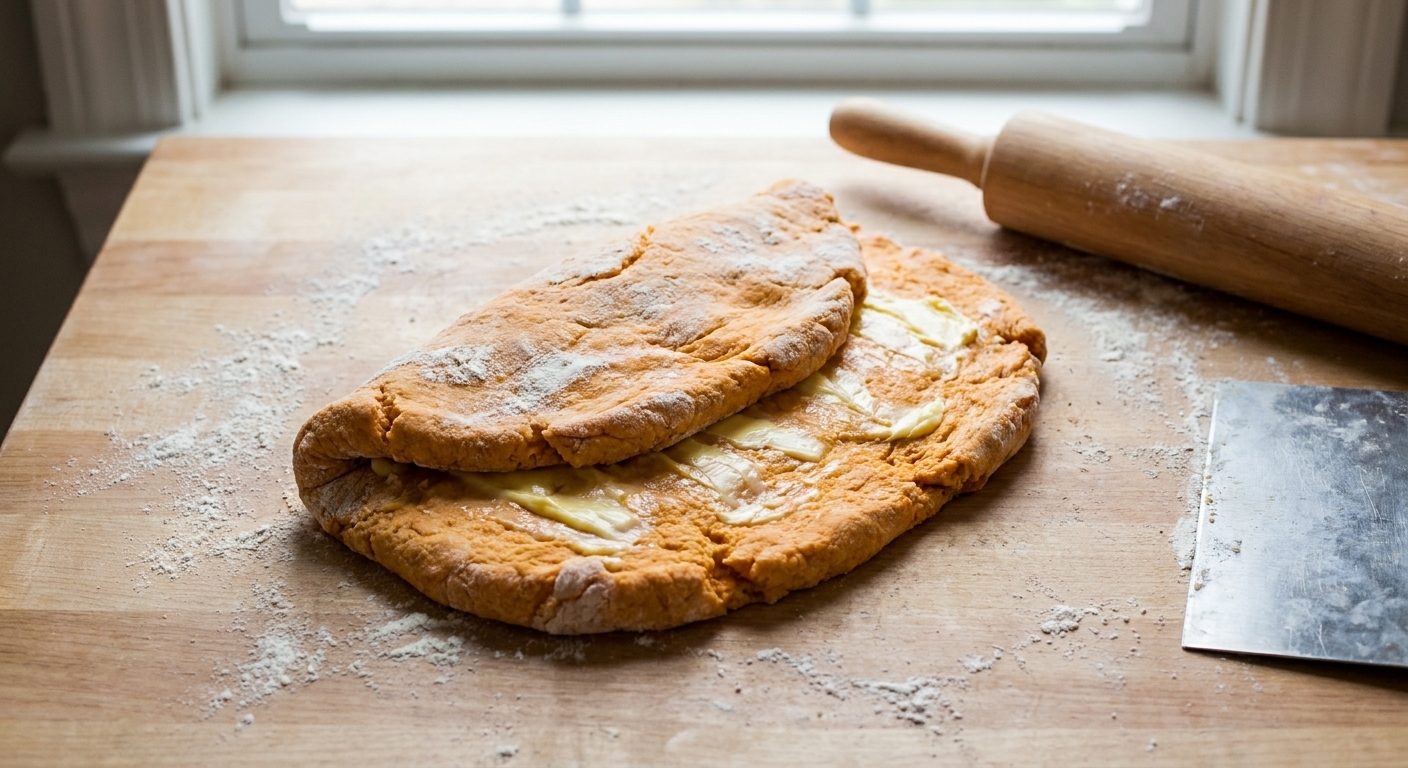
Also, treat these like classic flaky biscuits, not cake. Cold butter, a light touch, and a fold or two to build layers. A short chill is the quiet hero here, especially if your kitchen runs warm.
One more thing to set expectations: these are subtly sweet, more dinner biscuit than dessert. If you want them sweeter, the optional brown sugar is there for you.
What to expect
- Flavor: lightly sweet, earthy, buttery, and perfect with savory meals
- Texture: crisp outside, tender inside, with visible layers
- Difficulty: beginner friendly if you keep everything cold
- Best use: breakfast sandwiches, holiday sides, or alongside weeknight chili
If you are planning ahead, they reheat beautifully in a warm oven the next day, and they also freeze well after baking.
Why this recipe works
Roasted sweet potato keeps the dough from turning gummy
Roasting drives off moisture and concentrates flavor. Boiled sweet potatoes can hold a surprising amount of water, which pushes you to add extra flour. Extra flour plus extra mixing is how biscuits get tough.
Measured mash keeps moisture predictable
Sweet potatoes vary a lot. I measure 3/4 cup (180 g) of cooled mash for a consistent dough. If your mash is looser than thick mashed potatoes, you will need less buttermilk, or a tablespoon or two more flour.
Cold butter beats oil for flaky layers
Butter gives you lift and layers because the cold pieces melt in the oven and create steam pockets. Oil coats flour too evenly. That makes biscuits tender, but not notably flaky. For this particular biscuit, butter is the better tool.
A short chill makes taller biscuits
After shaping, a 15 to 20 minute chill firms the butter back up and relaxes any gluten that got worked during folding. The biscuits hit the oven cold, so they rise up before the fat fully melts.
Ingredient notes
Sweet potato mash
Use roasted sweet potato for the densest, least watery mash. Scoop the flesh, then mash until smooth. A few tiny lumps are fine, but avoid a thin puree.
Moisture cue: When you drag a spoon through the mash, it should hold a line for a second before slowly settling.
All-purpose flour
All-purpose keeps these light. If you have a scale, weighing flour helps a lot with biscuit consistency.
Butter
Cold, cubed butter is the engine for flake. If it is soft enough to bend, it is too warm. Pop it back in the fridge or freezer for a few minutes.
Buttermilk
Buttermilk adds acidity for tenderness and a gentle tang that balances sweet potato. Add it gradually because the mash already contributes water.
Baking powder and baking soda
The combo gives reliable rise. Soda needs acidity to work, which the buttermilk provides.
Salt
Biscuits need more salt than most people expect. It is what makes the sweet potato taste like sweet potato, not just sweetness.
Equipment you will need
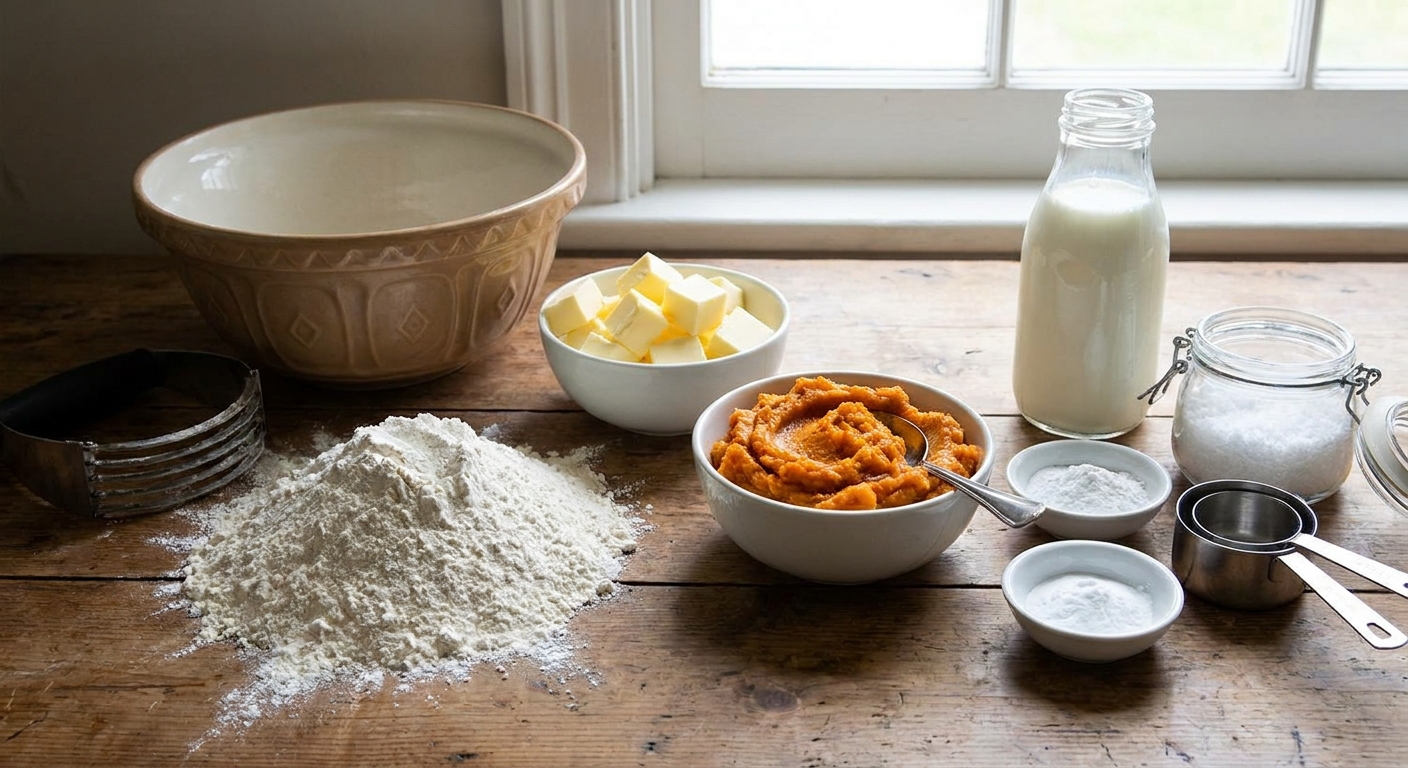
- Sheet pan and parchment paper
- Fork or potato masher (for the sweet potato)
- Large mixing bowl
- Pastry cutter or your fingertips
- Bench scraper (helpful for folding, optional)
- Rolling pin (optional, you can pat by hand)
- 2 1/2-inch biscuit cutter or a sharp knife
Pro tips
Control moisture with the buttermilk, not extra flour
Start with the lower amount of buttermilk, then add a splash at a time. The dough should look shaggy but cohesive when you squeeze a handful.
Keep layers tall
- Pat the dough into a rectangle, then fold it like a letter.
- Do 2 folds, max. More folding can make biscuits chewy.
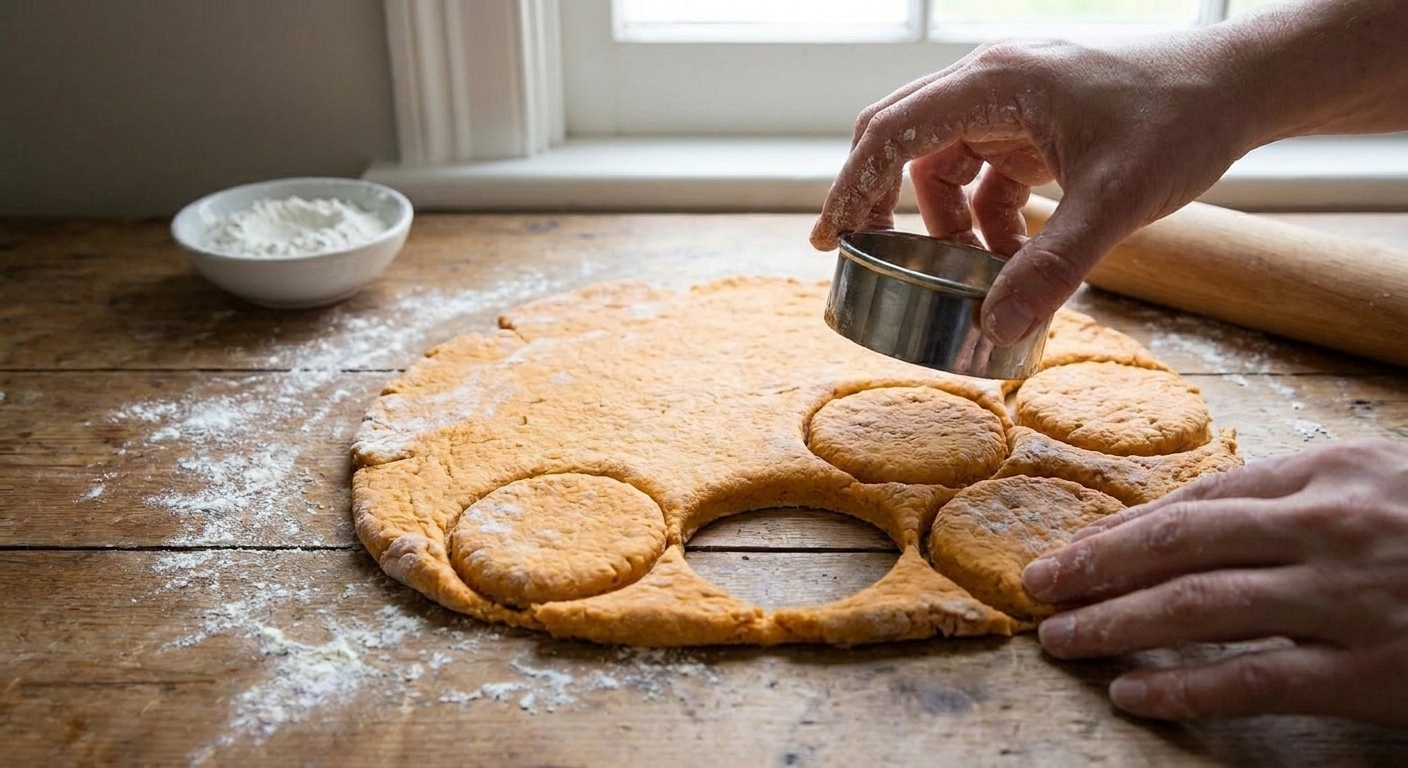
- When cutting rounds, press straight down. Twisting seals the edges and blocks rise.
Chill after shaping
Even 15 minutes in the fridge helps. If you have freezer space, 10 minutes in the freezer also works.
Use a hot oven
High heat sets the outside fast and boosts oven spring. If your biscuits are pale and wide, your oven may be running cool.
Substitutes that work
No buttermilk?
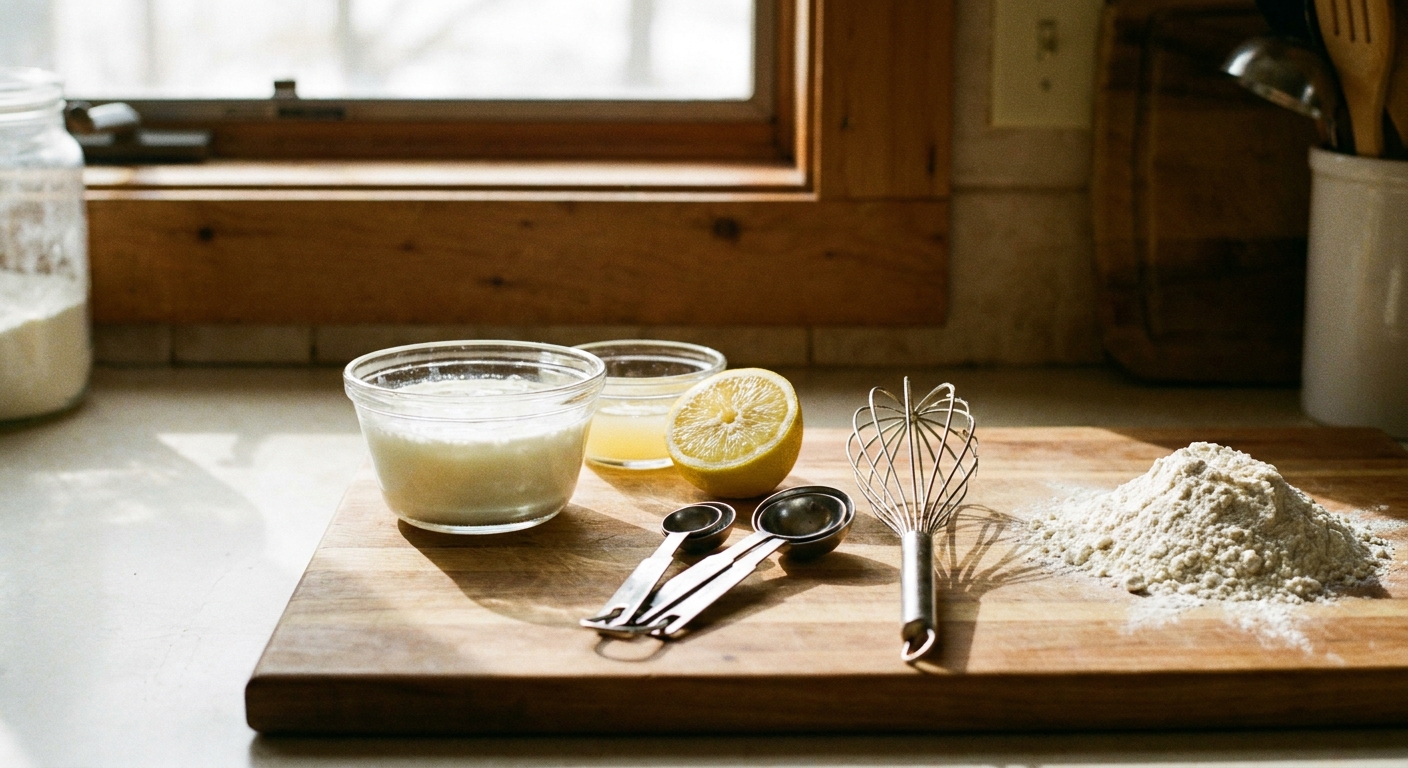
Make a quick substitute: add 1 tablespoon lemon juice or white vinegar to a measuring cup, then add milk to reach 1 cup. Stir and let sit 5 minutes. Use what you need for the recipe.
Dairy-free option
Use cold plant butter and use the same acidified milk method with unsweetened soy milk or oat milk. Expect slightly less browning.
Butter vs oil
You can use oil, but the result will be more like a tender drop biscuit. If flake and layers are your goal, stick with butter.
Whole wheat flour
Swap up to 1/2 cup of the flour with white whole wheat flour. Add an extra splash of buttermilk if the dough feels dry.
Variations
Brown butter sage sweet potato biscuits
Brown 2 tablespoons of the butter, cool until solid again in the fridge, then use it as part of your butter amount. Add a pinch of rubbed sage.
Cheddar and scallion
Fold in 3/4 cup shredded sharp cheddar and 2 sliced scallions when you add the sweet potato.
Sweet and spicy
Add 1/4 teaspoon cinnamon and a pinch of cayenne. Serve with honey butter.
Serving ideas
- With chili, white bean stew, or braised greens
- Split and fill with fried egg, cheddar, and hot sauce
- Alongside roast chicken or Thanksgiving dinner
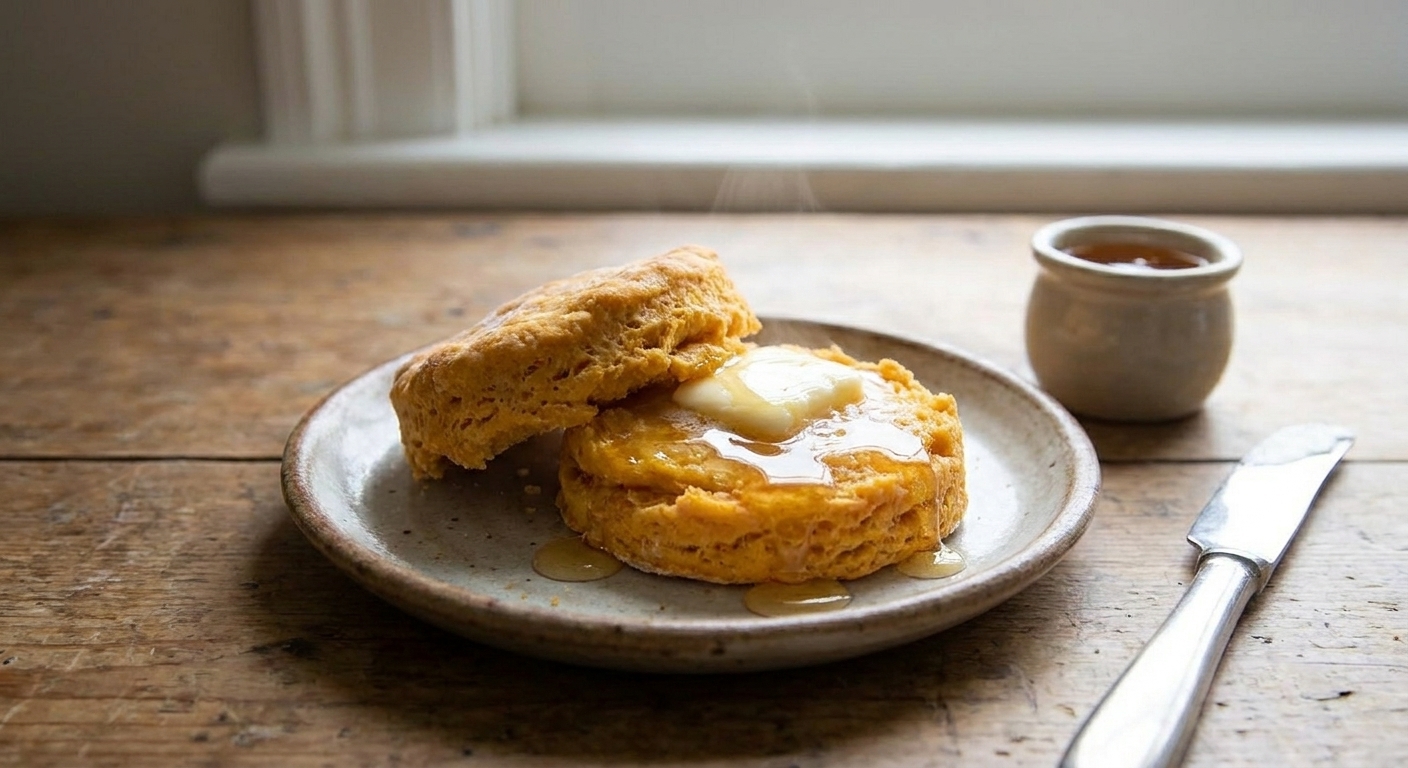
- With honey butter and flaky salt for breakfast
Storage and reheating
Room temperature
Store cooled biscuits in an airtight container up to 2 days. Rewarm for best texture.
Refrigerator
I do not love the fridge for biscuits because it dries them out, but it works in a pinch for up to 4 days. Warm before serving.
Freezer
Freeze baked biscuits in a freezer bag up to 2 months. Thaw at room temperature, then reheat in a 350°F oven until warmed through.
Reheating
Warm in a 350°F oven for 6 to 10 minutes. Microwaving is fast, but it softens the edges.
Common mistakes
Using watery sweet potato mash
If your mash is thin, the dough will demand more flour, which reduces rise. Roast your sweet potato and let the mash cool and steam off before measuring.
Overmixing after adding liquid
Once the buttermilk goes in, mix just until the dough looks shaggy and most dry flour is gone. The folding step will finish the job.
Butter getting warm
Warm butter melts into the flour before baking, so you lose the steam pockets that create flake. If the dough feels sticky and glossy, chill it.
Twisting the cutter
Twisting seals the edges. Press straight down and lift straight up.
FAQ
How much moisture does sweet potato mash add to biscuit dough?
Quite a bit, and it can vary by sweet potato variety and how long it was roasted. Sweet potato mash is mostly water held in starch. In practice, it means you usually need less buttermilk than a standard biscuit recipe. That is why this recipe gives a range and has you add buttermilk gradually.
Can I use canned sweet potato puree?
Yes, if it is plain and not sweetened. Canned puree can be looser than roasted mash, so start with the lower buttermilk amount. If the puree is very wet, blot it briefly with paper towels before measuring.
Why are my sweet potato biscuits dense?
Common causes are overmixing, too much extra flour during shaping, too many folds, or butter that got too warm. Next time, weigh flour if you can, use a light hand, and chill the shaped biscuits before baking.
Butter or oil, which is better here?
Butter. Oil makes tender biscuits, but it does not create distinct flaky layers the way cold butter does.
Do I need eggs?
No. Traditional biscuits do not use eggs, and sweet potato provides enough richness and structure on its own.
Flaky Sweet Potato Biscuits
Flaky, tender sweet potato biscuits made with roasted sweet potato mash, cold butter, and a quick fold for tall layers. Manage the mash moisture and you get biscuits that rise beautifully every time.
- Prep
- 25 minutes
- Cook
- 16 minutes
- Total
- 41 minutes
- Yield
- 8 biscuits
Ingredients
- 1 medium sweet potato (about 10 to 12 ounces)
- 2 cups (260 g) all-purpose flour, plus more for dusting
- 1 tablespoon baking powder
- 1/2 teaspoon baking soda
- 1 teaspoon fine sea salt
- 1 tablespoon light brown sugar (optional, for a slightly sweeter biscuit)
- 6 tablespoons (85 g) unsalted butter, very cold, cut into 1/2-inch cubes
- 3/4 cup (180 g) cooled roasted sweet potato mash (measured after roasting and mashing)
- 1/2 to 3/4 cup (120 to 180 ml) cold buttermilk, added as needed
- 2 tablespoons melted butter, for brushing tops (optional)
Instructions
- Roast the sweet potato. Heat the oven to 425°F. Pierce the sweet potato a few times with a fork, set it on a small sheet pan, and roast until very soft and collapsing, 40 to 55 minutes depending on size. Cool until you can handle it.
- Measure the mash. Scoop out the flesh and mash until mostly smooth. Let the mash cool completely. Measure 3/4 cup (180 g) mash and set aside. (If you have extra, save it for oatmeal, smoothies, or soup.)
- Prep the baking sheet. Line a sheet pan with parchment. Set aside. Increase oven heat to 450°F.
- Mix dry ingredients. In a large bowl, whisk together flour, baking powder, baking soda, salt, and brown sugar if using.
- Cut in the butter. Add cold butter cubes and work them in with a pastry cutter or your fingertips until you have pea-sized pieces plus a few slightly larger flat shards. If the butter starts to feel soft, refrigerate the bowl for 5 minutes.
- Add sweet potato and buttermilk. Add the measured sweet potato mash. Drizzle in 1/2 cup cold buttermilk and stir gently with a fork until a shaggy dough forms. Add more buttermilk 1 tablespoon at a time until the dough looks shaggy but holds together when you squeeze it. Avoid making it wet and sticky.
- Fold for layers. Turn the dough onto a lightly floured counter. Pat into a 3/4-inch-thick rectangle. Fold it into thirds like a letter. Rotate 90 degrees, pat back into a rectangle, and fold into thirds again.
- Shape. Pat the dough to about 1-inch thickness. Cut straight down with a 2 1/2-inch biscuit cutter (do not twist), or cut into squares with a sharp knife. Gently press scraps together once to cut a few more biscuits.
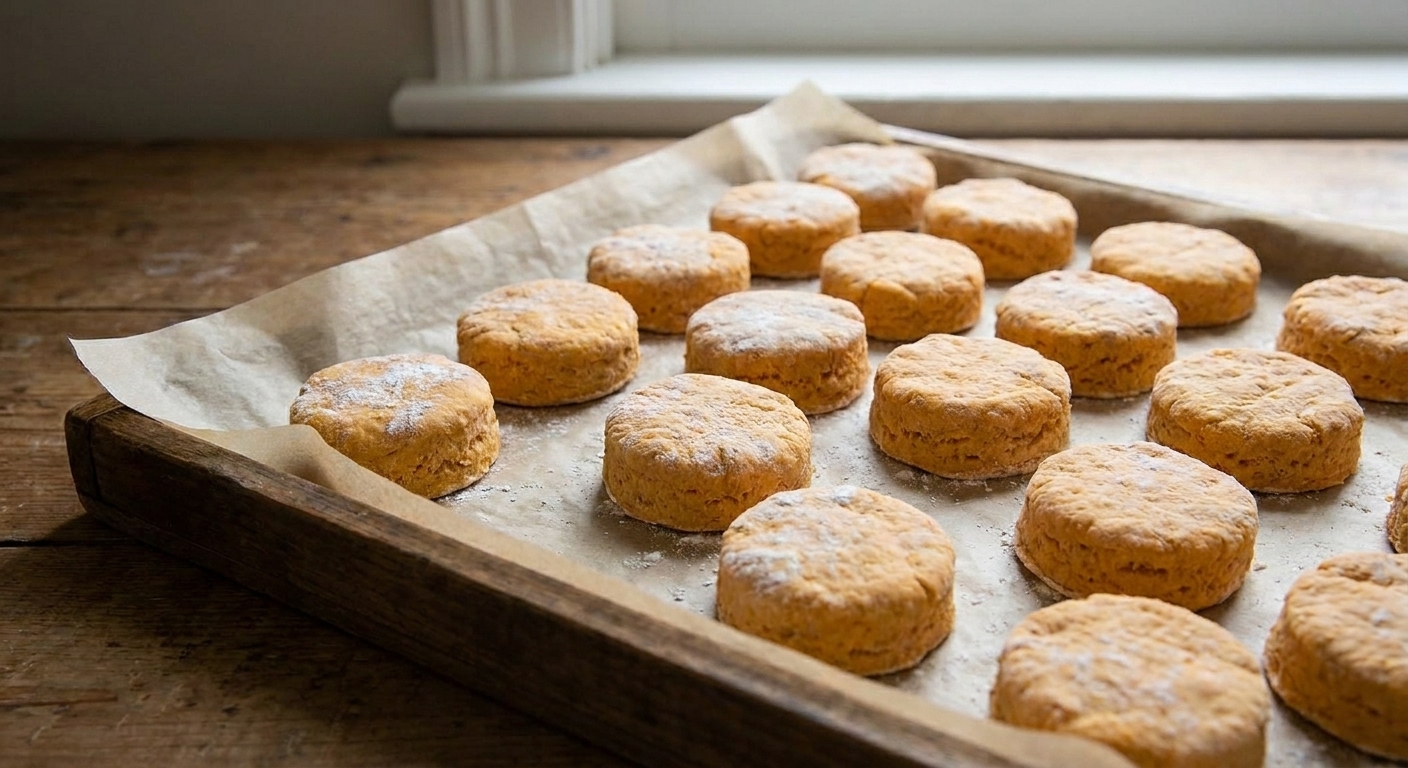
- Chill. Place biscuits close together on the prepared sheet pan. Chill in the refrigerator for 15 to 20 minutes (or freeze 10 minutes) until firm to the touch.
- Bake. Bake at 450°F until tall and deeply golden on top and browned on the bottoms, 14 to 18 minutes. You should see clear layer lift around the sides.
- Finish. Brush hot biscuits with melted butter if using. Cool 5 minutes before serving.
Notes
Roast, do not boil: Boiled sweet potato adds too much water and makes the dough harder to balance.
Buttermilk range: The exact amount depends on how dry your roasted sweet potato is. Stop adding buttermilk as soon as the dough holds together when pressed.
Make ahead: Shape and chill biscuits on the sheet pan, then freeze solid. Transfer to a freezer bag. Bake from frozen at 450°F, adding 3 to 5 minutes.