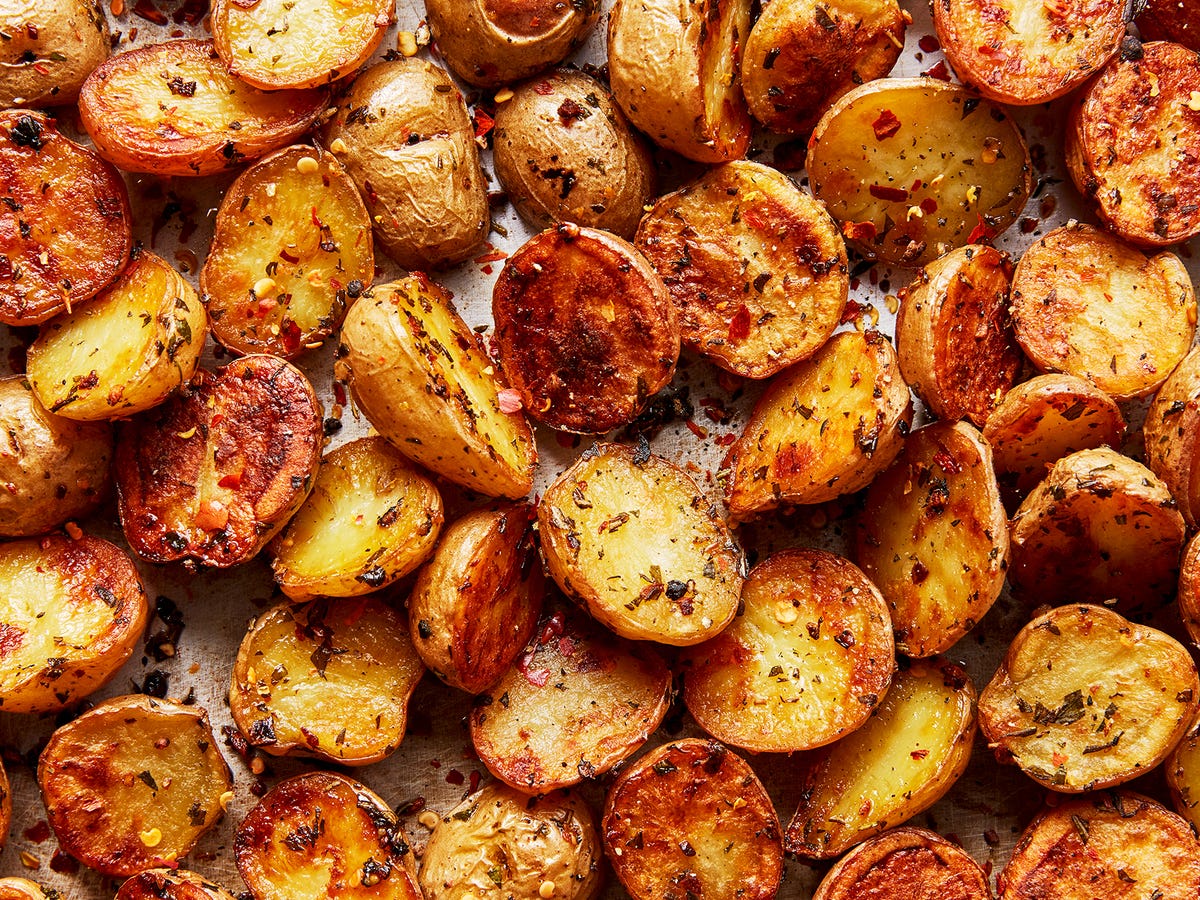
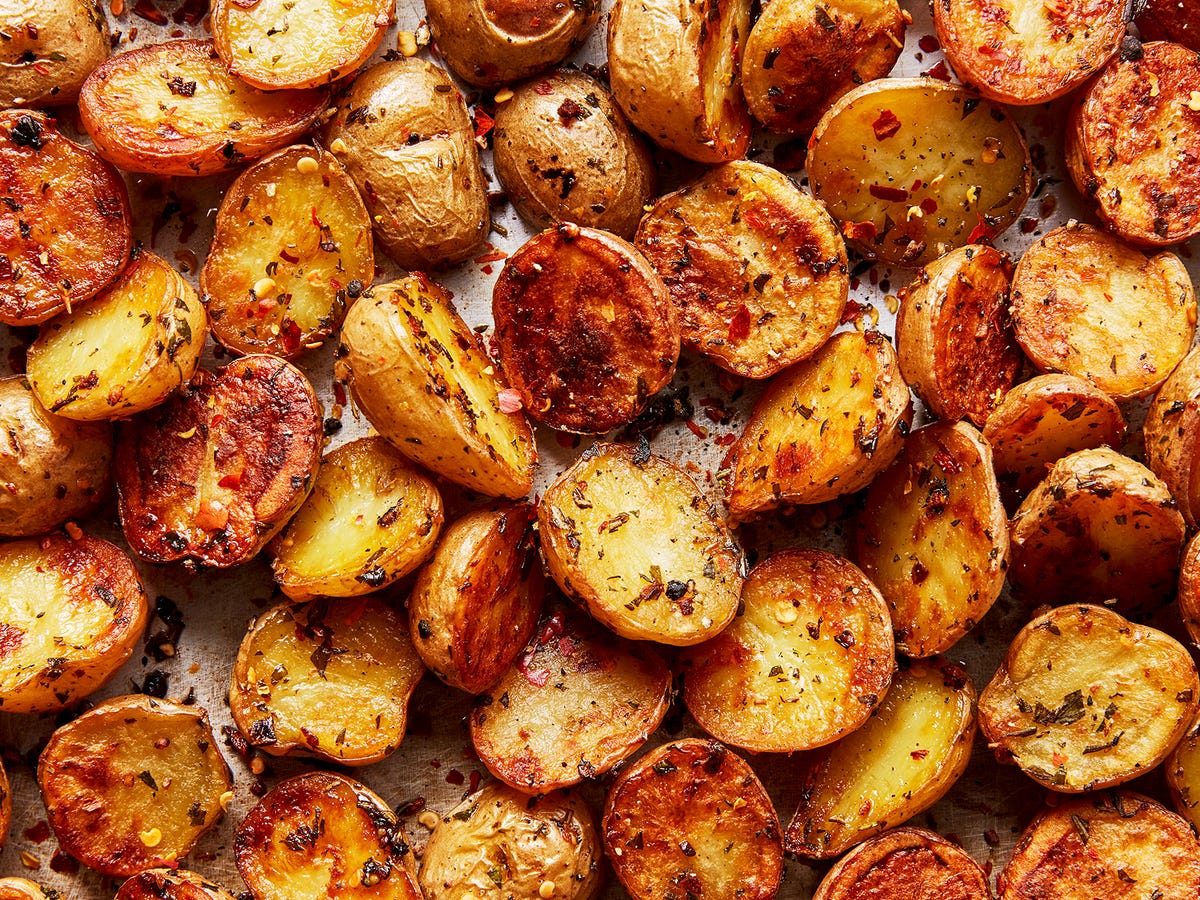
If your roasted potatoes have ever come out a little pale, a little soft, or mysteriously stuck to the pan, you are in the right place. This is the method I taught in classes because it is repeatable: a quick parboil to build a starchy coating, a hot sheet pan, and enough space for steam to escape. The payoff is that crackly, golden crust that tastes like you did something fancy, even on a Tuesday.
Why this recipe works
Crispiness is a texture problem, not a seasoning problem. To get that shattering crust, you need three things:
- Starch on the surface: Parboiling and then roughing up the potatoes creates a thin starchy paste that fries in the oven.
- High heat plus hot fat: Starting with a ripping hot oven and enough oil encourages browning fast.
- Dry heat, not steam: Crowding traps moisture. Space equals crunch.
Also, treat roasted potatoes like a cross between roasting and pan-frying. They need room, heat, and a little attention.
Ingredient notes
Potatoes
You have options. Here is how they behave:
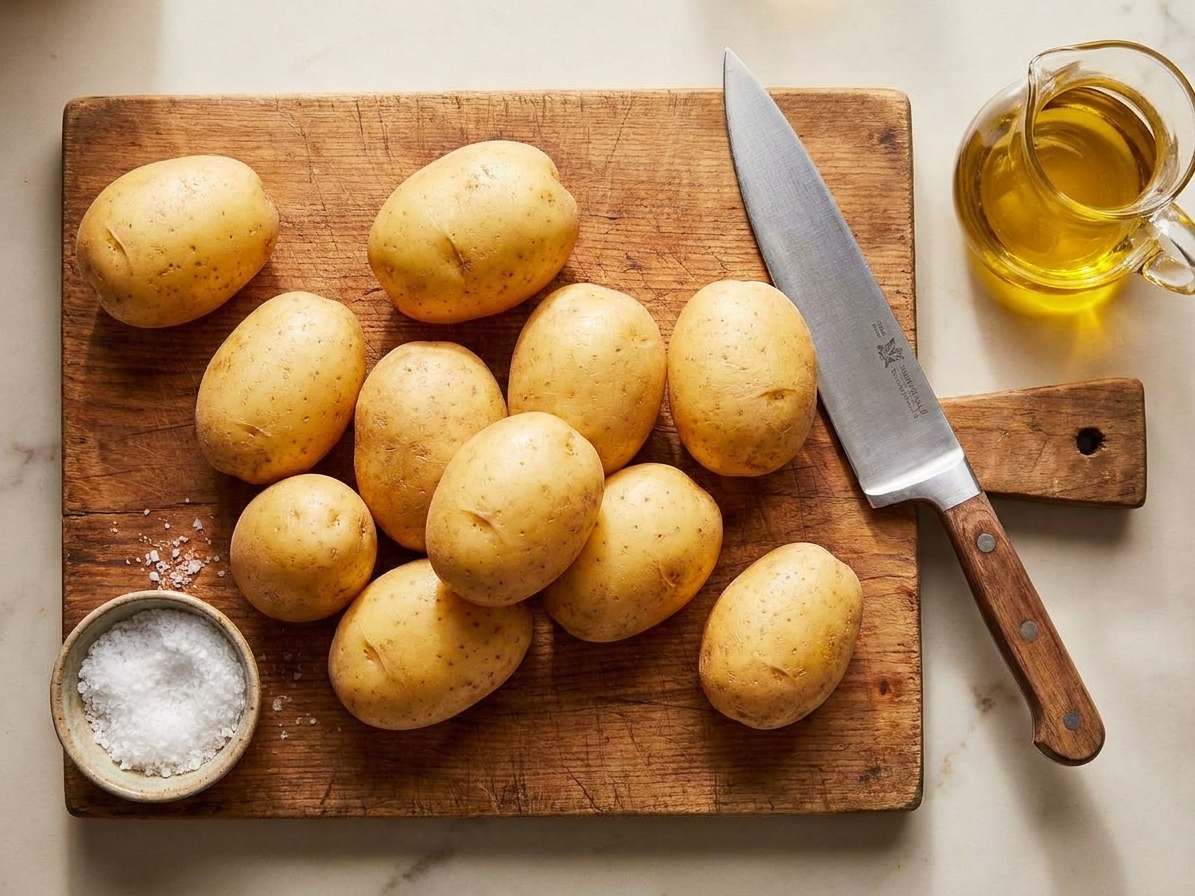
- Yukon Gold: Creamy centers, great browning, and they stay tender even if you push the roast time.
- Russet: The crispiest, fluffiest interior. They are a little more fragile, so be gentle when flipping.
- Red potatoes: Waxy and a bit denser, but they hold their shape well. Great for herby or vinaigrette finishes.
- Fingerlings or baby potatoes: Easy, cute, and fast. Cut them in half lengthwise for maximum edge surface.
Whatever you choose, cut size matters more than variety. Aim for 1 to 1 1/2 inch chunks so the outside gets crisp before the inside dries out.
Kosher salt
Salt the water for parboiling, then finish with salt at the end. Salting the potatoes heavily on the tray before the surface has dried can pull moisture out and slow browning, so go easy early and season to taste after roasting.
Baking soda (optional)
A small amount in the boiling water makes the water slightly alkaline, which breaks down the potato surface faster and helps create a starchy coating. It is optional, but a very reliable upgrade for extra crispiness.
Fat (oil or duck fat)
You want enough fat to coat the potatoes and help heat transfer, but not so much that they feel greasy.
Herbs, garlic powder, and finishing acid (optional)
Garlic powder and herbs are optional for flavor. A tiny splash of vinegar or lemon juice at the end adds brightness. Flaky salt is optional but highly recommended for extra pop.
Equipment you will need
- Large rimmed sheet pan: A heavy pan is ideal for even browning, and preheating it gives you a head start on crisping.
- Large pot: For parboiling the potatoes.
- Colander: For draining thoroughly.
- Lid for the pot: Useful for shaking to rough up the edges.
- Thin metal spatula: Helps release and flip potatoes cleanly.
Pro tips
Preheat the pan
Thin, warped pans can cause uneven browning. A heavy rimmed sheet pan is ideal. Preheating the pan gives you a head start on crisping, almost like a stovetop sear.
Use enough fat
Do not skimp on fat, but do not drown them. For 2 1/2 pounds, 4 tablespoons is a sweet spot. If the potatoes look dry going onto the tray, drizzle a touch more oil or fat.
Give them space
Crowding is the enemy. If potatoes are touching, they steam each other. Use two sheet pans if needed. This is the easiest fix and it works immediately.
Finish seasoning at the end
Season the boiling water, then salt after roasting. Adjust to taste while hot, and use flaky salt only if you want more crunch and “pop.”
Know the doneness cues
Look for deep browning and a firm crust. A knife should slide in with little resistance, and the edges should feel crisp when you tap one with a spatula.
Substitutes that work
- Potatoes: Yukon Gold (default) or russets work well; red potatoes work for a denser, shape-holding roast; fingerlings or baby potatoes can be halved lengthwise for more edges.
- Fat: Use olive oil, duck fat, or avocado oil.
- Finishing acid: Use vinegar or lemon juice as an optional finishing splash.
Variations
This is where you can use up what is already in the fridge: herb stems, the last spoon of Dijon, a nub of Parmesan. Potatoes are friendly like that.
Garlic herb
- Add rosemary or thyme to the oil before roasting.
- Finish with a little grated garlic and a squeeze of lemon after roasting (garlic burns if added too early).
Smoky paprika
- Toss with 1 teaspoon smoked paprika and 1/2 teaspoon cumin before roasting.
- Finish with chopped parsley for freshness.
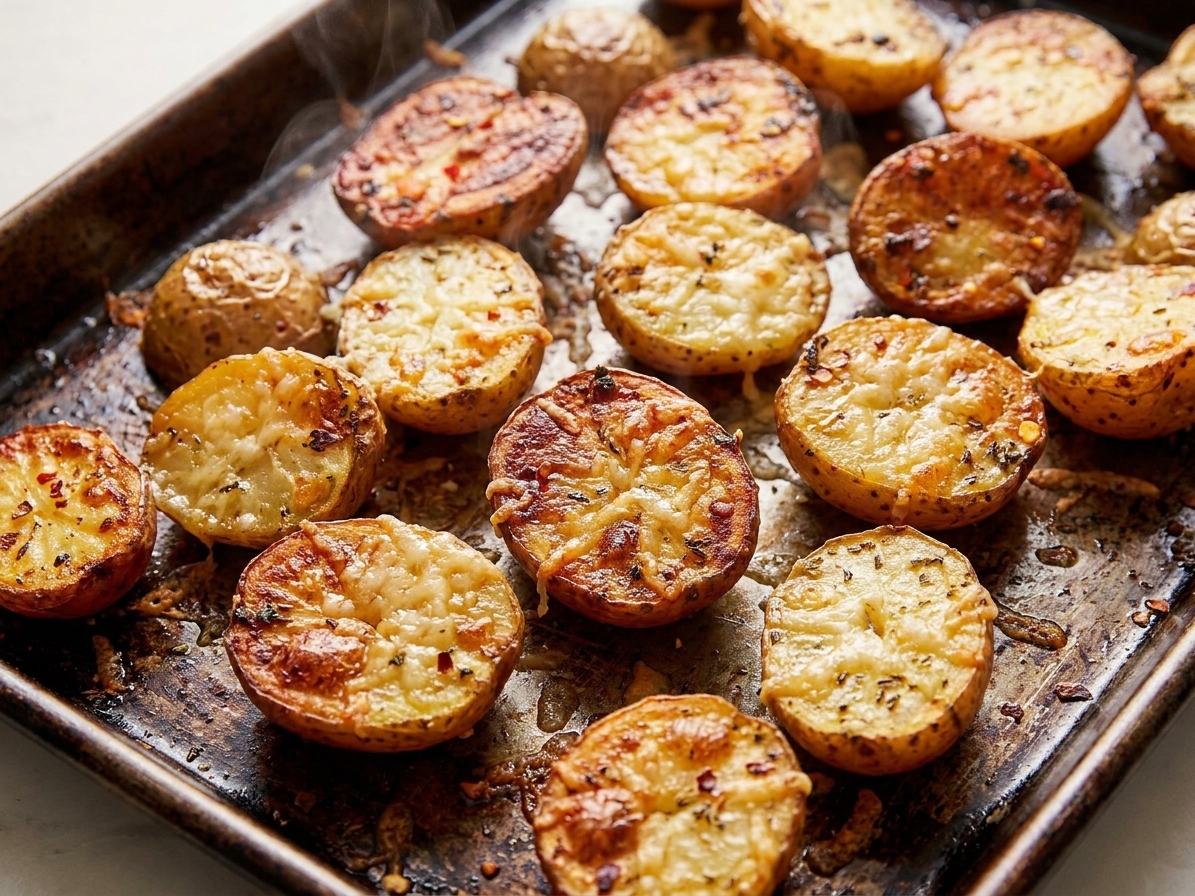
Parmesan pepper
- In the last 5 minutes, sprinkle with finely grated Parmesan so it melts and crisps.
- Finish with lots of black pepper.
Salt and vinegar
- After roasting, drizzle 1 to 2 teaspoons malt vinegar or white wine vinegar, then toss quickly.
- Finish with flaky salt. The aroma hits like your favorite chips, but better.
Serving ideas
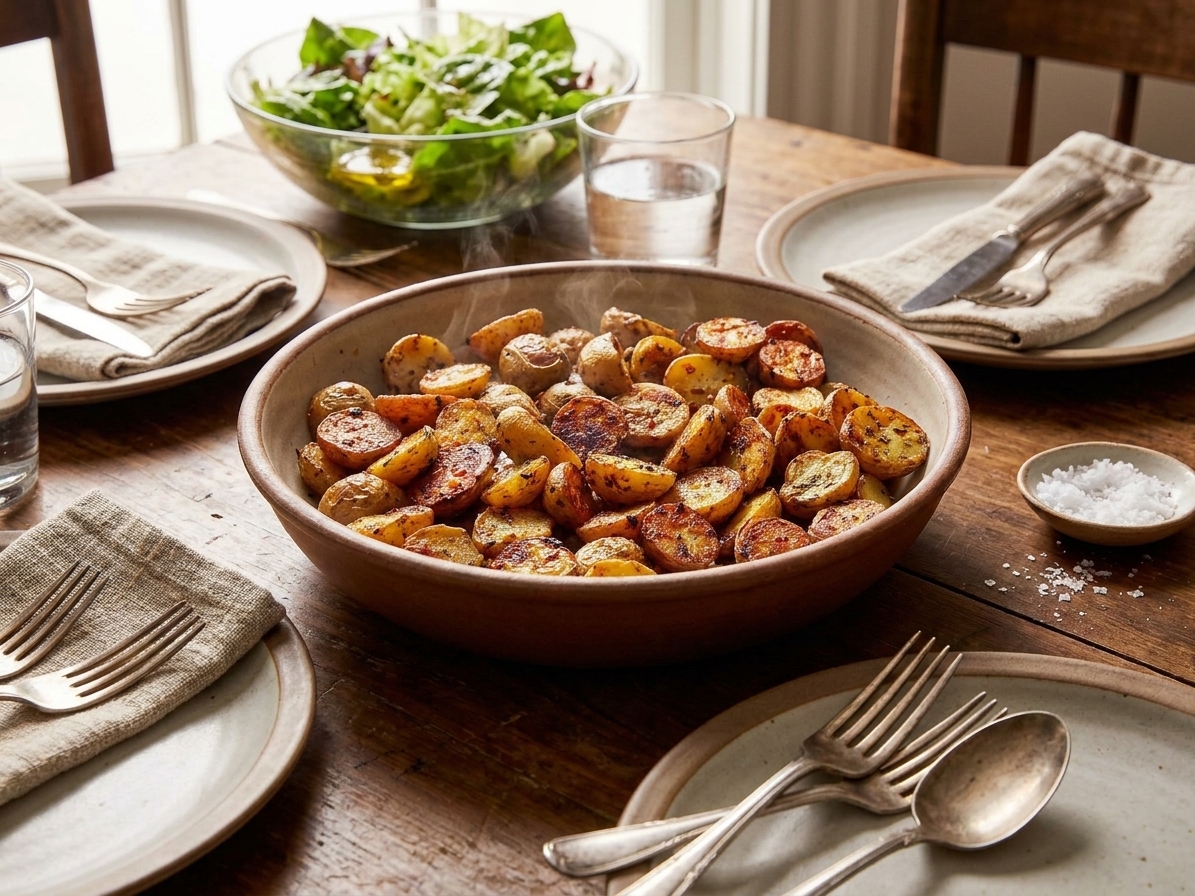
These potatoes are the kind of side that makes the rest of dinner feel handled. A few easy pairings:
- Alongside roasted chicken, salmon, or a simple fried egg
- With a big chopped salad and a tangy vinaigrette
- As a base for a breakfast bowl with greens and hot sauce
- With a dip: sour cream and chives, garlicky yogurt, or spicy mayo
Storage and reheating
Make ahead
Parboil, drain, rough up, and toss with oil. Cool completely, then refrigerate in a covered container up to 24 hours. Roast straight from the fridge, adding 5 to 10 minutes as needed.
Store leftovers
Cool, then refrigerate airtight for up to 4 days.
Reheat for best crisp
- Oven: 425°F on a sheet pan for 10 to 15 minutes, flipping once.
- Air fryer: 375°F for 6 to 10 minutes, shaking once.
- Skillet: Medium heat with a teaspoon of oil, 6 to 8 minutes, tossing occasionally.
Microwaving will soften the crust. If you must microwave to warm them through, do a quick oven or skillet crisp afterward.
Common mistakes
- Crowding the pan: If potatoes are touching, they steam each other. Use two sheet pans if needed.
- Skipping the hot pan: Preheating the sheet pan helps jump-start crisping and browning.
- Not building surface starch: If you skipped parboiling (and roughing them up), that is often the missing step for crisp edges.
- Overboiling: You want “almost tender,” not falling apart. If you overboil, the surface can get a bit too mashy.
- Salting too aggressively too early: Heavy salting on the tray before the surface dries can pull moisture out and slow browning; finish seasoning after roasting.
- Expecting the microwave to keep them crisp: It softens the crust; use the oven, air fryer, or skillet for reheating.
FAQ
Why add baking soda to the boiling water?
A small amount of baking soda makes the water slightly alkaline, which breaks down the potato surface faster and helps create that starchy coating. That coating browns and crisps beautifully in the oven. It is optional, but it is a very reliable upgrade.
Why are my roasted potatoes not crispy?
The usual culprits are crowding, not enough heat, or not enough surface starch. Use a hot sheet pan, roast at 450°F, and give the potatoes room. If you skipped parboiling, that is likely the missing step.
Do I need to peel the potatoes?
No. Leaving skins on Yukon Golds means less waste and more texture. If you are using russets and want an extra fluffy interior, peeling can help, but it is personal preference.
Can I use parchment paper?
You can, but you will get slightly better browning directly on the hot pan. If sticking is a problem, parchment is still worth it. Just know you may need a few extra minutes of roasting.
How do I keep potatoes warm for a crowd?
After roasting, keep them on a sheet pan in a 200°F oven for up to 45 minutes. They will stay crispier in a single layer, but expect a gradual loss of crunch over time.
Crispy Oven Roasted Potatoes
Repeatable crispy roasted potatoes: parboil to create a starchy coating, rough up the edges, then roast on a fully preheated sheet pan at high heat until deeply golden and crackly. Finish with salt and optional herbs and a splash of vinegar or lemon.
- Prep
- 15 minutes
- Cook
- 40 to 55 minutes
- Total
- about 55 to 70 minutes
- Yield
- Serves 4 to 6
Ingredients
- 2 1/2 pounds Yukon Gold potatoes (or russets), cut into 1 to 1 1/2 inch chunks
- 2 1/2 teaspoons kosher salt, divided (plus more to finish if needed)
- 1/2 teaspoon baking soda (optional but very helpful for extra crispiness)
- 4 tablespoons olive oil, duck fat, or avocado oil
- Freshly ground black pepper, to taste
- 1 teaspoon garlic powder (optional)
- 1 to 2 teaspoons chopped rosemary or thyme (optional)
- 1 to 2 teaspoons vinegar or lemon juice (optional finishing splash)
- Flaky salt, to finish (optional but highly recommended)
Instructions
- Heat the oven and pan. Place a large rimmed sheet pan in the oven and preheat to 450°F. Once the oven reaches 450°F, give the pan at least 10 minutes to heat thoroughly.
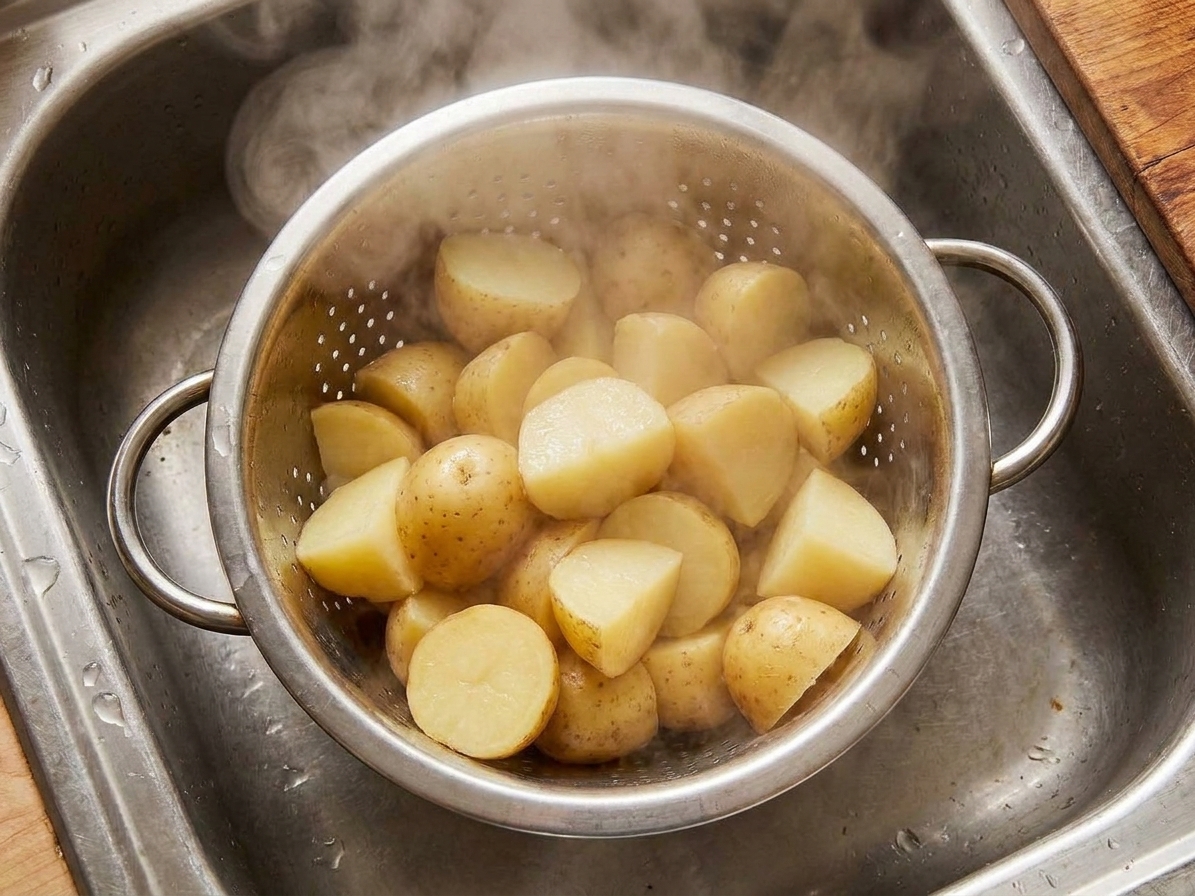
- Parboil for a starchy surface. Add potatoes to a large pot and cover with cold water by 1 inch. Stir in 2 teaspoons kosher salt and the baking soda (if using). Bring to a boil, then reduce to a steady simmer and cook 8 to 10 minutes, until the outside looks slightly softened and the tip of a knife meets a little resistance. You want “almost tender,” not falling apart. (If you overboil, the surface can get a bit too mashy.)
- Drain and rough them up. Drain thoroughly and return potatoes to the pot. Let steam off for 1 to 2 minutes. Add the oil or fat, pepper, and garlic powder (if using). Put the lid on and shake the pot vigorously for 10 to 15 seconds until the edges look fuzzy and coated.
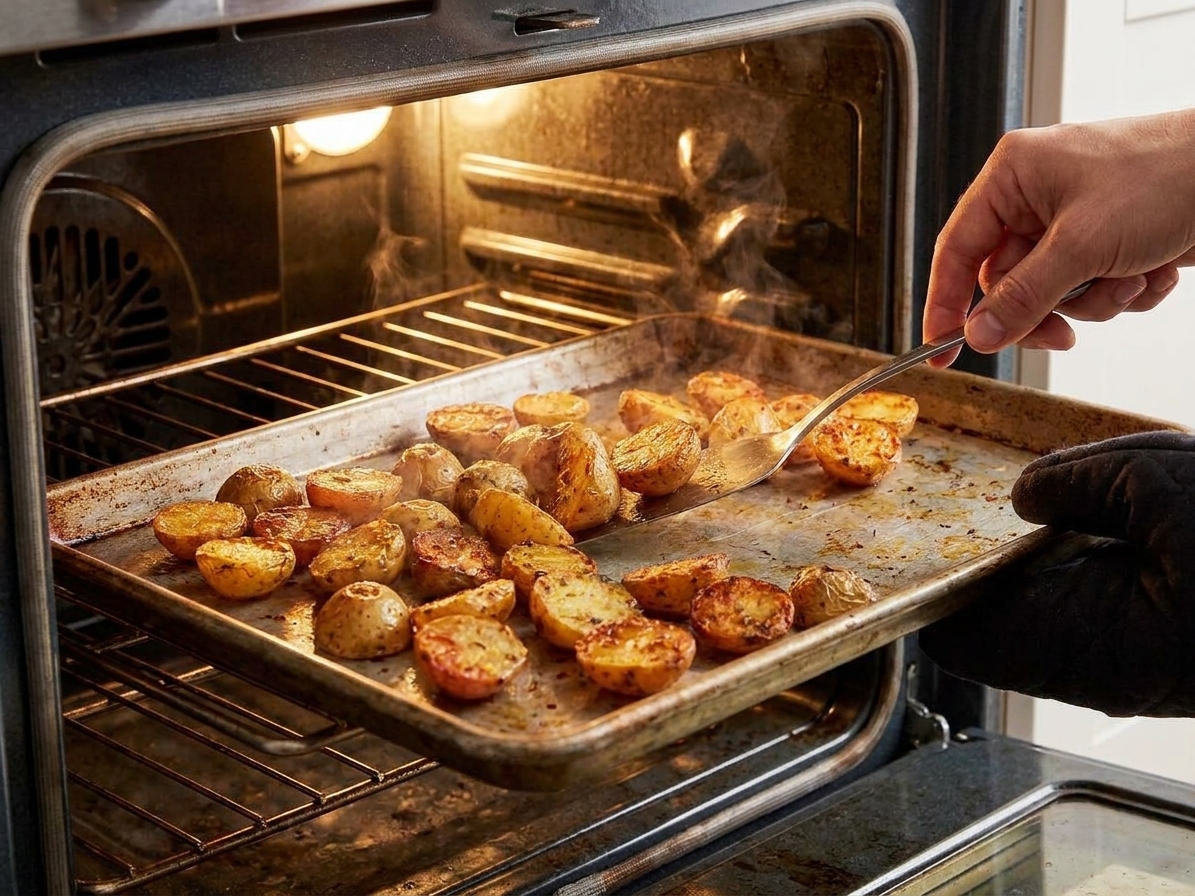
- Roast, spaced out. Carefully pull out the hot sheet pan. Spread potatoes in a single layer with space between pieces. They should sizzle when they hit the pan. Roast 20 minutes.
- Flip and keep roasting. Use a thin metal spatula to turn the potatoes. Roast 15 to 25 minutes more, flipping once more near the end if you want even browning, until deeply golden and crisp. (Convection ovens brown faster, so start checking a few minutes early.)
- Finish like a pro. While hot, sprinkle with the remaining 1/2 teaspoon kosher salt. Add herbs and, if you like, a tiny splash of vinegar or lemon juice for brightness. Taste and adjust. Finish with flaky salt only if you want more pop.
Notes
Doneness cue: Look for deep browning and a firm crust. A knife should slide in with little resistance, and the edges should feel crisp when you tap one with a spatula.
Make-ahead: Parboil, drain, rough up, and toss with oil. Cool completely, then refrigerate in a covered container up to 24 hours. Roast straight from the fridge, adding 5 to 10 minutes as needed.
Hold warm: Keep on a sheet pan in a 200°F oven for up to 45 minutes.
Nutrition
- Calories: 260
- Fat: 10 g
- Carbs: 40 g
- Protein: 5 g
- Fiber: 4 g
- Sugar: 2 g
- Sodium: 520 mg
Nutrition values are approximate and will vary by potato variety, exact oil used, and how much salt is added after roasting.