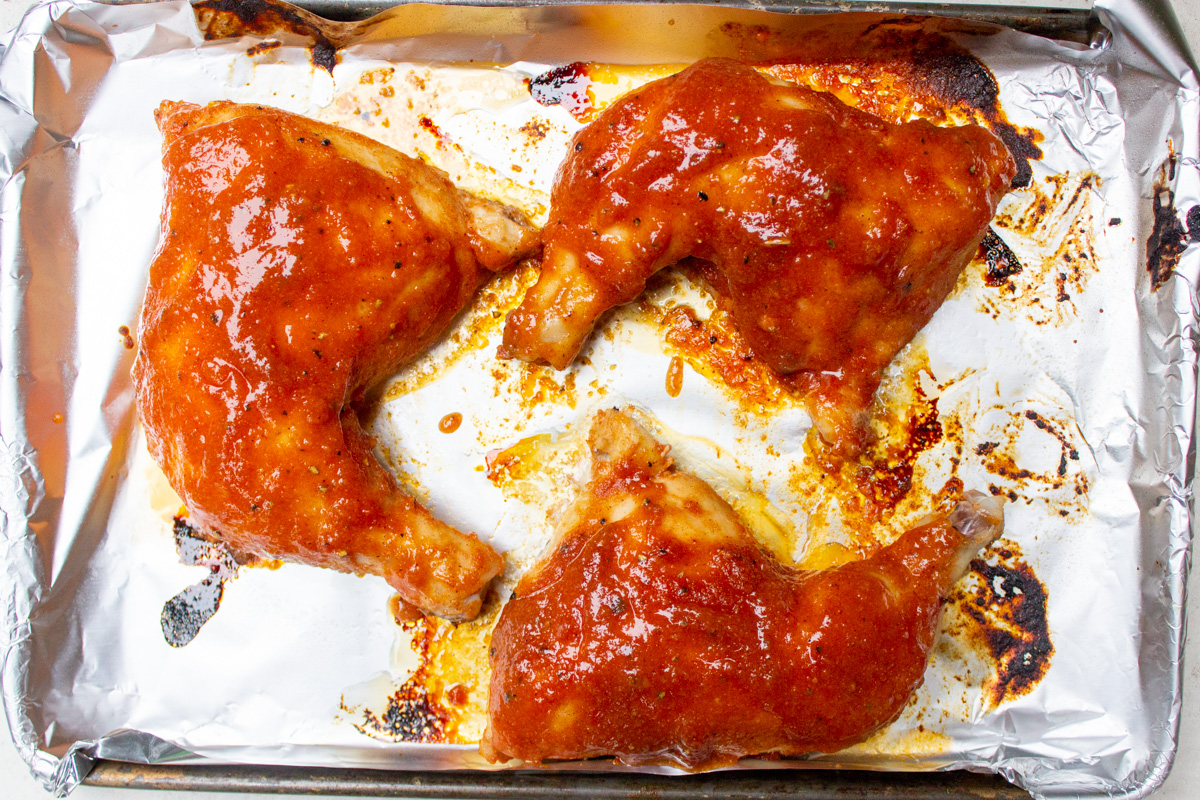
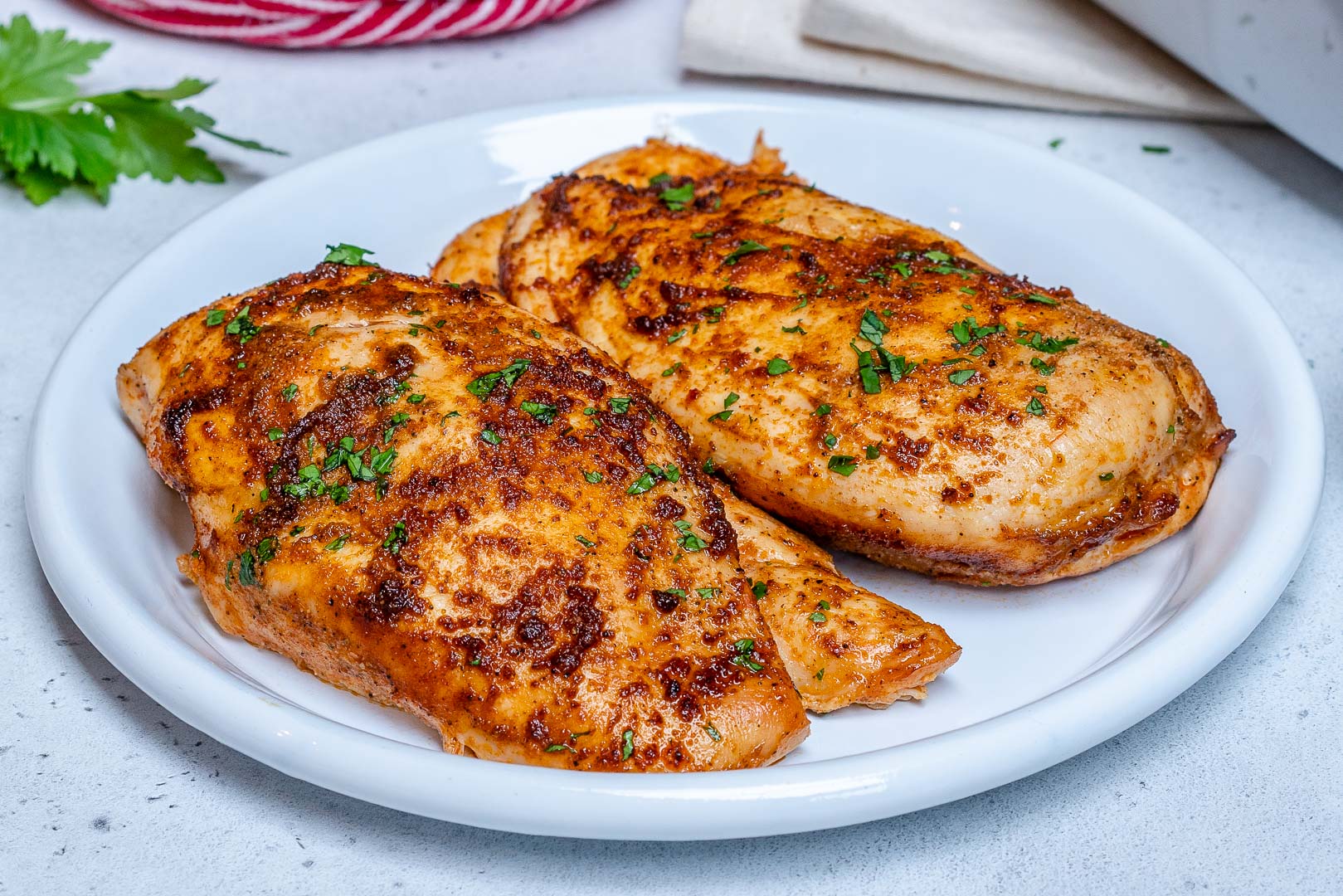
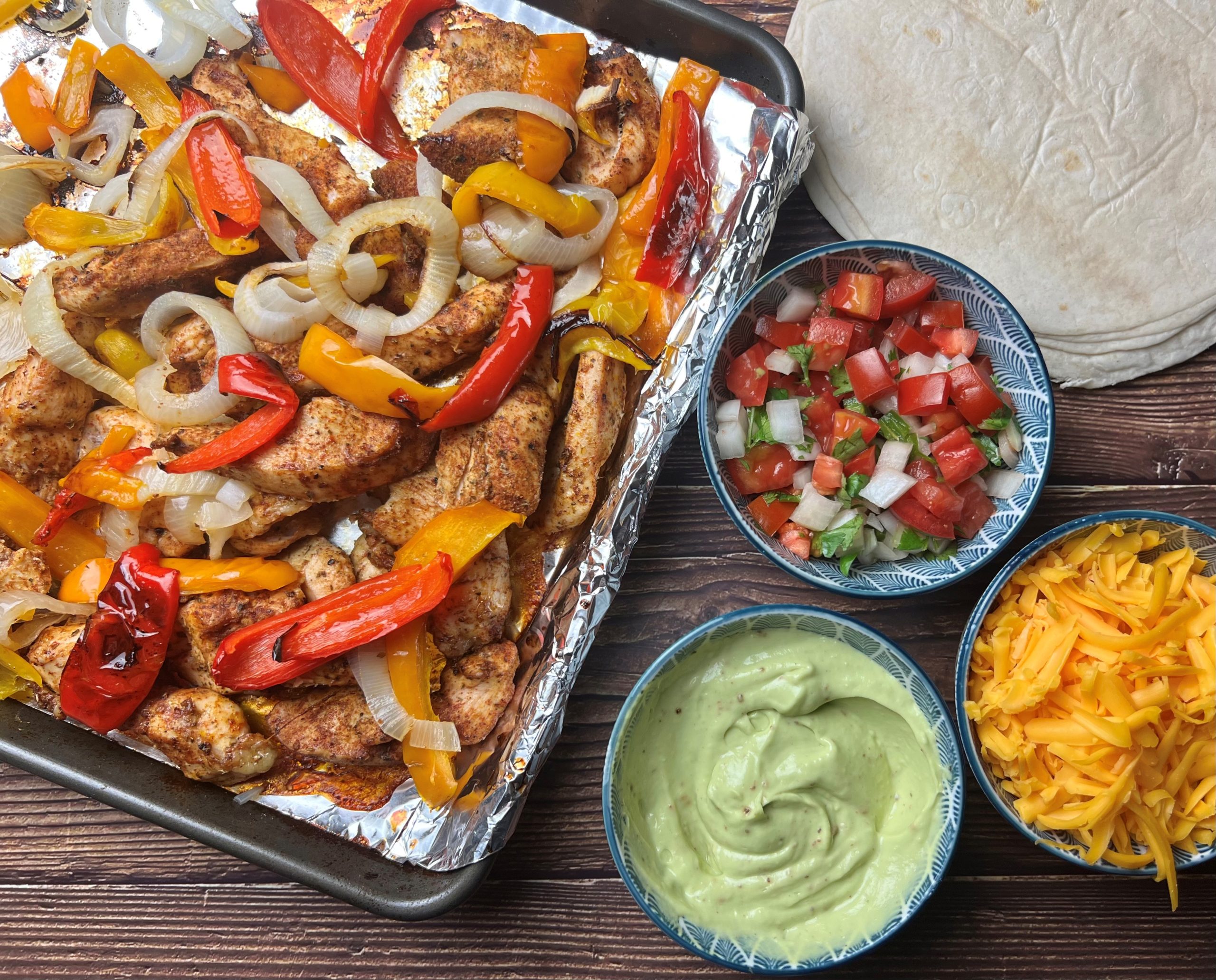
Honey mustard chicken is one of those dinners that tastes like you worked harder than you did. The sauce is sweet, sharp, and glossy, and if you get the salt and acid right, it stops being “kid food” and starts being craveable. This is my Portland-weeknight version: minimal dishes, flexible cuts of chicken, and a sauce that doubles as a drizzle for whatever veggie is hanging out in your crisper drawer.
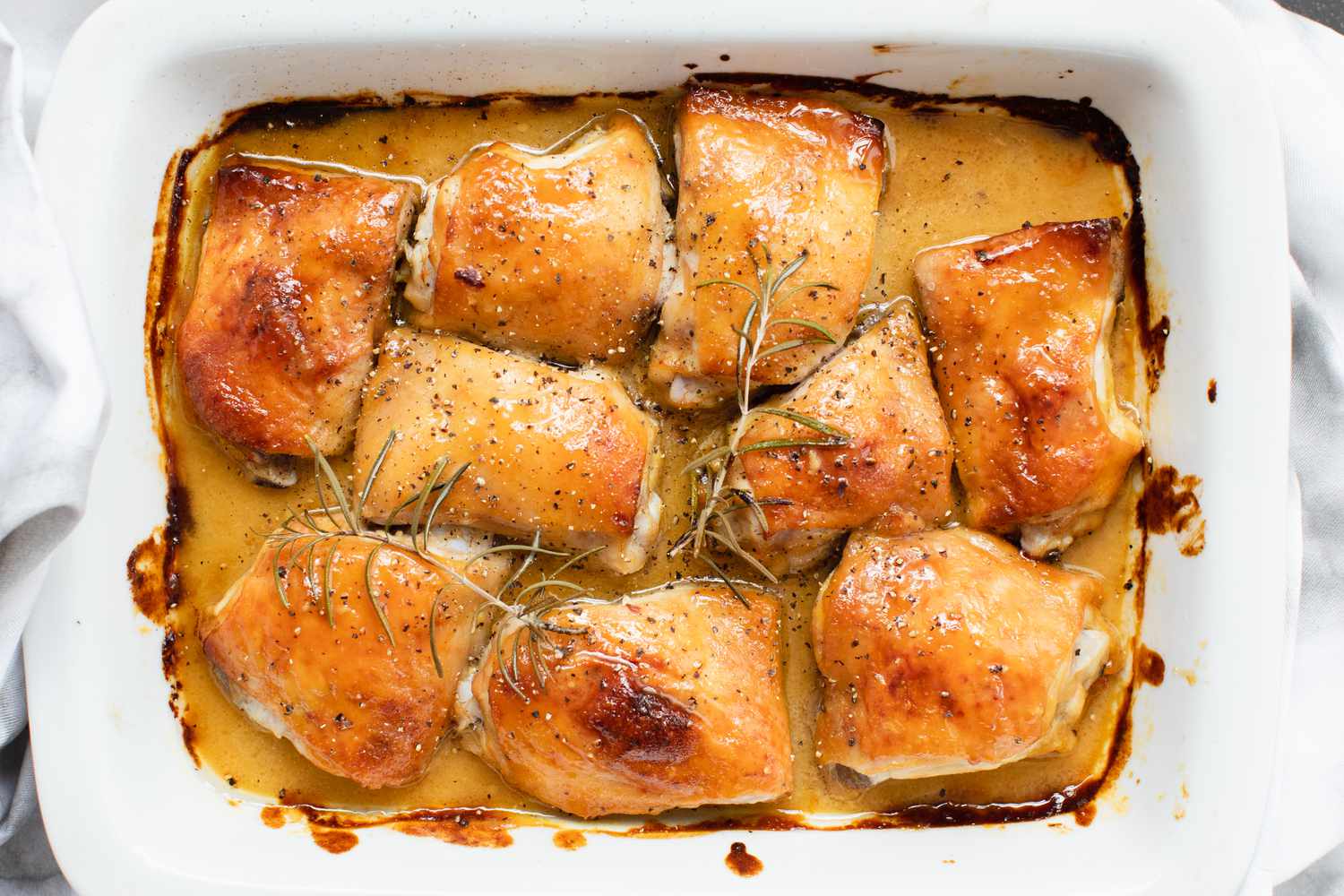
Why this recipe works
- Two mustards, not one. Dijon gives depth and heat; whole grain adds texture and a mellow bite.
- A little acid at the end. A squeeze of lemon or a splash of vinegar keeps the honey from reading too sweet.
- Sauce reduction, not cornstarch. We let it bubble and thicken naturally so it clings to the chicken instead of sitting like syrup.
- Season the chicken first. Salt on the meat, not just in the sauce, is the difference between “fine” and “make it again.”
Ingredient notes
This recipe is flexible with chicken cuts and forgiving on pantry swaps, but these notes help you hit the right balance.
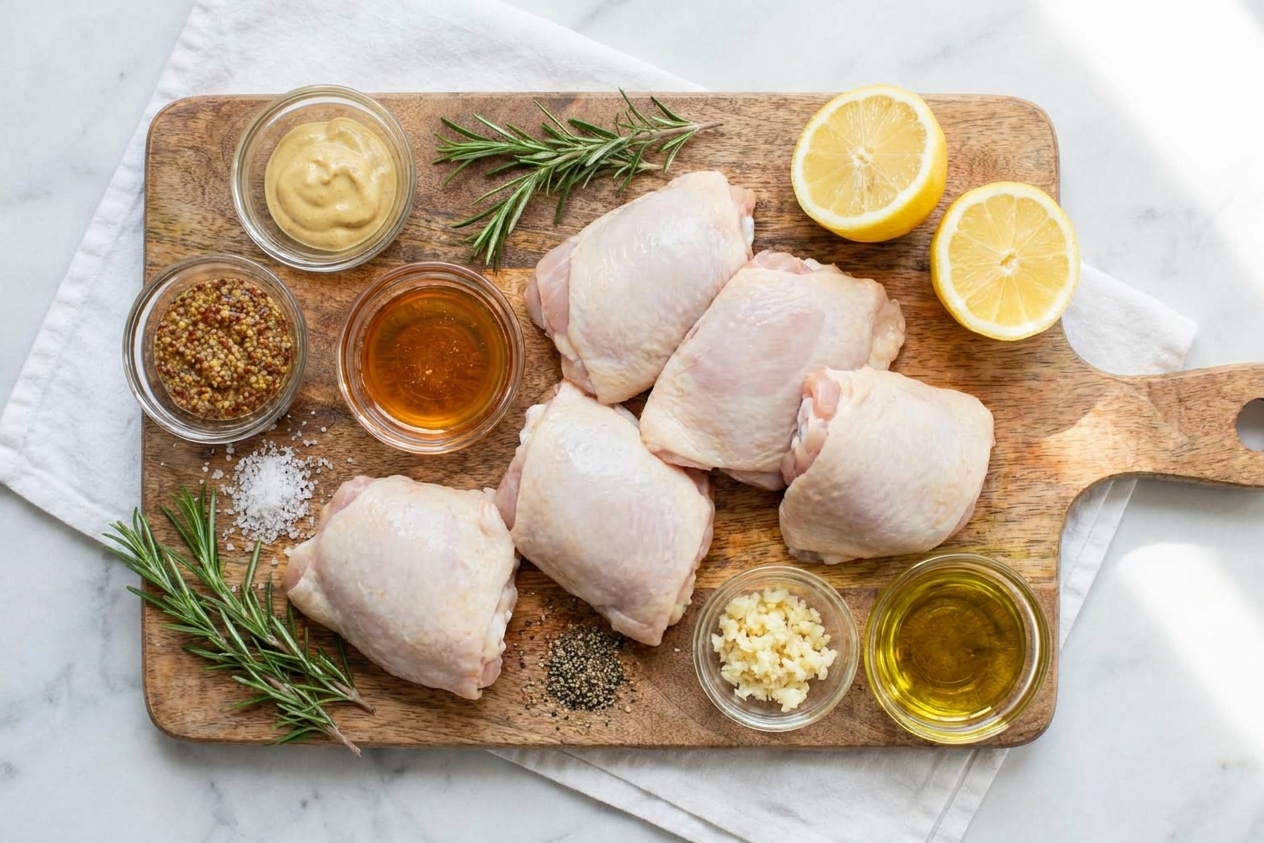
- Chicken: Boneless thighs are the most forgiving. Breasts work best as cutlets or pounded to even thickness. Tenders cook fast, so watch closely. For bone-in, skin-on thighs, sear skin-side down longer (6 to 8 minutes) to render fat, then finish in a 400°F oven; they are safe at 165°F, but many people prefer taking thighs closer to 175°F to 185°F for a more tender, less chewy texture.
- Mustard: Dijon is the baseline for balance. Whole grain adds texture and a more rounded flavor.
- Acid: Apple cider vinegar or lemon juice keeps the honey from reading too sweet; extra lemon at the end helps fine-tune.
- Butter (optional): Swirled in off heat for shine.
- Herbs (optional): Rosemary in the sauce; parsley or dill to finish.
- Smoked paprika (optional): Optional, but great for extra depth.
Equipment you will need
- 12-inch skillet (best for glossy sauce and proper browning)
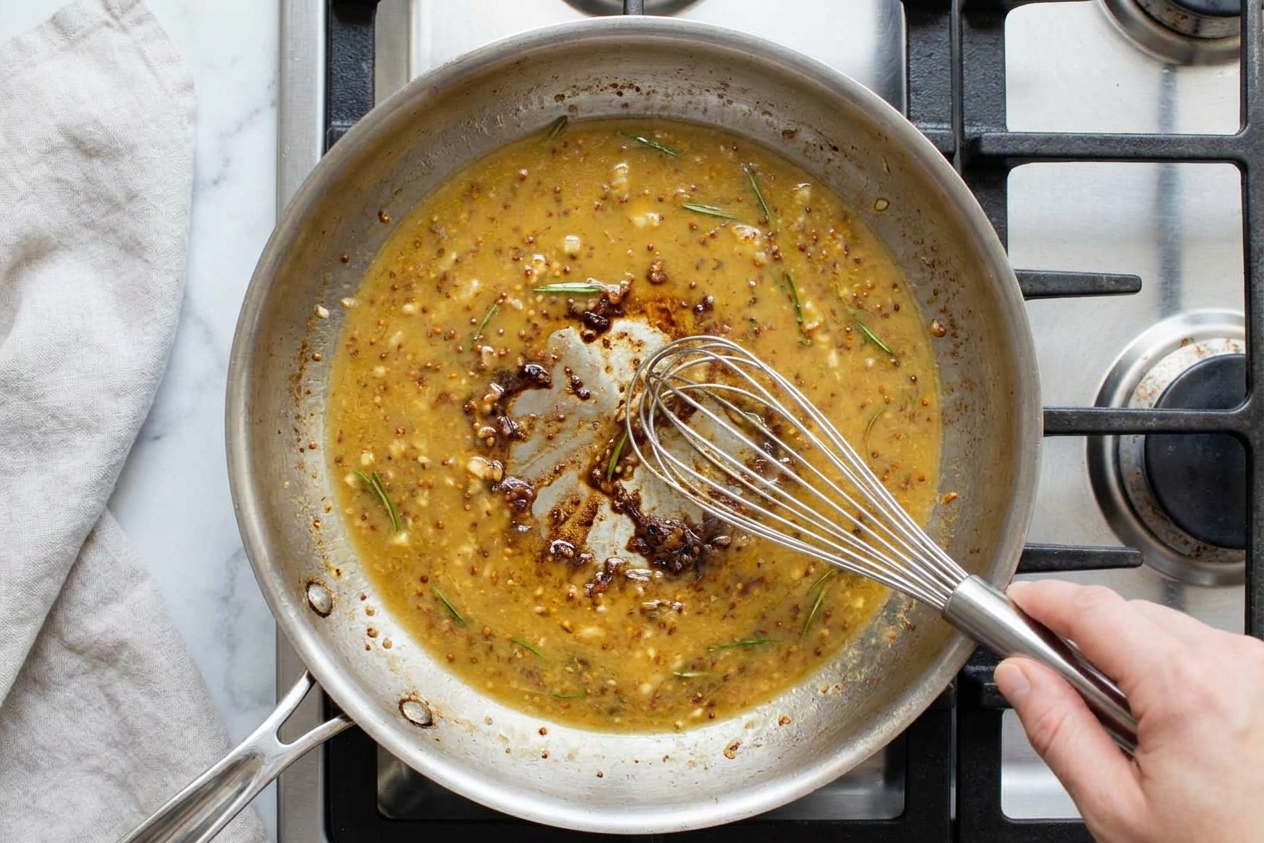
- Whisk (for building the sauce and scraping up browned bits)
- Instant-read thermometer (to confirm 165°F in the thickest piece)
- Plate (to hold the chicken after searing)
- Optional: Baking dish or sheet pan (for the oven option)
- Optional: Small saucepan (to reduce/thicken pan juices after baking)
- Optional: Air fryer and a small pot (for the air fryer option)
Pro tips
- Pat the chicken dry before seasoning. A dry surface equals better browning and less splatter.
- Use a large skillet. A 12-inch skillet helps the chicken brown instead of steaming.
- Go by temperature. Cook until the thickest piece reaches 165°F. Thighs can feel better a bit higher, but that is a texture preference, not a safety requirement.
- Watch the sauce texture. It should coat the back of a spoon. If it slides off like broth, simmer 2 to 3 minutes longer.
- Balance at the end. If it tastes flat, add a pinch of salt. If too sweet, add a squeeze of lemon. If too sharp, add a little more honey.
- For baking: If you want a thicker sauce, simmer the pan juices 3 to 5 minutes in a small saucepan; loosen with a splash of broth if needed.
- For air frying: Cook the chicken mostly plain, then toss in warm sauce at the end to avoid drips burning.
Substitutes that work
This sauce is forgiving. These swaps keep the balance of sweet, tangy, and savory.
- No Dijon: Use spicy brown mustard. Yellow mustard works but tastes more nostalgic and less complex. Add extra garlic and a touch more vinegar.
- No honey: Maple syrup works well. Start with 2 1/2 tablespoons since it reads sweeter.
- No apple cider vinegar: White wine vinegar, champagne vinegar, or lemon juice all work.
- Want it creamy: Stir in 2 to 3 tablespoons heavy cream or Greek yogurt off heat (so it does not curdle). Add a little extra salt.
- Want it spicy: Add 1/4 to 1/2 teaspoon cayenne or a spoon of chili crisp at the end.
- Gluten-free: Naturally gluten-free if your mustard is certified GF. Serve with rice or potatoes.
Variations
- Skillet method: One-pan cooking with sauce reduction for a glossy finish.
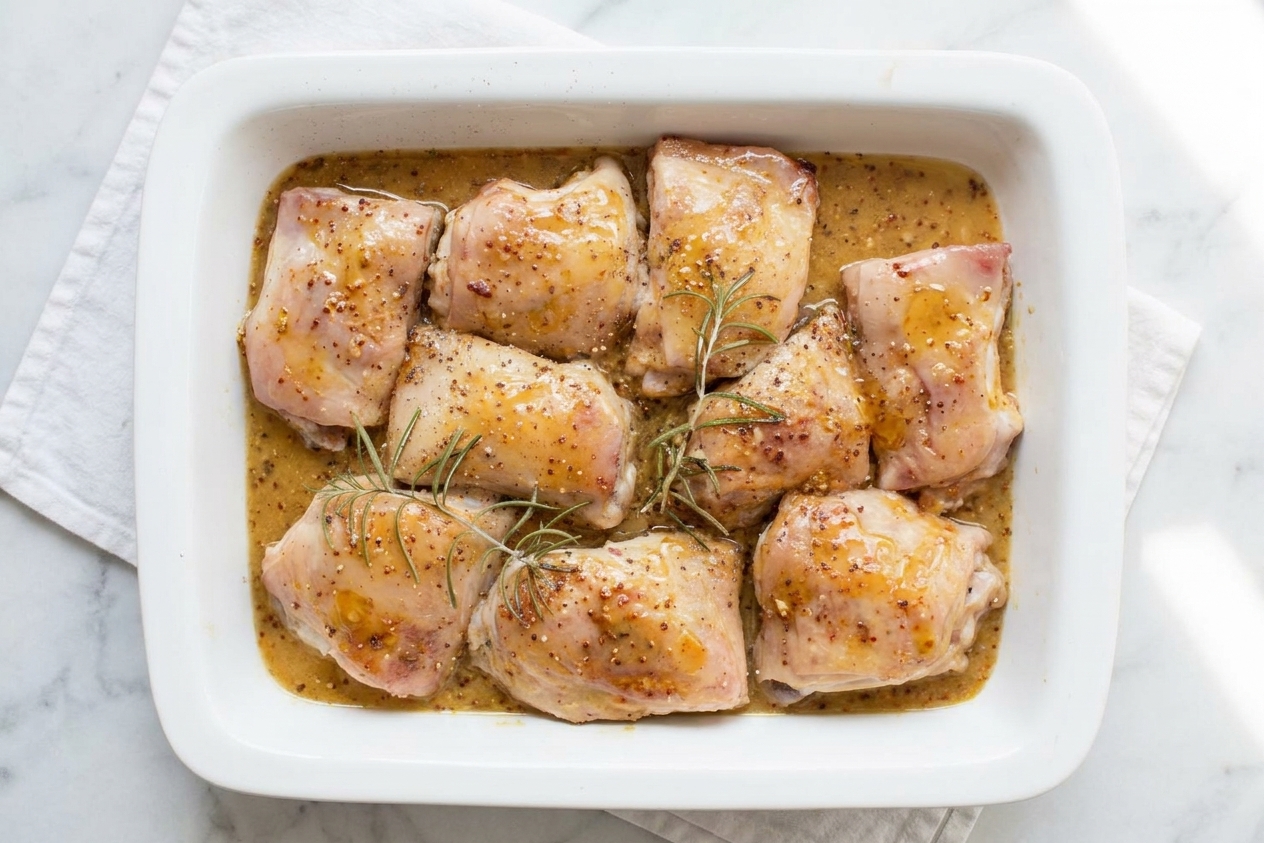
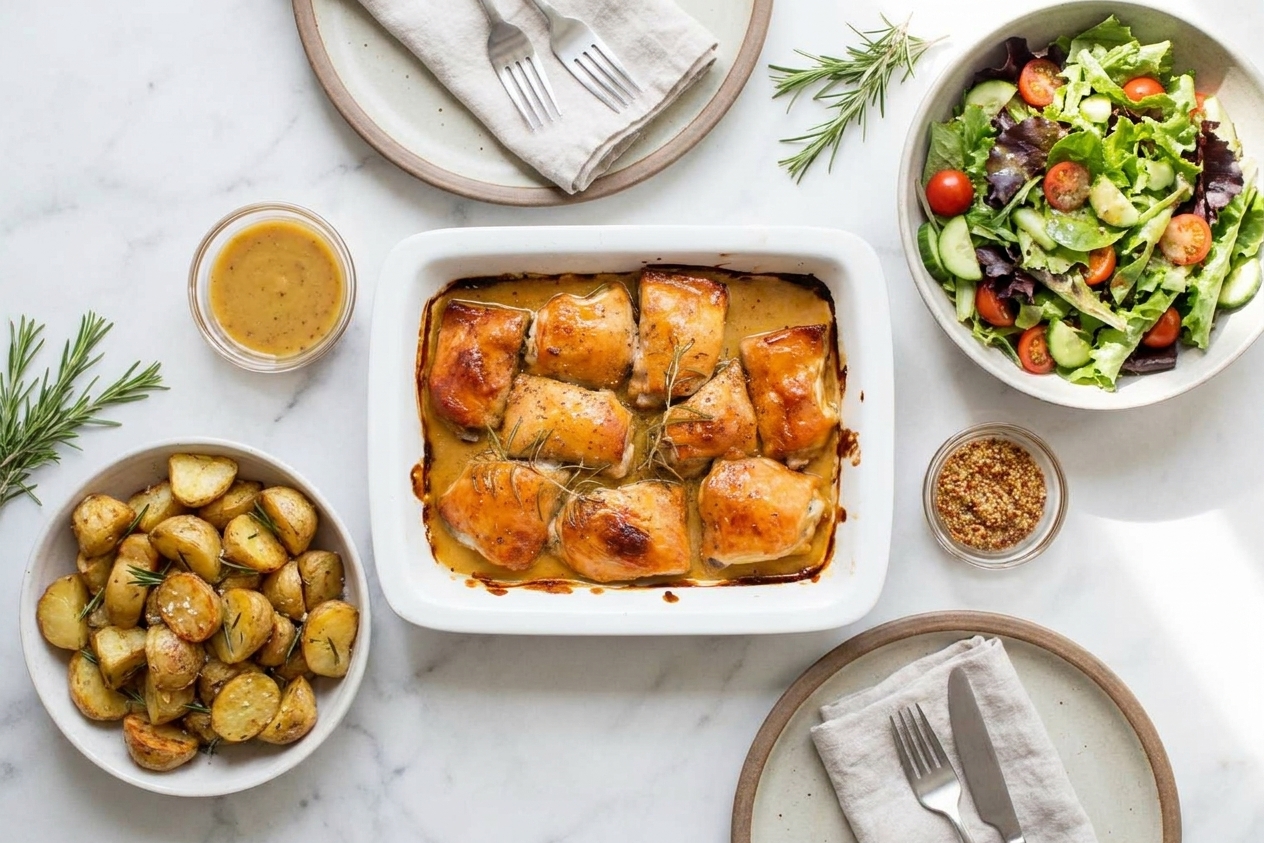
- Oven option: Bake at 425°F for 18 to 25 minutes for boneless chicken (go by 165°F). Optional: simmer pan juices 3 to 5 minutes to thicken.
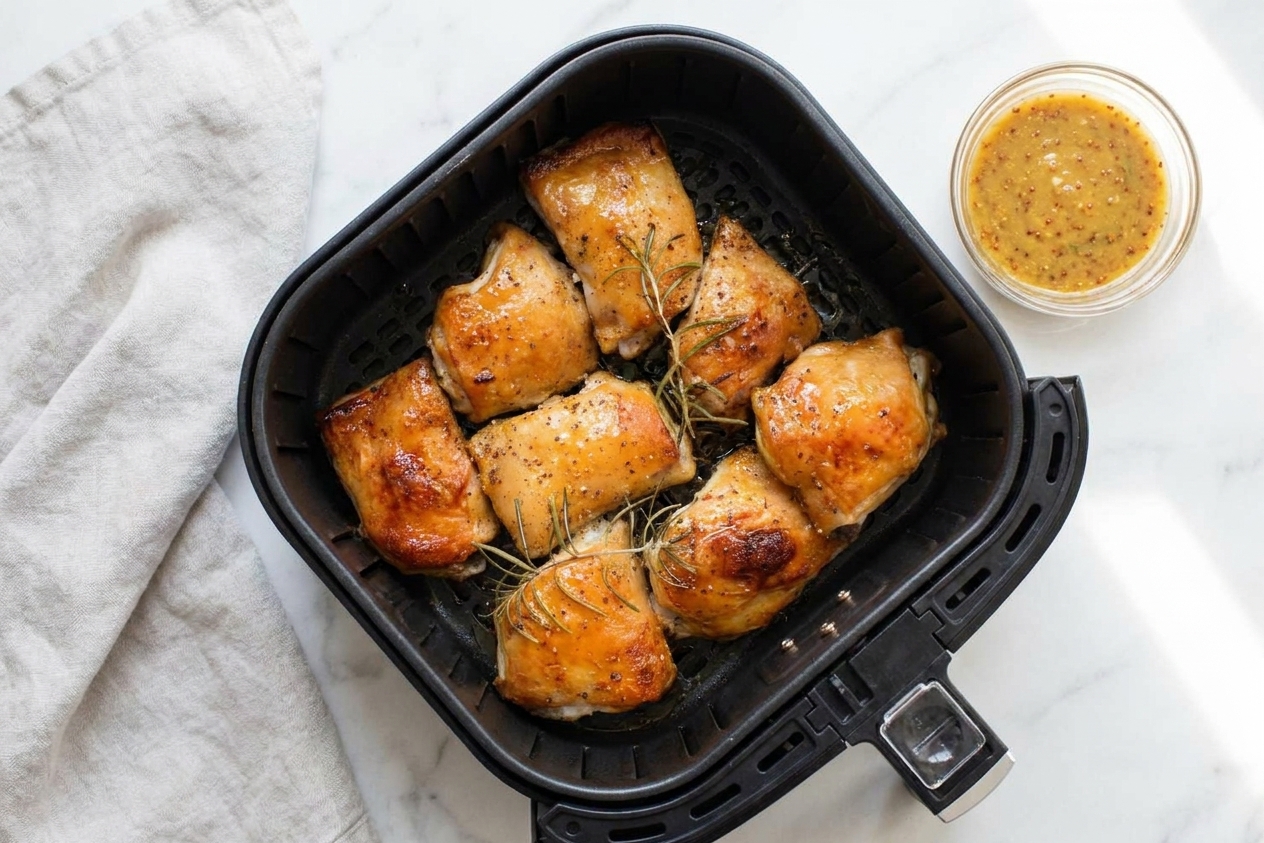
- Air fryer option: Air fry at 380°F for 12 to 16 minutes, flipping halfway, until 165°F; simmer sauce separately 3 to 5 minutes and toss or drizzle at the end.
- Creamy version: Add 2 to 3 tablespoons heavy cream or Greek yogurt off heat; add a little extra salt.
- Spicy version: Add 1/4 to 1/2 teaspoon cayenne or finish with chili crisp.
Serving ideas
This is the part where I quietly try to save your neglected produce drawer.
- Roasted broccoli or cauliflower: Toss with olive oil, salt, roast at 425°F, then drizzle with extra sauce.
- Green beans: Blister in a hot skillet, finish with lemon and flaky salt.
- Potatoes: Roasted baby potatoes or mashed potatoes to catch every drop.
- Salad: Peppery arugula with shaved fennel or apple. The sauce doubles as a dressing when loosened with olive oil.
- Grains: Rice, quinoa, or farro. Add herbs and a squeeze of lemon.
Storage and reheating
- Make ahead: Whisk the sauce up to 5 days in advance and store in a jar. It will thicken in the fridge. That is normal.
- Store leftovers: Refrigerate chicken and sauce up to 4 days.
- Reheat gently: Warm in a covered skillet over low heat with a splash of broth or water. Microwave works too, but use 50 percent power so the chicken stays tender.
- Freeze: Freeze cooked chicken in sauce for up to 2 months. Thaw overnight in the fridge and reheat slowly. The sauce may separate slightly; whisking fixes it.
Common mistakes
My sauce tastes too sweet
Add a squeeze of lemon or 1/2 teaspoon vinegar at a time. Then add a pinch of salt. Sweetness often reads louder when salt is low.
My sauce tastes too sharp
Stir in 1 teaspoon honey and 1 tablespoon broth, then simmer 1 to 2 minutes.
The sauce is thin
Simmer uncovered a few minutes. If you used chicken breasts and did not sear first, you may have extra water in the pan. Reduce a bit longer and it will catch up.
The sauce reduced too far
Loosen with a splash of broth or warm water and whisk until glossy again.
The sauce broke or looks oily
This can happen if the heat is too high, especially after adding butter. Take the pan off heat and whisk in 1 to 2 teaspoons warm water until it comes back together.
FAQ
Can I marinate the chicken in honey mustard?
Yes, but keep it on the shorter side. Mustard and acid can start to change the texture of chicken if left too long, especially with breasts. Aim for 30 minutes to 2 hours if you can, and up to about 4 hours in a pinch. Reserve some fresh sauce for serving since the marinade should not be used as a finishing sauce unless boiled thoroughly.
Is honey mustard chicken healthy?
It can be. Use thighs or breasts, keep honey to 2 to 3 tablespoons, and serve with roasted vegetables and a whole grain. If you want lighter, skip the butter at the end and use broth to loosen the sauce.
Can I make this dairy-free?
Absolutely. The recipe is dairy-free as written if you skip the optional butter finish.
What is the best mustard for honey mustard chicken?
Dijon is my baseline for a balanced sauce. Whole grain adds texture and a more rounded flavor. If you only have yellow mustard, use it, just add a little extra vinegar and garlic to give it backbone.
Honey Mustard Chicken
Method: One-pan skillet (best for glossy sauce) with an easy oven finish option.
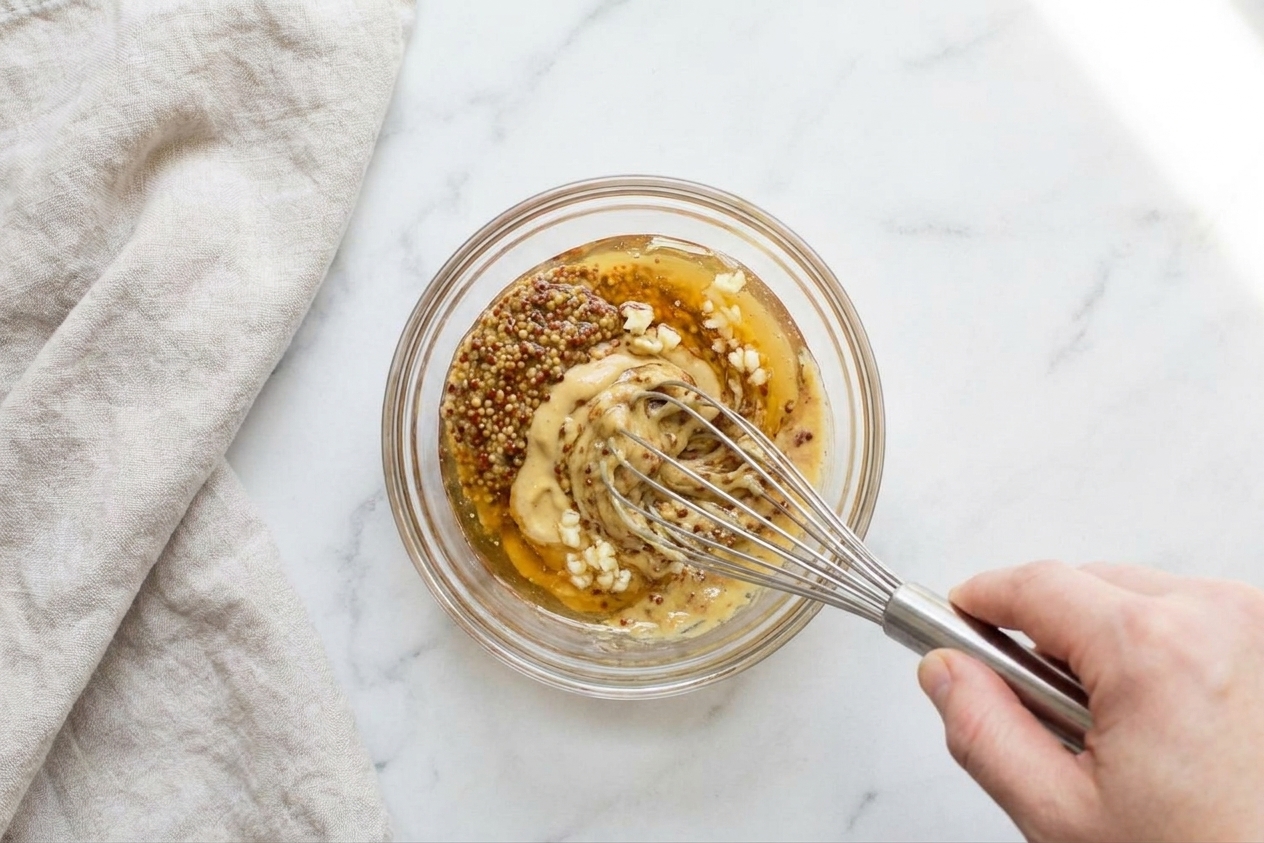
Sweet, sharp honey mustard sauce made with two mustards, finished with acid for balance, and reduced (not thickened with cornstarch) so it clings to the chicken.
- Prep
- 10 minutes
- Cook
- 20 to 30 minutes
- Total
- 30 to 40 minutes
- Yield
- Serves 4
Ingredients
- Chicken: 1 1/2 to 2 pounds boneless skinless chicken thighs (or breasts, see notes)
- 1 teaspoon kosher salt, plus more to taste
- 1/2 teaspoon black pepper
- 1 tablespoon olive oil (or avocado oil)
- Sauce: 1/4 cup Dijon mustard
- 2 tablespoons whole grain mustard (or more Dijon)
- 3 tablespoons honey
- 2 teaspoons apple cider vinegar or 1 tablespoon lemon juice, plus extra to finish
- 2 cloves garlic, finely grated or minced
- 1/2 teaspoon smoked paprika (optional, but great)
- 1/3 cup chicken broth (or water in a pinch)
- Optional: 1 teaspoon chopped rosemary
- To finish: 1 tablespoon butter (optional, for shine), chopped parsley or dill
Instructions
- Season the chicken. Pat the chicken dry. Season both sides with salt and pepper. A dry surface equals better browning and less splatter.
- Sear. Use a 12-inch skillet if you have one, so the chicken can brown instead of steaming. Heat the skillet over medium-high heat. Add oil. Sear chicken 3 to 5 minutes per side until deeply golden (it does not need to be cooked through yet). Transfer to a plate.
- Build the sauce. Lower heat to medium. Add Dijon, whole grain mustard, honey, vinegar or lemon, garlic, paprika, broth, and rosemary if using. Whisk, scraping up any browned bits.
- Simmer and return chicken. Bring sauce to a lively simmer. Return chicken and any juices to the skillet. Reduce heat to medium-low and simmer 6 to 12 minutes, flipping once, until the thickest piece reaches 165°F.
- Finish for balance. Turn off heat. Swirl in butter if using. Taste the sauce. If it tastes flat, add a pinch of salt. If it tastes too sweet, add a squeeze of lemon. If it tastes too sharp, add 1/2 teaspoon more honey. If it reduced too far, loosen with a splash of broth or water.
- Serve. Spoon sauce over the chicken. Top with herbs.
Notes
- Oven option: Heat oven to 425°F. Lightly oil a baking dish or sheet pan. Season chicken with salt and pepper and arrange in the pan. Whisk sauce ingredients together (everything except butter and herbs) and pour over chicken. Bake 18 to 25 minutes for boneless chicken, depending on thickness, until chicken hits 165°F. Bone-in pieces will take longer, so go by temperature, not the clock. Optional: pour pan juices into a small saucepan and simmer 3 to 5 minutes to thicken; loosen with a splash of broth if needed; stir in butter and lemon to taste.
- Air fryer option: Season chicken with salt and pepper. Air fry at 380°F for 12 to 16 minutes, flipping halfway, until 165°F. Meanwhile, simmer sauce ingredients in a small pot for 3 to 5 minutes until slightly thickened. Toss cooked chicken in sauce or drizzle generously. Finish with lemon and herbs.
- Which chicken to use: Boneless thighs stay juicy and are forgiving. For breasts, use cutlets or pound to even thickness; pull at 165°F and let rest 5 minutes. Tenders cook quickly; sear quickly or bake 10 to 14 minutes and watch closely. For bone-in, skin-on thighs, sear skin-side down longer (6 to 8 minutes) to render fat, then finish in a 400°F oven; safe at 165°F, but many people prefer 175°F to 185°F for more tender texture.
- Make-ahead sauce: Whisk up to 5 days ahead and refrigerate; it will thicken in the fridge.
- Leftovers: Refrigerate up to 4 days; reheat gently with a splash of broth or water. Freeze cooked chicken in sauce up to 2 months; thaw overnight in the fridge and reheat slowly. Sauce may separate slightly; whisking fixes it.
Nutrition
- Calories: ~410
- Fat: ~20 g
- Carbs: ~20 g
- Protein: ~37 g
- Fiber: ~1 g
- Sugar: ~17 g
- Sodium: ~650 mg
Nutrition values are approximate and will vary by chicken cut, exact brands, and whether you use the optional butter.