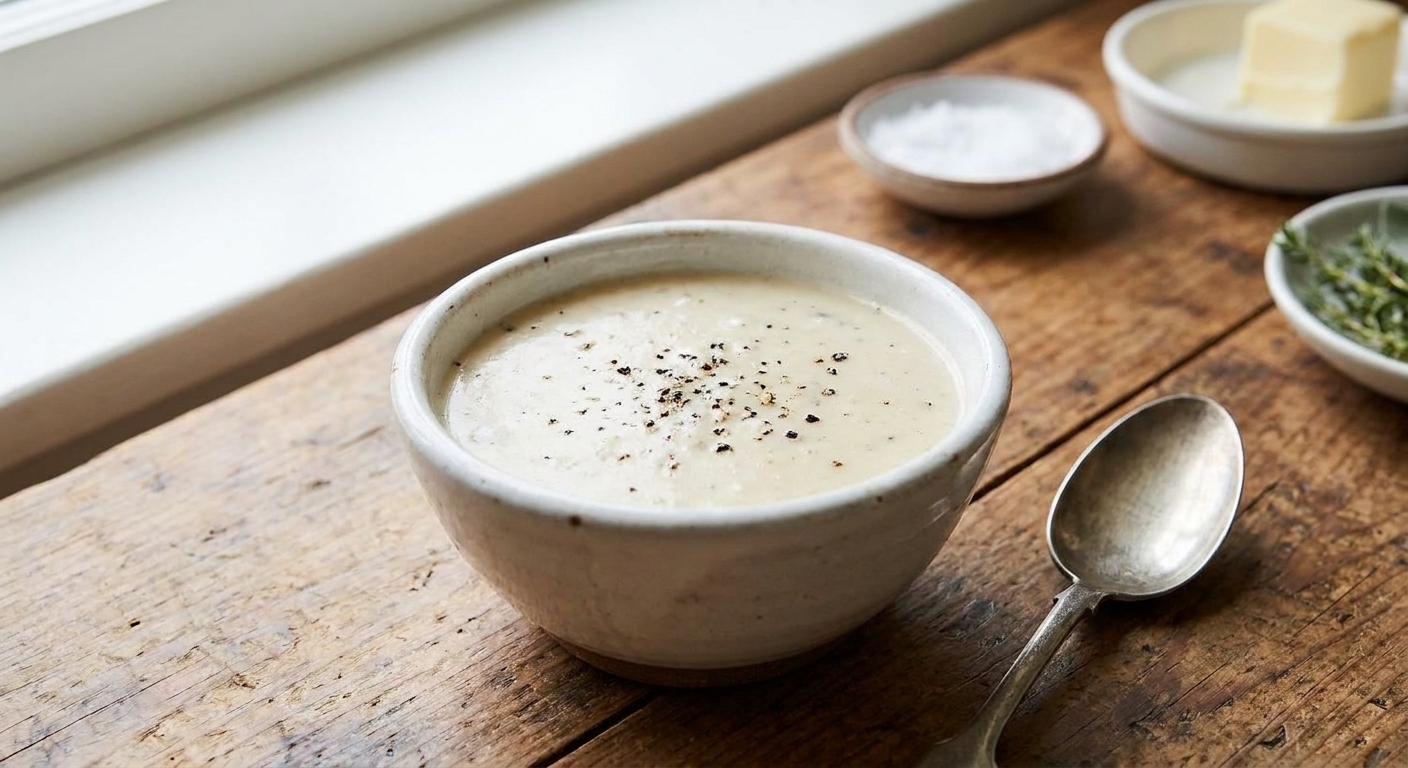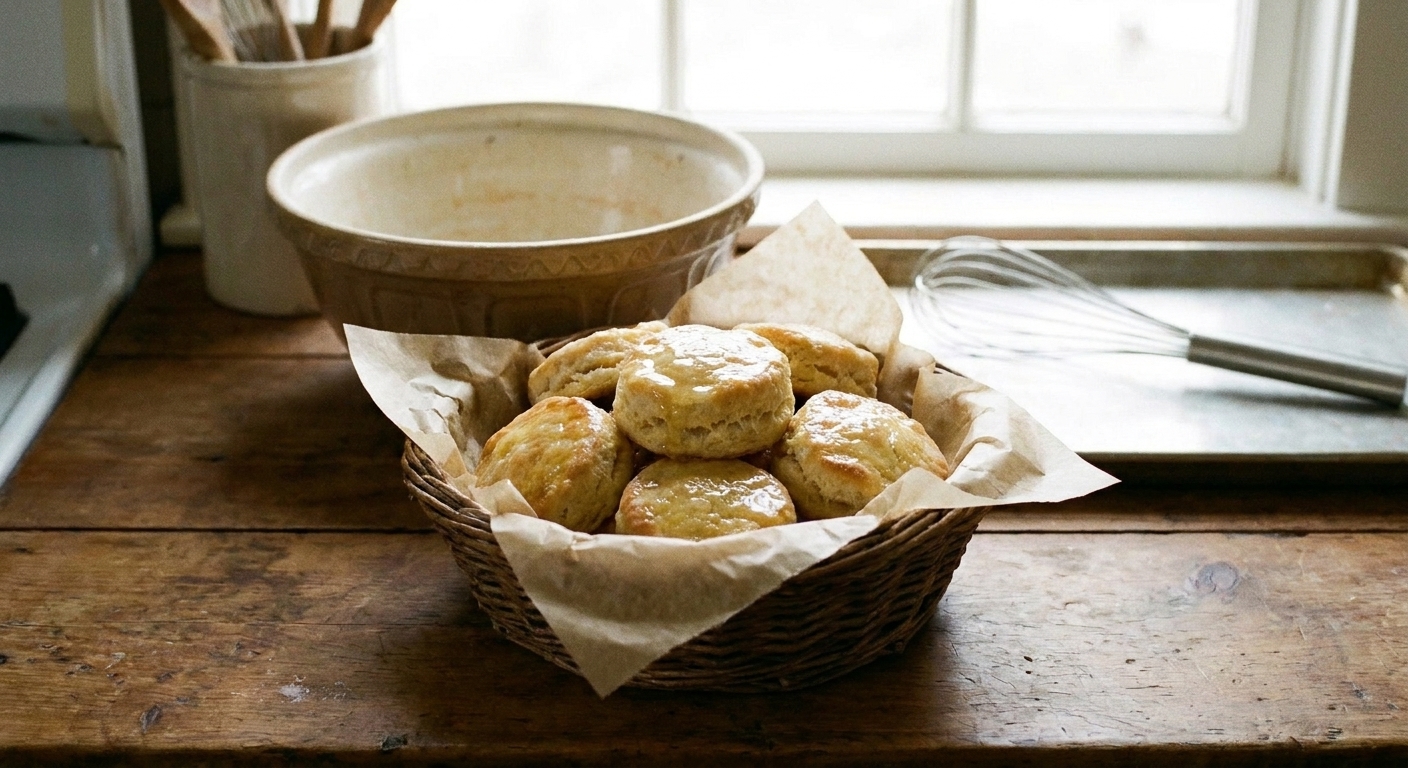

If you have ever wished you could bottle up that specific comfort of a fast-food biscuit, warm, a little sweet, and so soft it lets off a little puff of steam when you split it, this one is for you. These are biscuits inspired by the soft-topped, tender-crumb kind you get at KFC: fluffy, plush, and made for weeknight plates, for sopping up gravy, and for turning a “nothing in the fridge” dinner into something that feels like a real meal.

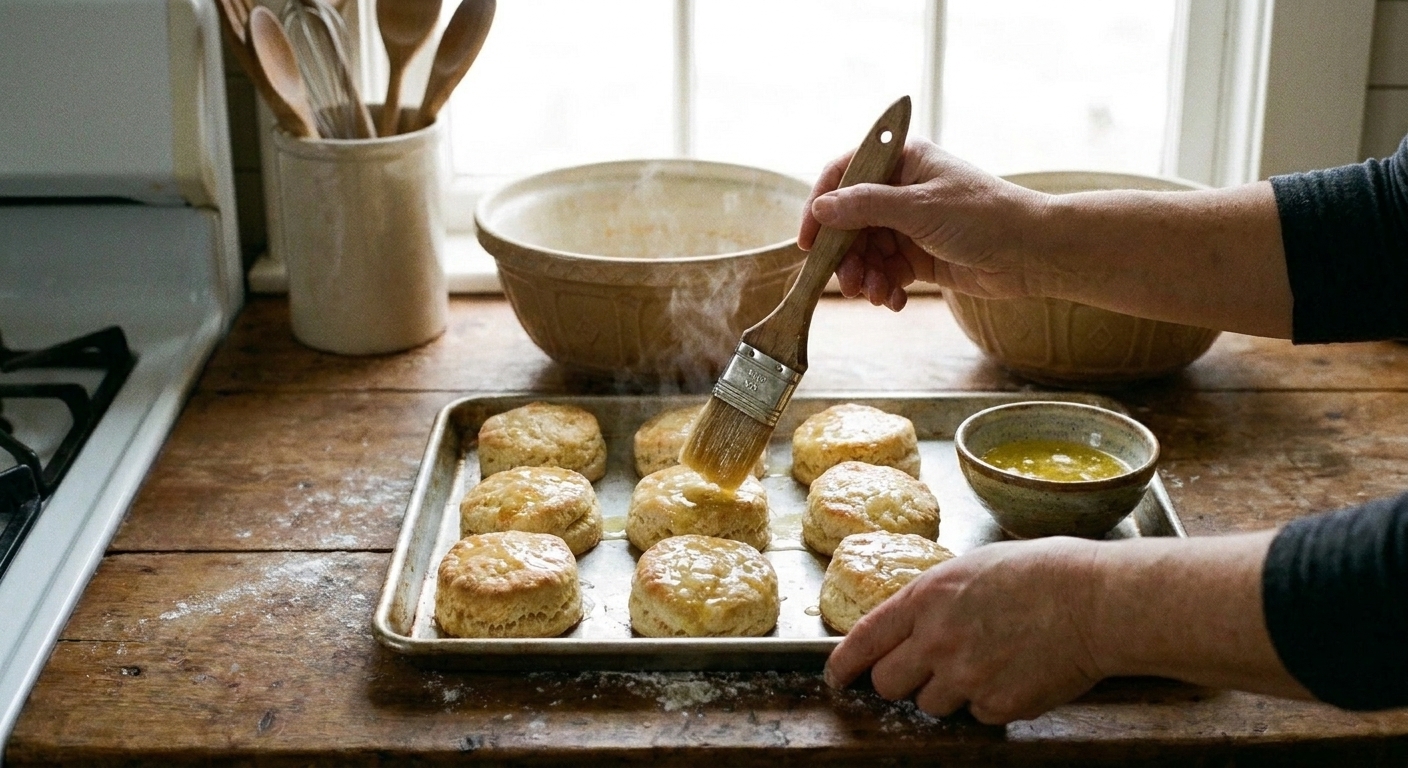
The secrets are simple and repeatable. A blend of butter and a little shortening can push the crumb extra pillowy, buttermilk brings that tangy tenderness, and a hot oven gives you quick lift before the biscuits have a chance to dry out. Keep your fat cold and handle the dough gently and you will be rewarded. The final move is brushing the tops with butter while they are still hot, which keeps the crust soft and cozy even after they cool for a bit.
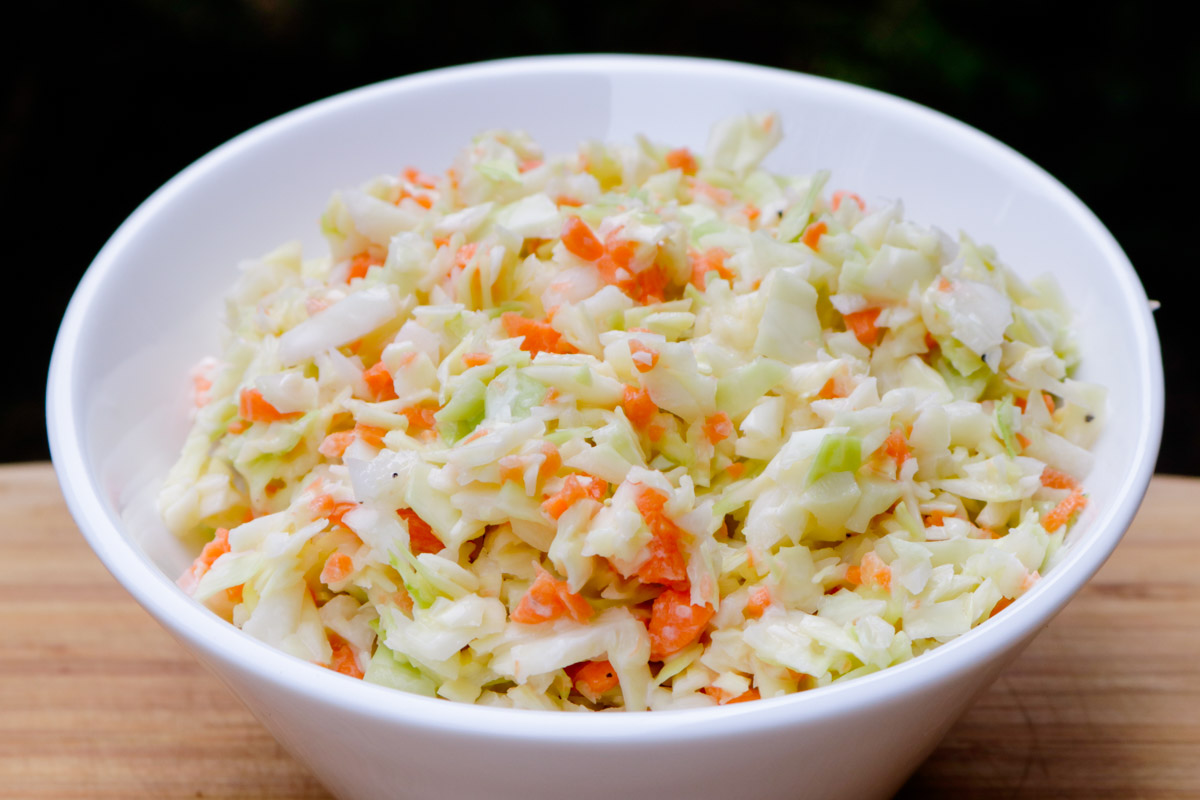
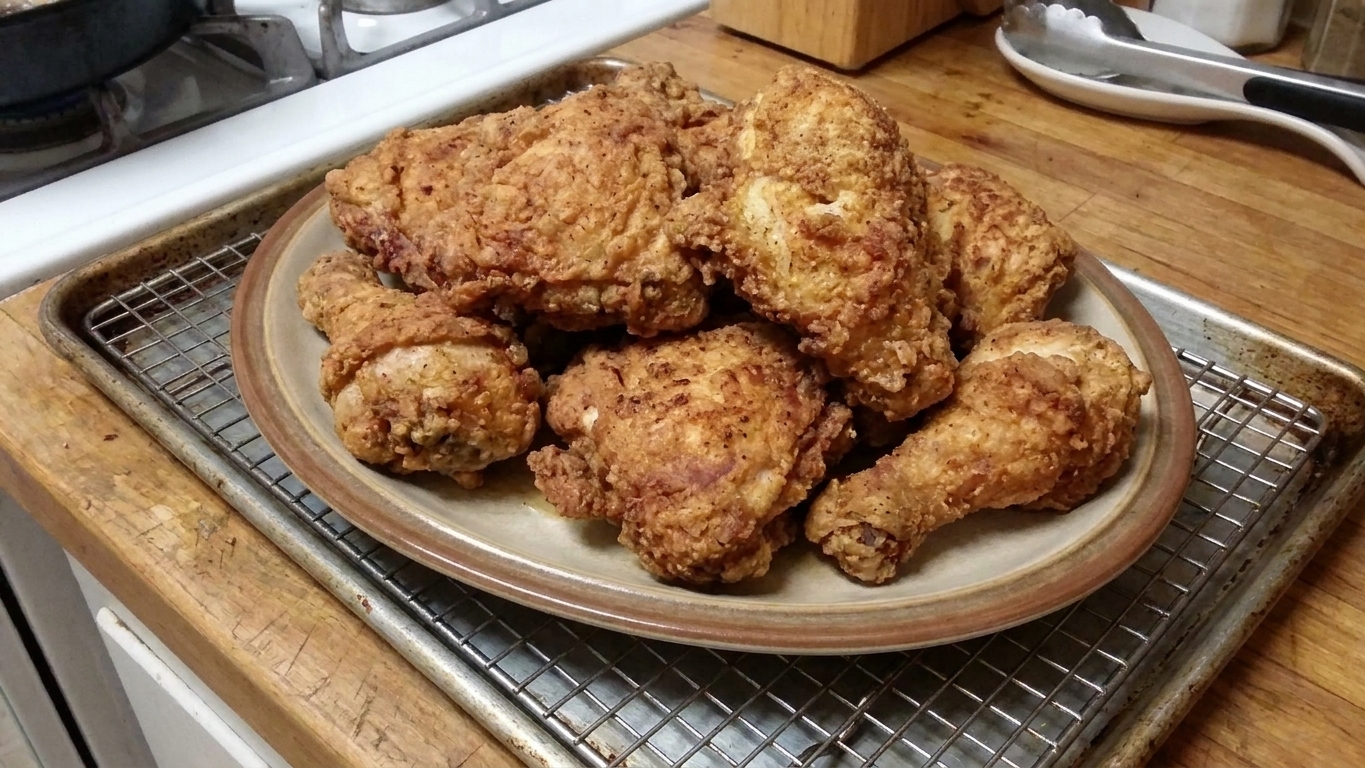
What to expect: a tender crumb that pulls apart in layers (but not ultra-flaky), a lightly sweet, buttery flavor, and a soft top that stays comforting instead of turning dry and crackly. If you are serving these with a creamy cabbage slaw, fried chicken, or mashed potatoes and gravy, consider your comfort-food menu handled.
Why this recipe works
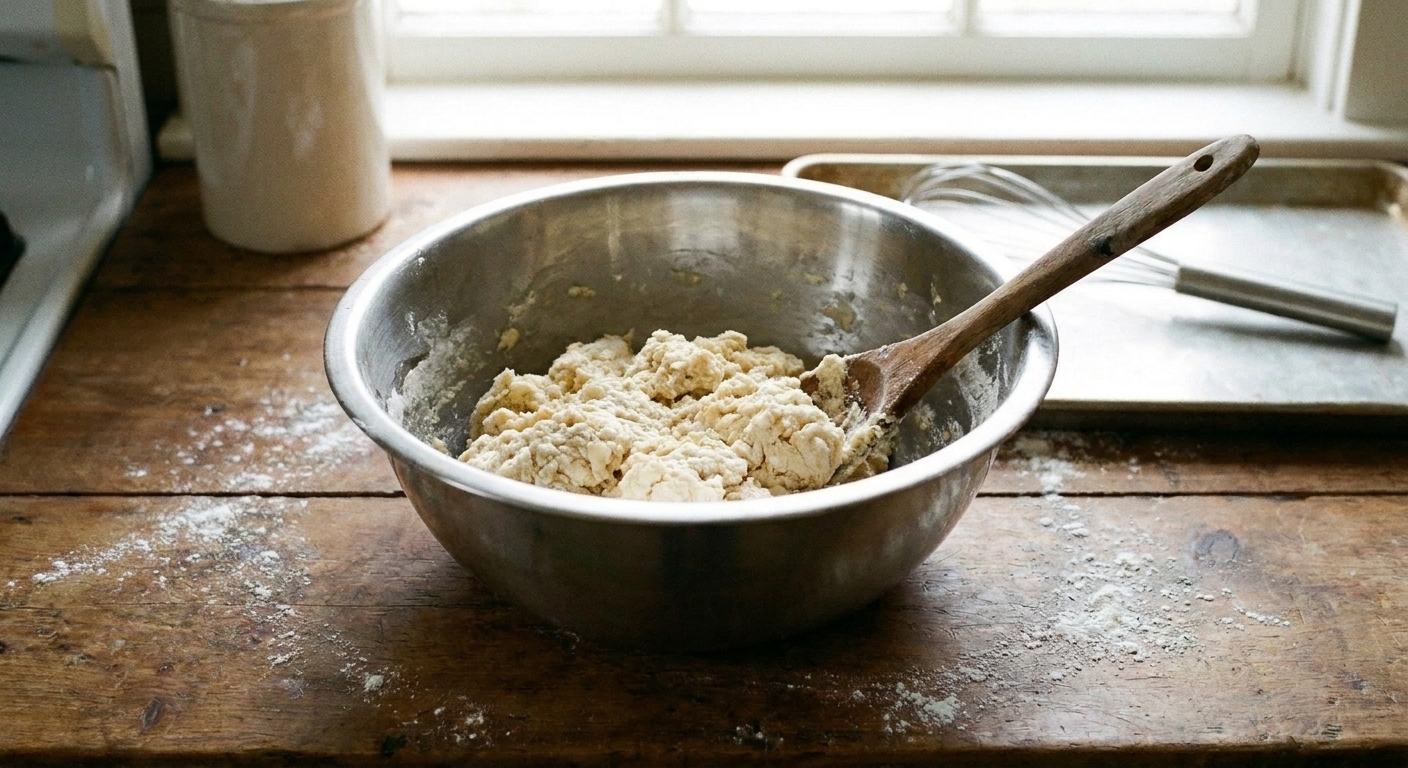
- Cold fat plus a gentle mix equals tenderness. Small pieces of cold fat melt in the oven and leave tiny pockets, giving you that soft, airy interior. Overmixing warms the fat and develops gluten, which is exactly how biscuits turn tough.
- A touch of sugar mimics the restaurant-style profile. Biscuits in this style taste lightly sweet, but not like dessert. The small amount here rounds out the flavor and helps browning without pushing you into scone territory.
- High heat creates fast lift. A hot oven sets the biscuit structure quickly so they rise tall before the fat fully melts out. That is how you get volume without dryness.
- Butter brushed on top keeps the crust soft. Brushing right after baking soaks the surface, softening the crust as the biscuits cool. It is the easiest way to avoid a dry top.
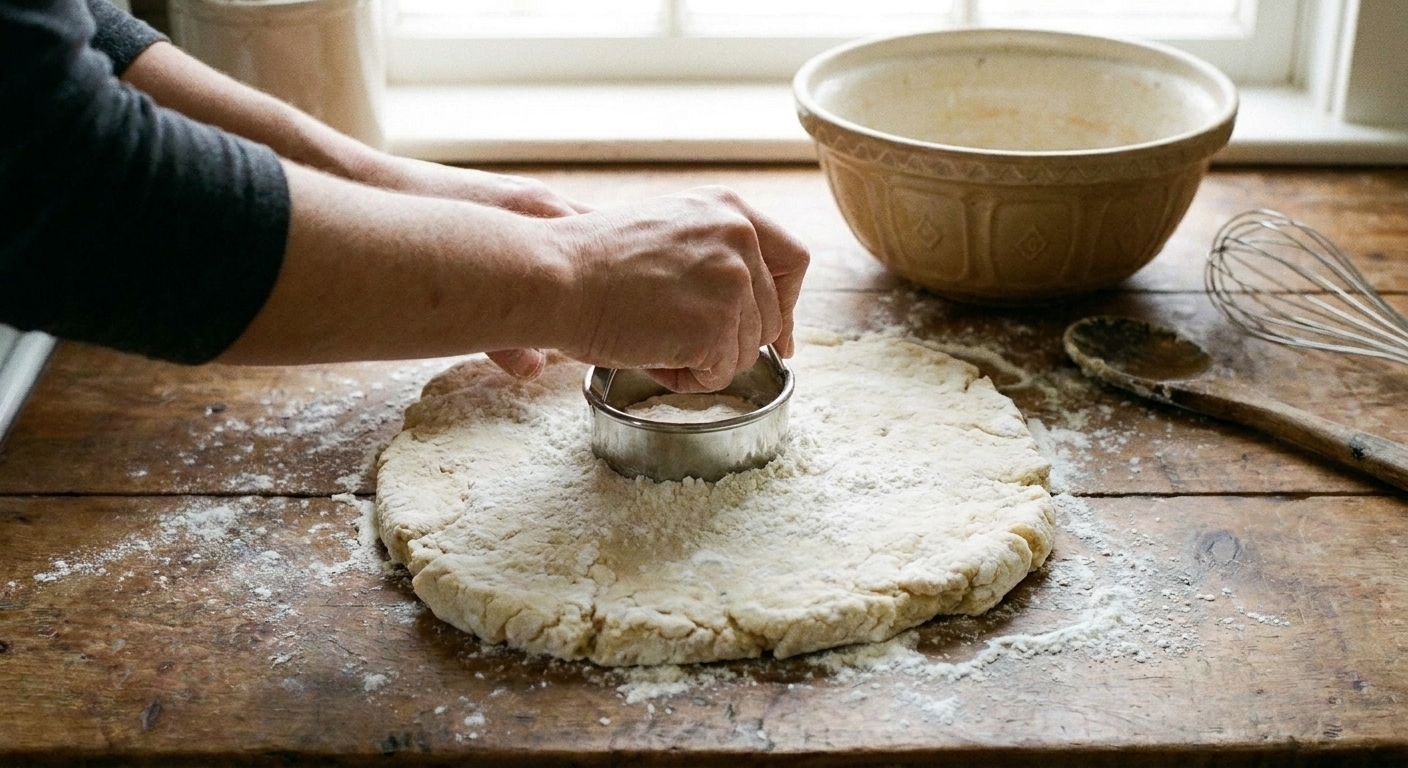
- Cutting straight down keeps the rise even. Twisting a cutter seals edges and reduces lift. A clean press gives you a better, fluffier rise.
Ingredient notes
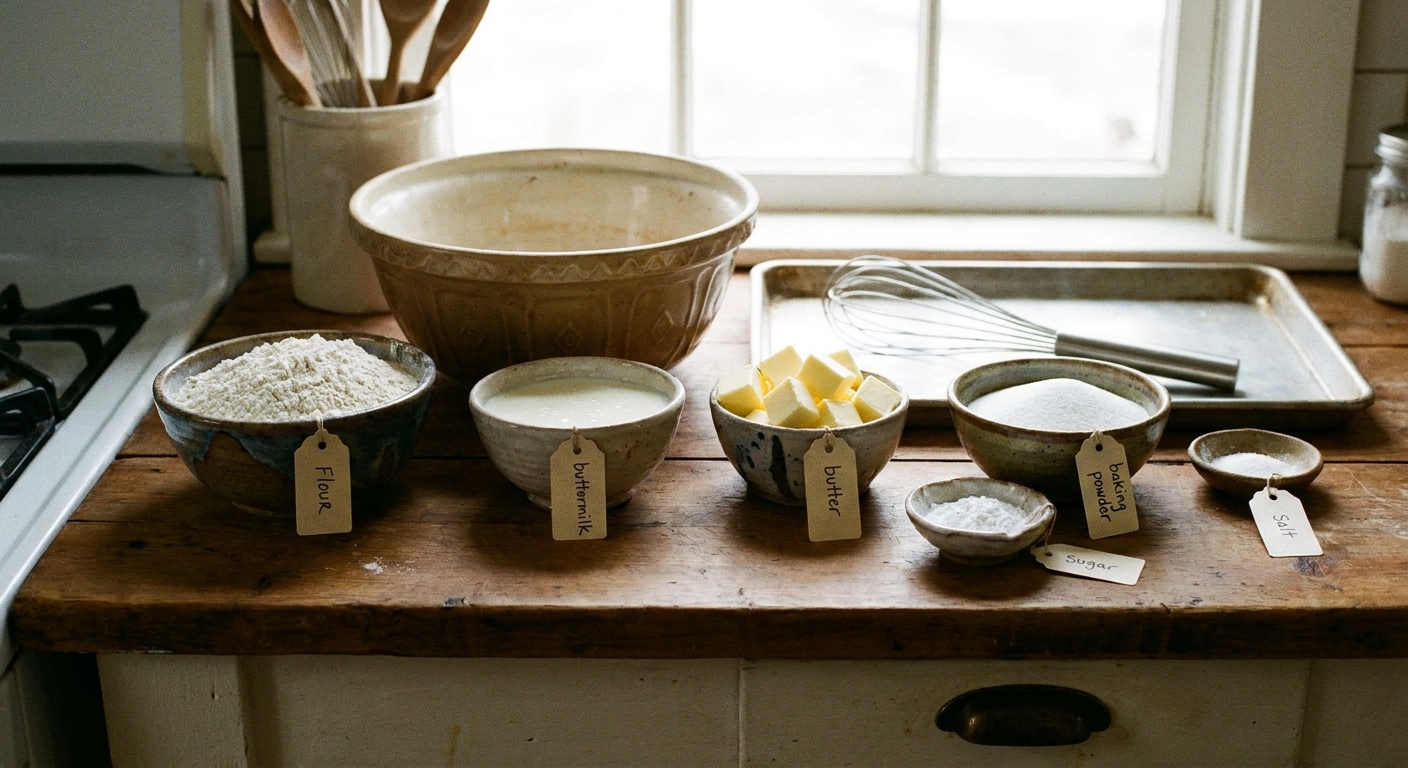
- Flour: All-purpose flour is the goal for that classic tender crumb. If you only have bread flour, you can use it, but the biscuits will be a bit chewier.
- Leavening: Most copycat-style soft biscuits lean on baking powder for lift. Use fresh baking powder. If yours has been open for ages, replace it.
- Sugar: Keep it modest. If you want a more pronounced sweetness like some restaurant biscuits, you can bump it slightly, but go in small increments.
- Fat choice: For KFC-style softness, butter gives great flavor and a tender bite, while a small amount of shortening (or part butter, part shortening) can push the texture even softer because shortening does not contain water. You can do all butter and still get an excellent result.
- Buttermilk: This is the flavor and tenderness driver. The acidity also supports leavening. If you do not have it, see substitutes below.
- Butter for brushing: This is not optional if you want that soft top. Brush as soon as they come out of the oven.
Equipment you will need
- Large mixing bowl
- Box grater or pastry cutter (or your fingertips if you work quickly)
- Measuring cups and spoons
- Bench scraper (helpful, not required)
- Rolling pin (optional, you can pat the dough)
- 2 1/2 to 3-inch biscuit cutter or a straight-sided glass
- Baking sheet
- Parchment paper (helps prevent overbrowning on the bottom)
- Pastry brush for buttering the tops
Pro tips
- Keep everything cold. If your kitchen runs warm, chill the butter and even the mixing bowl for a few minutes. Cold fat is a biscuit’s best friend.
- Mix just until shaggy. You want the dough to look a little rough, not smooth. If you can form it into a cohesive mass without dry flour pockets, stop.
- Fold for structure, not flakes. A couple of simple folds helps the biscuits rise evenly and pull apart, without turning them into laminated, ultra-flaky biscuits.
- Set biscuits close together for softer sides. Biscuits that touch bake up taller and more tender around the edges, very much the restaurant vibe.
- Brush butter twice. Once immediately out of the oven, then again 5 minutes later for maximum softness and flavor.
- Season like you mean it. Soft biscuits can taste flat without enough salt. If you are salt-shy, start with the recipe amount, bake one tester biscuit, then adjust next time.
Substitutes that work
- No buttermilk: Stir 1 tablespoon lemon juice or white vinegar into 1 cup milk and let it sit 5 to 10 minutes. Whole milk is best for tenderness, but any milk works.
- No biscuit cutter: Use a straight-sided drinking glass and flour the rim. Avoid twisting when you cut.
- No parchment: You can bake directly on the sheet, but watch the bottoms closely. If your sheet runs hot, parchment helps prevent overbrowning.
- Butter only versus butter plus shortening: All-butter tastes best. A 50-50 blend (by weight) of butter and shortening gives the softest, most KFC-like bite.
- Dairy-free: Use cold plant-based butter and full-fat unsweetened plant milk plus a splash of vinegar. The flavor will shift, but the method still works.
Variations
- Honey butter tops: Replace half the brushing butter with honey for a sweeter finish.
- Black pepper biscuits: Add a generous pinch of cracked black pepper to the dry ingredients for a savory edge.
- Garlic butter: Stir a little garlic powder into the melted butter you brush on top.
- Mini biscuits: Cut smaller rounds and reduce bake time, watching for golden tops.
Serving ideas
- Serve with mashed potatoes and gravy for the full comfort-food plate.
- Split and make a quick sandwich with fried chicken or rotisserie chicken.
- Use as a base for a breakfast biscuit with eggs and cheese.
- Pair with creamy slaw and any roast chicken or baked chicken dinner.
- Turn leftovers into strawberry shortcake style biscuits with macerated berries and whipped cream.
Storage and reheating
- Room temperature: Store in an airtight container up to 2 days. Rebrush with a little melted butter after reheating for best softness.
- Reheat: Wrap in foil and warm in a 325°F oven until heated through, or microwave briefly and then brush with melted butter.
- Freeze baked biscuits: Cool completely, freeze in a bag, and rewarm wrapped in foil in a 325°F oven.
- Freeze unbaked: Cut biscuits, freeze on a sheet tray, then bag. Bake from frozen, adding a few extra minutes.
Common mistakes
- Overmixing the dough: This is the fastest path to tough biscuits. Stop mixing the moment the dough holds together.
- Warm butter: If the butter smears into the flour instead of staying in small pieces, your biscuits will bake denser and less tender. Chill the dough if it starts feeling greasy.
- Twisting the cutter: It seals the edges and reduces rise. Press straight down and lift straight up.
- Too much flour on the counter: Excess bench flour can streak into the dough and dry it out. Use just enough to prevent sticking.
- Skipping the butter brush: Without it, the top crust sets firmer and dries faster. Brush while hot for that soft finish.
FAQ
Are KFC-style biscuits supposed to be flaky?
They are more tender and fluffy than dramatically flaky. You should still see some pull-apart layering, but the vibe is soft and plush.
What fat is closest to the restaurant texture?
A blend of butter and shortening gives the softest, most pillowy crumb. All-butter is absolutely delicious and still very close, just slightly less soft in texture.
Why do my biscuits turn out dry?
Common causes are too much flour (especially from heavily flouring the counter), overmixing, baking too long, or not brushing with butter. Also, a too-low oven can dry biscuits out before they fully rise.
Can I make the dough ahead?
You can cut the biscuits and refrigerate them for a few hours before baking, or freeze them. The colder they go into the oven, the better they rise.
How do I keep biscuit tops soft after baking?
Brush with melted butter immediately, then cover loosely with a clean towel for 10 to 15 minutes as they cool. That gentle steam helps soften the crust.
KFC-Style Biscuits
Soft, slightly sweet, KFC-style biscuits with a tender crumb and buttery tops that stay pillowy, not dry.
- Prep
- 15 minutes
- Cook
- 12 to 15 minutes
- Total
- 30 minutes
- Yield
- 10 biscuits
Ingredients
- 2 cups (240 g) all-purpose flour, plus more for the counter
- 1 tablespoon baking powder
- 1/2 teaspoon baking soda
- 1 teaspoon fine salt
- 2 tablespoons (25 g) granulated sugar
- 6 tablespoons (85 g) cold unsalted butter, grated or cut into small cubes
- 2 tablespoons (30 g) cold vegetable shortening (optional, for extra softness)
- 3/4 cup (180 ml) cold buttermilk, plus 1 to 2 tablespoons more if needed
- 2 tablespoons (28 g) melted butter, for brushing tops (plus more to taste)
Instructions
- Heat the oven. Arrange a rack in the upper third of the oven and preheat to 450°F. Line a baking sheet with parchment paper.
- Mix the dry ingredients. In a large bowl, whisk together the flour, baking powder, baking soda, salt, and sugar until evenly combined.
- Cut in the fat. Add the cold butter (and shortening, if using). Use a pastry cutter, your fingertips, or two forks to work it into the flour until you have a mix of pea-sized pieces and some smaller sandy bits. If the butter starts to feel soft or glossy, pop the bowl in the fridge for 5 minutes.
- Add buttermilk. Pour in 3/4 cup buttermilk and stir with a fork just until a shaggy dough forms. If there is still a lot of dry flour at the bottom, add 1 tablespoon buttermilk at a time until the dough looks evenly moistened. It should be soft and a little sticky, not stiff.
- Fold gently. Turn the dough out onto a lightly floured counter. Pat into a rough rectangle about 3/4-inch thick. Fold it in half, then pat it back down. Repeat 1 to 2 more times. This helps the biscuits rise and pull apart without overworking the dough.
- Cut the biscuits. Pat the dough to about 3/4 to 1-inch thickness. Dip a 2 1/2 to 3-inch cutter in flour and press straight down, without twisting. Place biscuits on the prepared baking sheet with the sides just touching for softer edges. Gather scraps gently, pat, and cut once more.
- Bake hot. Bake 12 to 15 minutes, until the tops are puffed and lightly golden. The sides should look set and the biscuits should feel light when you lift one carefully with a spatula.
- Brush for softness. Immediately brush the hot biscuit tops with melted butter. Let cool 5 minutes, then brush again if you want an extra-soft, buttery finish. Serve warm.
Notes
Fat choice note: For the closest KFC-style softness, use the optional shortening. For the best buttery flavor, use all butter. You can also do a middle path by replacing 2 tablespoons of the butter with 2 tablespoons shortening.
Make-ahead note: Cut biscuits can be frozen on a sheet tray, then bagged. Bake from frozen at 450°F, adding a few extra minutes, and brush with butter as usual.