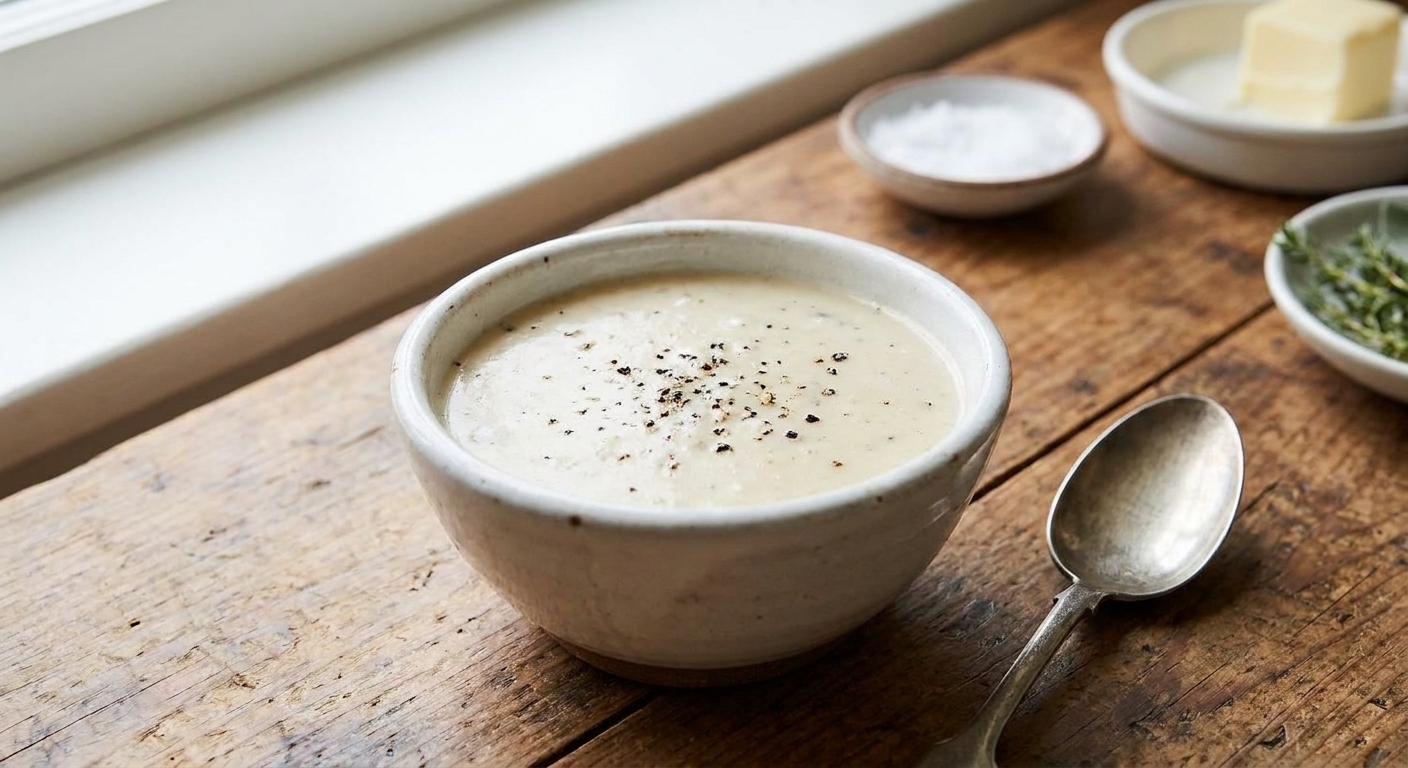

If you have ever chased that cozy, peppery, savory gravy you get alongside fried chicken, this is the at-home version that actually delivers. It is built using a classic approach: a quick roux, warm, seasoned broth, and a short simmer until it coats the back of a spoon.

What makes it taste right is not anything mysterious. It is a balance of chicken-rich depth, enough black pepper to read as "fried chicken gravy," and just a hint of onion and garlic in the background. The key is taking the roux to the right shade, then whisking like you mean it, meaning whisk constantly, while you add warm liquid.
And if you just fried chicken, you are in luck. You can turn those browned bits and a little seasoned oil into gravy fast, usually in about 10 minutes, because the best flavor is already stuck to the pan. It is one of my favorite low-effort, high-reward ways to reduce food waste.
What this gravy should look like
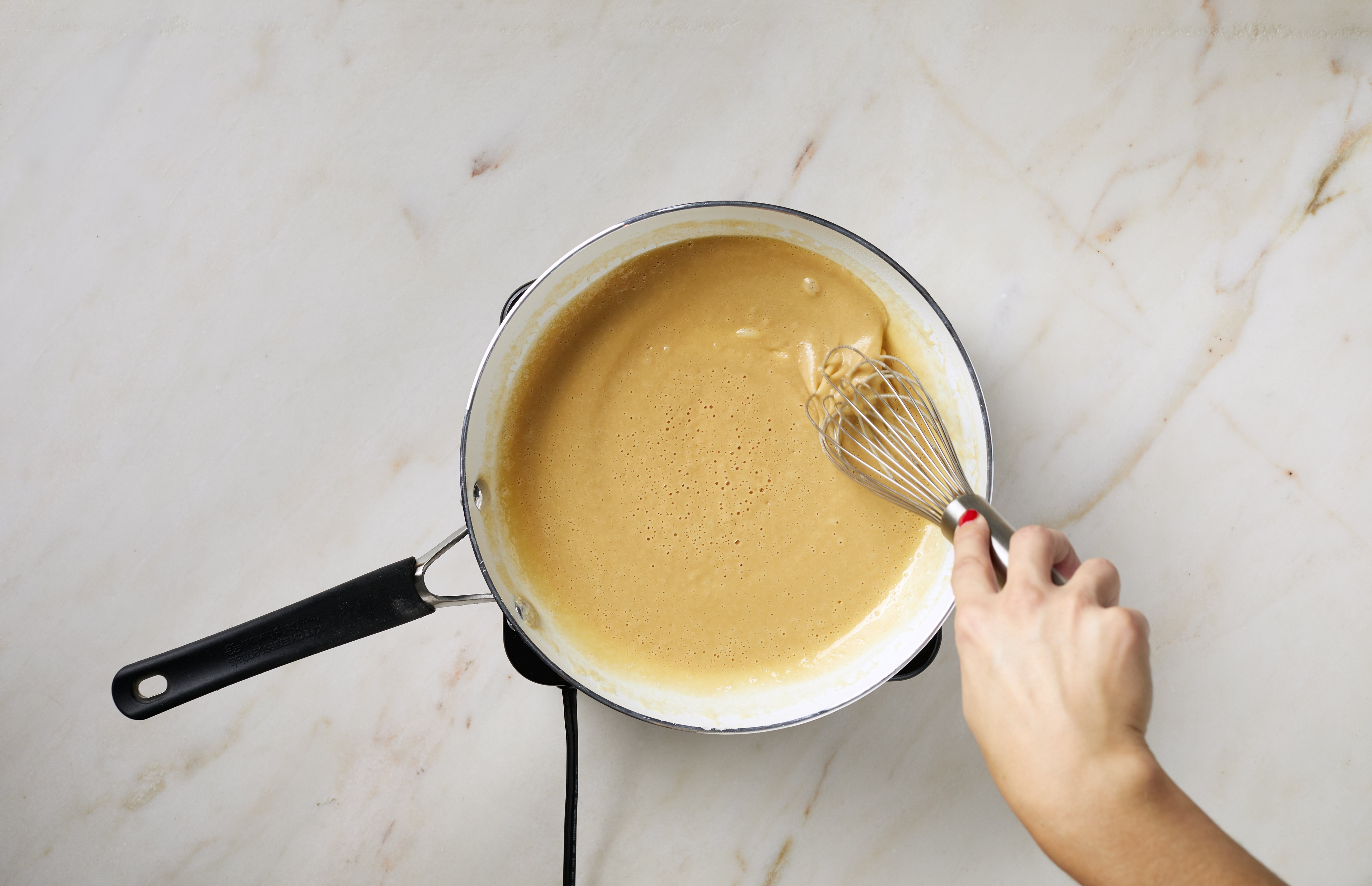
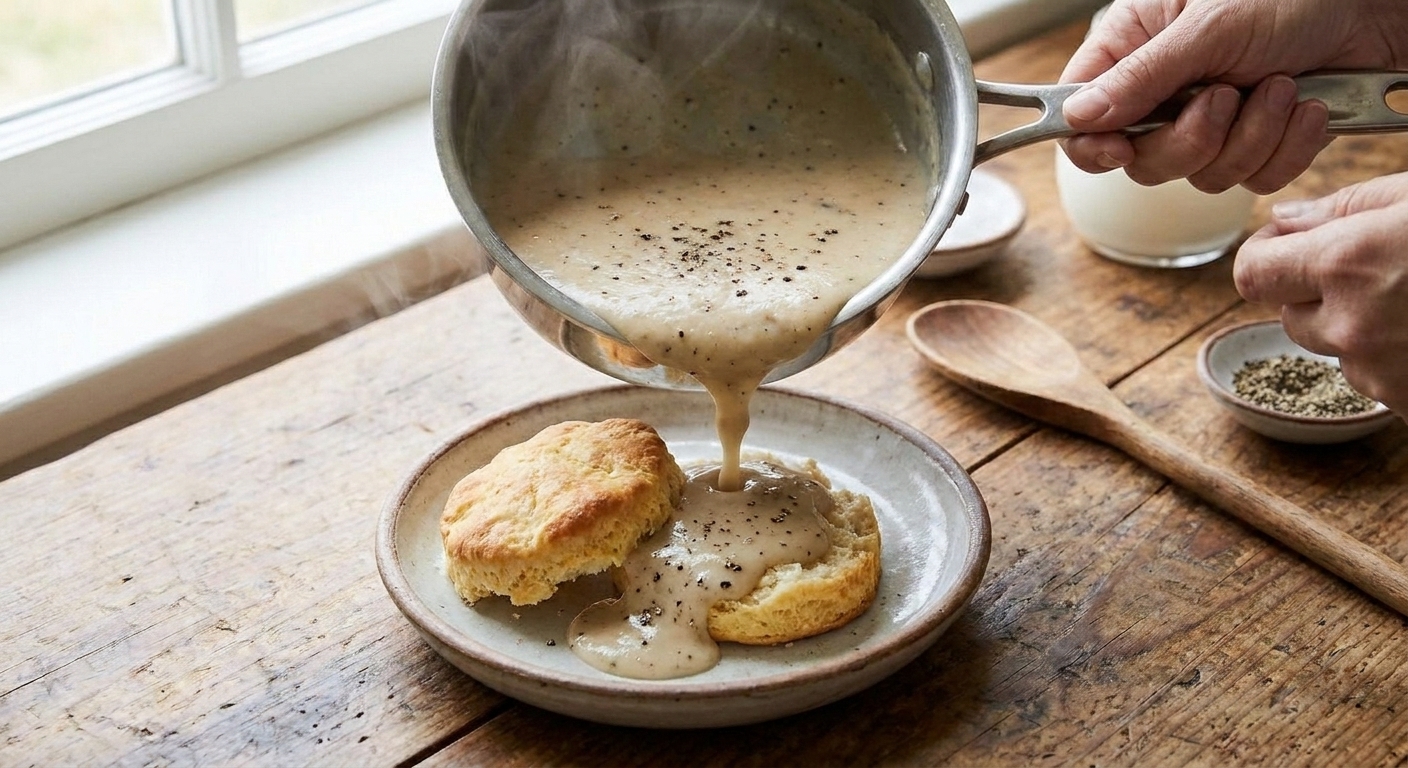
This style is smooth, creamy, and pepper-forward, with a light tan color. Think "spoonable," not gluey. For mashed potatoes, you want it to mound slightly on the spoon, then relax. For biscuits, you can go a touch thicker so it sits on top instead of immediately soaking in.
The drip-pan shortcut
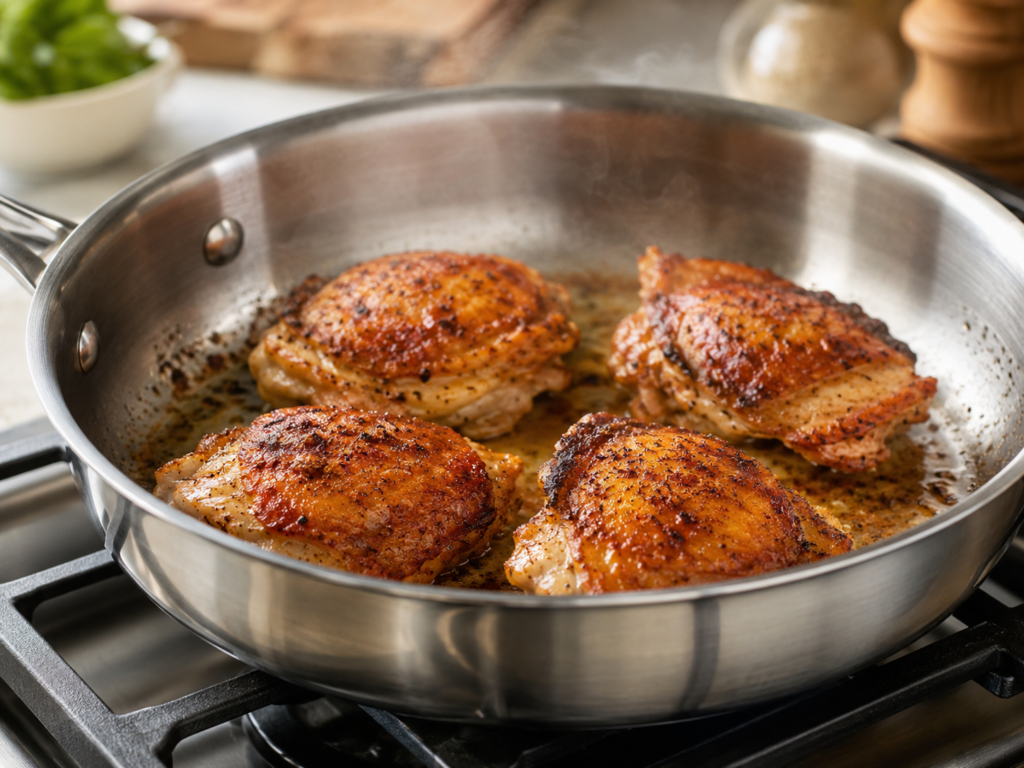
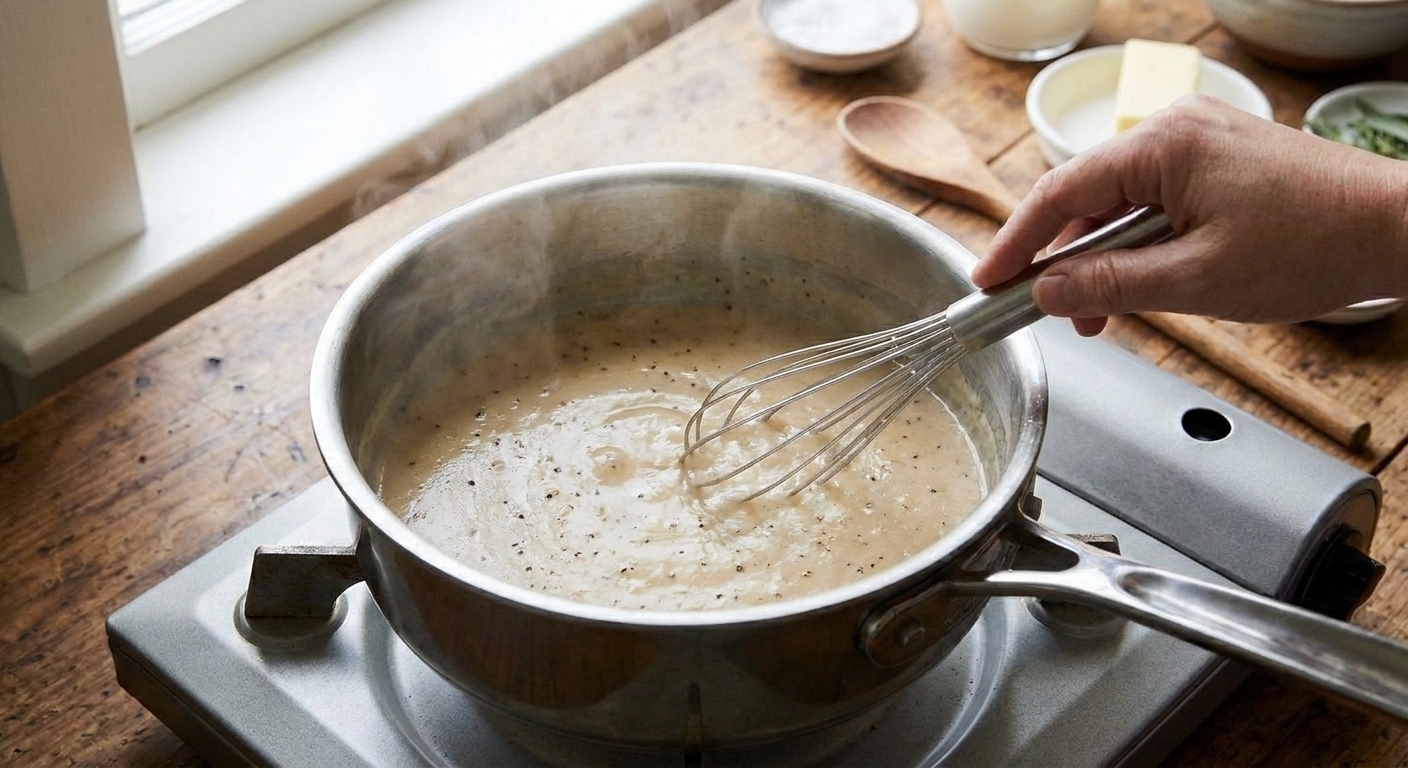
If you have a skillet or Dutch oven with frying oil and browned bits after making fried chicken, you are already halfway there. Using a little of that seasoned fat and scraping up the fond builds a gravy that tastes like it came from a fried chicken shop, because it basically did.
I love this approach for two reasons. First, it is faster since the pan already has built-in flavor. Second, it is the easiest way to avoid that "nice but kind of plain" homemade gravy problem. Those browned bits bring depth, and any spices from your dredge or fry oil end up seasoning the whole thing without extra effort.
If you go this route, keep an eye on salt. Drippings can be salty, and the gravy concentrates slightly as it simmers, so it is better to taste at the end and adjust.
Quick fixes and flavor notes
If it gets too thick: Whisk in a splash of warm broth or milk until it loosens back into a thick ribbon. Gravy tightens as it cools, too, so do not be surprised if leftovers need a little thinning.
If it is too thin: Give it a few more minutes at a gentle simmer. Most gravies just need a little time to finish thickening once the flour cooks and hydrates.
If you get lumps: Take the pan off the heat and whisk hard for a short burst. If it is still bumpy, strain it. Nobody has to know.
If it tastes bland: Pepper is the signature here, so do not be shy. Freshly cracked black pepper reads more aromatic and "fried chicken" to me, while finely ground pepper gives a more even, peppery warmth. For the best flavor, add some pepper while the gravy is hot so it blooms, then taste and add more at the end for that bright, pepper-forward finish.
Why this recipe works
- Roux color is the flavor lever. Taking the flour and fat to a light tan gives you toastiness without pushing into a darker, nutty gravy that reads more like roast turkey.
- Warm liquid plus steady whisking prevents lumps. Adding warm broth in a slow stream lets the roux absorb and disperse evenly.
- Black pepper is the signature. A generous amount makes it taste like classic fried chicken gravy instead of a mild cream sauce.
- Two thickness targets. The recipe gives cues for mashed potatoes (pourable) and biscuits (slightly thicker) so you can finish it exactly where you want.
Ingredient notes
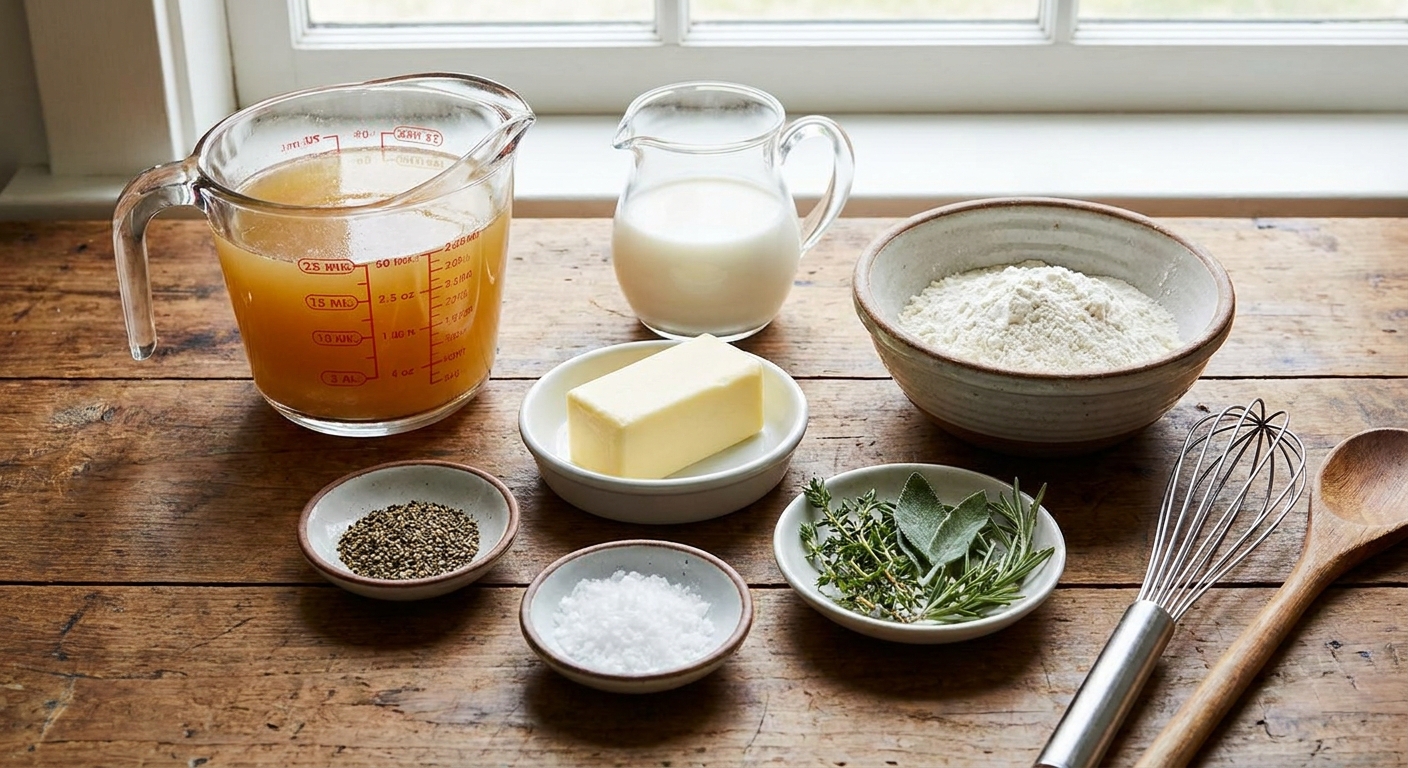
- Fat (butter or pan drippings): Butter is consistent and clean. Pan drippings add extra fried-chicken flavor. If using drippings, aim for about 3 tablespoons fat and try to include some browned bits.
- All-purpose flour: This is your thickener. Measuring matters here. Too much flour makes gravy pasty.
- Chicken broth: Use low-sodium if you can. It gives you control since gravy concentrates as it simmers.
- Milk or half-and-half: This softens the salt and pepper into that creamy, diner-style finish. Use milk for lighter gravy, half-and-half for richer gravy.
- Black pepper: Freshly ground tastes best and reads more aromatic. If you only have pre-ground, add it in two rounds and taste as you go.
- Garlic powder and onion powder: These give the "fast food gravy" backbone without tasting like you dumped in spices.
Equipment you will need
- Medium saucepan or deep skillet
- Whisk (a balloon whisk helps)
- Measuring spoons
- Liquid measuring cup
- Fine mesh strainer (optional, for rescuing lumps)
Pro tips
How dark to take the roux
For KFC-style gravy, stop at light tan, about the color of a manila folder or peanut butter that has been stirred well. You should smell a warm, toasty aroma, not raw flour. If it turns deep brown, it will taste more like a darker pan gravy and the thickening power drops.
How to add broth without lumps
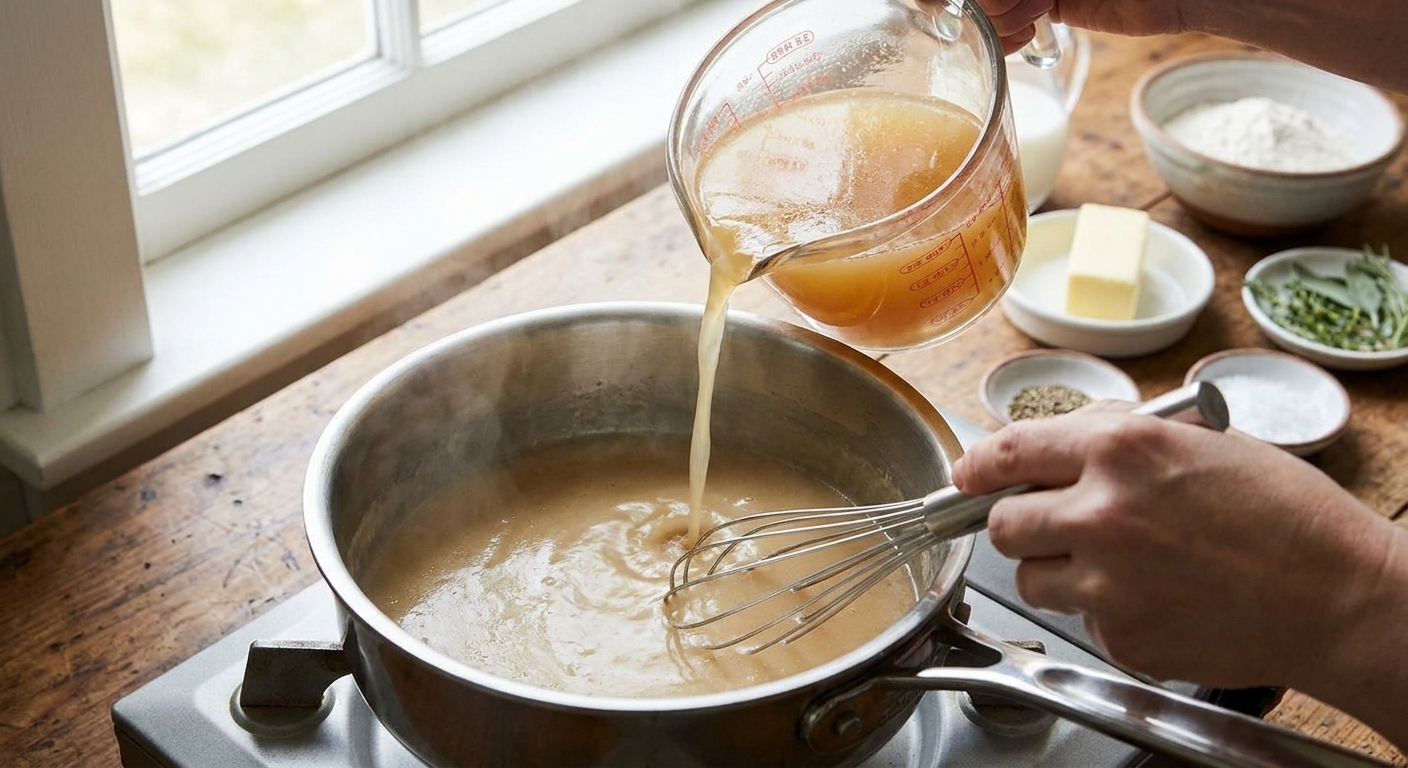
Warm your broth first. Then whisk constantly while you add it in a thin stream. If you add cold broth all at once, the roux tightens up and you get dumpling-like flour pockets.
How to smooth lumps fast
- Whisk off heat: If you see lumps forming, pull the pan off the burner and whisk vigorously for 20 to 30 seconds.
- Thin, then simmer: Add a splash more warm broth to loosen the mixture, whisk smooth, then simmer back to your target thickness.
- Strain: For stubborn lumps, pour through a fine mesh strainer, then return to the pan and reheat gently.
Thickness cues you can actually use
- For mashed potatoes: When you drag a spoon through the gravy, it should leave a trail that slowly fills in. It will drip off the spoon in a thick ribbon.
- For biscuits: Simmer 1 to 3 minutes longer. It should fall from the spoon more slowly and sit on top of a biscuit before sinking in.
Substitutes that work
- No milk: Use more broth for a classic brown-style chicken gravy. It will be less creamy but still peppery and delicious.
- No butter: Use neutral oil (or chicken fat, bacon fat, or drippings). If using strongly flavored fat, keep it subtle so the gravy still tastes like chicken.
- Gluten-free: Use a 1:1 gluten-free flour blend designed for thickening, and cook the roux gently for a full 2 minutes to remove any raw taste. Results vary by brand.
- Vegetarian option: Use vegetable broth and butter, then bump up onion powder, pepper, and a tiny pinch of MSG if you cook with it.
Variations
- Extra peppery: Add a pinch of white pepper in addition to black pepper for that old-school gravy edge.
- Spicy: Add a pinch of cayenne or a few dashes of hot sauce while simmering.
- More "fried chicken" flavor: Use the drip-pan shortcut, or whisk in 1 to 2 teaspoons of the seasoning you used on your fried chicken at the end and taste carefully for salt.
- Onion-forward: Add 1 tablespoon very finely minced onion to the fat and cook 2 minutes before adding flour.
Serving ideas
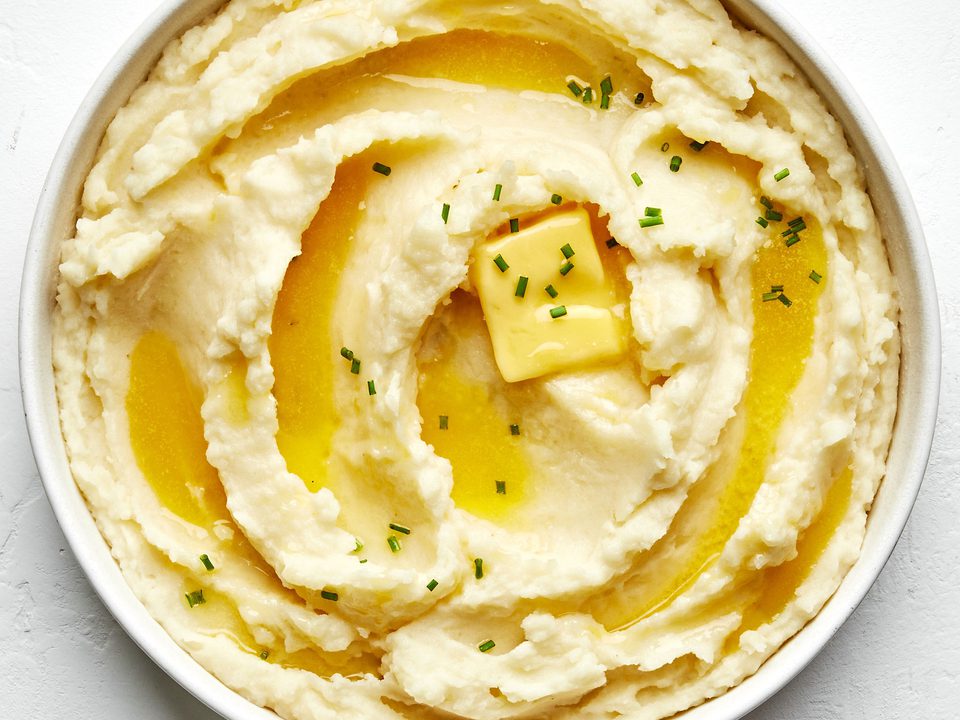
- Spoon over mashed potatoes with fried chicken on the side
- Smother biscuits for a quick breakfast-for-dinner situation
- Use as a dipping gravy for chicken tenders or fries
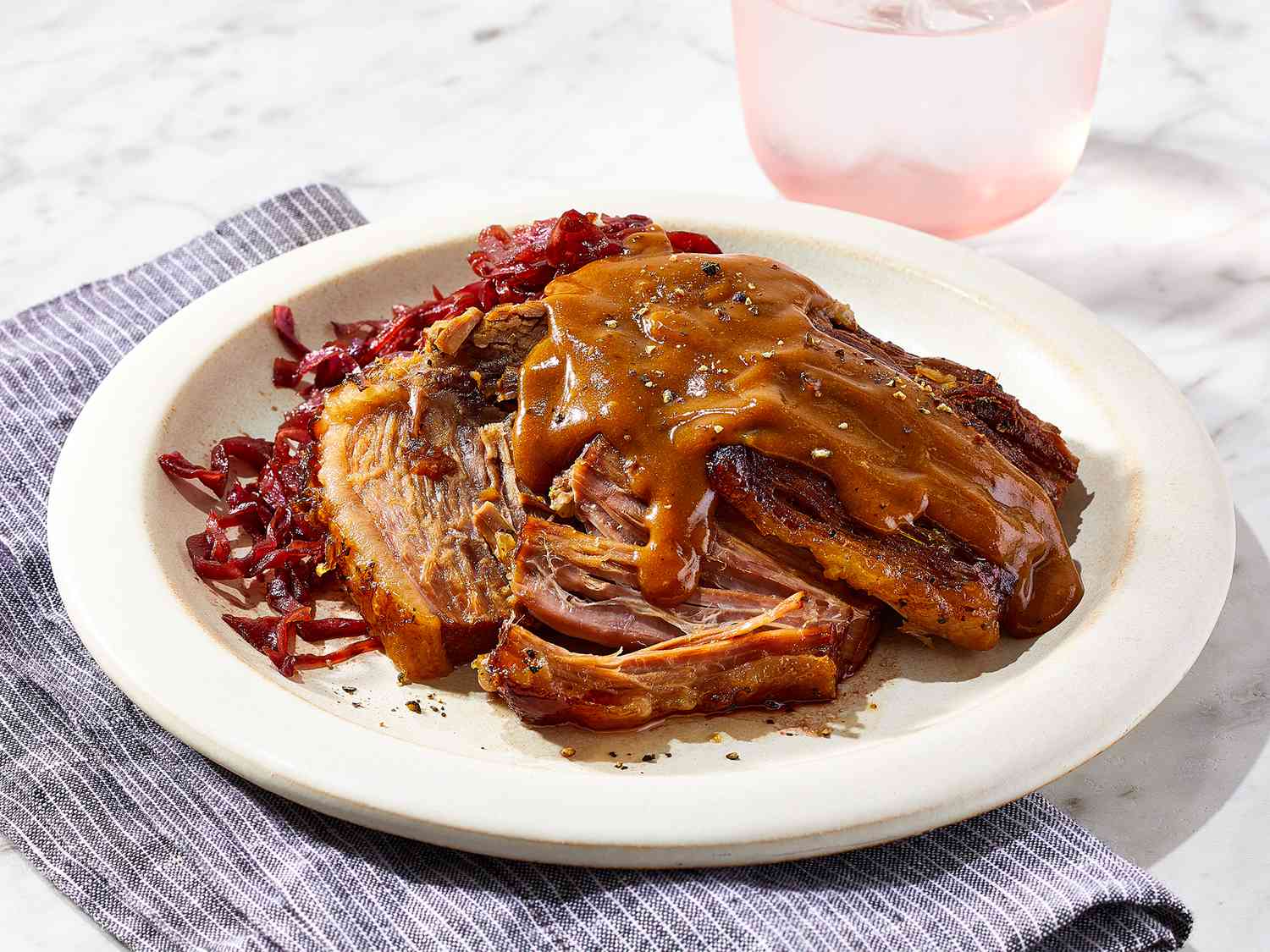
- Pour over roasted potatoes or a baked potato for a comfort-food upgrade
Storage and reheating
- Refrigerate: Cool, then store in an airtight container for up to 4 days.
- Reheat: Warm gently in a saucepan over low heat, whisking often. Add a splash of broth or milk to loosen as it heats.
- Freeze: Creamy gravies can separate when frozen and thawed. If you do freeze it, thaw overnight in the fridge and whisk well while reheating to bring it back together.
Common mistakes
- Roux too pale: If it still smells like raw flour, the gravy will taste flat and dusty. Cook the roux until it smells toasty.
- Roux too dark: Dark roux tastes great, but it is not the same vibe and it thickens less. For this copycat, stop at light tan.
- Adding cold broth all at once: This is the fastest route to lumps. Warm broth, slow pour, constant whisk.
- Over-salting early: Broth reduces slightly as it simmers. Season lightly, simmer, then adjust at the end.
- Boiling hard: A gentle simmer gives you a smoother texture. Rapid boiling can make dairy-based gravy grainy.
FAQ
Can I make this gravy without drippings?
Yes. Butter plus seasoned broth makes an excellent fried-chicken-style gravy. Drippings just add extra depth if you have them.
Why did my gravy turn out gluey?
Usually it is either too much flour or simmering too long without thinning. Whisk in warm broth a splash at a time until it loosens to a thick ribbon. Next time, measure flour carefully and stop simmering as soon as it coats a spoon.
How do I fix gravy that is too thin?
Let it simmer gently for 2 to 4 minutes, whisking often. If it is still thin, mix 1 tablespoon flour with 2 tablespoons cold water, whisk that slurry in, then simmer 1 to 2 minutes to cook out the flour taste.
How do I make it taste more like fried chicken gravy?
Add more black pepper, make sure your roux is lightly toasted, and consider finishing with a small splash of milk or half-and-half. If you fried chicken, using the pan drippings is the biggest flavor boost.
KFC-Style Chicken Gravy
A peppery, creamy copycat chicken gravy made from a quick roux and seasoned broth, with optional pan drippings for extra fried-chicken flavor. Includes thickness cues for mashed potatoes and biscuits.
- Prep
- 5 minutes
- Cook
- 10 minutes
- Total
- 15 minutes
- Yield
- About 2 cups
Ingredients
- 3 tablespoons butter, chicken drippings, or neutral oil
- 3 tablespoons all-purpose flour
- 2 cups low-sodium chicken broth, warmed
- 1/2 cup milk or half-and-half, warmed
- 1/2 teaspoon onion powder
- 1/4 teaspoon garlic powder
- 1/2 teaspoon kosher salt, plus more to taste
- 1 to 1 1/2 teaspoons freshly ground black pepper, to taste
- Optional: 1/8 teaspoon MSG (accent seasoning) for extra "fast food" savoriness
Instructions
- Warm the liquids. Warm the chicken broth and milk or half-and-half until just hot (microwave or small saucepan). Warm liquid blends into roux more smoothly and helps prevent lumps.
- Make a light tan roux. In a medium saucepan or deep skillet over medium heat, melt the butter (or add drippings or oil). Sprinkle in the flour and whisk until smooth. Cook, whisking constantly, until the roux turns light tan and smells toasty, 2 to 4 minutes.
- Whisk in broth gradually. While whisking constantly, slowly pour in the warm chicken broth in a thin stream. The mixture will tighten up at first, then loosen as more broth goes in. Scrape the bottom and corners of the pan as you whisk.
- Simmer to thicken. Bring to a gentle simmer (small bubbles, not a hard boil). Simmer, whisking often, until it coats the back of a spoon, 3 to 5 minutes.
- Add dairy and season. Whisk in the warm milk or half-and-half. Add onion powder, garlic powder, salt, black pepper, and MSG if using. Simmer gently 1 to 2 minutes to bring the flavors together.
- Adjust thickness for how you are serving it. For mashed potatoes, aim for a thick ribbon that still pours easily. For biscuits, simmer 1 to 3 minutes longer for a slightly thicker gravy. If it gets too thick, whisk in a splash of warm broth or milk.
- Taste and finish. Taste and adjust salt and pepper. Serve hot.
Notes
Drippings shortcut: If you just fried chicken, pour off oil until you have about 3 tablespoons fat left in the pan. Keep the browned bits. Make the roux right in that pan, then whisk in warm broth while scraping up the fond.
Lump rescue: If lumps form, pull the pan off heat and whisk hard. If needed, whisk in a splash of warm broth to loosen, or strain through a fine mesh strainer.
Roux color cue: Stop at light tan for this style. A darker roux will taste toastier and thicken less.
Leftovers: Gravy thickens as it chills. Reheat gently and loosen with a splash of broth or milk, whisking until smooth.