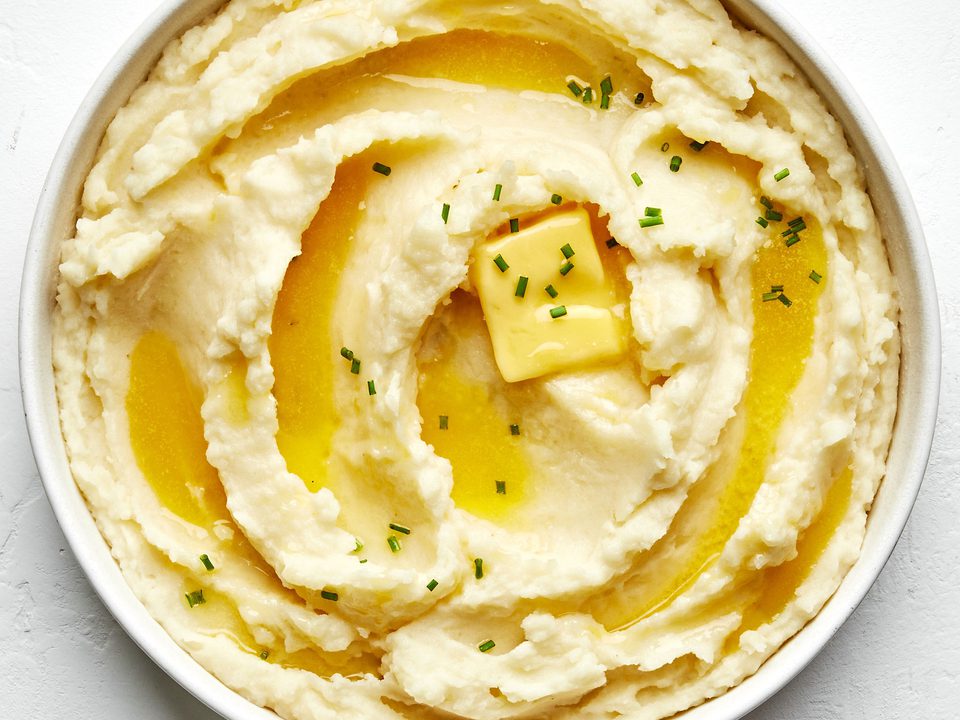

Mashed potatoes are one of those sides that feel like a hug, even on a random Tuesday. The good news is you do not need fancy equipment or a restaurant technique to make them smooth, fluffy, and deeply buttery. You just need a few small moves at the right moments.

This recipe walks you through the biggest difference-makers: choosing the right potato, starting in cold salted water so they cook evenly, drying the pot so your mash stays fluffy, and mashing gently so it stays tender instead of gluey.
I also included my favorite ways to keep mashed potatoes hot while you finish the rest of dinner, plus a make-ahead path that does not sacrifice texture. And if you want to nudge things in a garlicky or herby direction, there is a simple variation for that too.
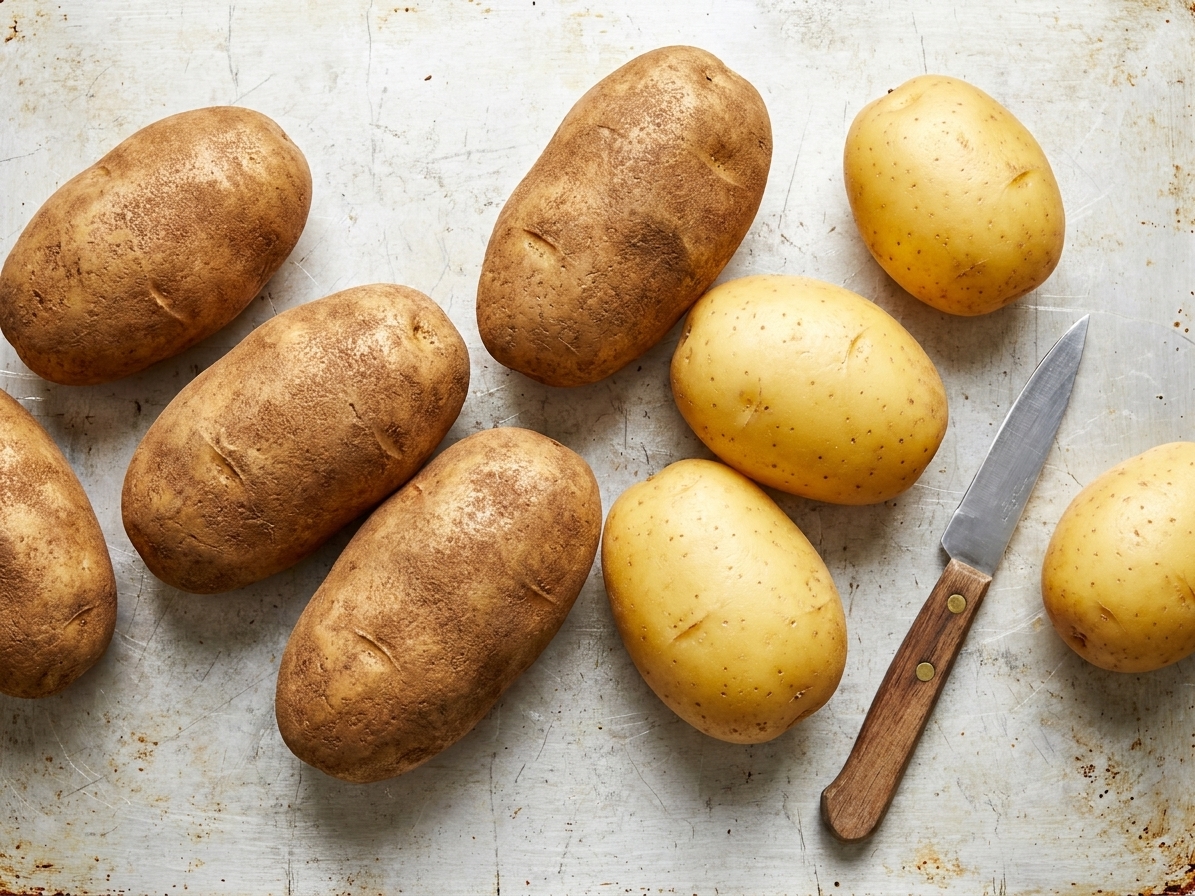
Potato choice in one minute
Russets make the fluffiest, most classic mashed potatoes. They are higher in starch, so they mash easily and drink up butter like it is their job.
Yukon Golds make a naturally creamier, slightly denser mash with a buttery flavor even before you add butter. Great when you want that silky, spoon-coating texture.
If you are cooking for picky mashed-potato people, russets are the safest bet. If you are cooking for yourself and you love a richer texture, Yukon Golds are hard to beat.
How to keep mashed potatoes hot until dinner
Mashed potatoes cool fast, and reheating them aggressively can make them stiff. My weeknight solution is to plan a gentle holding method from the start.
- Covered pot on the smallest burner: After mashing, keep the lid on and set the pot over the lowest possible heat, stirring every few minutes. If it seems too thick, stir in a splash of warm milk.
- Oven hold: Put mashed potatoes in an oven-safe dish, cover tightly, and hold in a low oven until ready to serve. Stir once halfway through.
- Heatproof bowl over simmering water: This is my favorite for holidays and weeknights alike. A makeshift double boiler keeps the potatoes hot without scorching. Cover the bowl and stir occasionally.
Whatever method you choose, keep the mash covered. Steam is your friend here.
Make-ahead, without sad leftovers vibes
You can absolutely make mashed potatoes ahead. The key is to protect them from drying out and to reheat gently.
Make them as written, then press a piece of parchment or plastic wrap directly onto the surface and cover the container. Refrigerate. When reheating, do it slowly with added warm milk and a little extra butter, stirring as it loosens back up.
Why this recipe works
- Cold water start: Potatoes cook evenly from edge to center, so you are less likely to get watery outsides and undercooked cores.
- Well-salted water: Seasoning the potatoes as they cook gives you a deeper, more even flavor than trying to fix it at the end.
- Drying the pot: Returning drained potatoes to the hot pot drives off surface moisture, which means fluffier mash and better butter absorption.
- Warm dairy: Adding warm milk and butter keeps the potatoes hot and helps them blend smoothly without turning gluey.
- Gentle mashing: You get creamy potatoes with a tender texture, not overworked starch paste.
Ingredient notes
Potatoes: Use russets for fluffy mash or Yukon Golds for creamy mash. Either way, choose firm potatoes with no green spots or soft patches.
Butter: This is where a lot of the flavor lives. If you use unsalted butter, you can control salt more precisely. If you use salted butter, taste before adding extra salt at the end.
Milk: Whole milk makes the creamiest classic mash, but 2 percent works fine. Warm it first so it blends in quickly and does not cool the potatoes down.
Salt: Salt the cooking water generously and then fine-tune at the end. Mashed potatoes should taste seasoned, not bland and not aggressively salty.
Optional add-ins: Garlic, chives, parsley, rosemary, thyme, sour cream, or cream cheese can all work, depending on your dinner.
Equipment you will need
- Large pot
- Colander
- Potato masher or ricer (either works)
- Small saucepan or microwave-safe cup (to warm milk and butter)
- Wooden spoon or sturdy spatula
Nice to have: A fine-mesh sieve for super-smooth texture, or a stand mixer if you are very careful. I usually skip the mixer because it is easy to overwork potatoes.
Pro tips
- Cut potatoes evenly: Aim for 1 to 2 inch chunks so they cook at the same rate.
- Do not skip the dry-out step: After draining, put potatoes back in the hot pot for 1 to 2 minutes, shaking and stirring, until the surface looks a little chalky and steam stops billowing.
- Warm your dairy: Cold milk makes the mash seize and cool down fast. Warm milk plus melted butter folds in like a dream.
- Mash while hot: Potatoes mash smoother when they are hot. If you wait too long, they start to stiffen.
- Add liquid gradually: You can always add more milk. You cannot take it out once it is soupy.
- For lump-free mash: Use a ricer, or mash very thoroughly before adding milk, then stir until glossy and smooth.
Substitutes that work
- Milk: Swap in half-and-half for richer potatoes, or use unsweetened oat milk for dairy-free. If using a plant milk, choose one with a neutral flavor.
- Butter: Use a good dairy-free butter for vegan mashed potatoes. Olive oil also works, but the flavor is more Mediterranean than classic.
- Extra richness: Replace a portion of the milk with sour cream, crème fraîche, or cream cheese for a tangy, silky mash.
- Potatoes: If you only have red potatoes, you can mash them, but expect a more rustic texture. Leave skins on for a homey vibe, or peel for smoother results.
Variations
Simple garlic mashed potatoes
Add 2 to 4 peeled garlic cloves to the pot with the potatoes and boil until tender, then mash everything together. For a stronger garlic flavor, stir in a little roasted garlic at the end.
Herb butter mashed potatoes
Warm the butter with a small handful of chopped herbs like chives, parsley, or thyme until fragrant, then stir into the finished mash. Finish with black pepper and a squeeze of lemon if you want them extra lively.
Extra creamy Yukon Gold mash
Use Yukon Golds and replace part of the milk with half-and-half. Keep it gentle when mixing to preserve that naturally creamy texture.
Serving ideas
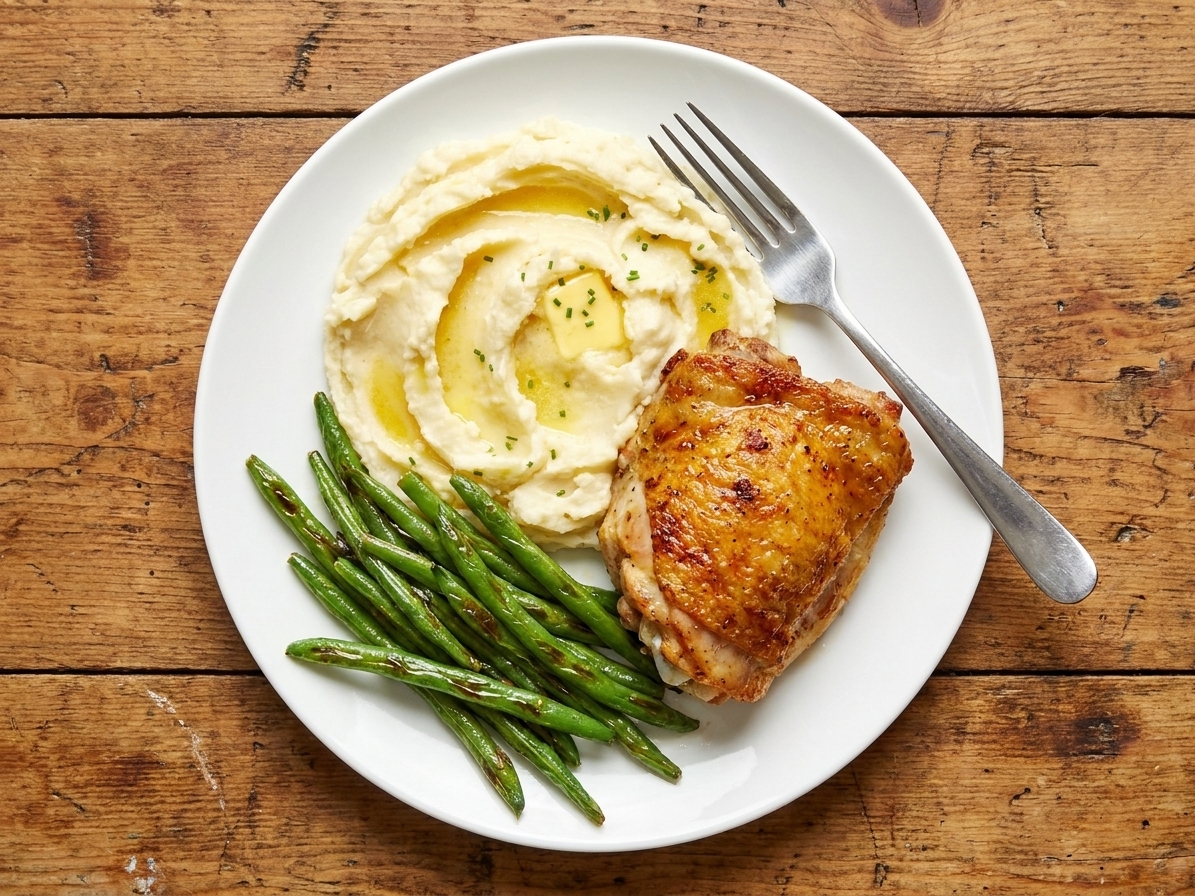
- With rotisserie chicken and a lemony green salad
- Alongside meatballs and quick pan gravy
- With sautéed mushrooms and onions for a vegetarian plate
- Under a runny fried egg and a pile of garlicky greens
- As the base for a weeknight bowl with roasted broccoli and a simple protein
Storage and reheating
Refrigerate: Store mashed potatoes in an airtight container for up to 4 days. Press parchment or plastic wrap directly on the surface to prevent drying.
Reheat on the stove: Reheat over low heat, covered, stirring frequently. Add warm milk a splash at a time until creamy again, then finish with a knob of butter.
Reheat in the microwave: Use medium power, covered, in short bursts. Stir between rounds and add a splash of milk as needed.
Freeze: You can freeze mashed potatoes, but texture is best with higher fat versions (more butter, milk, or sour cream). Thaw overnight in the fridge before reheating gently.
Common mistakes
- Starting in boiling water: The outside can overcook before the center is tender, leading to uneven texture.
- Not salting the water: You end up chasing flavor with extra salt later, and it never tastes as integrated.
- Skipping the dry-out step: Extra water equals watered-down flavor and gummy texture.
- Using a blender or food processor: These overwork starch quickly and can turn potatoes into paste.
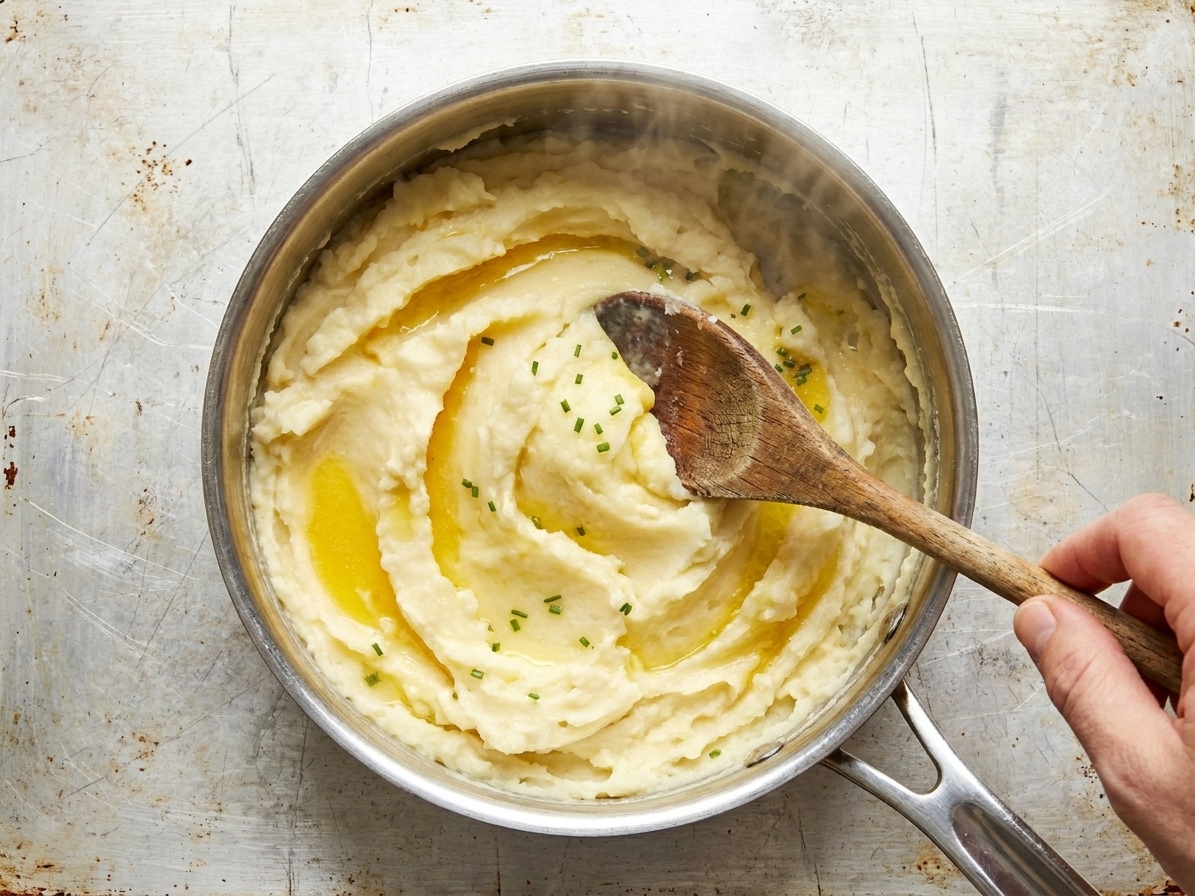
- Overmixing: Stir just until smooth and creamy. Stop once it looks glossy.
- Adding cold milk: It cools and tightens the mash, making you mix more to smooth it out, which leads to gumminess.
FAQ
How do I make mashed potatoes really smooth?
Use a ricer if you have one, or mash thoroughly before you add any milk. Once the potatoes are already broken down, warm dairy blends in quickly with less stirring.
Why did my mashed potatoes turn gluey?
Usually it is overmixing, or using a high-speed tool like a blender or food processor. Potatoes have a lot of starch. Too much agitation releases it, and the texture goes sticky.
Can I keep mashed potatoes warm for an hour?
Yes. Use a covered bowl over barely simmering water, or hold covered in a low oven. Stir occasionally and add a splash of warm milk if they start to thicken.
Should I peel the potatoes?
For classic mashed potatoes, yes. For a rustic mash, leave some skin on and mash a little less. Yukon Gold skins are thinner and more pleasant in the mash than russet skins.
Classic Mashed Potatoes
Creamy classic mashed potatoes made with butter and warm milk, plus a simple technique for fluffy texture and easy holding for weeknight dinner timing.
- Prep
- 15 minutes
- Cook
- 20 minutes
- Total
- 35 minutes
- Yield
- 6 servings
Ingredients
- 3 lb russet potatoes or Yukon Gold potatoes, peeled and cut into 1 to 2 inch chunks
- 1 1/2 tbsp kosher salt, divided, plus more to taste
- 6 tbsp unsalted butter, plus more for serving
- 3/4 to 1 cup whole milk (or 2 percent), warmed
- Freshly ground black pepper, to taste
Instructions
- Start the potatoes in cold water. Add the peeled, cut potatoes to a large pot and cover with cold water by about 1 inch. Add 1 tablespoon of the salt and stir to dissolve.
- Boil, then simmer until tender. Bring to a boil over high heat, then reduce to a steady simmer. Cook until the potatoes are completely tender and a fork slides in easily with no resistance, 12 to 18 minutes depending on size.
- Drain well. Drain the potatoes in a colander, then return them to the hot pot.
- Dry the pot. Set the pot back over low heat and shake and stir the potatoes for 1 to 2 minutes until steam stops billowing and the surface looks a little dry and chalky. This step keeps the mash fluffy.
- Warm the dairy. While the potatoes dry, melt the butter and warm the milk together in a small saucepan over low heat, or warm separately in the microwave. The dairy should be warm, not boiling.
- Mash gently. Remove the pot from the heat. Mash the potatoes until no large lumps remain. If you want ultra-smooth potatoes, pass the hot potatoes through a ricer back into the pot.
- Add butter and milk gradually. Pour in the melted butter and warm milk mixture a bit at a time, stirring gently until creamy and smooth. Stop as soon as the texture looks silky and spoonable. Add more warm milk if needed.
- Season to taste. Add the remaining 1/2 tablespoon salt, then taste and adjust with more salt and black pepper as needed.
- Hold warm (optional). Cover the pot and keep on the smallest burner over the lowest heat for up to 20 minutes, stirring every few minutes. For longer holding, transfer to a heatproof bowl set over barely simmering water and cover.
- Serve. Spoon into a warm bowl and top with an extra pat of butter and black pepper.
Notes
Make ahead: Make as directed, then transfer to a heatproof container. Press parchment or plastic wrap directly on the surface and cover. Refrigerate up to 2 days. Reheat gently on the stove over low heat with a splash of warm milk and a little extra butter, stirring until creamy.
Garlic option: Add 2 to 4 peeled garlic cloves to the pot with the potatoes and cook until tender. Mash everything together.
Texture control: For fluffy potatoes, use russets and keep mixing minimal. For creamy potatoes, use Yukon Golds and add milk gradually until silky.