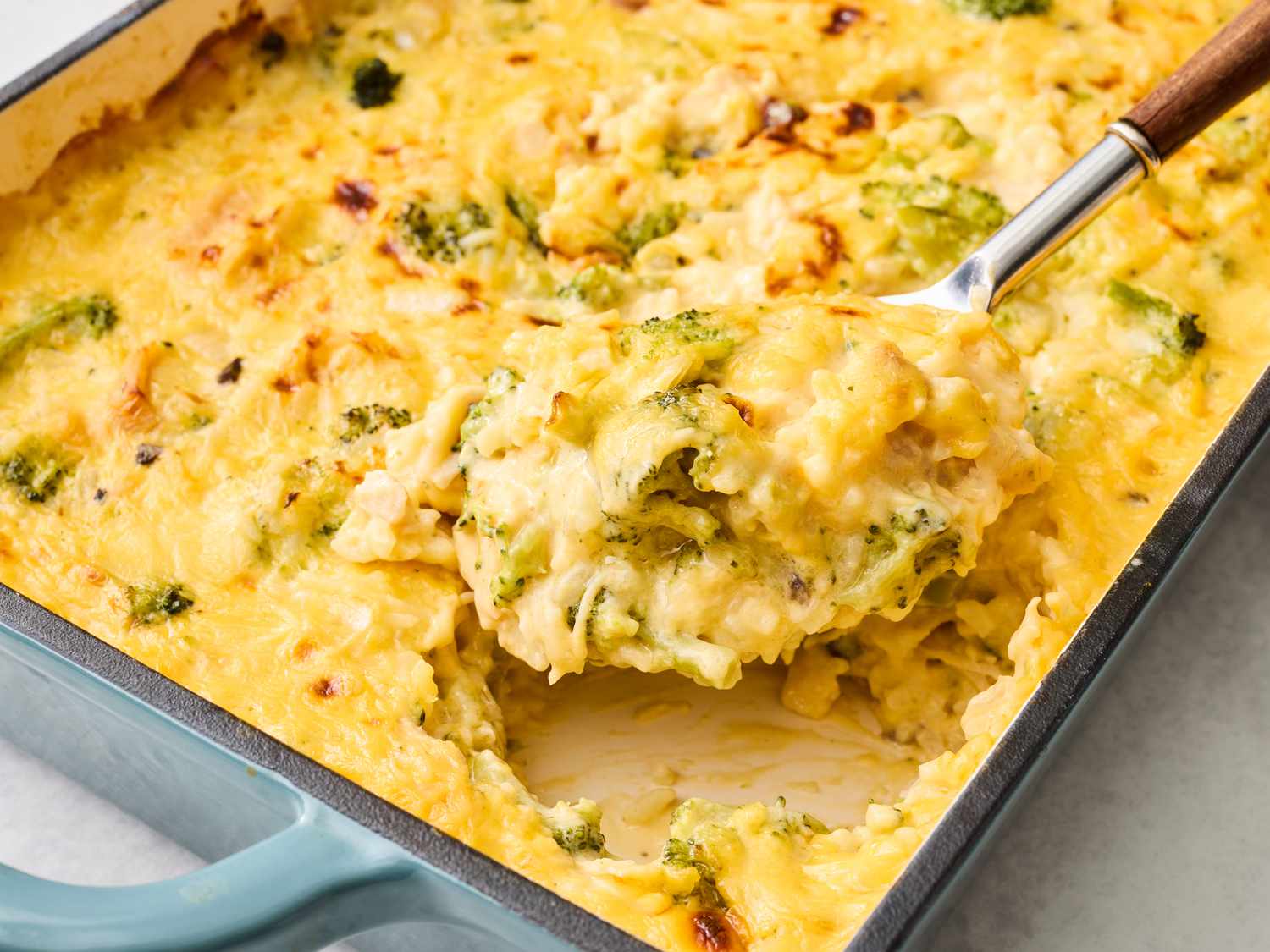
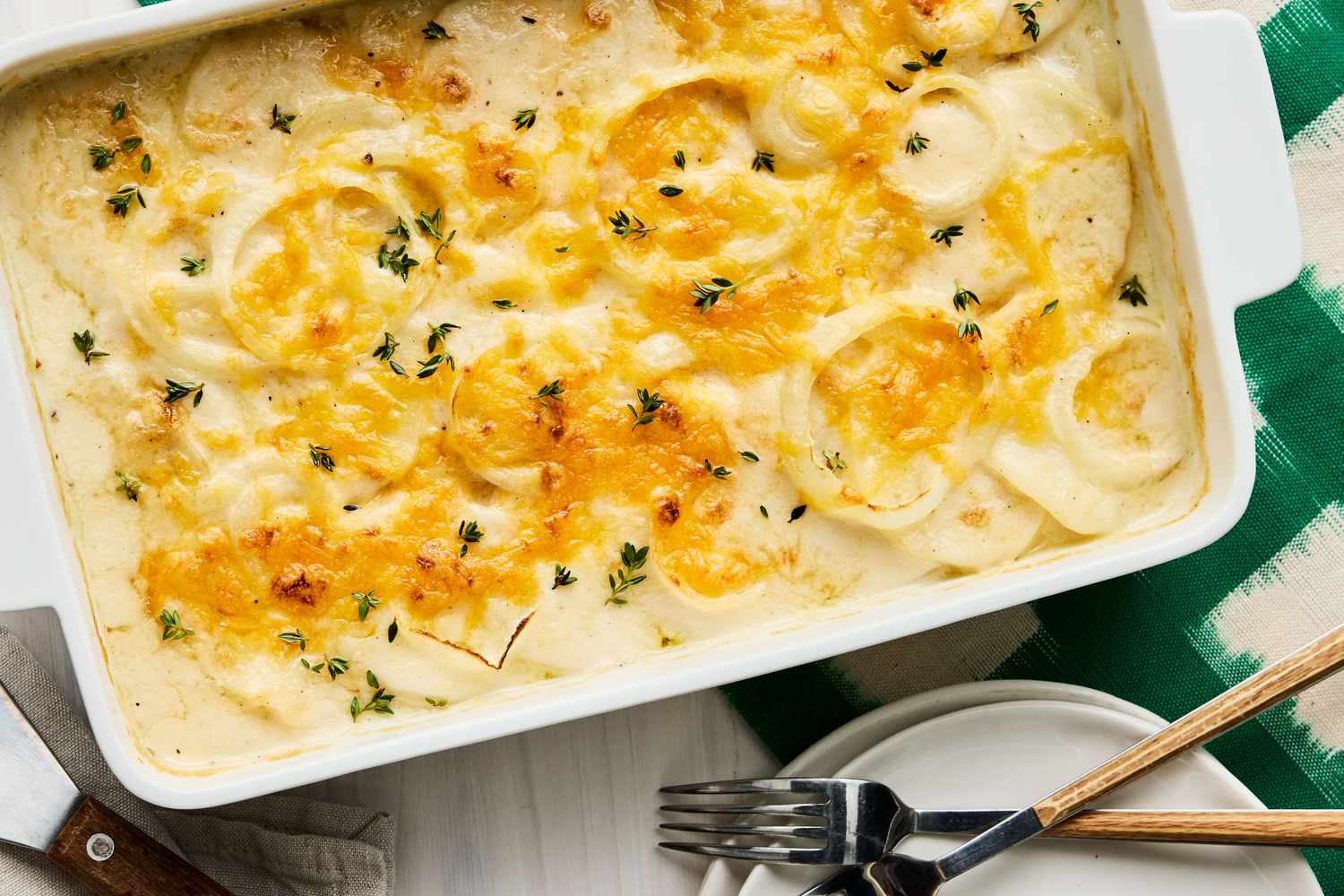
There are two kinds of cheesy potato casseroles: the ones that look promising but bake up watery, and the ones that hit the table bubbling, creamy, and just salty enough that everyone “accidentally” takes seconds. This is firmly the second kind.
It is organized on purpose, because casseroles are forgiving, but potatoes are not. A few small technique choices make the difference between silky and soupy, between tender and crunchy in the center.
Why this recipe works
- Starchy potatoes + a thickened sauce give you a creamy slice that holds together instead of sliding apart.
- Two cheeses for flavor and melt: sharp cheddar for punch, and mozzarella or Monterey Jack for that stretchy, cozy pull.
- Onion and garlic build savory depth without making the dish taste “oniony.”
- A crunchy top (optional, but highly recommended) adds contrast so every bite is not just soft-on-soft.
Ingredient notes
Potatoes
Russets are the first choice because their starch helps the casserole set into creamy layers. Yukon Golds work too and taste extra buttery, but they hold their shape more, so the final texture is a little more gratin-like and slightly less cohesive.
Cheese
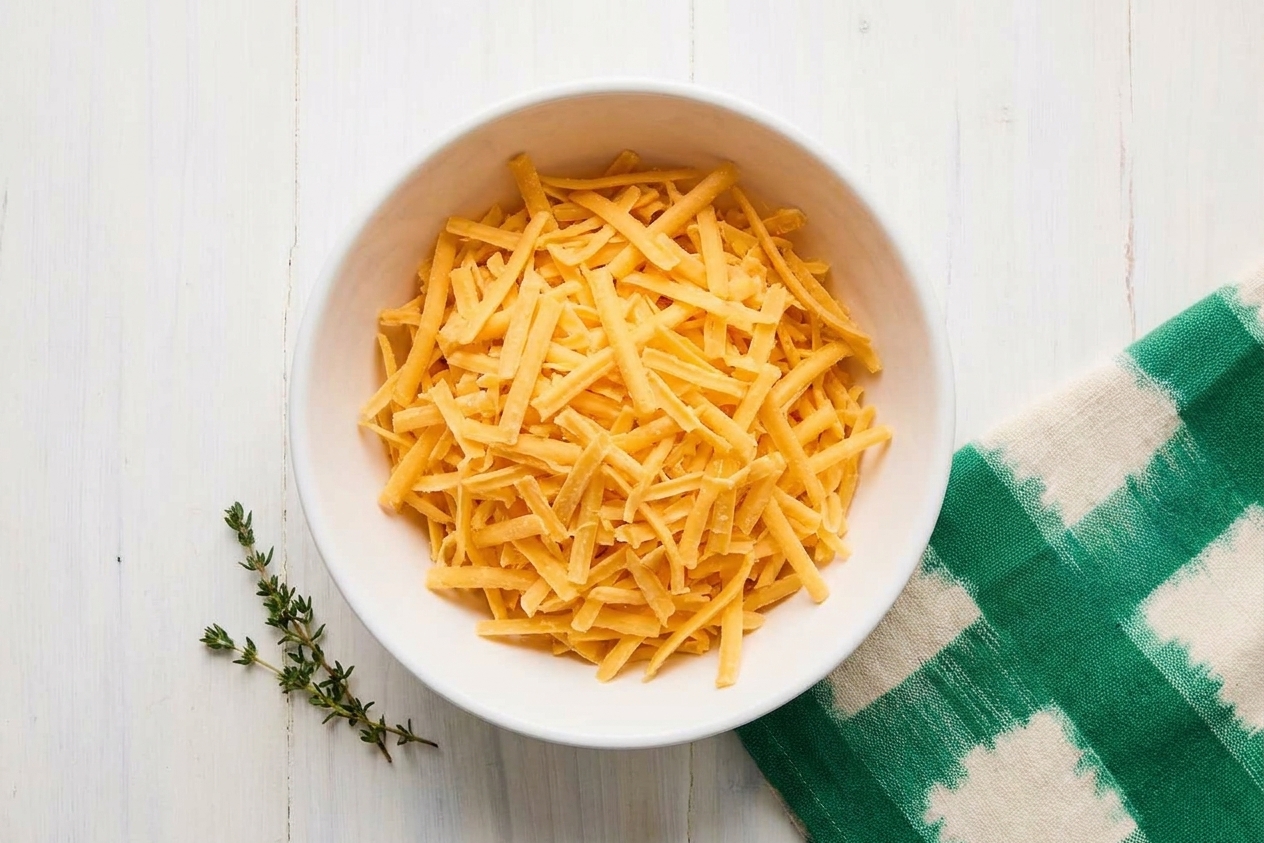
Use at least one cheese with a strong flavor (sharp cheddar is ideal). Then pair it with a great melter (mozzarella, Monterey Jack, or low-moisture provolone). Pre-shredded cheese works in a pinch, but freshly shredded melts smoother.
Moisture note: If you add anything watery (mushrooms, spinach, zucchini), cook it first and squeeze or drain well. Moisture is the main casserole saboteur.
Equipment you will need
- 9x13-inch baking dish
- Large saucepan (for the sauce)
- Whisk (for a smooth sauce)
- Knife and cutting board
- Mandoline (optional, for fast and even 1/8-inch slices)
- Foil (to cover during the first part of baking)
Pro tips
- If the top browns too fast: tent loosely with foil for the last 10 to 15 minutes.
- If the center seems firm but not tender: that is underbaked potatoes. Keep going, covered if needed. Tenderness matters more than time.
- If your sauce looks very thick in the pot: that is fine. Potatoes release moisture as they bake. A slightly thicker sauce prevents a watery casserole.
- Want cleaner slices: rest 20 to 30 minutes. It will still be hot, just less sloshy.
Substitutes that work
- Milk: use 2 1/2 cups whole milk, or swap to 2 cups 2% milk plus 1/2 cup heavy cream.
- Cheese (melter): mozzarella or Monterey Jack are listed, and low-moisture provolone also works.
- No sour cream: swap in plain Greek yogurt (full-fat if possible) or softened cream cheese thinned with a splash of milk. Sour cream gives a gentle tang that balances the cheese, so add 1 to 2 teaspoons lemon juice if your substitute tastes flat.
- Hash browns instead of sliced potatoes: thaw completely and squeeze dry, then spread in the dish, pour sauce over, and bake until bubbling and browned. The texture is more like a classic potluck casserole, less like layered potatoes.
Variations
- Broccoli: add 2 to 3 cups small florets, blanched 2 minutes and well drained.
- Ham or leftover roast chicken: 2 cups diced, folded into the sauce.
- Bacon: 8 slices cooked and crumbled, sprinkled between layers.
- Jalapeño: 1 diced (pickled is fine) for a gentle kick.
- Caramelized onions: swap for the diced onion if you want deeper sweetness.
Serving ideas
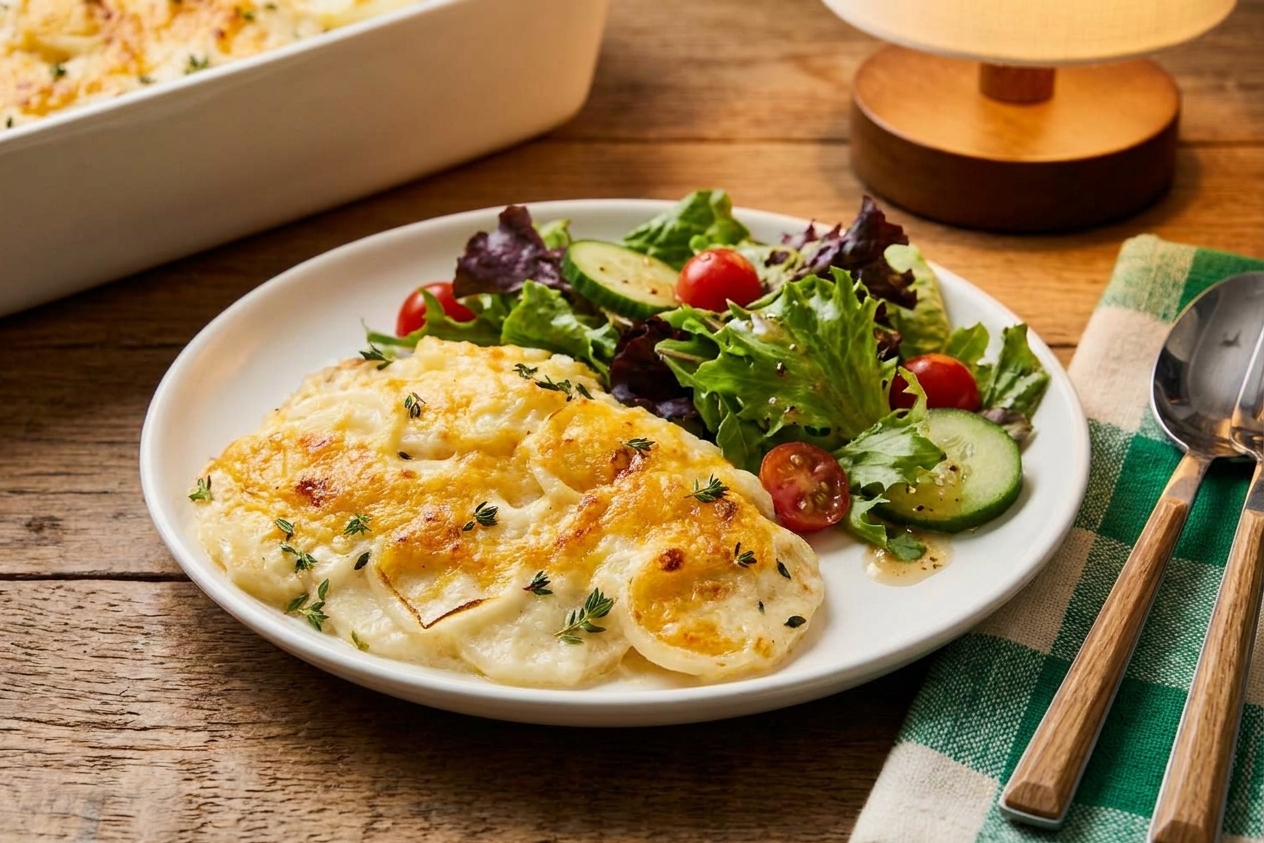
This casserole is rich and happiest next to something bright and crunchy.
- Simple salad: arugula or romaine with a lemony vinaigrette
- Green veg: roasted broccoli, green beans, or a quick sautéed kale
- Protein: roasted chicken, baked ham, or seared sausages
Storage and reheating
Make ahead
You have two solid options:
- Assemble and refrigerate (up to 24 hours): Cover tightly. Make sure the potatoes are fully coated in sauce to prevent browning. When ready to bake, let it sit on the counter 30 minutes while the oven heats, then bake as directed. You may need an extra 10 to 15 minutes covered.
- Bake, cool, and reheat: Great for holidays. Cool completely, refrigerate, then reheat covered at 350°F until hot, about 30 to 45 minutes.
Storage
Refrigerate leftovers in an airtight container for up to 4 days.
Reheating
- Oven (best): 350°F, covered, until hot.
- Microwave (fast): Add a tiny splash of milk on the plate if it looks dry, then cover loosely and heat in bursts.
Freezing
Freeze baked portions for up to 2 months. Expect a slightly softer texture after thawing (dairy sauces can get a bit grainy and potatoes can weep). Thaw overnight in the fridge for best results, then reheat covered at 350°F.
How long it can sit out
For best food safety and texture, do not leave the casserole at room temperature longer than 2 hours (or 1 hour if it is very hot out). Keep it warm in a low oven (around 200°F) if you are serving over time.
Common mistakes
- Slicing potatoes too thick: If slices are thicker than 1/8-inch, the bake takes longer and the center can stay underdone.
- Not thickening the sauce enough: A sauce that is not thickened to coat a spoon can bake up looser and watery.
- Adding watery vegetables without cooking them first: Mushrooms, spinach, and zucchini should be cooked first and squeezed or drained well to avoid excess moisture.
- Judging doneness by time only: The best cue is a knife sliding easily through several layers with little to no resistance.
- Skipping the rest: Resting helps it slice cleanly and keeps it from feeling sloshy.
FAQ
Why is my casserole watery?
Common culprits: potatoes sliced too thick (so they steam and shed water longer), sauce not thickened enough, or add-ins that released moisture. Next time, thicken the sauce until it coats a spoon and pre-cook watery vegetables.
Why are my potatoes still crunchy?
They need more time, or your slices were thicker than 1/8-inch. Cover with foil and keep baking until a knife slides through without resistance.
Can I use hash browns instead of sliced potatoes?
Yes. Thaw completely and squeeze dry. Spread in the dish, then pour sauce over and bake until bubbling and browned. The texture is more like a classic potluck casserole, less like layered potatoes.
Can I make it without sour cream?
You can swap in plain Greek yogurt (full-fat if possible) or softened cream cheese thinned with a splash of milk. Sour cream gives a gentle tang that balances the cheese, so add 1 to 2 teaspoons lemon juice if your substitute tastes flat.
Cheesy Potato Casserole
A from-scratch cheesy potato casserole baked in a 9x13-inch pan with thin-sliced russets, a quick béchamel-style cheese sauce, and an optional buttery panko topping. It bakes up bubbling, creamy, and sliceable, with cues built in for avoiding watery sauce or underdone potatoes.
- Prep
- 25 minutes
- Cook
- 60 to 80 minutes
- Total
- 1 hour 40 minutes to 2 hours
- Yield
- 9x13-inch pan (about 10 to 12 servings)
Ingredients
- 3 1/2 to 4 pounds russet potatoes, peeled (or scrubbed well) and sliced 1/8-inch thick
- 1 medium yellow onion, finely diced
- 2 cloves garlic, grated or minced
- 4 tablespoons butter
- 1/4 cup all-purpose flour
- 2 1/2 cups whole milk (or 2 cups 2% milk plus 1/2 cup heavy cream)
- 1 cup sour cream
- 2 teaspoons kosher salt, plus more to taste (use 1 1/2 teaspoons if using Morton kosher salt)
- 1/2 teaspoon black pepper
- 1 teaspoon smoked paprika (optional)
- 3 cups shredded sharp cheddar (about 12 ounces), divided
- 1 1/2 cups shredded mozzarella or Monterey Jack (about 6 ounces)
- 2 tablespoons chopped chives or green onions (optional)
- Crunchy top option: 1 cup panko
- Crunchy top option: 2 tablespoons melted butter
- Crunchy top option: 2 tablespoons grated Parmesan (optional)
Instructions
- Heat the oven. Arrange a rack in the center and preheat to 375°F. Butter a 9x13-inch baking dish. (If you use a smaller or deeper dish, plan on a longer bake.)
- Slice the potatoes. Aim for 1/8-inch thick slices. A mandoline makes this fast and even. If you slice thicker than 1/8-inch, plan on a longer bake.
- Start the sauce base. In a large saucepan over medium heat, melt the butter. Add onion and cook 5 to 7 minutes until soft and translucent. Add garlic and cook 30 seconds, just until fragrant.
- Make a quick béchamel. Sprinkle in the flour and stir constantly for 1 minute. Slowly whisk in the milk in a steady stream while whisking constantly to keep it smooth. Bring to a gentle simmer, whisking, until thickened enough to coat a spoon, about 3 to 5 minutes.
- Finish the sauce. Off the heat, whisk in sour cream, salt, pepper, and smoked paprika. Stir in 2 cups cheddar and all the mozzarella (or Jack) until melted and smooth.
- Layer. Spread a thin layer of sauce in the baking dish. Add half the potatoes in an even layer. Spoon on about half the remaining sauce. Repeat with remaining potatoes and sauce. Finish with the last 1 cup cheddar over the top. Make sure the potatoes are well coated, especially if you are assembling ahead (it helps prevent discoloration).
- Add crunchy topping (optional). Toss panko with melted butter (and Parmesan if using). Sprinkle evenly over the casserole.
- Bake. Cover tightly with foil and bake 45 minutes. Uncover and bake 20 to 30 minutes more, until bubbling around the edges and the potatoes are truly tender. The best cue is a knife sliding easily through several layers with little to no resistance.
- Rest, then serve. Let it sit 15 minutes before slicing. Finish with chives or green onions if you like.
Notes
- Potato thickness affects bake time: 60 to 80 minutes total bake time depends on potato thickness, your dish, and how tightly the layers are packed.
- Foil and browning: If the top browns too fast, tent loosely with foil for the last 10 to 15 minutes.
- Doneness cue: Look for bubbling edges and potatoes that are truly tender; a knife should slide through several layers with little to no resistance.
- For cleaner slices: rest 20 to 30 minutes (it will still be hot, just less sloshy).
- Make-ahead reminder: If assembling ahead, make sure potatoes are well coated in sauce to help prevent discoloration.
Nutrition
- Calories: 430
- Fat: 22 g
- Carbs: 43 g
- Protein: 16 g
- Fiber: 3 g
- Sugar: 5 g
- Sodium: 640 mg
Nutrition values are approximate and will vary by exact ingredients, brands, and portion size.