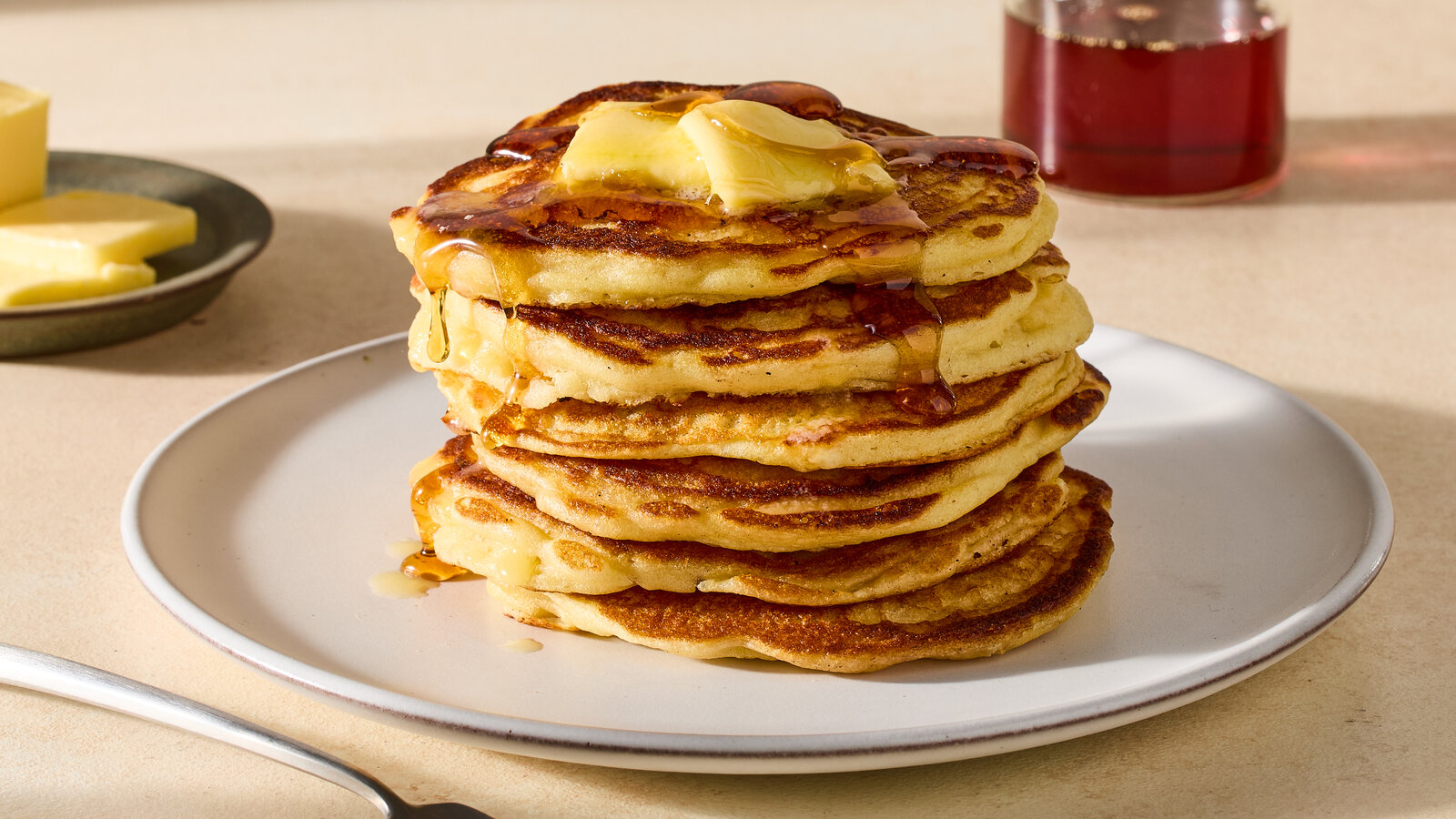
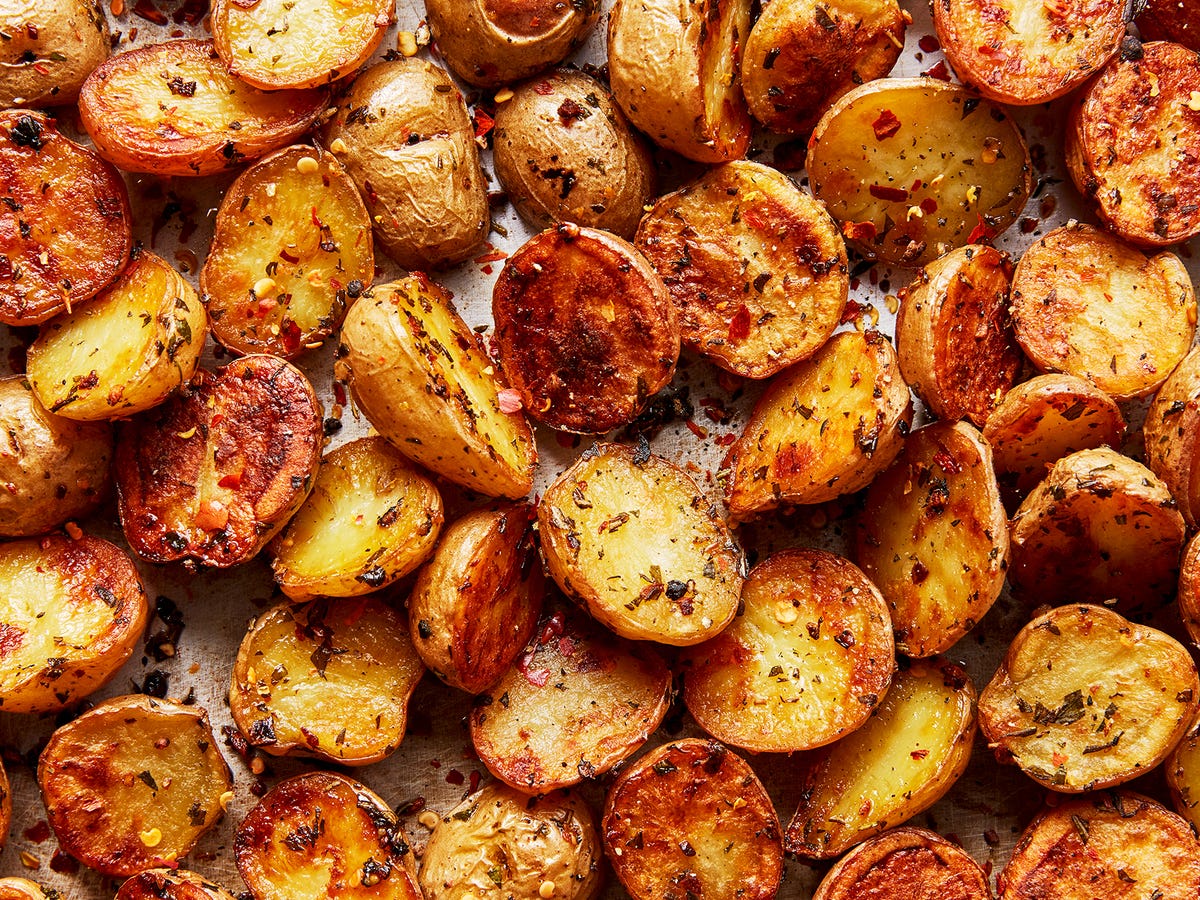
If you want a warm, filling breakfast that feels like you tried way harder than you did, this is it. This easy morning breakfast casserole is my go-to when I need something hands-off, make-ahead, and reliably delicious. You toss together a few staples, let the fridge do the heavy lifting overnight (optional but amazing), and bake until the top is golden and the center is set.
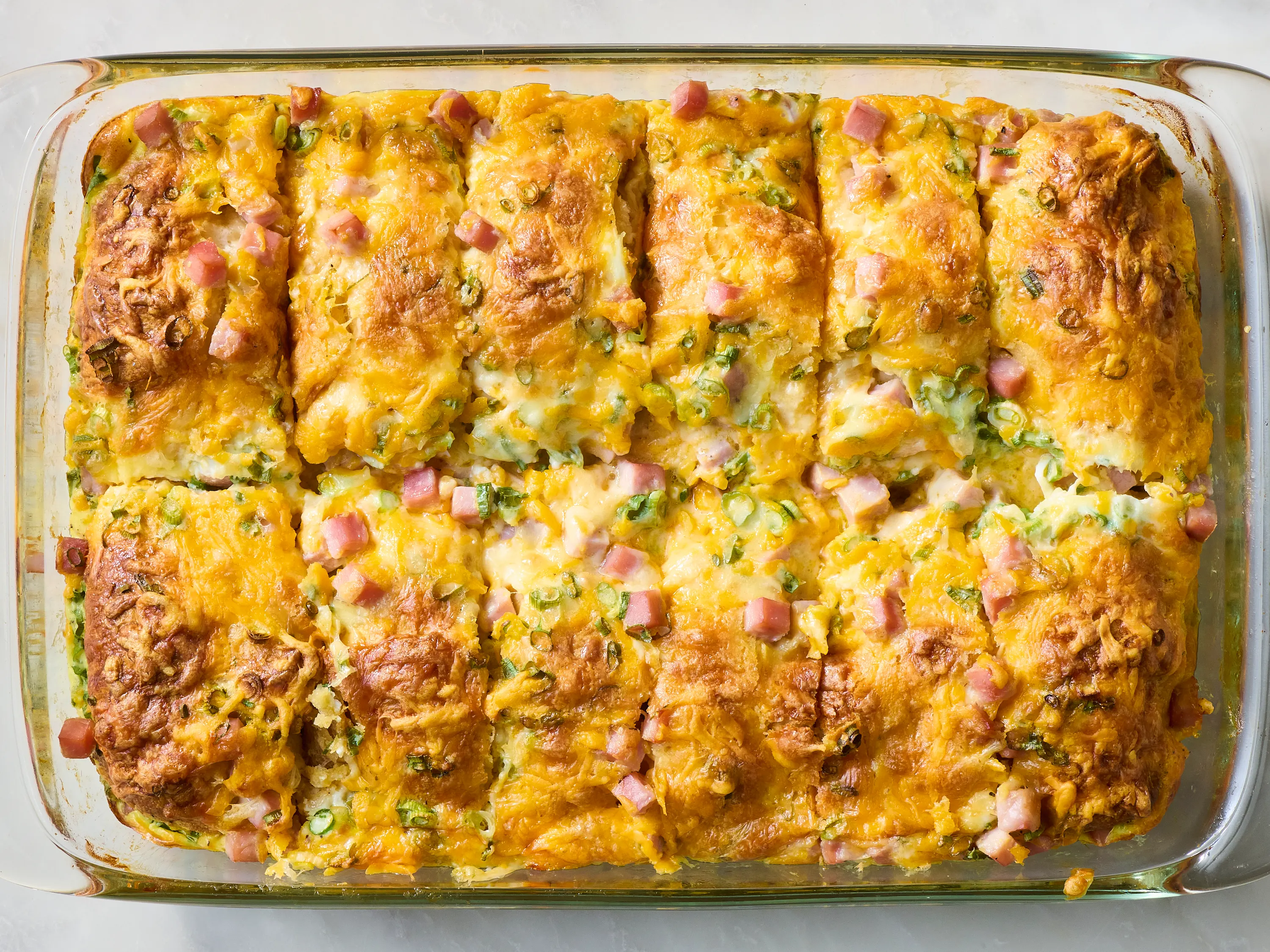
It is also one of my favorite low-waste recipes because it happily uses up slightly stale bread, leftover roasted vegetables, and the last handful of cheese in the bag.
Why this recipe works
- Fluffy, not rubbery: The right egg-to-dairy ratio and a brief rest time keep the texture tender.
- Crisp edges, soft center: Bread cubes soak up custard, then bake into a savory strata.
- Make-ahead friendly: Assemble at night, bake in the morning.
- Flexible: Swap the meat, cheese, and vegetables based on what you have.
Ingredient notes
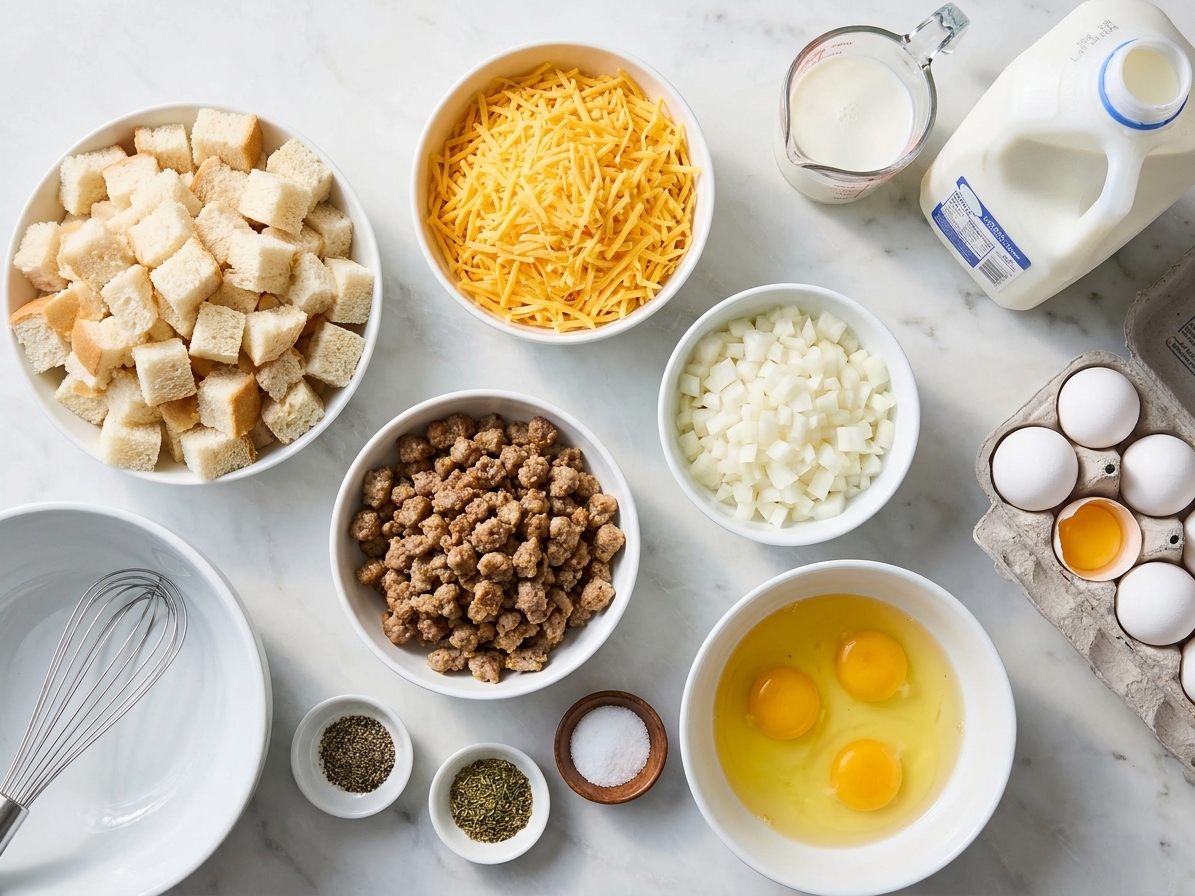
- Bread: Slightly stale is ideal. Any sturdy bread works. Sourdough, French bread, challah, and sandwich bread are all fair game.
- Dairy: Whole milk is listed, or you can use 1 cup milk plus 3/4 cup half-and-half.
- Cheese: Cheddar, Monterey Jack, or a mix all work well.
- Breakfast sausage: Use sausage, or swap with bacon, ham, or plant-based sausage.
- Vegetables: If a vegetable releases water, cook it first. Mushrooms, zucchini, spinach, and tomatoes should be sautéed or roasted so your casserole stays fluffy, not soggy.
Bread note: If your bread is very fresh and soft, cube it and toast at 300°F for 10 to 12 minutes to dry it out a bit. That helps it soak custard without turning gummy.
Equipment you will need
- 9x13-inch baking dish (or similar 3-quart casserole dish)
- Large skillet
- Large bowl and whisk
Pro tips
- Finish with acid: Serve with salsa, hot sauce, or a squeeze of lemon over the top. It wakes everything up.
- Season in layers: Salt the eggs, but also make sure your sausage and vegetables are well seasoned.
- Don’t overbake: The difference between tender and rubbery is often just 5 minutes.
How to tell it is done: The casserole should puff slightly, the edges should be bubbling, and a knife inserted in the center should come out clean. If you have an instant-read thermometer, aim for 165°F in the center (or at minimum 160°F and fully set, depending on your food-safety comfort level).
Cold dish reminder: A fridge-cold glass or ceramic dish going into a very hot oven can crack. Letting it sit out briefly is a small habit that prevents heartbreak.
Substitutes that work
Protein
- Bacon: Cook until crisp, crumble, and use 8 to 10 slices.
- Ham: Dice 1 1/2 cups. No need to cook first.
- No meat: Add 2 cups sautéed mushrooms and peppers, or 1 can drained green chiles plus extra cheese.
Cheese
- Sharp cheddar: Bold and classic.
- Pepper jack: Spicy brunch energy.
- Gruyère or Swiss: More “quiche-like” and a little fancy.
Bread
- Gluten-free bread: Works well if toasted first to dry it out.
- Hash browns instead of bread: Use 24 ounces thawed shredded hash browns, squeeze dry, then layer in the bottom for a potato-based version.
Variations
- Make-ahead version: Assemble the casserole the night before (about 10 to 15 minutes active time), cover, and refrigerate. In the morning, let it sit on the counter for 20 to 30 minutes while the oven preheats, then bake as directed (it may need a few extra minutes if it still feels very cold).
- Lighter feel: Use turkey sausage and swap half the cheese for sautéed veggies.
Serving ideas
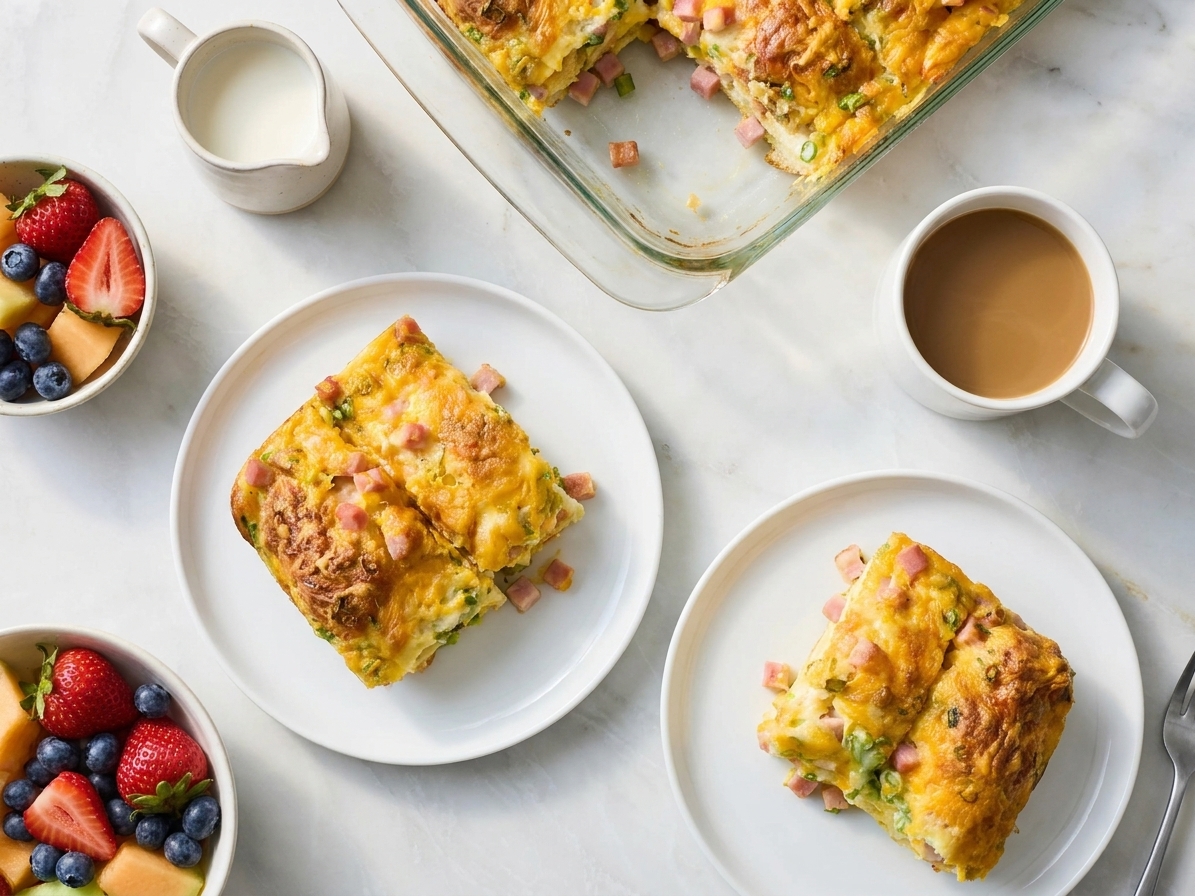
- Fresh fruit and yogurt for a light side
- Simple green salad with a lemony vinaigrette if this is “breakfast for dinner”
- Salsa verde, ketchup, or chili crisp for topping
- Roasted potatoes if you are feeding hungry teenagers or houseguests
Storage and reheating
Refrigerator
Store cooled leftovers covered in the fridge for up to 4 days.
Freezer
Slice into portions, wrap tightly, and freeze up to 2 months. Thaw overnight in the fridge for best texture.
Reheat
- Microwave: 60 to 90 seconds per slice (cover loosely so it does not dry out).
- Oven: 350°F for 12 to 18 minutes, covered with foil, until warmed through.
Common mistakes
My casserole is watery
- Vegetables were added raw or not cooked enough.
- Frozen hash browns or spinach were not fully thawed and squeezed dry.
- The casserole was cut too soon. Let it rest 10 minutes.
It is puffy, then sinks
Totally normal. Eggs puff in the oven and relax as they cool. The goal is a set, tender center, not a permanent soufflé.
The center is still wet but the top is brown
Tent loosely with foil and keep baking in 5-minute increments. Your oven may run hot on top. (Hello, broiler element.)
FAQ
Can I make breakfast casserole without bread?
Yes. Use thawed shredded hash browns (about 24 ounces), squeezed dry, as the base. Bake time is similar.
Can I assemble it and bake it right away?
You can, but give it at least 20 minutes to rest so the bread absorbs the egg mixture. Overnight is even better for a custardy, cohesive slice.
Can I use egg whites?
Yes. For a lighter version, use 6 whole eggs plus 1 cup liquid egg whites (about 8 egg whites), keeping the total egg volume similar while cutting some yolks. I still like keeping some yolks for tenderness and flavor.
How do I keep it from sticking?
Grease the dish well, including corners. Ceramic and glass dishes love butter. Metal pans do well with oil spray plus a quick wipe to coat evenly.
Easy Morning Breakfast Casserole
A hands-off, make-ahead breakfast casserole with bread cubes, sausage, eggs, milk, and cheese. Rest overnight (or at least 20 minutes), then bake at 350°F until golden and set.
- Prep
- 20 minutes
- Cook
- 50 minutes
- Total
- 1 hour 20 minutes (plus optional 8 to 12 hours chilling)
- Yield
- Serves 6 to 8
Ingredients
- 6 cups bread cubes (about 8 to 12 oz, approximate)
- 12 oz breakfast sausage
- 1/2 cup diced onion
- 2 cups shredded cheese
- 10 large eggs
- 1 3/4 cups whole milk
- 1 1/4 tsp kosher salt
- 1/2 tsp black pepper
- Optional: 1 tsp Dijon mustard, 1/2 tsp garlic powder, pinch smoked paprika
- Optional: 1 to 2 cups cooked vegetables
Instructions
- Heat oven to 350°F. Grease a 9x13-inch baking dish well.
- Cook sausage in a skillet over medium heat until browned, 6 to 8 minutes. Add onion and cook 2 minutes. Drain excess fat if needed.
- Add bread cubes to the baking dish. Top with sausage mixture, optional vegetables, and cheese.
- Whisk eggs, milk, salt, pepper, and optional seasonings until smooth. Pour evenly over the casserole. Press bread down gently.
- Cover and refrigerate 8 to 12 hours, or rest 20 minutes at room temp.
- Bake uncovered 40 to 50 minutes, tenting with foil if browning too fast, until set in the center (about 165°F) and golden on top. If baking straight from the fridge, add a few minutes as needed.
- Cool 10 minutes before slicing and serving.
Notes
- Stale bread is best. If using fresh bread, toast cubes at 300°F for 10 to 12 minutes.
- Cook watery vegetables first to avoid a soggy casserole.
- For a lighter feel: Use turkey sausage and swap half the cheese for sautéed veggies.
Nutrition
- Calories: 440
- Fat: 27 g
- Carbs: 23 g
- Protein: 26 g
- Fiber: 1 g
- Sugar: 4 g
- Sodium: 820 mg
Nutrition values are approximate and will vary with ingredient brands, bread type, and optional add-ins.