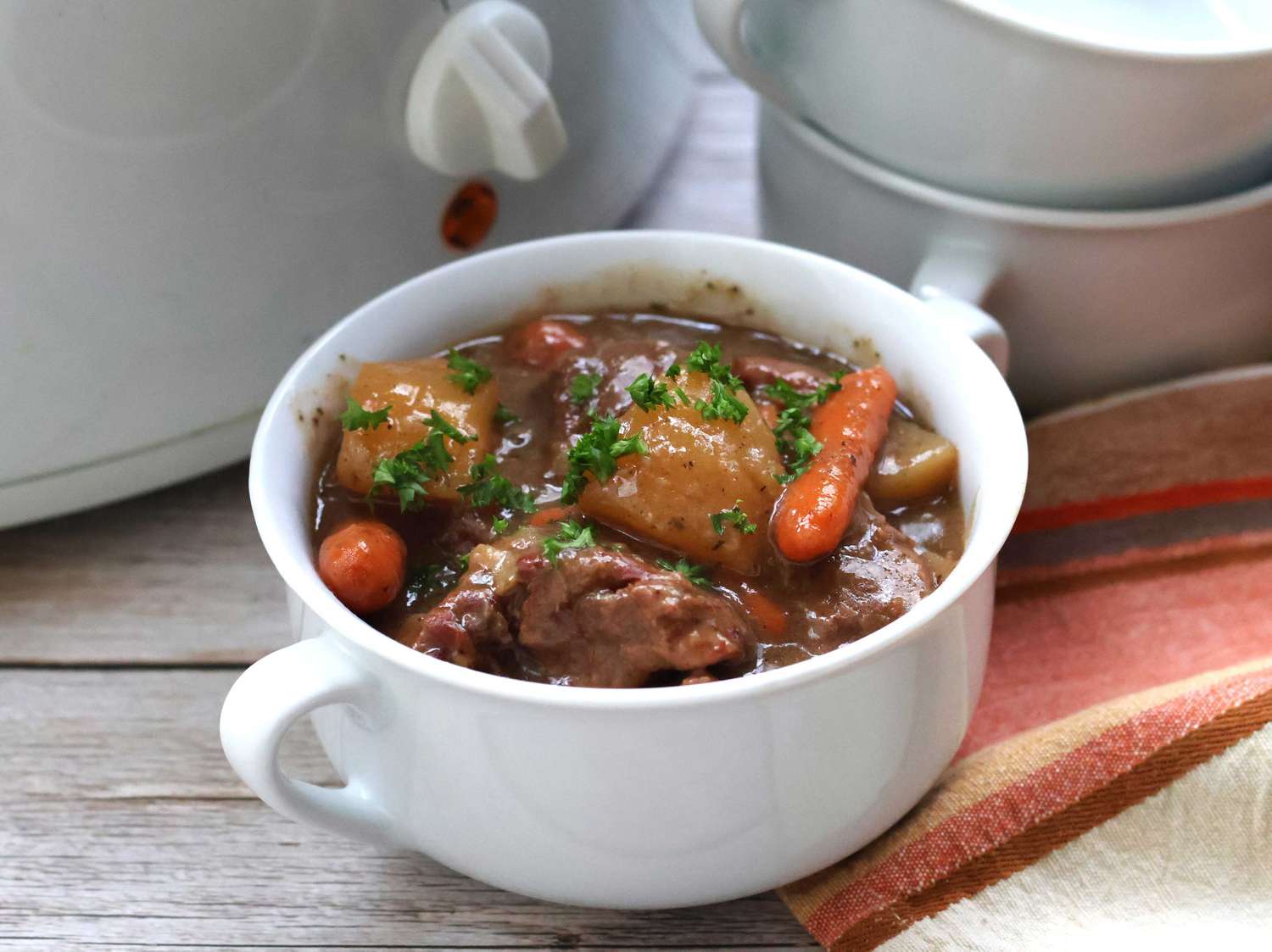
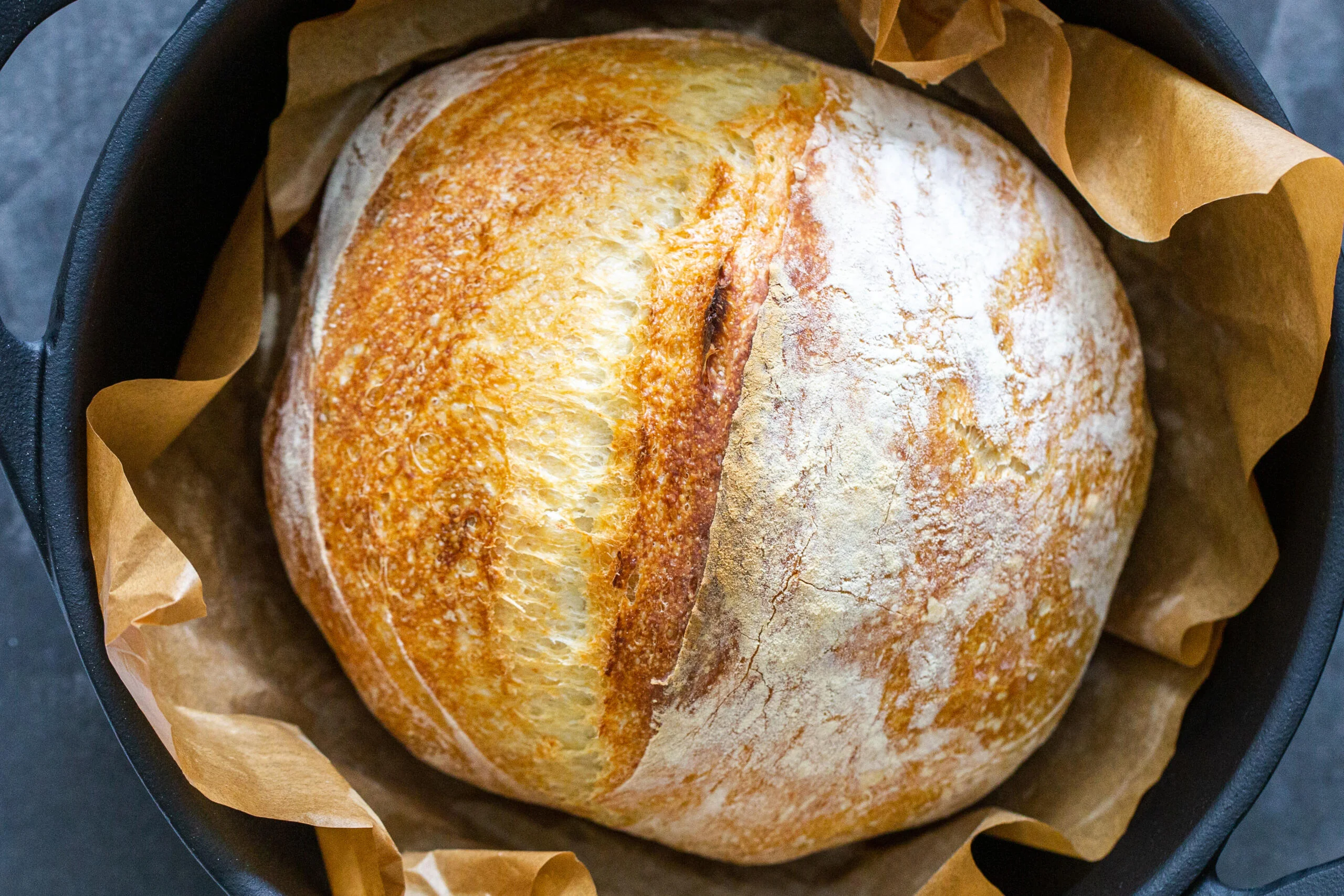
Sauerbraten is one of those dishes that sounds intimidating until you realize it is basically a smart plan: marinate a tough cut so it gets deeply seasoned (and the surface softens a bit), then braise it low and slow in that flavorful liquid until the kitchen smells like a cozy old-world tavern. This version leans smoky and earthy without losing the classic bright backbone. Think toasted spices (a small upgrade), a hint of smoked paprika, mushrooms for depth, and a gravy that lands in that perfect sweet-sour-salty zone.
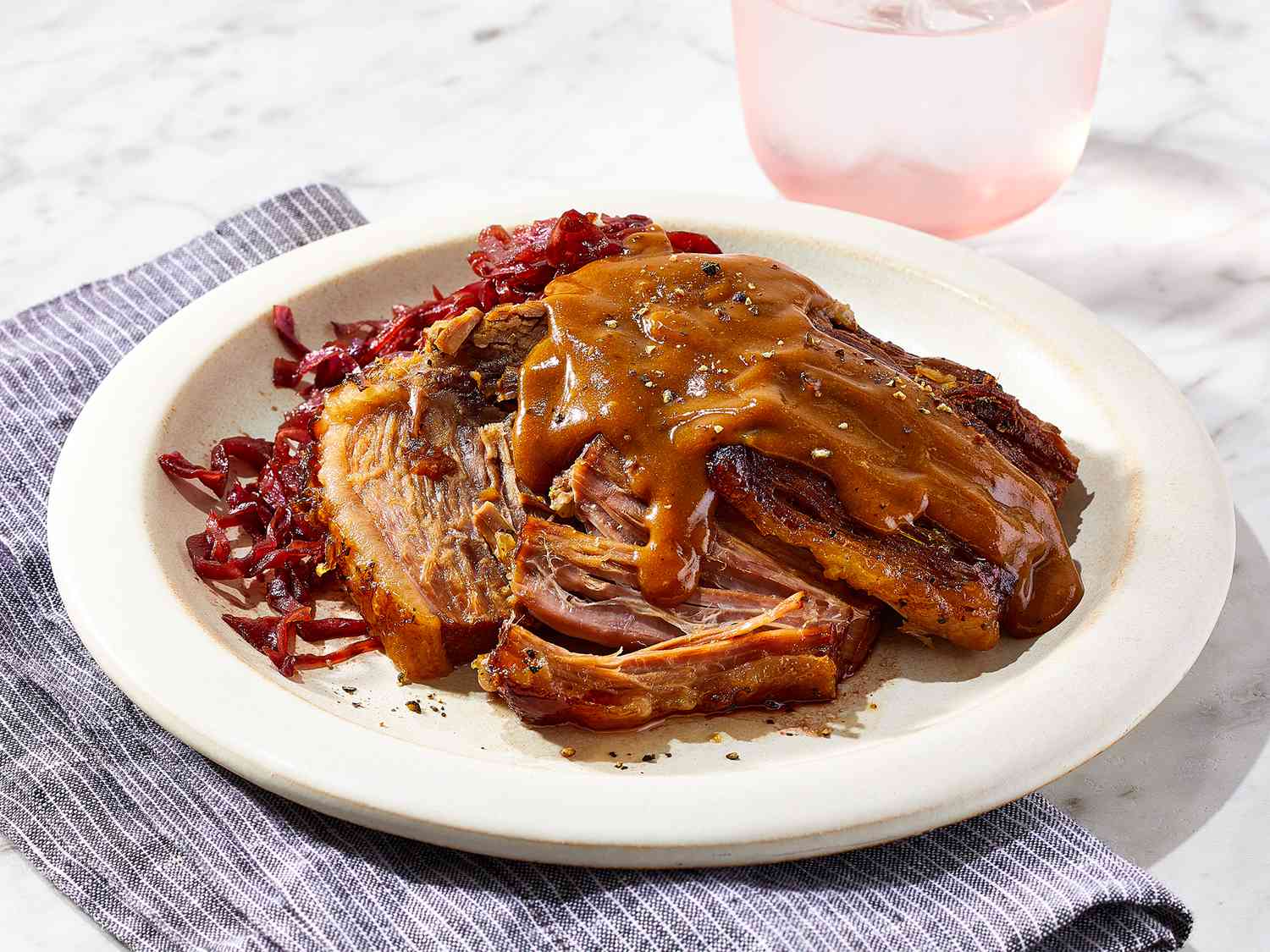
If you have ever tried sauerbraten that tasted mostly like vinegar, do not worry. The approach here builds a marinade that is pleasantly bright, then rounds it out with aromatics and a final gravy that tastes rich and integrated, not sharp.
Why this recipe works
- Smoked paprika adds gentle campfire warmth without turning the dish into barbecue.
- Dried porcini (optional) plus fresh mushrooms layer in a deep, woodsy flavor and add body and savoriness.
- Toasted spices help juniper, clove, and bay taste more awake and less dusty.
- Balanced acid: vinegar stays essential, but onion, carrot, a touch of sweetness, and time soften the sharp edge.
Ingredient notes
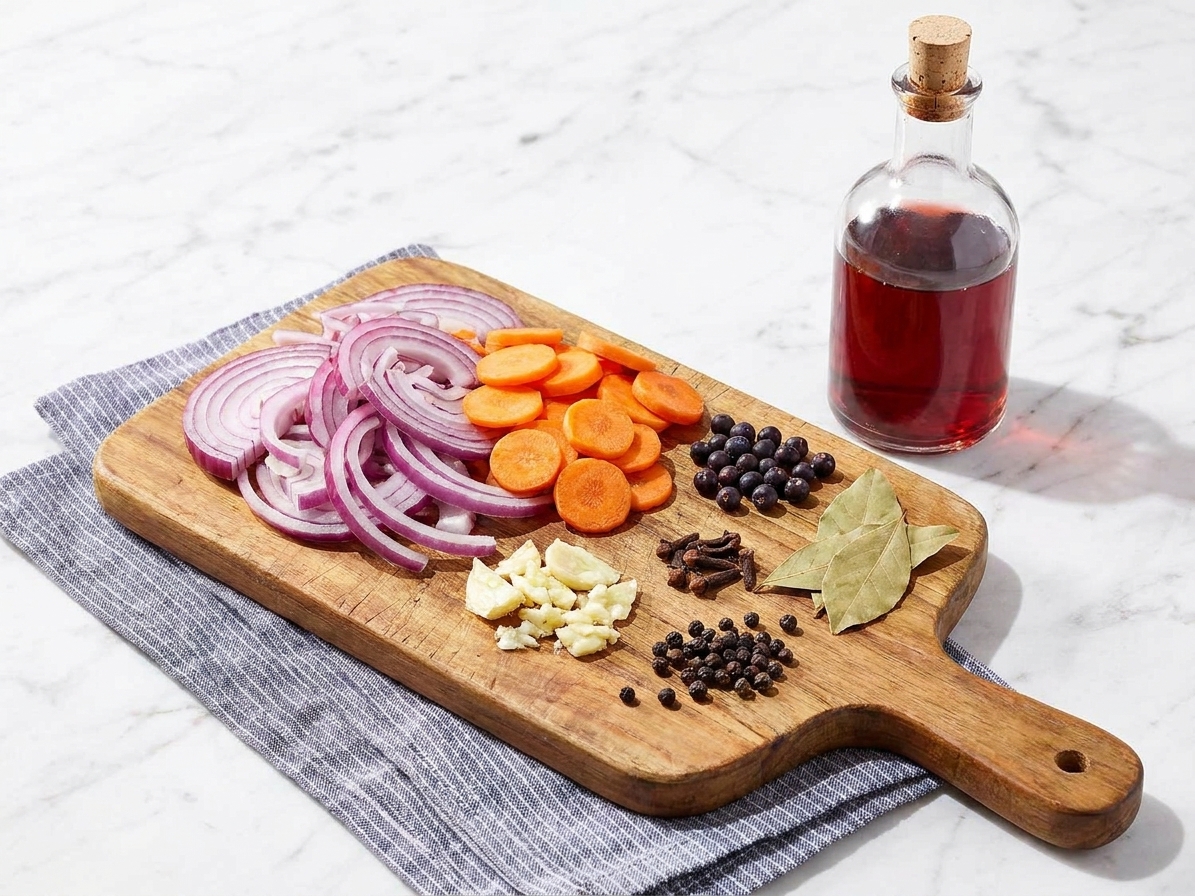
- Beef chuck roast (3 to 4 pounds): a forgiving braise cut with great tenderness and value.
- Red wine vinegar (1 1/4 cups): classic tang.
- Dry red wine (1 cup) or beef broth: wine adds complexity; broth works if you prefer no alcohol.
- Juniper berries (6 to 10, lightly crushed): optional but traditional.
- Smoked paprika (2 teaspoons): brings the “smoky” note.
- Tomato paste (1 tablespoon): color and roundness.
- Cremini mushrooms (12 to 16 ounces): earthy depth and texture.
- Dried porcini (1/2 ounce), optional: rehydrate and use the soaking liquid (strained).
- Rye bread (1 to 2 slices) or gingersnaps (4 to 6): traditional thickeners; rye is savory and earthy, gingersnaps add gentle warm sweetness.
- Brown sugar or honey (1 to 2 teaspoons), as needed: only if the vinegar comes across extra sharp.
Food waste note: If your mushrooms are getting a little wrinkly, this is the perfect place for them. They will taste amazing once browned and braised.
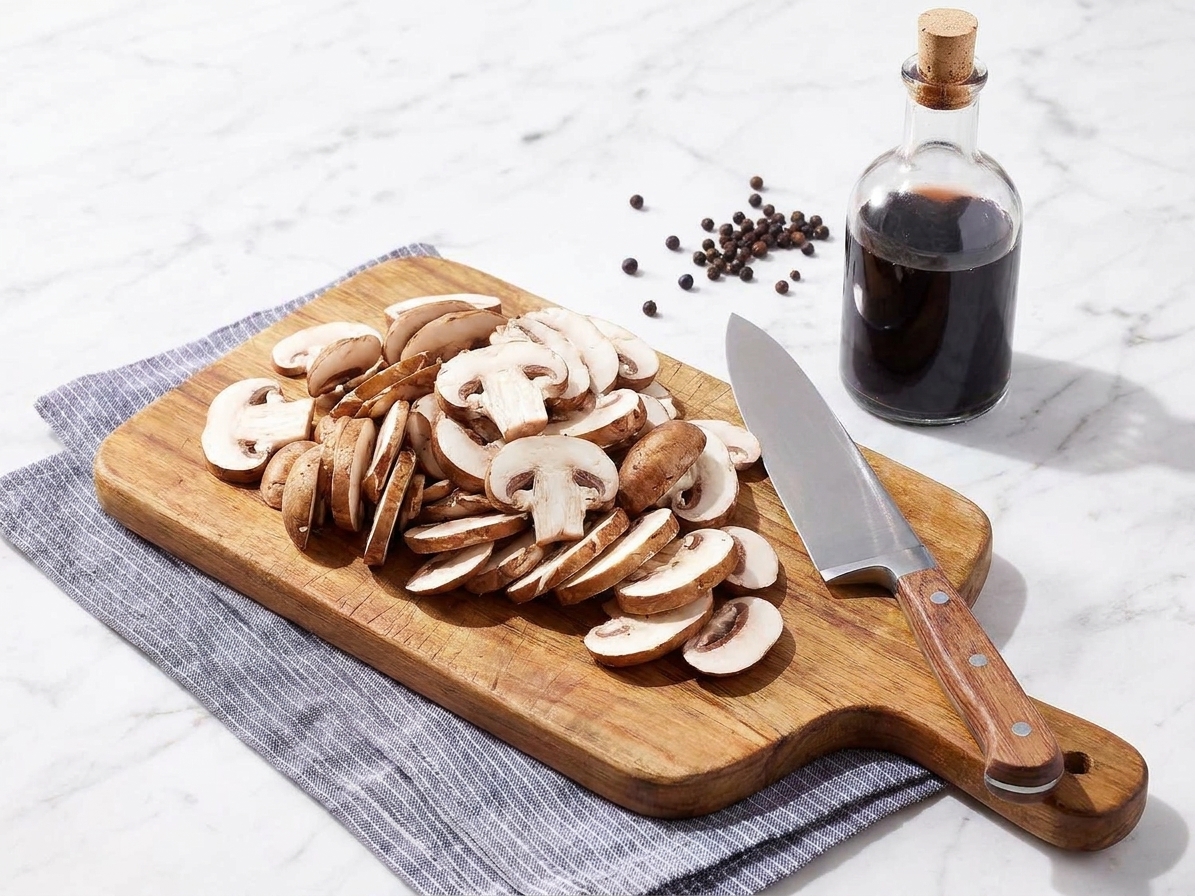
Equipment you will need
- Nonreactive container (glass or food-safe plastic) that fits the roast snugly, for marinating.
- Dutch oven (oven-safe) for searing and braising.
- Skillet for browning mushrooms.
- Fine mesh strainer (especially important if using porcini soaking liquid).
- Immersion blender (optional) for a smooth gravy.
- Cutting board and knife for slicing.
Pro tips
- Keep the roast mostly submerged while marinating: if the liquid does not cover, weight the roast with a small plate or a clean zip-top bag filled with water; turn once a day for even contact.
- Pat the roast very dry before searing: it matters for browning.
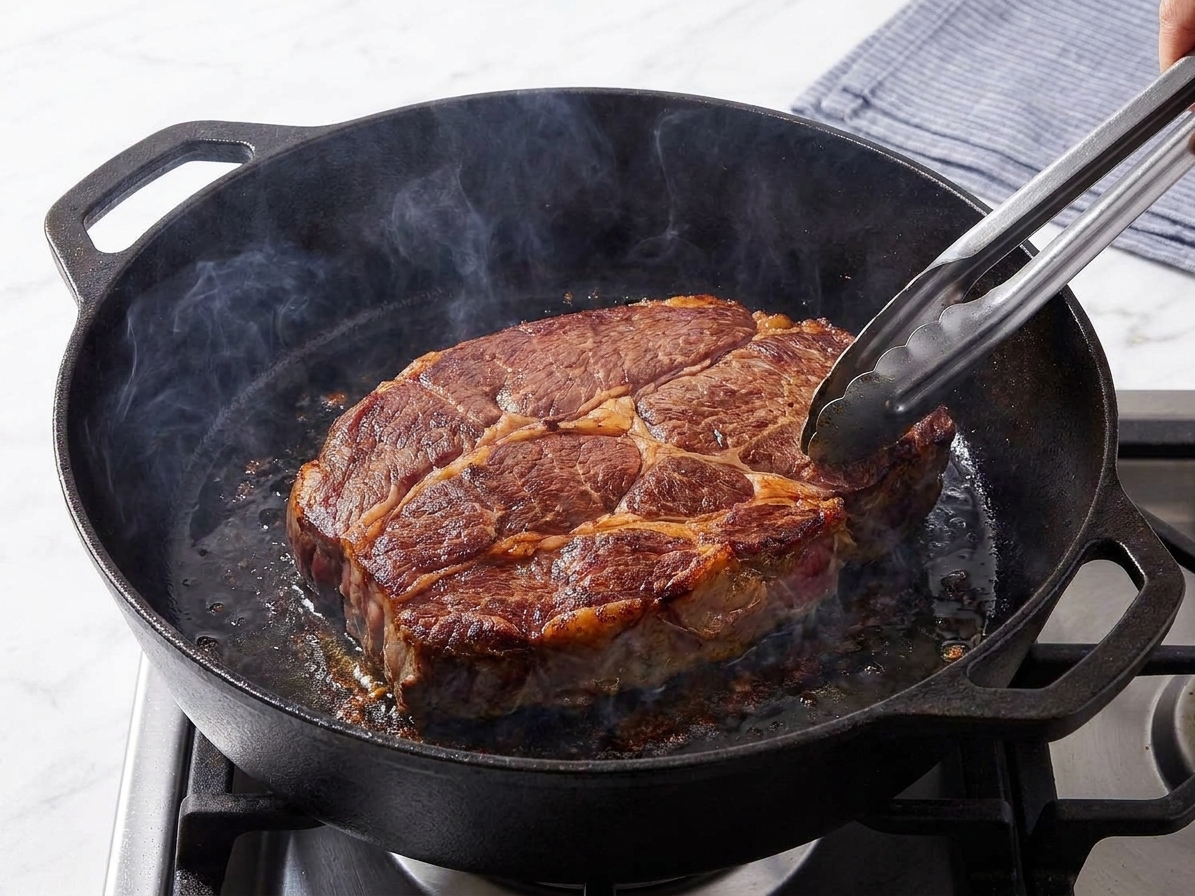
- Sear for a dark, mahogany crust: pale meat usually means the pan is not hot enough or the surface was still wet.
- Food safety: the reserved marinade liquid touched raw beef, so do not taste the braising liquid until it has come to a full simmer.
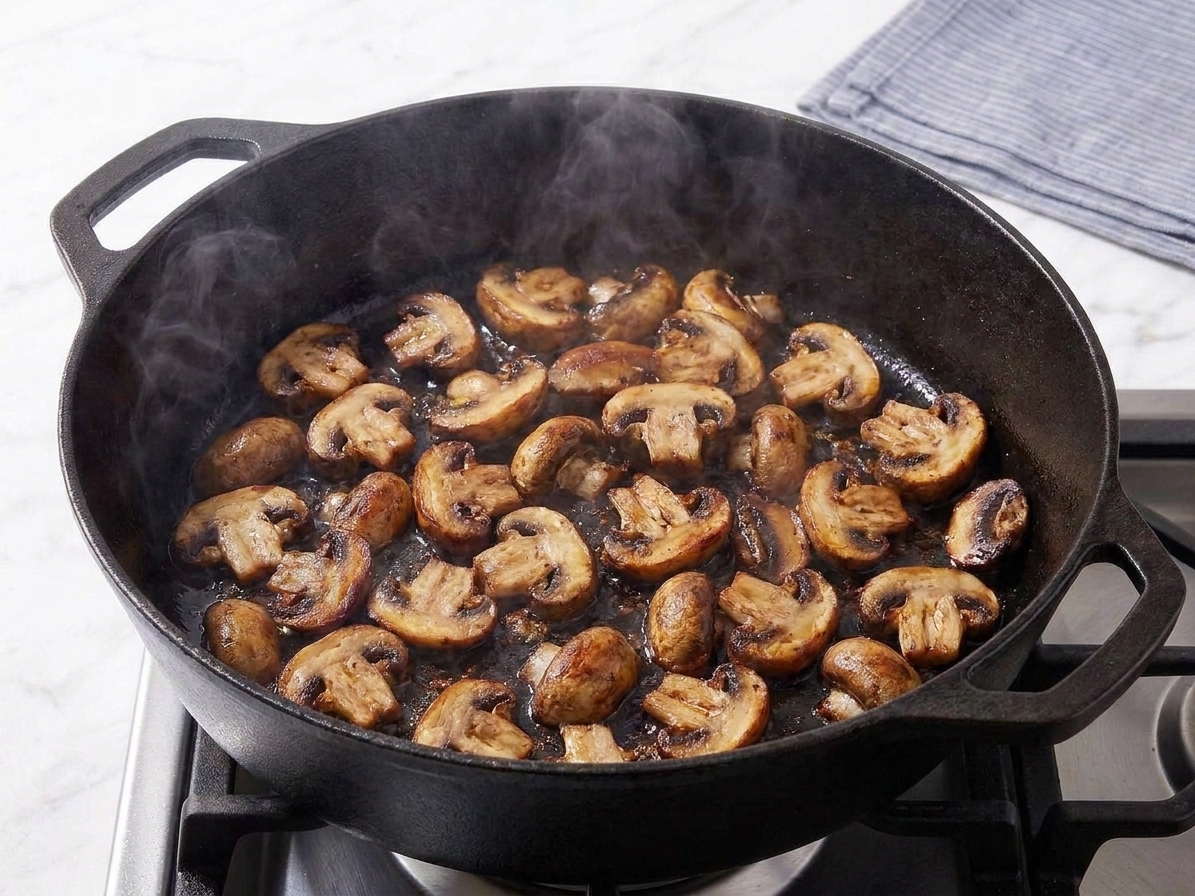
- Do not crowd mushrooms: give them space so they brown instead of steaming.
- Best move (optional): chill overnight in the braising liquid; the flavor deepens and slicing is easier.
- Reheating: warm low and slow with a splash of broth or water; high heat can make the vinegar taste louder.
Substitutes that work
- Brisket can stand in for chuck roast.
- Apple cider vinegar can replace red wine vinegar (it will taste fruitier).
- Beef broth can replace dry red wine.
- Juniper swap: use an extra bay leaf plus a strip of orange peel if you skip juniper berries.
- Thickener swap: rye bread or gingersnaps are traditional; for gluten-free thickening, use a cornstarch slurry (1 tablespoon cornstarch mixed with 2 tablespoons cold water) and simmer until glossy.
Variations
Quick-marinade version (same-day)
Simmer the marinade for 5 minutes (a little longer than the standard 3), cool completely, then marinate 4 to 6 hours. It will not be identical, but it will still be very good.
Instant Pot
- Marinate as written (even 24 hours helps).
- Sear using sauté mode, then add marinade solids and liquid.
- Pressure cook on High for 70 to 85 minutes (depending on thickness), then natural release 15 minutes.
- It should be fork-tender. If it is still tight or slice-resistant, pressure cook 10 to 15 minutes more, then natural release again.
- Simmer to reduce and thicken with rye bread or gingersnaps after cooking. Stir in browned mushrooms at the end (or sauté them first in the pot).
Slow cooker
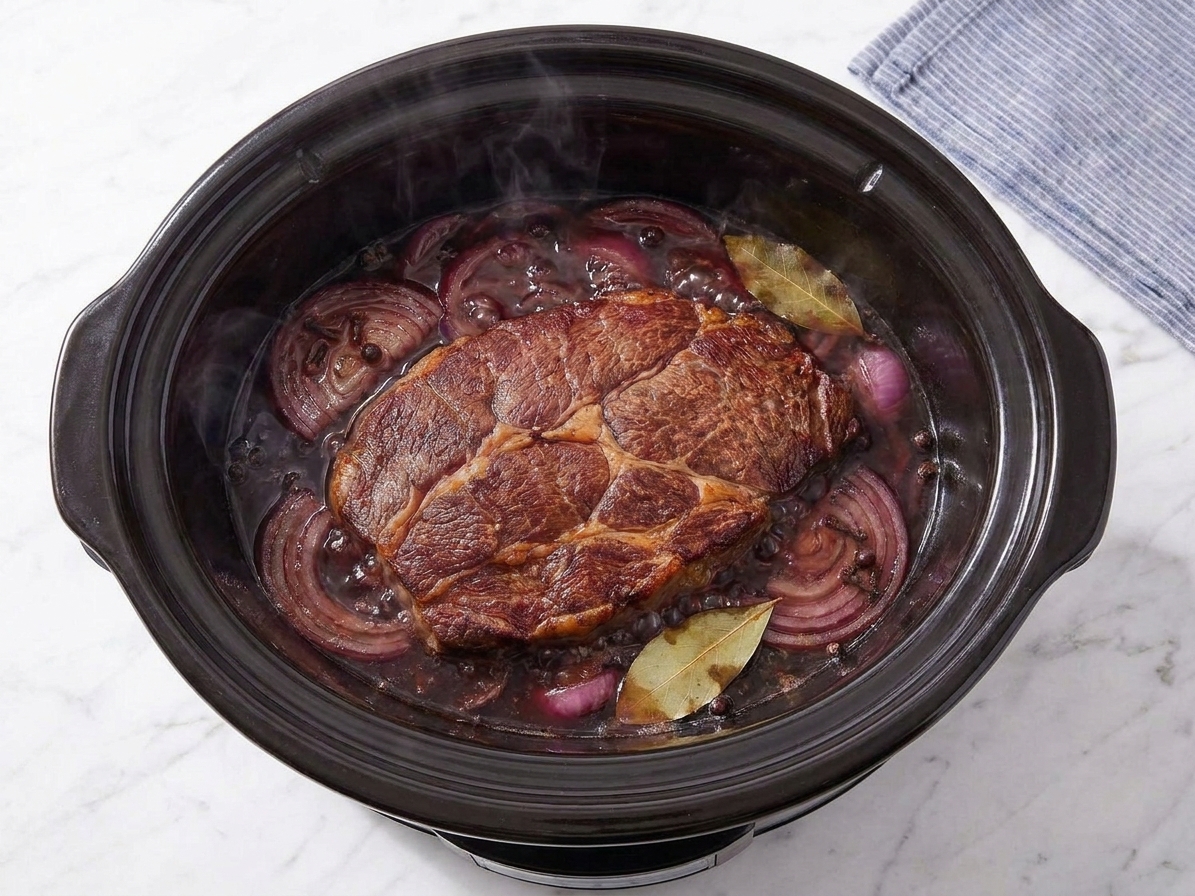
- Sear the roast first if you can, then transfer to the slow cooker.
- Add marinade solids and liquid.
- Cook on Low 8 to 9 hours or High 5 to 6 hours, until fork-tender.
- If it still feels tough, keep cooking. Tough usually means it needs time, not that it failed.
- Thicken the gravy on the stovetop: strain liquid into a pot, whisk in bread or gingersnaps, simmer until thick. Add mushrooms.
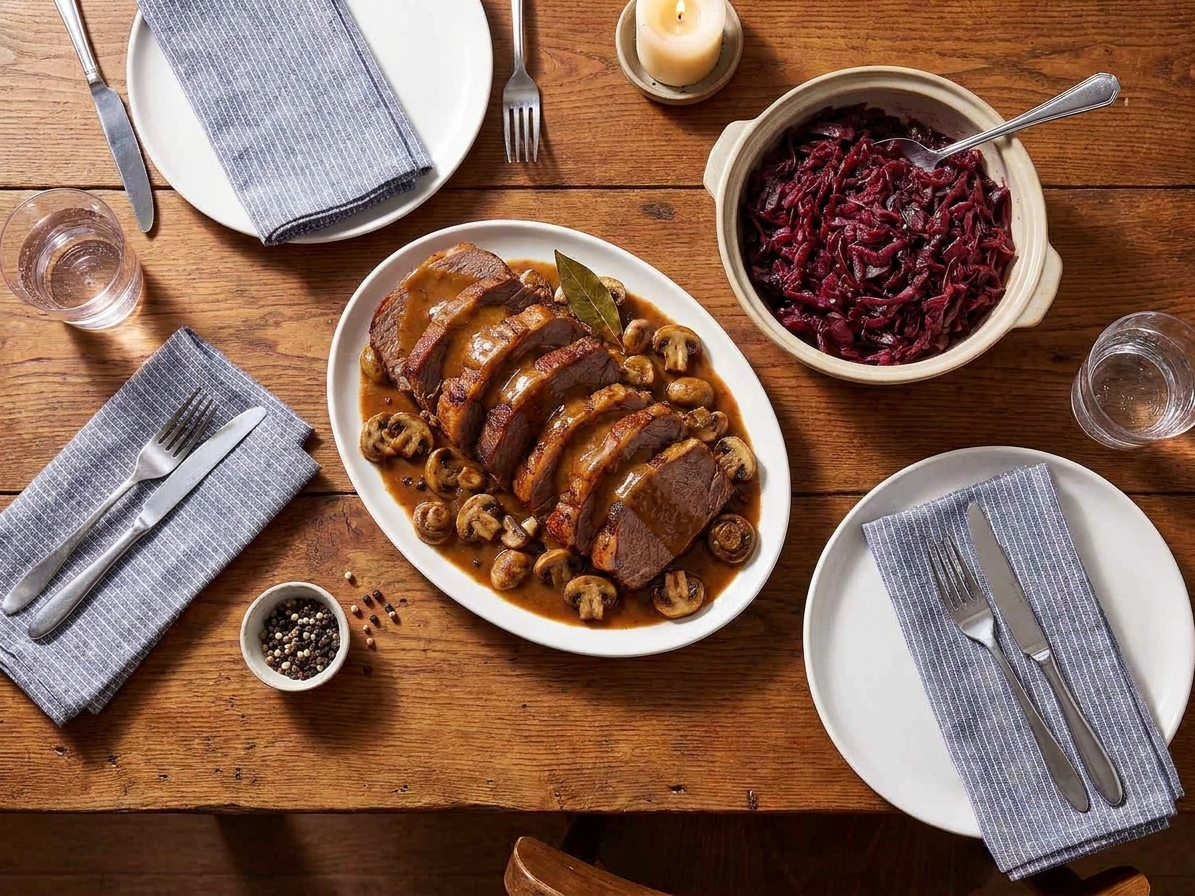
Serving ideas
- Buttery egg noodles or spaetzle: best gravy vehicles.
- Kartoffelklöße (German potato dumplings): classic and cozy.
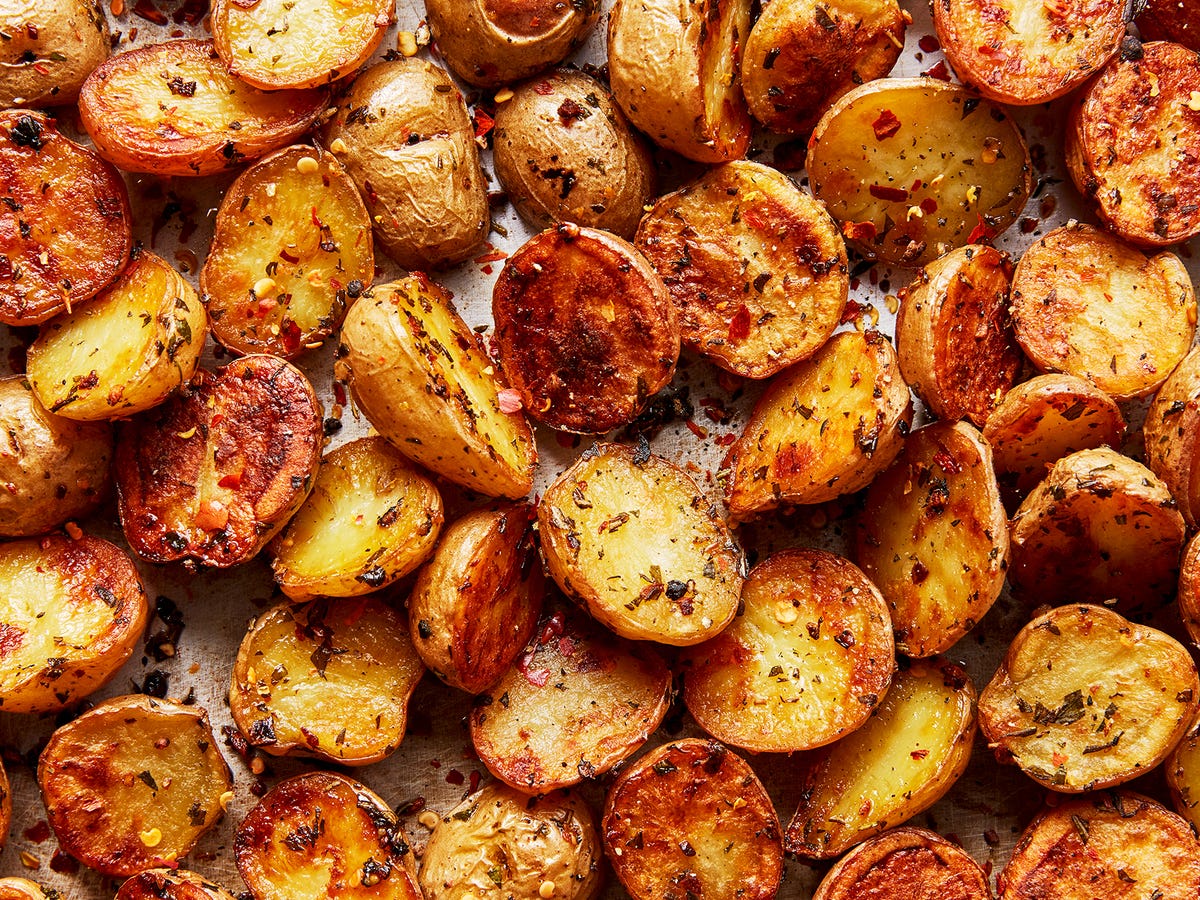
- Mashed potatoes or roasted baby potatoes.
- Sweet and sour red cabbage or simple sautéed kale.
- Cucumber salad with dill and a little vinegar for crunch.
- Something cold and crisp to drink, even if it is just sparkling water with lemon.
Storage and reheating
- Refrigerate: up to 4 days. The flavor improves overnight.
- Freeze: slice the meat, cover with gravy, and freeze up to 3 months. Thaw in the fridge, rewarm gently.
- Leftover ideas: pile warm slices on rye with mustard and pickles, or shred and toss with buttered noodles plus extra gravy.
- Use up: extra gravy is incredible over roasted carrots or mushrooms that need saving.
Reheating tip: Warm low and slow with a splash of broth or water. High heat can make the vinegar taste louder.
Common mistakes
- Not drying the roast before searing: wet meat will not brown well, and you lose depth.
- Tasting the braising liquid too early: the reserved marinade liquid touched raw beef, so wait until it has come to a full simmer.
- Crowding the mushrooms: they steam instead of browning; the flavor will be less earthy and toasty.
- Overdoing cloves or toasting spices too hard: it can make the gravy bitter.
- Assuming “tough” means ruined: with braises, tough usually means it needs more time.
FAQ
Do I have to marinate for multiple days?
No, but 24 hours makes a noticeable difference. If you can go 48 to 72 hours, the flavor gets more rounded and the roast feels more “at home” in the sauce.
Is it supposed to taste sweet?
It is meant to be sweet-sour, not dessert-sweet. The goal is balance. If you taste only sweetness, pull back on gingersnaps or added sugar.
Can I make it gluten-free?
Yes. Skip rye bread and use gluten-free gingersnaps, or thicken with a cornstarch slurry (1 tablespoon cornstarch mixed with 2 tablespoons cold water). Simmer until glossy.
What cut works best?
Chuck roast is a favorite for tenderness and price. Bottom round can work, but it is leaner and less forgiving. If using round, watch closely and slice thinly.
Smoky and Earthy Sauerbraten
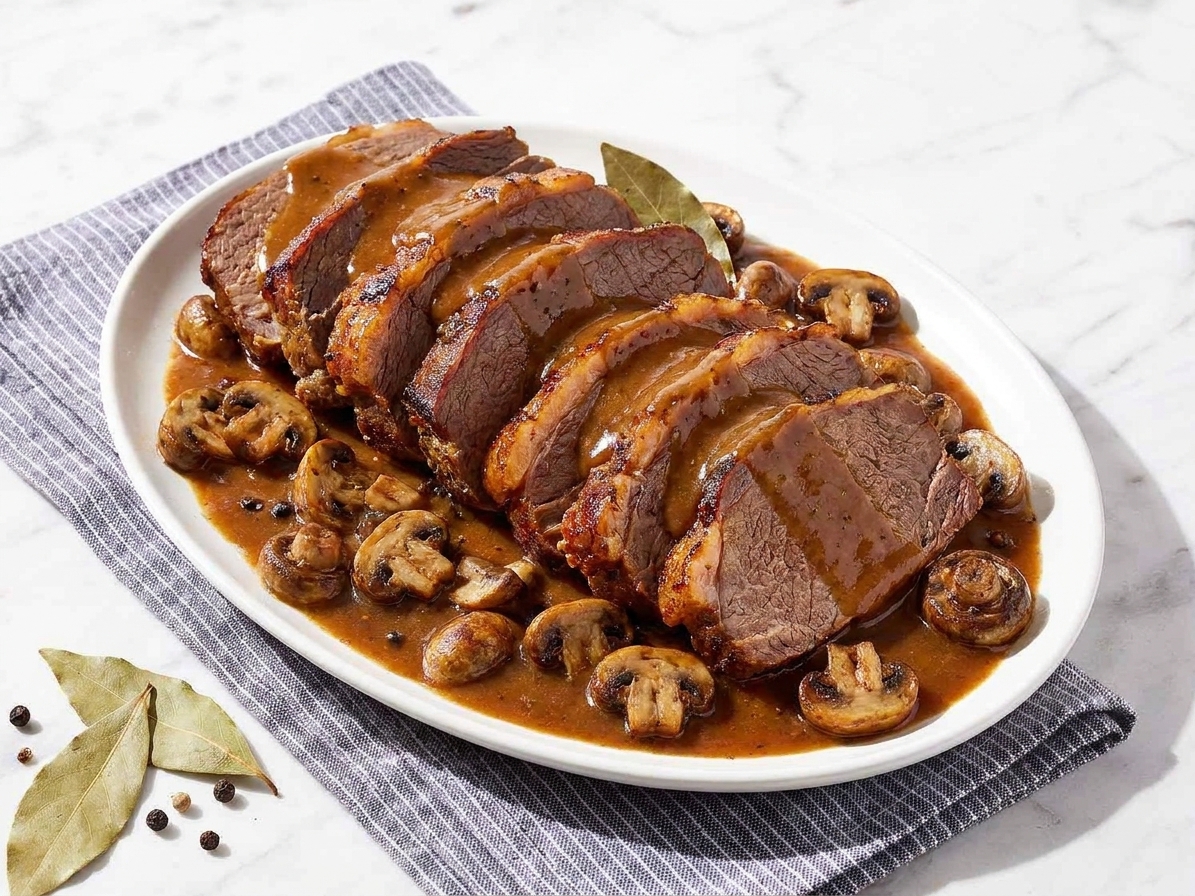
Smoky and Earthy Sauerbraten is a vinegar-and-wine marinated chuck roast braised low and slow, then finished with browned mushrooms and a balanced sweet-sour gravy thickened with rye bread or gingersnaps.
- Prep
- 30 minutes (plus 1 to 3 days marinating)
- Cook
- 3 to 4 hours
- Total
- About 3.5 to 4.5 hours (plus marinating)
- Yield
- Serves 6 to 8
Ingredients
- Beef chuck roast (3 to 4 pounds)
- Red wine vinegar (1 1/4 cups)
- Dry red wine (1 cup) or beef broth
- Onions (2 large)
- Carrots (2)
- Celery (2 stalks)
- Garlic (4 cloves)
- Bay leaves (2)
- Juniper berries (6 to 10, lightly crushed), optional
- Whole cloves (4)
- Black peppercorns (1 teaspoon)
- Smoked paprika (2 teaspoons)
- Tomato paste (1 tablespoon)
- Kosher salt (season in stages)
- Cremini mushrooms (12 to 16 ounces), sliced
- Dried porcini (1/2 ounce), optional
- Rye bread (1 to 2 slices) or gingersnaps (4 to 6)
- Neutral oil (1 to 2 tablespoons)
- Brown sugar or honey (1 to 2 teaspoons), as needed
Instructions
- Make the marinade: In a large pot, combine vinegar, wine (or broth), onions, carrots, celery, garlic, bay, juniper, cloves, peppercorns, smoked paprika, and tomato paste. Bring to a simmer for 3 minutes, then cool completely.
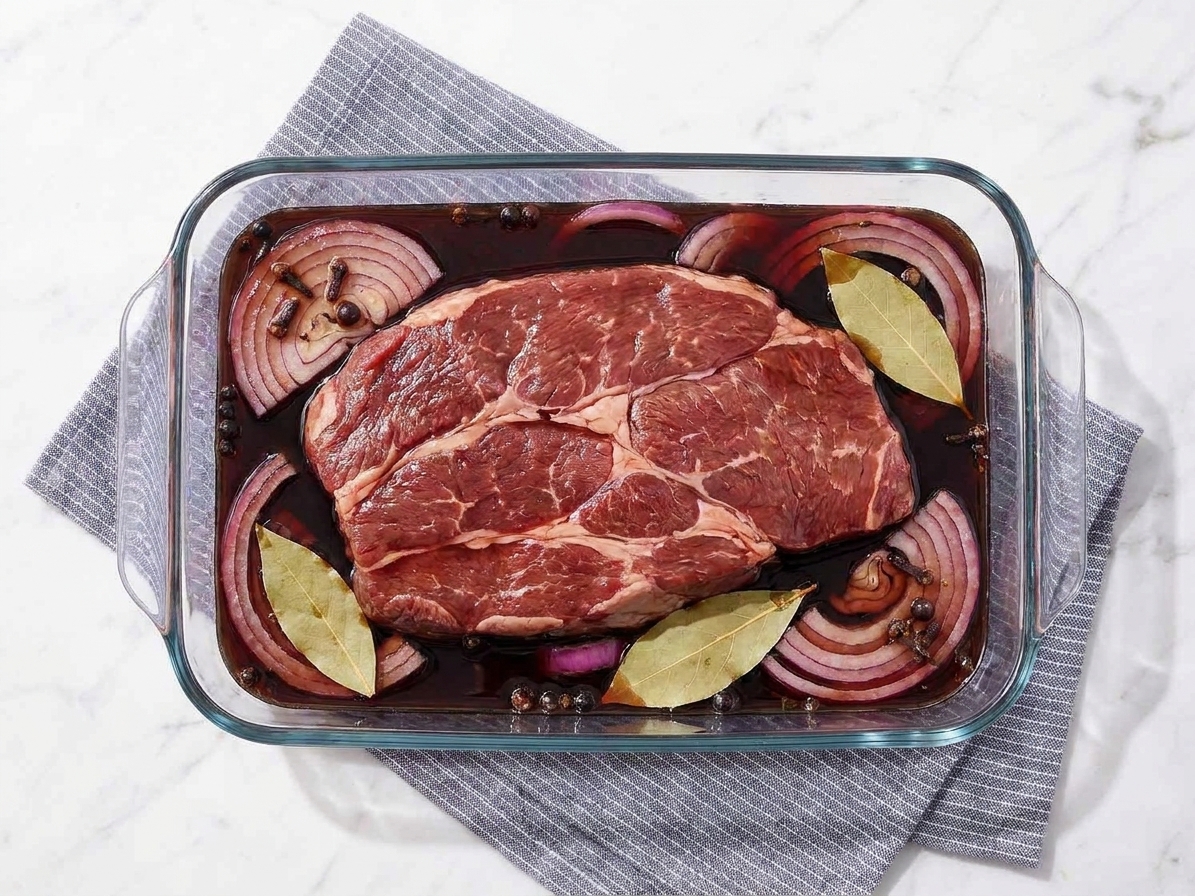
- Marinate: Pour into a large nonreactive container (glass or food-safe plastic) and add the beef. The liquid should mostly cover the roast. Refrigerate 24 to 72 hours, turning once a day if you remember.
- Sear: Remove the roast from the marinade and pat it very dry. Strain the marinade, reserving the liquid and the solids separately. Heat a Dutch oven over medium-high heat with oil. Season the roast generously with salt. Sear 3 to 5 minutes per side until deeply browned.
- Build the braise: Reduce heat to medium. Add the reserved marinade solids to the pot and cook 5 to 7 minutes, scraping up browned bits.
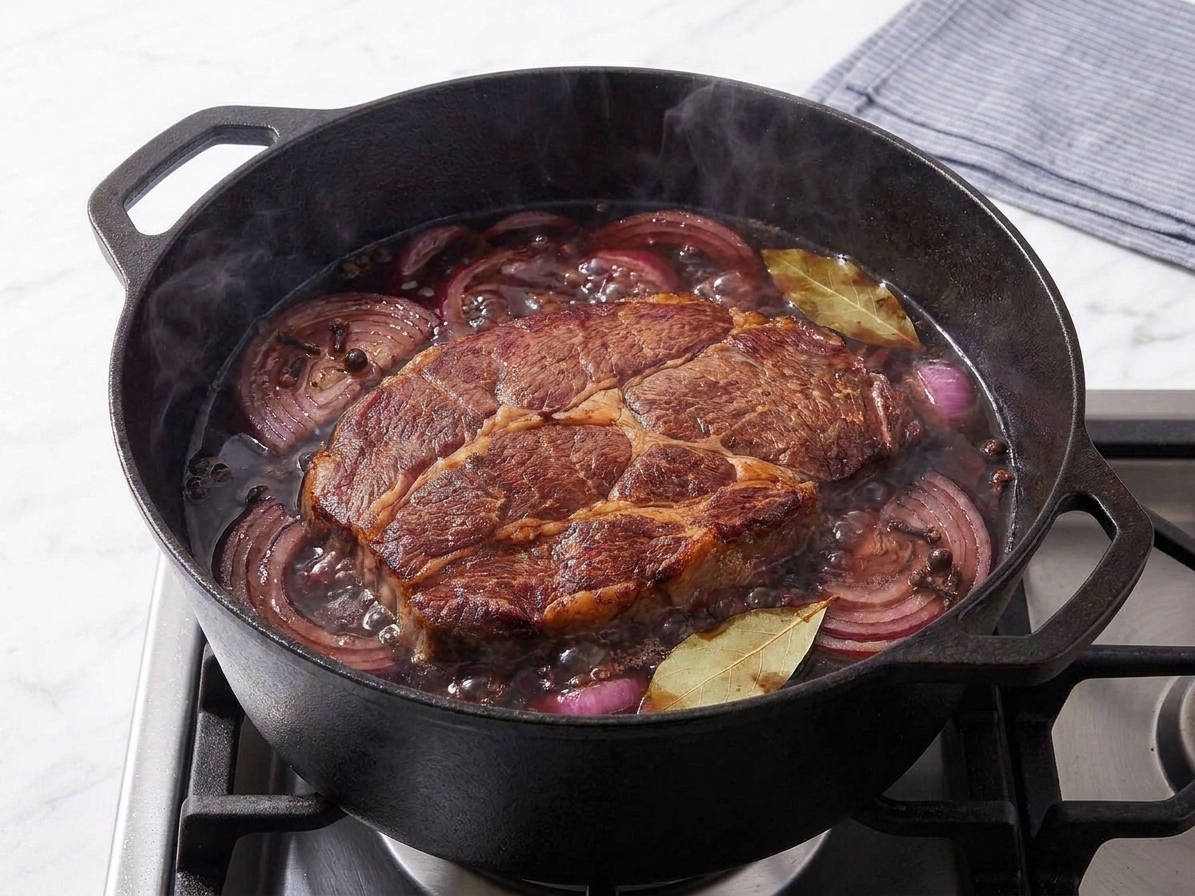
- Add liquid: Add the reserved marinade liquid. If using dried porcini, add the rehydrated mushrooms now and pour in the soaking liquid through a fine mesh strainer. The roast should be mostly submerged; add a splash of broth or water if needed.
- Braise: Bring to a gentle simmer, cover, and braise in a 325°F oven for 2 1/2 to 3 1/2 hours, flipping the roast once halfway, until fork-tender. (Stovetop option: keep at the barest simmer, lid slightly ajar, and check occasionally so it does not boil aggressively.)
- Brown the mushrooms: About 30 minutes before the roast is done, brown the sliced mushrooms in a skillet with a little oil and a pinch of salt until deeply browned and the pan looks mostly dry. Stir into the braise for the final 20 to 30 minutes.
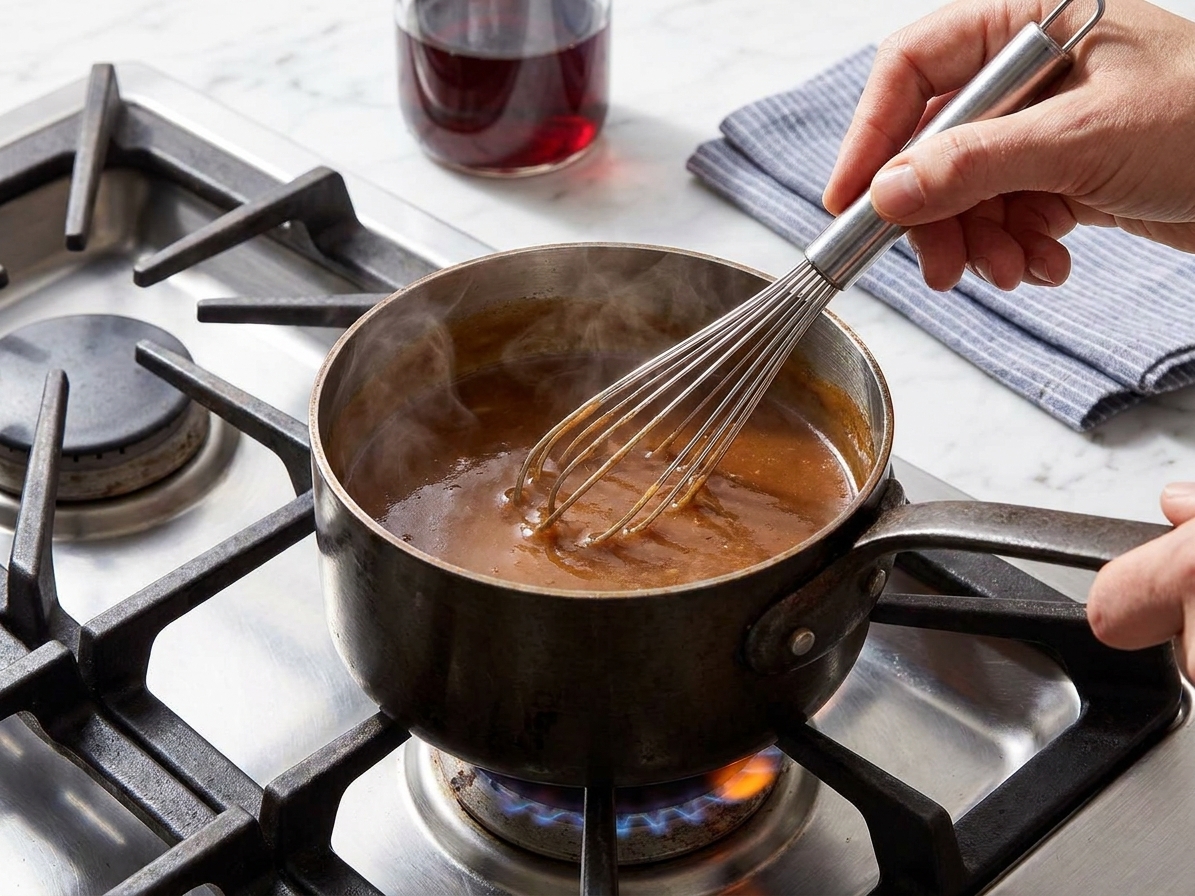
- Thicken and balance the gravy: Transfer the roast to a cutting board and tent loosely with foil. Fish out bay leaves. For a smooth gravy, blend the braising liquid and vegetables with an immersion blender, then strain if desired (or skip blending for rustic gravy). Tear rye bread into small pieces (or crush gingersnaps) and whisk into the hot liquid. Simmer 5 to 10 minutes until thickened. Taste and adjust salt. If too sharp, add 1 teaspoon brown sugar or honey at a time. If flat, add a small splash more vinegar at the end.
- Slice and serve: Slice the roast against the grain (or serve like pot roast if it wants to shred). Spoon gravy over the top and serve hot.
Notes
Timeline: Day 1 (15 minutes active) mix marinade, add beef, refrigerate. Day 2 or 3 sear and braise 2 1/2 to 3 1/2 hours. Optional best move: chill overnight in the braising liquid for deeper flavor and easier slicing.
Container tip: Use a nonreactive container that fits the roast snugly so it stays mostly submerged. If needed, weight it with a small plate or a clean zip-top bag filled with water.
Food safety note: The reserved marinade liquid touched raw beef. Do not taste the braising liquid until it has come to a full simmer.
Troubleshooting: If gravy tastes too sour, simmer 5 to 10 minutes, then add sweetness 1 teaspoon at a time and check salt. If roast is still tough, keep braising until a fork twists easily. If gravy is thin, reduce uncovered, then whisk in more rye bread or a couple extra crushed gingersnaps. If gravy is bitter, too many cloves or over-toasted spice can do it; add a touch of sweetness and more broth, then strain.
Nutrition
- Calories: ~520
- Fat: ~28 g
- Carbs: ~14 g
- Protein: ~50 g
- Fiber: ~2 g
- Sugar: ~6 g
- Sodium: ~750 mg
Nutrition values are approximate and will vary by roast size, salt used, and whether you choose rye bread or gingersnaps.