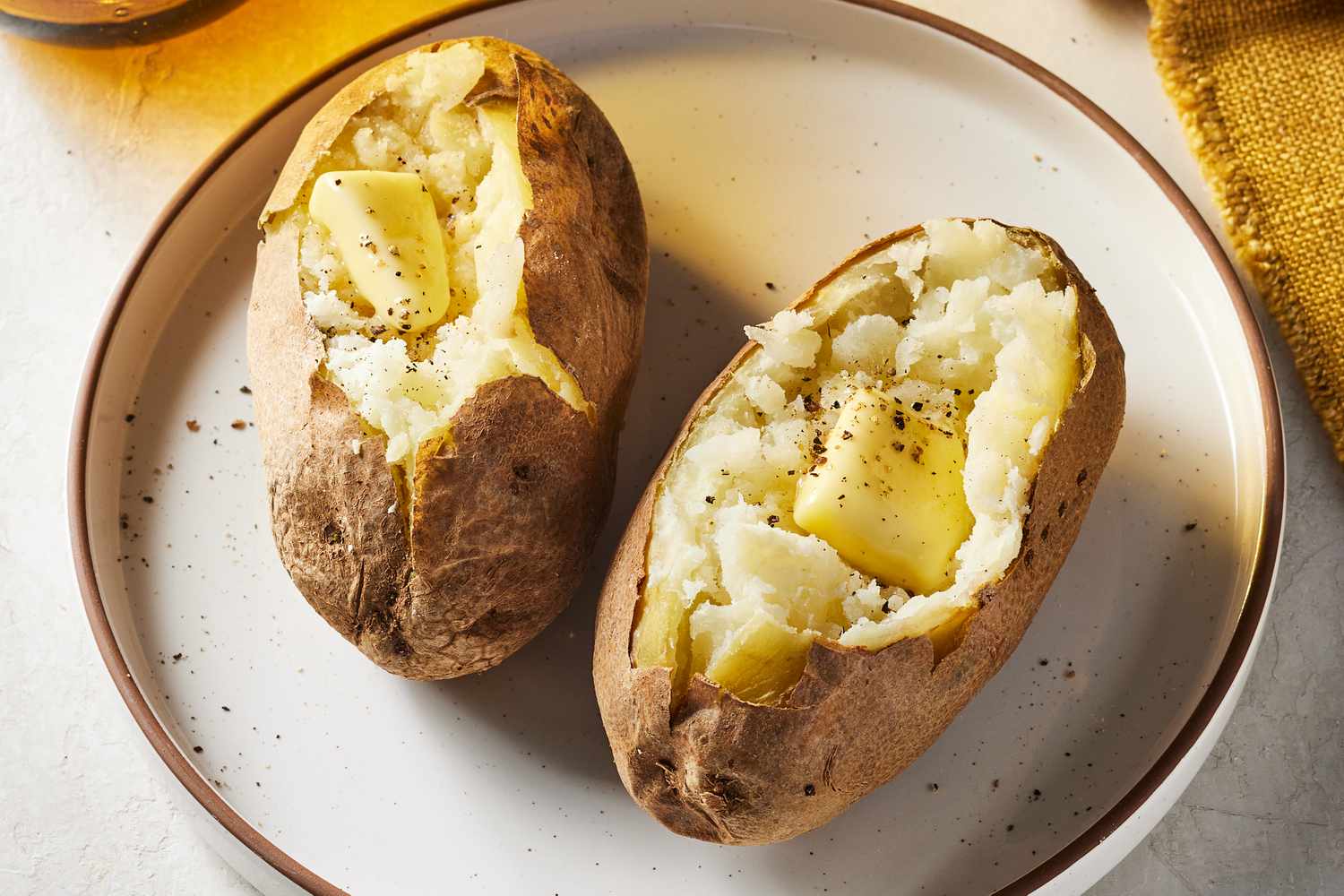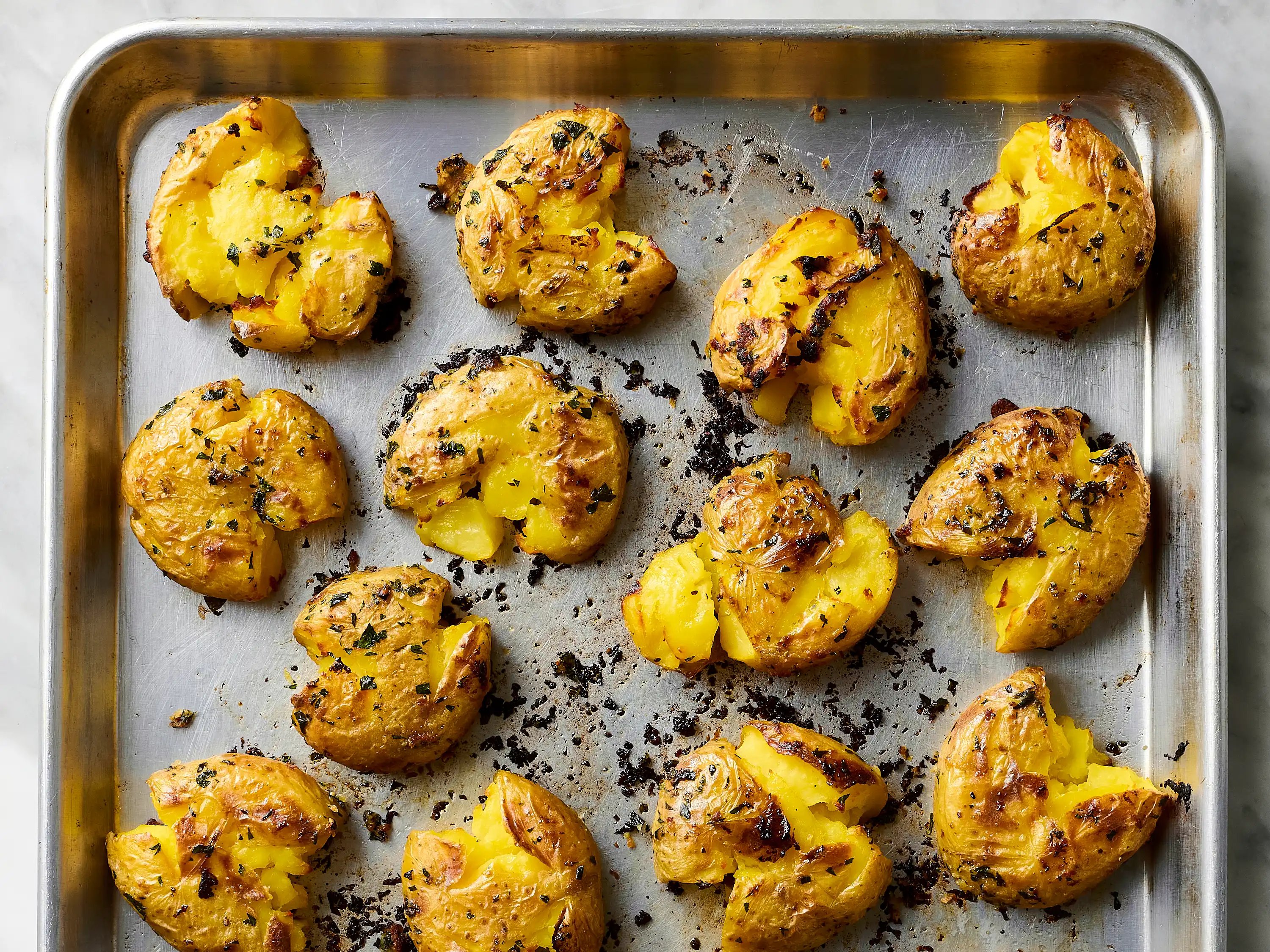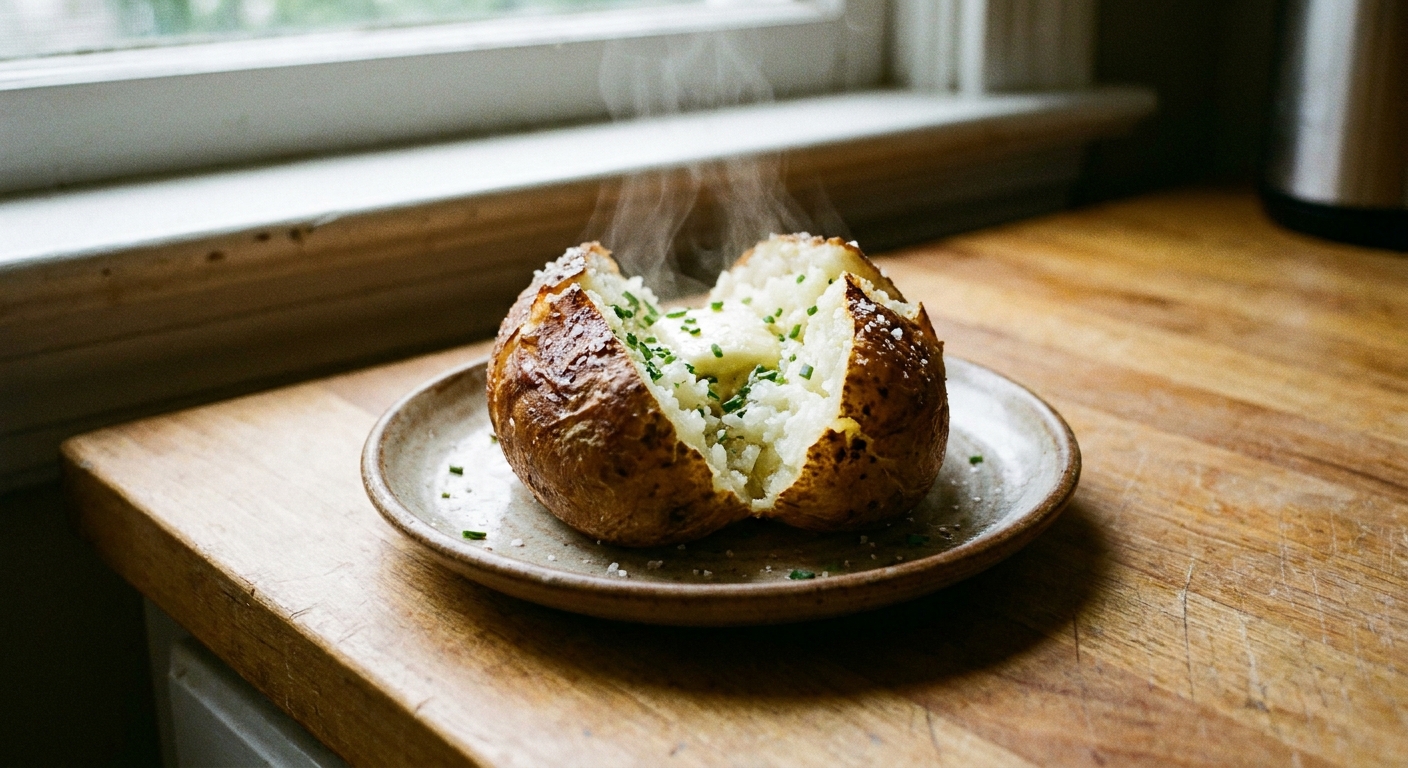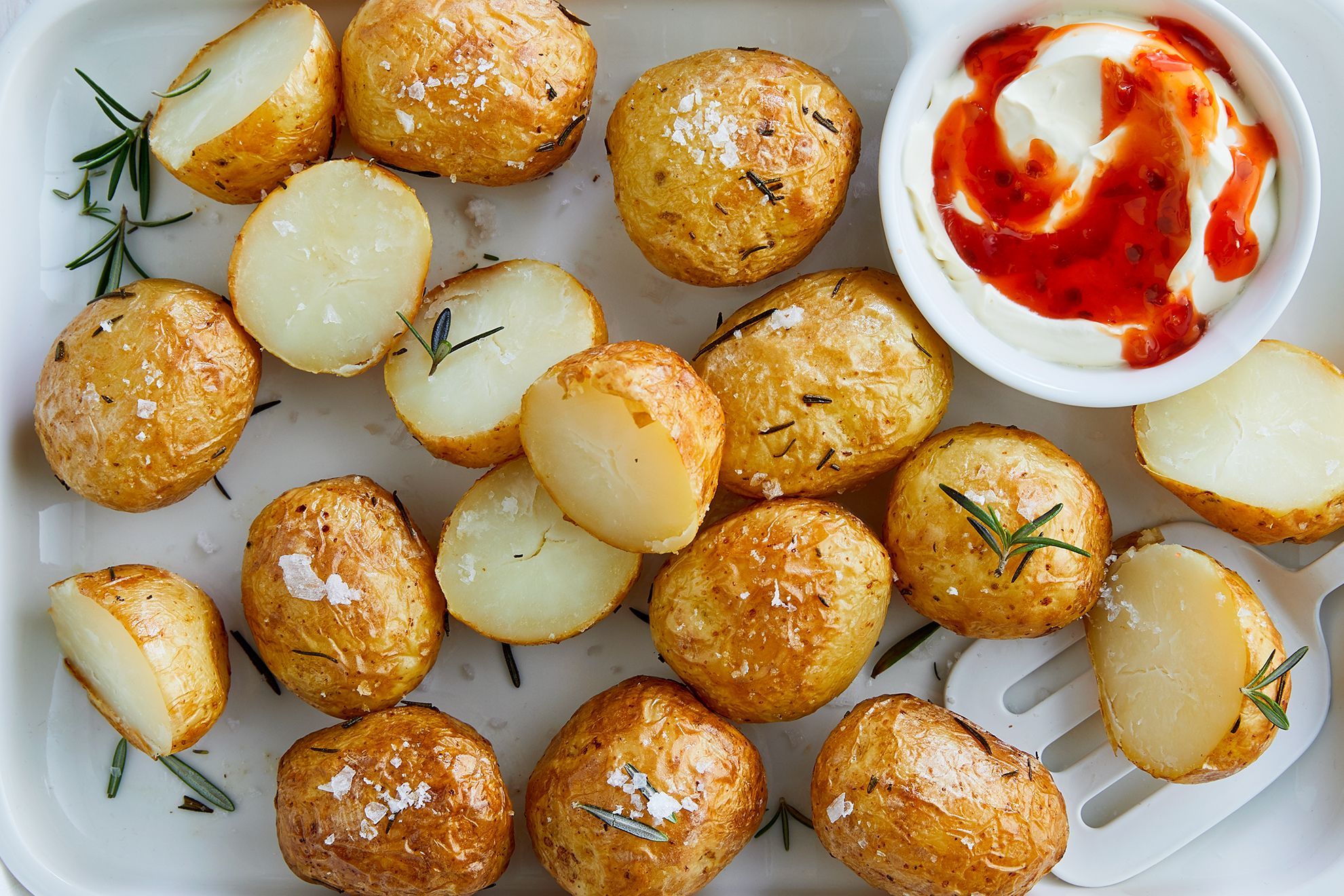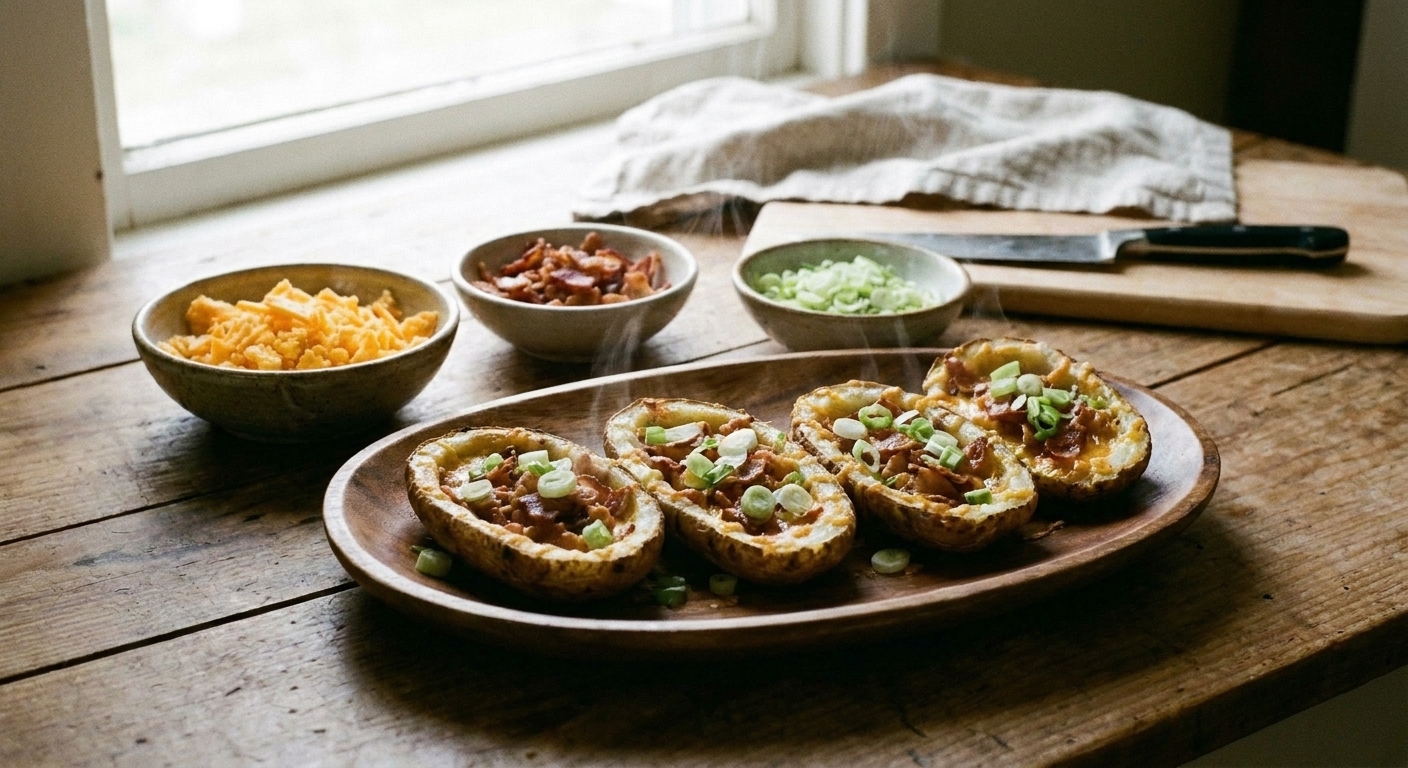

If you have ever made potato skins that looked perfect coming out of the oven but turned soft the moment they hit the table, this is the fix. The secret is treating the potato like two separate jobs: first, bake it until the interior is fluffy and easy to scoop; second, bake the empty shells with fat and salt until they are truly crisp, not just hot.

I learned this the hard way back when I taught weeknight cooking classes. Someone would inevitably scoop too aggressively and tear the skin, or leave the shell too thick and end up with a leathery bite. So here is the rule I use now: aim to leave about 1/4 inch of potato attached to the skin. It is a great target, but do not treat it like a ruler measurement because potato sizes and skins vary. You want a thin cushion of potato that keeps the shell sturdy and gives the toppings something to cling to, without turning the whole thing bready.
A few small moves make a big difference. Let the baked potatoes cool until they are just warm enough to handle before you scoop so they do not shred, and use a sturdy spoon, not a flimsy teaspoon. When it is time to crisp, coat the shells in a thin, even layer of fat so they brown instead of steaming. You are looking for browned edges and a shell that feels dry and firm when you tap it, the kind that promises an audible crunch.
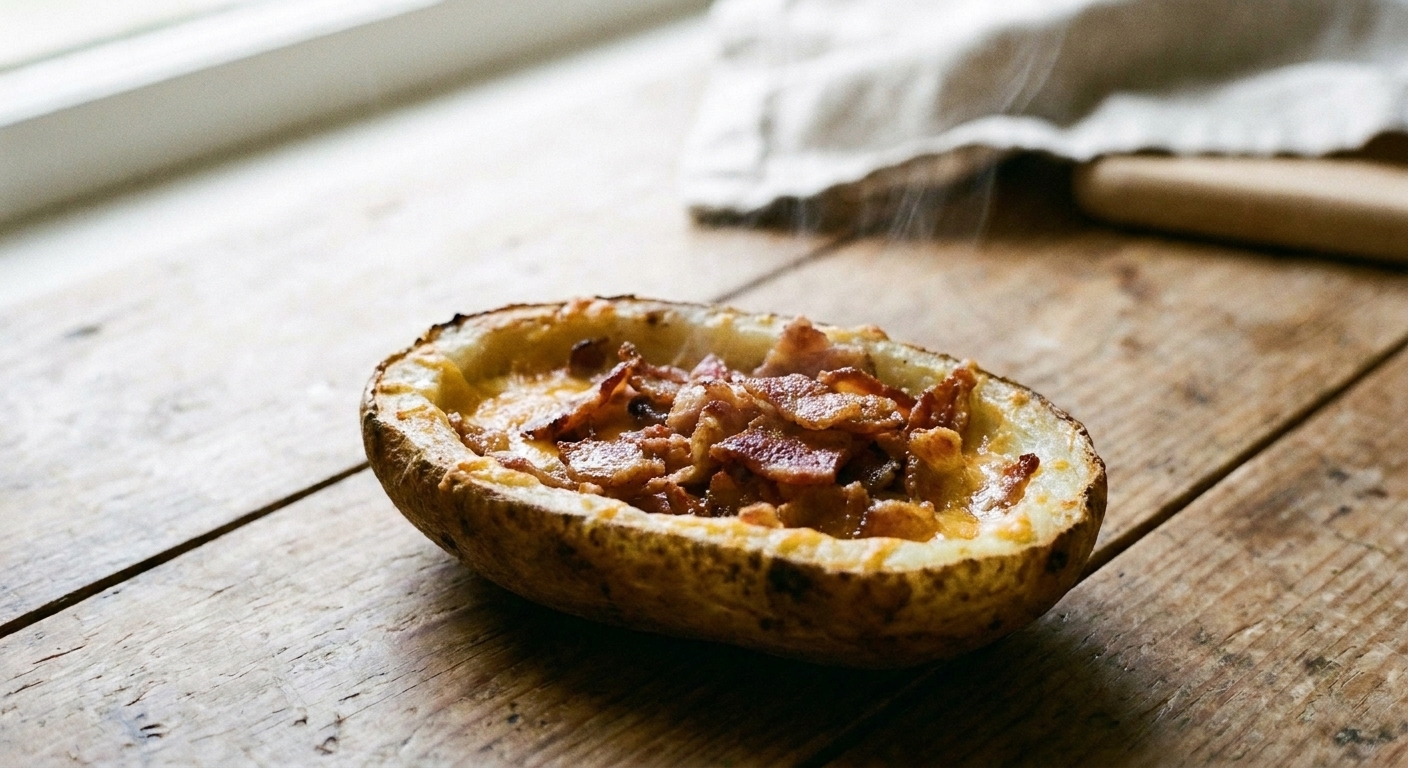
These are classic loaded potato skins: sharp cheddar, bacon, scallions, and a cool dollop of sour cream at the end. They are game-day friendly, but I make them on random Tuesdays too, usually with a quick salad on the side and whatever bits of cheese are lingering in the drawer. They are also a great way to use up baked potatoes that did not get eaten the first night. Re-crisp the shells in the oven before you add the toppings and they crisp up well again.
The recipe below builds in that second crisping round so the shells stay crunchy under the toppings, not just for the first bite.
What to expect
- Big crunch: the shells are crisped in two rounds so they stay crackly longer.
- Melty cheese without soggy skins: the toppings go on after the shells are already crisp.
- Bold, balanced flavor: salt in the shell, smoky bacon, sharp cheddar, and cool sour cream keep each bite from tasting flat.
Why this recipe works
- Russet potatoes crisp best. Their thick skins and higher starch content bake up sturdy and dry, which is exactly what you want for a crunchy shell.
- The 1/4-inch target prevents rips and sogginess. Leaving a thin layer of potato reinforces the skin so it does not collapse, while still letting the shell crisp.
- Double-crisping drives off moisture. Baking the empty shells in two rounds evaporates steam and sets the skin so it stays crisp longer on the platter.
- Fat plus salt builds flavor and crunch. Brushing both sides with oil or bacon fat and seasoning early helps the shell brown deeply and taste good even before the toppings.
Ingredient notes
- Russet potatoes: Medium russets are the easiest to portion. Look for potatoes that feel heavy for their size with unblemished skins.
- Oil or rendered bacon fat: Bacon fat gives the most classic flavor. Neutral oil works great too. Either way, be generous enough to coat the surface so it fries slightly in the oven.
- Cheddar: Sharp cheddar has the best payoff. Grate it yourself if you can. Pre-shredded cheese melts a little grainier because of anti-caking agents.
- Bacon: Cook until truly crisp, then chop. Chewy bacon releases moisture and can soften the skins.
- Scallions: Add after baking for fresh bite and color.
- Sour cream: Serve on the side or dollop on top right before serving. Adding it too early makes the topping slide and cools the skins.
Equipment you will need
- Sheet pan
- Wire rack (optional but helpful for airflow)
- Pastry brush or spoon for oil
- Sharp knife
- Spoon for scooping (a sturdy tablespoon works well)
- Paper towels (for blotting excess grease)
Pro tips
Shell thickness
Scoop so you leave about 1/4 inch of potato attached to the skin. Think: thick enough that you cannot see the skin from the inside, thin enough that it is clearly a shell. If you go thinner, it tears. If you go thicker, it stays bready and steams.
The two-crisp method
- First crisp: bake the oiled shells so the interior dries and browns.
- Second crisp: bake again until the skins turn blistered and crackly.
Keep them crunchy
- Do not add cheese too early. Cheese traps steam. Crisp first, then top.
- Serve fast, serve hot. Potato skins are at their crunchiest in the first 10 to 15 minutes.
- Vent if holding. If you must wait, keep them on a rack on the pan in a low oven (around 200°F). Avoid covering with foil, which steams them.
- Go easy on wet toppings. Save salsa, guacamole, and sour cream for the very end.
Substitutes that work
- No bacon: use chopped ham, crisped pancetta, or a sprinkle of smoked paprika plus extra scallions for a smoky vibe.
- No sour cream: plain Greek yogurt works well. Add a pinch of salt and a squeeze of lemon to mimic sour cream tang.
- No cheddar: Monterey Jack melts beautifully. Pepper Jack adds heat. A mix of cheddar and Jack is my favorite.
- Oil swap: melted butter browns nicely, but watch closely since milk solids can darken faster than oil.
Variations
- Buffalo chicken skins: top crisped shells with shredded cooked chicken tossed in Buffalo sauce, then cheese. Finish with scallions and a drizzle of ranch or blue cheese dressing.
- Broccoli cheddar: add finely chopped steamed broccoli under the cheese for a lighter, veggie-forward version.
- Southwest: swap bacon for chorizo, add pickled jalapeños after baking, and finish with cilantro.
- Vegetarian loaded: use sautéed mushrooms or caramelized onions instead of bacon, plus extra sharp cheddar.
Serving ideas
- Serve with sour cream and hot sauce on the side so everyone can customize.
- Add a simple, crunchy salad with a vinaigrette for balance.
- Make them part of an appetizer spread with wings, veggie sticks, and a dip that is not too wet.
Storage and reheating
Storing
Potato skins are best fresh, but leftovers keep well. Cool completely, then refrigerate in an airtight container for up to 3 days.
Reheating (how to bring back crunch)
- Oven: 400°F until hot and re-crisped, about 8 to 12 minutes. Use a rack if you have one.
- Air fryer: 375°F for 4 to 7 minutes, checking early.
- Avoid the microwave: it steams the shells and turns them soft.
Common mistakes
- Scooping too much: shells tear easily and cannot crisp properly. Leave about 1/4 inch.
- Not drying the potatoes: wet potato interiors steam. After scooping, let shells sit a minute, then brush with fat and bake to drive off moisture.
- Cheesing before crisping: cheese blocks evaporation. Crisp first, top second.
- Underseasoning the shell: the inside needs salt. Season the cut side before the first crisp.
- Holding under foil: that is a steam trap. If you need to hold, use a rack and a low oven.
FAQ
Can I prep potato skins ahead of time?
Yes. Bake and scoop the potatoes up to 1 day ahead. Refrigerate the shells uncovered for 30 minutes to dry slightly, then cover. When ready, crisp them in the oven, then add toppings.
What should I do with the scooped potato?
Save it. I mash it with a splash of milk and salt for a quick side, fold it into breakfast hash, or stir it into soup to thicken.
Broil or bake for the cheese melt?
Either works. Baking is gentler and more even. Broiling is faster, but stay close because cheddar can go from bubbly to scorched quickly.
Why are my potato skins tough?
Usually the shell is too thick, or the potato was overbaked and dried out before scooping. Aim for that 1/4-inch layer and crisp the shell with oil to keep the bite tender-crisp, not leathery.
Loaded Potato Skins
Crispy, oven-baked loaded potato skins with cheddar, bacon, and scallions. The shells get crisped twice so they stay crunchy, then topped and baked until melty.
- Prep
- 20 minutes
- Cook
- 1 hour 10 minutes
- Total
- 1 hour 30 minutes
- Yield
- 24 potato skin halves
Ingredients
- 12 small to medium russet potatoes (about 6 to 7 oz each), scrubbed and dried
- 2 tbsp neutral oil or melted bacon fat, plus more as needed
- 1 1/2 tsp kosher salt, divided, plus more to taste
- 1/2 tsp freshly ground black pepper
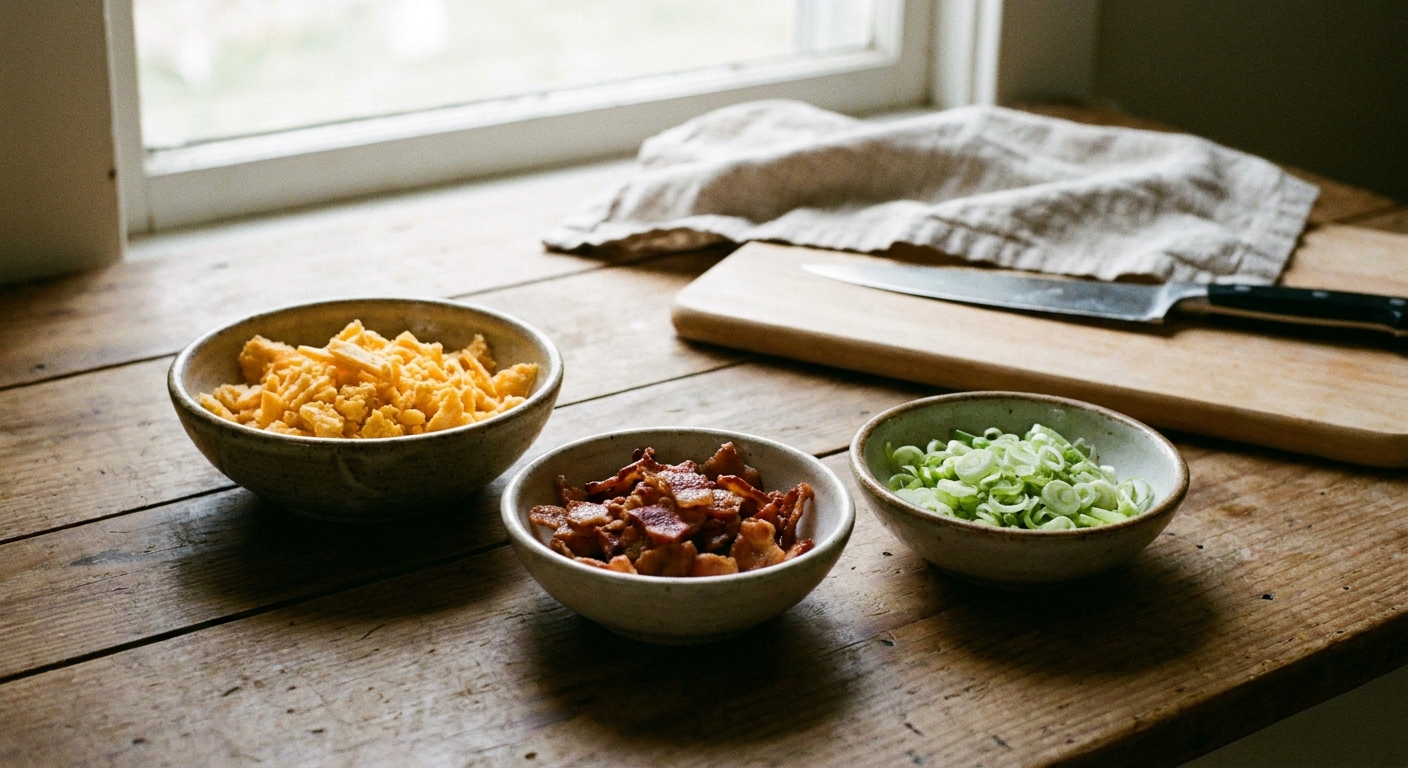
- 8 slices bacon, cooked crisp and chopped
- 2 cups (about 8 oz) sharp cheddar cheese, freshly grated
- 3 scallions, thinly sliced (green and pale green parts)
- Sour cream, for serving
- Optional: hot sauce, for serving
Instructions
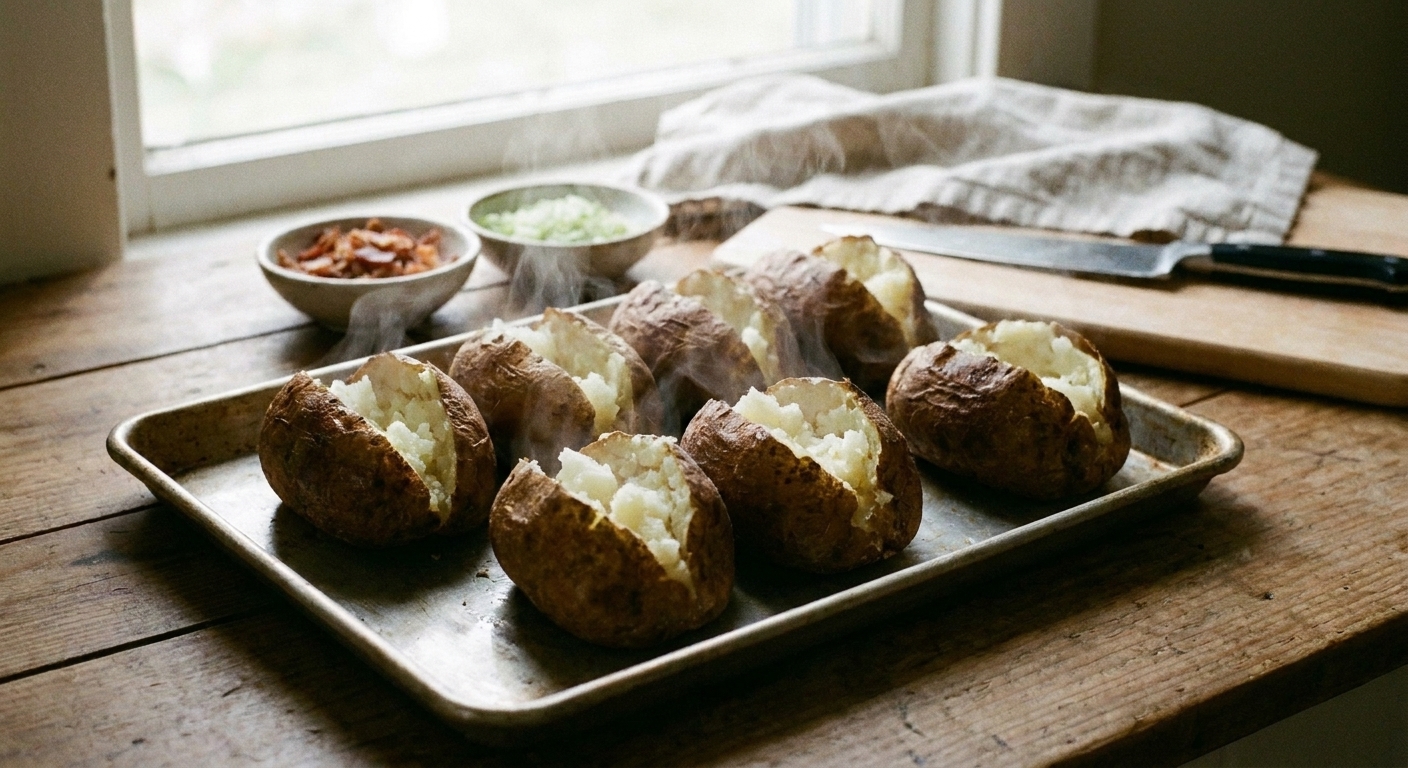
- Bake the potatoes. Heat the oven to 425°F. Prick each potato 2 to 3 times with a fork. Place directly on the oven rack with a sheet pan on the rack below to catch drips. Bake until tender and easily pierced with a knife, 45 to 60 minutes depending on size.
- Cool just enough to handle. Transfer potatoes to a rack or sheet pan and let sit 10 to 15 minutes, until you can handle them without burning yourself.
- Halve and scoop. Slice potatoes lengthwise. Using a spoon, scoop out the flesh, leaving about 1/4 inch of potato attached to the skin. Set scooped potato aside for another use.
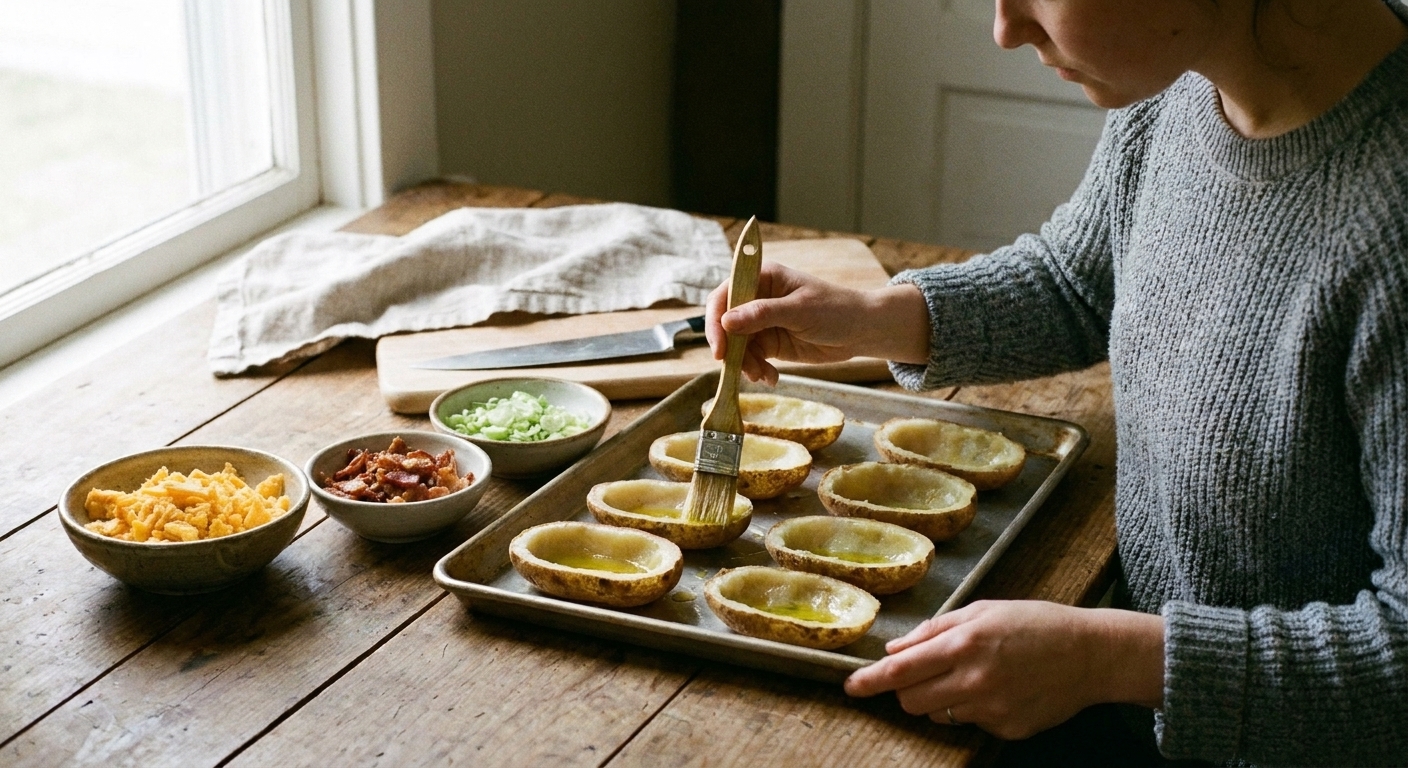
- Season and oil the shells. Brush or rub the cut side and skin side lightly with oil or bacon fat. Sprinkle the cut side with about 1 tsp of the salt and all the pepper.
- First crisp. Arrange shells cut-side down on a sheet pan (ideally on a rack). Bake at 425°F for 10 minutes.
- Second crisp. Flip shells cut-side up and bake 8 to 12 minutes more, until the edges are browned and the shells feel crisp. If any look dry, brush very lightly with a touch more fat.
- Load and melt. Sprinkle cheddar evenly into each shell, then add bacon. Return to the oven for 4 to 6 minutes, just until the cheese is melted. For deeper browning, broil for 30 to 90 seconds, watching closely.
- Finish and serve. Top with scallions and a light pinch of the remaining 1/2 tsp salt if needed. Serve immediately with sour cream (and hot sauce, if using).
Notes
Make-ahead: Bake and scoop the potatoes up to 1 day ahead. Keep shells refrigerated, then do the double-crisp right before serving.
Keeping them crisp on a platter: If you are serving a crowd, keep finished skins on a rack set over a sheet pan in a 200°F oven for up to 30 minutes. Do not cover.
Cheese tip: Freshly grated cheddar melts smoother and faster, which helps prevent overbaking the shells while waiting for the cheese to melt.