Cabbage is one of those quiet groceries that sits in the crisper like it is waiting for a personality. This is how I give it one. We are talking deep caramelization, buttery gloss, and a bright acidic finish that makes the whole pan taste expensive in the best, most rustic way.
Think of this as a technique more than a rigid recipe. Once you learn the cues, you can pivot it to whatever is in your fridge, which is exactly why I love it on weeknights.
Why this recipe works
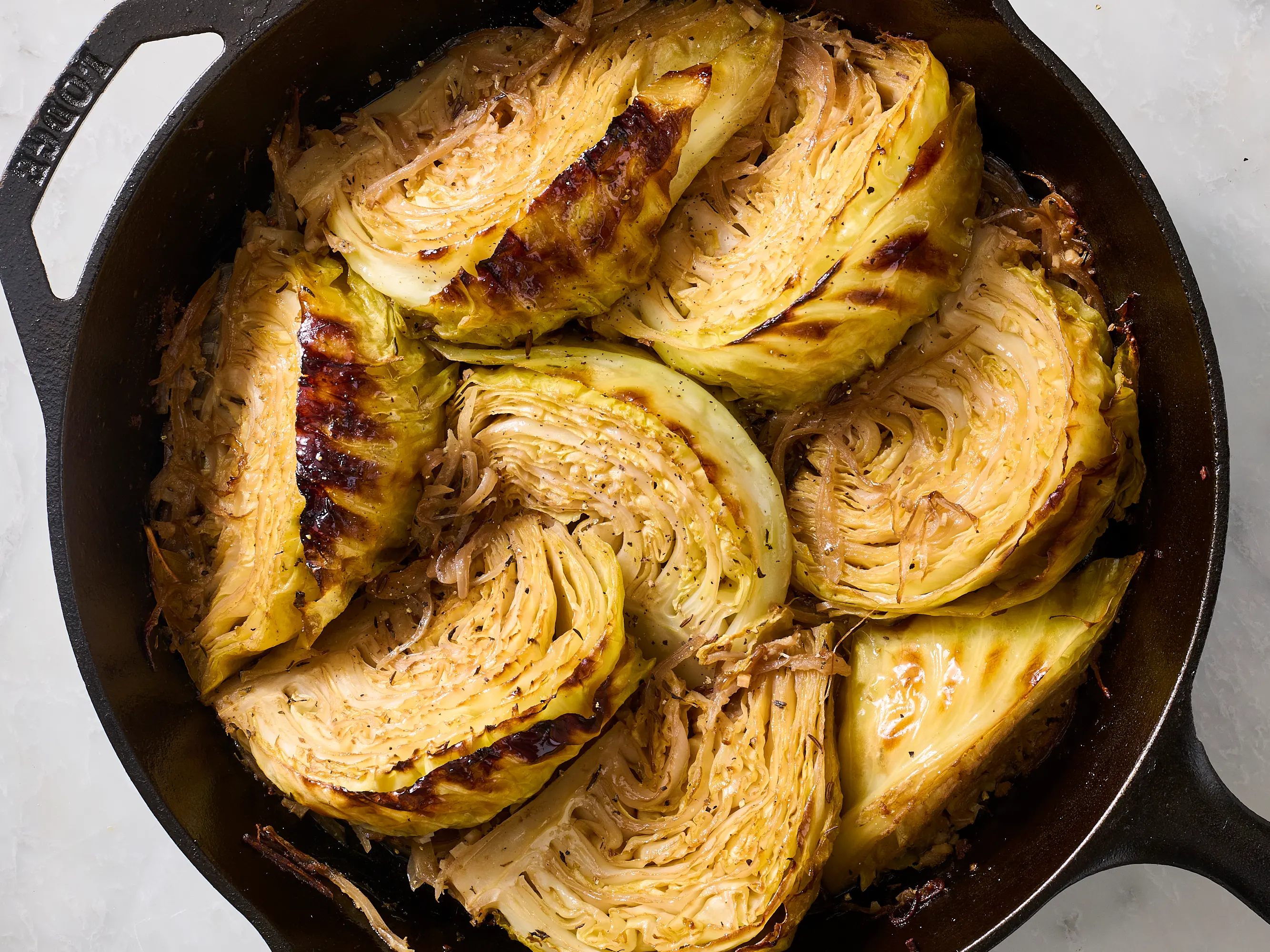
Rustic because we keep the cuts big and forgiving. Cabbage wedges or thick ribbons hold up to high heat and get those browned, lacy edges.
Decadent because we treat cabbage like it deserves a little luxury: fat for silkiness, patient browning to coax out its natural sweetness, and a finishing splash of acid to wake everything up.
- Hot pan browning coaxes out natural sweetness without adding sugar.
- A little fat turns the texture supple, almost creamy.
- Acid at the end keeps it from tasting heavy.
- Salt in layers makes cabbage taste like itself, only louder.
Ingredient notes
- Cabbage: Green cabbage gives the most classic sweet, browned flavor and holds structure. Savoy is tender and ruffly, browns fast, and feels extra silky. Red cabbage works, but it leans more earthy, so finish with a little more acid to brighten it.
- Fat: Butter plus olive oil gives flavor plus a higher smoke point (the oil helps reduce scorching). All olive oil is great too.
- Garlic: Add it briefly so it stays fragrant, not bitter.
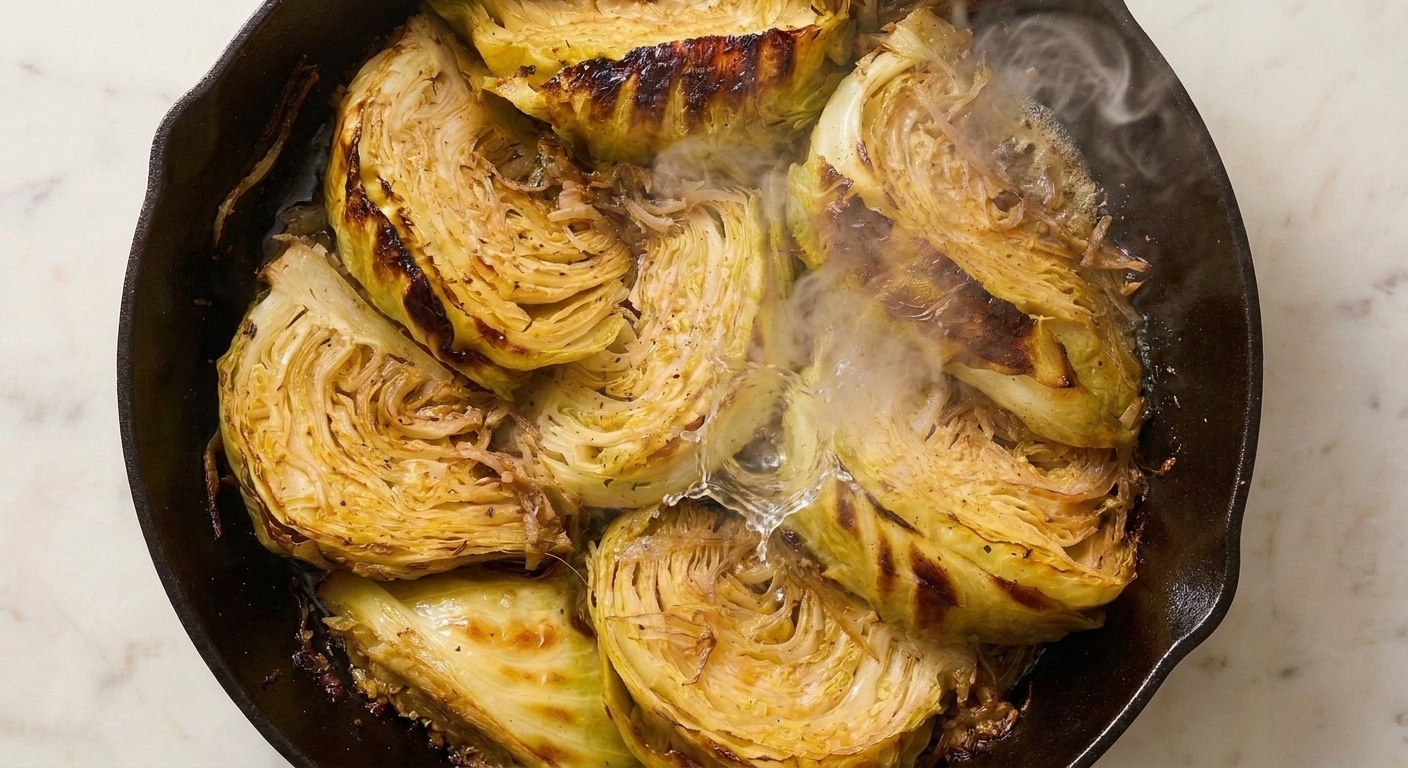
- Water or broth: A small splash at the end steams the thick pieces to tenderness without sacrificing browning.
- Vinegar or lemon: Apple cider, sherry, and rice vinegar all work; acid at the end makes the whole pan taste bright and clean.
- Optional finish: A spoonful of sour cream, Greek yogurt, crème fraîche, or grated Parmesan.
- Waste-not note: If you have limp herbs, the pale parts of scallions, or a wrinkly half-lemon, this is where they shine.
Equipment you will need
- Wide skillet: A 12-inch skillet is ideal.
- Lid (for the brief steaming step).
- Best pan materials: Cast iron or stainless steel gives the best browning. Nonstick works, but you will get less caramelization.
Pro tips
- Do not stir too soon: Let the cabbage sit so it can brown properly.
- Keep cuts big: Wedges or thick ribbons hold up to high heat and develop lacy browned edges.
- Brown in batches if crowded: If the pan is packed, the cabbage steams instead of browning (hello sog).
- Use visual cues: If the underside is pale, it is not ready yet.
- Garlic timing matters: Bloom garlic for about 30 seconds, then toss through to keep it fragrant, not bitter.
- Steam only at the end: A short covered cook finishes tenderness while preserving caramelization.
- Taste and adjust at the finish: Salt in layers, then add vinegar or lemon off heat so it snaps into focus.
Substitutes that work
- Cabbage type: Use green, savoy, or red cabbage.
- Fat: Use 2 to 3 tablespoons butter plus 1 tablespoon olive oil, or use 2 to 3 tablespoons olive oil only.
- Steaming liquid: Use water or broth (2 to 4 tablespoons).
- Acid: Use vinegar or lemon juice (1 to 2 teaspoons), including apple cider, sherry, or rice vinegar.
- Optional finishing richness: Sour cream, Greek yogurt, crème fraîche, or grated Parmesan.
Variations
Once you have the browning plus steam combo down, you can steer this in a lot of directions.
1) Garlic butter and Parmesan
Finish with a generous shower of Parmesan and extra black pepper. Use lemon instead of vinegar.
2) Bacon and mustard
Render chopped bacon first, brown cabbage in the fat, then finish with a spoonful of Dijon and apple cider vinegar.
3) Miso brown butter
Brown the butter a shade deeper, whisk 1 to 2 teaspoons white miso into the steaming liquid, and finish with rice vinegar. It tastes like savory toffee in the best way.
4) Chili crisp and lime
Finish with chili crisp and lime. Add toasted sesame seeds if you have them.
5) Tomato and paprika
After browning, stir in 1 tablespoon tomato paste and 1 teaspoon smoked paprika. Steam with broth. Finish with sherry vinegar.
Serving ideas
This is my favorite kind of “side dish that becomes the meal” because cabbage plays well with nearly everything.
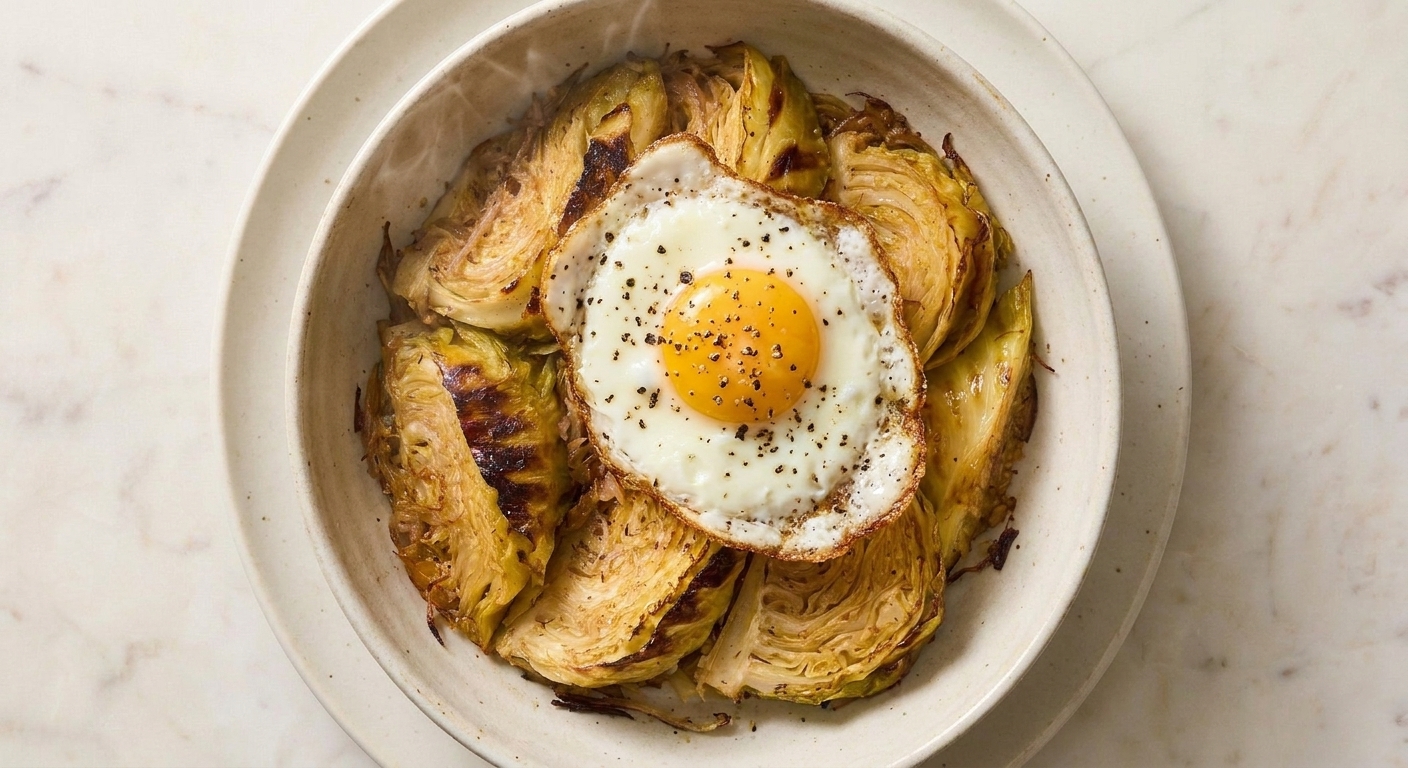
- Eggs: Top with a fried egg and chili flakes. The runny yolk becomes sauce.
- Sausage: Nestle sliced kielbasa or Italian sausage into the pan during the steaming step.
- Beans: Stir in drained white beans at the end and warm through. Finish with lemon and olive oil.
- Pasta: Toss with spaghetti, a splash of pasta water, and Parmesan. Add capers if you want punch.
- Rice or polenta: Spoon cabbage over creamy polenta and finish with butter and pepper.
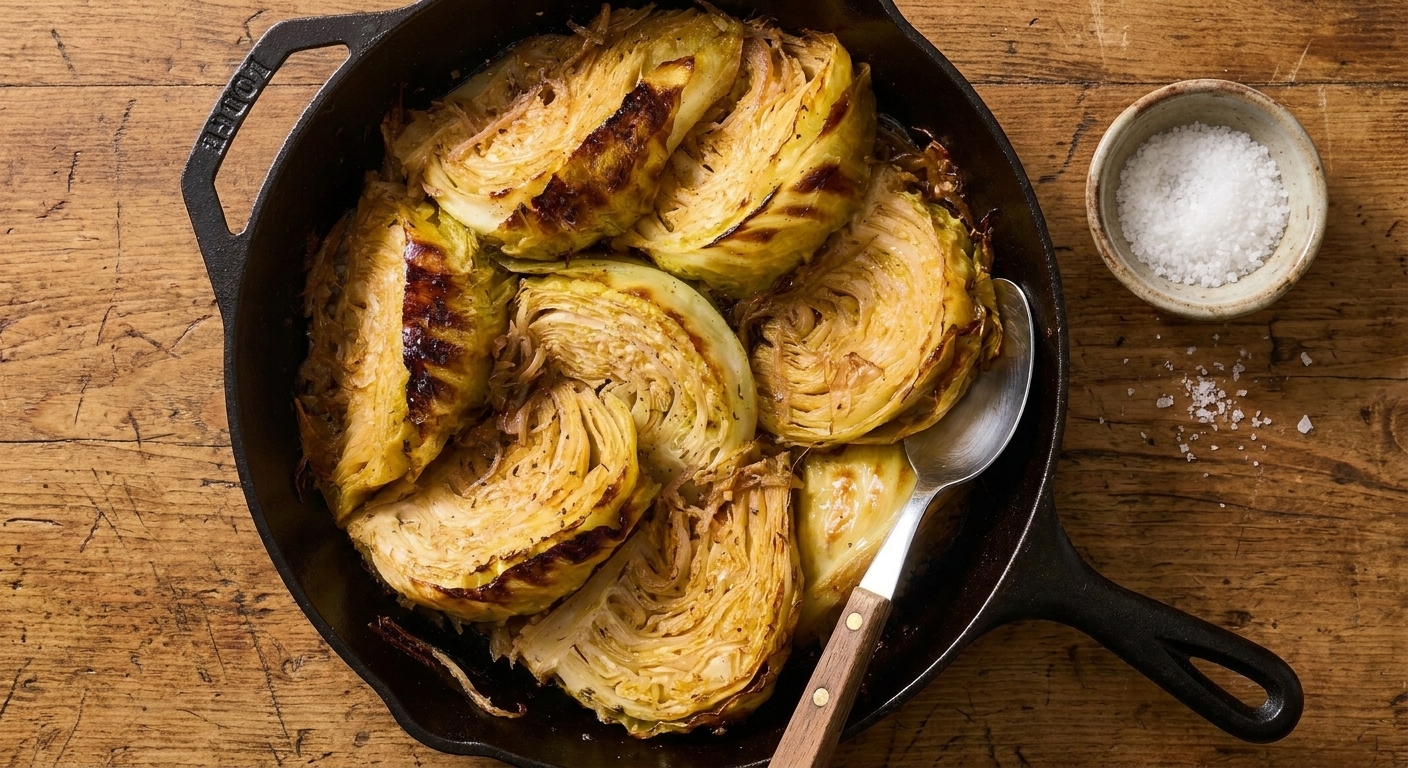
Serve the cabbage straight from the skillet, still glossy, with flaky salt on top and a little spoonful of sour cream or yogurt on the side. Add lemon zest if you want it to feel extra alive.
Storage and reheating
- Fridge: Store in an airtight container up to 4 days.
- Reheat: Best in a skillet over medium heat to re-crisp the edges. Add a teaspoon of water if it looks dry.
- Freeze: You can, but the texture softens. If you freeze it, plan to use it in soups, pasta, or fried rice later.
- Use the leftovers: Chop cold caramelized cabbage and fold into scrambled eggs, add to ramen, pile onto a sandwich, or crisp it in a hot pan and scatter over salads like savory confetti.
Common mistakes
- Sticking and scraping too soon: If it is sticking, wait 30 to 60 seconds. Browning releases naturally when it is ready. If it is truly glued down, your heat is too high or the pan is too dry. Add a tiny splash of water and scrape gently.
- Flat flavor: If it tastes flat, it needs either more salt or more acid. Add a pinch of salt first, then another tiny splash of vinegar.
- Bitterness: If it is bitter, you likely burned the garlic or spices. Keep aromatics brief and let the cabbage do the sweetening through browning.
- Soggy cabbage: If it is soggy, you overcrowded the pan, stirred too often, or covered too early. Brown in batches if needed and steam only at the end.
FAQ
Do I need to wash cabbage?
Usually, just peel off any wilted outer leaves. If it looks gritty, rinse the wedges and dry them well. Wet cabbage steams instead of browning.
Why add vinegar at the end instead of the beginning?
Acid (and the extra moisture it brings) can slow browning by cooling the pan and getting in the way of good surface contact. Adding it at the end keeps the caramelization strong and gives you that bright, clean finish.
Can I do this in the oven?
Yes. Roast wedges at 425°F on a sheet pan with oil, salt, and pepper for about 25 to 35 minutes, flipping once. Roast until the edges are deeply browned and the core is knife-tender, then finish with butter and vinegar right after roasting.
What is the best pan for this?
Cast iron or stainless steel gives the best browning. Nonstick works, but you will get less caramelization.
Rustic Decadent Cabbage
Deeply caramelized cabbage wedges or thick ribbons cooked in butter and/or olive oil, finished with a splash of vinegar or lemon for a bright, rustic, decadent side (or weeknight main).
- Prep
- 10 minutes
- Cook
- 20 to 25 minutes
- Total
- 30 to 35 minutes
- Yield
- Serves 4
Ingredients
- 1 small to medium green cabbage (or savoy, or half a large)
- Fat (choose one):
- 2 to 3 tablespoons butter plus 1 tablespoon olive oil (the oil raises the smoke point and helps reduce scorching)
- 2 to 3 tablespoons olive oil (all oil is great too)
- 2 cloves garlic, thinly sliced or grated
- Kosher salt
- Black pepper
- 2 to 4 tablespoons water or broth (for steaming at the end)
- 1 to 2 teaspoons vinegar or lemon juice (apple cider, sherry, rice vinegar all work)
- Optional finish: a spoonful of sour cream, Greek yogurt, crème fraîche, or grated Parmesan
Instructions
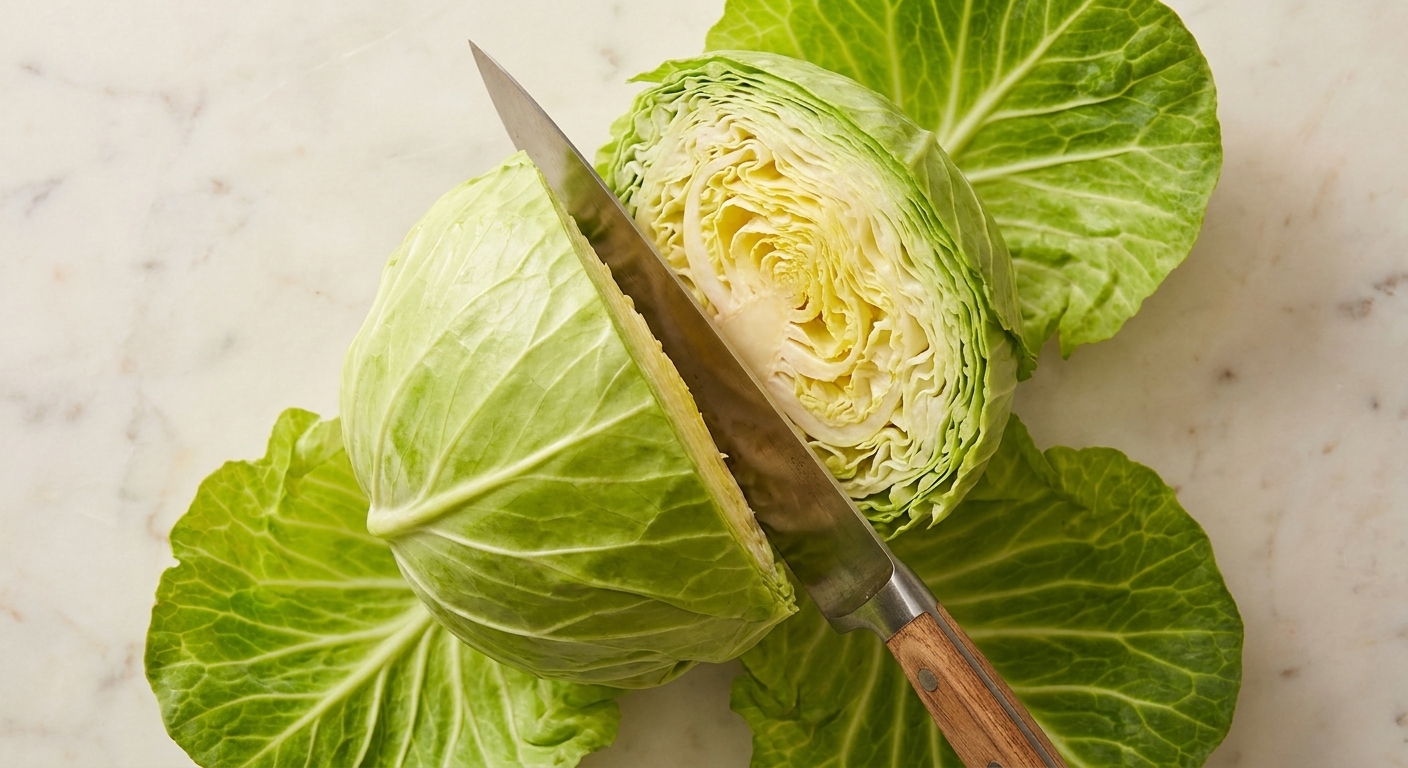
- Cut the cabbage. For wedges: slice into 6 to 8 wedges through the core so they stay intact. For ribbons: slice into 3/4-inch-wide ribbons. Keep it chunky for best browning.
- Heat the pan. Use a wide skillet (12-inch if you have it). Add your fat over medium-high heat until the butter foams (or until the oil shimmers).
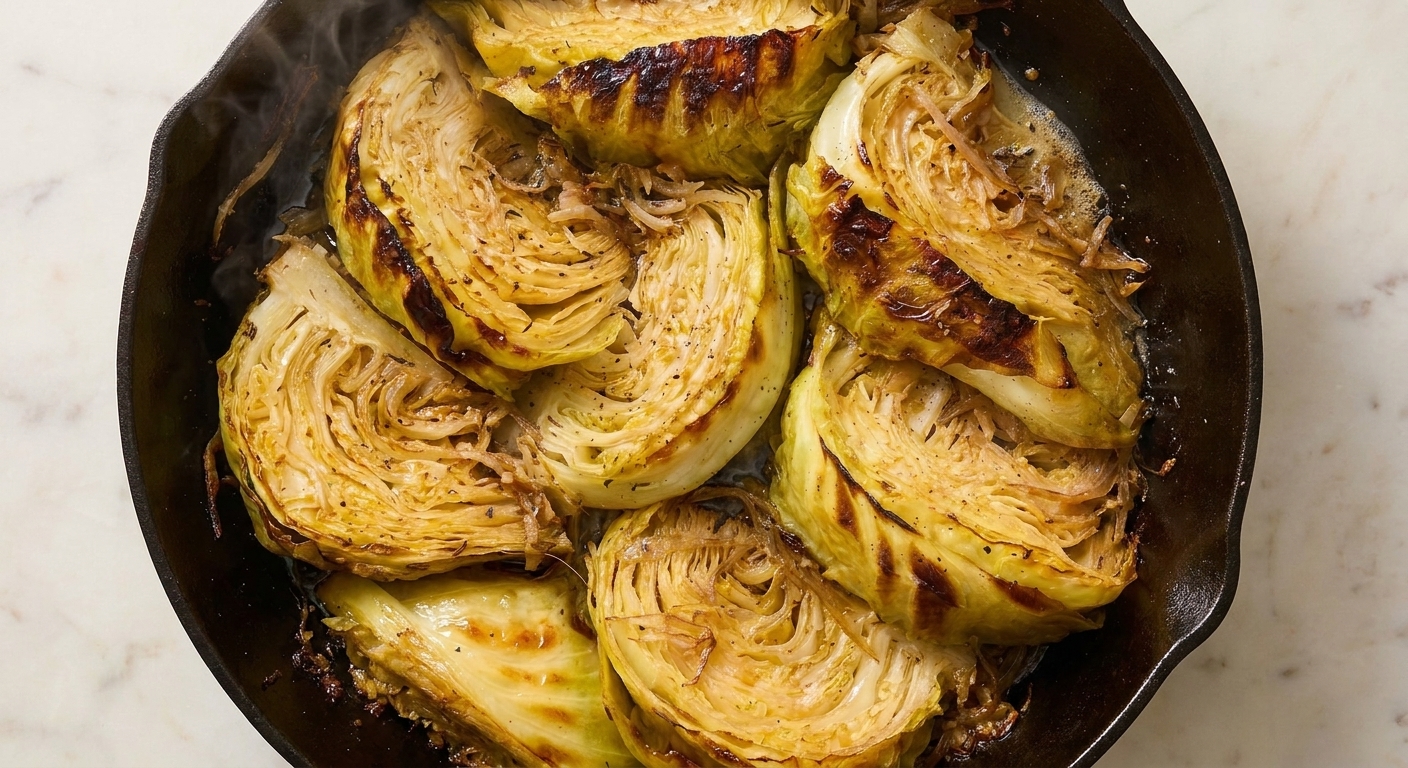
- Sear without fussing. Add cabbage in a single layer. Sprinkle a pinch of salt. Let it sit 4 to 6 minutes, until the underside is deeply browned. If it is pale, it is not ready.
- Flip and brown again. Turn wedges to another cut side. For ribbons, toss once, then press into an even layer again. Brown another 3 to 5 minutes. If your pan is crowded, do this in batches so the cabbage browns instead of steaming.
- Add garlic at the right moment. Push cabbage aside, lower the heat a notch if the pan feels aggressive, add a dab more butter (if using), and bloom the garlic for about 30 seconds. Then toss through. This keeps the garlic fragrant, not bitter.
- Steam to tenderness. Splash in water or broth, cover, and cook 3 to 5 minutes until the thickest pieces are tender but not collapsing. For wedges, a knife should slide into the core with a little resistance, not crunch, not mush.
- Finish with acid. Off heat, add vinegar or lemon. Taste and adjust salt and pepper. This is where it snaps into focus.
Notes
- Timing: You can do this on the stove in about 20 to 25 minutes. The key is not stirring too soon. Let the pan do its job.
- Pan size note: A 12-inch skillet is ideal. If you are doing ribbons and your pan is crowded, brown in two batches for the best color (and the least sog).
- Texture cue: For wedges, the core should be knife-tender with a little resistance, not crunch, not mush.
- Fixes: If it tastes flat, add a pinch of salt first, then a tiny splash of vinegar. If it is sticking, wait 30 to 60 seconds (or add a tiny splash of water if truly glued). If it is soggy, brown in batches and steam only at the end.
Nutrition
- Calories: ~150
- Fat: ~11 g
- Carbs: ~12 g
- Protein: ~2 g
- Fiber: ~4 g
- Sugar: ~6 g
- Sodium: ~250 mg
Nutrition values are approximate and will vary with your choice and amount of fat, seasoning, and optional toppings.