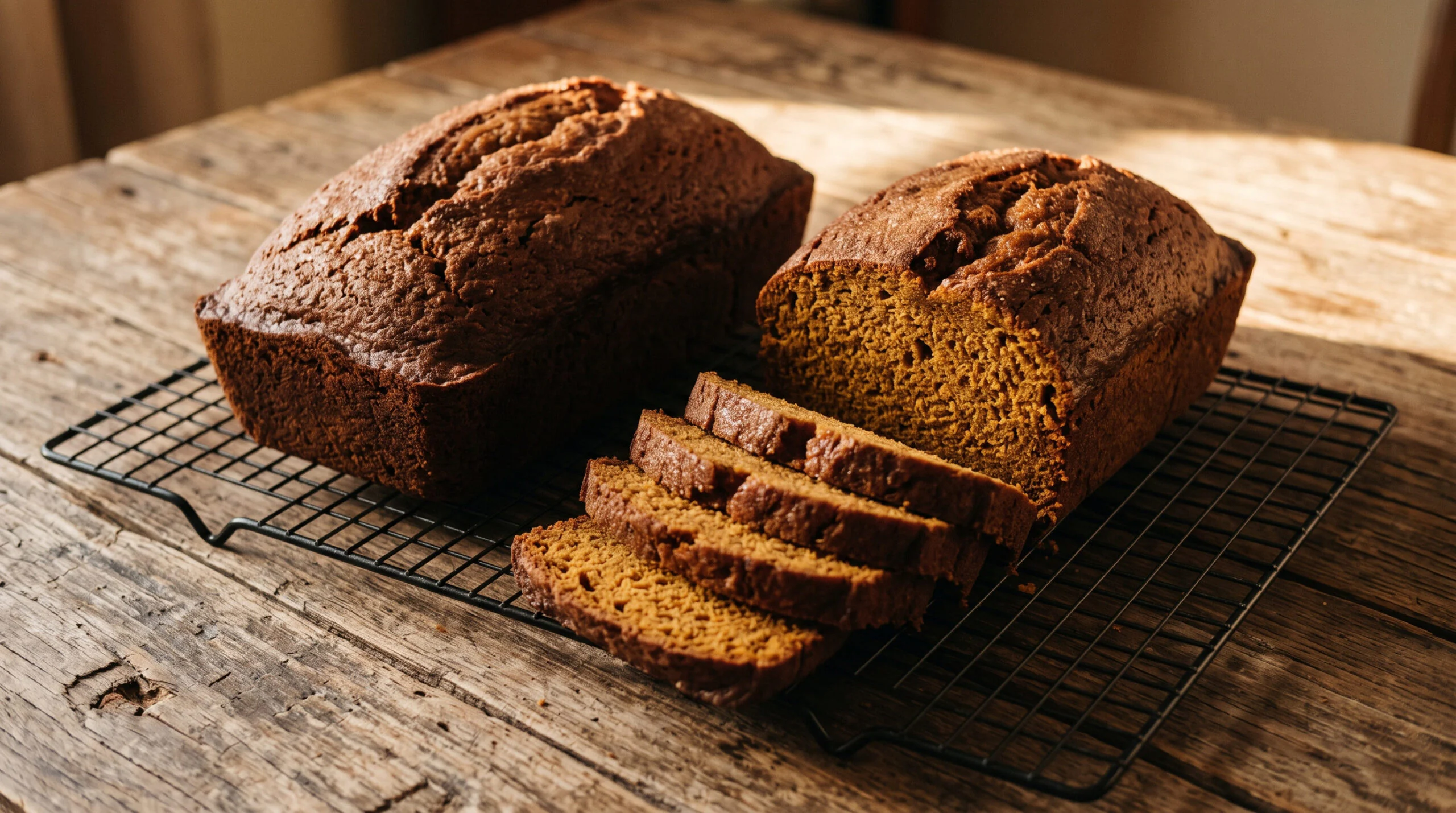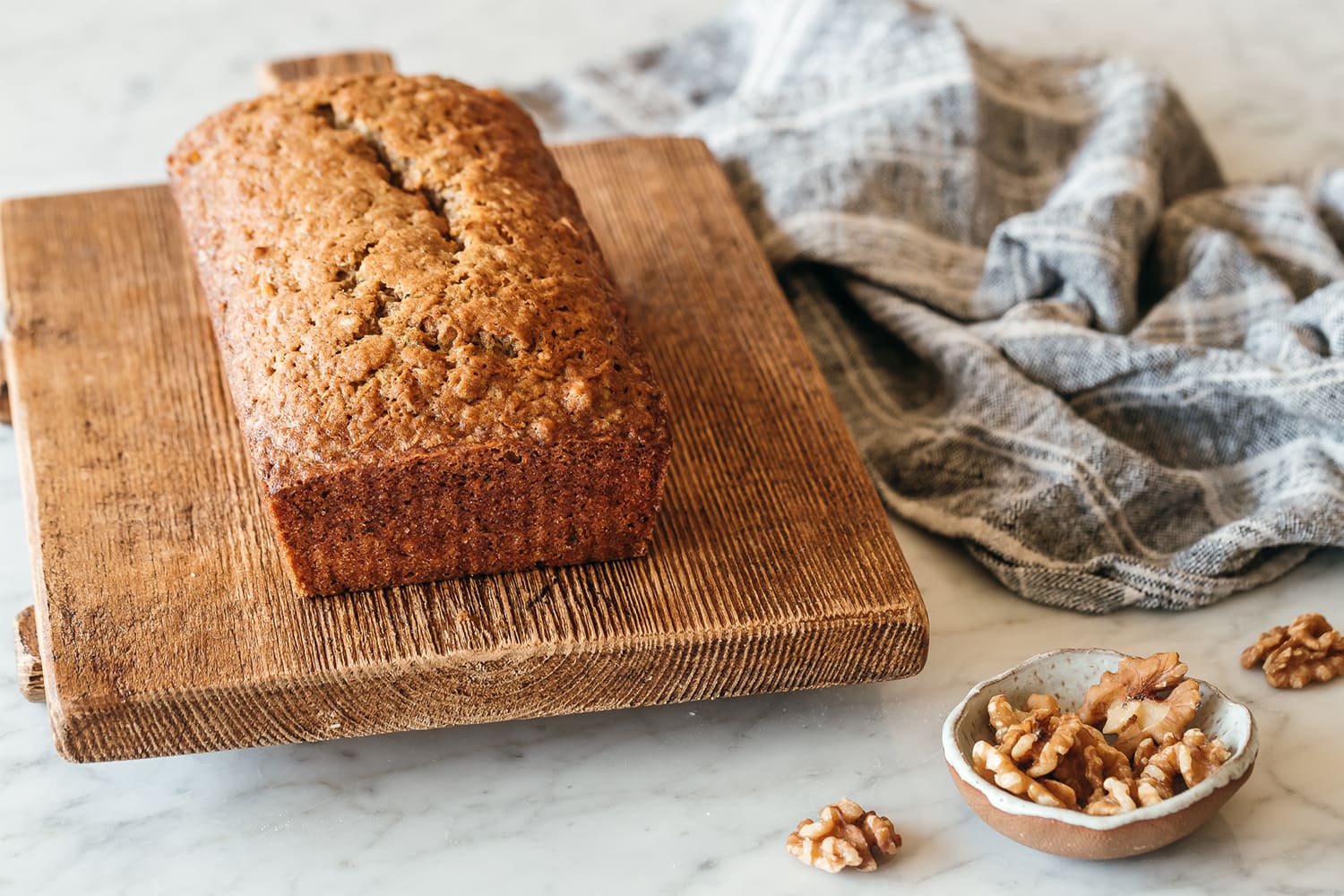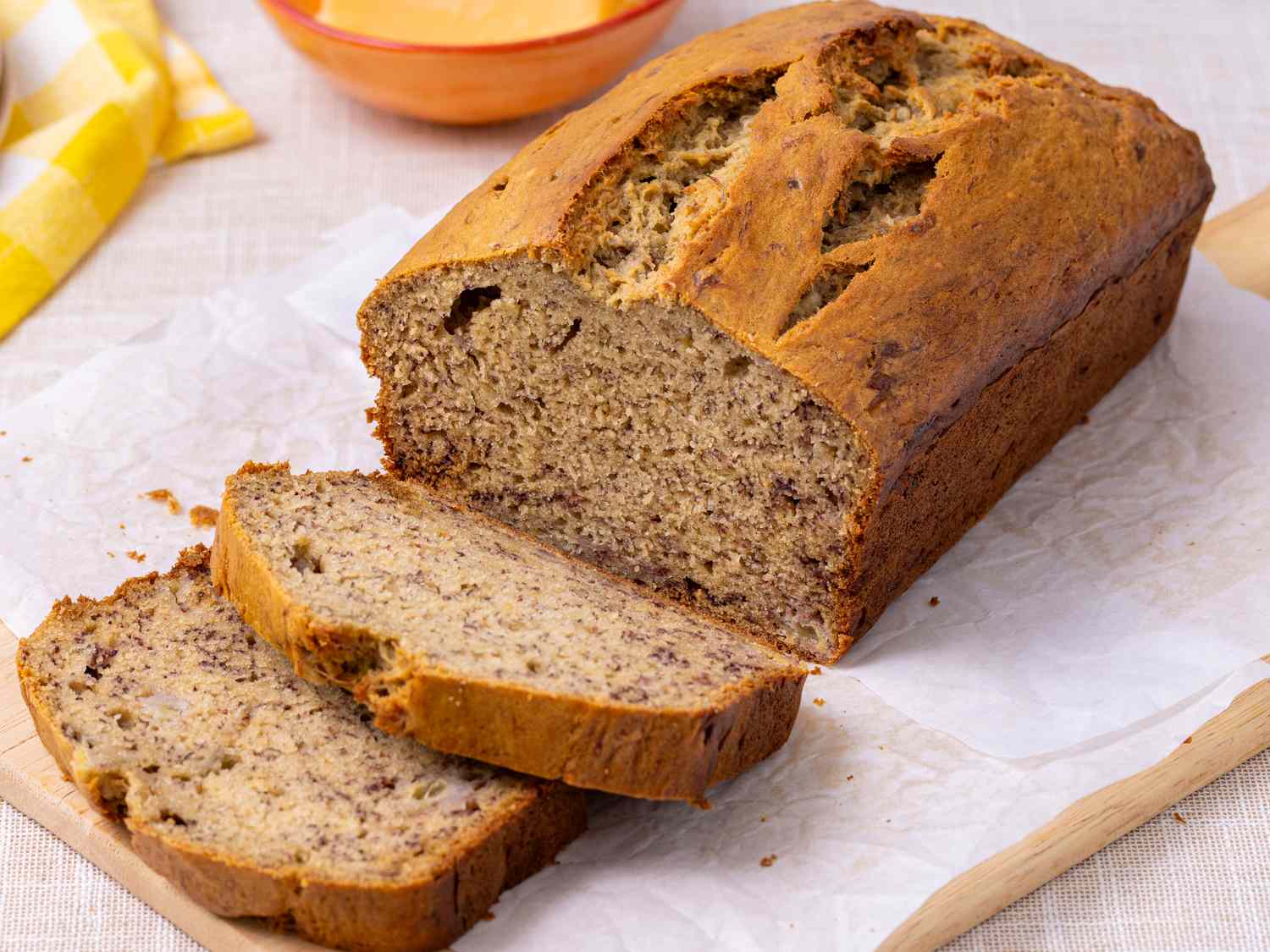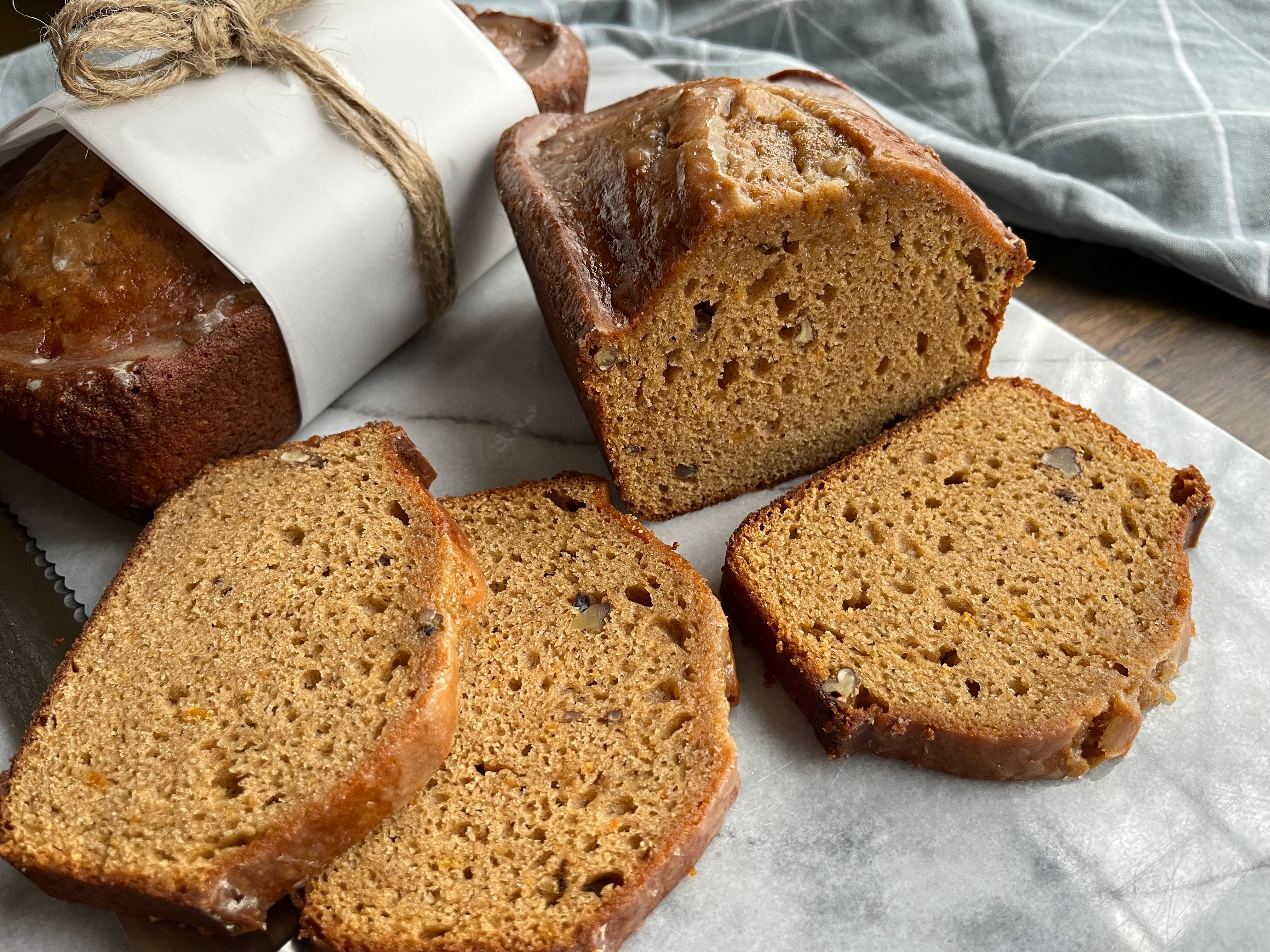

I love a loaf cake that feels like a treat but behaves like a weeknight recipe. No mixer required. Sweet potato quick bread is exactly that. The mashed sweet potato keeps the crumb plush and fragrant, and warm spices make your kitchen smell like you meant to do something impressive.

This recipe is built to avoid two common quick bread problems: a gummy center and dry edges. I will walk you through the moisture cues that matter, when to tent with foil, and a doneness check you can trust beyond the toothpick test. Think crumb cues and a temperature target that takes the guesswork out of the middle.
If you have leftover roasted sweet potatoes from dinner, this is my favorite way to turn them into something cozy instead of letting them drift toward the back of the fridge.
What to expect
- A gently sweet loaf with warm cinnamon and ginger
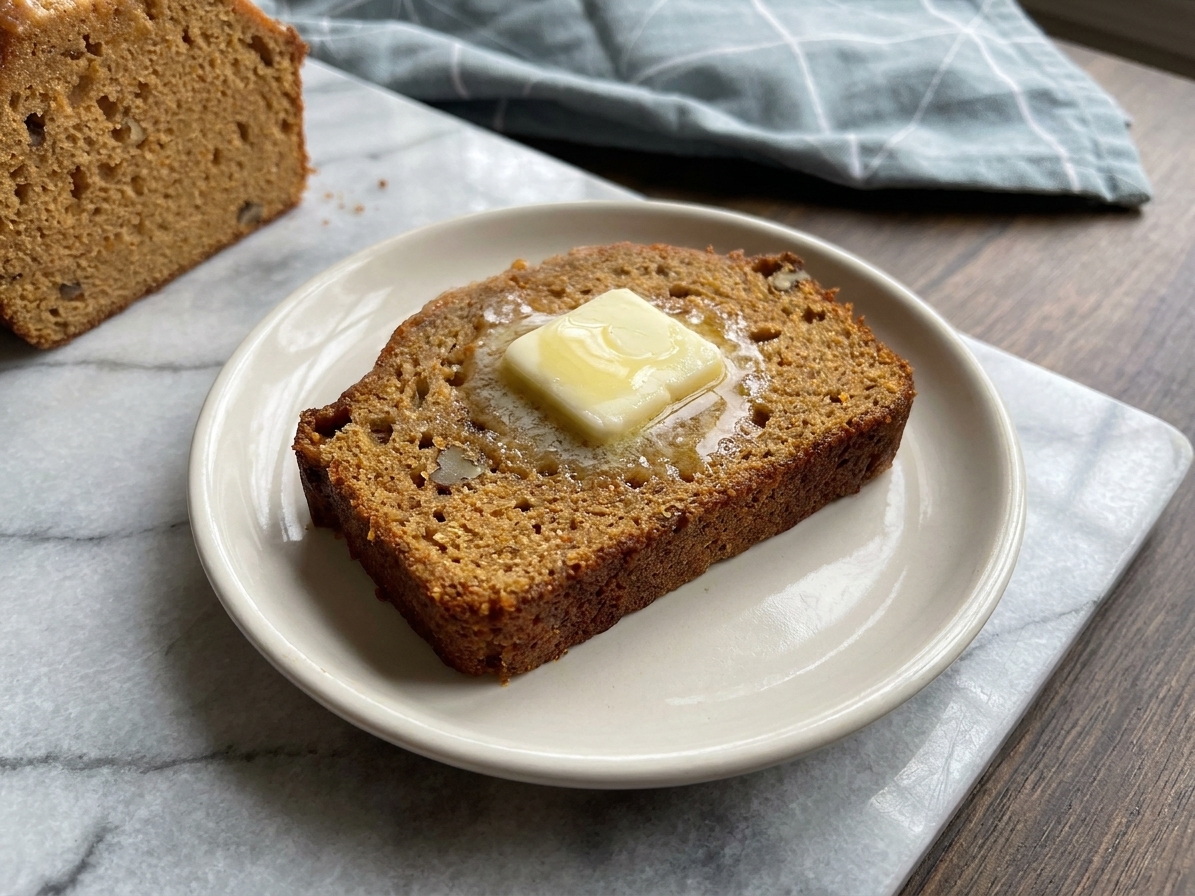
- Moist, tender slices with a cake-like crumb that stays soft for days when wrapped well
- A set center with clear, practical doneness cues
- Optional mix-ins like toasted nuts or chocolate chips, if you want to lean snacky or dessert
Why this recipe works
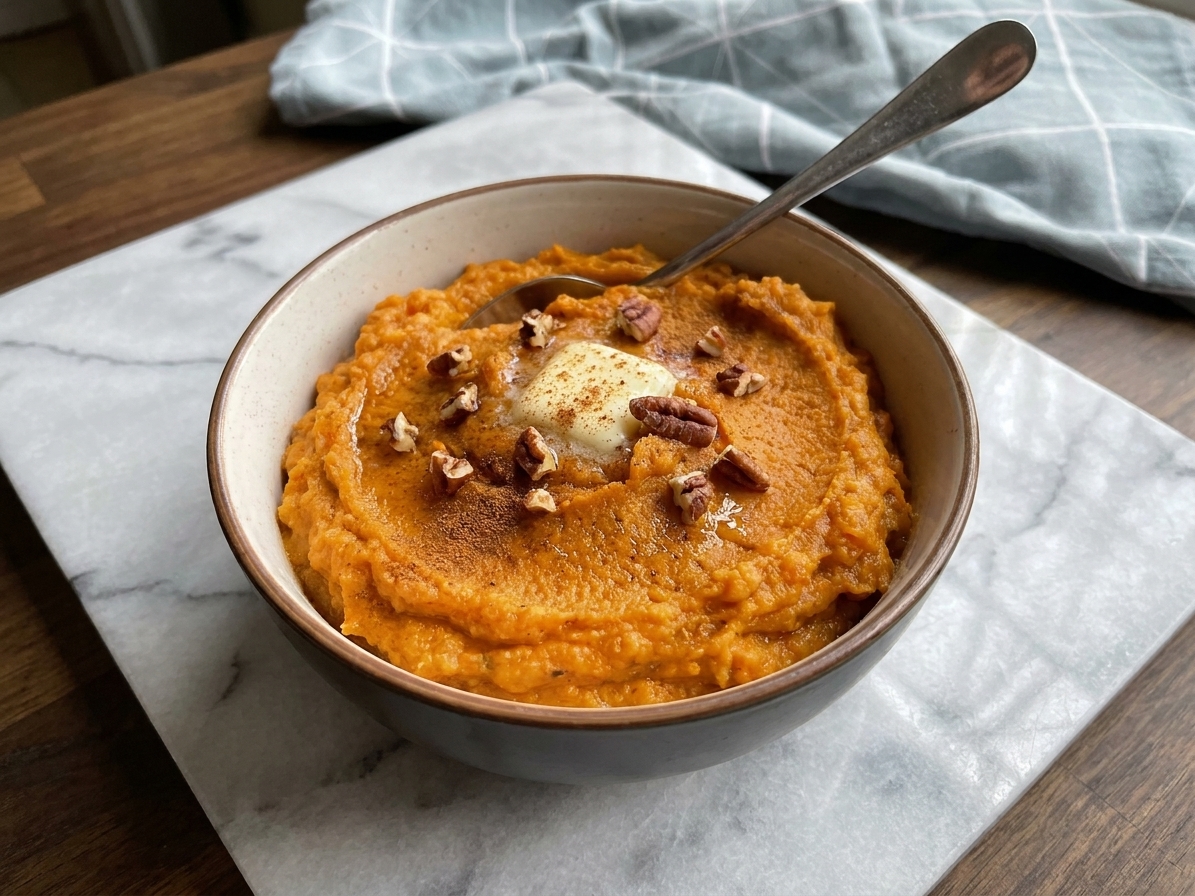
- Sweet potato adds moisture without making the loaf heavy. Mashed sweet potato brings water and natural sugars, which keeps the crumb tender even with less fat than a butter cake.
- Oil keeps the texture soft when chilled. Butter-based loaves can feel firm straight from the fridge. Neutral oil stays fluid, so slices feel plush even on day two.
- Brown sugar boosts flavor and color. Its molasses note plays well with sweet potato and spice, and it helps the crust brown.
- A controlled bake prevents a gummy stripe. Moderate oven temperature, an accurate pan size, and a real doneness test help the center set before the edges overbake.
Ingredient notes
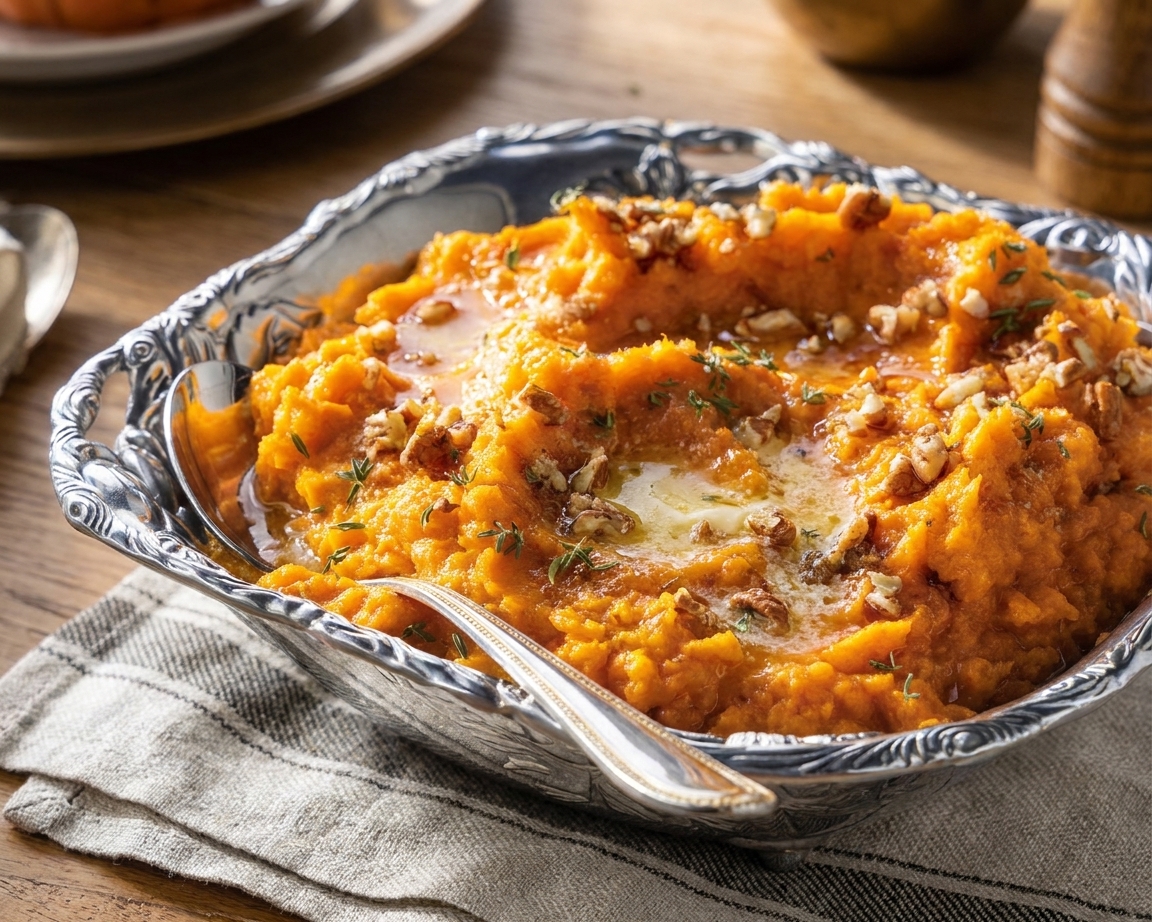
Sweet potato (mashed): Use plain roasted or steamed sweet potato with no butter, milk, or marshmallows involved. If your mash looks watery or glossy, blot it with paper towels or cook it briefly in a saucepan to steam off excess moisture. Drier mash equals a bread that bakes through.
Flour: All-purpose flour is the baseline. If you measure by cups, fluff, spoon, then level. Too much flour dries the loaf and can cause a tunnely crumb.
Oil or butter: Neutral oil (avocado, canola, grapeseed, or vegetable) gives the softest crumb. Melted butter tastes great but firms up more when cool. Either works.
Eggs: Bring them to room temperature if you can. Cold eggs can make the batter seize slightly, which can lead to uneven texture.
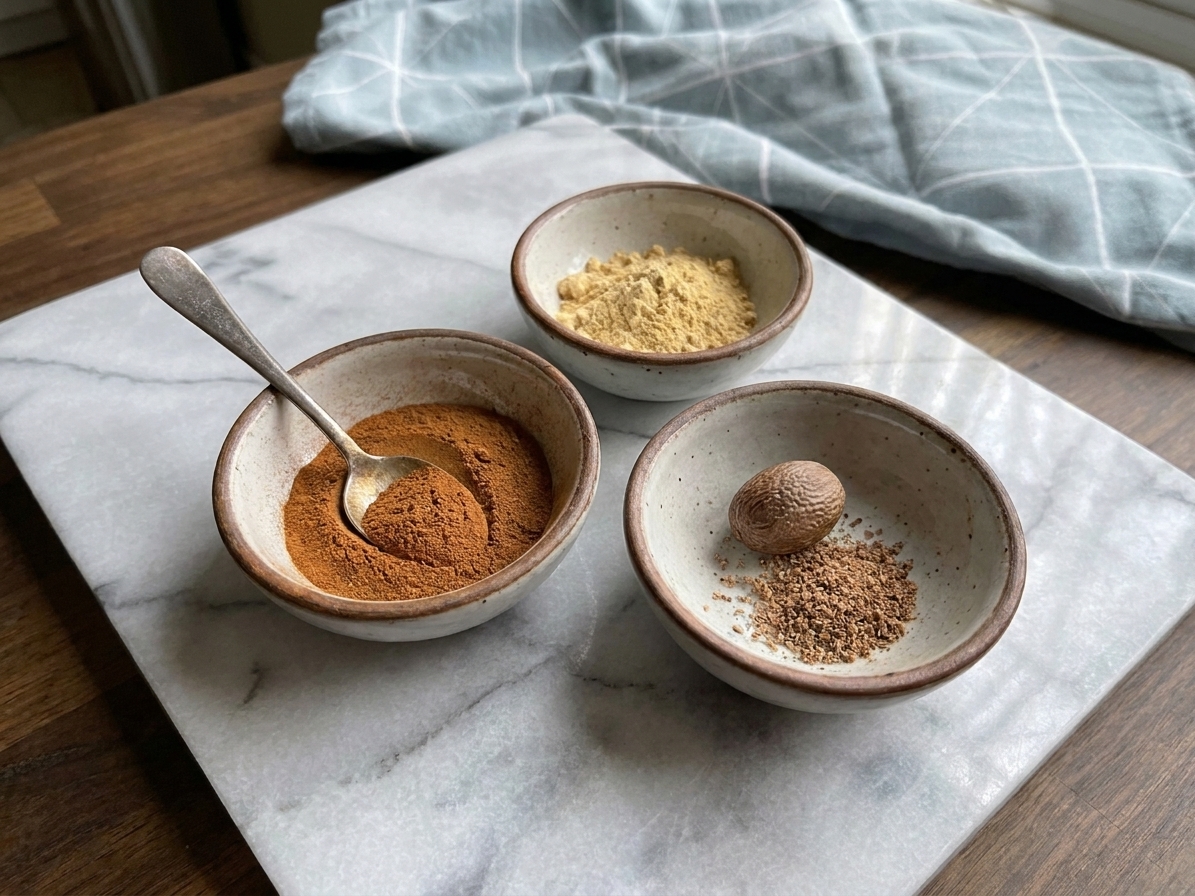
Spices: Cinnamon plus a supporting spice like ginger or nutmeg makes this taste like sweet potato, not just generic spice bread.
Leaveners: Baking powder plus a little baking soda gives lift and keeps the crumb from feeling dense.
Salt: Do not skip it. Sweet potato needs salt to taste like itself. I promise it is the difference between "fine" and "wow."
Equipment you will need
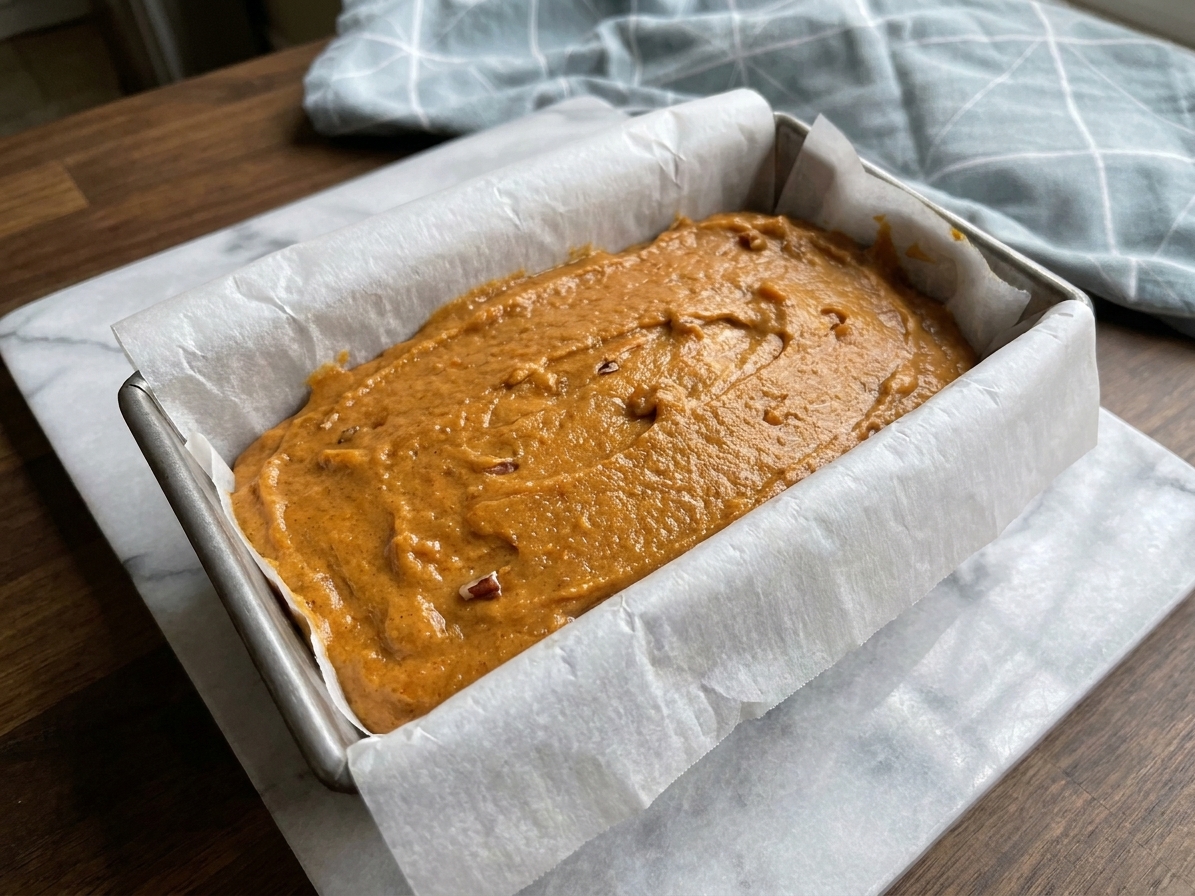
- 9 by 5 inch loaf pan (metal is best for even browning)
- Parchment paper sling (optional but makes lifting easy)
- Mixing bowl and whisk
- Rubber spatula
- Instant-read thermometer (optional but very helpful)
Pro tips
- Make sure your sweet potato mash is not watery. If it slides around like baby food, it is too wet. Thicker mash should mound on a spoon.
- Stop mixing as soon as the flour disappears. Overmixing develops gluten and makes quick bread tough, with long tunnels.
- Use the foil tent at the right time. If the top is deeply browned but the center is still jiggly, tent loosely with foil for the final stretch.
- Doneness cue you can see: the loaf should dome, and a crack down the center should look dry, not shiny or wet.
- Doneness cue you can measure: aim for about 200 to 205 F in the center with an instant-read thermometer.
Substitutes that work
- Oil: Melted butter works in the same amount. Coconut oil works too, but choose refined if you do not want coconut flavor.
- Spices: Swap in pumpkin pie spice, or use cinnamon plus cardamom for a more floral note.
- Sugar: All brown sugar is fine. If you only have granulated sugar, use it, but add an extra pinch of salt for roundness.
- Dairy-free: This loaf is naturally easy to keep dairy-free if you use oil instead of butter.
- Mix-ins: Nuts and chocolate chips are optional, but keep the amount reasonable so the loaf still sets in the center.
Variations
- Pecan maple: Add chopped toasted pecans and a small splash of maple syrup. Reduce the sugar slightly if you like a less-sweet loaf.
- Chocolate chip: Fold in semisweet chocolate chips for a dessert-leaning slice.
- Orange spice: Add orange zest for brightness that cuts through the sweet potato richness.
- Seeded top: Sprinkle pepitas on top before baking for crunch and a pretty finish.
Serving ideas
- Warm slice with salted butter and a tiny pinch of flaky salt
- Greek yogurt and fruit on the side for a breakfast that holds you
- Toasted slice with almond butter and cinnamon
- Afternoon snack with coffee or masala chai
Storage and reheating
Cool completely before wrapping. If you wrap while warm, trapped steam will soften the crust and can make the crumb gummy.
- Room temperature: Wrap tightly and store up to 3 days.
- Refrigerator: Up to 1 week. Let slices come to room temperature or warm briefly so the crumb softens.
- Freezer: Slice, wrap individual pieces, then freeze up to 2 months. Thaw at room temperature or warm gently.
Common mistakes
- Using wet sweet potato mash: Too much moisture is the fastest route to a loaf that looks done but sinks or turns gummy in the center.
- Guessing the pan size: An 8 by 4 inch pan bakes taller and can take longer. A 9 by 5 inch pan bakes faster and lower. Use the size called for, or adjust bake time and watch doneness cues closely.
- Overbaking to "be safe": Quick bread keeps cooking as it cools. Pull it when the center is set and the tester comes out clean, not when it is bone dry.
- Cutting too soon: Slicing hot quick bread compresses the crumb and can make the center seem underbaked. Let it cool at least 45 minutes, longer is even better.
FAQ
Can I use canned sweet potato?
Yes, as long as it is plain canned sweet potato puree, not sweetened pie filling. Canned puree can be wetter than homemade. If it looks loose, blot it or cook it briefly in a saucepan to thicken before baking.
Why did my loaf sink in the middle?
Most often it is underbaked, overly wet sweet potato mash, or too much leavener. Use the doneness test below, and make sure your baking powder and baking soda are fresh.
How do I know the center is actually done?
Use a two-part test: a toothpick or skewer should come out with a few moist crumbs but no wet batter, and the center should read about 200 to 205 F if you have an instant-read thermometer.
Can I make muffins instead of a loaf?
You can, but this recipe is written and timed for one loaf. Muffins bake faster and brown differently, so you would need to adjust time and rely on the doneness cues.
Sweet Potato Quick Bread
A warmly spiced, single-loaf sweet potato quick bread with a tender, moist crumb and a reliably set center. Uses mashed sweet potato and oil or butter for an easy, weeknight-friendly bake.
- Prep
- 15 minutes
- Cook
- 55 to 70 minutes
- Total
- 1 hour 20 minutes
- Yield
- 1 loaf (about 10 slices)
Ingredients
- 1 1/2 cups (about 360 g) mashed plain sweet potato, cooled
- 2 large eggs, at room temperature
- 1/2 cup (120 ml) neutral oil or 1/2 cup (113 g) unsalted butter, melted and cooled slightly
- 3/4 cup (150 g) packed light brown sugar
- 1/4 cup (50 g) granulated sugar
- 1/3 cup (80 ml) milk of choice
- 1 teaspoon vanilla extract
- 2 cups (240 g) all-purpose flour
- 1 1/2 teaspoons baking powder
- 1/2 teaspoon baking soda
- 1 1/2 teaspoons ground cinnamon
- 1/2 teaspoon ground ginger
- 1/4 teaspoon ground nutmeg
- 1 teaspoon fine salt
- Optional: 1/2 cup (60 g) chopped toasted pecans or walnuts
- Optional: 1/2 cup (85 g) chocolate chips
Instructions
- Heat the oven and prep the pan. Arrange a rack in the center of the oven and heat to 350 F. Grease a 9 by 5 inch loaf pan and line with parchment if you want easy lifting.
- Check your sweet potato moisture. Spoon the mash onto a plate. If liquid weeps out or it looks loose and glossy, blot with paper towels or cook the mash in a small saucepan over medium heat for 2 to 4 minutes, stirring, to steam off excess moisture. Cool again before using.
- Whisk the wet ingredients. In a large bowl, whisk the mashed sweet potato, eggs, oil or melted butter, brown sugar, granulated sugar, milk, and vanilla until smooth and fully combined.
- Add the dry ingredients. Sprinkle the flour, baking powder, baking soda, cinnamon, ginger, nutmeg, and salt over the bowl. Use a spatula to fold just until you no longer see dry flour. The batter will be thick. If using nuts or chocolate chips, fold them in gently.
- Fill the pan. Scrape the batter into the prepared loaf pan and smooth the top.
- Bake. Bake for 55 to 70 minutes, rotating the pan once around the 40-minute mark. If the top is getting very dark before the center is set, tent loosely with foil for the remaining bake time.
- Test for doneness. The loaf is done when the center looks set (no jiggle), the crack on top looks dry rather than shiny, and a toothpick inserted into the center comes out with moist crumbs but no wet batter. For the most reliable test, the center should read about 200 to 205 F on an instant-read thermometer.
- Cool properly. Let the loaf cool in the pan for 15 minutes, then lift out (or turn out) onto a rack. Cool at least 45 minutes before slicing so the crumb finishes setting.
Notes
Make ahead: This loaf tastes even better the next day. Once fully cooled, wrap tightly and let it sit at room temperature overnight.
Sweet potato cooking tip: For the driest, most flavorful mash, roast whole sweet potatoes (pierced) at 400 F until very soft, then scoop and mash. Steaming works too, but tends to add more moisture.
Pan size note: If you only have an 8 by 4 inch loaf pan, expect a taller loaf and a longer bake. Start checking at 65 minutes and rely on the doneness tests.