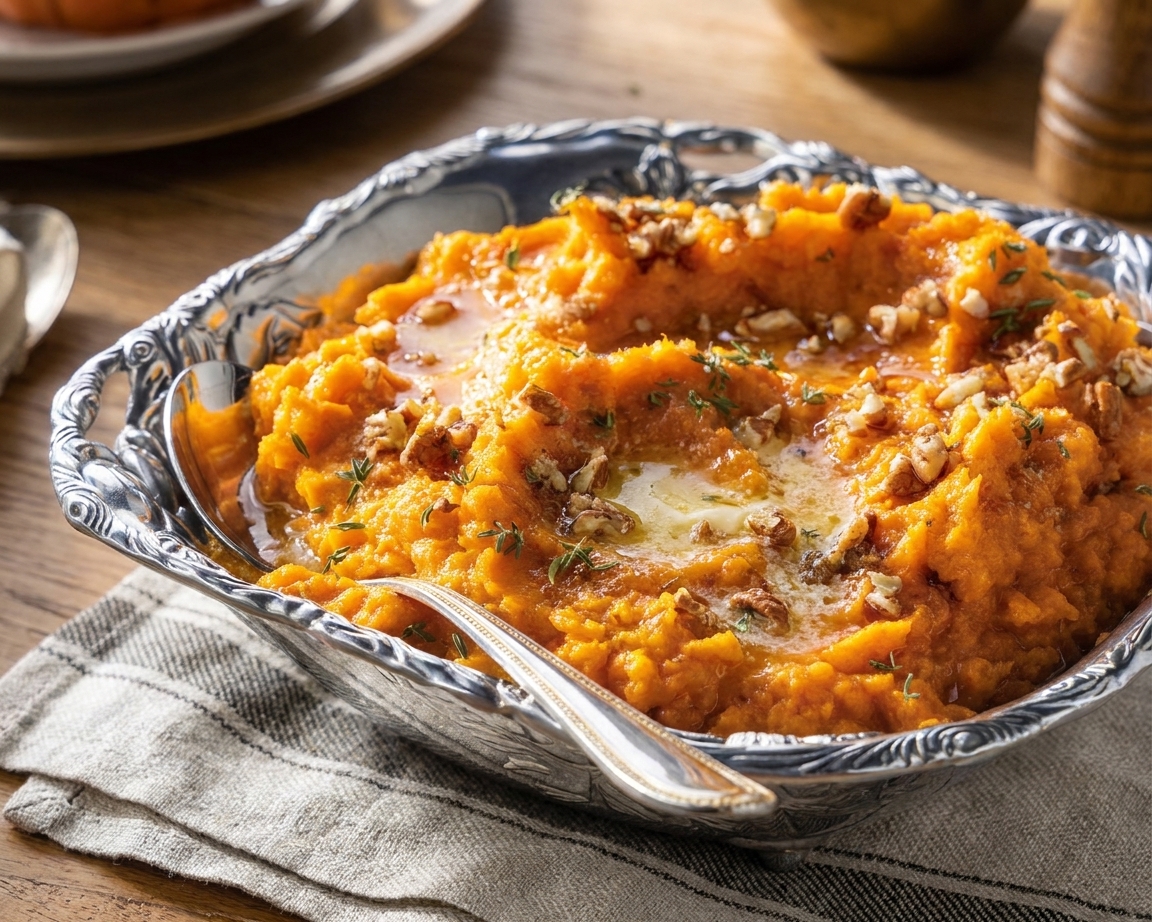

When I teach home cooks how to make mash that tastes like it came from a good restaurant, I start with one slightly nerdy truth: great mashed sweet potatoes are mostly about moisture control. Sweet potatoes already bring plenty of sweetness and softness, so the goal is not to add a bunch of extras. It is to cook off excess water, then add butter and a little liquid on purpose, just until it turns silky.

This recipe is intentionally plain and savory-leaning: butter, salt, and a small splash of milk (or cream, or broth). No marshmallows, no streusel, no brown sugar glaze. Just a weeknight friendly side that works with roast chicken, salmon, pork chops, or a big pile of sauteed greens.
What makes sweet potato mash fluffy
Two things keep your mash light: (1) choosing a sweet potato that mashes cleanly, and (2) cooking it in a way that drives off water instead of trapping it.
- Choose orange-fleshed sweet potatoes (often sold as garnet or jewel). They turn creamy and cohesive when mashed.
- Cook them dry by roasting or steaming, or if boiling, draining well and drying in the hot pot for a minute or two.
- Mash while hot so the butter melts evenly and you do not have to overwork the potatoes.
- Add liquid gradually. You can always loosen mash, but you cannot easily take liquid back out.
Cooking method choices
All three work. Pick based on your time and how fluffy you want the texture.
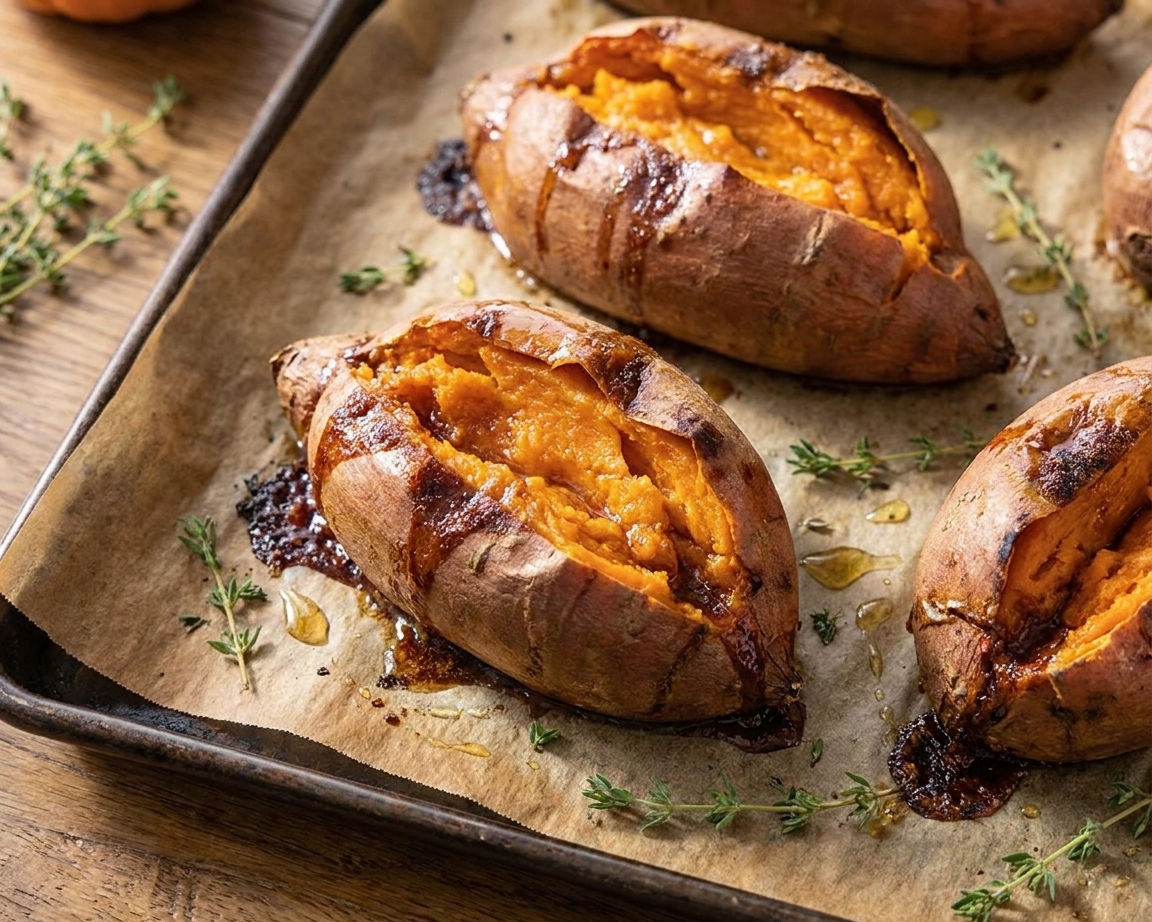
Roasting (best flavor, least watery)
Roasting concentrates sweetness and dries the flesh slightly, which makes it easier to get a fluffy mash with less added liquid. If you have the oven on anyway, this is my favorite route.
Steaming (fast and controlled)
Steaming keeps the potatoes from soaking up extra water. It is a great compromise when you want a clean, light mash.
Boiling (quick, but needs extra drying)
Boiling is fine, but it is the easiest way to end up with watery mash. If you boil, drain thoroughly, then return the potatoes to the hot pot and stir for 30 to 60 seconds to steam off moisture before mashing.
Why this recipe works
- Dry cooking = fluffy mash. Roasting (or steaming) reduces excess moisture so the sweet potatoes mash up light instead of loose and watery.
- Butter first, then liquid. Coating hot sweet potato flesh with butter helps it feel creamy without needing much milk.
- Gentle mashing prevents gumminess. Sweet potatoes can turn pasty if aggressively mixed. A hand masher keeps the texture airy.
- Seasoning in layers. Salting the cooking water (if boiling) and then adjusting at the end gives you balanced flavor without overdoing it.
Ingredient notes
Sweet potatoes: Look for orange-fleshed sweet potatoes that feel heavy for their size with tight, unwrinkled skins. Medium potatoes cook more evenly than huge ones. If yours are very large, cut them so they cook through without drying out on the outside.
Butter: Unsalted gives you the best control. If you only have salted butter, use it and just add salt at the end carefully.
Liquid: Whole milk is a classic. Heavy cream makes a richer mash. Broth (chicken or veg) keeps it savory and is great when you are out of milk. Warm your liquid before adding so the mash stays hot and fluffy.
Salt: Sweet potatoes need more salt than people expect. Add a little, taste, then add a little more until the sweetness tastes rounded instead of flat.
Optional acid: This is not required, but a tiny squeeze of lemon at the end can make the flavor pop. Start with a few drops, not a full squeeze.
Equipment you will need
- Sheet pan (if roasting) or a pot with steamer basket (if steaming)
- Large pot (if boiling)
- Colander
- Potato masher or ricer
- Small saucepan or microwave-safe cup to warm milk or broth
- Rubber spatula for folding and tasting
Pro tips
- Want extra fluffy mash? Use a potato ricer for the cooked flesh, then fold in butter and warm milk gently with a spatula.
- Do not whip it. A hand mixer can make sweet potatoes pasty. Mash, then fold.
- Keep it hot while seasoning. Sweet potato mash thickens as it cools, which can trick you into adding too much liquid. Season first, then adjust texture.
- Warm your add-ins. Cold milk cools the mash and makes you overwork it. Warm milk keeps everything silky with less stirring.
- Fix watery mash. Return it to a pot over low heat and stir gently for a few minutes to evaporate moisture. You can also fold in a spoonful of butter to help it feel creamier.
Substitutes that work
- Milk: Swap in cream, half-and-half, chicken broth, vegetable broth, or unsweetened oat milk.
- Butter: Use olive oil for a dairy-free version, or vegan butter.
- Sweet potatoes: Orange-fleshed is best for classic mash. White-fleshed sweet potatoes work but are drier and less sweet, so you may need a touch more liquid and salt.
Variations
- Garlic butter mash: Melt butter with a smashed garlic clove, let it infuse for a few minutes, then remove the clove and stir the butter into the mash.
- Herby mash: Fold in chopped chives or parsley right before serving.
- Smoky mash: Add a pinch of smoked paprika for a subtle savory edge.
- Extra silky mash: Replace part of the milk with a spoonful of sour cream or Greek yogurt, then taste and salt accordingly.
Serving ideas
- With roast chicken and a bright salad with vinaigrette
- Alongside pan-seared salmon and garlicky green beans
- With pork tenderloin and a tangy slaw
- Under a fried egg for an easy breakfast-for-dinner plate
- As a base for a grain bowl with sauteed kale and crispy chickpeas
Storage and reheating
Refrigerate: Cool, then store in an airtight container for up to 4 days.
Freeze: Mashed sweet potatoes freeze well. Pack into a freezer-safe container with a piece of parchment pressed on the surface to reduce freezer burn, then freeze up to 2 months.
Reheat: Warm gently in a covered saucepan over low heat, stirring occasionally. Add a splash of warm milk or broth to loosen as needed. You can also microwave in 30 to 45 second bursts, stirring between rounds.
Common mistakes
- Boiling and not drying: This is the fastest path to watery mash. Drain well and dry the potatoes in the hot pot before mashing.
- Adding all the milk at once: Sweet potatoes vary a lot in moisture. Add liquid gradually until you hit the texture you want.
- Overmixing: Aggressive stirring makes the mash pasty. Mash, then fold gently.
- Under-salting: Sweet potatoes need a confident amount of salt to taste balanced. Season, taste, repeat.
- Using cold butter and cold milk: It cools the mash and makes you work it harder. Warm the liquid and use softened butter if possible.
FAQ
Should I peel sweet potatoes before cooking?
For the smoothest mash, yes. If roasting whole, I often roast with skins on, then scoop out the flesh once tender. It is less messy and reduces waste.
Why is my mashed sweet potato stringy?
Some sweet potatoes are naturally more fibrous, especially older ones. A potato ricer helps a lot. If you have a blender-style puree in mind, you can also press the mash through a fine mesh sieve, but that is more effort than most weeknights need.
How do I keep mashed sweet potatoes warm for a holiday meal?
Hold them in a covered, oven-safe dish at 200°F. If they thicken, fold in a splash of warm milk right before serving. A slow cooker on “warm” also works, but stir occasionally so the edges do not dry out.
Can I make this ahead?
Yes. Make it up to 2 days ahead, refrigerate, then reheat gently with a little extra warm milk or broth.
Mashed Sweet Potatoes
Simple mashed sweet potatoes with butter and a splash of warm milk or broth. Cook them dry for the fluffiest texture, then mash gently and season until perfectly balanced.
- Prep
- 10 minutes
- Cook
- 25 minutes
- Total
- 35 minutes
- Yield
- 4 to 6
Ingredients
- 2 lb orange-fleshed sweet potatoes (about 3 medium), peeled and cut into 1 1/2-inch chunks
- 4 tbsp unsalted butter, cut into pieces
- 1/3 cup whole milk, heavy cream, or broth, warmed, plus more as needed
- 1 tsp kosher salt, plus more to taste
- 1/4 tsp black pepper (optional)
- 1 to 2 tsp lemon juice (optional, for brightness)
Instructions
- Cook the sweet potatoes (boil method): Add the sweet potato chunks to a large pot and cover with cold water by about 1 inch. Add 1 teaspoon kosher salt. Bring to a boil, then reduce to a steady simmer and cook until very tender, 12 to 18 minutes. A fork should slide in with no resistance.
- Drain and dry: Drain well in a colander, then return the sweet potatoes to the hot pot. Set over low heat and stir for 30 to 60 seconds, just until steam rises and the surface looks a bit drier. Turn off the heat.
- Mash: Mash the sweet potatoes until mostly smooth. For extra fluffy mash, pass them through a ricer back into the pot instead.
- Add butter first: Add the butter and mash or fold until fully melted and absorbed.
- Add warm liquid gradually: Pour in about half the warm milk (or cream or broth) and fold gently. Add more, 1 to 2 tablespoons at a time, until the mash is creamy but still holds soft peaks.
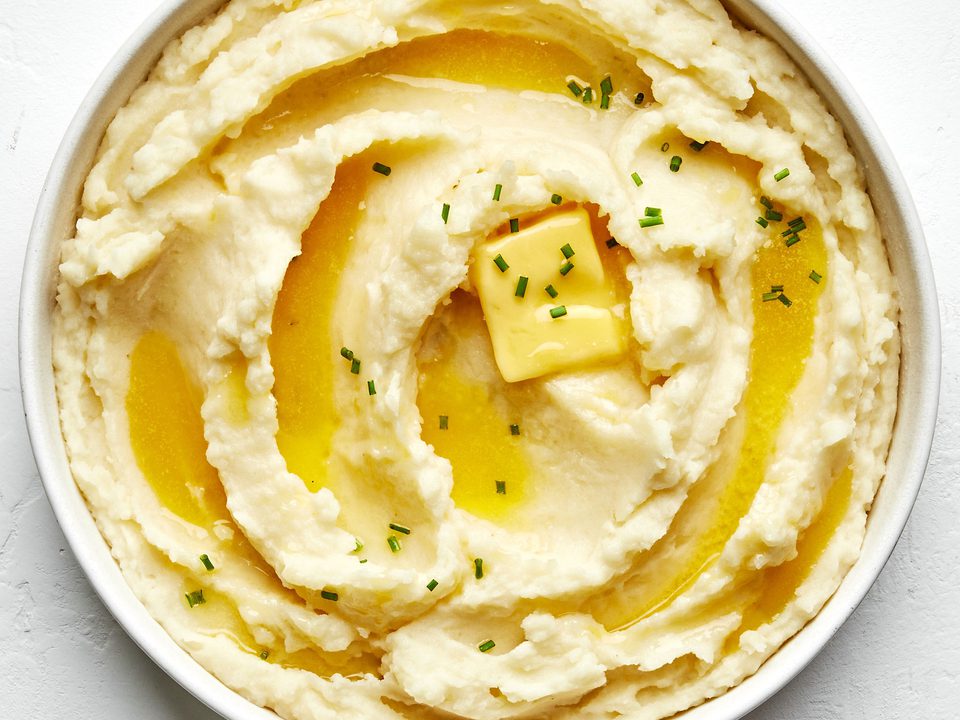
- Season and serve: Taste and add more salt as needed. Stir in black pepper if using. For a brighter, more savory finish, add 1 teaspoon lemon juice, taste, and add a little more only if it needs it. Serve warm with an extra pat of butter if you like.
Notes
Roasting option: Instead of boiling, roast whole sweet potatoes at 425°F until very tender, 45 to 60 minutes depending on size. Split and scoop out the flesh, then mash with butter and warm liquid as written. Roasted sweet potatoes usually need less added liquid.
Texture control: If the mash cools and thickens, rewarm gently and loosen with a splash of warm milk or broth.