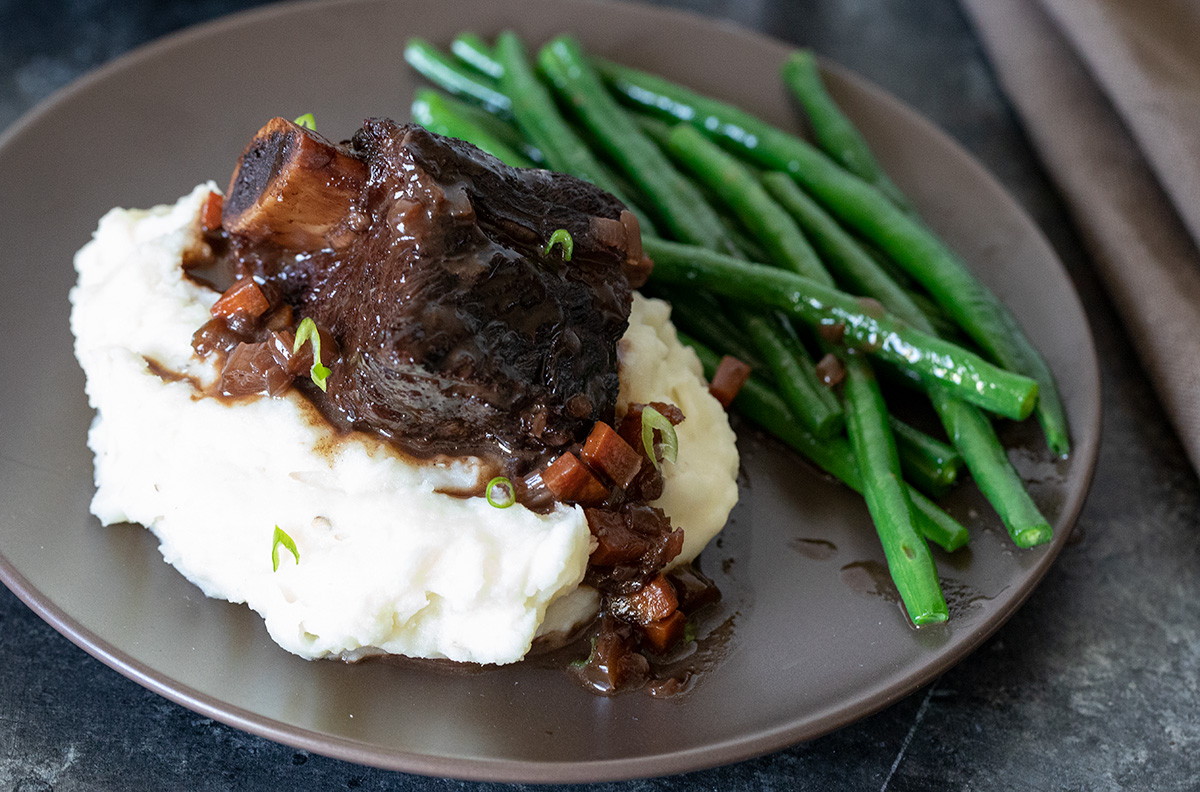
Short ribs are one of my favorite “let the oven do the work” dinners. You get that steakhouse depth of flavor, but the process is mostly hands-off once the pot goes in the oven. The key is simple: brown aggressively until you have a deep mahogany crust, braise gently, and finish the sauce with just enough acid and salt that it tastes alive.
Why short ribs get tender
Beef short ribs are loaded with connective tissue (collagen). Low, steady heat plus moisture turns that collagen into gelatin, which is why properly braised short ribs feel buttery and rich instead of chewy. If they are tough, they usually just need more time, though a too-hot oven or a loose lid can dry them out before they get there.
- Bone-in English-cut short ribs (thick, single-bone pieces) are easiest to braise evenly.
- Flanken-cut short ribs (thin cross-cuts) cook faster, but can go from tender to tough or dry if you push them too long.
Ingredients
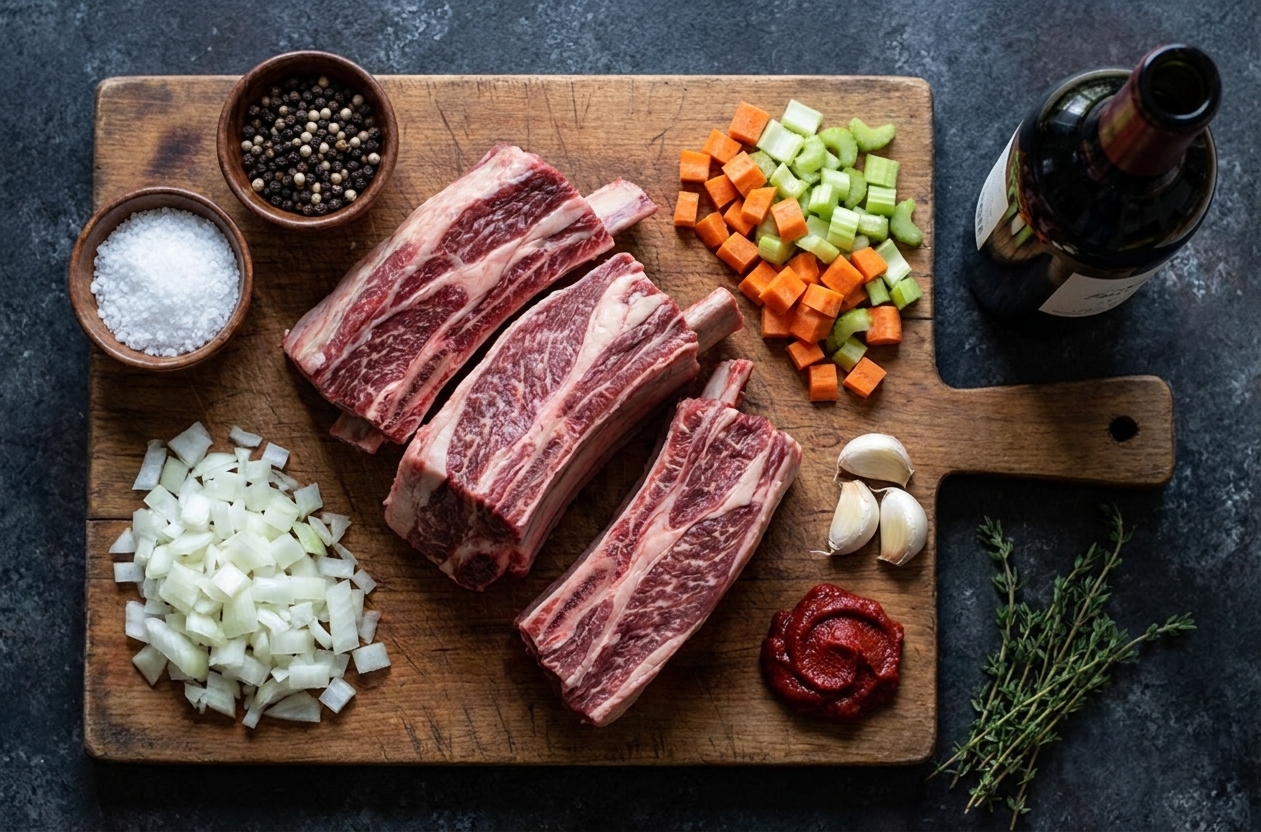
- Bone-in beef short ribs: 4 to 5 pounds, English-cut
- Kosher salt and black pepper
- Neutral oil: avocado or grapeseed
- Onion, carrot, celery: the classic braise base
- Garlic
- Tomato paste: for depth and color
- Red wine: dry, something you would happily drink (Cabernet, Merlot, Syrah)
- Beef stock: low-sodium if possible
- Bay leaves + thyme: rosemary is also great
- Optional: a spoonful of balsamic vinegar or lemon juice at the end for brightness
Salt note: Kosher salt varies a lot by brand. If you use Diamond Crystal, the measurements below are a good starting point. If you use Morton, start a little lighter and adjust at the end.
No wine? Swap the wine for more beef stock plus 2 tablespoons balsamic vinegar or 2 tablespoons red wine vinegar. You will still get complexity, just a slightly different profile.
How to braise short ribs
- Heat the oven: Set to 325°F (or 300°F if your oven runs hot).
- Season and dry: Pat the ribs dry, then season generously with salt and pepper. Dry meat browns better.
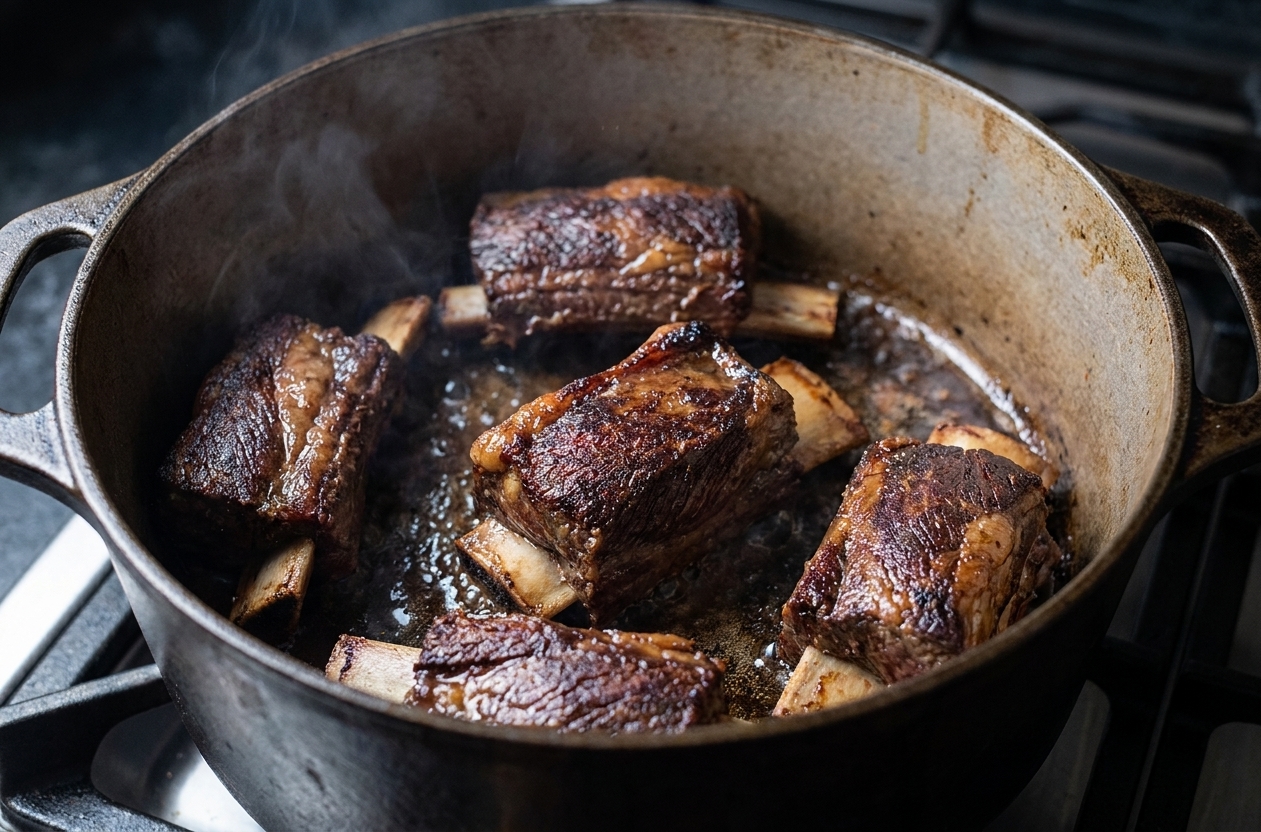
- Sear deeply: Heat a Dutch oven over medium-high with a thin layer of oil. Brown the ribs on all sides, 3 to 5 minutes per side, until they are truly dark and glossy. Work in batches so the pot does not steam. If the fond starts to look like it might burn, lower the heat a notch and add a splash of stock to loosen it.
- Build the base: Lower heat to medium. Add onion, carrot, and celery with a pinch of salt. Cook until softened and lightly browned, 8 to 10 minutes. Stir in garlic for 30 seconds.
- Toast the tomato paste: Add tomato paste and cook, stirring, until it darkens slightly and smells sweet, 1 to 2 minutes.
- Deglaze: Pour in the wine and scrape up every browned bit from the bottom. Simmer 5 to 7 minutes to reduce a little.
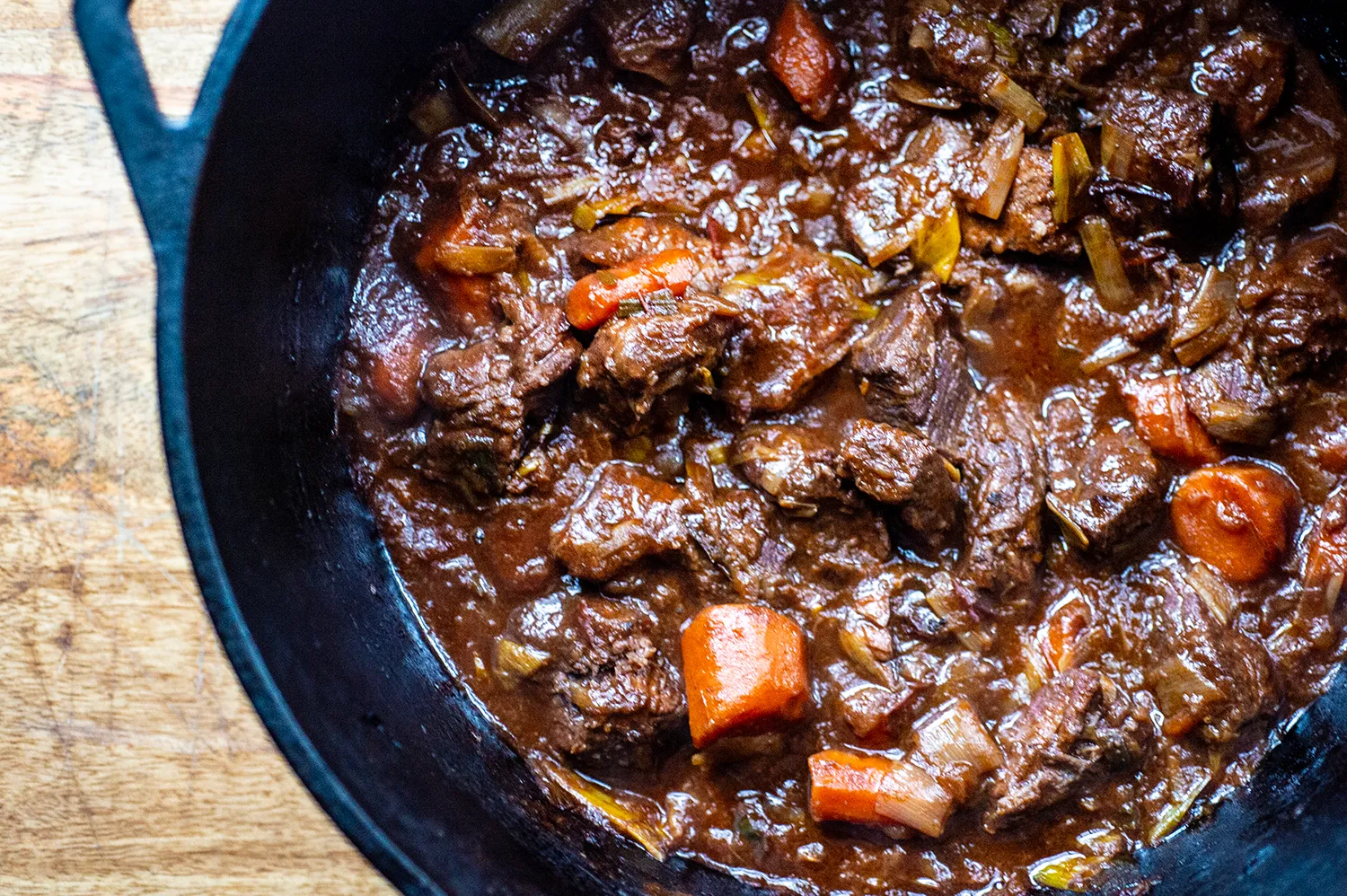
- Braise: Add stock, bay leaves, and thyme. Nestle the ribs back in. The liquid should come about halfway up the meat (not fully submerged). Cover with a tight lid and transfer to the oven.
- Cook until fork-tender: Braise 2 1/2 to 3 1/2 hours, turning the ribs once halfway through, until a fork slides in with almost no resistance and the meat is beginning to pull from the bone. If you like a thermometer check, fork-tender short ribs often land around 200 to 210°F in the thickest part, but feel is the real goal.
- Rest: Let the ribs sit in the braising liquid for 15 to 20 minutes before serving. This helps the temperature even out, and it also makes the next step (skimming fat) calmer and easier.
Sensory cue I trust: When you lift a rib with tongs, it should feel heavy but relaxed, not tight. If it looks done but still feels firm, give it another 20 to 30 minutes.
Finish the sauce
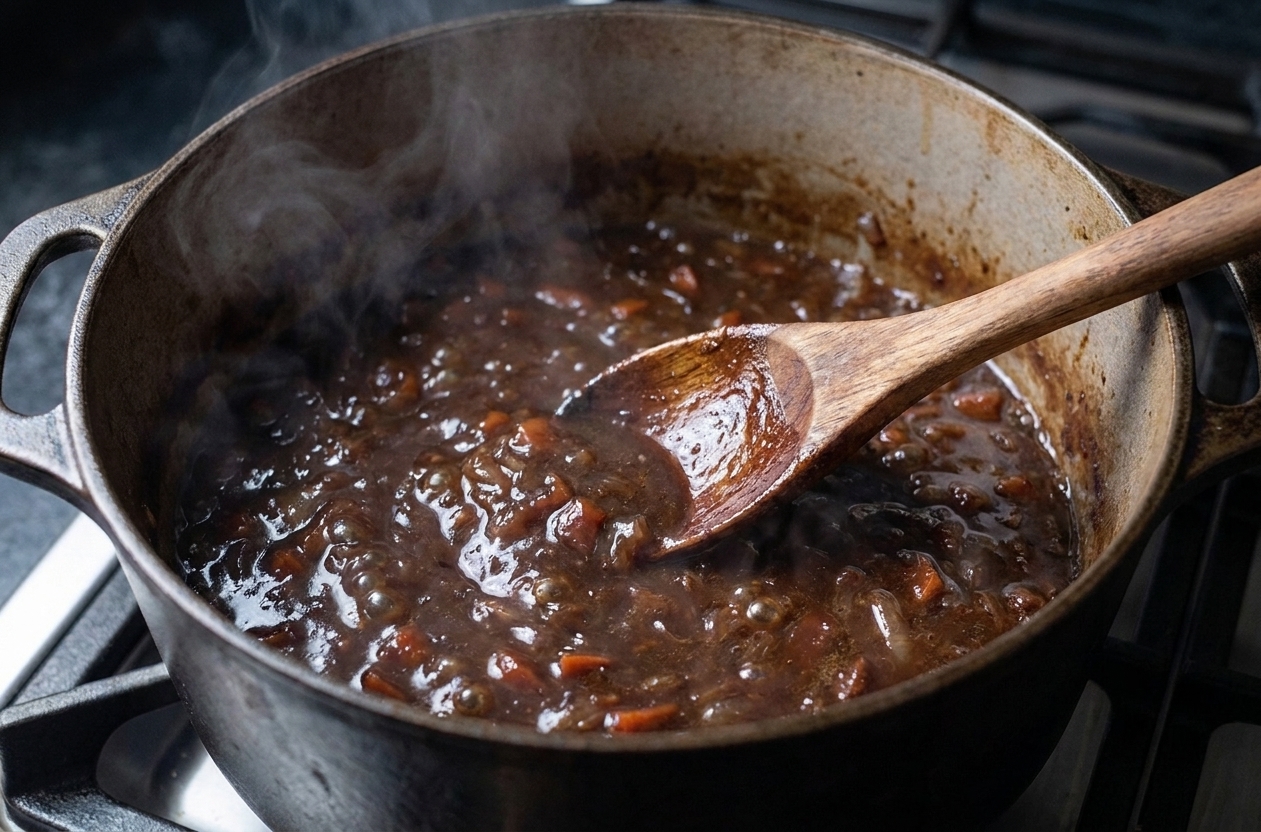
You have two great options depending on how tidy you want the sauce.
Option A: Rustic
- Skim excess fat from the surface with a spoon.
- Simmer the liquid on the stove to reduce until it lightly coats a spoon.
- Taste and adjust with salt, pepper, and a small splash of vinegar if it tastes flat.
Option B: Silky
- Remove ribs to a plate.
- Strain the braising liquid, pressing on the vegetables for maximum flavor.
- Chill briefly or use a fat separator to remove fat, then simmer to reduce.
- Optional: whisk in 1 to 2 teaspoons cold butter at the end for extra shine.
Slow cooker and Instant Pot
Slow cooker
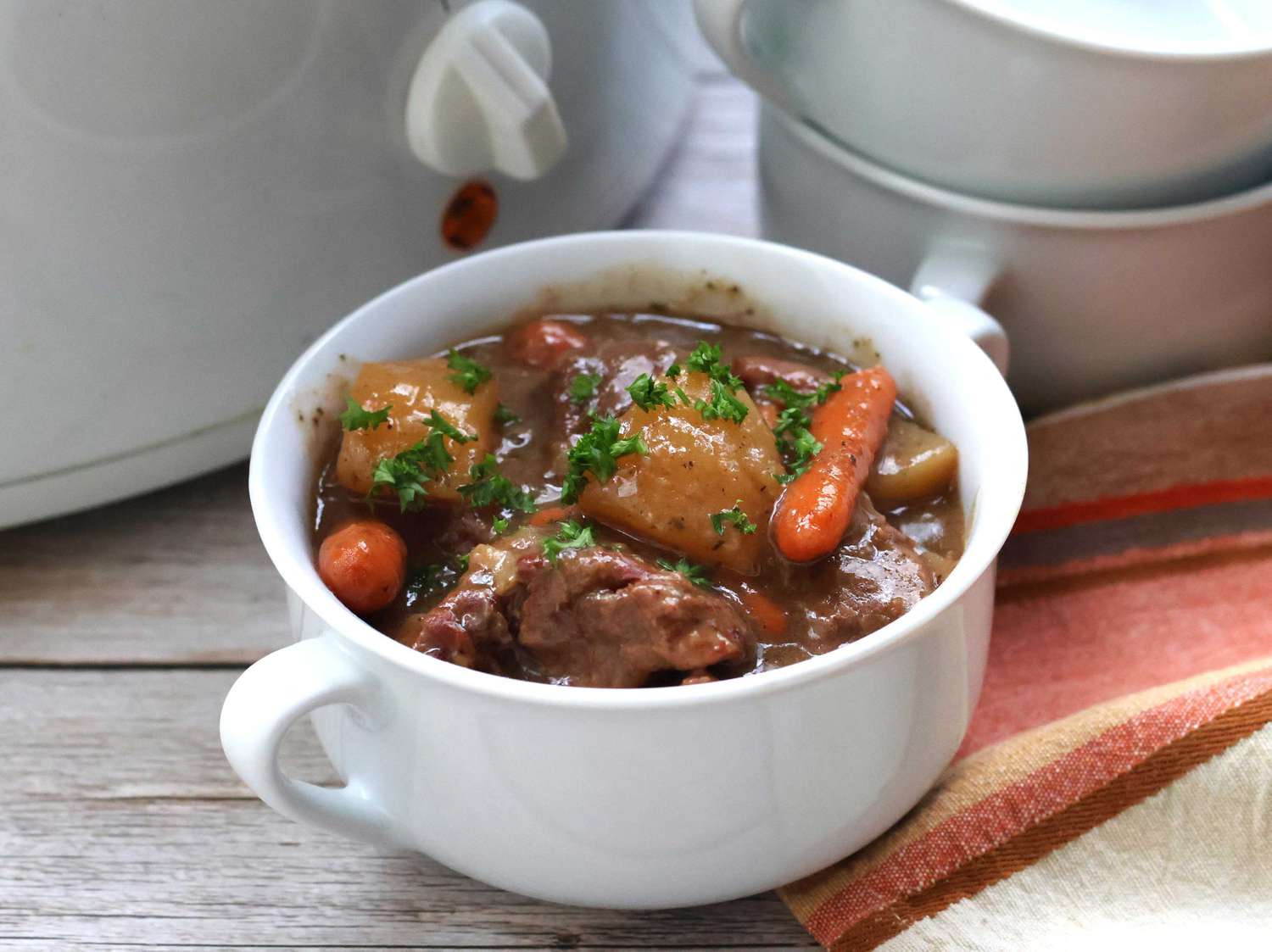
Sear the ribs and build the base on the stovetop first. Transfer everything to the slow cooker and cook on low for 7 to 8 hours or high for 4 to 5 hours, until fork-tender. Reduce the sauce in a saucepan on the stove at the end.
Instant Pot
Use sauté to sear the ribs in batches, then build the aromatics and deglaze thoroughly. Pressure cook on high for 45 to 60 minutes (English-cut, depending on thickness), natural release for 15 minutes, then quick release. If they are not fully tender, pressure cook 5 to 10 minutes more. Reduce sauce on sauté.
Make-ahead tips
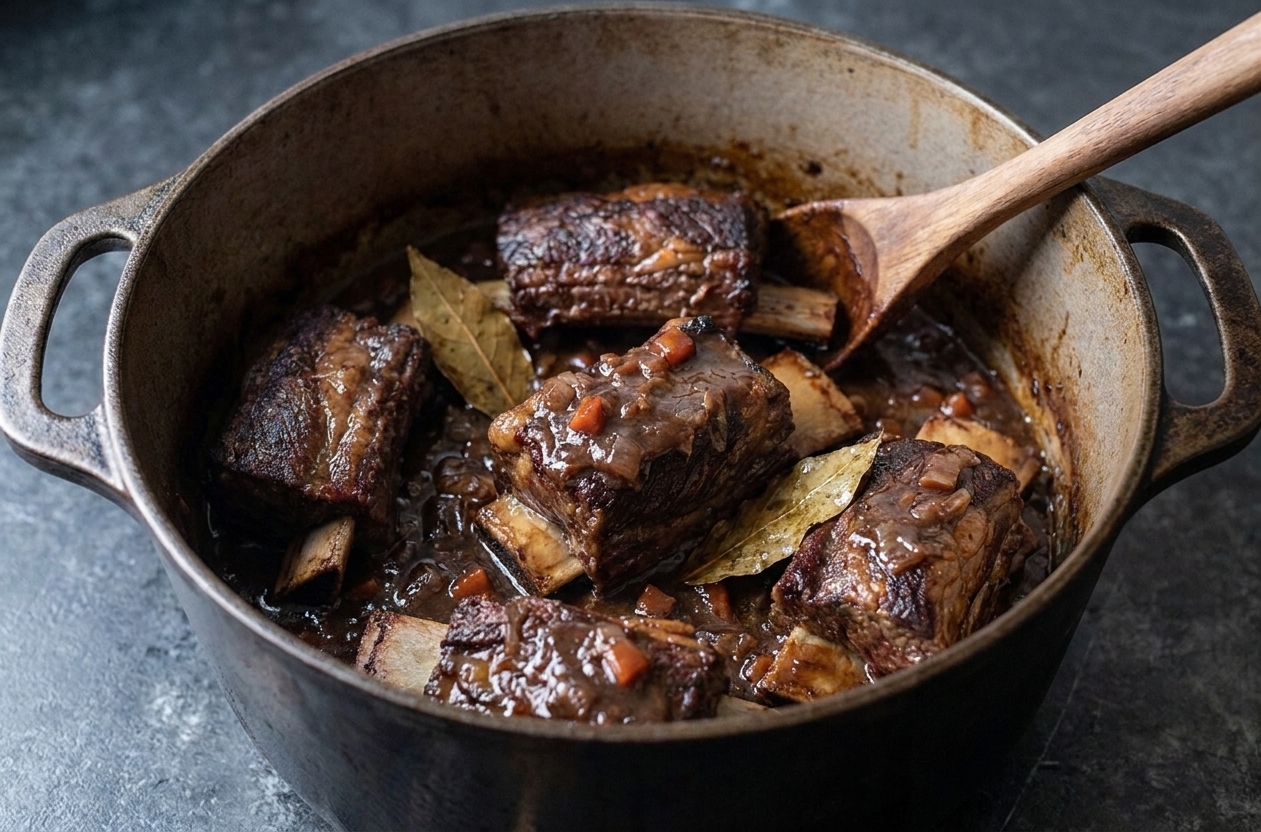
Short ribs are a dream for organized cooks. The flavor deepens as it sits, and chilling makes it easy to remove fat.
- Make 1 to 2 days ahead: Cool, refrigerate ribs in their liquid. The fat will solidify on top. Lift it off, rewarm gently at 300°F covered until hot.
- Freeze: Freeze ribs with some sauce in an airtight container up to 3 months. Thaw overnight in the fridge.
- Do not boil to reheat: Gentle heat keeps the meat tender.
What to serve with them
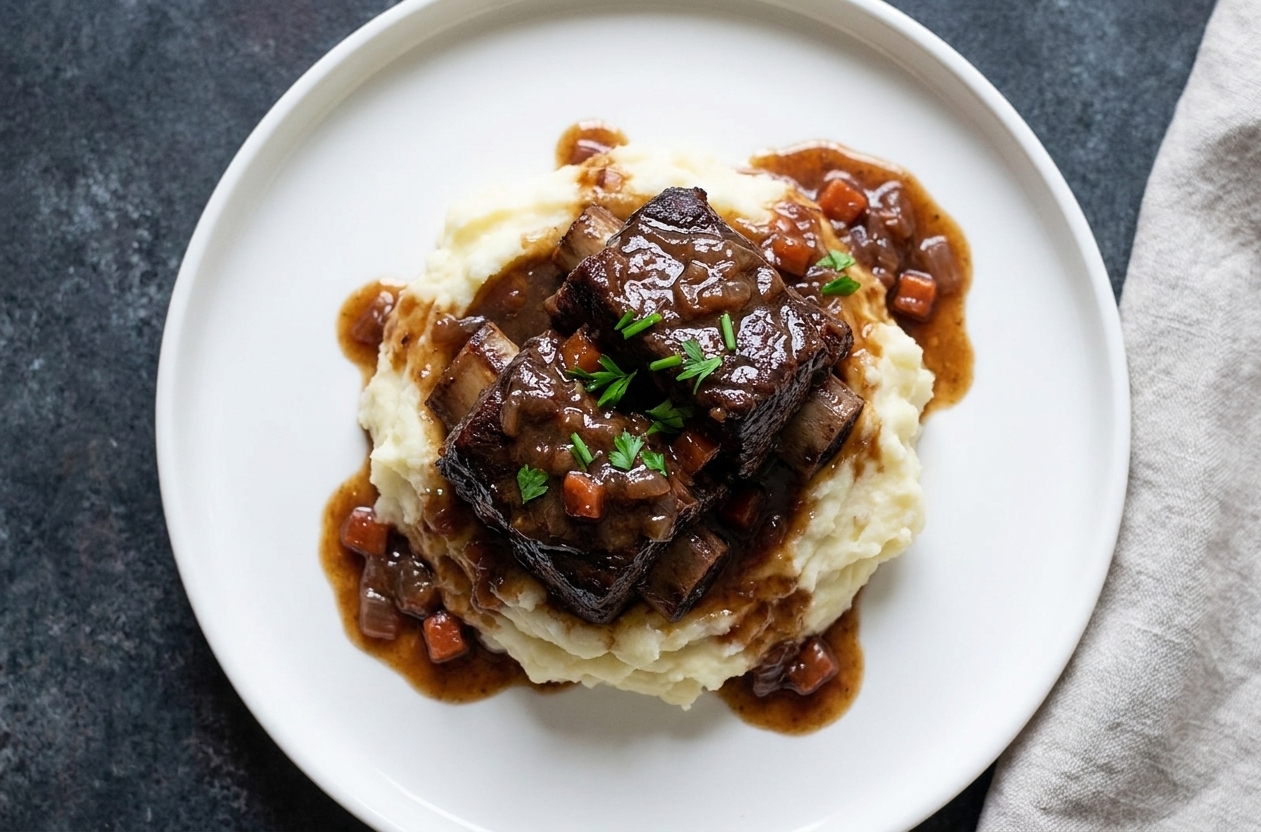
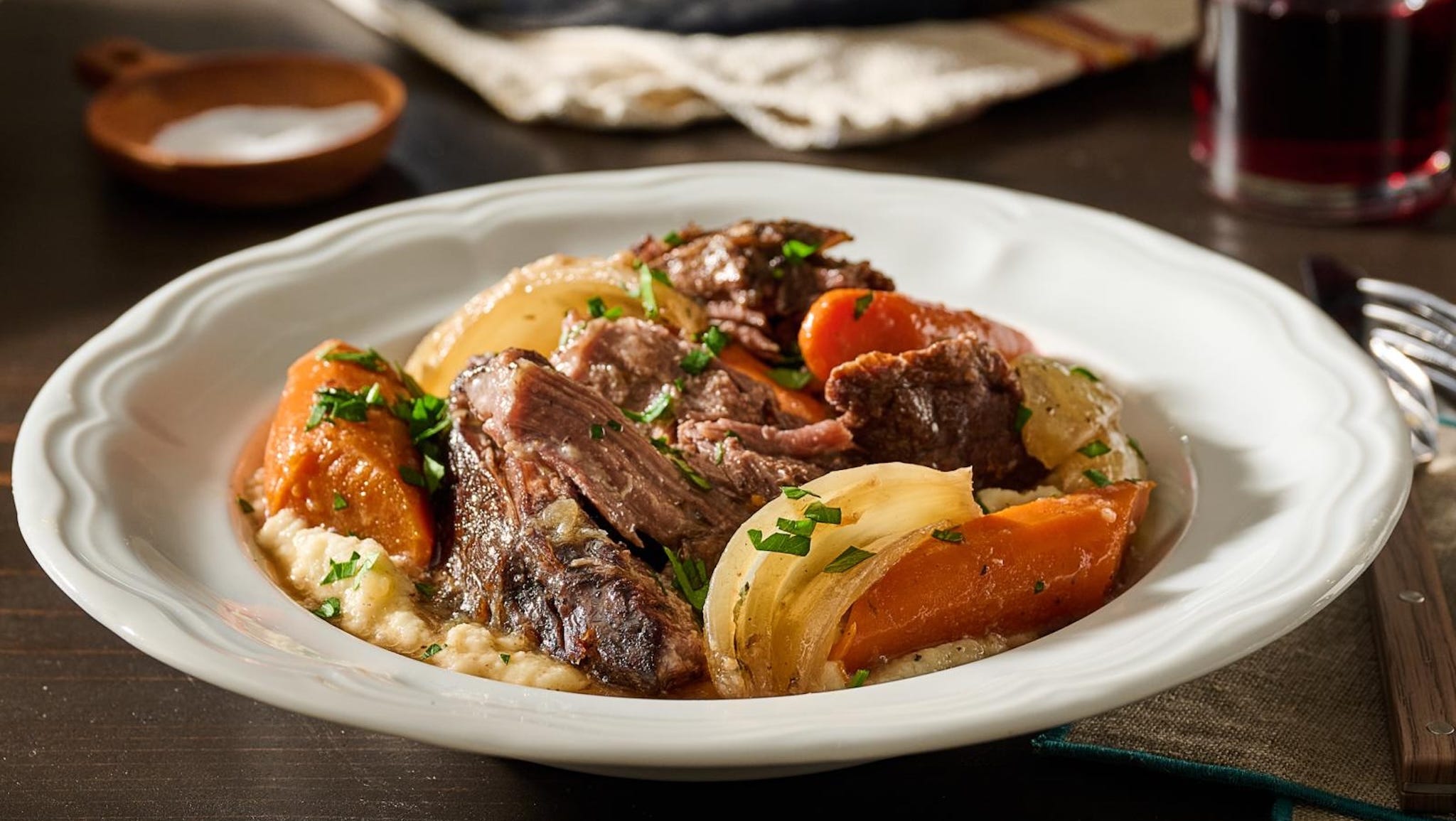
- Mashed potatoes or parsnip mash for maximum sauce capture
- Polenta or buttery egg noodles
- Roasted carrots, broccolini, or a bright green salad with a sharp vinaigrette
- Crusty bread for the last swipe of gravy
My personal balance move: serve something creamy underneath and something crunchy and acidic on the side.
Common problems
- Tough meat: Keep braising. Short ribs do not get tender on a timer, they get tender when collagen fully breaks down. If your pot is drying out, add a splash of stock and make sure the lid is tight.
- Dry meat: Usually from too high heat, too much evaporation, or cooking uncovered. Keep the braise covered and steady at 325°F, or drop to 300°F if your oven runs hot.
- Sauce tastes flat: Add salt first, then a small splash of vinegar or lemon juice. Acid wakes up long-cooked dishes.
- Sauce is greasy: Skim fat or chill and lift it off. You can also blot the surface with a paper towel briefly.
- Sauce too thin: Reduce uncovered on the stove. Avoid flour slurries unless you are in a true hurry.
Leftovers
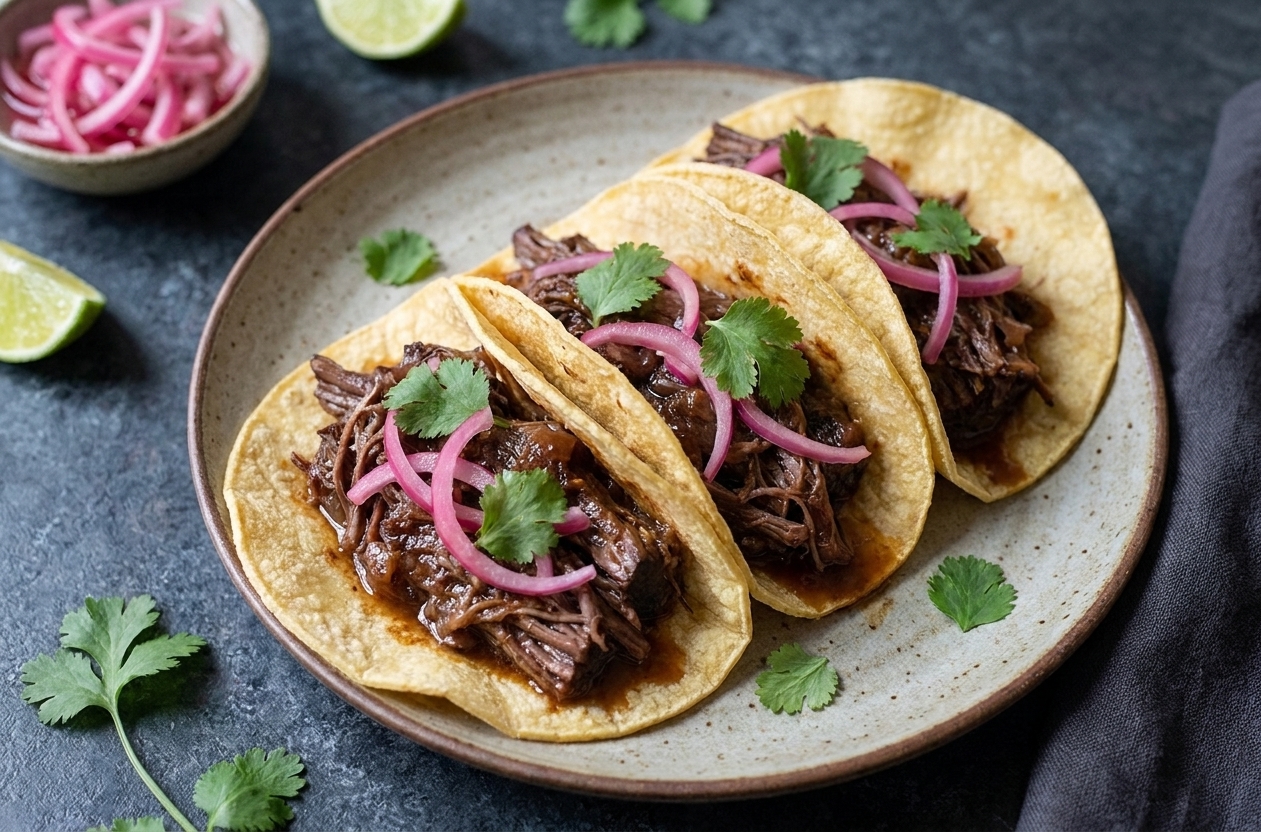
- Short rib ragù: Shred meat into the sauce and toss with pappardelle.
- Tacos: Crisp the meat in a skillet, then add pickled onions and cilantro.
- Grain bowls: Brown rice, roasted veggies, and a spoonful of sauce as the “dressing.”
- Waste-less tip: Save any trimmed fat and render it slowly. Use the beef tallow for potatoes.
FAQ
How long does it take?
Plan on 3 to 4 hours total, including browning and resting. The oven time is usually 2 1/2 to 3 1/2 hours at 325°F, depending on thickness.
Do I have to sear?
You do not have to, but searing is where the deep, “restaurant” flavor comes from. If you skip it, the ribs will still get tender, but the sauce will taste lighter and less complex.
Should the ribs be submerged?
No. Aim for liquid about halfway up the ribs. The exposed top gently roasts while the bottom braises, which gives you better flavor and texture.
What is the best pot?
A heavy Dutch oven with a tight lid is ideal. If your lid is loose, lay a piece of foil under it to reduce evaporation.
Tender Braised Short Ribs Recipe
Serves: 4 to 6
Ingredients
- 4 to 5 lb bone-in beef short ribs (English-cut)
- 2 1/2 tsp kosher salt (Diamond Crystal), plus more to taste
- 1 1/2 tsp black pepper
- 2 tbsp neutral oil
- 1 large onion, diced
- 2 large carrots, diced
- 2 celery ribs, diced
- 4 garlic cloves, minced
- 2 tbsp tomato paste
- 2 cups dry red wine
- 2 cups beef stock (preferably low-sodium), plus more as needed
- 2 bay leaves
- 6 to 8 sprigs fresh thyme (or 1 tsp dried)
- 1 to 2 tsp balsamic vinegar or lemon juice (optional, to finish)
Instructions
- Heat oven to 325°F (or 300°F if your oven runs hot). Pat short ribs dry and season with salt and pepper.
- Heat oil in a Dutch oven over medium-high. Sear ribs in batches until deeply browned on all sides. Transfer to a plate. If the fond threatens to burn, lower heat slightly.
- Reduce heat to medium. Add onion, carrots, and celery. Cook until softened and lightly browned, 8 to 10 minutes. Add garlic and cook 30 seconds.
- Stir in tomato paste and cook 1 to 2 minutes.
- Add red wine, scraping the bottom well. Simmer 5 to 7 minutes.
- Add beef stock, bay leaves, and thyme. Return ribs to the pot. Liquid should come about halfway up the meat. Cover and braise in the oven 2 1/2 to 3 1/2 hours, turning once, until fork-tender. (A thermometer often reads around 200 to 210°F when they are truly tender.)
- Rest 15 to 20 minutes. Skim fat, then simmer liquid to thicken if needed. Taste and adjust seasoning. Add a small splash of vinegar or lemon juice if it needs brightness.
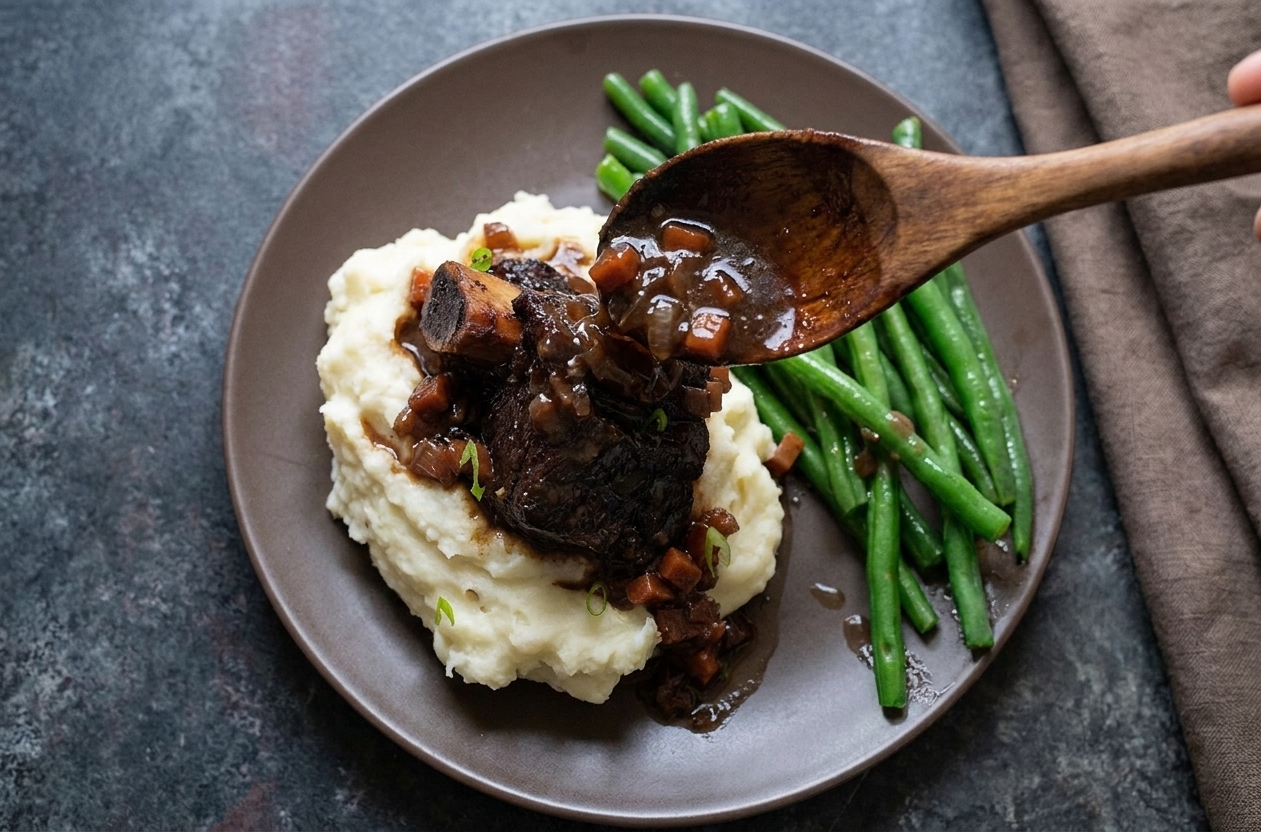
- Serve ribs with sauce spooned over top.
Storage
- Refrigerate: Up to 4 days, in sauce.
- Freeze: Up to 3 months.
- Reheat: Covered at 300°F until hot, or gently on the stovetop.