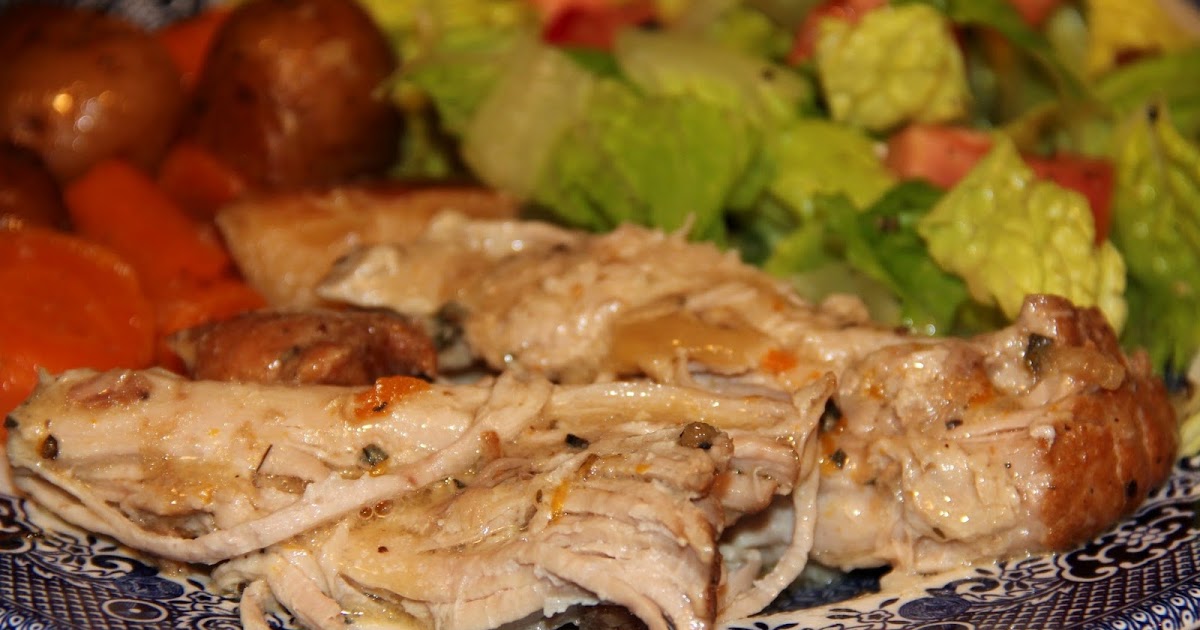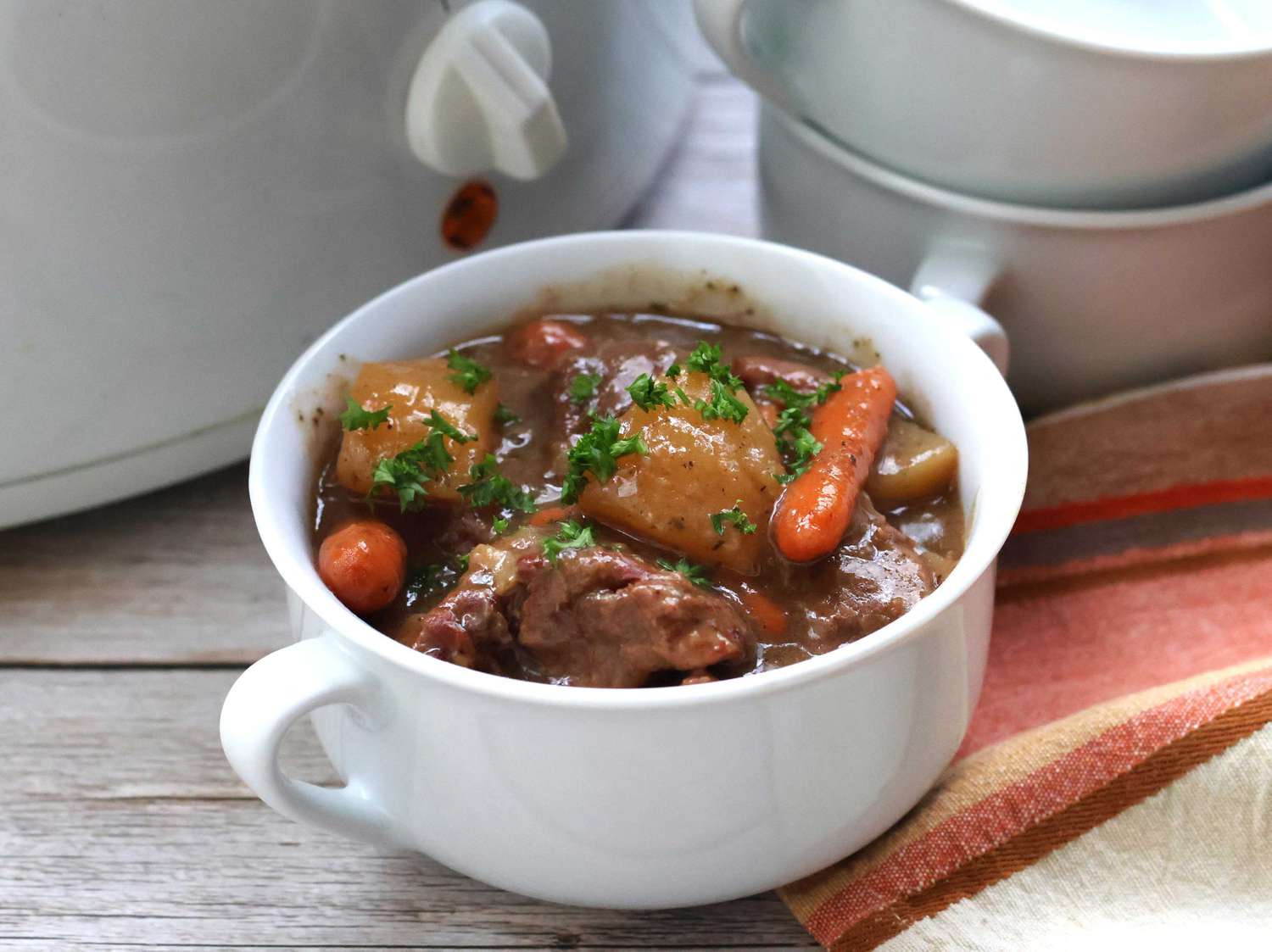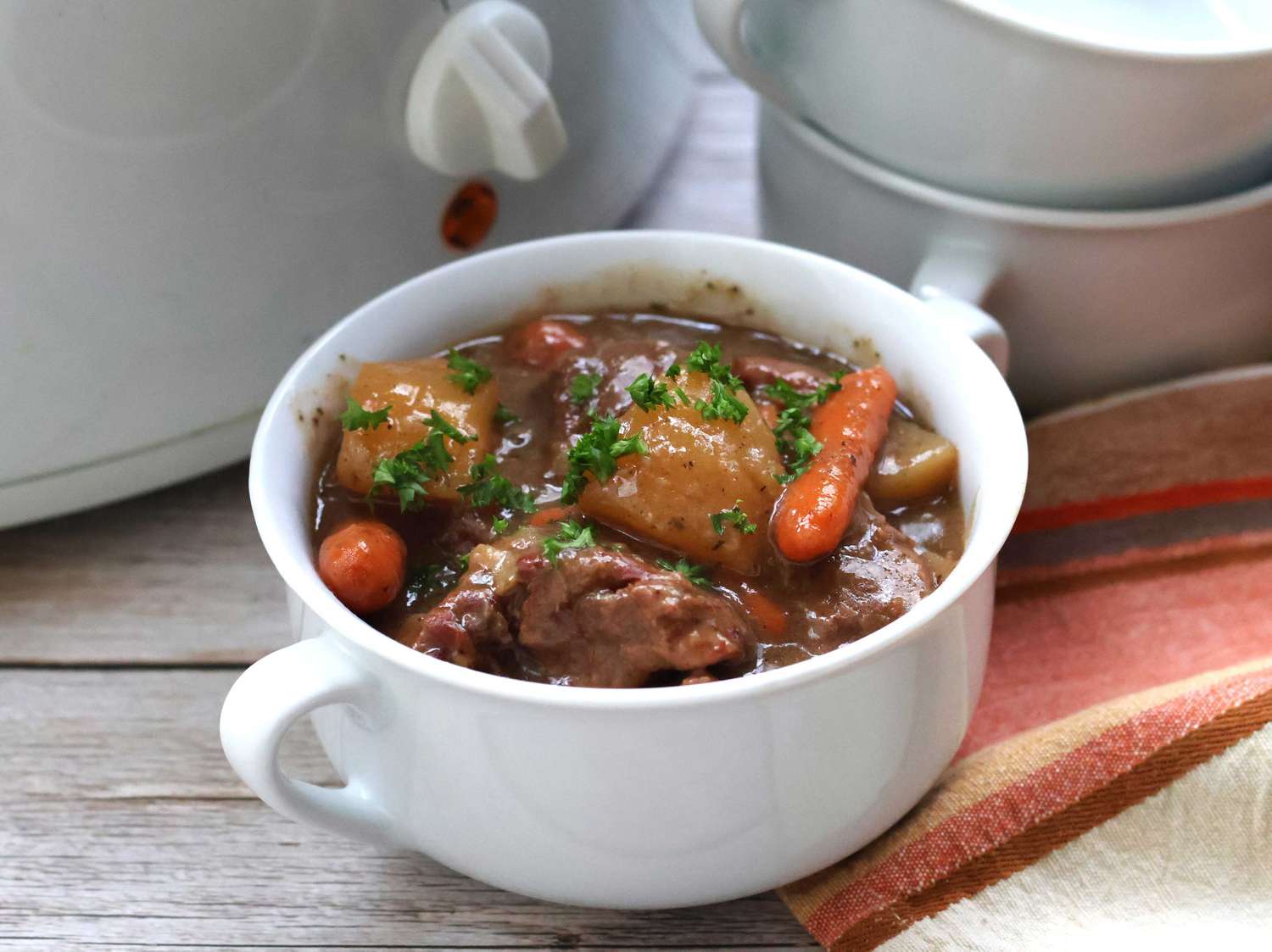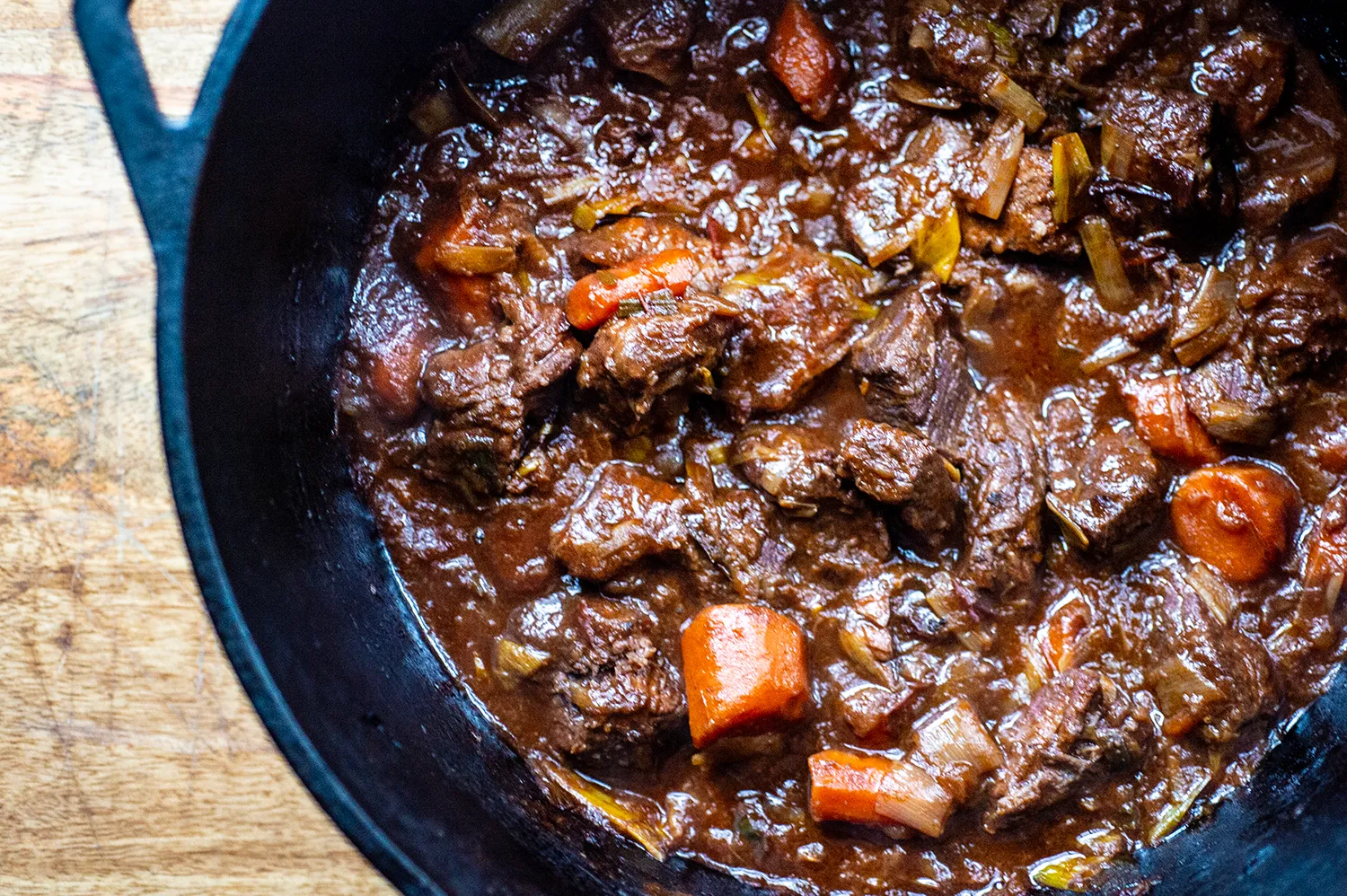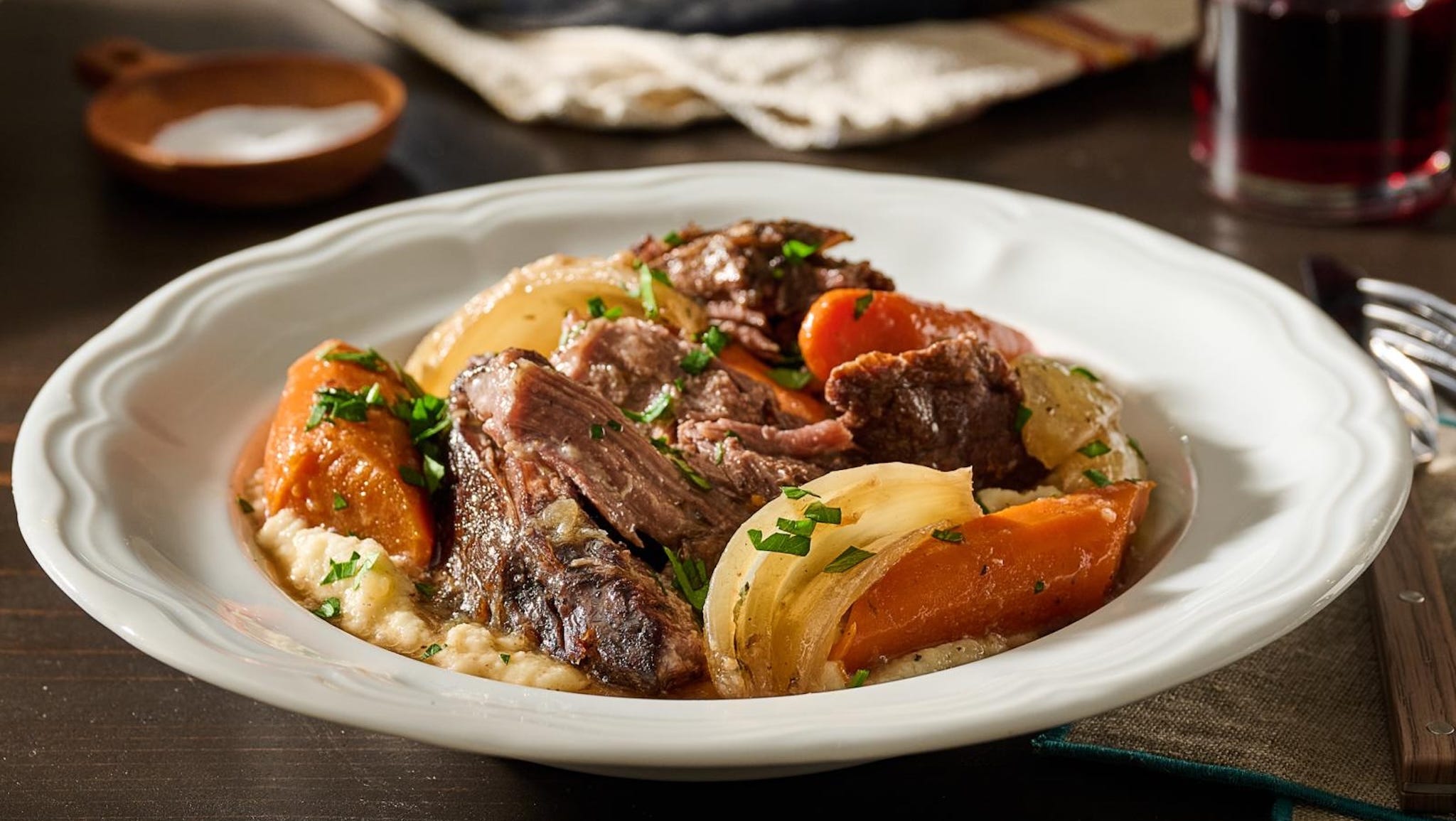
Pot roast is one of those meals that feels like a warm blanket: beef that pulls apart with a fork, vegetables that taste like they simmered in a restaurant stock, and a gravy you want to drag bread through. The crock pot version can absolutely deliver that, as long as you use the right cut, season with intention, and give it enough time.
Below is my weeknight-friendly method, plus the small technique tweaks that make the difference between “fine” and “where has this been all my life?”
What makes a great slow cooker pot roast
A classic pot roast is all about collagen turning into silky gelatin. That only happens with the right cut and enough time at a gentle temperature. The slow cooker does the gentle part beautifully, but you still need to set it up for success.
- Choose a cut with marbling and connective tissue. Lean roasts dry out and stay sliceable instead of shreddable.
- Season more than you think you should. You are flavoring pounds of meat and a whole pot of vegetables.
- Brighten and deepen the gravy. A splash of vinegar perks up the flavors, while tomato paste and Worcestershire add concentrated savory depth.
- Add delicate vegetables later if you like them intact. Potatoes and carrots can handle the long cook, but they will be very soft if they go in from the start.
Best cut of beef for crock pot pot roast
If you want fork-tender, shreddable roast, start here:
- Chuck roast (best all-around): Rich, forgiving, reliably tender.
- Brisket (great, different vibe): Slices nicely, still tender, a bit more pronounced beef flavor.
- Bottom round or rump roast (works, but needs help): Leaner. Cook on low, do not rush it, and consider adding extra fat like a tablespoon of butter in the gravy at the end.
Look for a roast that is 3 to 4 pounds with visible marbling. If the package says “pot roast,” it is often chuck, but it can also be round, so check the cut name on the label if you can.
Slow cooker size note: A 6-quart slow cooker is ideal for a 3 to 4 lb roast with vegetables. You want it snug, not crammed, so heat can circulate and everything cooks evenly.
Ingredients you need
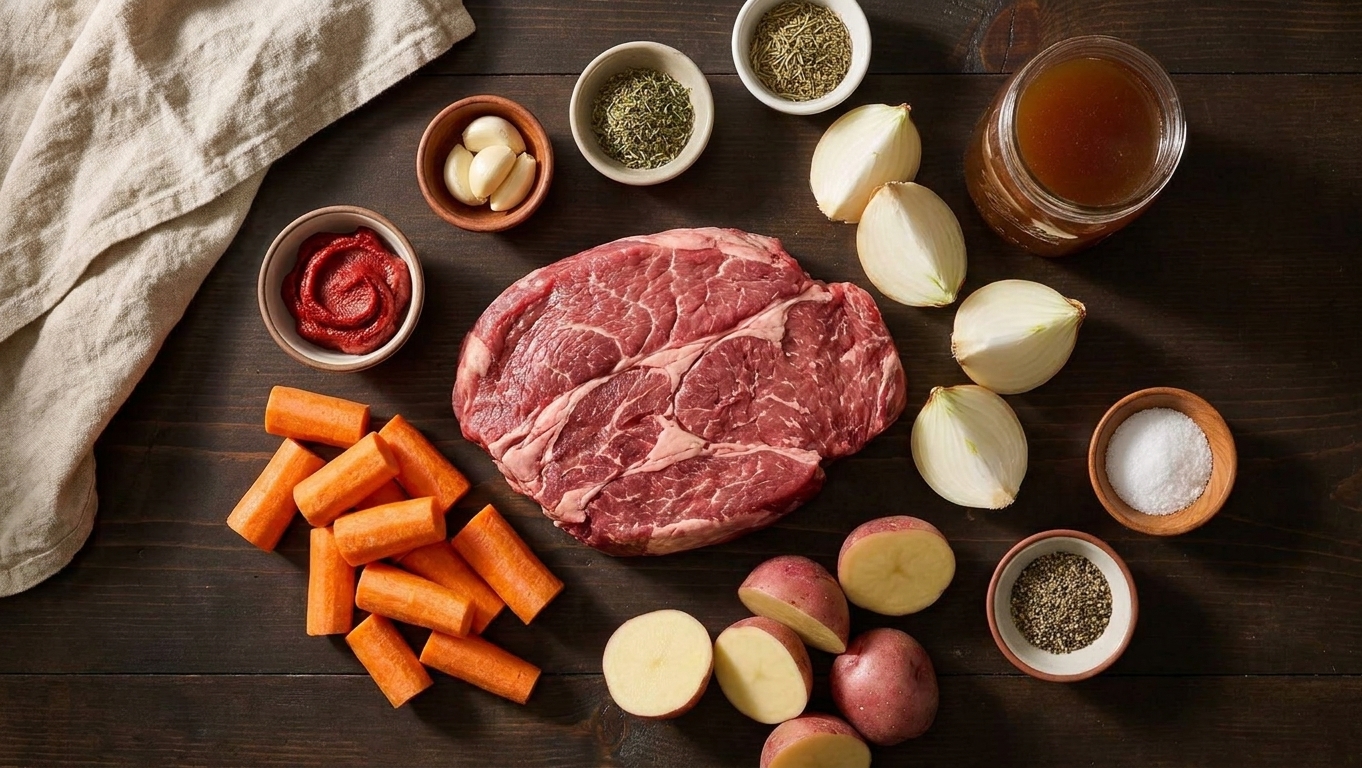
For the roast
- 3 to 4 lb chuck roast
- Kosher salt and black pepper
- 2 tbsp neutral oil (for searing, optional but recommended)
- 1 large yellow onion, thickly sliced
- 4 cloves garlic, smashed
- 3 to 4 carrots, cut into large chunks
- 1 to 1 1/2 lb baby potatoes or Yukon Golds, halved
- 2 cups beef broth (or stock)
- 2 tbsp tomato paste
- 1 tbsp Worcestershire sauce
- 1 tbsp balsamic vinegar or red wine vinegar
- 2 tsp dried thyme (or 6 fresh sprigs)
- 1 bay leaf
For thickening the gravy
- 2 tbsp cornstarch + 2 tbsp cold water (slurry)
- Or 3 tbsp flour whisked into 3 tbsp softened butter (beurre manié)
Food waste tip: If your carrots are a little bendy or your onion is starting to sprout, this is exactly the kind of slow, savory dish that gives them a second life.
How to make crock pot pot roast
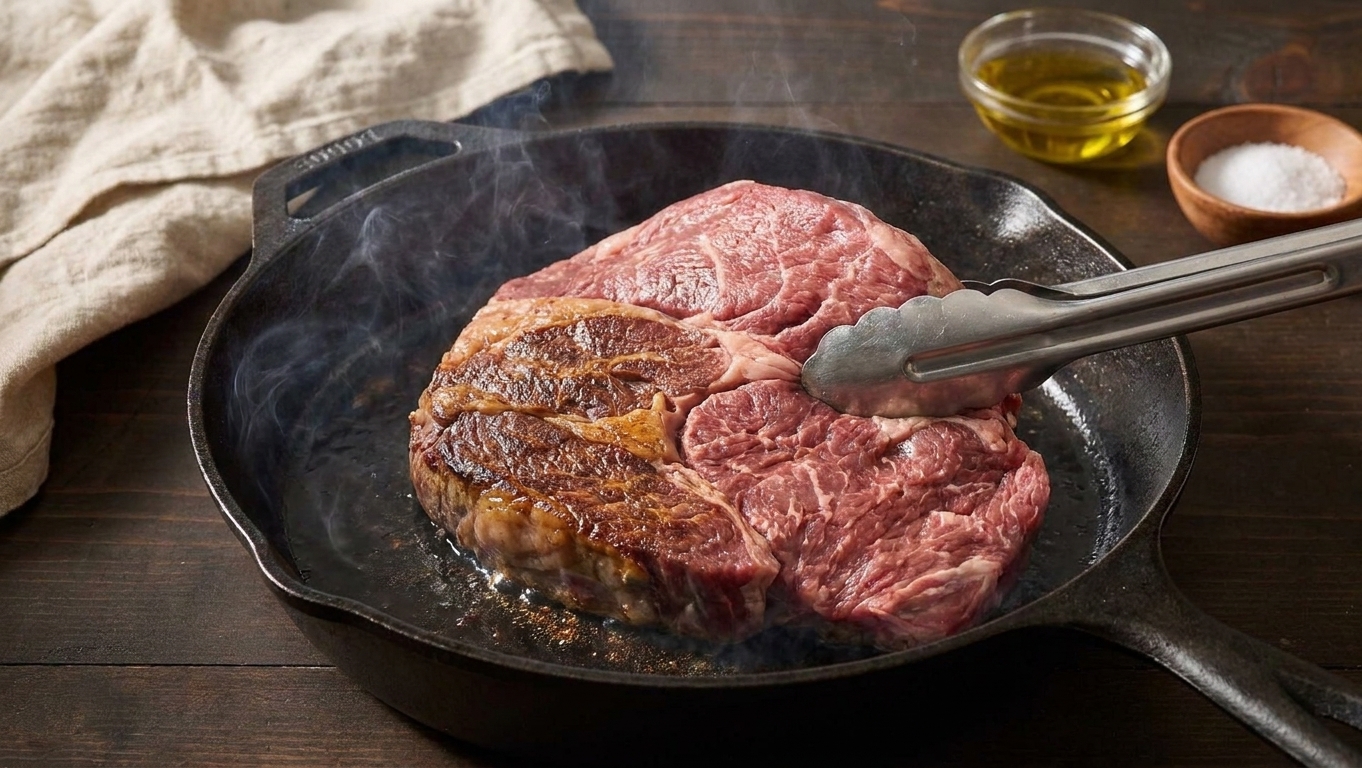
- Season the beef well. Pat the roast dry. Season all sides with salt and pepper. I start with about 1 1/2 to 2 teaspoons kosher salt total for a 3 to 4 lb roast, then adjust at the end. (Diamond Crystal is lighter than Morton, and salted broth can change the final salt level.)
- Sear (optional, but worth it). Heat oil in a skillet over medium-high. Brown the roast on all sides, 3 to 4 minutes per side. You are building flavor for the whole pot.
- Build the slow cooker base. Add onion slices and garlic to the bottom of the crock pot. Nestle the roast on top. Add carrots and potatoes around the roast. If you prefer firmer vegetables, see the timing note below.
- Mix the braising liquid. Whisk broth, tomato paste, Worcestershire, vinegar, thyme, and bay leaf. Pour mostly around the roast so you do not wash off the browned, flavorful bits.
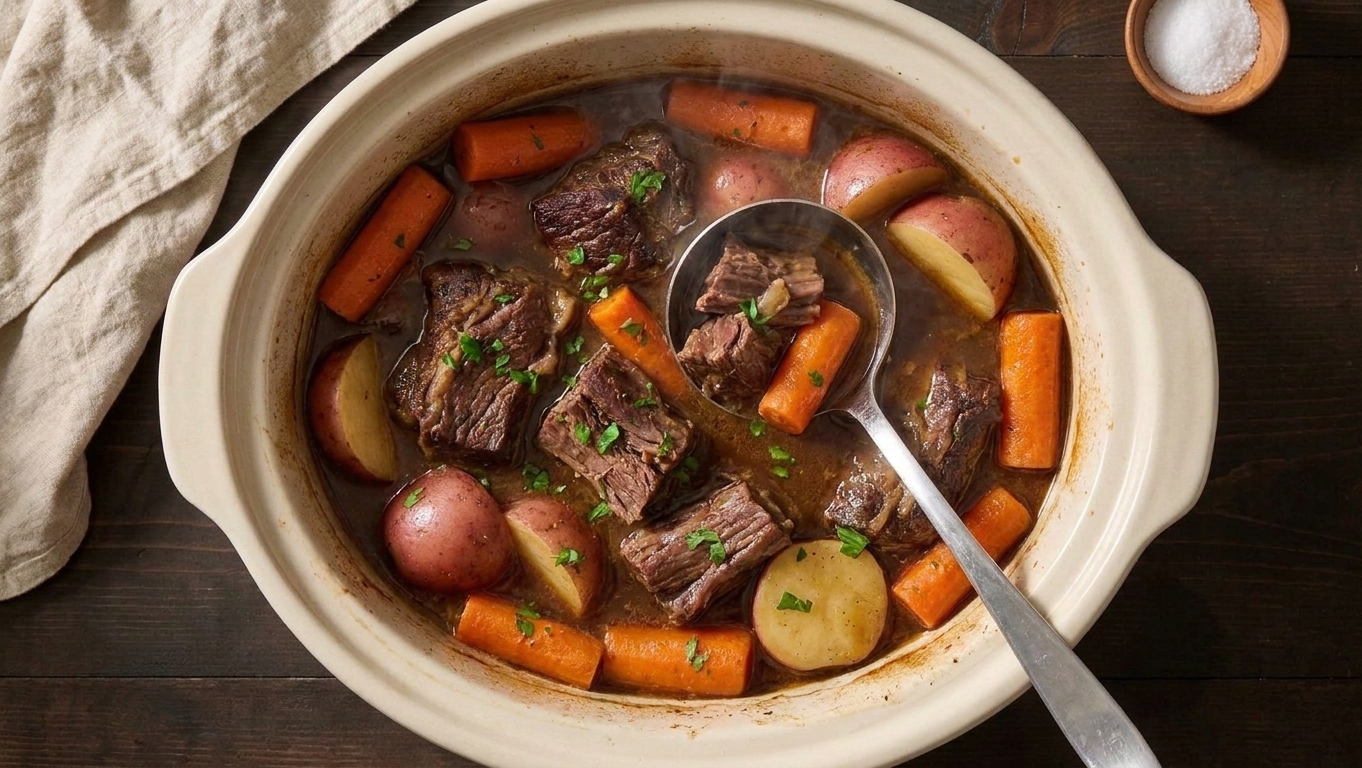
- Cook low and slow. Cover and cook on LOW for 8 to 10 hours, or HIGH for 4 1/2 to 6 hours, depending on your slow cooker and the thickness of the roast. Low is more forgiving and usually gives the best texture.
- Check doneness by feel, not just time. It is done when a fork twists easily and the meat starts to separate. If it is tough, it needs more time, even if the thermometer reads “done.”
- Make gravy. Transfer roast and vegetables to a platter and tent with foil. Pour the cooking liquid into a saucepan (or use a fat separator). For a smoother gravy, strain it first if you like. Simmer 5 to 10 minutes. Thicken with cornstarch slurry or beurre manié until glossy and spoonable. If using flour (beurre manié), keep it at a gentle simmer for a few minutes so it does not taste floury.
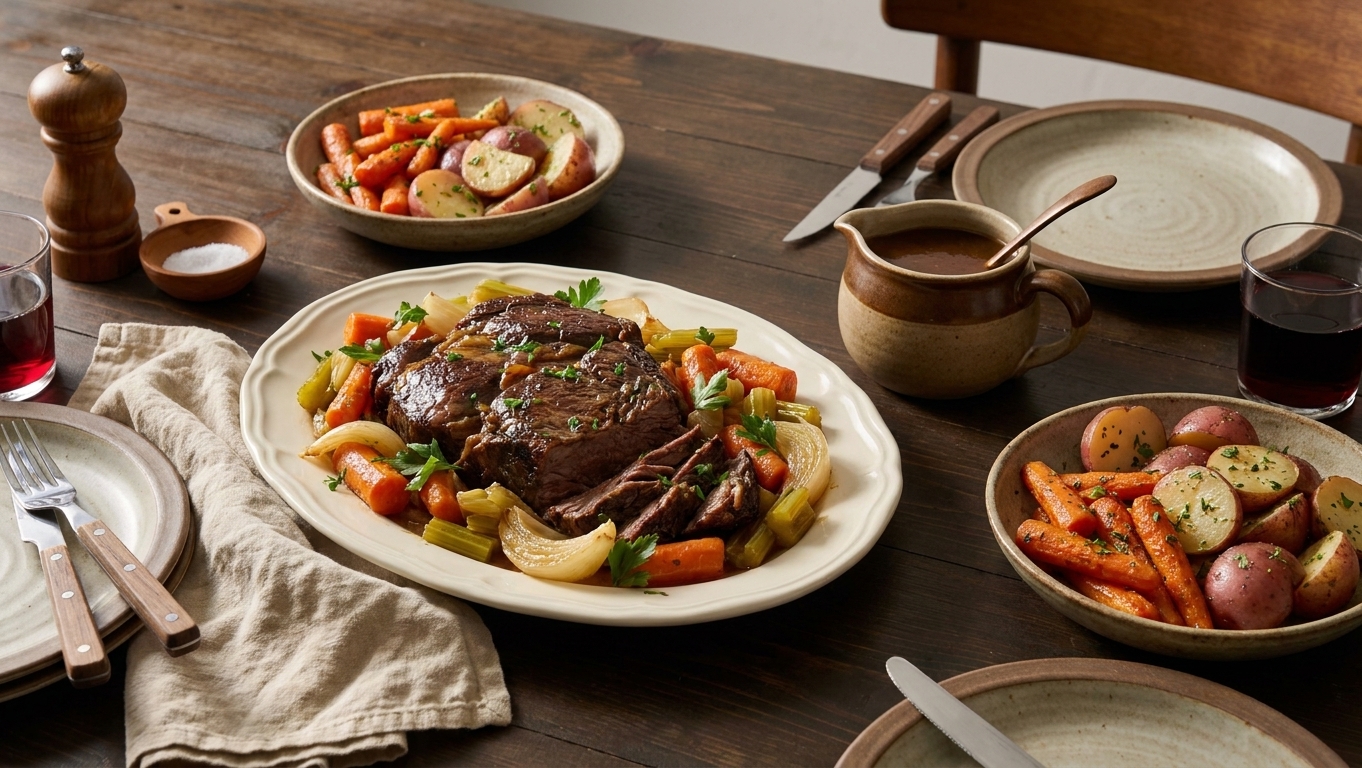
- Serve. Shred the roast into big, cozy pieces, spoon gravy over everything, and add a final pinch of salt if needed.
Timing and temperature
If your schedule allows, choose LOW. It gives the collagen time to melt gradually, which is what creates that fall-apart texture.
- LOW (8 to 10 hours): Best texture, best for chuck roast, best if you are away all day.
- HIGH (4 1/2 to 6 hours): Works, but the window between “still tough” and “starting to dry” is smaller, especially with leaner roasts and hotter-running slow cookers.
Vegetable timing: For very tender, gravy-soaked carrots and potatoes, add them from the beginning. For vegetables that hold their shape, add them in the last 3 to 4 hours on LOW. (You can also keep them closer to the sides of the insert rather than directly under the roast, which helps prevent the bottom layer from turning to mash.)
How to avoid bland pot roast
Slow cooker meals sometimes need a little “finish line” seasoning. Here is my no-fuss checklist:
- Salt in layers: Season the meat, then taste the gravy at the end and adjust.
- Acid at the end: If the gravy tastes heavy, add 1 to 2 teaspoons vinegar.
- Umami booster: Worcestershire, soy sauce (1 to 2 teaspoons), or a small splash of fish sauce (yes, really) deepens flavor without tasting fishy.
- Fresh herbs: A handful of chopped parsley right before serving wakes up the whole plate.
Troubleshooting
My pot roast is tough. What did I do wrong?
Usually nothing. It just needs more time. Tough means the connective tissue has not broken down yet. Put the lid back on and give it another 45 to 90 minutes, then check again.
My pot roast is dry
Dry can happen with a lean cut or cooking too long on HIGH. Next time: choose chuck, cook on LOW, and keep enough liquid in the pot. For today: shred the meat and toss it with warm gravy to bring it back.
My gravy is greasy
Skim the fat with a spoon, or chill the liquid briefly so the fat solidifies on top. A fat separator works beautifully if you have one.
My vegetables are mushy
Cut them larger and add them later, or switch to Yukon Golds (they hold up better than russets). Baby potatoes are also very forgiving.
Easy variations
- Onion soup mix vibe: Add 1 teaspoon garlic powder, 1 teaspoon onion powder, and an extra tablespoon Worcestershire.
- Wine-forward gravy: Replace 1/2 cup broth with red wine.
- Mushroom pot roast: Add 8 oz cremini mushrooms in the last 2 to 3 hours on LOW.
- Spice cabinet roast: Add 1 teaspoon smoked paprika and a pinch of chili flakes for gentle warmth.
Make-ahead and storage
Pot roast is even better the next day because the flavors keep mingling.
- Make ahead: Cook fully, cool, then refrigerate the roast and vegetables in the liquid. Reheat gently on the stove or in the slow cooker on LOW.
- Store: Refrigerate up to 4 days.
- Freeze: Freeze shredded beef in gravy up to 3 months. Potatoes can get a little grainy after freezing, so I usually freeze the beef and gravy only.
- Leftover magic: Stuff into toasted rolls with provolone, fold into quesadillas, or spoon over buttered noodles with extra gravy.
FAQ
Do I have to sear the roast first?
No, but searing adds a deep, roasted flavor that makes the gravy taste richer. If you skip it, I recommend bumping up Worcestershire and tomato paste slightly and tasting for salt at the end.
How much liquid should I add?
Enough to create a flavorful braising environment, not enough to boil the meat. For a 3 to 4 lb roast, about 2 cups broth is usually perfect. The roast and vegetables will release additional liquid as they cook.
Can I overcook pot roast in a slow cooker?
Yes. Past the tender sweet spot, the meat can start to dry and shred too finely. This is another reason I prefer cooking on LOW and checking closer to the minimum time if your roast is smaller.
Is it safe to put raw beef in the slow cooker?
Yes, as long as you use the slow cooker as intended. Start with fully thawed beef, keep the lid on (every peek drops the temperature), and cook until the roast is both tender and has reached a safe internal temperature. For whole cuts of beef, 145°F with a rest is the USDA minimum, but pot roast is typically cooked well beyond that for the fall-apart texture.