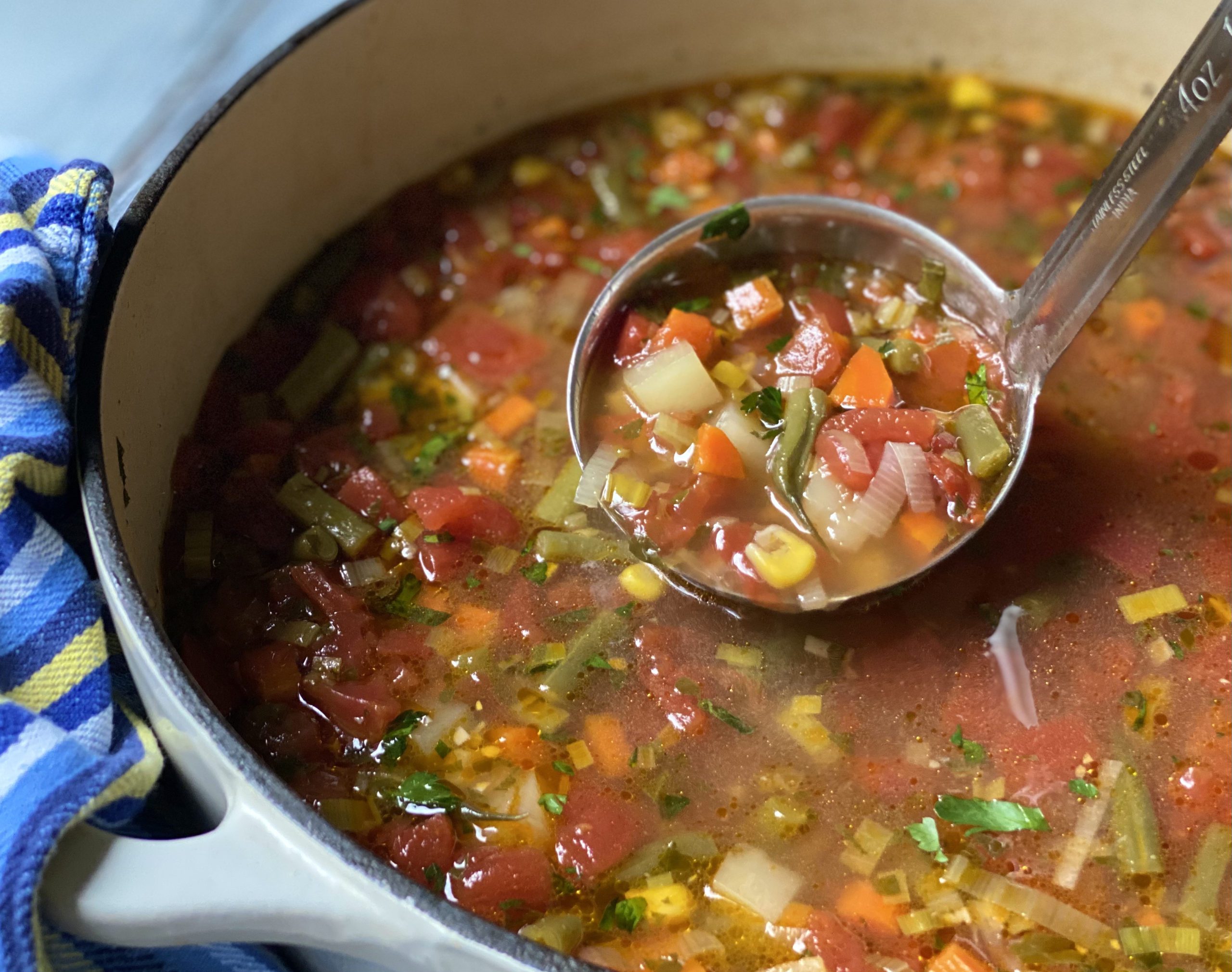
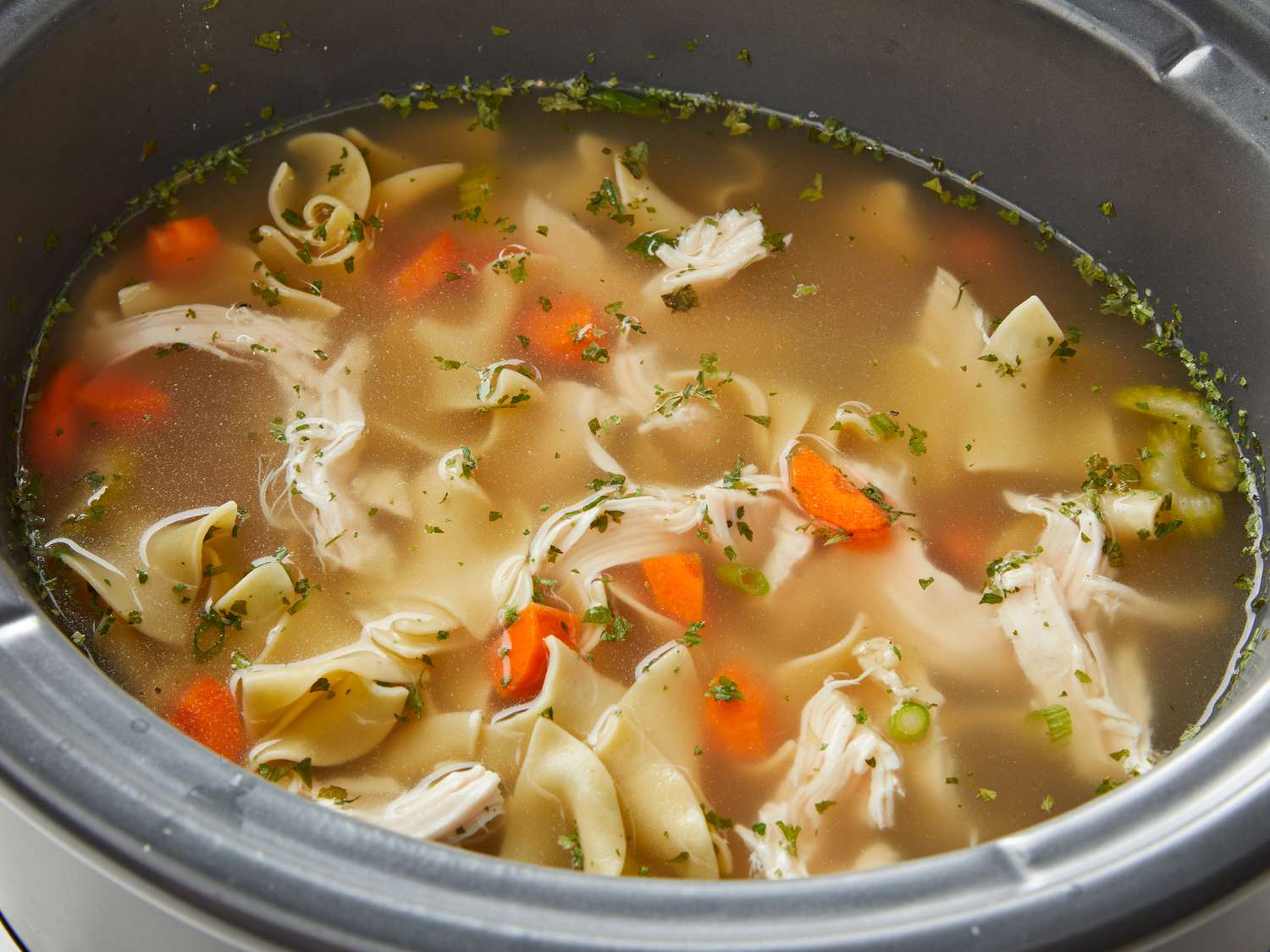
When soup tastes great but feels a little too watery, you do not need cream or a floury slurry to fix it. In fact, some of my favorite weeknight soups get their body from what is already in the pot: vegetables, beans, potatoes, bread, and time. The trick is choosing the thickening method that matches the style of soup you are making.
Below are the most reliable ways to thicken soup without cream or flour, plus exactly when to use each one and how to keep the texture smooth, not starchy or gummy.
Pick a method by soup style
If you only remember one thing, make it this: thickening is not one-size-fits-all. The best method depends on whether you want the soup to stay brothy, turn creamy, or land in stew territory.
For brothy soups
- Reduce (simmer uncovered)
- Mash a small portion of potatoes, beans, or veg right in the pot
- Add bread in small amounts for subtle body
For creamy soups (no dairy)
- Puree vegetables (some or all)
- Blend in white beans or lentils for silkiness
- Use potatoes thoughtfully for a velvety finish
For hearty stews
- Cook down with the lid off
- Starchy additions like potatoes, lentils, or beans
- Collagen-rich ingredients (bone broth, chicken thighs with skin, collagen-rich cuts) for body and a richer mouthfeel (clarity depends on how gently it is cooked)

Method 1: Puree vegetables
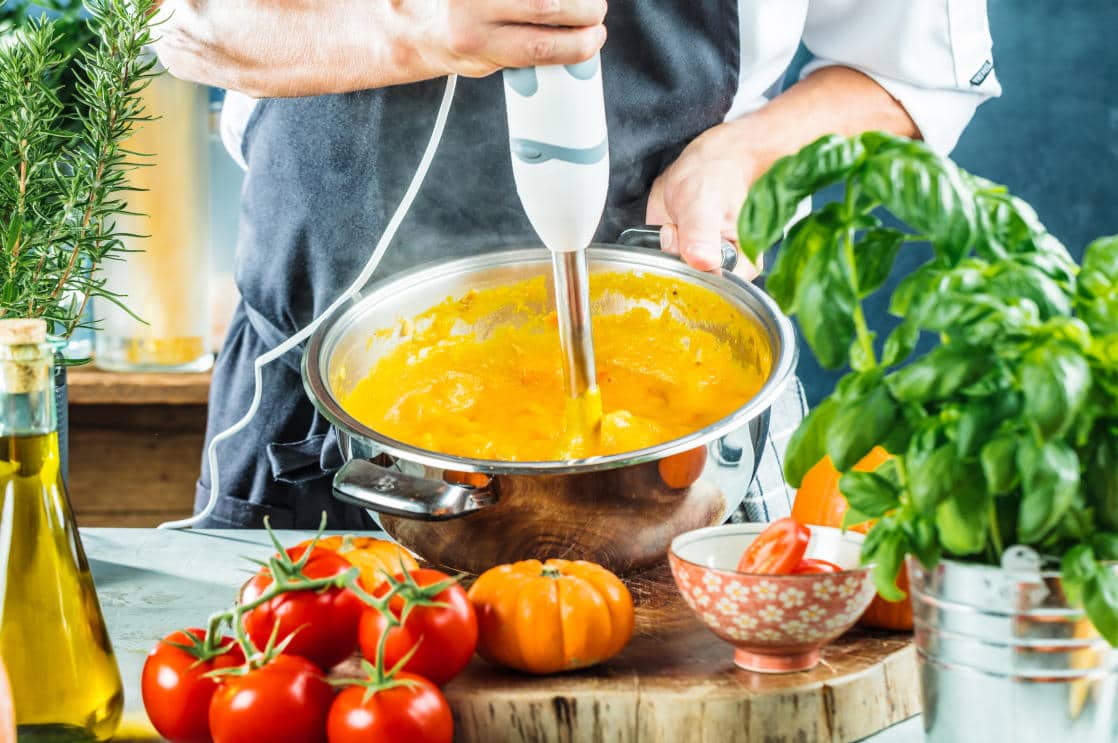
Pureeing is my number one fix because it thickens with ingredients already in the soup. You get a creamy mouthfeel without adding dairy, and the flavor stays true to the base.
How to do it
- Immersion blender: Blend directly in the pot. Start with short pulses to avoid splashes.
- Countertop blender: Blend in batches. Fill only halfway, vent the lid, and cover with a towel so steam can escape safely.
How much to puree
- Brothy soup: Blend 1 to 2 cups, then stir it back in for subtle thickening.
- Creamy soup: Blend most or all of it until smooth.
Best vegetables for thickening
- Carrots, winter squash, sweet potato: naturally silky and slightly sweet
- Cauliflower: creamy texture with a neutral flavor
- Onions, leeks: add body and richness after they are fully softened
- Tomatoes: thicken via puree plus reduction (great for tomato soup)
Texture cue: If the soup coats the back of a spoon and you can draw a clean line through it with the spoon, you are in the sweet spot.

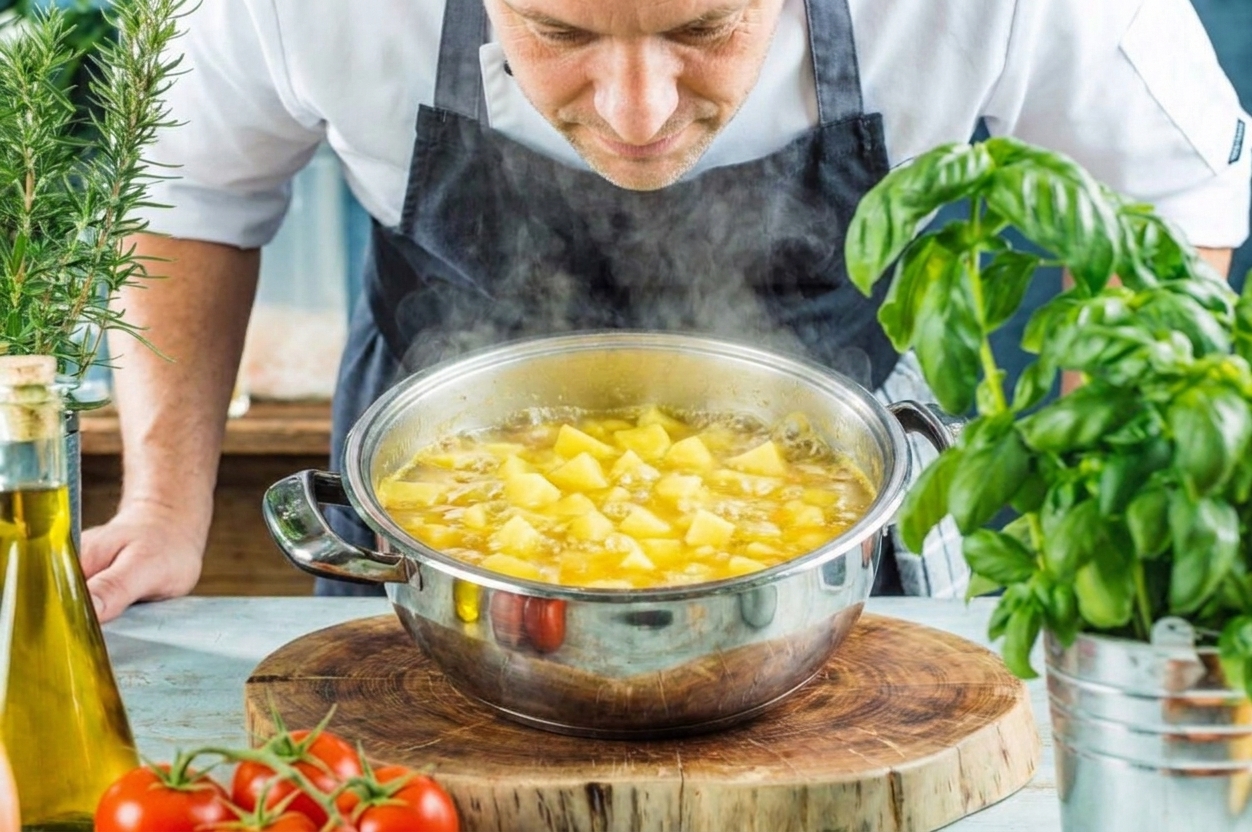
Method 2: Potatoes
Potatoes are excellent thickeners because their starch swells in hot liquid. They can take a soup from thin to velvety, but there is one big caveat: too much blending or aggressive stirring can turn potatoes gluey.
Best ways to use potatoes
- Dice and simmer: Add diced potatoes and simmer until very tender, often 12 to 20 minutes depending on size and simmer strength.
- Mash a portion: Scoop out a cup of cooked potatoes, mash with a fork, then stir back in.
- Rice the potatoes: If you have a ricer, riced potatoes thicken smoothly with less gumminess.
Which potatoes work best
- Yukon Gold: creamy and forgiving
- Russet: very starchy and powerful, best for stews and chowder-style soups without dairy
- Red potatoes: waxy, less thickening power, better for chunky soups
Avoid this: Do not fully puree a pot of russet-based soup in a high-speed blender unless you like the texture of wallpaper paste. If you want it smooth, use Yukon Gold, cauliflower, or beans instead.
Method 3: Beans and lentils
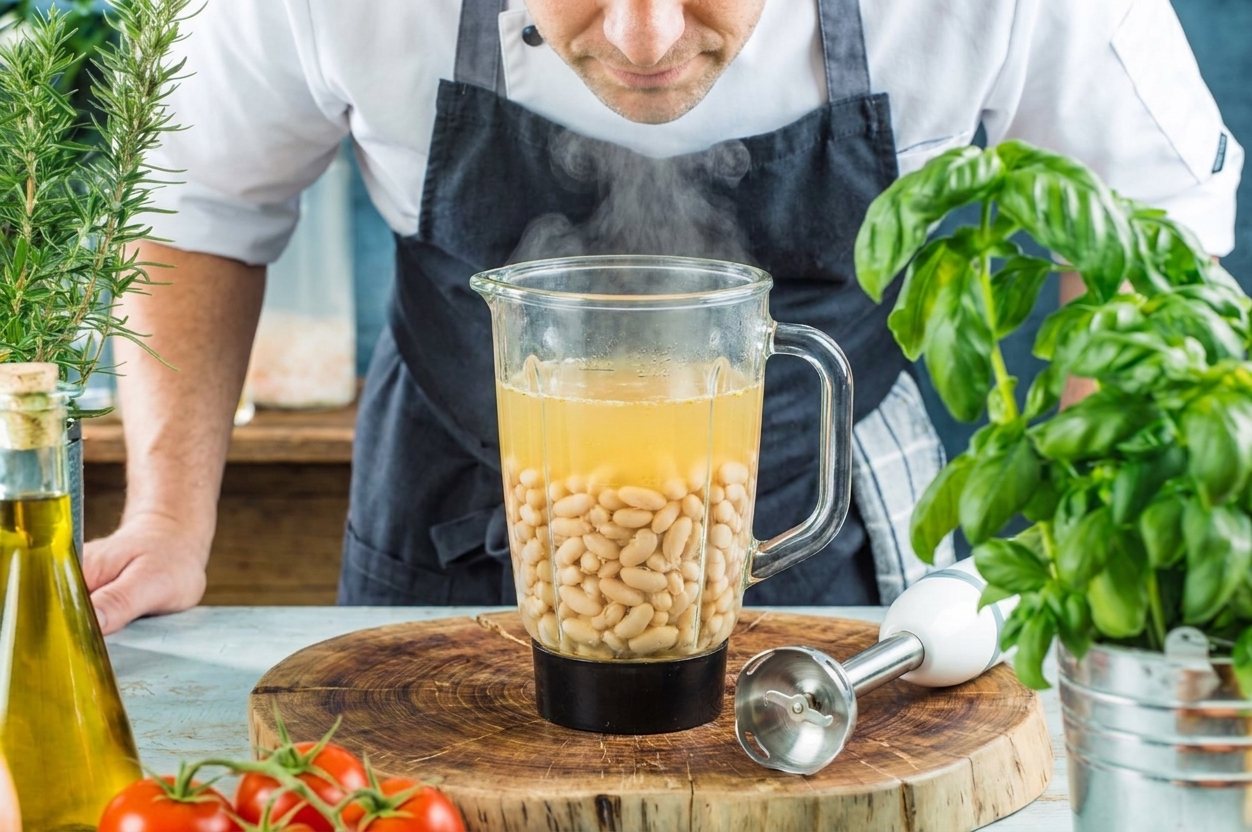
Beans are a secret weapon for thickening because they blend silky and add body without tasting floury. White beans in particular disappear into the background and make soups feel creamy.
Best picks
- Cannellini or Great Northern: mild and ultra creamy
- Chickpeas: slightly nuttier, great in lemony soups
- Red lentils: break down on their own and thicken as they cook
- Black beans: thick and hearty, ideal for chili-like soups
How to use them
- Blend in 1 cup beans: Ladle 1 to 2 cups of hot broth plus 1 cup cooked beans into a blender, puree until very smooth, then stir back in.
- Mash in the pot: For rustic soups, mash a portion of beans against the side of the pot with a spoon.
Smoothness tip: For the silkiest result, blend a little longer than you think you need and make sure there is enough liquid moving in the blender. If you still get a slight graininess (common with chickpeas), strain the puree before adding it back.
Seasoning tip: After thickening with beans or lentils, you may need to re-season. Taste again and adjust salt, then add a squeeze of lemon or a splash of vinegar to bring everything back into focus.
Method 4: Bread
This is an old-school technique that feels like magic: bread melts into soup and thickens it gently. It is perfect for tomato soup, vegetable soups, and garlicky broths where you want a little body but not a full puree.
How to do it
- Tear 1 slice crusty, sturdy bread (sourdough, country loaf), preferably a bit stale, into small pieces.
- Stir into simmering soup and cook 5 to 10 minutes.
- Blend briefly for smoothness, or leave it rustic.
Best bread choices
- Sourdough or country loaf: sturdy and flavorful
- Day-old bread: absorbs better and reduces waste
- Avoid soft sandwich bread: it can turn pasty fast
- Avoid very seeded bread unless the seeds match the vibe of your soup
Texture cue: Your soup should look slightly opaque and feel fuller on the spoon, not chunky with obvious bread bits.

Method 5: Reduce
If your soup already tastes balanced and you simply want it less watery, reduction is the cleanest method. You are not adding anything, just concentrating what is already there.
How to reduce properly
- Simmer uncovered to let water evaporate.
- Use a wide pot if possible. More surface area equals faster reduction.
- Stir occasionally, especially for thicker soups that can catch on the bottom.
What to watch for
- Salt concentrates: If you know you will reduce, go easy on salt early and season at the end.
- Flavors intensify: Reduction makes everything louder, including spice and acidity. Add lemon juice or vinegar near the end so it stays bright.
Timing guide: A gentle simmer for 10 to 20 minutes thickens most soups noticeably, depending on pot width and how much you are reducing. Hearty stews may need 20 to 40 minutes to reach that spoon-standing consistency.

Bonus options
Quick oats
A tablespoon or two of quick oats simmered for 5 to 8 minutes adds subtle thickness. Best in vegetable soups and blended soups. Start small. Oats thicken more as they sit. (Rolled oats will work too, but take longer. Steel-cut oats will not dissolve quickly.)
Nut or seed butter
Tahini, peanut butter, or cashew butter can thicken and add richness. Whisk 1 to 2 tablespoons with a ladle of hot broth first, then stir in. Great in noodle soups, curries, and carrot or squash soups.
Cooked rice
If you have leftover rice, it makes a surprisingly good thickener. Stir in 1/2 to 1 cup cooked rice and simmer a few minutes, then blend a portion (or all) until smooth. This is especially good in vegetable soups where you want creaminess without adding dairy.
Gelatin-rich broth
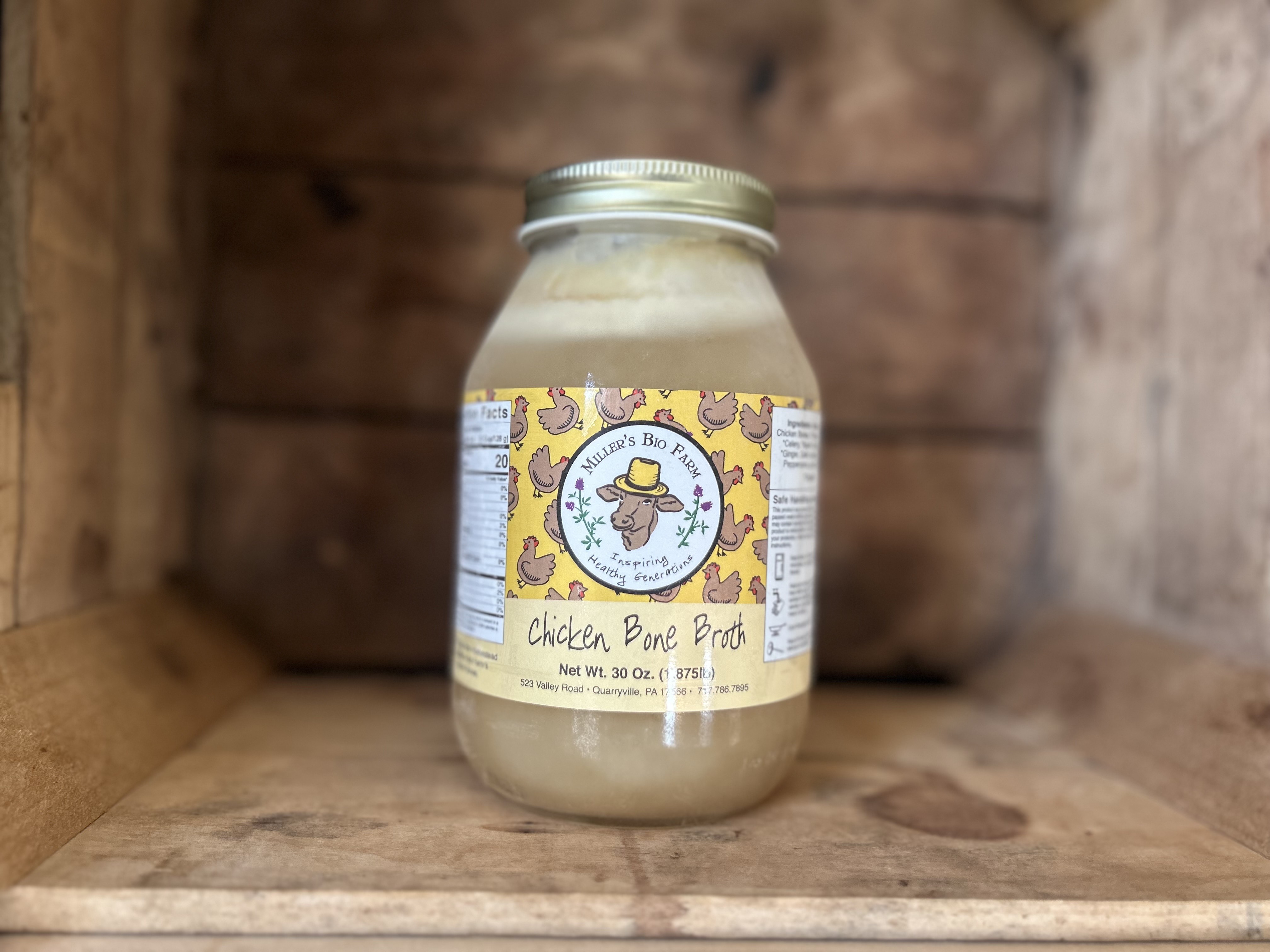
Homemade stock or a good bone broth can add a silky, satisfying body when the soup cools slightly. It is not the same as thickening with starch, but it helps a brothy soup feel richer. If you want a clearer broth, keep the simmer gentle and avoid a hard boil.
Troubleshooting
My soup turned gummy
This is usually overworked potato starch. Thin it with a bit more broth, then rebalance with salt and acid. Next time, mash potatoes instead of fully pureeing, or use beans or cauliflower for the creamy effect.
My soup got thick but tastes flat
Thickness can dull flavors. Add salt in small pinches and finish with acid. My defaults: lemon for chicken and veggie soups, red wine vinegar for tomato and lentil soups, lime for black bean or tortilla-style soups.
It is thick now, but it will be thicker tomorrow
Totally normal. Beans, potatoes, lentils, oats, rice, and bread all continue absorbing liquid as the soup rests. When reheating, add a splash of water or broth and re-season at the end.
My soup is chunky and I do not want to puree it
Mash a portion. Scoop out a cup of the starchy bits (beans, potatoes, carrots), mash with a fork, then stir back in. You keep the chunky vibe but gain a thicker broth.
I reduced too far and now it is too salty
First, add unsalted broth or water to loosen it up. If it still tastes heavy, brighten with a small splash of lemon juice or vinegar. For next time, hold back a bit on salt until you know where the final volume will land.
Quick decision guide
If you are standing at the stove right now, here is the fastest way to choose:
- Want creamy without dairy: puree vegetables or blend in white beans.
- Want thicker but still brothy: reduce uncovered or mash a small portion.
- Want hearty, stew-like: add potatoes or lentils, then simmer uncovered to finish.
- Need a pantry fix: add torn bread, quick oats, a spoonful of tahini, or a scoop of cooked rice.
Whatever method you pick, finish with a final taste for salt and a bright hit of acid. That is the difference between thick soup and soup that feels truly done.