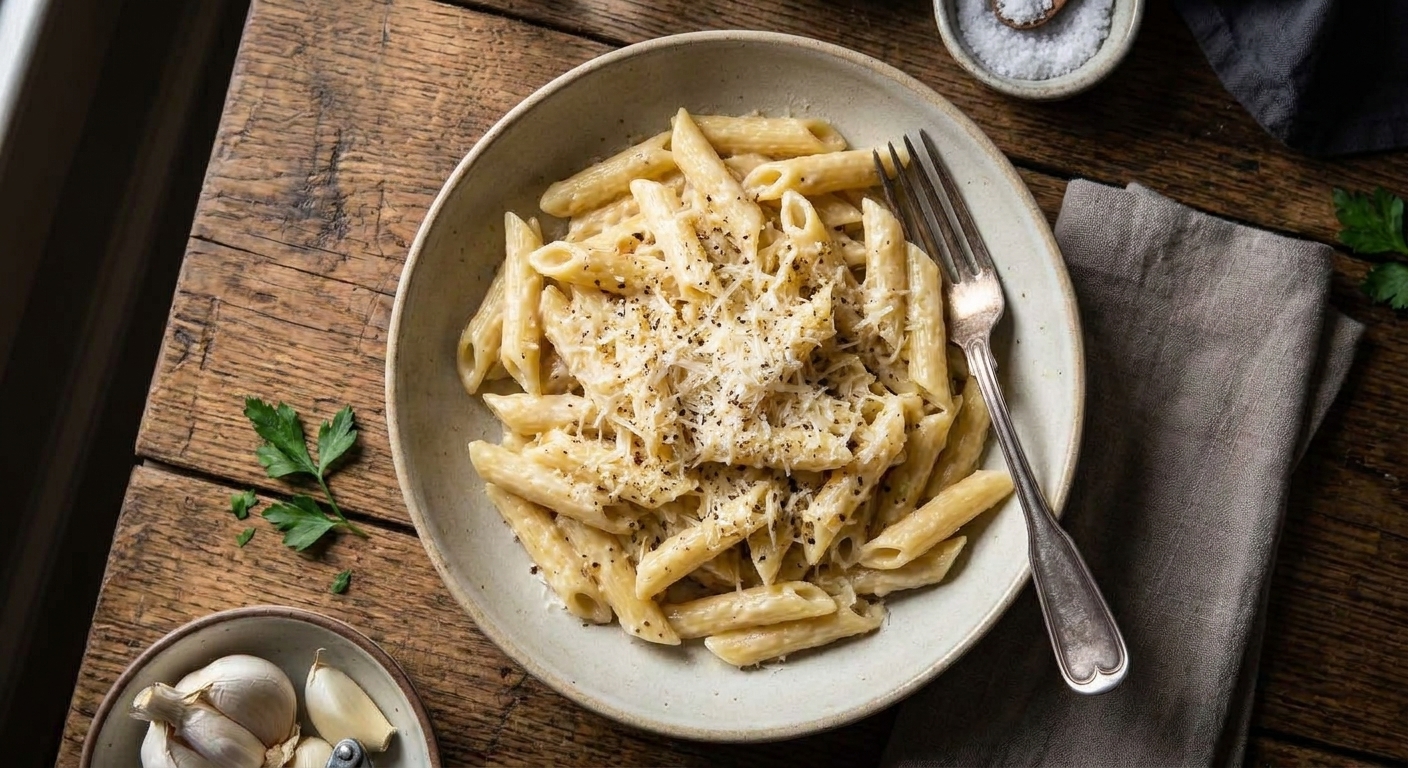
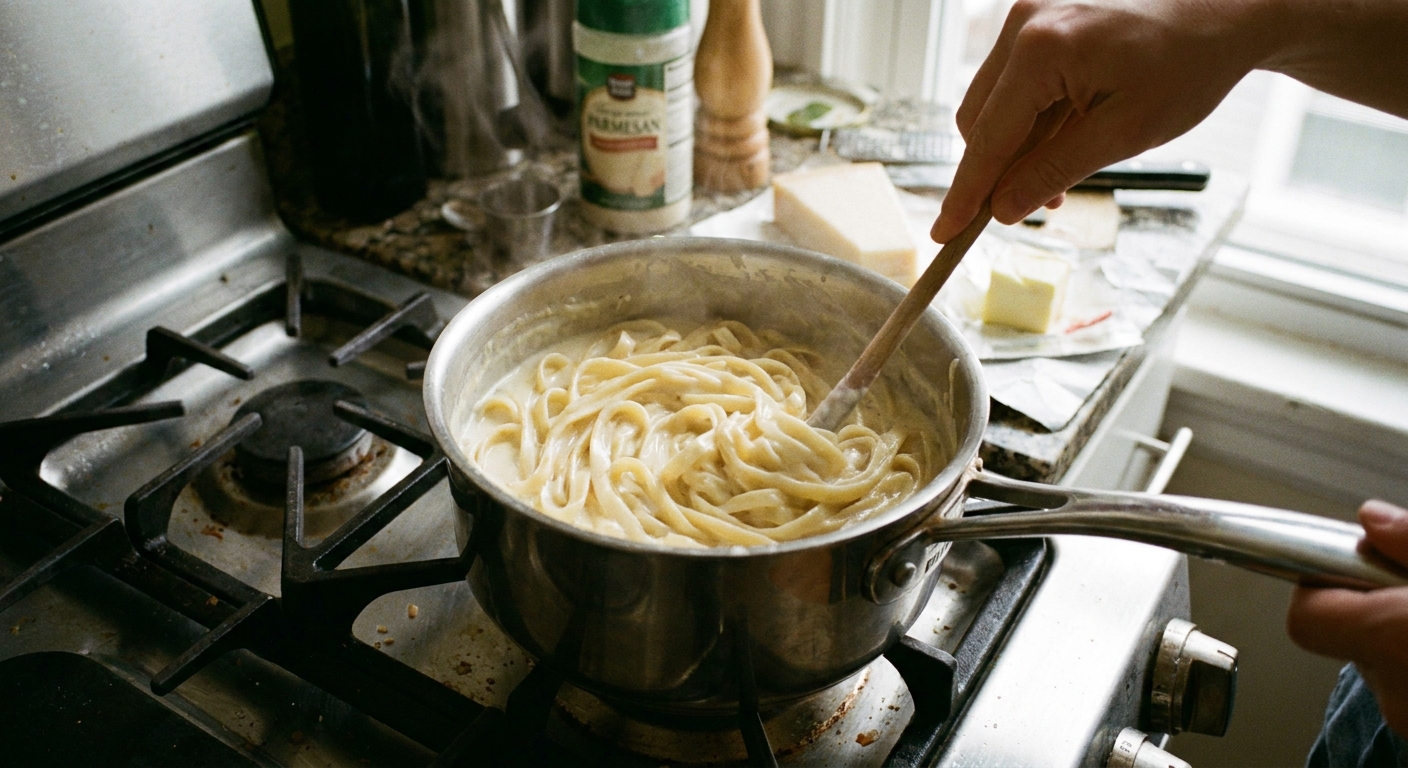
Creamy pasta is usually a fast lane to butter, cream, and Parmesan. But you can get that same silky, glossy, cling-to-the-noodles texture without dairy, as long as you choose the right base and treat it like a sauce, not a smoothie.
Below are my 10 go-to dairy-free substitutes, when to use each, and the small techniques that make them taste restaurant-level on a Tuesday.
Hi, I’m Maya. I cook dairy-free a lot, and I care deeply about sauces that actually feel luxurious, not “good for being vegan.”

The 3 rules
Before we get into substitutes, let’s talk technique. Most dairy-free sauces fail for one of three reasons: not enough emulsification, not enough seasoning, or adding heat the wrong way.
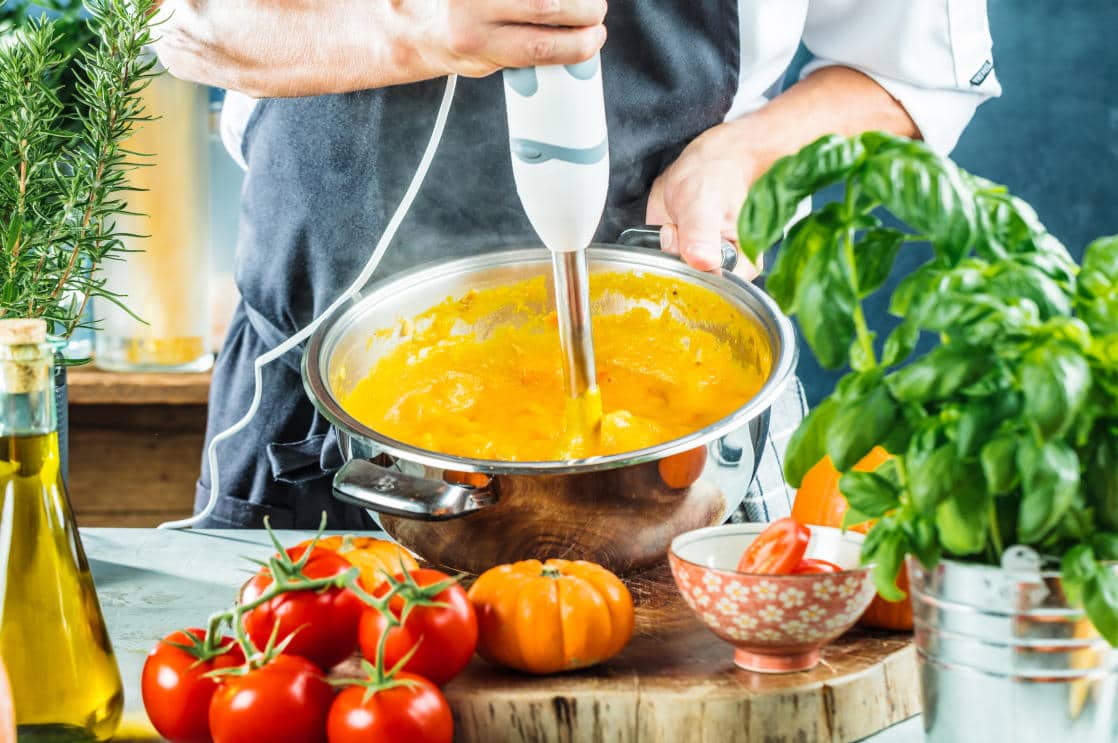
- Blend smooth, then simmer briefly. Blending builds body. A short simmer (2 to 6 minutes) helps the sauce thicken and lose any raw, beany, or starchy edge.
- Use pasta water like it’s an ingredient. That starchy water helps emulsify and makes sauce glossy instead of chalky. Start with 1/4 cup, then add more a splash at a time.
- Finish with acid and salt. Dairy usually brings gentle tang and saltiness. Your fix: lemon juice, vinegar, capers, Dijon, miso, or brine, plus enough salt to make the flavors pop.

1) Cashew cream
Best for: Alfredo-style sauces, “mac and cheese” vibes, creamy garlic sauces
Why it works: Cashews blend into a naturally sweet, ultra-silky cream with real body. The texture is lush and rich, with a subtle nuttiness.
How to use it
- Soak 1 cup raw cashews in hot water for 20 to 30 minutes (or overnight in cold water).
- Blend with 3/4 to 1 cup water, 1 to 2 tbsp lemon juice, and a good pinch of salt until completely smooth.
- Warm gently in a skillet, then loosen with pasta water as needed.
Maya tip: If your blender struggles, start with less liquid to get the cashews moving, then add more to reach a pourable sauce.
Allergen note: Tree nuts.

2) Silken tofu
Best for: High-protein creamy sauces, pesto cream, lemony herb sauces
Why it works: Silken tofu blends like ricotta-meets-cream, with a neutral flavor when seasoned well. It eats clean and creamy, not heavy.
How to use it
- Blend 12 to 14 oz silken tofu with 2 tbsp olive oil, 1 tbsp lemon juice, 1 small garlic clove, and salt.
- Heat gently. Aggressive boiling and overcooking can make the texture turn slightly grainy, so keep it at a low simmer.
Fix the flavor: Add 1 to 3 tbsp nutritional yeast for cheesy notes, or 1 to 2 tsp white miso for savory depth.
Allergen note: Soy.

3) Full-fat coconut milk
Best for: Spicy tomato cream, curry-style noodles, roasted red pepper sauce
Why it works: Coconut milk has fat that emulsifies beautifully, giving you a lush sauce with minimal effort. Expect a velvety finish and a gentle sweetness.
How to use it
- Shake the can well, then whisk 1/2 to 1 cup into your sauce base (tomato, aromatics, spices).
- Simmer 3 to 5 minutes to thicken.
Maya tip: Worried about coconut flavor? Pair it with bold friends: tomato paste, smoked paprika, chili flakes, roasted garlic, or sun-dried tomatoes.

4) Oat milk
Best for: Quick weeknight “cream” sauces, mushroom sauce, garlic and herb white sauce
Why it works: Oat milk has natural sweetness and body, especially barista blends which are designed to foam and hold structure. It makes a cozy, classic-style white sauce.
How to use it
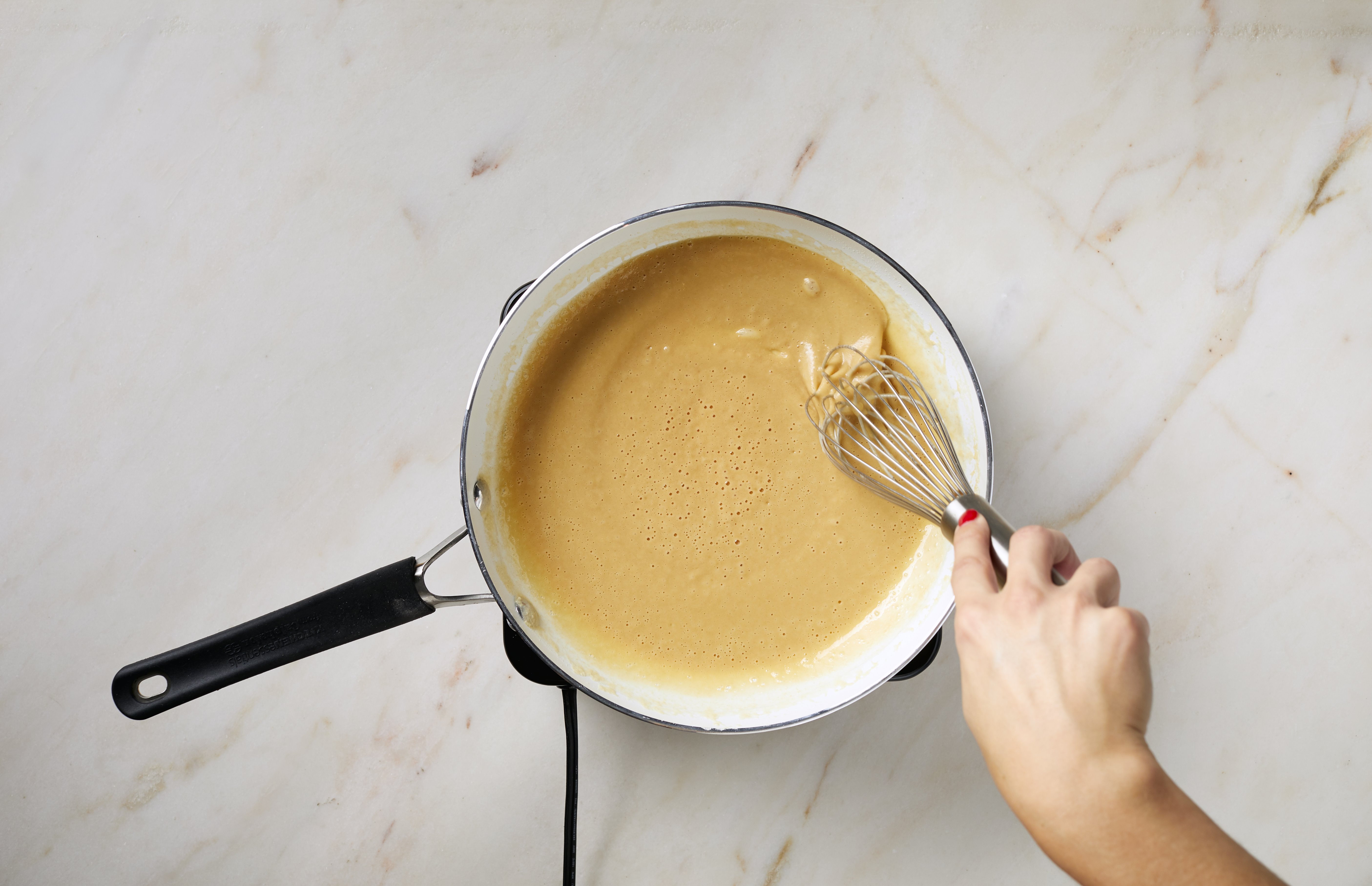
- Make a roux: cook 1 tbsp olive oil with 1 tbsp flour for 1 minute.
- Whisk in 1 to 1 1/2 cups oat milk. Simmer until it coats a spoon.
Heads up: Some brands can separate in very acidic sauces. If you are doing lemon-heavy pasta, add lemon at the end off heat.
Shopping note: Use unsweetened, unflavored oat milk for savory sauces.
5) Cauliflower puree
Best for: Lighter Alfredo-style sauces, garlic “cream” sauce, sneaky veggie boost
Why it works: Cauliflower blends into a thick, velvety puree that feels creamy without much fat. The flavor is mild and neutral, which makes it a great canvas for garlic, lemon, and herbs.
How to use it
- Steam or boil florets until very soft (you should be able to crush one easily between your fingers).
- Blend with olive oil, garlic, salt, and a splash of pasta water.
Maya tip: Roast the cauliflower first if you want a deeper, almost nutty flavor. It makes the sauce taste less “diet” and more intentional.

6) White beans
Best for: Creamy lemon pasta, garlicky sauces, pasta with greens
Why it works: Beans bring starch and protein, so the sauce naturally thickens and clings to pasta. The result is silky but slightly hearty, in a good way.
How to use it
- Blend 1 can rinsed white beans with 1/2 cup water or broth, olive oil, salt, and lemon.
- Warm and loosen with pasta water.
Flavor booster: Add 1 tsp Dijon mustard or 1 tsp miso. It gives that “why is this so good?” savoriness.

7) Sunflower seed cream
Best for: Nut-free Alfredo, creamy herb sauces, pesto cream
Why it works: Sunflower seeds blend creamy like cashews, but are budget-friendly and allergy-friendly. The flavor is a little toastier and earthier than cashews.
How to use it
- Soak 1 cup raw sunflower seeds in hot water for 20 minutes.
- Blend with 3/4 cup water, lemon, and salt until very smooth.
Heads up: Sunflower seeds can turn slightly green in alkaline conditions (a harmless pH reaction). It is rare in pasta sauces, but it can happen if baking soda is involved or if you mix with more alkaline ingredients.
Allergen note: Seed-based (not a tree nut), but still an allergen for some people.
8) Tahini
Best for: Lemon-tahini pasta, roasted veg pasta, Mediterranean flavors
Why it works: Tahini emulsifies into a creamy sauce with water and acid, like magic.
It is naturally savory, with a slightly bitter edge that you can balance.
How to use it
- Whisk 1/4 cup tahini with 2 to 3 tbsp lemon juice and 1 grated garlic clove.
- Whisk in warm water or pasta water a tablespoon at a time until silky and pourable.
Maya tip: If tahini tastes bitter, balance it with a tiny touch of maple syrup or sugar (start with 1/4 tsp) and a little more salt.
Allergen note: Sesame.

9) Avocado
Best for: No-cook green sauces, summer pasta, creamy pesto vibes
Why it works: Avocado’s fat and fiber help it blend into an instant creamy coating. It tastes fresh and green, and it is especially good with basil, lime, and a little garlic.
How to use it
- Blend 1 ripe avocado with basil or parsley, lemon or lime, garlic, salt, and enough pasta water to make it saucy.
- Toss with warm pasta off heat to keep the color bright.
Heads up: Avocado sauces can darken as they sit. Press plastic wrap directly onto the surface if you are holding it for a bit.
10) Dairy-free cream cheese or yogurt
Best for: The fastest creamy finish, tangy tomato-cream sauces, one-pan pastas
Why it works: These products are designed to mimic dairy texture and often include stabilizers that help prevent splitting. They give you tang and creaminess with almost no effort.
How to use it
- Stir in 2 to 4 tbsp at the end of cooking, over low heat.
- Use pasta water to loosen and make it glossy.
Maya tip: Taste first. Some brands are noticeably tangier or sweeter. You can always balance with extra salt, a squeeze of lemon, or a pinch of chili flakes.
Shopping note: Choose unsweetened, plain options for savory pasta.

Quick matchups
- Classic Alfredo feel: cashew cream, sunflower seed cream, silken tofu
- Spicy tomato cream: coconut milk, dairy-free cream cheese, oat milk with roux
- Lemony herb sauce: white beans, silken tofu, tahini
- Lightest option: cauliflower puree, white beans
- No-cook summer sauce: avocado
Troubleshooting
My sauce is gritty
- Blend longer than you think you need. Most grit is under-blending.
- Soak nuts and seeds in hot water first.
- If using tofu, heat gently and avoid a rolling boil.
My sauce is too thick
- Add pasta water 1 tbsp at a time until it coats noodles in a thin, glossy layer.
- Add a drizzle of olive oil to help it feel luxurious.
My sauce tastes flat
- Add salt first.
- Then add acid: lemon juice, a splash of vinegar, or even 1 tsp of caper brine.
- For “cheesy” depth, add nutritional yeast or a tiny spoon of miso.
My sauce split
- Lower the heat. Most dairy-free sauces dislike aggressive boiling.
- Whisk in a splash of cool water or oat milk, then re-emulsify with pasta water.

Storage and reheating
Most creamy dairy-free sauces thicken as they chill (especially cashew, bean, and cauliflower-based sauces). Reheat gently over low heat with splashes of water or pasta water until glossy again. Avoid boiling when you rewarm.
A simple formula
If you want a repeatable weeknight approach, here’s the pattern I teach:
- Build flavor: sauté garlic and onions in olive oil (and mushrooms or greens if using).
- Add your creamy base: one of the options above.
- Loosen and emulsify: pasta water until glossy.
- Finish: salt, acid (lemon), and something savory (miso, nutritional yeast, capers) if needed.
Once you have that rhythm, you can make creamy pasta out of almost anything in your fridge, which is my favorite kind of cooking and my favorite kind of food waste prevention.

FAQ
What is the best dairy-free substitute for heavy cream in pasta sauce?
For the closest texture, use cashew cream or full-fat coconut milk. If you want higher protein with a neutral flavor, silken tofu is excellent.
How do I make a dairy-free sauce taste cheesy?
Use nutritional yeast for a Parmesan-like nuttiness, and add a small spoon of white miso or Dijon for savory depth. Then correct with salt and a squeeze of lemon.
Can I use almond milk in creamy pasta sauce?
You can, but it is thinner and more likely to taste sweet. If almond milk is what you have, make a quick roux first (oil + flour), then whisk in the almond milk and simmer until it thickens. Choose unsweetened, unflavored almond milk.
Which option is best for nut-free creamy pasta?
Try silken tofu, white beans, cauliflower puree, or sunflower seed cream (seed-based, but usually nut-free).