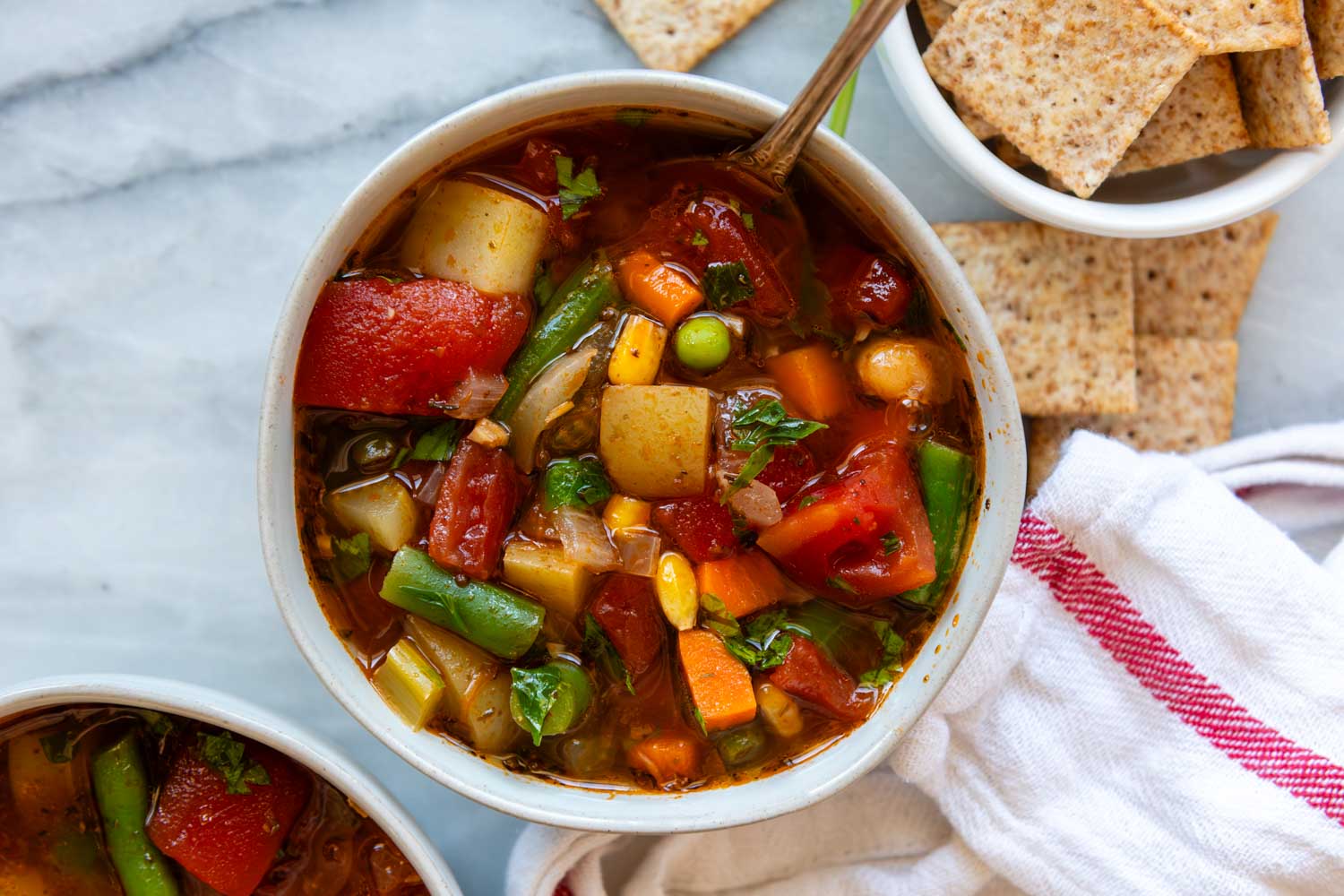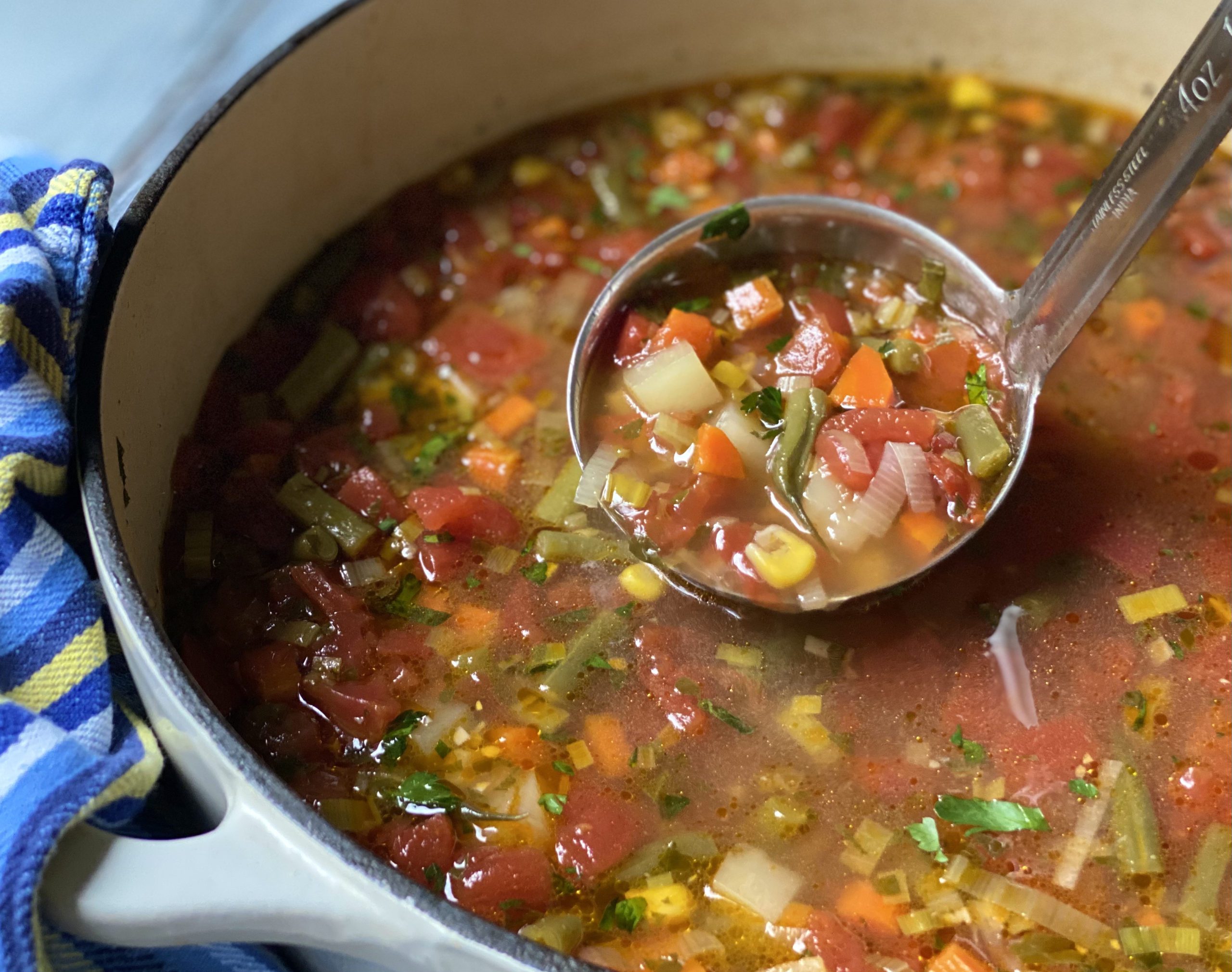
This healthy garden vegetable soup is light but not flimsy. Flavor starts with a quick sauté of mirepoix, garlic, and tomato paste, then vegetables go in by timing so nothing turns to mush. Cannellini beans add gentle creaminess and protein without turning the pot into a stew, and a small hit of acid at the end makes everything taste brighter.
It is also a favorite clean-out-the-crisper dinner: slightly limp zucchini, carrots with scraggly ends, or greens that are one day away from wilting all do great here.
Why this recipe works
- Quick sauté for depth: Building the base with onion, carrot, celery, garlic, and tomato paste adds fast flavor.
- Vegetables added in stages: Longer-cooking vegetables go in first, quick-cooking vegetables go in later so the soup stays vibrant, not mushy.
- Beans for body: Cannellini beans add protein and gentle creaminess without making the soup heavy.
- Acid at the end: Lemon juice or vinegar right before serving helps everything taste more like itself.
Ingredient notes
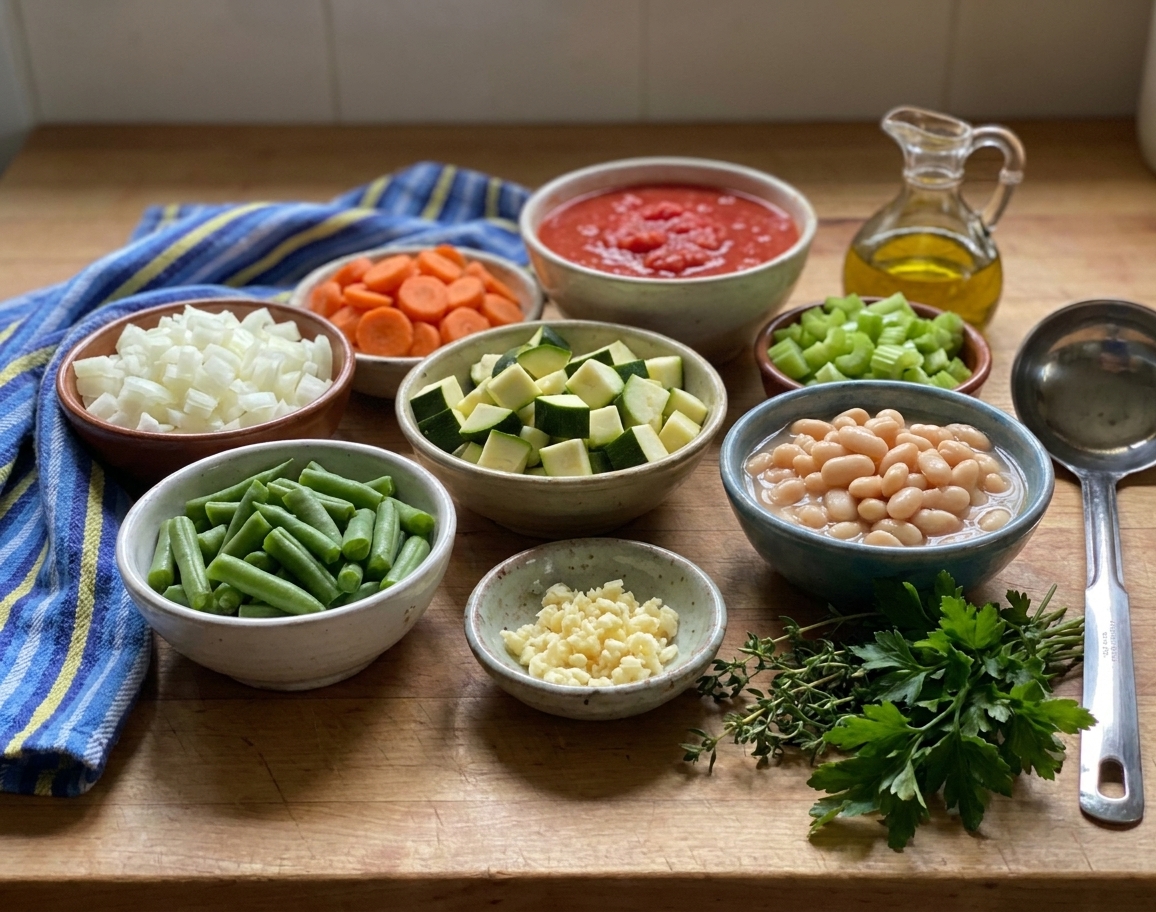
- Tomato paste: Cooking it for 1 to 2 minutes mellows raw, canned notes and adds depth quickly.
- Broth: Salt levels vary a lot. Use less added salt up front if your broth is salty, then adjust at the end.
- Cannellini beans: Rinse and drain. For a slightly creamier broth, mash a small scoop of beans against the side of the pot and stir them back in.
- Vegetables: Use what you have, but add them by cook time (green beans first, zucchini and corn later, leafy greens last) to avoid a tired, overcooked texture.
- Finishers: Lemon juice or red wine vinegar and black pepper are key at the end for brightness.
- Optional add-ins: Small pasta, cooked brown rice, a Parmesan rind (if not strictly vegan), or shredded cooked chicken or turkey can add extra heft.
Equipment you will need
- Pot: A 5 to 7 quart Dutch oven or soup pot is ideal.
- Wooden spoon: Helpful for stirring and scraping up browned bits.
- Airtight containers: For storing leftovers in the fridge or freezer.
Pro tips
- Salt in layers: Use a pinch on the mirepoix, then adjust after simmering (how much depends on your broth).
- Cook the tomato paste: Give it 1 to 2 minutes so it darkens slightly and adds depth.
- Finish with acid: Stir in lemon juice or vinegar off the heat to keep flavors bright.
- Use a rounding ingredient: Beans, a Parmesan rind, or a drizzle of olive oil at the end can make the broth taste fuller.
- Texture cue: Aim for carrots tender but not falling apart, green beans still slightly snappy, and zucchini soft around the edges.
- If you overdo the acid: Add a splash more broth and a small pinch of salt, then taste again.
Substitutes that work
To make it vegan
Use vegetable broth and skip the Parmesan rind. Add an extra can of beans or a handful of lentils for more body.
To add more protein
- Stir in shredded chicken or turkey at the end.
- Add chickpeas instead of cannellini.
- Serve with a dollop of Greek yogurt if you like a creamy finish.
To make it gluten-free
Skip pasta and use rice, quinoa, or diced potatoes.
To use frozen vegetables
Frozen green beans, corn, peas, and spinach all work. They are often blanched before freezing, so they cook quickly. Add them toward the end and simmer just long enough to heat through.
Variations
If you are staring into the produce drawer wondering what belongs together, try one of these reliable mixes. The method stays the same, you just swap what goes in.
- Late-summer garden: zucchini, green beans, corn, tomatoes, basil
- Cool-weather cozy: carrots, celery, potatoes, kale, white beans
- Farmers market rainbow: carrots, fennel, green beans, chard, parsley
- Fridge clean-out: any two firm vegetables (carrot, celery, broccoli stems, cauliflower) plus any two quick vegetables (zucchini, peas, spinach)
Serving ideas
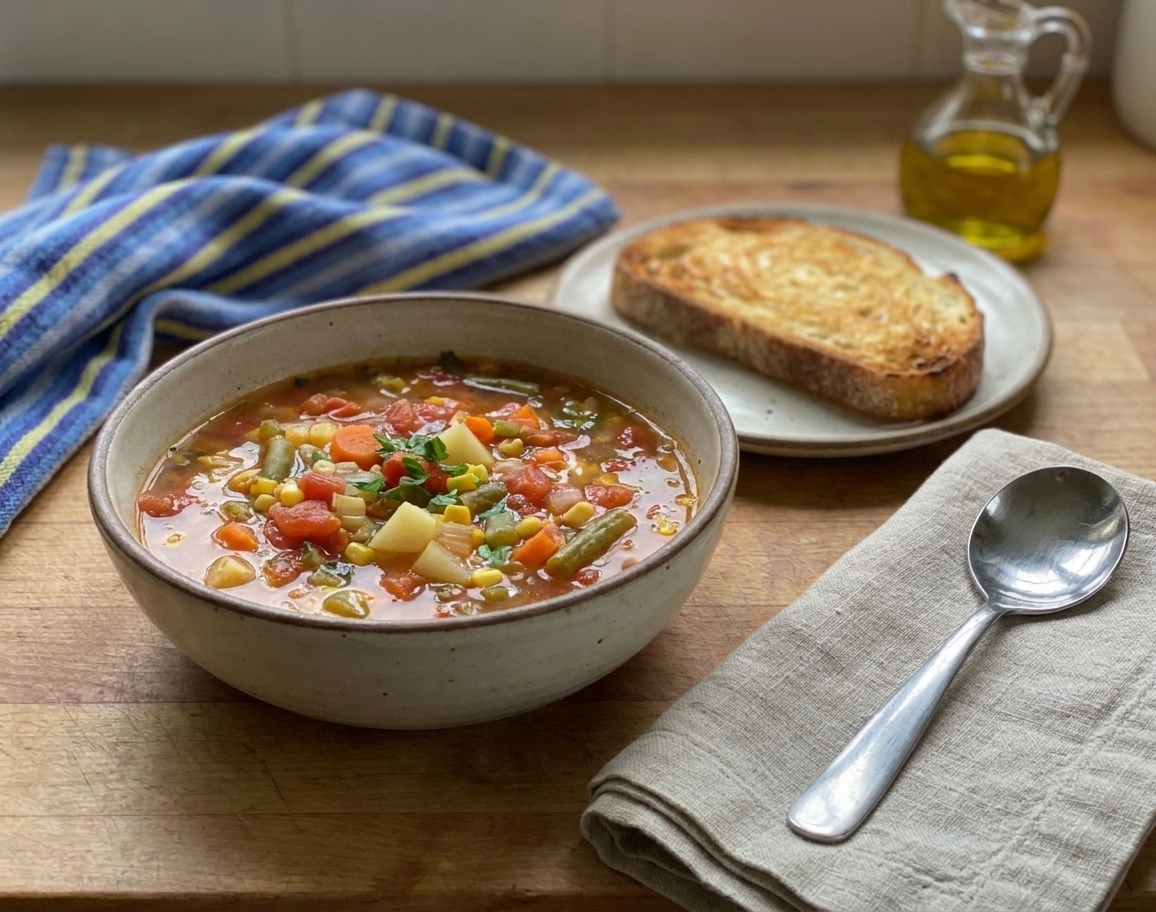
This soup is great with something crisp or chewy on the side.
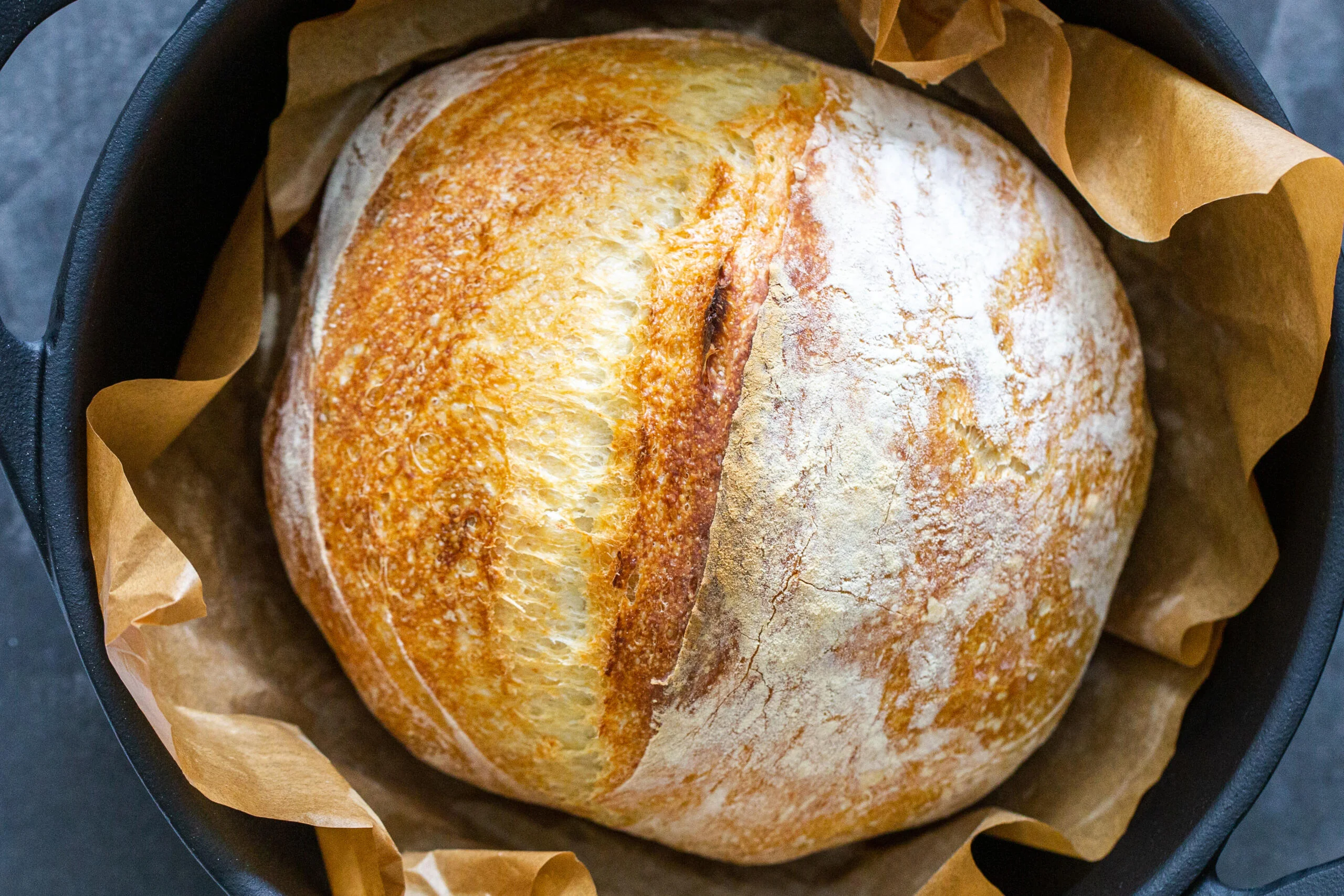
- Whole grain toast rubbed with a cut garlic clove
- A simple arugula salad with lemon and olive oil
- Grilled cheese with sharp cheddar, if you want the coziest option
- Brown rice stirred into the soup for a heartier bowl
Storage and reheating
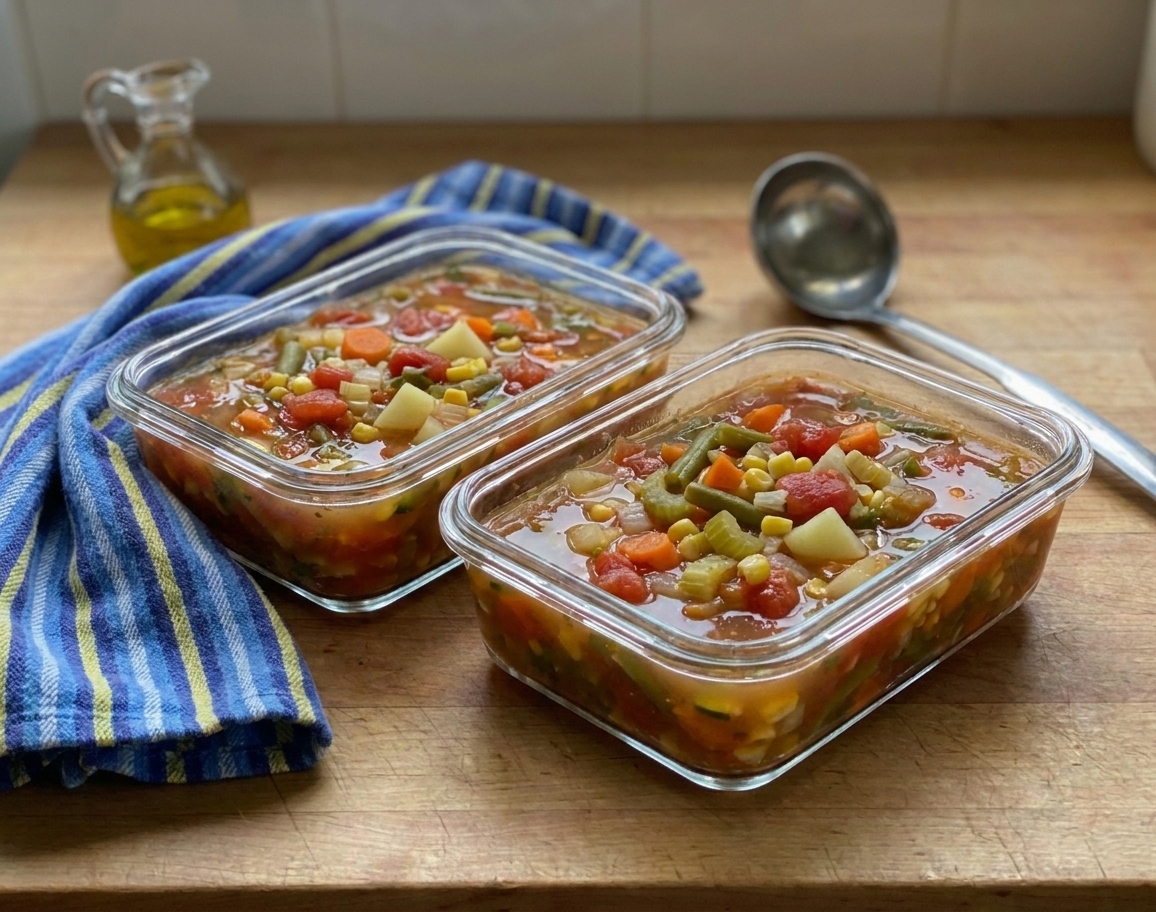
This soup is a meal-prepper’s best friend and it improves overnight.
- Refrigerate: Cool and store in airtight containers up to 4 to 5 days.
- Freeze: Freeze up to 3 months. Leave a little headspace in the container because soup expands.
- If using pasta: Cook pasta separately and add to bowls when serving, or it will drink your broth in the fridge.
- Reheating tip: Warm gently, then re-brighten with a squeeze of lemon and a pinch of salt right before eating.
Common mistakes
- Everything turns to mush: Add vegetables in stages so quick-cooking vegetables do not overcook.
- Tastes flat or dull: It usually needs a bit more salt or a little more acid, not more herbs.
- Skipping the tomato paste step: Not cooking tomato paste for 1 to 2 minutes can leave a raw, canned edge.
- Over-acidifying at the end: If you accidentally overdo the acid, add a splash more broth and a small pinch of salt, then taste again.
- Leftovers get too thick when pasta is used: Pasta can absorb broth in the fridge, so cook it separately and add to bowls when serving.
- Strong leftover flavor from certain vegetables: Cruciferous vegetables (broccoli, cauliflower) can taste stronger over a few days; keep cook time short and portions smaller if storing.
FAQ
Can I make this in a slow cooker?
Yes. For best flavor, sauté the onion, carrot, celery, garlic, and tomato paste first, then transfer to the slow cooker. Add broth, tomatoes, beans, bay leaf, and firm vegetables (like green beans). Cook on low 6 to 7 hours or high 3 to 4 hours. Add zucchini and greens in the last 30 minutes so they stay bright. Remove the bay leaf before serving.
How do I make it thicker?
Mash about 1 cup of the soup (beans and vegetables) against the side of the pot with a spoon, or blend 1 to 2 cups and stir it back in. This thickens without cream.
Why does my vegetable soup taste dull?
Most often it needs salt and acid. Add a pinch of salt, taste, then add a squeeze of lemon or a small splash of vinegar. The change can be surprisingly quick.
What vegetables should I avoid?
Very delicate vegetables like cucumbers do not love simmering. Also, be cautious with cruciferous vegetables (broccoli, cauliflower) if you plan to store leftovers for several days because their flavor can get stronger over time. They are still totally usable, just keep the cook time short and the portions smaller.
Healthy Garden Vegetable Soup
A healthy, bright garden vegetable soup built on a quick sautéed flavor base, simmered with tomatoes, broth, and cannellini beans, then finished with lemon juice or vinegar. Vegetables are added in stages so they stay tender and vibrant, not mushy.
- Prep
- 15 minutes
- Cook
- 30 minutes
- Total
- 45 minutes
- Yield
- About 6 servings
Ingredients
- 2 tablespoons olive oil
- 1 large yellow onion, diced
- 2 carrots, sliced into half-moons
- 2 celery stalks, sliced
- 4 cloves garlic, minced
- 2 tablespoons tomato paste
- 1 teaspoon kosher salt, plus more to taste (use less if your broth is salty)
- 1 teaspoon dried oregano
- 1/2 teaspoon smoked paprika (optional)
- Pinch of red pepper flakes (optional)
- 6 cups vegetable broth (or chicken broth)
- 1 can (14 to 15 oz) crushed tomatoes
- 1 can (15 oz) cannellini beans, rinsed and drained
- 1 bay leaf
- 1 1/2 cups green beans, cut into 1-inch pieces
- 2 cups chopped zucchini or summer squash
- 1 cup corn (fresh or frozen)
- 2 cups chopped leafy greens (kale, chard, or spinach)
- 1 to 2 tablespoons lemon juice or 2 teaspoons red wine vinegar
- Black pepper, to taste
- Chopped parsley or basil (optional)
- Optional: 1/2 cup small pasta (ditalini, orzo) or 3/4 cup cooked brown rice
- Optional: 1 Parmesan rind (if not strictly vegan)
- Optional: 1 to 2 cups shredded cooked chicken or turkey
Instructions
- In a 5 to 7 quart pot, heat olive oil over medium heat. Add onion, carrots, and celery with a pinch of salt. Cook 6 to 8 minutes, stirring occasionally, until the onions look translucent and the carrots are starting to soften.
- Stir in garlic and cook 30 seconds until fragrant. Add tomato paste, oregano, smoked paprika (if using), and red pepper flakes (if using). Cook 1 to 2 minutes, stirring, until the tomato paste darkens slightly.
- Pour in broth and crushed tomatoes, scraping up any browned bits. Add cannellini beans and bay leaf. Bring to a gentle boil, then lower to a simmer and cook 10 minutes.
- Stir in green beans and simmer 8 minutes. Add zucchini and corn and simmer 5 minutes. Add leafy greens last and simmer 2 to 3 minutes until just wilted.
- Turn off the heat. Remove the bay leaf. Stir in lemon juice or vinegar. Taste and adjust salt and black pepper. Serve hot.
Notes
- Pot note: A 5 to 7 quart Dutch oven or soup pot is ideal.
- Finish check: If it tastes flat, it usually needs a bit more salt or a little more acid, not more herbs.
- Texture cue: Carrots should be tender but not falling apart, green beans slightly snappy, and zucchini soft around the edges.
- For a creamier broth (optional): Mash a small scoop of beans against the side of the pot and stir them back in.
- If using pasta: Cook pasta separately and add to bowls when serving so it does not absorb the broth in the fridge.
Nutrition
- Calories: ~190
- Fat: ~6 g
- Carbs: ~28 g
- Protein: ~7 g
- Fiber: ~7 g
- Sugar: ~8 g
- Sodium: ~700 mg
Nutrition values are approximate and will vary with broth brand, vegetable choices, and optional add-ins.