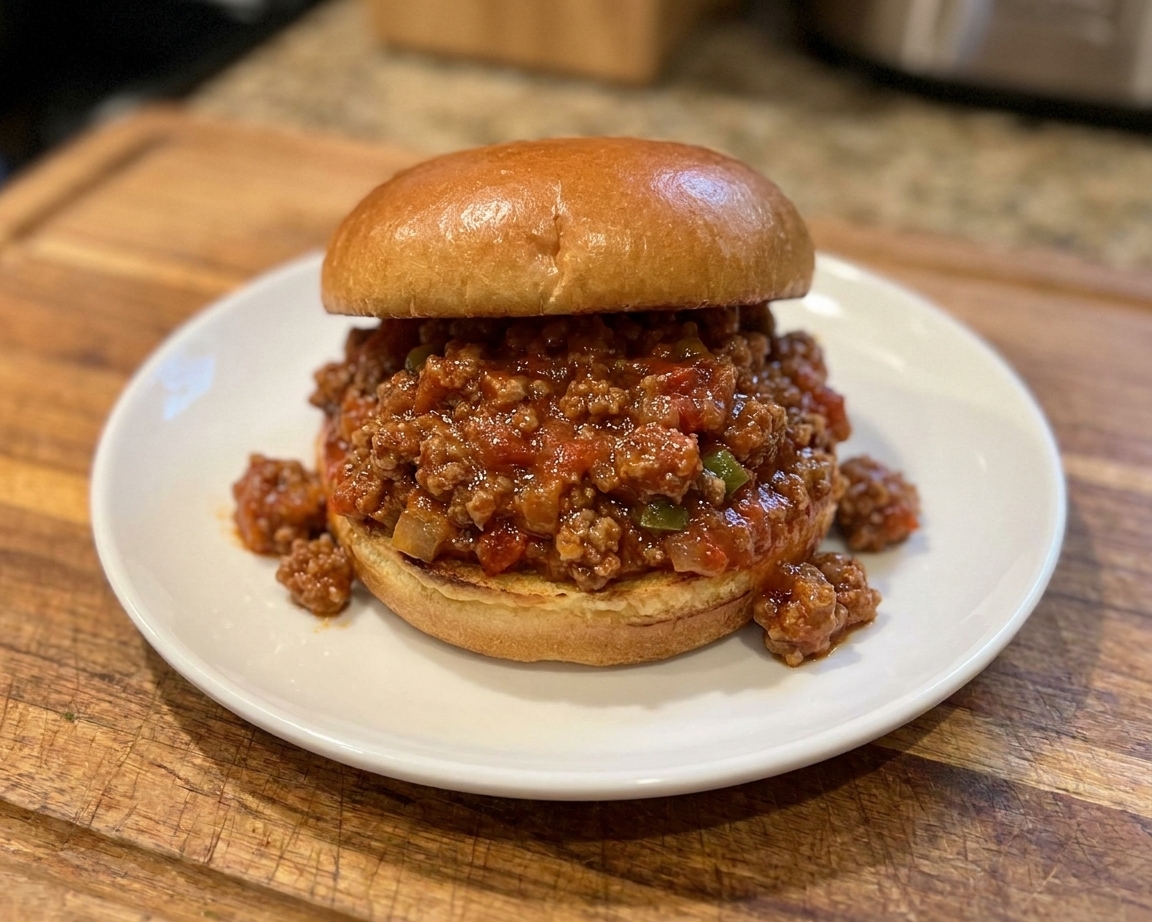

Sloppy Joes are one of those dinners I love for two very organized reasons: they are fast, and they are forgiving. But they only feel satisfying when the filling is thick enough to stay put and tangy enough to wake up the beef. If you have ever bitten into a Sloppy Joe and watched the sauce slide straight out the back of the bun, we are fixing that today.
This version leans into the classic trio of ketchup, mustard, and brown sugar, then adds a little depth from Worcestershire and a bright hit of vinegar. The real trick is not an obscure ingredient. It is technique: we simmer uncovered long enough for the mixture to go from soupy to glossy, like a loose jam that clings to the meat.

I will walk you through the sensory cues, including what the pan should look and sound like when the sauce is reduced enough. Once you learn that, Sloppy Joes become a reliable, clean-ish weeknight win that also happens to be an excellent way to use up a lonely half onion and the last few pickle slices in the fridge.
What makes it thick
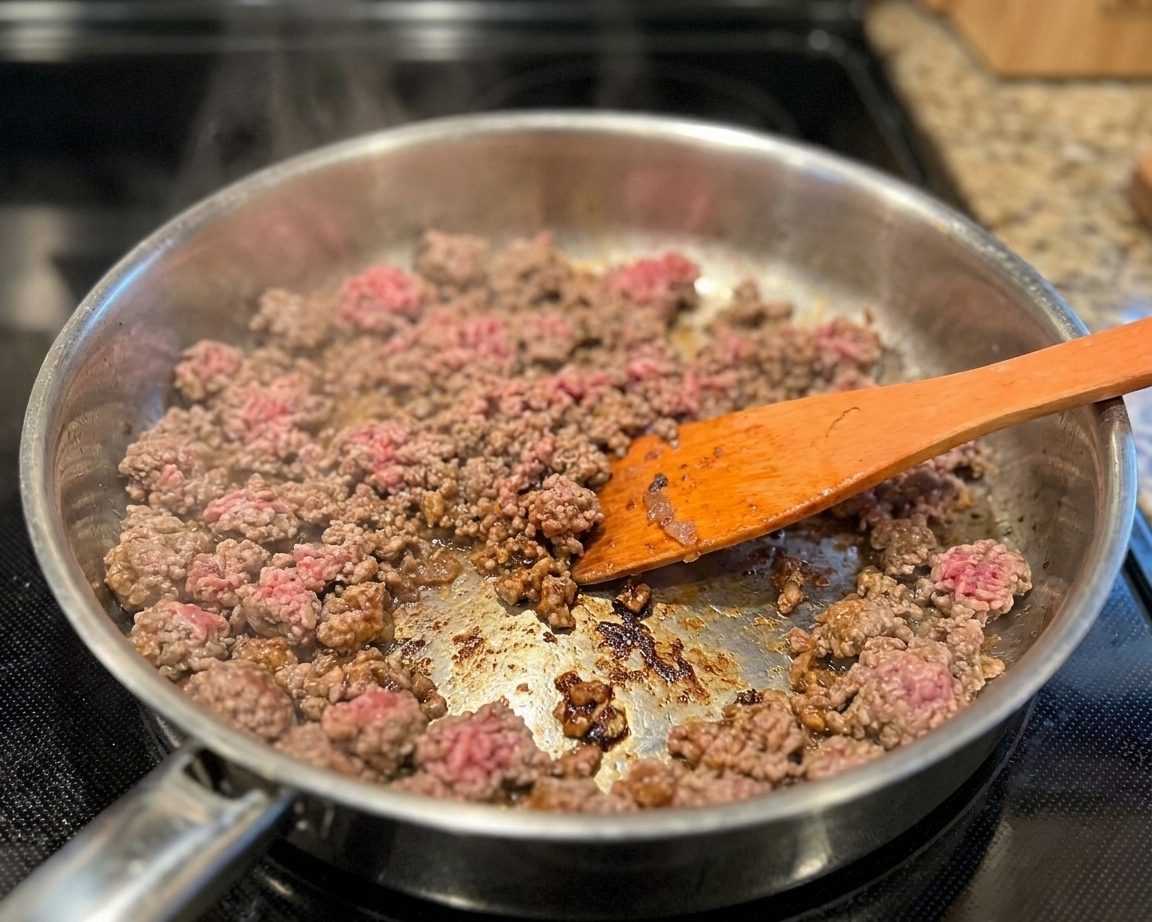
Watery Sloppy Joes usually come from one of three things: crowded beef that steams instead of browns, too much liquid added at once, or not enough uncovered simmer time. We are going to brown the beef properly, then reduce the sauce until it coats the meat instead of pooling around it.
Sound cue: early on, you will hear a wet, bubbly simmer. When it is ready, that shifts to a heavier sizzle with small, slow blips, and you can see steam lifting off the pan as the sauce turns glossy.
The flavor balance
I want a Sloppy Joe that tastes like a friendly diner classic, just sharper and more intentional. That means:
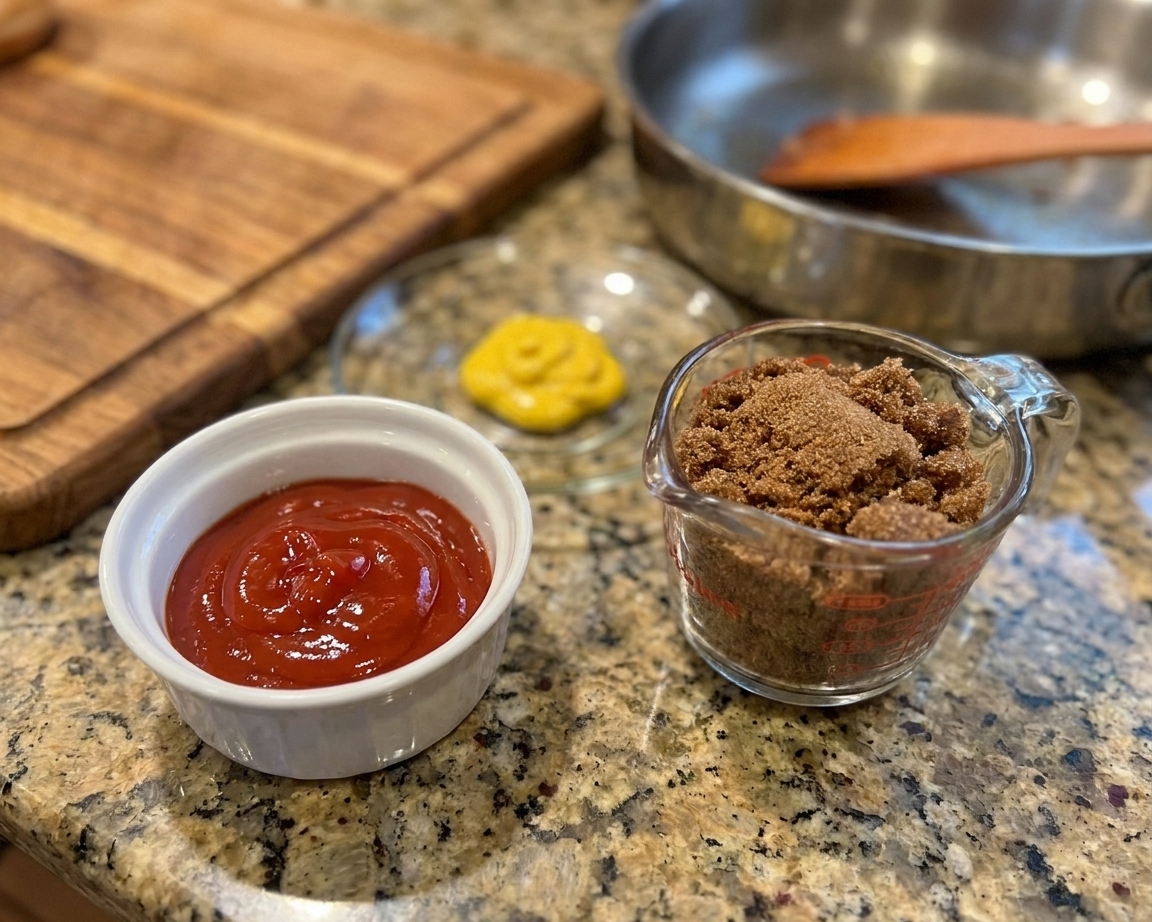
- Tomato sweetness from ketchup
- Tang from yellow mustard and a small splash of vinegar
- Caramel notes from brown sugar, used lightly
- Umami from Worcestershire
- Salt adjusted at the end, after reducing
Every brand of ketchup is a little different. So consider the amounts a starting point, then do one final tweak when the sauce is thick. It is much easier to balance when you are tasting the finished concentration, not a watery early simmer.
Why this recipe works
- Uncovered simmer = bun-friendly texture. Reducing with the lid off evaporates excess liquid so the sauce turns glossy and clings to the beef.
- Brown the beef first for deeper flavor. Proper browning adds savory depth so the sauce does not taste flat or overly sweet.
- Balance after reduction. Ketchup, mustard, and brown sugar taste different once concentrated. Final seasoning at the end gives you control.
- A little vinegar goes a long way. That last bright note keeps the filling from tasting heavy, especially with soft buns.
Ingredient notes
Ground beef
I like 80 to 85 percent lean for Sloppy Joes. You want some fat for flavor, but not so much that the finished filling feels greasy. If your beef renders a lot of fat, drain it down to about 1 tablespoon in the pan before adding the aromatics.
Onion and bell pepper
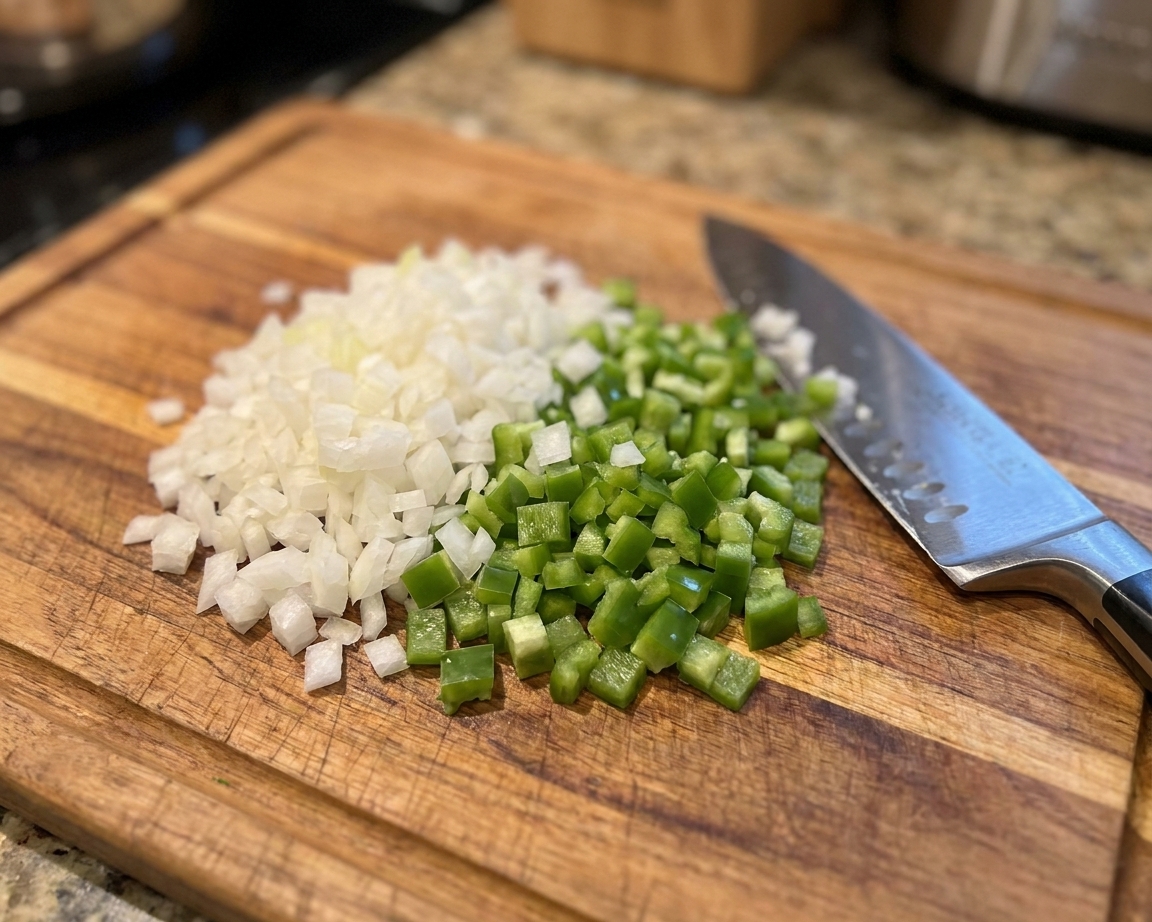
This combo adds sweetness and keeps the filling from tasting one-note. Dice them small so they melt into the sauce. If you only have onion, use it and move on.
Ketchup
Ketchup is doing most of the tomato and sweetness work here. Start with the listed amount, then adjust after simmering. If you are using a very sweet brand, you may want less brown sugar.
Yellow mustard
Classic Sloppy Joe tang. Dijon tastes good but reads more grown-up deli sandwich than cafeteria nostalgia. If Dijon is all you have, use half the amount first and increase to taste.
Brown sugar
This is not a dessert sauce. Brown sugar should round out the acidity, not dominate. You can always add more at the end, 1 teaspoon at a time.
Worcestershire
Small amount, big payoff. It boosts savoriness and gives the sauce that hard-to-name depth.
Vinegar
Apple cider vinegar is my go-to. White vinegar works too. Add it near the end so the brightness stays noticeable.
Equipment you will need
- Wide skillet or saute pan (12-inch is ideal) for faster reduction and better browning
- Wooden spoon or spatula for breaking up the meat
- Measuring spoons for dialing in sweet and tangy ingredients
- Instant-read thermometer (optional) if you like checking that the meat is fully cooked
Pro tips
- Use a wide pan, not a deep pot. More surface area means quicker evaporation, which is exactly what thick Sloppy Joes need.
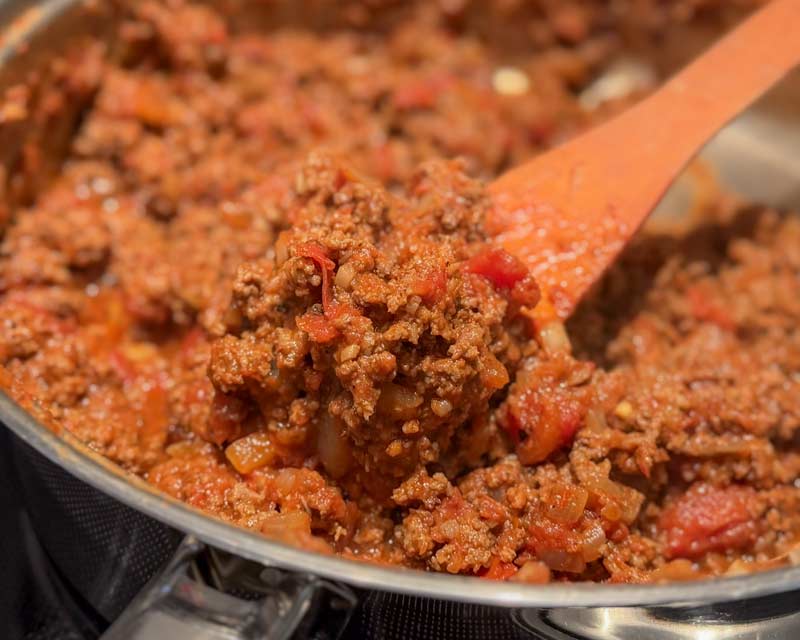
- Look for the “trail” test. When you drag a spoon through the mixture, it should leave a brief trail before the sauce slowly fills it back in.
- Season at the end. Salt early, simmer, then taste again. Reduction concentrates salt and sweetness.
- Toast the buns. Even a quick toast creates a little barrier so the bun holds up longer.
- Let it sit 5 minutes off heat. The filling thickens slightly as it cools, which helps it stay on the sandwich.
Substitutes that work
- No bell pepper: Use 1 to 2 ribs celery, diced small, or skip it.
- No Worcestershire: Use 1 teaspoon soy sauce plus a pinch of garlic powder. It is not identical, but it adds savory backbone.
- No brown sugar: Use 1 to 2 teaspoons maple syrup or honey, then adjust to taste after reducing.
- Need it less sweet: Cut the brown sugar in half and add an extra teaspoon mustard or a splash more vinegar at the end.
- Need it thicker fast: Simmer longer first. If you are truly stuck, stir in 1 to 2 teaspoons tomato paste and simmer 2 minutes. This changes the flavor slightly but keeps the filling bun-friendly.
Variations
- Spicy Sloppy Joes: Add 1 to 2 teaspoons chili powder and a pinch of cayenne, or stir in a tablespoon of your favorite hot sauce near the end.
- Smoky BBQ-style: Replace 2 tablespoons ketchup with barbecue sauce and add 1/4 teaspoon smoked paprika.
- Extra tangy: Add 1 tablespoon dill pickle relish when you add the ketchup and mustard, then reduce as usual.
- Veg-forward: Add 1 cup finely diced mushrooms with the onion. They cook down and make the beef go further without feeling like a “healthified” swap.
Serving ideas
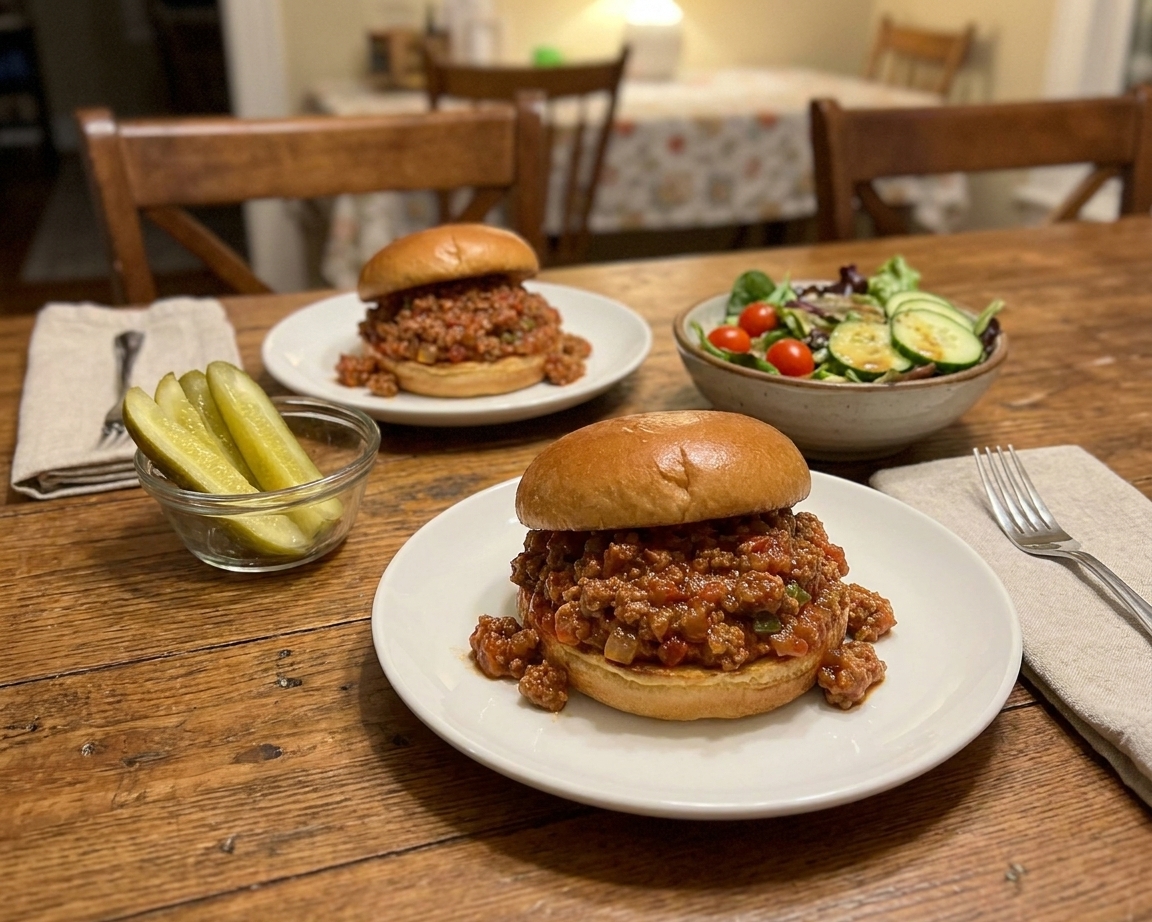
- Classic: Pile onto soft hamburger buns with dill pickle chips and a little extra mustard.
- Crunch: Add shredded cabbage or coleslaw for texture and freshness.
- Cheesy: Top with sliced cheddar or pepper jack, then cover the pan for 1 minute to melt before spooning onto buns.
- On the side: Serve with oven fries, potato chips, a simple green salad, or roasted broccoli.
Storage and reheating
Refrigerator
Store the filling in an airtight container for up to 4 days. Keep buns separate so they do not absorb moisture.
Freezer
Freeze cooled filling in a freezer-safe container for up to 3 months. I like freezing it flat in a zip-top bag so it thaws quickly.
Reheating
Reheat in a skillet over medium-low heat with a splash of water, 1 to 2 tablespoons, just to loosen. Simmer uncovered until thick again. Microwave reheating works too, but finish with 1 minute uncovered in a hot pan if it seems watery.
Common mistakes
- Not browning the beef. If the pan is crowded or the heat is too low, you get gray, watery meat and a bland sauce. Use medium-high heat and let it sizzle.
- Adding everything at once and serving immediately. Sloppy Joe sauce needs reduction time. Simmer uncovered until it clings.
- Over-sweetening early. It is tempting to add more sugar when the sauce tastes sharp at the beginning. Wait until it has thickened, then adjust.
- Skipping the final acid check. If it tastes heavy, add a small splash of vinegar or a little more mustard right at the end.
FAQ
How do I keep Sloppy Joes from getting runny?
Simmer uncovered until the mixture is glossy and thick, and most importantly, until there is no watery liquid pooling around the edges. A wide skillet speeds this up. If you still have extra liquid, keep simmering. Time is the fix.
Can I make Sloppy Joes ahead of time?
Yes, and they are honestly better after a rest. Make the filling, cool, and refrigerate. Reheat in a skillet and simmer uncovered for a minute or two to get back to that thick texture.
Do I need tomato sauce or tomato paste?
Not for this recipe. Ketchup provides the tomato base and sweetness. Tomato paste can help in a pinch if you need thickness quickly, but I prefer reduction for the cleanest flavor.
What if my Sloppy Joe filling tastes too sweet?
Add more mustard or a splash of vinegar, then a pinch of salt. Sweetness reads louder when salt is low and acid is missing.
What buns work best?
Soft hamburger buns are classic. Brioche is tasty but can read sweeter, so you may want a touch more mustard or vinegar. Whatever you use, toast it.
Thick and Tangy Sloppy Joes
A thick, tangy Sloppy Joe filling made with ground beef, ketchup, mustard, and brown sugar. Simmer uncovered until glossy so it stays on the bun and tastes balanced, not watery or overly sweet.
- Prep
- 10 minutes
- Cook
- 20 minutes
- Total
- 30 minutes
- Yield
- 4 servings
Ingredients
- 1 tablespoon neutral oil (optional, only if using very lean beef)
- 1 pound ground beef (80 to 85 percent lean recommended)
- 1 small yellow onion, finely diced
- 1/2 green bell pepper, finely diced
- 3 cloves garlic, minced
- 1 teaspoon kosher salt, plus more to taste
- 1/2 teaspoon black pepper
- 3/4 cup ketchup
- 2 tablespoons yellow mustard
- 1 tablespoon packed light brown sugar
- 1 tablespoon Worcestershire sauce
- 1 tablespoon apple cider vinegar
- 2 to 4 tablespoons water, only as needed while simmering
- 4 soft hamburger buns
- Optional for serving: dill pickle chips, sliced cheddar, coleslaw
Instructions
- Brown the beef. Heat a wide skillet over medium-high heat. Add the oil if needed. Add ground beef and cook, breaking it up, until browned with some deeper caramelized bits, 5 to 7 minutes. If there is a lot of rendered fat, carefully spoon off most of it, leaving about 1 tablespoon in the pan.
- Soften the aromatics. Add onion and bell pepper. Cook, stirring, until the vegetables soften and the onions look translucent, 3 to 4 minutes. Add garlic and cook 30 seconds, just until fragrant.
- Add the sauce base. Stir in salt, pepper, ketchup, mustard, brown sugar, Worcestershire, and vinegar. Scrape up any browned bits from the bottom of the pan.
- Simmer uncovered to thicken. Reduce heat to medium-low and simmer uncovered, stirring every couple of minutes, until the mixture is thick and glossy and no watery liquid pools at the edges, 8 to 12 minutes. If the pan looks dry before the sauce thickens, add water 1 tablespoon at a time to keep it gently simmering.
- Taste and balance. Taste the filling. Add a pinch more salt if it tastes flat, a little more mustard or vinegar if it needs brightness, or 1 teaspoon more brown sugar if it is too sharp.
- Toast buns and serve. Toast buns lightly in a dry skillet or under the broiler. Spoon the hot filling onto buns and serve right away, with pickles, cheese, or coleslaw if you like.
Notes
Thickness cue: When you drag a spoon across the skillet, it should leave a trail that slowly closes. If it floods back immediately, keep simmering uncovered.
Make ahead: The filling thickens slightly as it cools. Reheat in a skillet and simmer uncovered 1 to 2 minutes to return it to the ideal texture.
Food waste tip: This is a great place to use up half an onion, a wrinkly bell pepper, or a few tablespoons of pickle relish. Keep the overall volume of add-ins modest so the filling still hugs the bun.