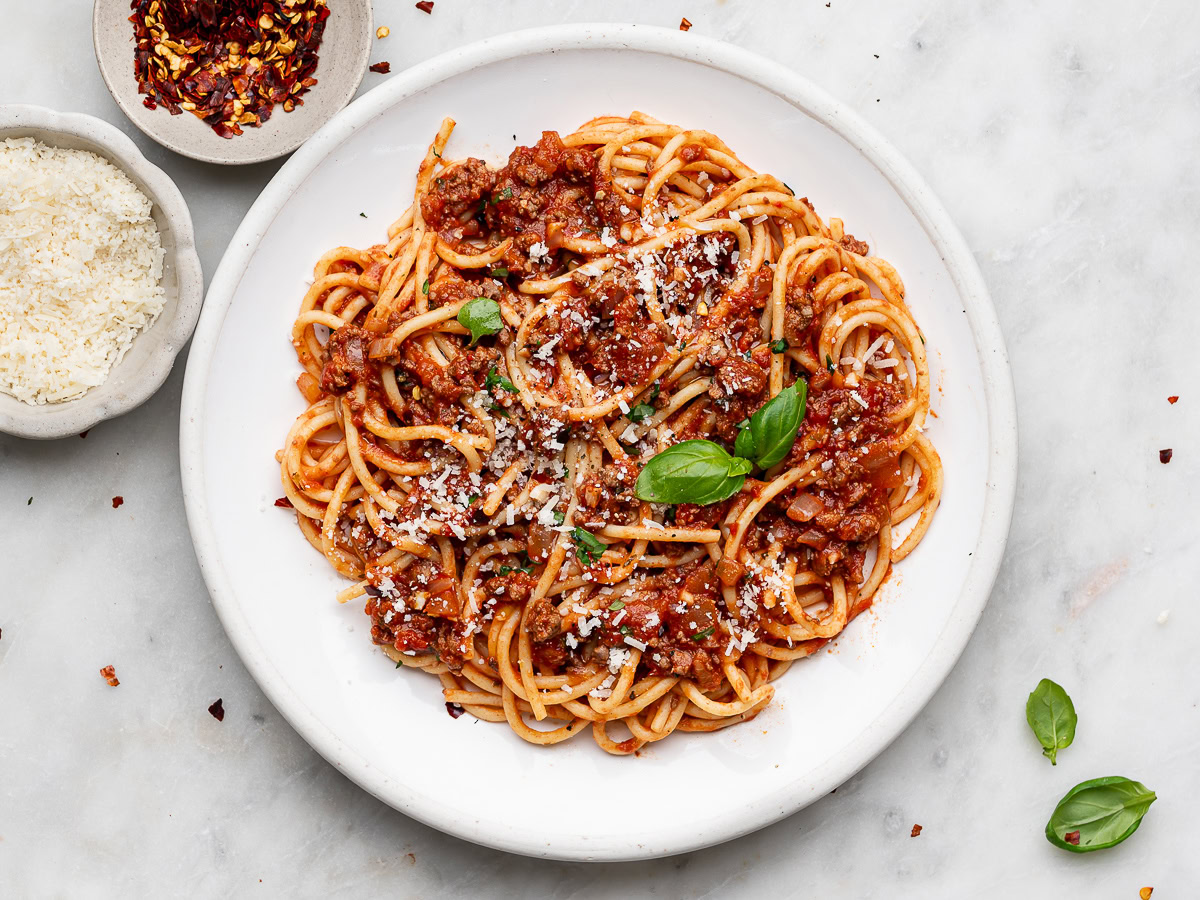
Spaghetti meat sauce is one of those meals that can be either totally fine or quietly spectacular, and the difference is usually just a few small moves. We are going to build flavor in layers (browned beef, softened aromatics, tomato paste, and a short simmer), then finish with a tiny hit of acid so it tastes bright and balanced, not heavy.
This is the sauce I teach when someone says, “I want it to taste like a good Italian-American red sauce, but I only have a weeknight.” You will get a pot of deeply savory, clingy sauce that loves spaghetti, freezes beautifully, and makes excellent leftovers.
Why this recipe works
- Brown the beef well. Real browning equals real flavor. Do not stir constantly.
- Tomato paste gets toasted. This takes the edge off and adds a round, caramelized tomato depth.
- Simmer in a weeknight range. About 30 to 45 minutes is plenty for a sauce that tastes developed.
- Finish with acid. A little balsamic or red wine vinegar wakes everything up.
Ingredient notes
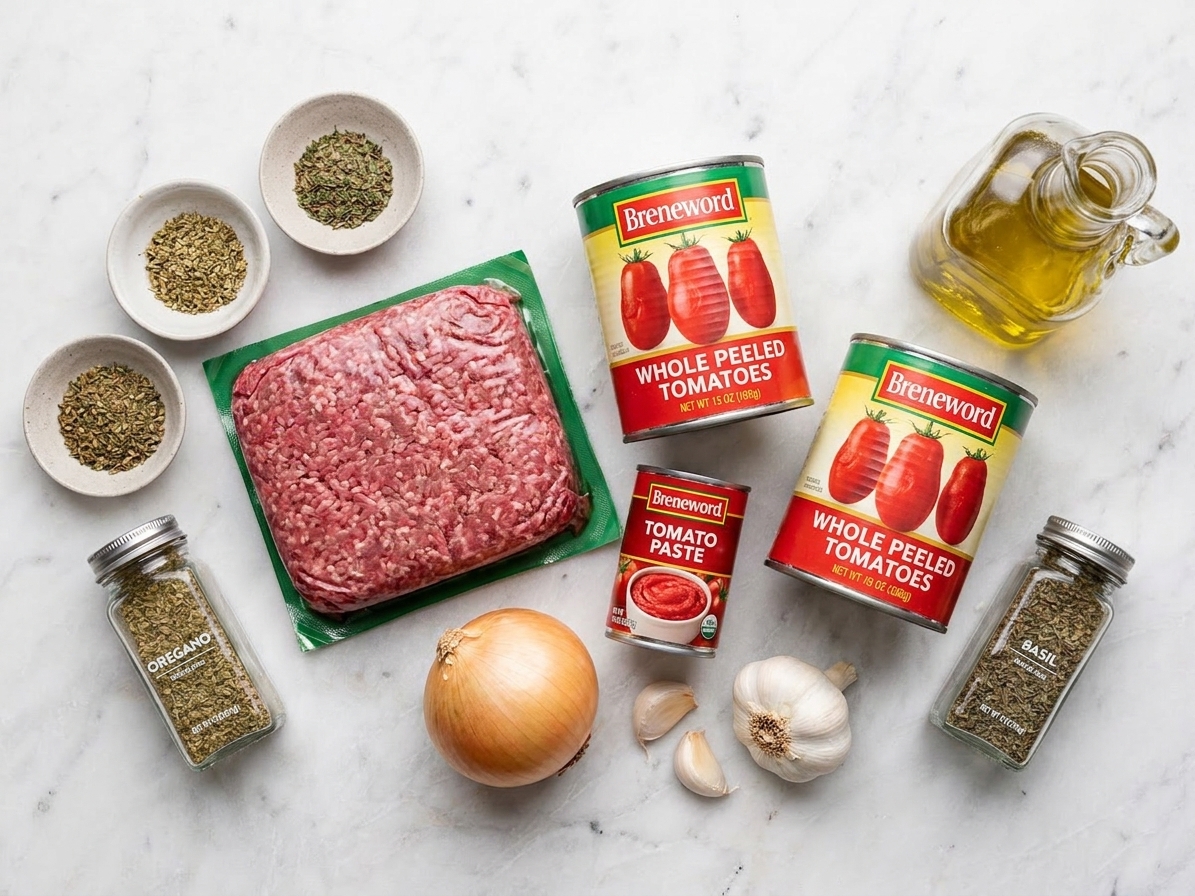
- Ground beef: 85 to 90% lean is ideal. If there is a lot of grease after browning, spoon off excess, leaving about 1 to 2 tablespoons in the pot.
- Olive oil: Optional if your beef is fatty.
- Carrot: Optional but recommended for natural sweetness; if you want the flavor but not the chunks, grate it.
- Tomatoes: Use crushed tomatoes for consistent texture, or use whole peeled and hand-crush.
- Tomato paste: Toasting it for 1 to 2 minutes deepens flavor and reduces a tinny edge.
- Milk or cream: Optional; stir in during the last 10 minutes if the sauce tastes sharp to soften acidity and add body.
- Vinegar: Finish with 1 to 2 teaspoons balsamic or red wine vinegar, starting small and tasting as you go.
- Herbs: Dried basil works, or add a handful of fresh basil at the end.
- Heat: Red pepper flakes are optional for a gentle kick.
- Pasta water: Reserve it; a splash helps the sauce cling to the noodles.
Equipment you will need
- Large, heavy pot or a wide deep skillet (for browning and simmering).
- Large pot for boiling spaghetti.
- Wooden spoon or spatula (for scraping browned bits and preventing scorching).
- Knife and cutting board (for onion, carrot, garlic).
- Box grater (optional, for grating onion and carrot so they melt into the sauce).
- Measuring cup (to reserve pasta water and measure water/broth).
Pro tips
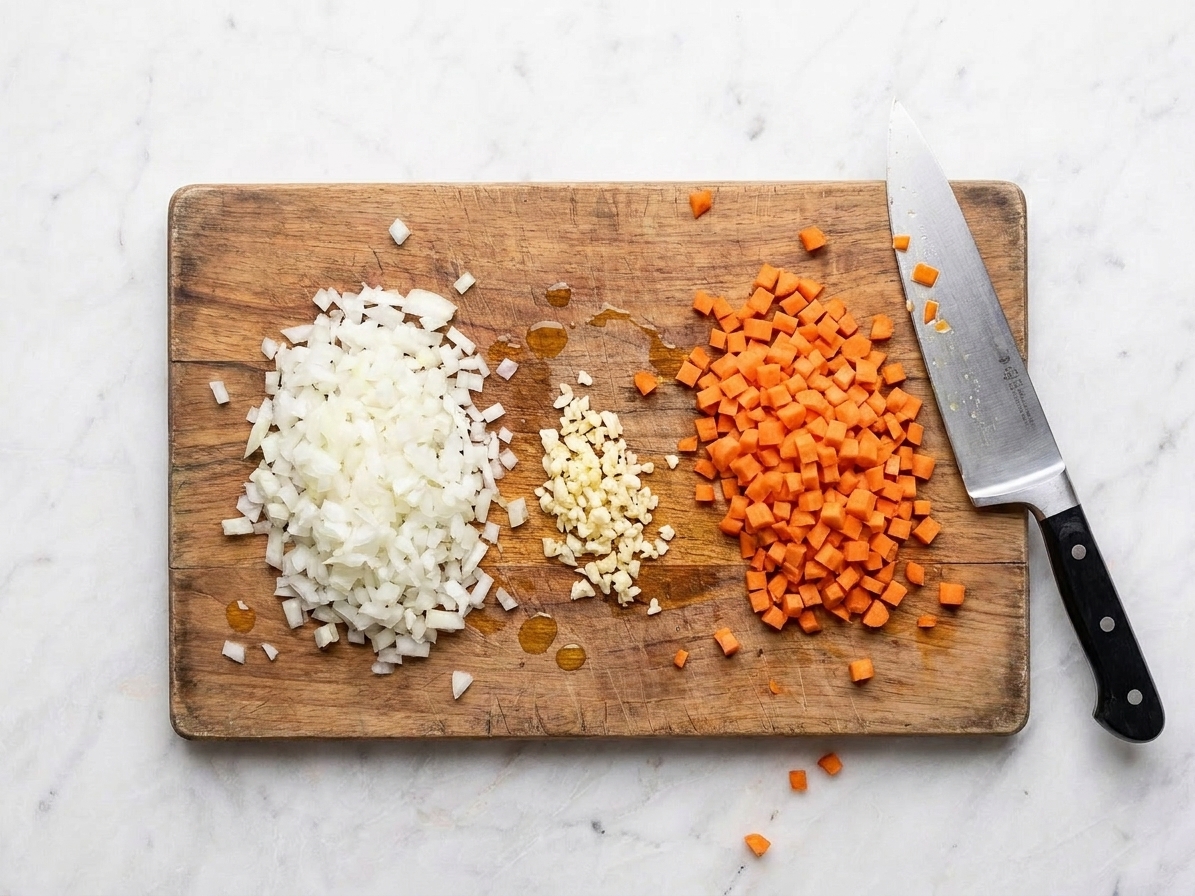
- Use crushed tomatoes. They reduce the “simmer forever” need and give a consistent texture.
- Grate the onion and carrot. If you want the flavor but not the chunks, a box grater melts them into the sauce fast.
- Swap in sausage. Half Italian sausage adds instant seasoning and richness. Reduce added salt slightly and taste at the end.
- Finish with pasta water. That starchy water helps the sauce grab the noodles like a restaurant plate.
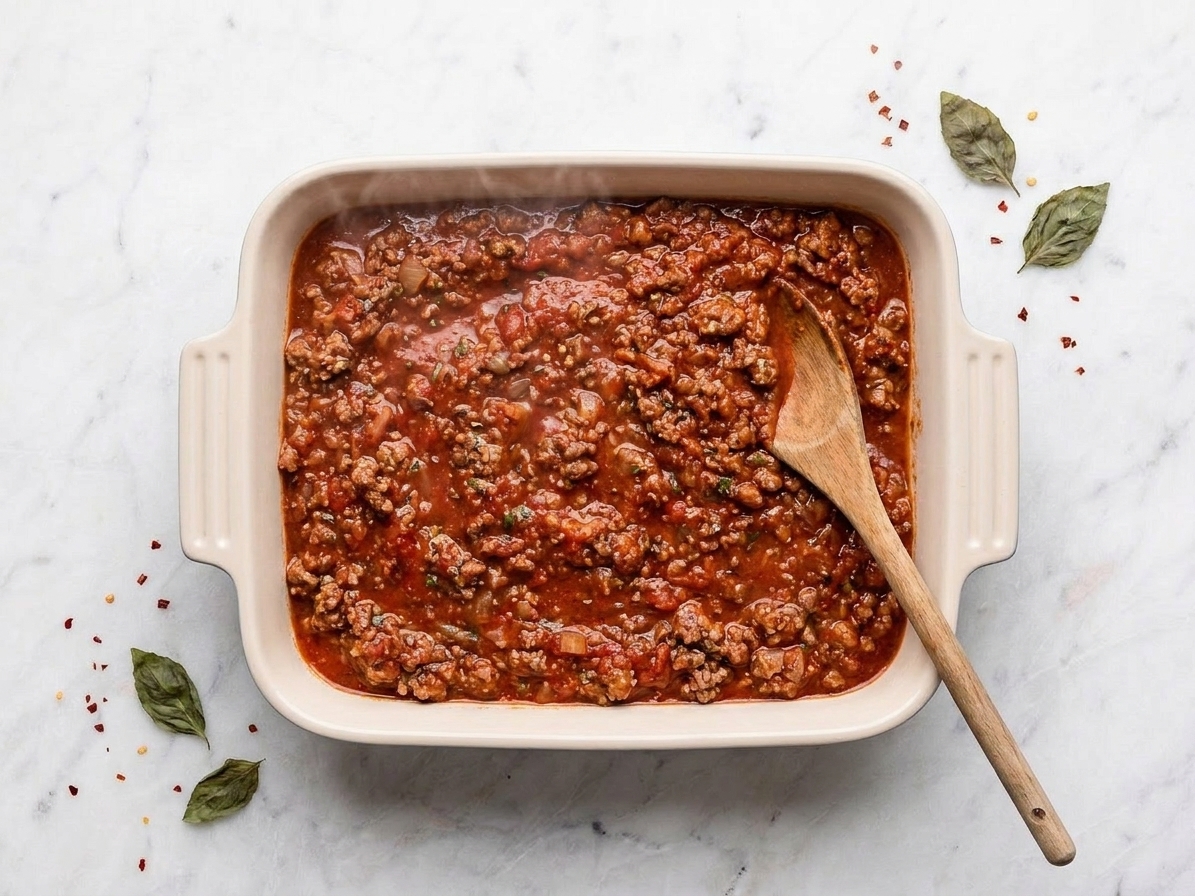
- Sensory cues: Beef should smell nutty and savory with browned edges and dark bits; toasted tomato paste should darken and smell less tinny; finished sauce should mound slightly on a spoon and leave a clean trail when you drag a spatula across the bottom.
Substitutes that work
- Ground turkey or chicken: Add 1 extra tablespoon olive oil and do not skip the tomato paste to keep it rich.
- Beef and sausage blend: Use half ground beef and half Italian sausage; reduce added salt slightly and taste at the end.
- Tomatoes: Swap crushed tomatoes for whole peeled tomatoes, hand-crushed.
- Finish acid: Use balsamic vinegar or red wine vinegar; start small, then taste.
Variations
- Vegetarian: Use sautéed mushrooms and lentils. Brown mushrooms hard first, then add cooked lentils with the tomatoes.
- Extra veggies: Finely chop celery, bell pepper, zucchini, or leftover roasted vegetables and add with the onion.
- Herb boost: Add fresh basil at the end; if you have a parmesan rind, simmer it in the sauce for extra savory depth.
- More spice: Use red pepper flakes, Calabrian chili paste, or a pinch of cayenne.
Serving ideas
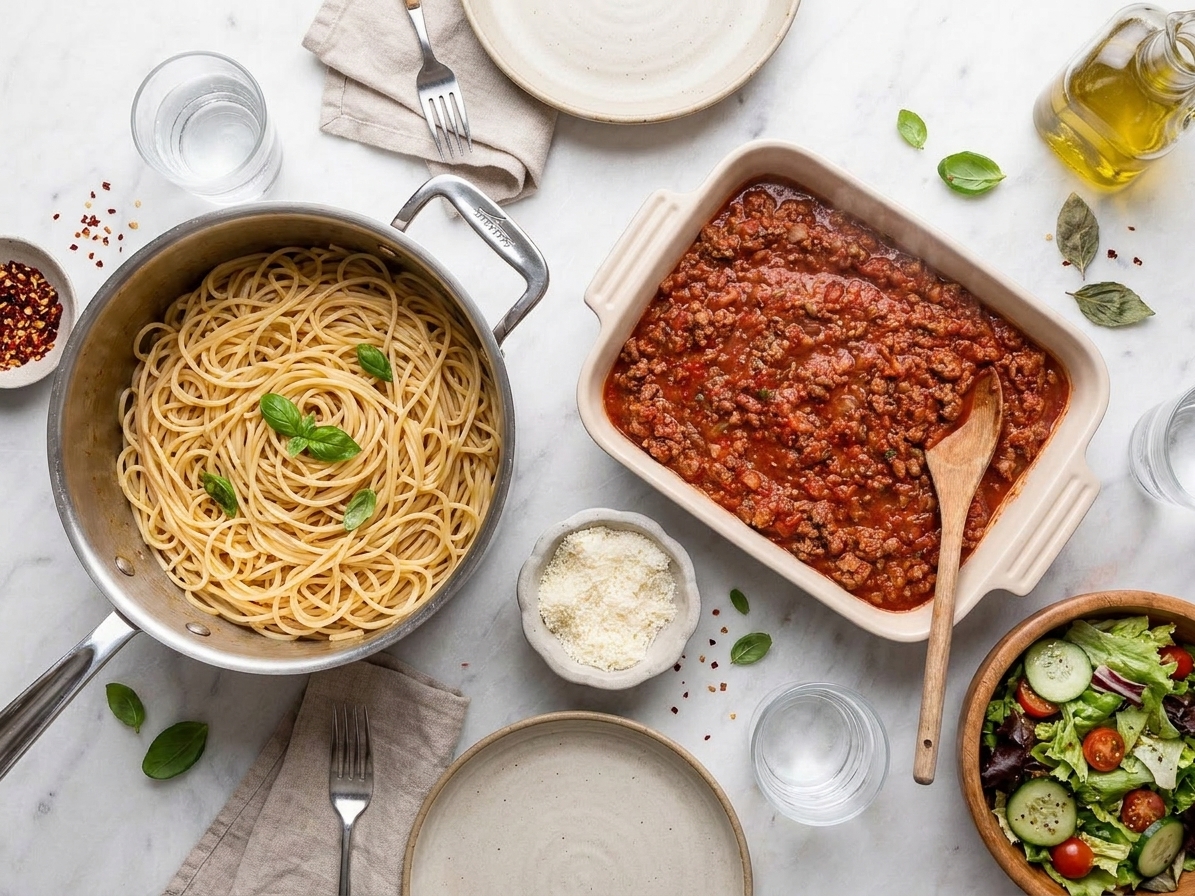
- Classic: Spaghetti, meat sauce, a blizzard of Parmesan, and a crisp salad with a sharp vinaigrette.
- Cozy upgrade: Toasted garlic bread and roasted broccoli or broccolini.
- Leftover magic: Spoon over baked potatoes, fold into lasagna, or tuck into a toasted roll with mozzarella.
Storage and reheating
- Make ahead: Sauce tastes even better the next day. Cool, refrigerate, and reheat gently with a splash of water.
- Refrigerate: Store up to 4 days in an airtight container.
- Freeze: Freeze up to 3 months. Portioning into 2-cup containers makes it easy to thaw exactly what you need.
- Thaw: Overnight in the fridge, or gently in a saucepan over low heat, stirring often.
Common mistakes
Stirring the beef constantly
Real browning equals real flavor. Let the beef cook undisturbed for 3 to 5 minutes so it actually browns.
Skipping the tomato paste toast
Toasting the tomato paste for 1 to 2 minutes takes the edge off and adds caramelized tomato depth.
Letting the sauce scorch
Simmer uncovered at a gentle bubble and stir occasionally, scraping the bottom so nothing scorches. If you increase heat to reduce faster, stir more often.
Not balancing acidity
If the sauce tastes sharp, stir in 1 to 2 tablespoons milk or cream during the last 10 minutes, or use a tiny pinch of baking soda (start with 1/8 teaspoon). Finish with a little balsamic or red wine vinegar to taste so it tastes bright and balanced, not heavy.
Ending up with a greasy sauce
Spoon off some fat after browning, leaving about 1 to 2 tablespoons in the pot. Next time, use slightly leaner beef or mix beef with turkey.
FAQ
Do I have to simmer meat sauce for hours?
No. You can make a deeply satisfying sauce in 40 to 60 minutes if you brown the meat well and toast the tomato paste. Longer simmering is great for weekends, but not required for a good weeknight bowl.
Can I make this in a slow cooker?
Yes, but still brown the beef and toast the tomato paste first (that is where the flavor lives). Then transfer everything to the slow cooker and cook on low 4 to 6 hours.
Should I add sugar?
I usually do not. Carrot and properly cooked onion add gentle sweetness. If your tomatoes are especially sharp, try milk or a tiny pinch of baking soda before reaching for sugar.
Why toss pasta with sauce instead of just topping it?
Tossing with a splash of pasta water helps the sauce emulsify and cling to the noodles. The whole bowl tastes seasoned and saucy, not like plain pasta with sauce sitting on top.
Spaghetti Meat Sauce
A deeply savory, clingy Italian-American style spaghetti meat sauce built in layers: well-browned beef, softened aromatics, toasted tomato paste, and a 30 to 45 minute simmer, finished with a small hit of balsamic or red wine vinegar for brightness. Makes about 5 to 6 cups sauce (enough for 4 to 6 servings, depending on how saucy you like it).
- Prep
- 15 minutes
- Cook
- 55 minutes
- Total
- 1 hour 10 minutes
- Yield
- Serves 4 to 6
Ingredients
- 1 tablespoon olive oil (optional if your beef is fatty)
- 1 medium onion, finely chopped
- 1 medium carrot, finely chopped (optional but recommended for natural sweetness)
- 3 to 4 cloves garlic, minced
- 1 pound ground beef (85 to 90% lean is ideal) or half beef and half Italian sausage
- 2 tablespoons tomato paste
- 1 teaspoon kosher salt, plus more to taste
- 1/2 teaspoon black pepper
- 1 teaspoon dried oregano
- 1/2 teaspoon dried basil (or a handful of fresh basil at the end)
- Pinch red pepper flakes (optional)
- 1 (28-ounce) can crushed tomatoes (or whole peeled, hand-crushed)
- 1/2 cup water, beef broth, or pasta water (more as needed)
- 2 tablespoons milk or cream (optional, softens acidity and adds body)
- 1 to 2 teaspoons balsamic vinegar or red wine vinegar, to finish (start small, then taste)
- 12 to 16 ounces spaghetti
- Parmesan or Pecorino, for serving
Instructions
- Brown the beef. Heat a large, heavy pot or wide deep skillet over medium-high heat. Add oil if needed, then add the beef in an even layer. Let it cook undisturbed for 3 to 5 minutes so it actually browns. Break it up and keep cooking until you see deep brown bits on the bottom, 6 to 10 minutes total. If there is a lot of grease, spoon off excess, leaving about 1 to 2 tablespoons in the pot.
- Soften the aromatics. Add onion and carrot. Cook, stirring and scraping the bottom, until softened and the pot looks less greasy, 5 to 7 minutes. Add garlic and cook 30 seconds, just until fragrant.
- Toast the tomato paste. Add tomato paste, oregano, basil, black pepper, red pepper flakes (if using), and the 1 teaspoon salt. Stir constantly for 1 to 2 minutes until the paste darkens slightly and starts sticking to the pot in a good way.
- Simmer. Add crushed tomatoes and 1/2 cup water or broth. Bring to a gentle simmer, then reduce heat to low. Simmer uncovered 30 to 45 minutes, stirring occasionally and scraping the bottom so nothing scorches. If it gets too thick, add a splash of water. If it tastes sharp, stir in the milk or cream during the last 10 minutes.
- Finish and adjust. Turn off the heat. Stir in balsamic vinegar or red wine vinegar (start small, then taste). Adjust salt until the flavor pops and tastes complete.
- Cook spaghetti and sauce it properly. Bring a large pot of well-salted water to a boil. Cook spaghetti until just shy of al dente (about 1 minute less than package directions). Reserve 1 cup pasta water, then drain. Toss spaghetti with a couple ladles of sauce and a splash of pasta water so it clings. Serve with more sauce on top and lots of cheese.
Notes
Yield: Makes about 5 to 6 cups sauce.
Texture and flavor checkpoints: Look for browned edges and dark bits in the pot when browning beef. Tomato paste should darken slightly after 1 to 2 minutes and smell less tinny. The finished sauce should mound slightly on a spoon and leave a clean trail when you drag a spatula across the bottom.
Troubleshooting: If too acidic, add 1 to 2 tablespoons milk or cream, or a tiny pinch of baking soda (start with 1/8 teaspoon) and stir in slowly as it bubbles, then re-taste for salt. If flat, adjust salt or acid (pinch of salt first, then a few drops of vinegar). If watery, simmer uncovered longer at a gentle bubble. If greasy, spoon off fat after browning and consider leaner beef next time.
Slow cooker option: Brown the beef and toast the tomato paste first, then transfer and cook on low 4 to 6 hours.
Nutrition
- Calories: ~620
- Fat: ~19 g
- Carbs: ~78 g
- Protein: ~32 g
- Fiber: ~7 g
- Sugar: ~11 g
- Sodium: ~750 mg
Approximate values per serving (assumes 6 servings, 12 ounces spaghetti, 85 to 90% lean beef, and standard canned crushed tomatoes; cheese and optional ingredients can change totals).