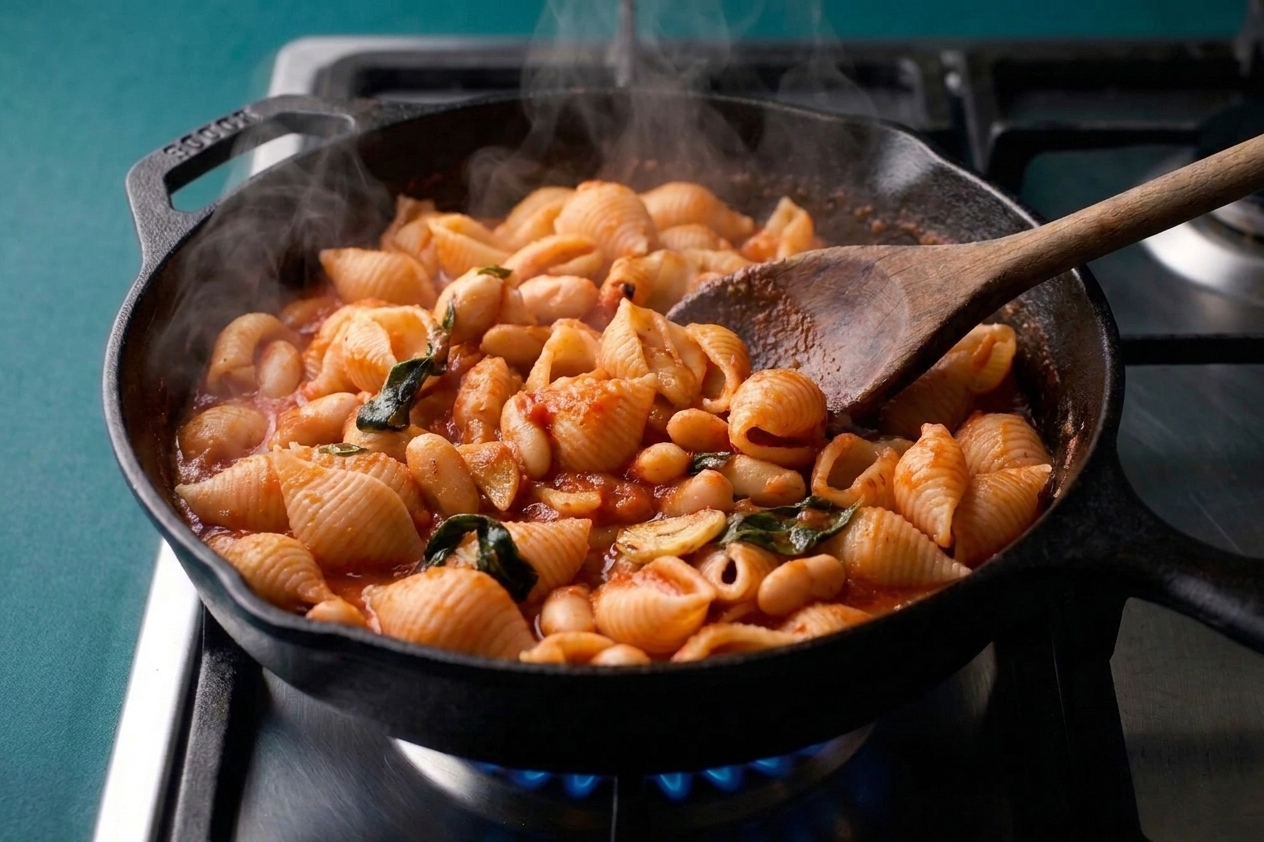
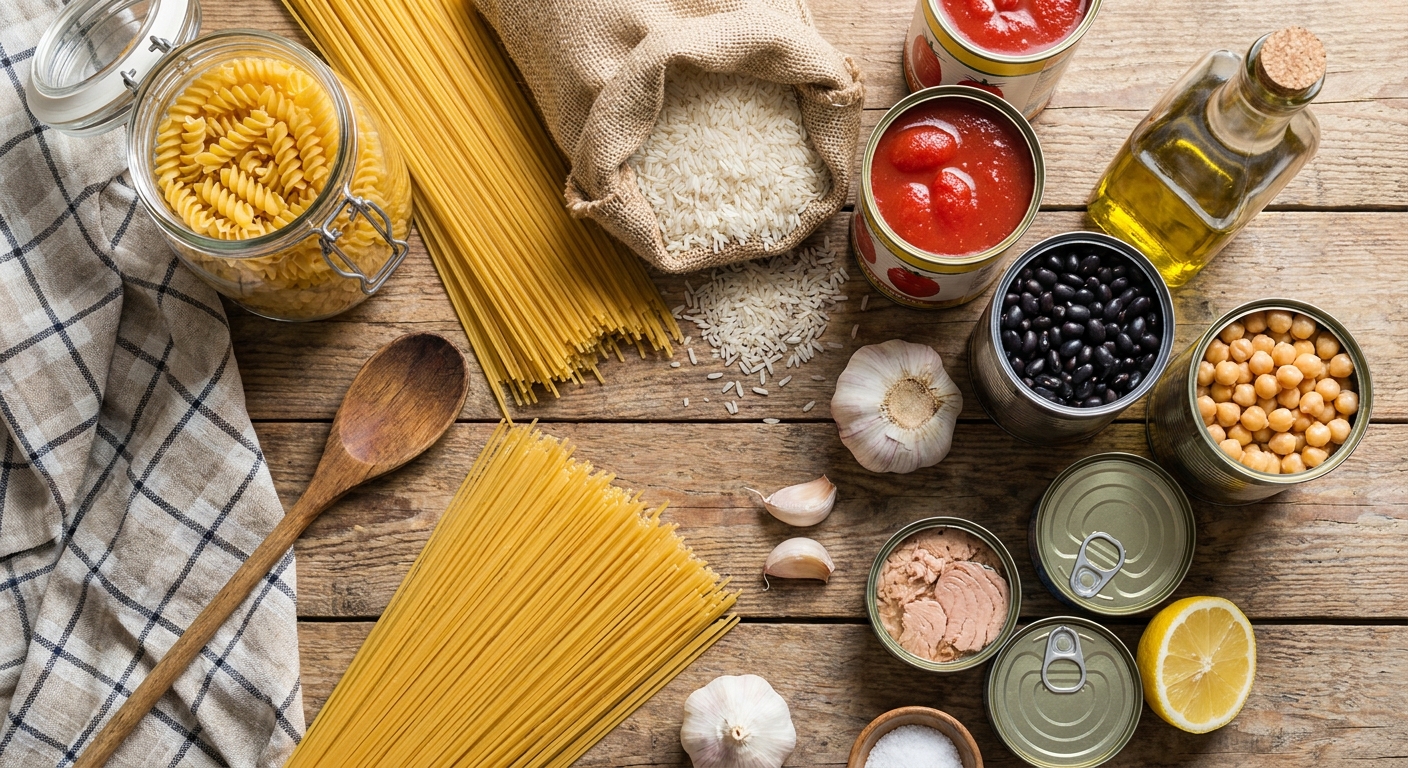
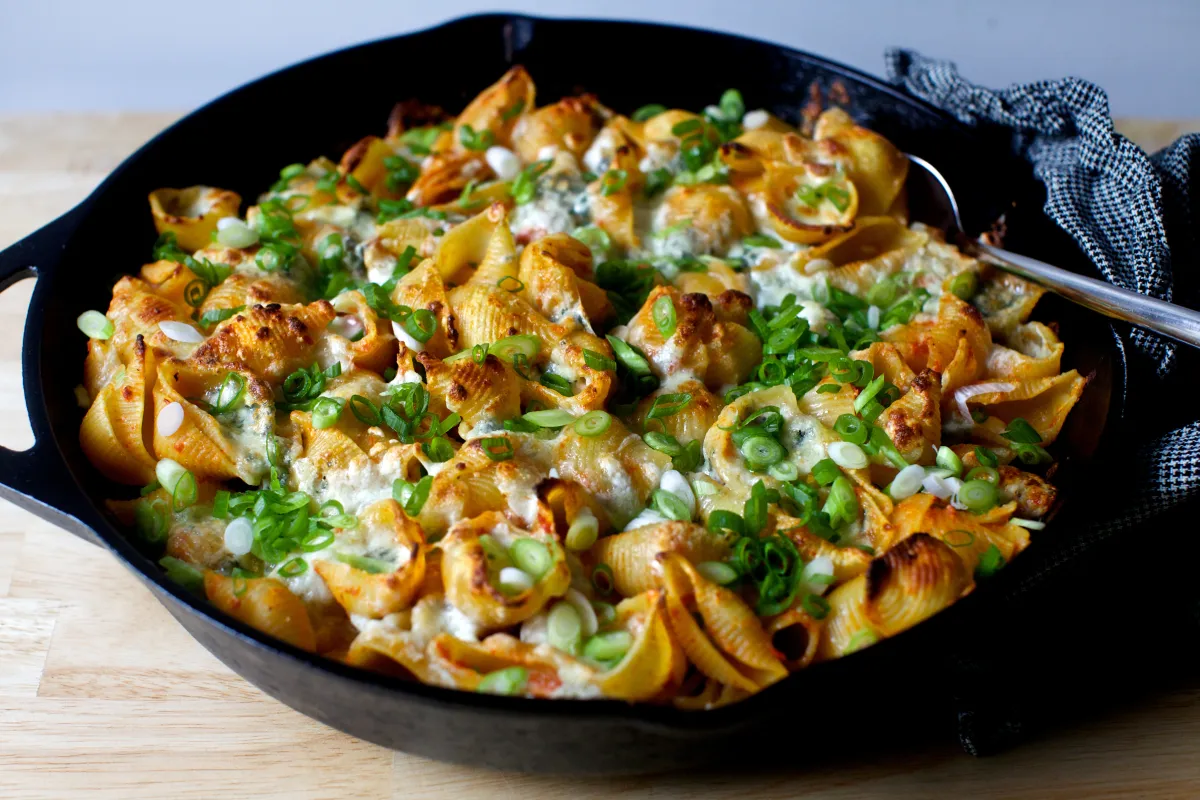
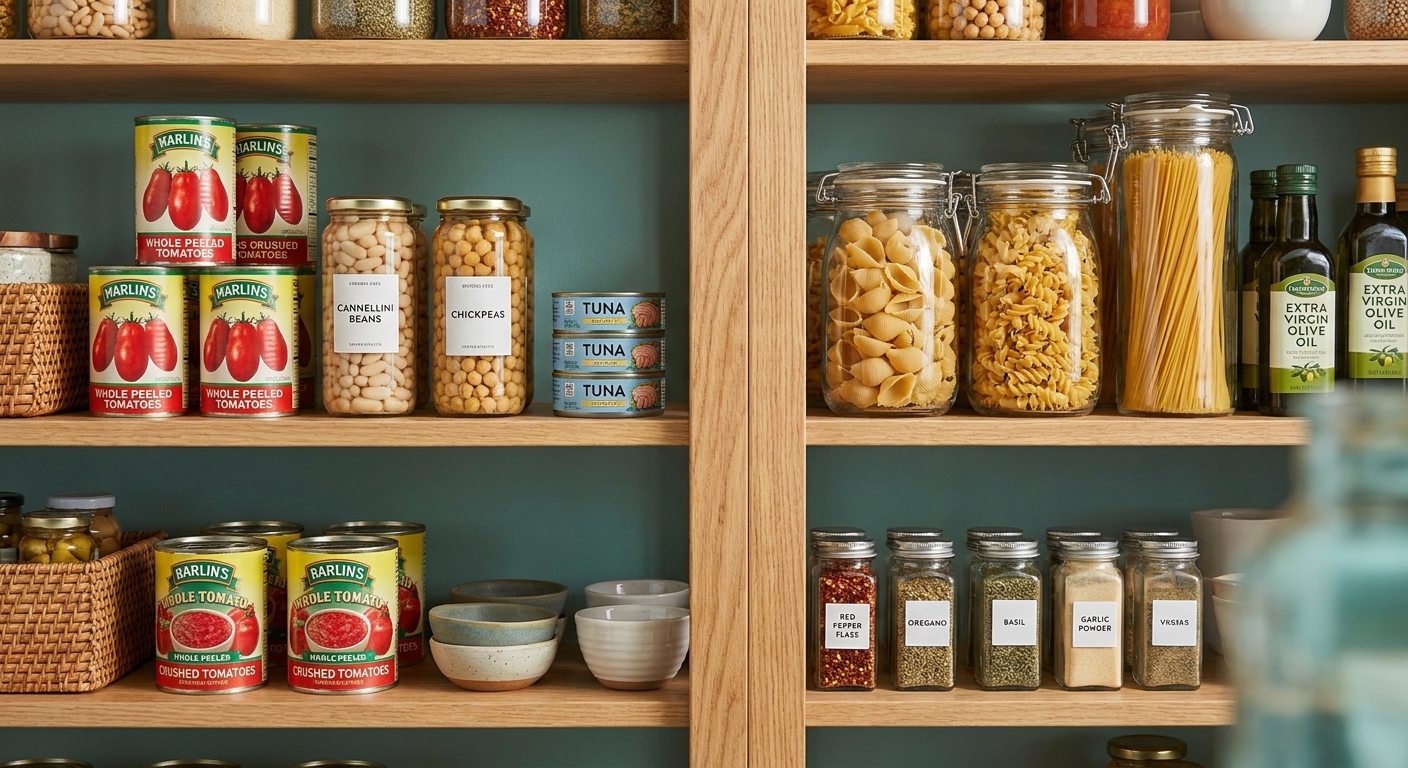
When the fridge is looking a little bleak, pasta is the friend who still shows up. With dried pasta, a few cans, and the usual seasonings, you can pull together dinners that feel intentional, not desperate. Below are 15 pantry pasta ideas I lean on constantly, each with simple steps, swap-friendly ingredients, and little chef-y tricks that make shelf-stable food taste like you planned it.
My pantry pasta formula
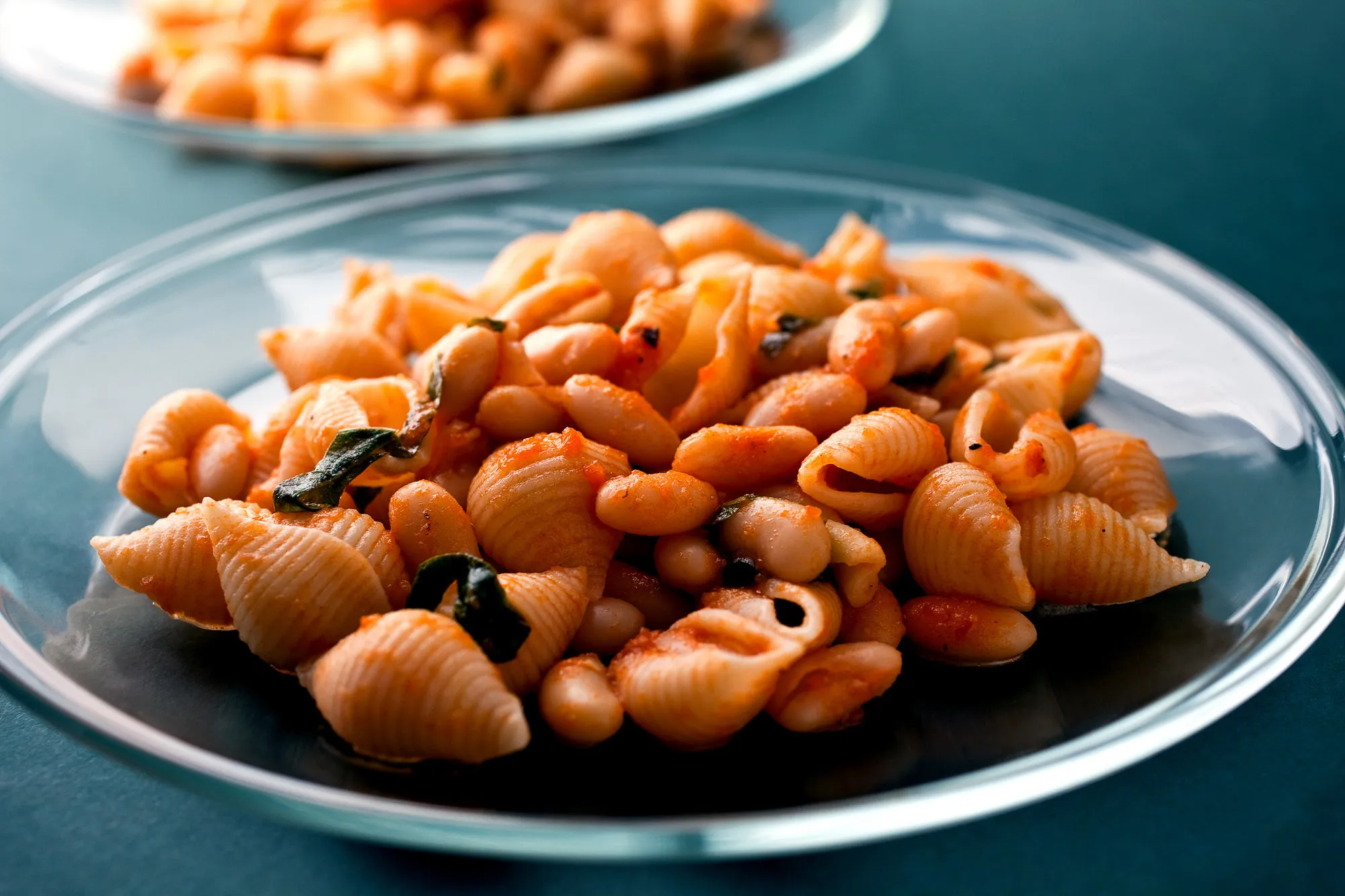
If you can remember pasta + sauce base + protein-ish + something salty + acid, you can make dinner with almost anything.
- Sauce base: canned tomatoes, tomato paste, broth, canned pumpkin, canned coconut milk, or even pasta water plus olive oil.
- Protein-ish: chickpeas, lentils, canned tuna, canned chicken, canned clams, or just extra beans.
- Salty: soy sauce, miso, capers, olives, anchovies, parmesan (keeps for weeks, sometimes longer, if tightly wrapped; trim any mold), or a good pinch of salt.
- Acid: red wine vinegar, lemon juice, pickled jalapeño brine, or a spoon of caper brine.
Baseline ratio (so you can relax): Most of these work with 8 to 12 ounces dried pasta. For tomato sauces, figure 1 (14 to 28 ounce) can tomatoes per 8 to 12 ounces pasta, depending on how saucy you like it. For quick sauces built from tomato paste, start with 2 to 3 tablespoons paste plus 3/4 to 1 cup liquid, then loosen with pasta water as needed.
Weeknight pro tip: Reserve a mug of pasta water before draining whenever you are making a sauce. That starchy water is the difference between “wet noodles” and a sauce that clings. (If you are doing a one-pot or soup situation, you already have the cooking liquid, so you can skip it.)
One more real-life note: Canned goods vary wildly in salt. Taste your sauce before you add extra, especially if you are using canned seafood, olives, capers, or boxed broth.
Spice control: Chili flakes and curry can go from “nice” to “whoa” fast. Start small, then add more at the end.
15 pantry pasta dinners
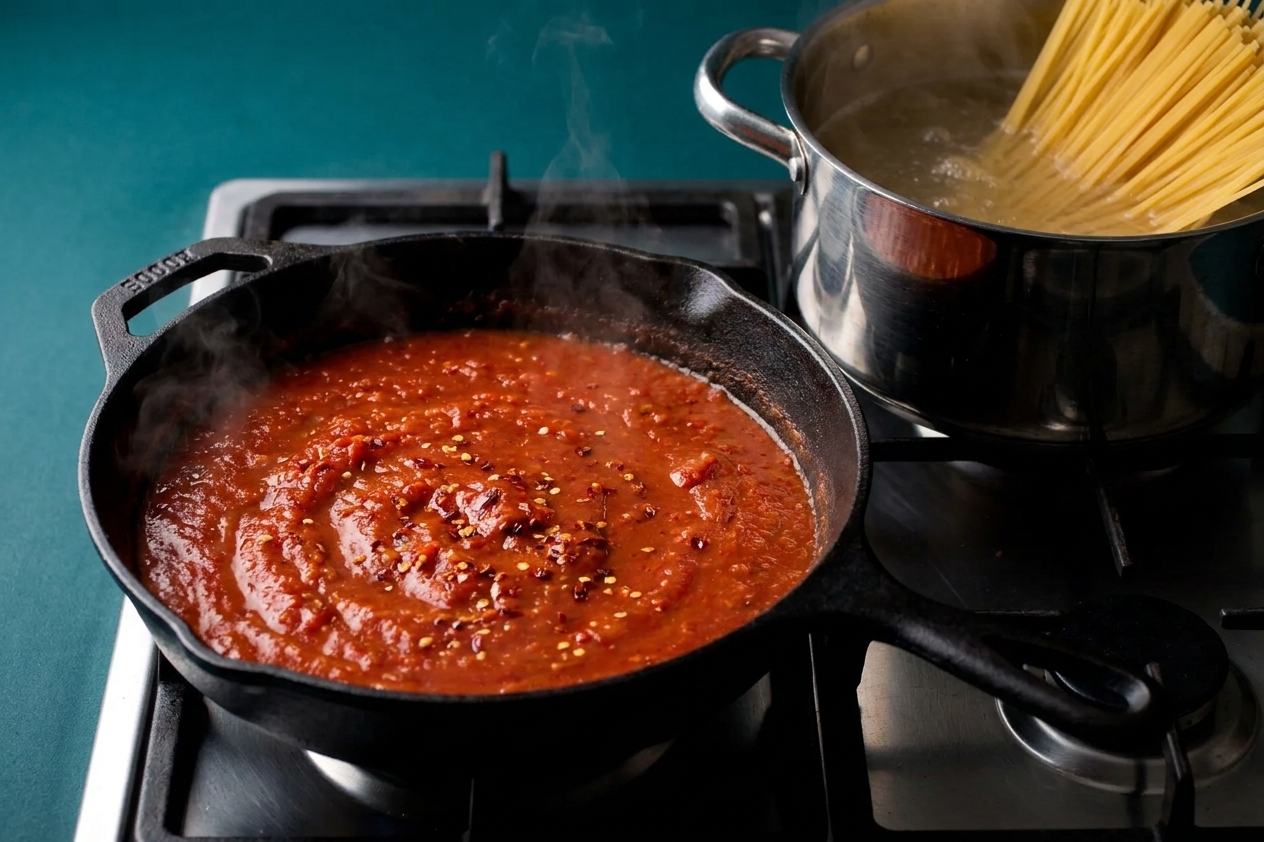
1) Spaghetti with garlicky tomato and chili
Why it works: A quick simmer turns canned tomatoes into a glossy sauce, and chili flakes wake everything up.
- Pantry ingredients: spaghetti, canned crushed tomatoes, garlic powder or dried garlic, chili flakes, olive oil, salt
- How to make: Over medium heat, warm olive oil. Add garlic (or a pinch of garlic powder) and chili flakes for 30 seconds, then pour in tomatoes and simmer 10 minutes. Toss with pasta plus a splash of pasta water.
- Easy swaps: Use tomato paste plus broth or water if you are out of crushed tomatoes.
2) Creamy tomato paste pasta
Why it works: Tomato paste cooks down fast, then turns creamy with enough oil plus pasta water, whisked hard.
- Pantry ingredients: short pasta, tomato paste, olive oil, dried oregano, black pepper
- How to make: Over medium heat, fry tomato paste in olive oil until it darkens slightly, 2 to 3 minutes (stir often so it does not scorch). Add a ladle of pasta water and whisk until creamy, then toss with pasta.
- Optional add-in: canned tuna or chickpeas for a full meal.
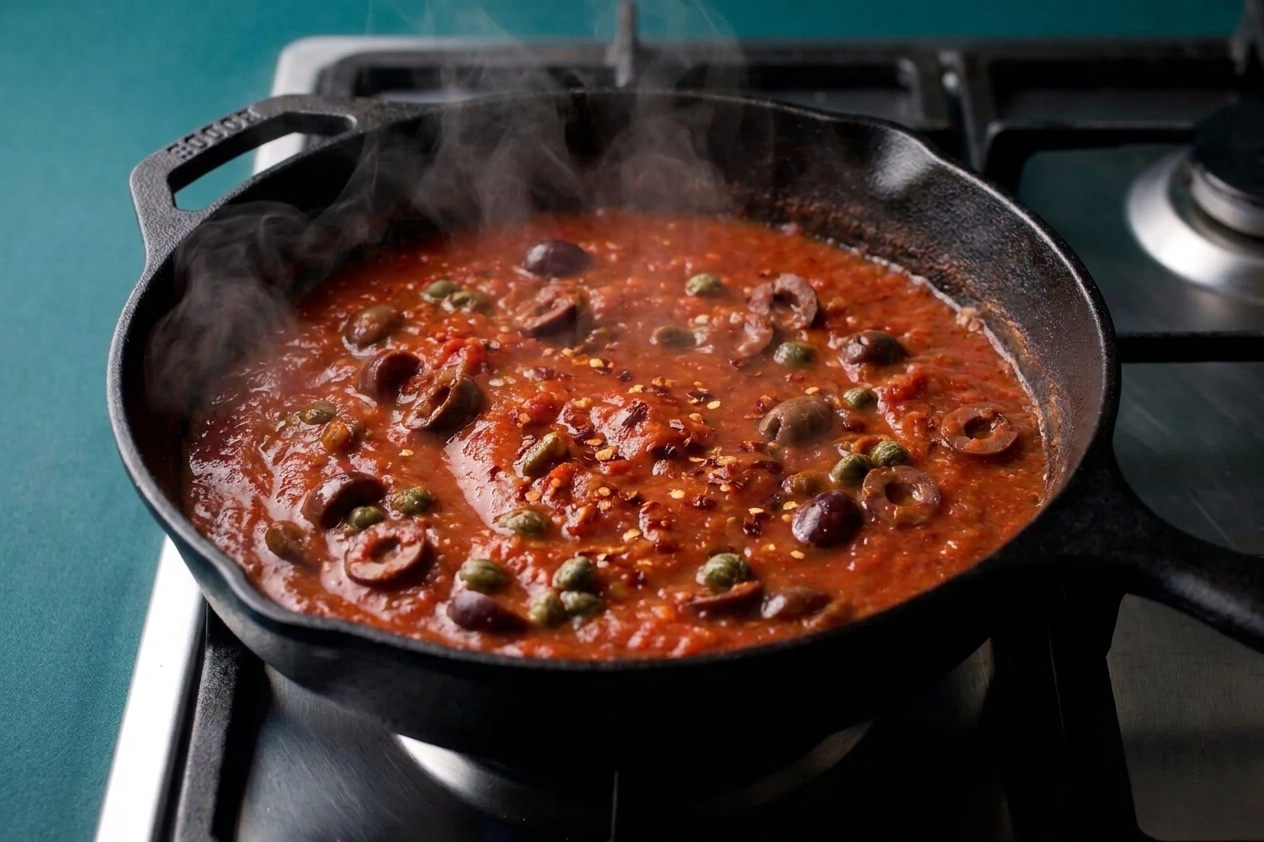
3) Pantry puttanesca
Why it works: Briny ingredients do the heavy lifting, even if you keep it simple.
- Pantry ingredients: spaghetti, canned tomatoes, olives, capers, garlic or garlic powder, chili flakes
- How to make: Simmer tomatoes with garlic and chili. Stir in chopped olives and capers at the end so they stay punchy, not dull.
- Easy swaps: No capers? Add a spoon of pickle brine or a splash of vinegar right before serving.
4) Pasta e ceci
Why it works: A can of chickpeas plus a bit of tomato becomes a thick, cozy sauce.
- Pantry ingredients: small pasta (ditalini or elbows), canned chickpeas, canned tomatoes, broth, rosemary or Italian seasoning
- How to make: Simmer chickpeas, tomatoes, and broth 10 minutes. Add pasta directly to the pot and cook until tender, adding water if needed.
- Waste-less tip: Mash a few chickpeas in the pot to thicken without extra ingredients.
- Heads up: It will thicken as it sits. Loosen with a splash of hot water or broth right before serving.
5) Lentil bolognese-ish
Why it works: Lentils mimic the hearty texture of meat sauce with zero fuss.
- Pantry ingredients: pasta, canned lentils, canned tomatoes, tomato paste, onion powder, dried basil
- How to make: Simmer tomatoes with tomato paste and seasonings. Stir in lentils and warm through, then toss with pasta.
- If using dried lentils: Simmer separately until tender, then stir into the sauce. Brown or green lentils usually take 20 to 30 minutes. Add water as needed.
- Easy swaps: Use canned beans if you are out of lentils.
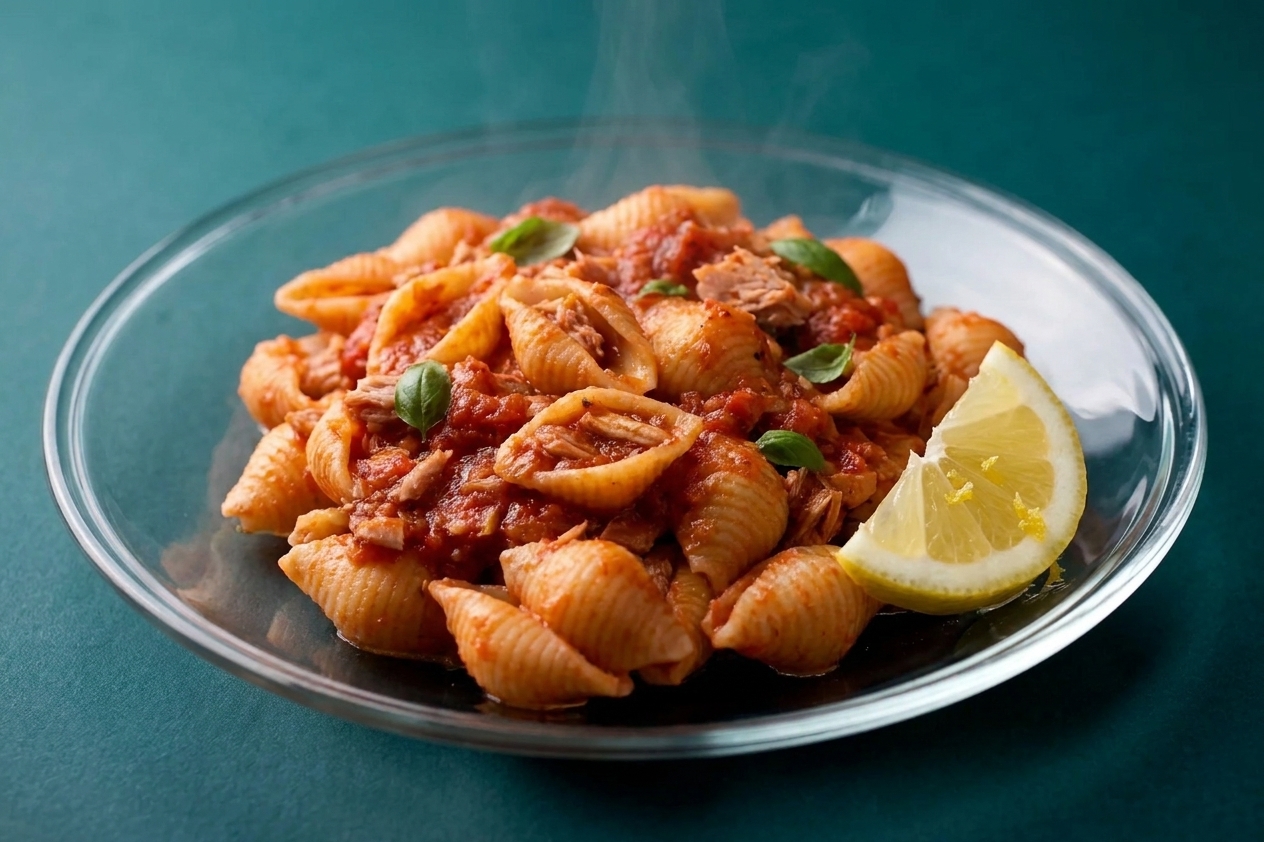
6) Tuna tomato pasta with lemony finish
Why it works: Tuna melts into the sauce and tastes surprisingly “restaurant” with a bright finish.
- Pantry ingredients: pasta, canned tuna, canned tomatoes, garlic or garlic powder, olive oil, lemon juice or vinegar
- How to make: Simmer tomatoes with garlic and olive oil. Flake in tuna, toss with pasta, then add lemon juice or vinegar to taste.
- Flavor cue: If it tastes flat, it needs more acid or more salt, not more sauce.
7) White bean “alfredo” without cream
Why it works: Blended white beans create a creamy sauce with pantry-only ingredients.
- Pantry ingredients: pasta, canned cannellini beans, garlic powder (or garlic), olive oil, broth, black pepper
- How to make: Blend beans with broth, olive oil, and garlic (or garlic powder) until smooth. Warm in a pan, loosen with pasta water, then toss with pasta.
- Easy swaps: Use chickpeas for a slightly nuttier sauce.
8) Pasta with sardines, chili, and breadcrumbs
Why it works: Sardines are rich and savory, and toasted breadcrumbs add the crunch you miss when you do not have fresh herbs.
- Pantry ingredients: spaghetti, canned sardines, garlic or garlic powder, chili flakes, breadcrumbs, olive oil
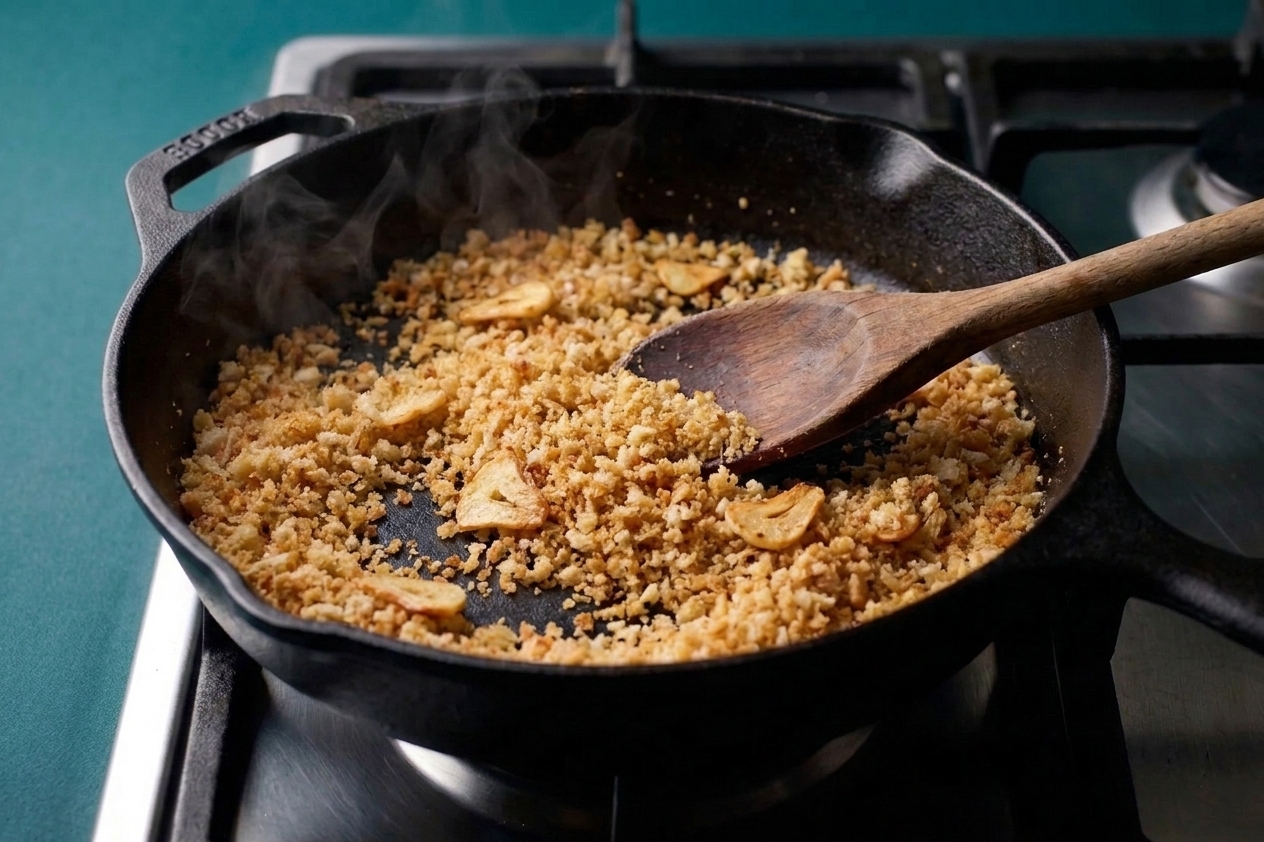
- How to make: Toast breadcrumbs in olive oil until golden. Add garlic (or garlic powder) for the last 30 seconds. In the same pan, warm sardines (drained if packed in a lot of oil, otherwise use that oil) with chili flakes and gently break them up. Toss with pasta and a splash of pasta water, then top with breadcrumbs.
- Optional comfort note: If you spot any larger bones and they bother you, remove them. (Most are soft and totally edible.)
- Easy swaps: Canned tuna works too, but sardines typically bring more punch.
9) Brothy tomato noodle soup
Why it works: It is dinner and a hug, especially when you are low on everything else.
- Pantry ingredients: small pasta, broth, canned tomatoes, Italian seasoning
- How to make: Simmer broth and tomatoes 10 minutes. Add pasta and cook until tender. Finish with olive oil and plenty of pepper.
- Optional add-in: canned beans stirred in at the end.
10) Coconut curry tomato pasta
Why it works: Coconut milk plus tomato becomes a creamy, lightly sweet sauce that loves spice.
- Pantry ingredients: pasta, canned tomatoes, canned coconut milk, curry powder or curry paste, salt
- How to make: Simmer tomatoes with curry. Start with 1 to 2 teaspoons curry powder or paste (paste is often stronger and saltier) and adjust from there. Add coconut milk and reduce slightly. Toss with pasta and a splash of pasta water.
- Easy swaps: No curry powder? Try smoked paprika plus cumin for a different but delicious direction.
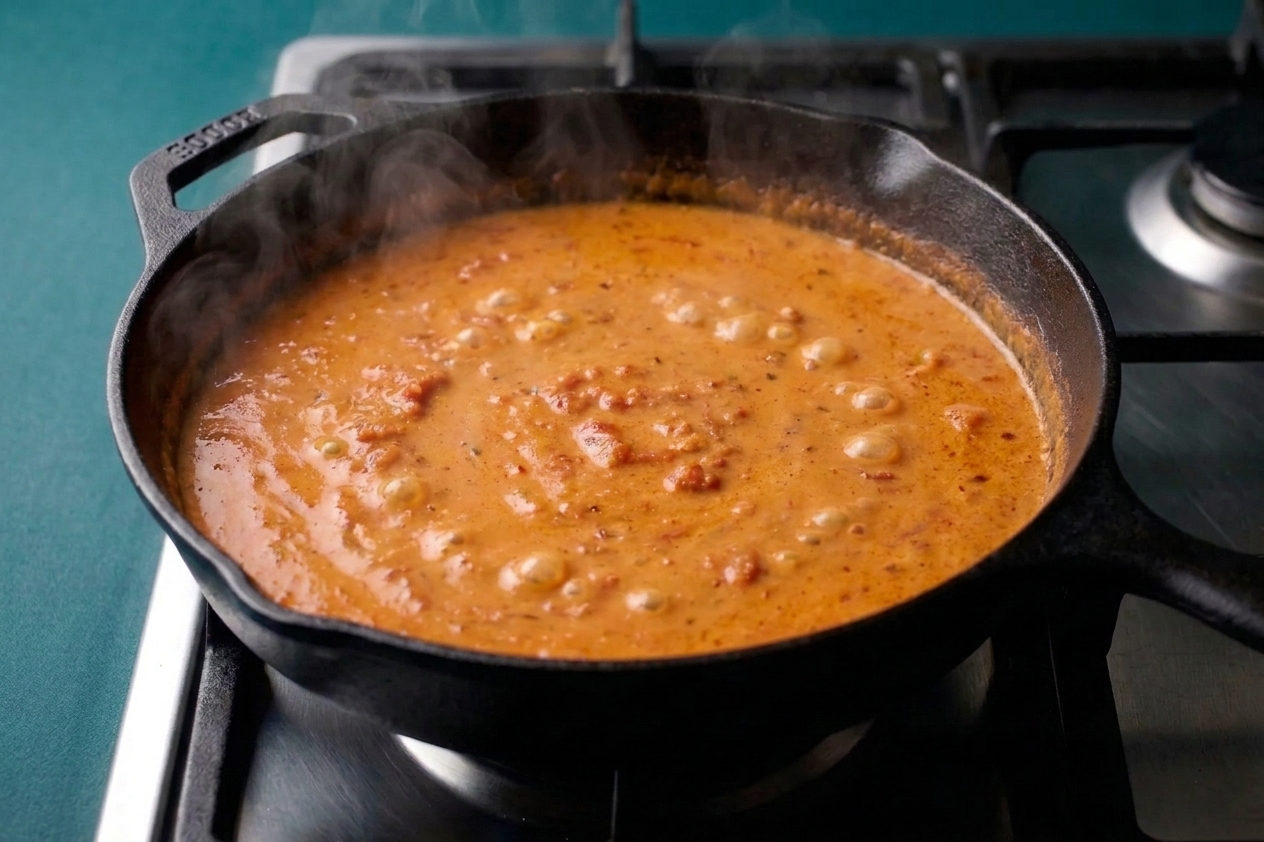
11) Pantry arrabbiata
Why it works: Using both paste and tomatoes gives you sweetness, depth, and heat quickly.
- Pantry ingredients: penne, tomato paste, canned tomatoes, garlic or garlic powder, chili flakes
- How to make: Over medium heat, fry paste with garlic and chili flakes, add tomatoes, simmer 8 to 10 minutes, then toss with pasta.
- Serve with: A drizzle of olive oil right before eating for that glossy finish.
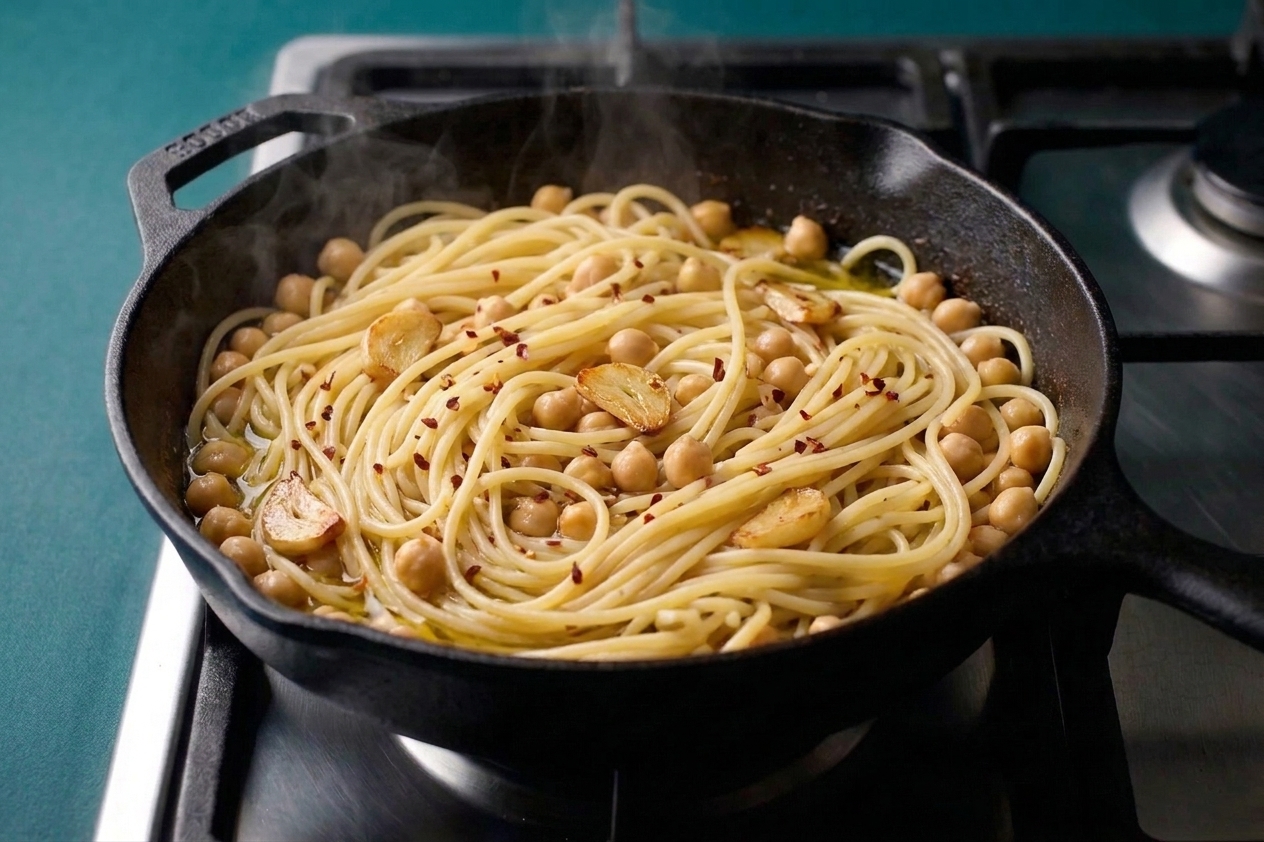
12) Olive oil and garlic spaghetti with chickpeas
Why it works: This is aglio e olio energy, but chickpeas make it filling.
- Pantry ingredients: spaghetti, canned chickpeas, garlic or garlic powder, olive oil, chili flakes
- How to make: Over medium-low heat, warm garlic and chili flakes in olive oil (keep it gentle so the garlic does not brown too fast). Add chickpeas and a splash of pasta water to create a light sauce, then toss with pasta.
- Acid boost: Add lemon juice or a teaspoon of vinegar at the end.
13) Tomato bean ragù
Why it works: Beans plus tomatoes turn into a spoonable ragù that clings to any shape of pasta.
- Pantry ingredients: pasta, canned beans (kidney, pinto, or white beans), canned tomatoes, onion powder, dried thyme or oregano
- How to make: Simmer tomatoes with seasonings. Stir in drained beans and warm through. Toss with pasta and pasta water.
- Texture cue: If it feels thin, simmer 2 minutes more. If it feels thick, add pasta water.
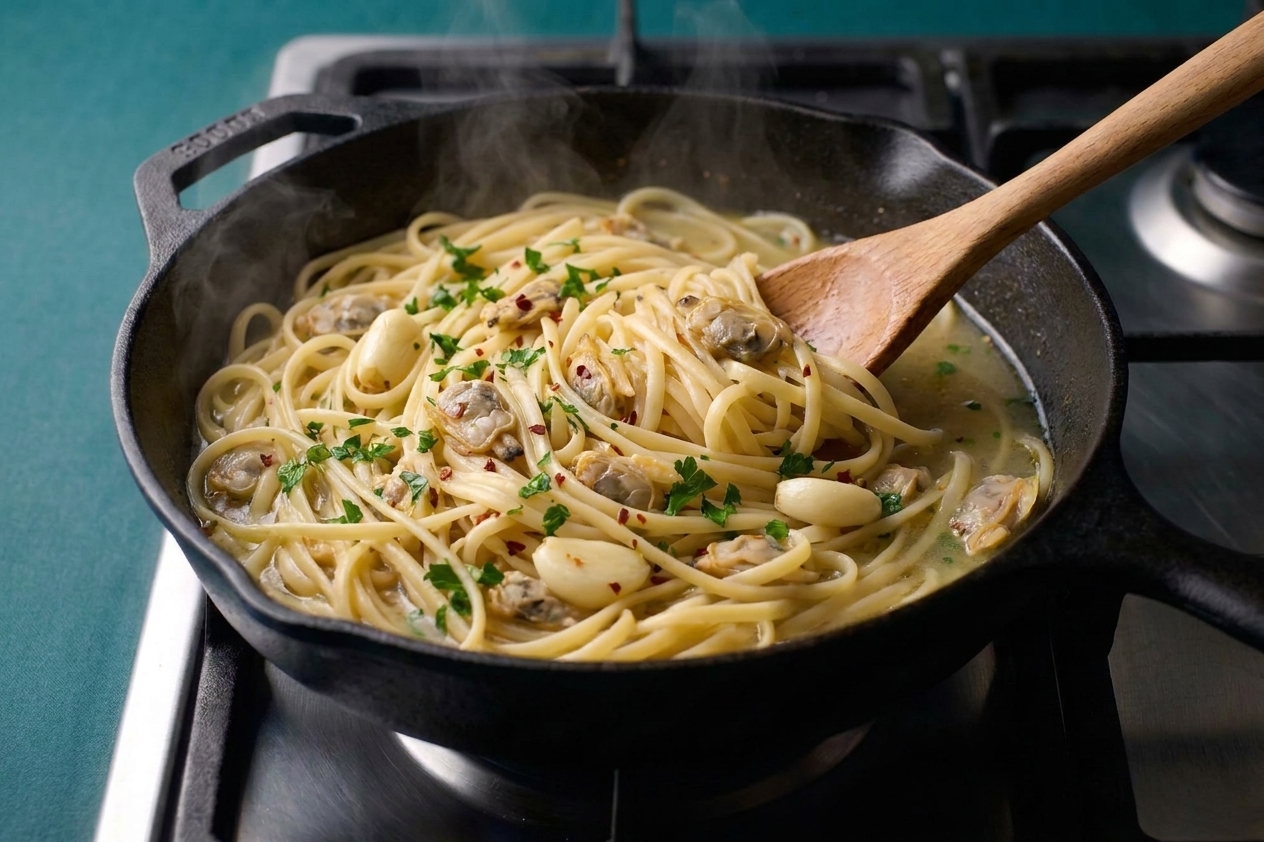
14) “Clam” pasta with canned clams and broth
Why it works: Canned clams plus their juice make an instant seafood sauce. Broth stretches it.
- Pantry ingredients: linguine, canned clams, broth, garlic or garlic powder, olive oil, black pepper
- How to make: Warm garlic in olive oil over medium-low heat. Add clams with their juice and a splash of broth. Simmer 2 minutes, toss with pasta, finish with pepper and a squeeze of lemon if you have it.
- Quick safety note: Use the clam juice in the can, but if anything smells off, do not risk it. Toss it.
- Easy swaps: Use canned tuna if clams are not your thing.
15) One-pot tomato orzo with beans
Why it works: Orzo cooks like rice, so it turns pantry tomatoes and broth into a creamy, risotto-ish dinner.
- Pantry ingredients: orzo, broth, canned tomatoes, canned white beans, dried basil
- How to make: Simmer broth and tomatoes, stir in orzo, and cook until tender, stirring often. Add beans at the end to warm through.
- Heads up: Orzo keeps drinking liquid as it sits. If it gets too thick, loosen with hot broth or water.
- Finish: Olive oil and vinegar or lemon to brighten.
Quick swaps
- No canned tomatoes: Use tomato paste plus broth or water. Start with 2 tablespoons paste per 1 cup liquid and adjust.
- No broth: Use water plus extra salt and a little olive oil. Add a pinch of dried herbs for help.
- No garlic or onion: Use garlic powder or onion powder. Add early so it blooms in oil.
- No parmesan: Use a spoon of miso, a few chopped olives, or capers for savory depth.
- Out of long pasta: Any shape works. Short pasta is especially good for chunky sauces with beans.
- Want a veggie boost: Stir in frozen peas or frozen spinach at the end, or add a handful of jarred roasted red peppers.
Make it taste like more
These are my three go-to upgrades when dinner tastes like it is missing something.
- Salt: Add in small pinches, then taste again. Beans and pasta need more than you think, but canned foods can be salty already.
- Acid: A teaspoon of vinegar or a squeeze of lemon at the end makes tomato sauces taste brighter and less flat.
- Fat: A drizzle of olive oil right before serving gives shine and carries flavor.
Breadcrumb magic: If you have breadcrumbs or crushed crackers, toast them in olive oil with garlic powder. Sprinkle on top of any pasta for instant texture.
Storage and reheating
Most of these thicken in the fridge because pasta keeps absorbing liquid. Reheat gently with a splash of water or broth, stirring until it loosens back up. For oily pastas, a tiny extra drizzle of olive oil at the end helps bring everything back to life.
FAQ
What pasta shapes work best for pantry sauces?
Short shapes like penne, rigatoni, and fusilli are ideal for chunky sauces with beans or tuna. Long pasta like spaghetti and linguine love smoother tomato-based sauces. Small pasta (orzo, ditalini) is perfect for one-pot and soup-style dinners.
How do I keep pantry pasta from tasting watery?
Simmer your sauce long enough to reduce, and use pasta water to emulsify. Toss pasta in the sauce for 1 to 2 minutes instead of pouring sauce over noodles. That finishing toss is where the magic happens.
Can I make these without olive oil?
Yes. Use any neutral oil you have. If you are truly oil-free, rely on broth and pasta water for moisture, then use acid and salt generously to keep flavors lively.
What is the best protein to keep in the pantry for pasta nights?
Canned chickpeas and canned tuna are my top two because they are versatile across tomato, oil-based, and creamy bean sauces. Canned lentils are also fantastic for fast, hearty sauces.