When my brain is done for the day, I want dinner to feel like a soft landing. One-pot pasta is exactly that: noodles simmer right in the sauce, the starch thickens everything into something glossy and cozy, and you only wash one pot. This is my Portland weeknight love language.

Below are six go-to one-pot pastas that are fast, forgiving, and big on flavor. I will also walk you through the small technique moves that keep one-pot pasta from turning soupy, under-seasoned, or mushy.
If you try one of these, pick a finish that makes you happy: a squeeze of lemon, a shower of Parmesan, or a crunchy handful of toasted nuts. Lazy does not mean bland. It just means smart.

Why this recipe works
- Use less liquid than you think. Start with just enough to barely cover the pasta once it is nestled in the pot. You can always add a splash later.
- Stir early, then chill. Stir frequently for the first 3 to 4 minutes to prevent sticking. After that, stir occasionally so you do not break delicate shapes.
- Simmer, do not rage-boil. A steady simmer cooks evenly and gives starch time to thicken the sauce.
- Season in layers. A pinch of salt at the start, then taste near the end. Finish with acid (lemon, vinegar) and something salty (Parmesan, feta, miso) for balance.
- Hold back quick-cooking add-ins. Greens, seafood, and tender herbs go in at the end so they stay vibrant.

Ingredient notes
Liquid: Start with just enough broth or water to barely cover the pasta once it is nested in the pot; add a splash later if needed.
Salt: Season in layers. If using broth, start small and adjust near the end.
Quick-cooking add-ins: Greens, seafood, and tender herbs go in at the end so they stay vibrant.
Finishes: Acid (lemon, vinegar, lime) and something salty (Parmesan, feta, miso, soy sauce) help keep the sauce from tasting flat.
Broccoli stems: Peel, slice thin, and add them with the pasta so they soften in time.
Rice noodles: If using rice noodles for the curry peanut noodles, turn off the heat before adding them and let them soak in the hot sauce until tender, stirring often. They overcook fast.

Equipment you will need
- Medium pot (or a deep skillet or sauté pan)
- Wooden spoon or sturdy spoon for stirring
- Measuring cups and spoons
- Whisk (helpful for smoothing curry paste, coconut milk, soy sauce, and peanut butter)
A deep skillet or sauté pan is great because it reduces faster, which means a thicker sauce. Just keep an eye on evaporation and add splashes of hot water as needed.
Pro tips
- Keep hot liquid nearby. Keep 1 cup hot water (or broth) nearby and add it a splash at a time if the pot looks dry before the pasta is done.
- Fix a loose sauce fast. If it looks a little loose at the end, simmer 1 to 2 minutes uncovered, stirring, until it tightens up.
- Stir strategically. Stir frequently for the first 3 to 4 minutes to prevent sticking, then stir occasionally.
- Finish with balance. Add acid and a salty finish in small amounts, tasting after every addition.
Substitutes that work
- Butter or oil: Use butter or olive oil for the lemon garlic orzo.
- Broth or water: Use low-sodium broth or water, and add more as needed during cooking.
- Italian seasoning: Use Italian seasoning or dried oregano.
- Cream: Use 1/2 cup heavy cream or 3/4 cup half-and-half for the creamy tomato basil.
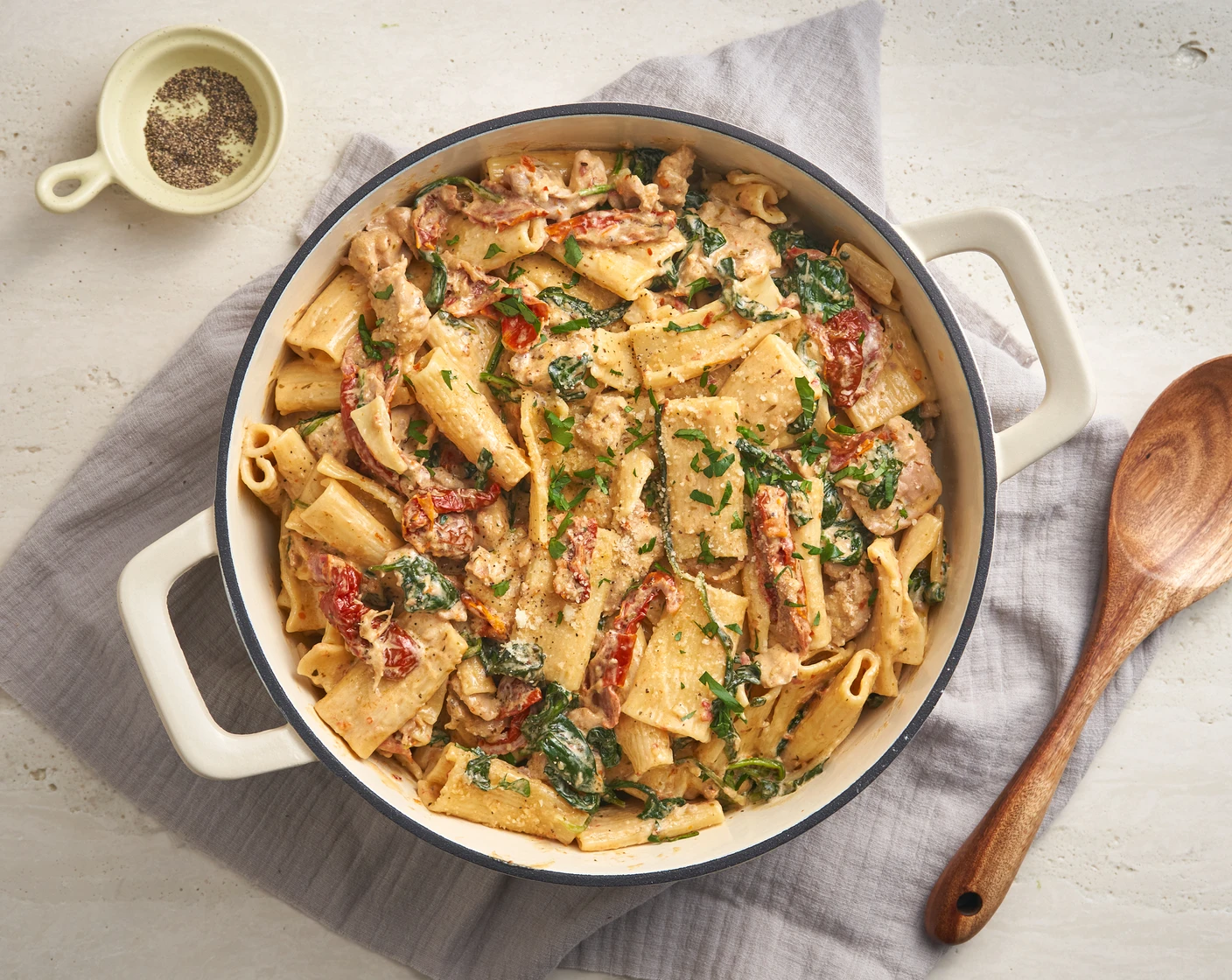
- Sausage: Use pork, chicken, or plant-based Italian sausage.
- Acid finish: Use 1 tbsp lemon juice or 2 tsp red wine vinegar (sausage and broccoli).
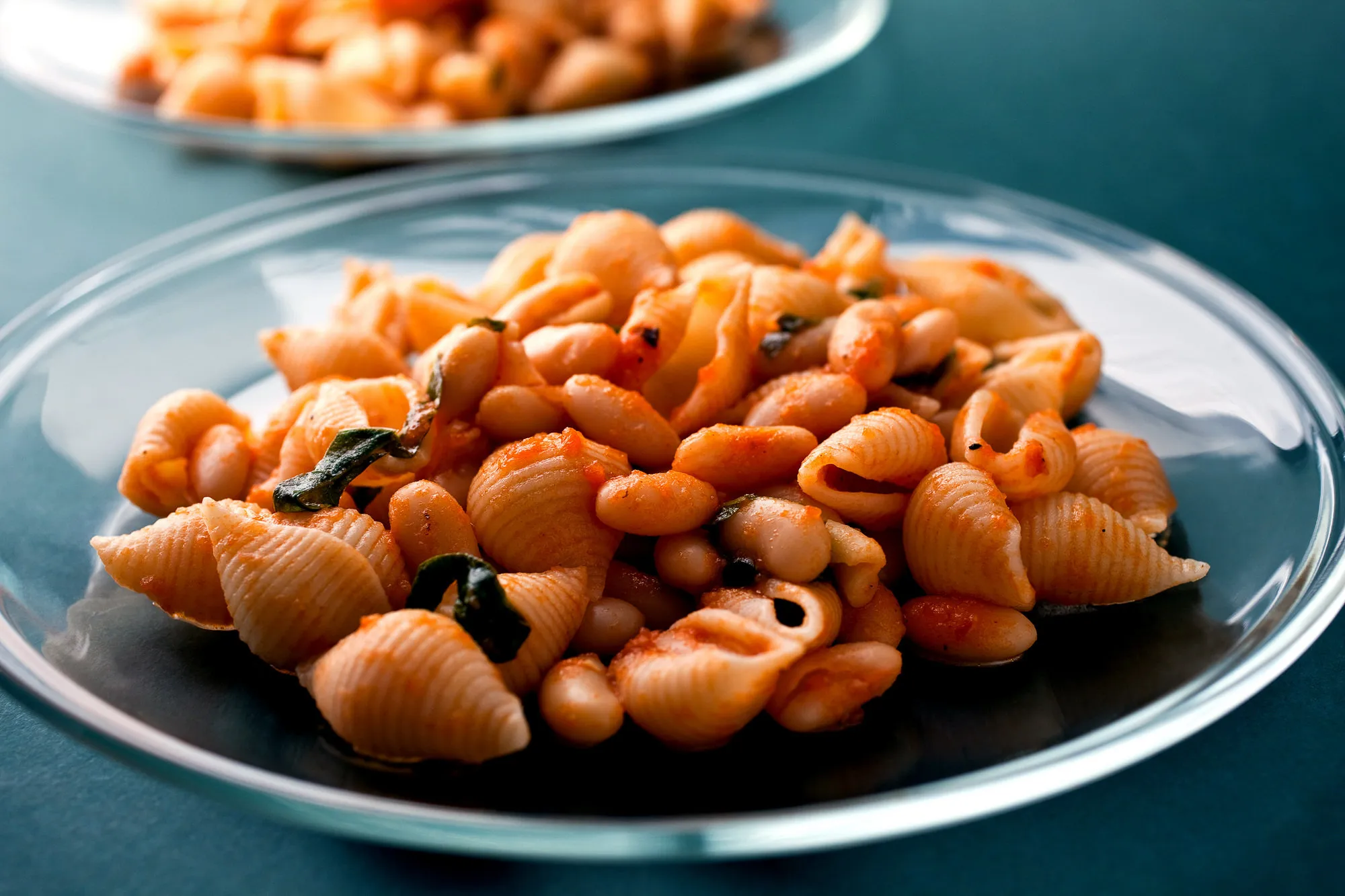
- Pasta shape: Use penne or fusilli; orecchiette or small shells; spaghetti or linguine.
Variations
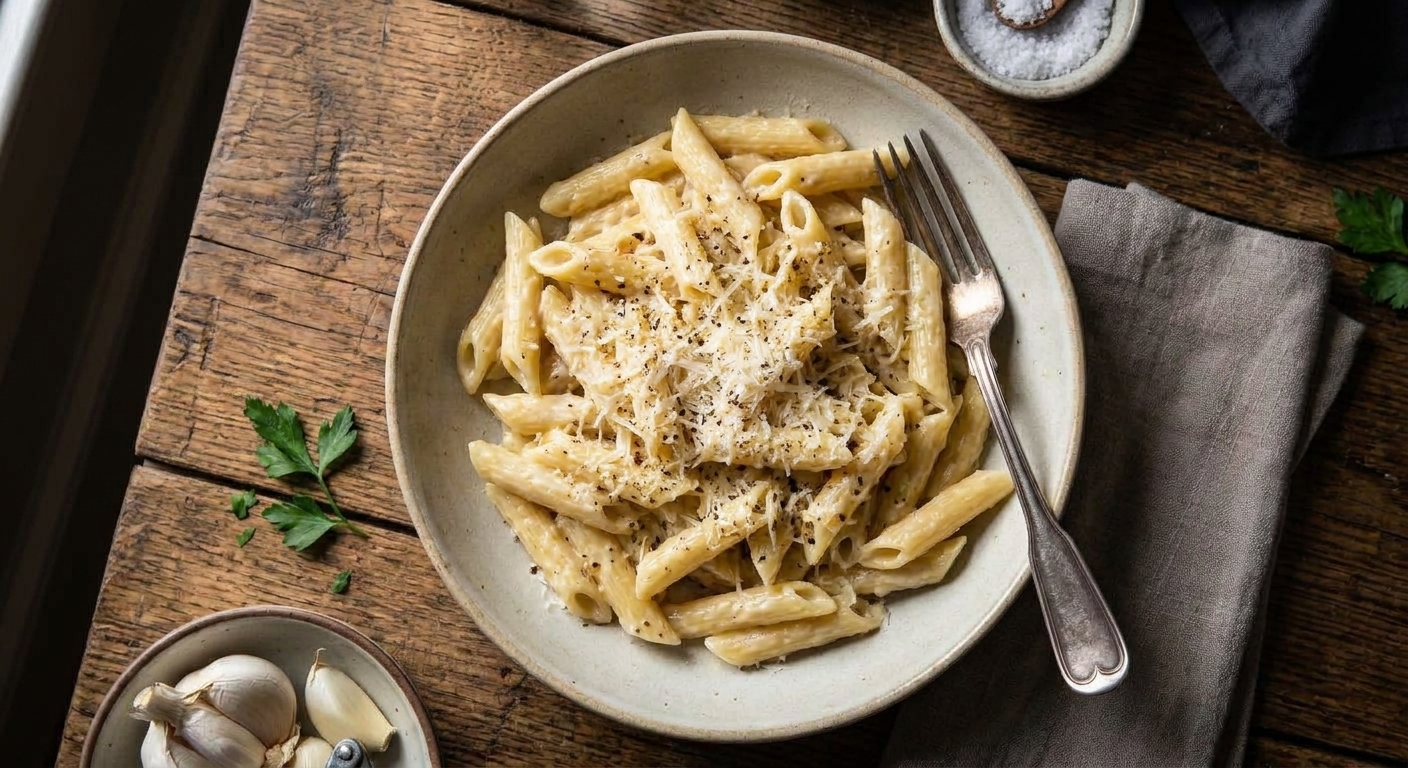
- Lemon Garlic Orzo: Stir in shredded rotisserie chicken or a drained can of white beans with the spinach to make it heartier.
- Mac with Cauliflower: Stir in a handful of frozen peas at the end, or top with buttery toasted breadcrumbs if you have the energy.
- Pantry Puttanesca: Anchovies are traditional, but you can get the same savory depth with capers, olives, and a little extra Parmesan.
Serving ideas
- Finish with a squeeze of lemon, a shower of Parmesan, or a crunchy handful of toasted nuts.
- Top curry peanut noodles with chopped peanuts and cilantro (optional).
- Add parsley for serving to pantry puttanesca (optional).
- Serve creamy tomato basil with extra Parmesan.
Storage and reheating
Cool, then refrigerate in an airtight container for up to 3 days. Reheat with a splash of water or milk, stirring gently, because the pasta keeps absorbing liquid as it sits.
Common mistakes
- Too soupy: Simmer uncovered for 1 to 3 minutes, stirring. Add a handful of Parmesan or a spoon of tomato paste (tomato-based sauces).
- Too thick or sticking: Add hot water or broth 1/4 cup at a time and stir to loosen.
- Pasta is done but sauce tastes flat: Add acid (lemon, vinegar) and a salty finish (Parm, feta, soy sauce) in small amounts. Taste after every addition.
- Mushy pasta: Next time, use a slightly larger pot, keep it at a gentle simmer, and start checking 2 minutes early. For tonight, lean into it and add greens and cheese to make it feel intentional.

FAQ
Can I do one-pot pasta in a skillet instead of a pot?
Yes. A deep skillet or sauté pan is great because it reduces faster, which means a thicker sauce. Just keep an eye on evaporation and add splashes of hot water as needed.
Should I rinse the pasta first?
No. The whole point is using the pasta starch to thicken the sauce.
Can I make these gluten-free?
Usually yes, but gluten-free pasta can release starch differently and go from firm to soft quickly. Start checking early and be ready to add a touch more liquid. If you are using rice noodles, use the soak-in-hot-sauce method from the curry peanut noodles.
How do I store leftovers?
Cool, then refrigerate in an airtight container for up to 3 days. Reheat with a splash of water or milk, stirring gently, because the pasta keeps absorbing liquid as it sits.
Quick One-Pot Pasta for Lazy Evenings
Six fast, forgiving one-pot pastas for lazy evenings: creamy tomato basil, lemon garlic orzo, sausage and broccoli, pantry puttanesca, curry peanut noodles, and mac with cauliflower.
- Prep
- 10 minutes
- Cook
- 15 minutes
- Total
- 25 minutes
- Yield
- Serves 4
Ingredients
- 12 oz (340 g) penne or fusilli
- 1 tbsp olive oil
- 4 cloves garlic, minced
- 1 tsp Italian seasoning or dried oregano
- 1 (28 oz) can crushed tomatoes
- 1 1/2 cups (360 ml) low-sodium broth or water, plus more as needed
- 1 tsp kosher salt, plus more to taste
- Pinch red pepper flakes (optional)
- 1/2 cup (120 ml) heavy cream or 3/4 cup half-and-half
- 1/2 cup grated Parmesan, plus more to serve
- 1 to 2 cups packed basil leaves
Instructions
- In a medium pot, warm olive oil over medium heat. Add garlic and Italian seasoning and cook 30 seconds until fragrant.
- Add crushed tomatoes, broth, salt, and pepper flakes. Stir, then add pasta and press it down so it is mostly submerged. If the noodles are not just barely covered, add a splash more broth or water.
- Bring to a simmer, then reduce heat to maintain a steady simmer. Cook 10 to 12 minutes, stirring often at first, until pasta is just tender and sauce looks glossy.
- Turn off heat. Stir in cream and Parmesan. Taste and adjust salt.
- Fold in basil right before serving.
Notes
Keep 1 cup hot water (or broth) nearby. Add it a splash at a time if the pot looks dry before the pasta is done. If it looks a little loose at the end, simmer 1 to 2 minutes uncovered, stirring, until it tightens up.
Nutrition
- Calories: ~540
- Fat: ~18 g
- Carbs: ~74 g
- Protein: ~20 g
- Fiber: ~6 g
- Sugar: ~9 g
- Sodium: ~820 mg
Nutrition values are approximate and will vary by specific ingredients and brands used.