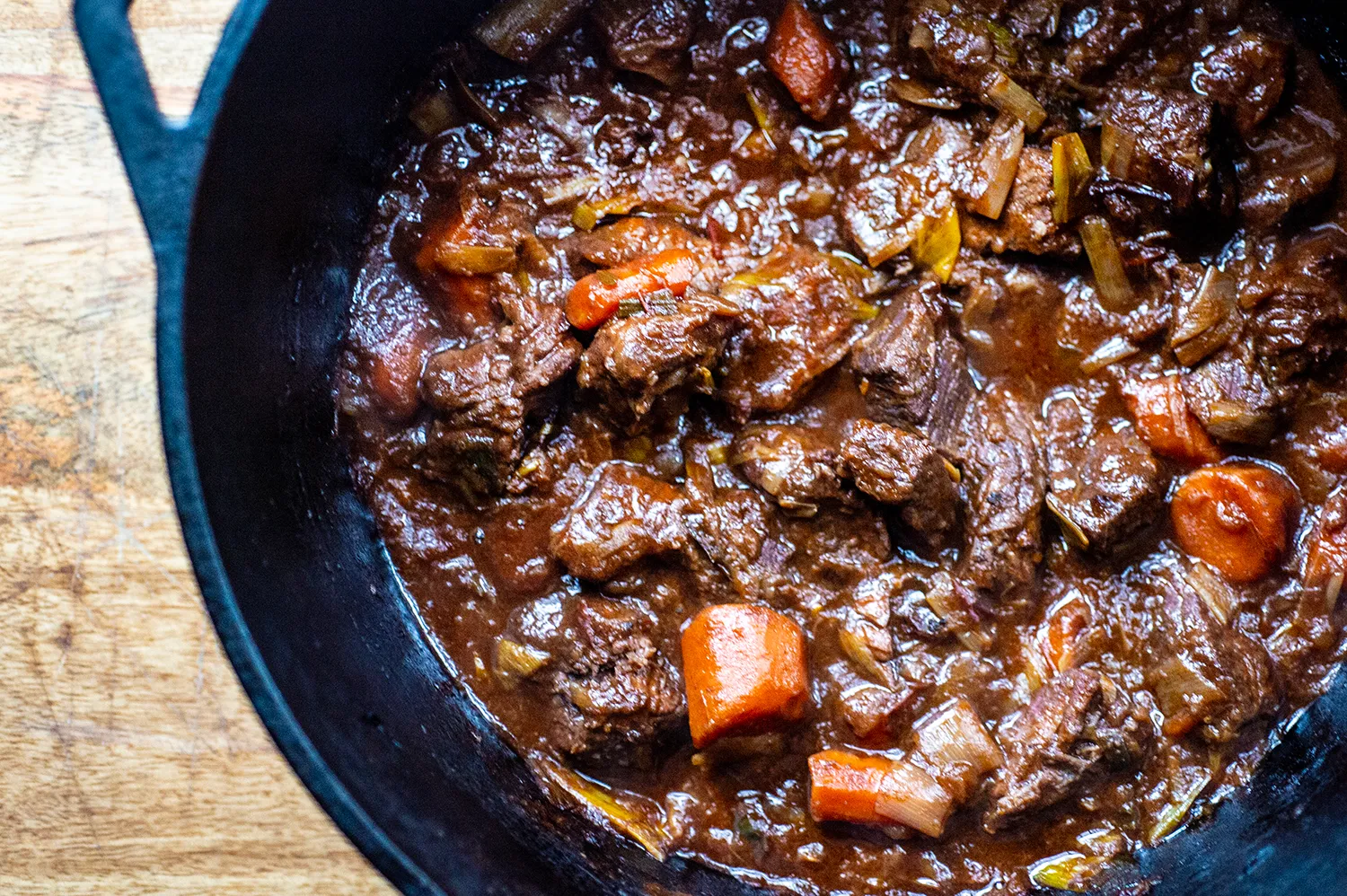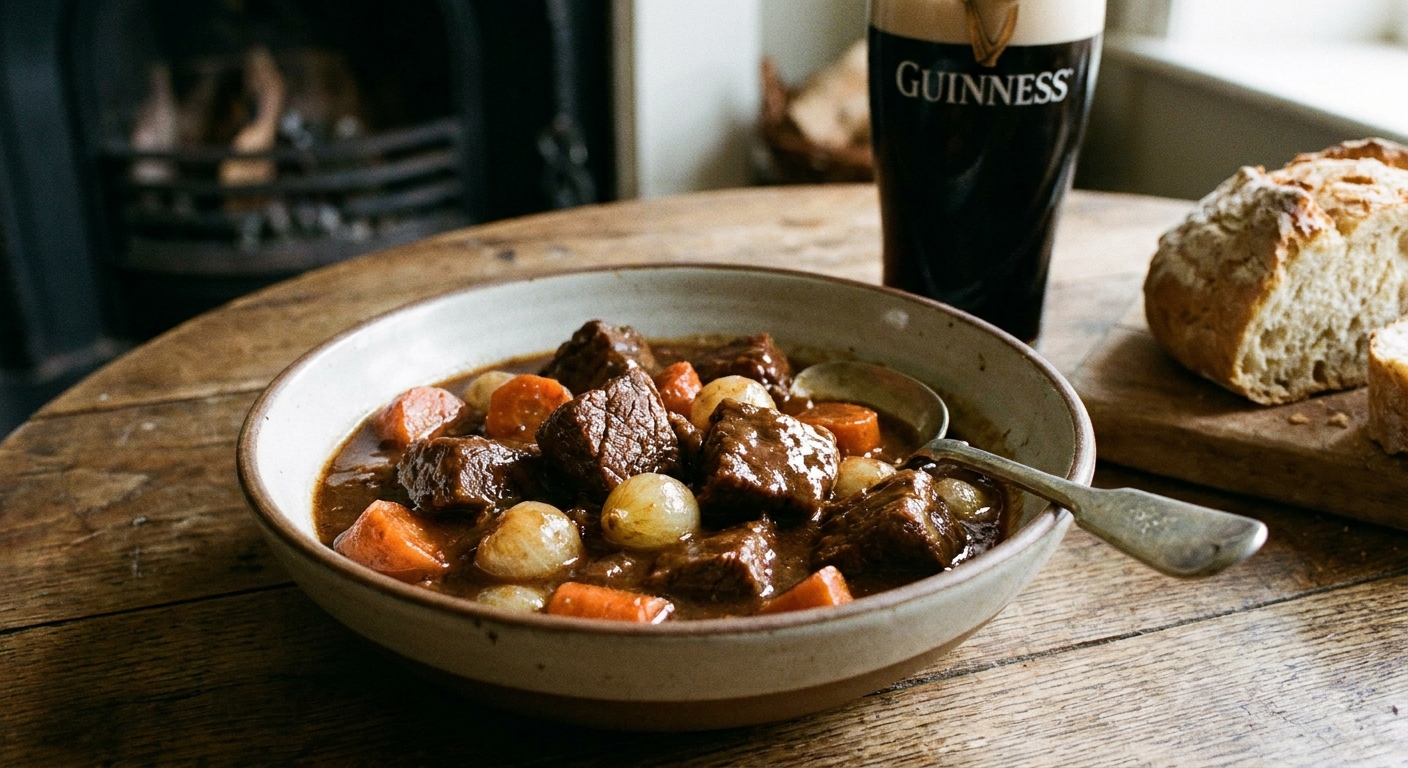


Beef and Guinness stew is the kind of meal that makes your kitchen smell like a little Irish pub. It is deep, malty, savory, and glossy, with beef that can stay in hearty chunks when you cut it nice and big and stop cooking as soon as it turns tender.
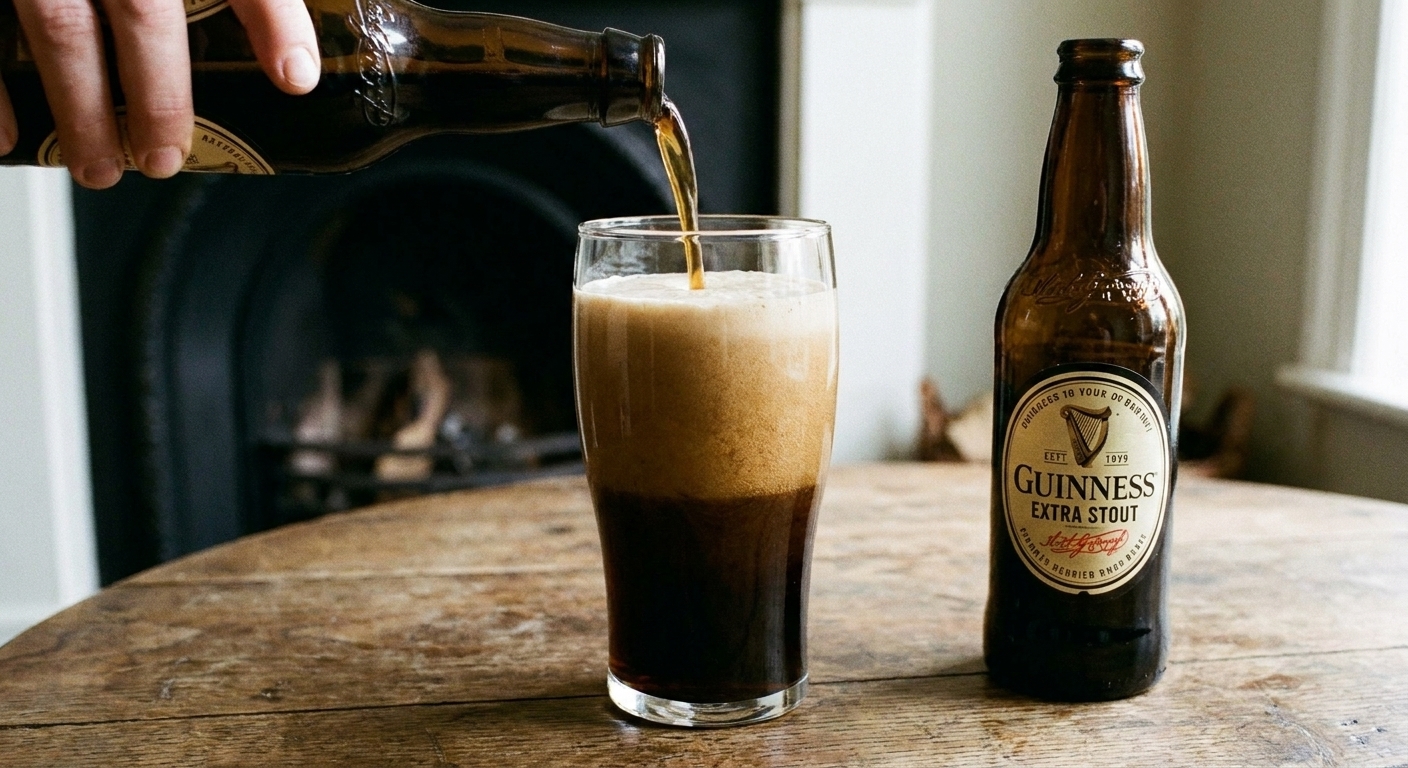
The secret is treating the stout like an ingredient that needs a little coaching. Guinness can read sharp or harsher than you want if the rest of the pot is not pulling its weight. I like to boil it for a few minutes right after deglazing to reduce it slightly and drive off some alcohol and those sharper, boozy aromas. The flavor does concentrate as it reduces, but once it is balanced with the browned bits, onions, and broth, the stout tastes rounder and toastier in the gravy.
This version is built for real life. You will brown the beef, soften onions, add carrots, deglaze with Guinness, then braise low and slow until the chuck is tender but still holds its shape. I am also giving you an easy liquid rule so you do not end up with soup, plus a clear doneness cue so you can pull it at the exact right moment.
Why this recipe works
- Reducing the Guinness helps smooth sharp notes. A quick boil after deglazing drives off some alcohol and softens the sharper beer aroma, so the stout tastes rounder once it is balanced with the browned fond, aromatics, and broth.
- Chuck is the right cut for chunky tenderness. With enough time, the collagen melts into the sauce, and the meat can still stay in big pieces if you keep the simmer gentle and stop cooking once it is tender.
- Flour plus stout makes a naturally thick, glossy gravy. Lightly flouring the beef and simmering after adding the beer thickens without needing cornstarch.
- Just enough broth prevents a watery stew. The liquid should come about three quarters of the way up the meat and vegetables, not fully cover them. The lid does the rest.
Ingredient notes
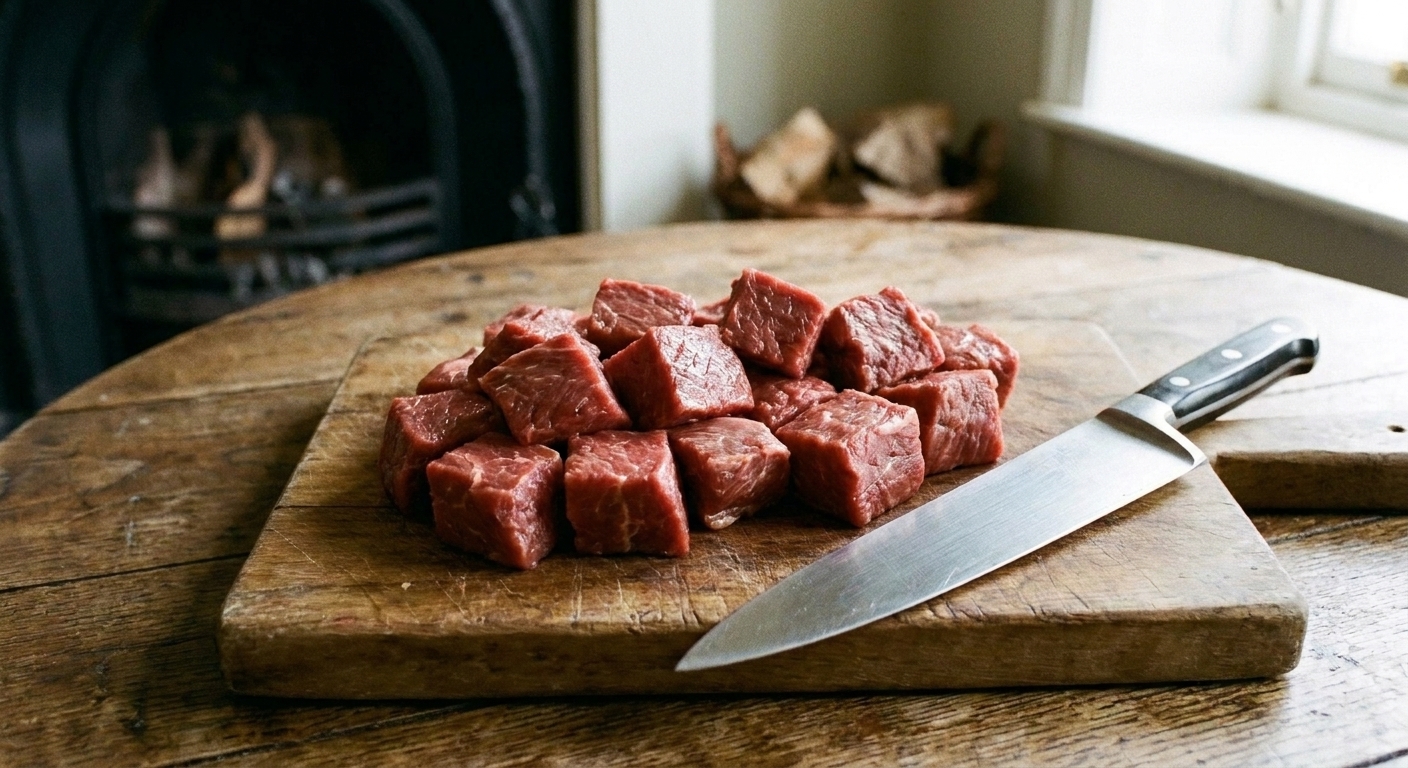
- Beef chuck: Look for well-marbled chuck roast and cut it into 1 1/2 to 2-inch pieces. Bigger pieces are your friend here because they stay chunkier through the braise.
- Guinness: Guinness Draught is classic, but any dry Irish stout works. Avoid very hoppy beers. Hops plus long simmer can read bitter.
- Onions and carrots: These are the backbone. Cut carrots thick so they do not turn to mush by the time the beef is tender.
- Tomato paste: Not to make it taste like tomato. Just a tablespoon or two deepens color and boosts savoriness.
- Beef broth: Use low-sodium if possible so you can control salt at the end.
- Thyme and bay leaf: They make the stout taste more like stew and less like beer.
- Vinegar or lemon (optional but smart): A tiny splash at the end wakes everything up. Stout-based stews love a little acid.
Equipment you will need
- Heavy Dutch oven with a lid (5 to 7 quarts) for even browning and a steady braise
- Tongs for turning beef without tearing it
- Wooden spoon to scrape up browned bits after adding the beer
- Chef's knife and cutting board
- Measuring spoons
Pro tips
- Dry the beef before flouring. Patting the beef dry helps it brown instead of steaming. Better browning equals better gravy.
- Brown in batches. Crowding is the fastest way to get gray meat and a thin-tasting stew.
- Reduce the stout until it smells mellow. After you add Guinness, boil 3 to 5 minutes. The smell should shift from sharp beer to maltier and toastier.
- Liquid level rule: After adding broth, the liquid should come about three quarters of the way up the beef and vegetables. Add more only if needed later.
- Doneness cue for chunky chuck: Start checking around 1 hour 45 minutes. You want pieces that yield easily when pierced with a fork, but do not fall apart when you lift one. If it shreds, it went a little long.
- Finish with acid and salt. Taste at the end and add a pinch of salt and a teaspoon of vinegar or lemon juice. This is the difference between good and pub-level great.
Substitutes that work
- No Guinness: Use another dry stout. In a pinch, use a brown ale, but reduce it a bit longer and expect a lighter, sweeter gravy.
- No beef broth: Chicken stock works. The stout brings plenty of beefy depth.
- Gluten-free: Skip the flour on the beef. Thicken at the end with a cornstarch slurry (1 tablespoon cornstarch mixed with 1 tablespoon cold water), simmering until glossy.
- No tomato paste: Leave it out, or add 1 teaspoon Worcestershire for savory depth.
- No fresh herbs: Dried thyme is fine. Use about 1 teaspoon dried thyme in place of 1 tablespoon fresh.
Variations
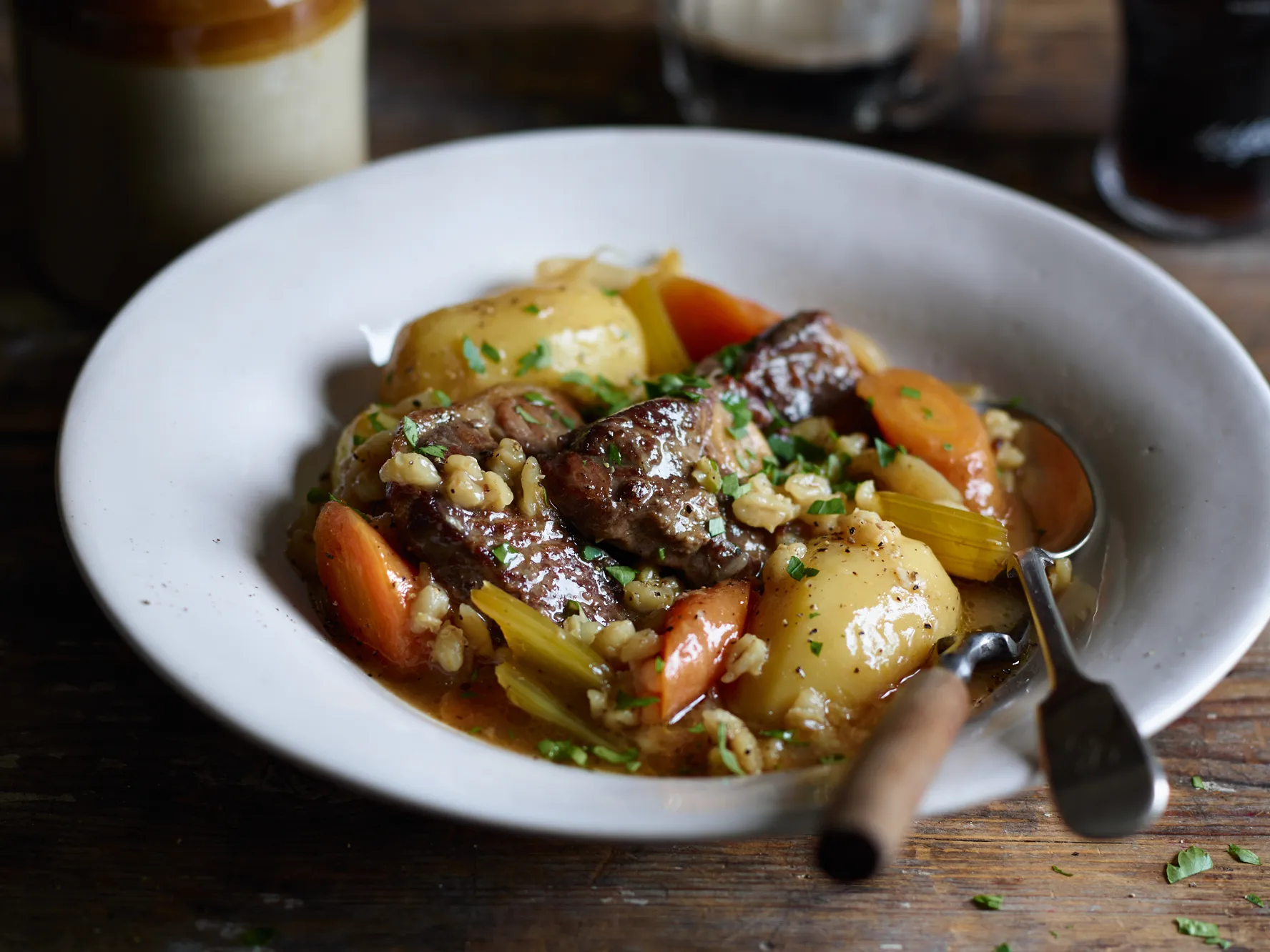
- Add potatoes: Stir in 1-inch chunks of Yukon Gold potatoes during the last 45 to 60 minutes so they cook through without disintegrating.
- Add mushrooms: Brown 8 ounces of cremini mushrooms after the onions, then continue. They echo the roasted stout flavor.
- Add bacon: Cook 4 slices chopped bacon first, use the fat to brown the beef, and stir the bacon back in near the end.
- Slightly spicy: Add a pinch of black pepper and a tiny pinch of cayenne. Not traditional, but very cozy.
Serving ideas
- Mashed potatoes: My favorite. The gravy soaks in and makes everything taste like more than the sum of its parts.
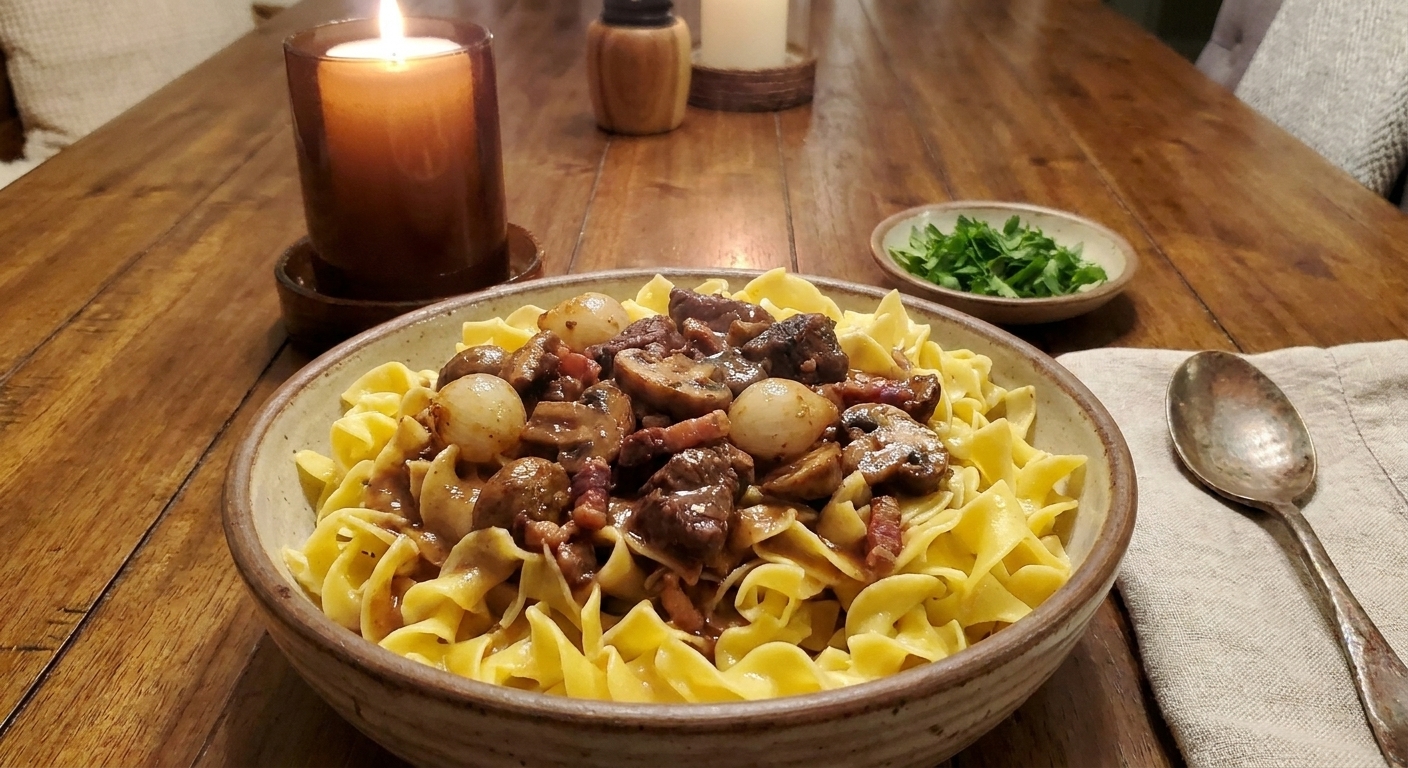
- Buttered egg noodles: Very weeknight-friendly and great for stretching leftovers.
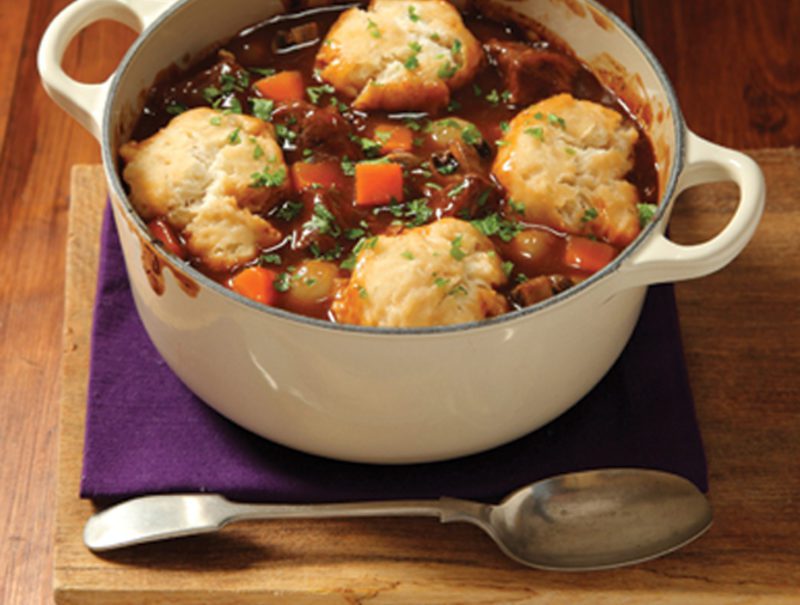
- Crusty bread or soda bread: For dunking, obviously.
- Something green: A simple lemony arugula salad balances the richness.
Storage and reheating
- Refrigerate: Cool, then store airtight for up to 4 days. The flavor gets even better on day two.
- Freeze: Freeze in portions for up to 3 months. Thaw overnight in the fridge before reheating for best texture.
- Reheat: Warm gently on the stove over medium-low, stirring occasionally. Add a splash of broth or water if the gravy tightens too much.
Common mistakes
- Skipping the beer reduction: If your stew tastes sharp, this is usually why. Boil the stout for a few minutes after deglazing to cook off some alcohol and soften that boozy edge in the aroma.
- Boiling instead of simmering: A hard boil can make beef tough and encourages shredding. Keep it at a bare simmer.
- Adding too much liquid: This is a braise, not a soup. Keep liquid below the top of the meat and vegetables, then adjust later.
- Cutting beef too small: Small cubes overcook fast and fall apart. Bigger chunks stay chunkier.
- Under-seasoning at the end: Long-simmered stews need a final salt and acid check to taste alive.
FAQ
Does Guinness make the stew bitter?
It can taste sharper or harsher than you want if the stew is not balanced. Boil the Guinness 3 to 5 minutes before adding broth. That quick reduction drives off some alcohol and softens the sharp beer aroma, and the stout tastes rounder once it is balanced with the fond, aromatics, and broth.
How much liquid should I add?
A good rule is three quarters coverage. After you add stout and broth, the liquid should come about three quarters of the way up the beef and vegetables. If everything is fully submerged, you will get a thinner stew.
How do I know when the chuck is done but still in chunks?
Start checking around 1 hour 45 minutes. A fork should slide in with little resistance, and a piece should lift without falling apart. If it shreds when you pick it up, it has gone a bit long. Still delicious, just less chunky.
Can I make this in the oven instead of the stovetop?
Yes. After bringing everything to a simmer on the stove, cover and braise at 300°F until the beef is tender, usually 2 to 2 1/2 hours. Oven braises are very steady and forgiving.
Can kids eat this?
The alcohol cooks off during the simmer and braise, but if you prefer to avoid beer entirely, use extra broth plus a tablespoon of Worcestershire and a teaspoon of brown sugar for some of the stout-like depth.
Beef and Guinness Stew
Tender chunks of beef chuck braised in Guinness with onions and carrots until rich and cozy, finished into a glossy stout gravy with a mellow roasted flavor.
- Prep
- 25 minutes
- Cook
- 2 hours 15 minutes
- Total
- 2 hours 40 minutes
- Yield
- 6 servings
Ingredients
- 3 pounds beef chuck roast, cut into 1 1/2 to 2-inch chunks
- 1 1/2 teaspoons kosher salt, plus more to taste
- 1 teaspoon black pepper
- 3 tablespoons all-purpose flour
- 2 tablespoons neutral oil (like avocado or canola), plus more as needed
- 2 large yellow onions, sliced
- 4 medium carrots, cut into thick 1-inch pieces
- 3 cloves garlic, minced
- 2 tablespoons tomato paste
- 1 (12-ounce) bottle Guinness (or other dry stout)
- 2 to 2 1/2 cups low-sodium beef broth, plus more as needed
- 2 teaspoons Worcestershire sauce
- 1 tablespoon fresh thyme leaves (or 1 teaspoon dried thyme)
- 1 bay leaf
- 1 teaspoon brown sugar (optional, helps round the stout)
- 1 teaspoon apple cider vinegar or fresh lemon juice (optional, for finishing)
- 2 tablespoons chopped fresh parsley (optional, for serving)
Instructions
- Heat the pot. Set a large Dutch oven over medium-high heat and add the oil.
- Season and flour the beef. Pat the beef dry with paper towels. Season with salt and pepper, then toss with flour until lightly coated. Shake off excess flour.
- Brown the beef in batches. Add beef in a single layer and brown well on 2 sides, 3 to 4 minutes per side. Transfer to a plate and repeat with remaining beef, adding a splash more oil if the pot looks dry.
- Soften the onions. Reduce heat to medium. Add onions and a pinch of salt. Cook, stirring and scraping up browned bits, until onions are softened and lightly golden, 8 to 10 minutes.
- Add carrots and garlic. Stir in carrots and cook 2 minutes. Add garlic and cook 30 seconds, just until fragrant.
- Toast the tomato paste. Stir in tomato paste and cook 1 minute, stirring constantly, until it darkens slightly and coats the vegetables.
- Deglaze with Guinness and reduce. Pour in the Guinness and scrape the bottom of the pot thoroughly. Bring to a boil and boil 3 to 5 minutes, until the beer aroma softens and the liquid reduces slightly.
- Add broth and aromatics. Stir in 2 cups broth, Worcestershire, thyme, bay leaf, and brown sugar if using. Return the browned beef and any juices to the pot. The liquid should come about three quarters of the way up the meat and vegetables. Add up to 1/2 cup more broth if needed.
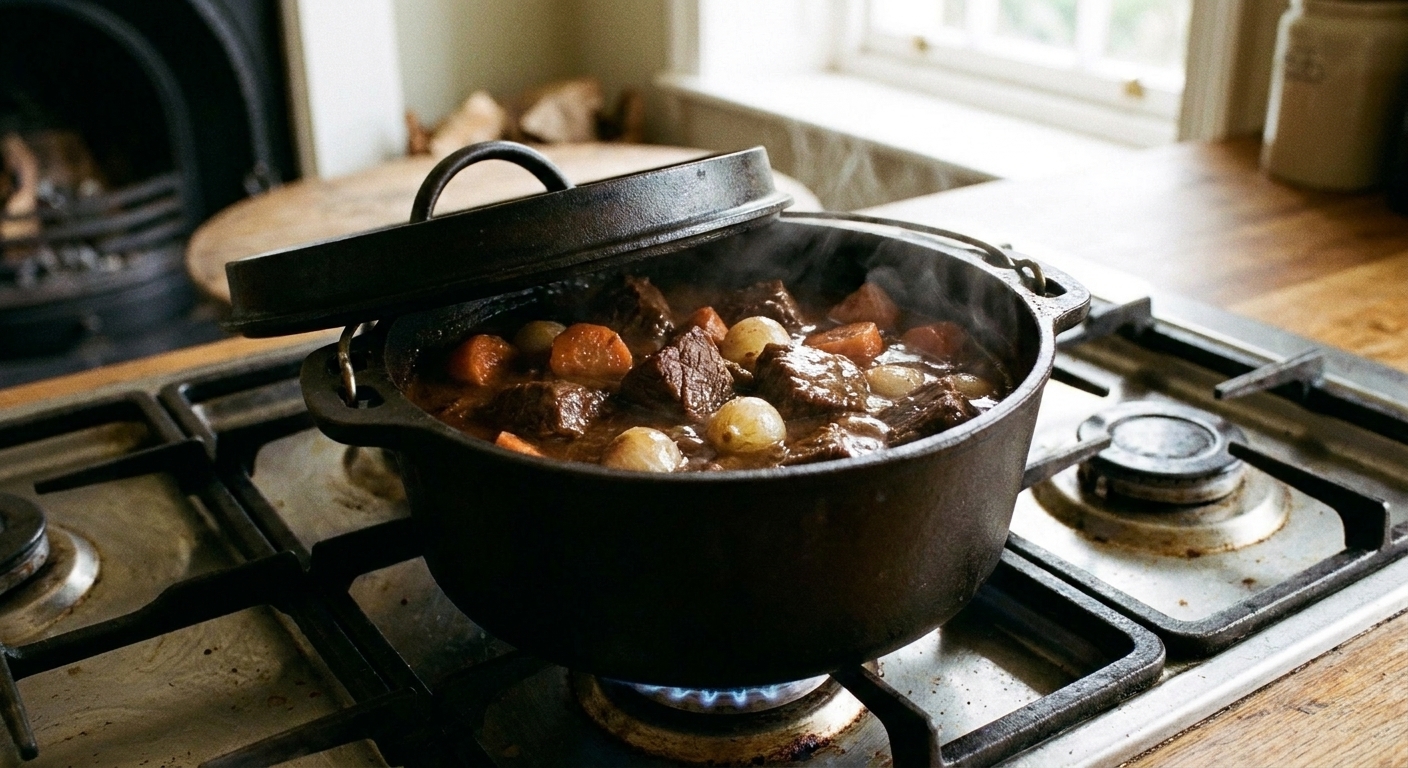
- Braise gently. Bring to a bare simmer, then cover and cook on low heat for 2 to 2 1/2 hours, stirring once or twice, until the beef is tender but still holds together.
- Check doneness the chunky way. A fork should slide in easily, but a piece should lift without falling apart. If it feels tight or chewy, keep simmering and check every 15 minutes. If the stew looks dry at any point, add a splash of broth.
- Finish and balance. Remove bay leaf. Taste and adjust salt and pepper. For a brighter finish, stir in vinegar or lemon juice a teaspoon at a time.
- Serve. Ladle into bowls and top with parsley if using.
Notes
Oven option: After Step 8, cover and braise in a 300°F oven for 2 to 2 1/2 hours, checking once halfway through. Finish as written.
Make-ahead: This stew is even better the next day. Cool, refrigerate overnight, then reheat gently and re-check salt and acid before serving.
Thickness control: If you want it thicker, simmer uncovered for 10 to 15 minutes at the end. If you want it looser, add broth in small splashes.