
I love broccoli cheddar soup for the same reason I loved teaching it in cooking classes: it looks like a restaurant bowl, but the technique is totally learnable on a weeknight. The only real gotcha is the cheese. Cheddar is happiest when it melts into soup that is hot and steamy, but not boiling. Boiling, or aggressive bubbling and stirring after the cheese goes in, can make it split and turn grainy and separated. So we build a gently thickened broth-and-dairy base first, cook the broccoli until tender, then take the pot off the boil before we melt in the cheese.

This version gives you two textures, depending on your mood. You can blend a portion for that silky, spoon-coating body while keeping a few broccoli pieces for bite, or you can leave it mostly chunky for maximum comfort. Either way, you get a soup that tastes rich, then gets a final lift from a small hit of acid, like lemon juice, or a spoonful of Dijon for a little tang and extra roundness, right at the end.
It also reheats well as long as you treat it gently. Warm it over low heat to steaming, not simmering, and do not let it boil. Loosen with a splash of milk or broth if it tightens up in the fridge.
And because I am slightly obsessed with reducing food waste: this soup is a great home for broccoli stems, odds and ends of carrots, and that last nub of cheddar hiding in the drawer.
Why this recipe works
- Roux-built base: A quick butter and flour roux thickens the soup evenly so it feels creamy without needing a ton of cream.
- Cheese goes in off the boil: Adding cheddar when the soup is hot but not bubbling helps it melt smoothly instead of turning grainy.
- Blend-or-chunk flexibility: Pureeing a portion gives you a silky body while keeping texture from broccoli pieces.
- Salt in layers: Light early seasoning builds flavor, and final salt at the end prevents an over-salted pot once the cheese is added.
Ingredient notes
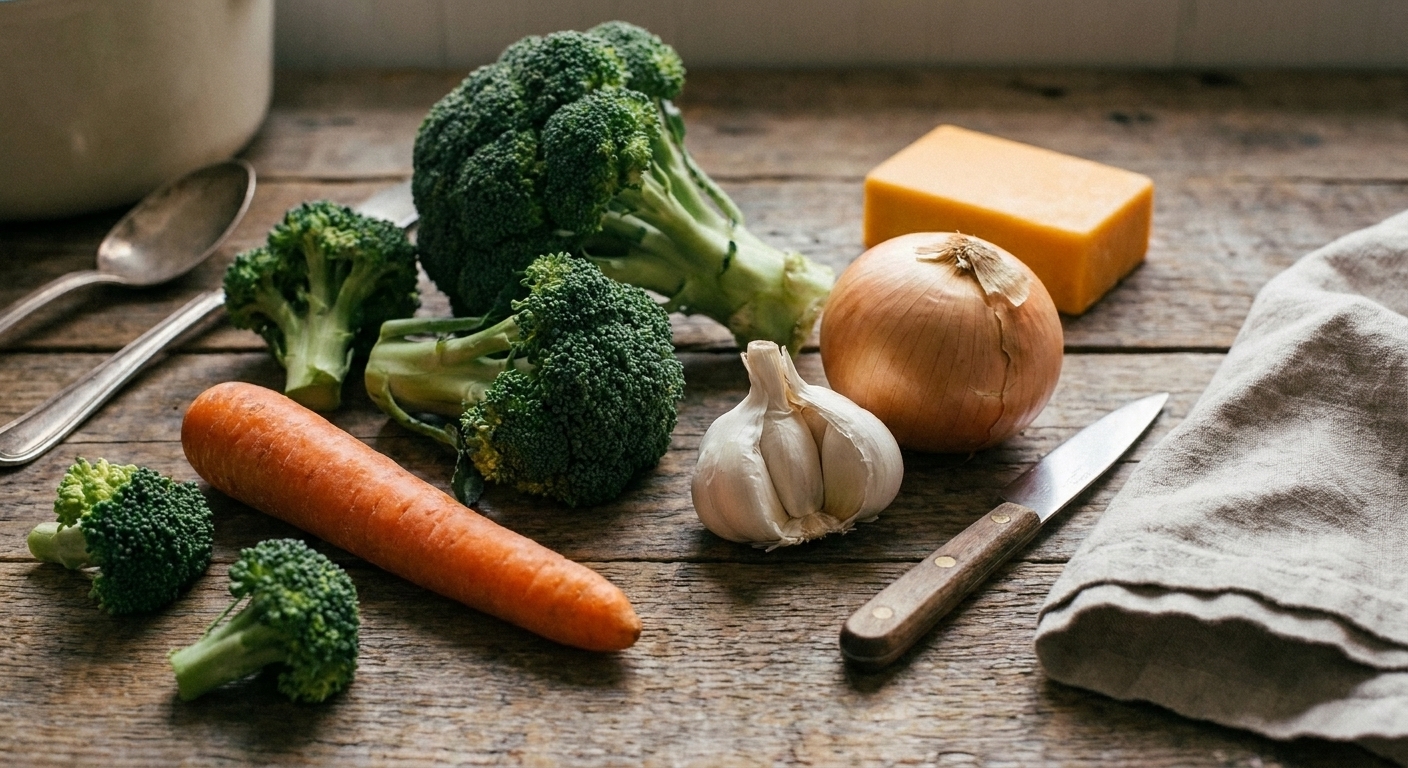
- Broccoli: Florets and peeled stems both work. Stems make the soup extra creamy when blended.
- Cheddar: Sharp cheddar gives the best flavor. Grate it yourself for the smoothest melt.
- Broth: Vegetable or chicken broth both work. Use low-sodium if you like more control over salt.
- Milk (or half-and-half): Milk keeps it weeknight-light. Half-and-half makes it richer. Avoid boiling once dairy is in.
- Aromatics: Onion and garlic are the backbone. Carrot adds sweetness and classic color.
- Acid at the end: A small squeeze of lemon juice or a spoonful of Dijon helps balance the richness.
Equipment you will need
- Large pot or Dutch oven
- Wooden spoon or heatproof spatula
- Box grater (for cheddar)
- Immersion blender (best) or countertop blender
- Measuring cups and spoons
Pro tips
- Grate cheese while the soup simmers: Cold, freshly grated cheese melts more evenly than room temperature chunks.
- Keep the heat gentle after thickening: A thick soup can scorch. Stir from the bottom and along the edges.
- Blend briefly: Over-blending can make broccoli taste slightly dull. Pulse to creamy, then stop.
- Add cheese in small handfuls: Stir until each addition disappears before adding more.
- Make it your thickness: If it feels too tight, loosen with warm broth or warm milk a splash at a time.
Substitutes that work
- Gluten-free: Thicken with a cornstarch slurry (mix cornstarch with cold milk or broth, then whisk in and simmer briefly) instead of a roux.
- No milk: Use additional broth and a little extra cheese for body, or try unsweetened plain oat milk that is labeled barista-style for better heat stability.
- Cheddar swap: Use a mix of cheddar and a melt-friendly cheese like fontina or young gouda for extra smoothness.
- Broccoli swap: Cauliflower can replace part of the broccoli for an even silkier blend.
Variations
- Extra-veg version: Add celery with the onion, and stir in a few handfuls of baby spinach at the end.
- Smoky: Add a pinch of smoked paprika or stir in a spoonful of chipotle in adobo for heat.
- Protein boost: Stir in shredded rotisserie chicken after blending, then heat gently.
- Pub-style: Finish with a small spoonful of Dijon and a dash of Worcestershire for depth.
Serving ideas
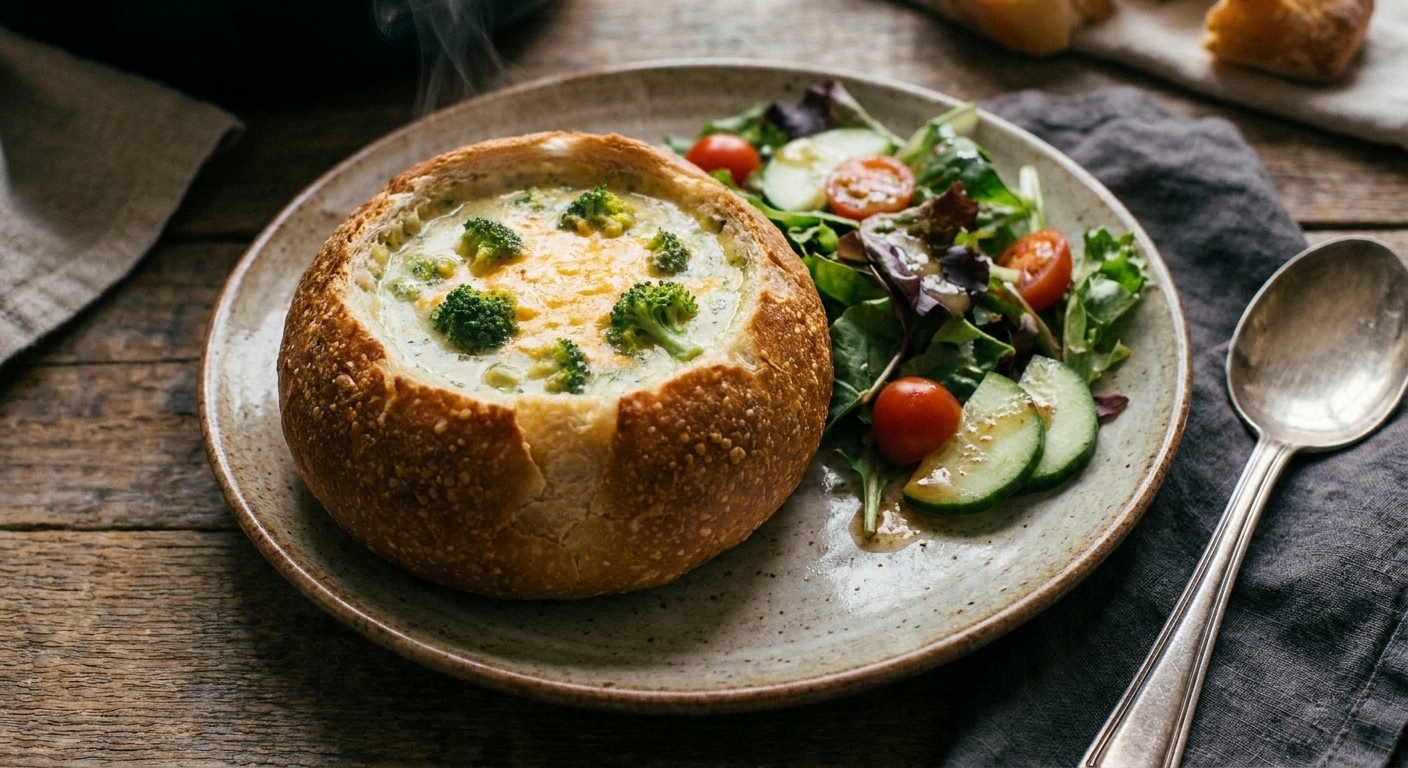
- Serve with toasted sourdough, garlic bread, or croutons.
- Top with extra grated cheddar, black pepper, or sliced chives.
- Add a simple side salad with a bright vinaigrette to balance the richness.
- Make it a cozy lunch: pair with half a sandwich or a warm biscuit.
Storage and reheating
- Refrigerate: Cool, then store in an airtight container for up to 4 days.
- Reheat gently (most important): Warm over low heat, stirring often. Do not boil. If it starts to steam aggressively, turn the heat down.
- Loosen as needed: Add a splash of warm broth or warm milk while reheating to restore the original creamy texture.
- If the cheese looks grainy: Pull the pot off the heat, whisk in a tablespoon or two of warm milk, and keep stirring gently. It often smooths out once the temperature drops.
- Freezing: Cheese soups can separate after freezing. If you must freeze, freeze before adding cheese, then reheat and add cheese off the boil.
Common mistakes
- Boiling after adding cheese: This is the fastest path to grainy, separated soup. Keep it hot, not bubbling.
- Adding all the cheese at once: Cheddar needs time to melt into the base. Add gradually.
- Using only florets and tossing stems: Peeled stems blend beautifully and reduce waste.
- Over-thickening: A too-stiff soup can feel pasty. Thin with warm broth or warm milk until it flows easily off a spoon.
- Under-seasoning at the end: Taste after the cheese goes in, then adjust salt and add a tiny hit of acid for balance.
FAQ
Why did my broccoli cheddar soup turn grainy?
Usually it is heat. If the soup boils, or gets aggressively bubbled and stirred, after the cheese goes in, the proteins tighten and squeeze out fat, which looks grainy or separated. Next time, take the pot off the heat and add cheese slowly. For now, try cooling it slightly and whisking in a splash of warm milk to help it come back together.
Can I use pre-shredded cheddar?
You can, but it is more likely to melt a little chalky because of anti-caking agents. If you do use it, add it extra slowly and keep the heat very low.
How do I make it smooth without a blender?
Chop the broccoli very small and simmer until very tender. The soup will still be creamy from the roux, just with more texture. You can also mash some broccoli against the side of the pot with a spoon.
How do I fix soup that is too thick?
Stir in warm broth for a lighter finish or warm milk for a richer finish, a splash at a time, until it pours easily from a ladle.
When do I add salt?
Salt the vegetables lightly while they cook, then wait for the final seasoning until after the cheese is melted in. Cheese and broth vary a lot in saltiness.
Broccoli Cheddar Soup
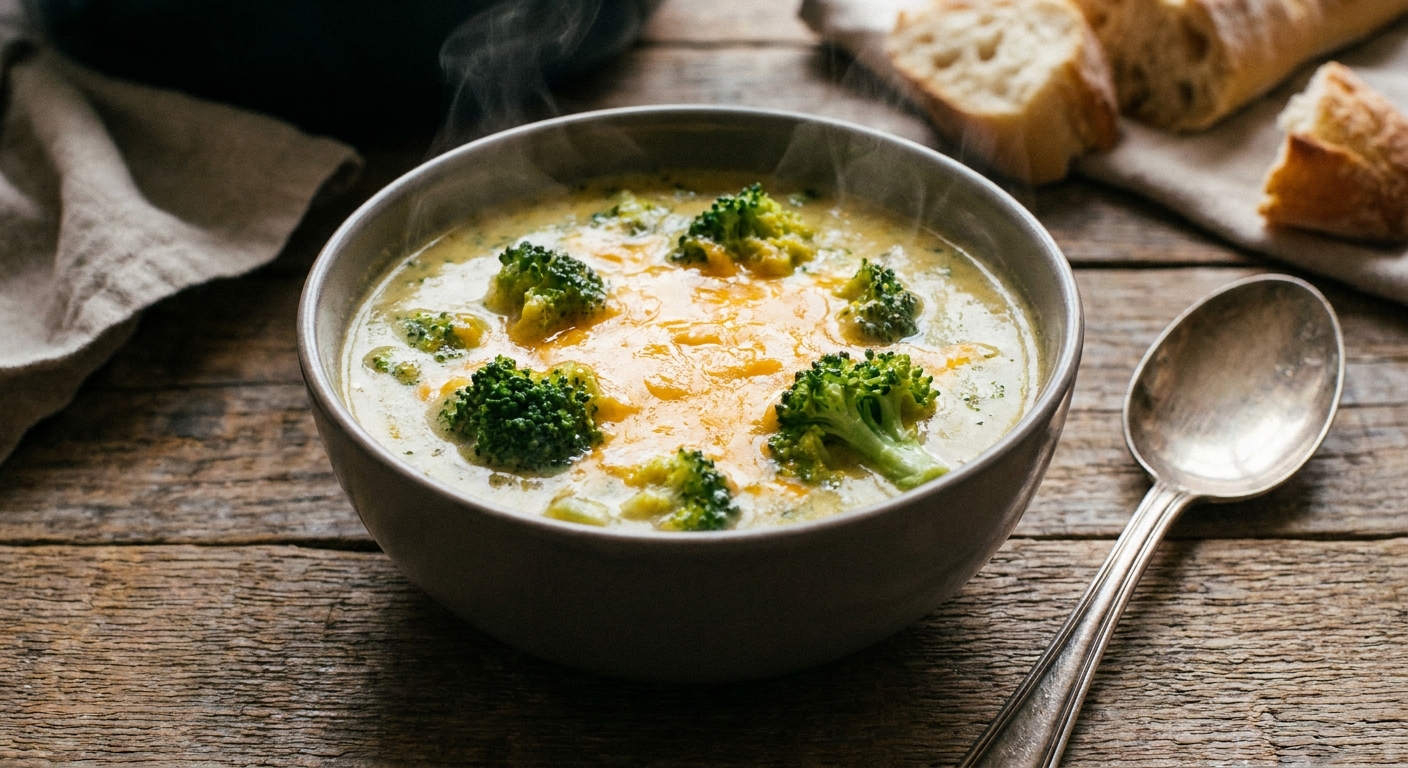
A cozy stovetop broccoli cheddar soup with a simple roux, tender broccoli, and cheddar melted off the heat so it stays silky. Blend all or part for your favorite texture.
- Prep
- 15 minutes
- Cook
- 25 minutes
- Total
- 40 minutes
- Yield
- 6 servings
Ingredients
- 4 tbsp unsalted butter
- 1 medium yellow onion, finely chopped
- 1 medium carrot, peeled and finely chopped
- 3 garlic cloves, minced
- 1 tsp kosher salt, plus more to taste
- 1/4 tsp black pepper, plus more to taste
- 1/4 cup all-purpose flour
- 4 cups low-sodium chicken broth or vegetable broth, plus more as needed to loosen
- 3 to 4 cups broccoli florets and peeled chopped stems (about 1 1/2 lb total)
- 2 cups milk (whole milk preferred), warmed
- 8 oz sharp cheddar cheese, freshly grated (about 2 packed cups)
- 1 to 2 tsp lemon juice (optional, for balance)
Instructions
- Sweat the vegetables. In a large pot or Dutch oven over medium heat, melt the butter. Add the onion and carrot. Cook, stirring occasionally, until softened and sweet-smelling, 6 to 8 minutes. Add the garlic and cook 30 seconds. Season with the salt and pepper.
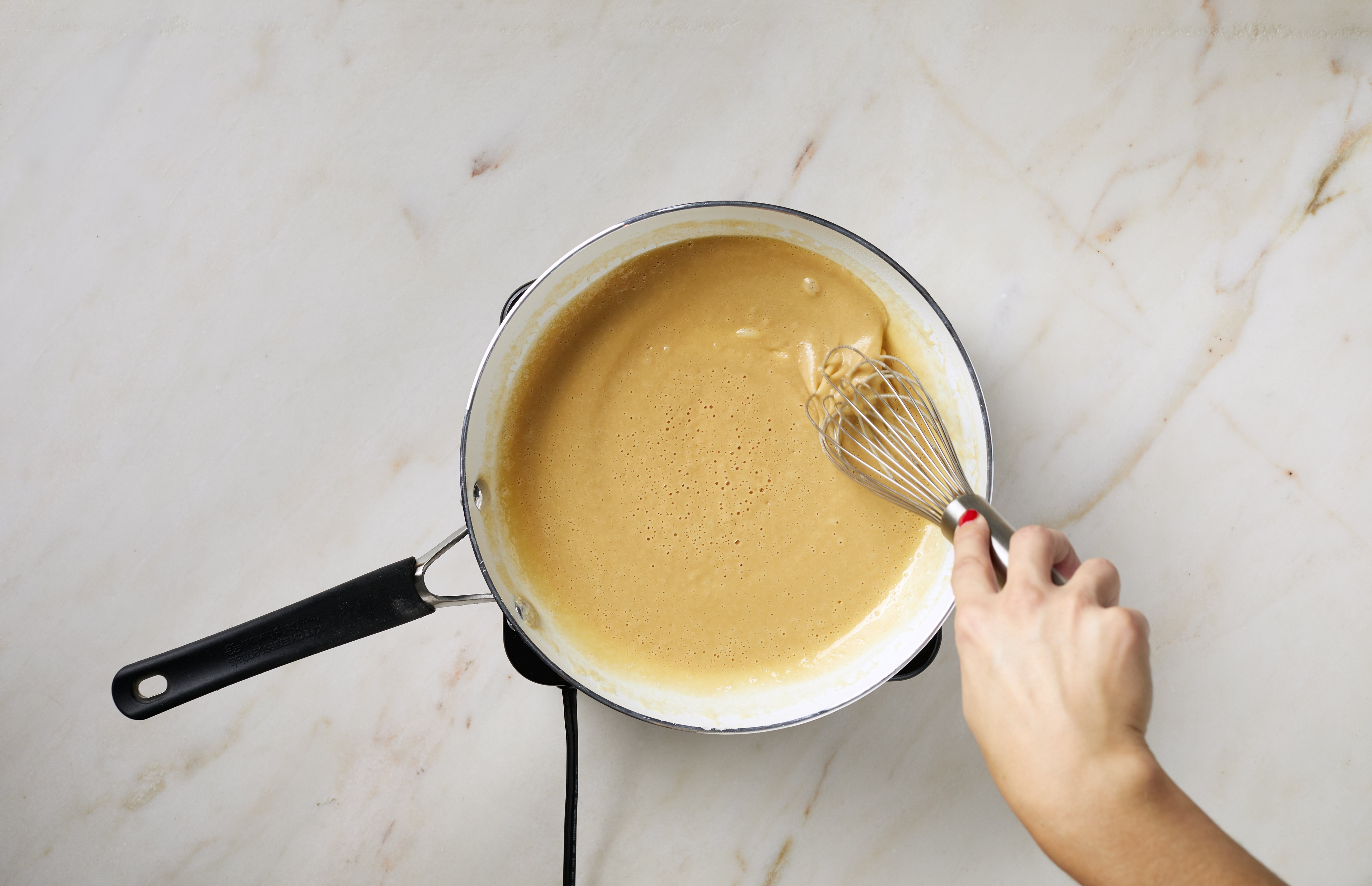
- Make the roux. Sprinkle the flour over the vegetables and stir constantly until no dry flour remains. Cook, stirring, for 1 to 2 minutes. The mixture should look like a thick paste and smell lightly toasty, not raw.
- Whisk in broth and simmer. Slowly pour in the broth while stirring or whisking to prevent lumps. Bring to a gentle simmer, stirring often, until slightly thickened, about 3 to 5 minutes.
- Cook the broccoli. Add the broccoli (including chopped stems). Adjust heat to maintain a gentle simmer (small bubbles, not a rolling boil) and cook until broccoli is very tender, 8 to 10 minutes. Stir from the bottom occasionally so nothing sticks.
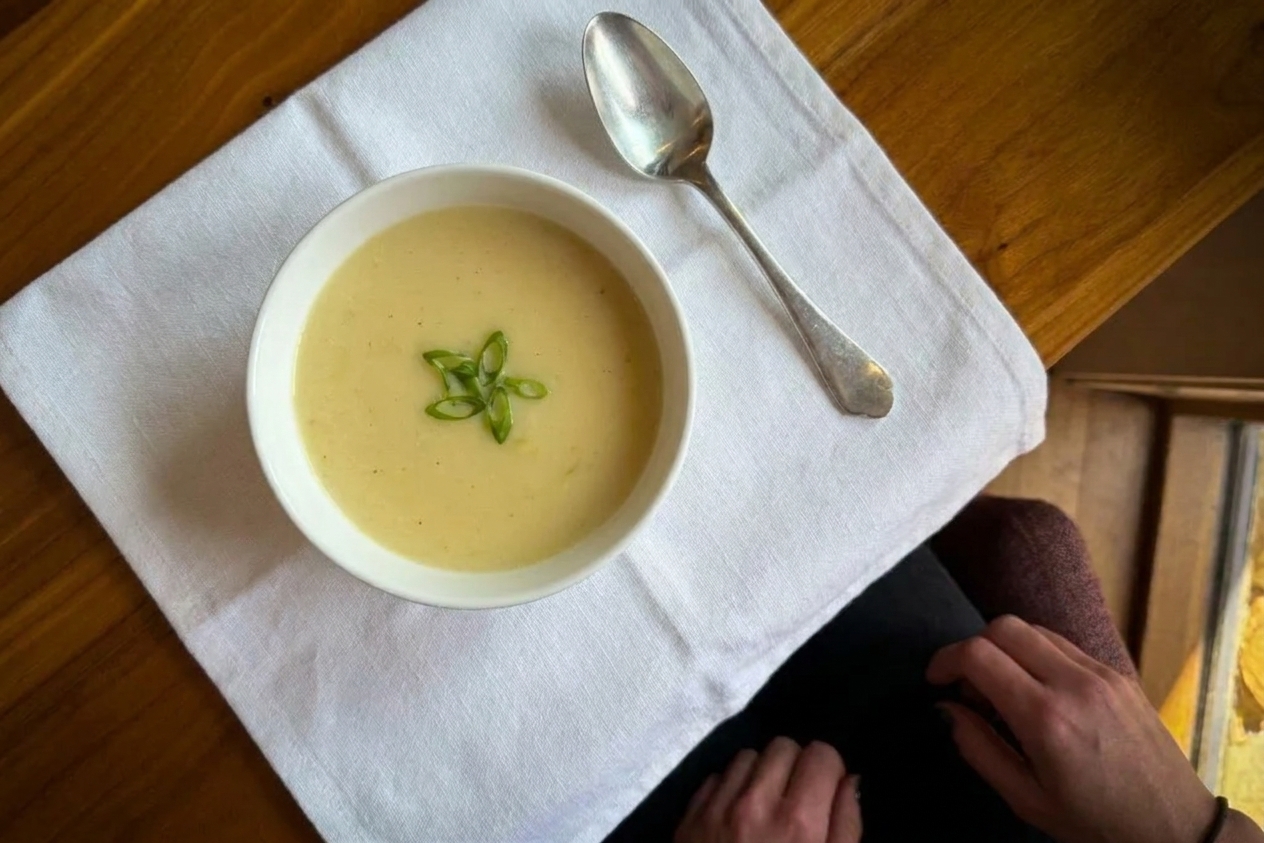
- Choose your texture. For a silky soup, use an immersion blender to blend all or part of the soup directly in the pot until it looks creamy. For a chunkier soup, skip blending.
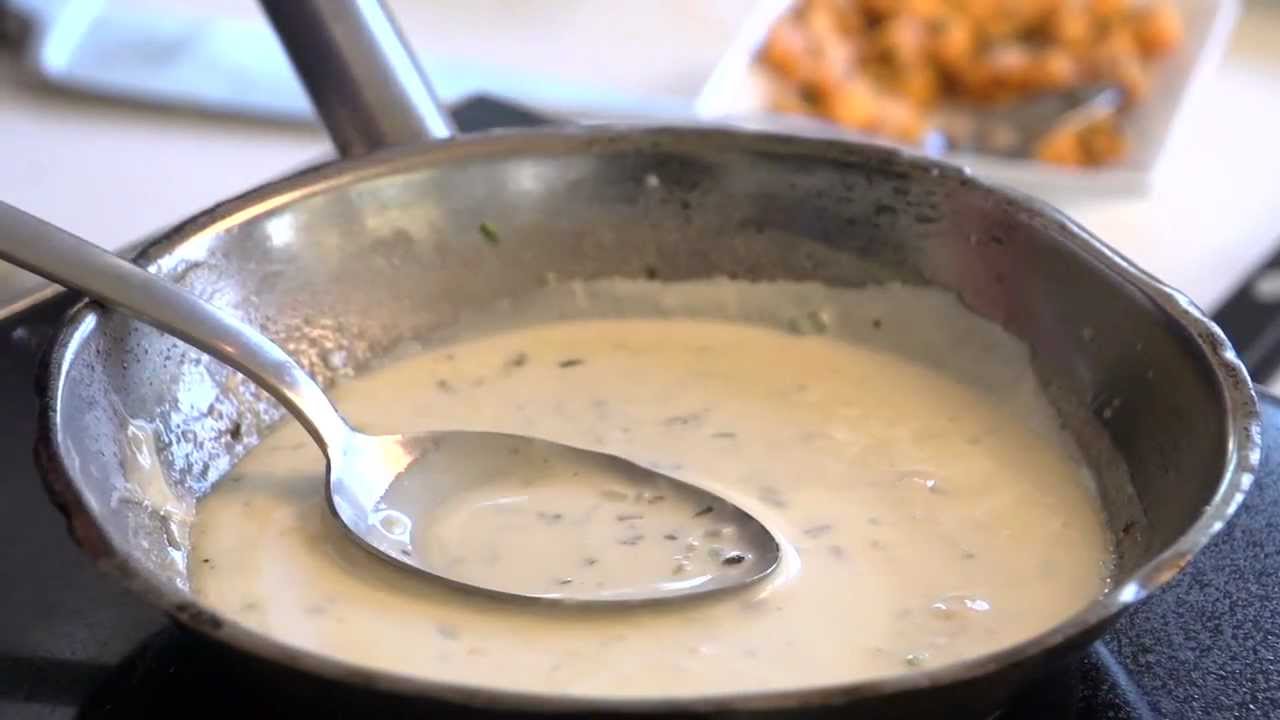
- Add milk, then stop the boil. Stir in the warm milk and heat until the soup is hot and steaming but not boiling, about 1 to 2 minutes. If you see active bubbling, reduce heat or remove the pot from the burner.
- Melt in the cheddar off the heat. Remove the pot from the heat. Add the grated cheddar in small handfuls, stirring well after each addition until fully melted and smooth.
- Finish and adjust. Taste and add more salt and pepper as needed. Stir in lemon juice if using. If the soup is too thick, stir in a splash of warm broth or warm milk until it reaches your preferred consistency. Serve hot.
Notes
Cheese tip: For the smoothest melt, grate your cheddar yourself and add it gradually with the pot off the heat. If the soup is too hot, boiling, or stirred aggressively after the cheese goes in, cheddar can turn grainy and separate.
Reheating tip: Reheat gently over low heat and do not let it boil. Loosen with a splash of warm broth or warm milk as needed.
Blender safety: If using a countertop blender, blend in small batches and vent the lid so steam can escape, then return to the pot.