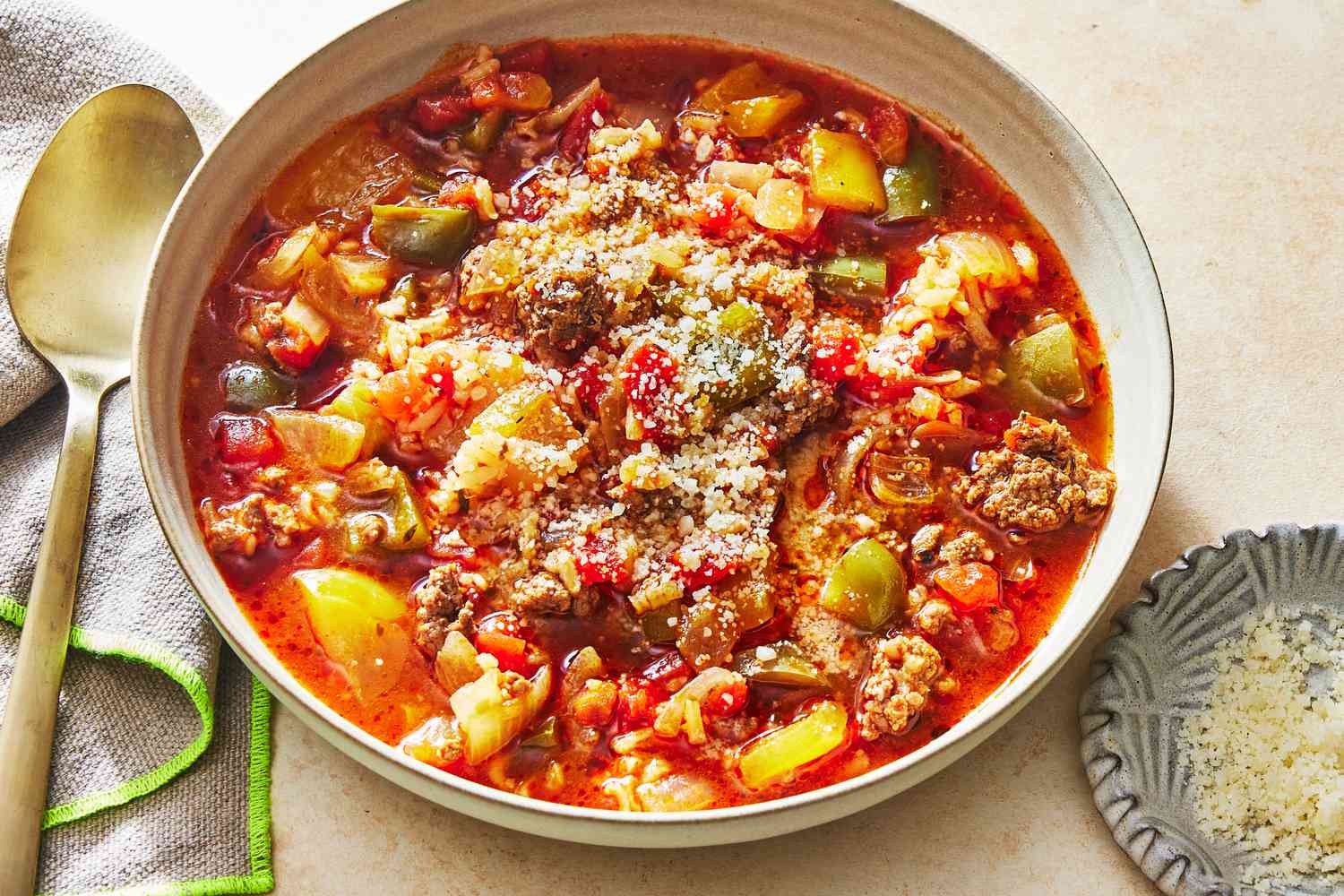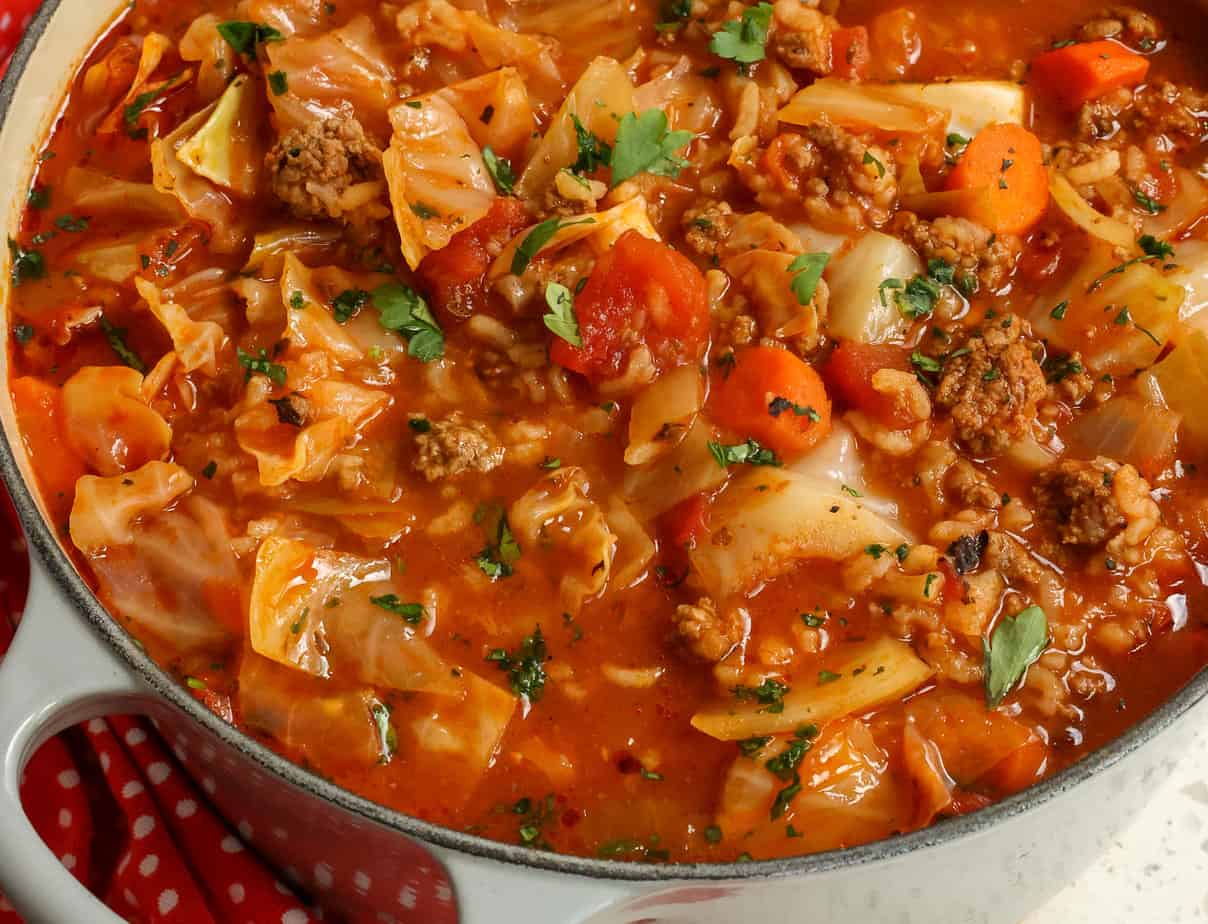

If you love the flavor of cabbage rolls but do not love the part where you wrestle steamed cabbage leaves into submission, this soup is for you. It is a one-pot, tomato-rich, beefy bowl with chopped cabbage and rice that stays pleasantly distinct, not bloated and mushy. The finishing touch is the little sweet-sour “click” that makes cabbage roll soup taste like the real deal: a splash of vinegar and a pinch of sugar right at the end.

I developed this version for weeknights when I want something hearty but still bright. The broth is savory from beef and tomatoes, the cabbage turns silky tender, and the vinegar wakes everything up so the soup tastes finished, not flat. For the exact amounts and step-by-step method, head to the recipe card below. The sections here are the quick technique cues that make it taste like cabbage rolls without the rolling.
When to add the rice
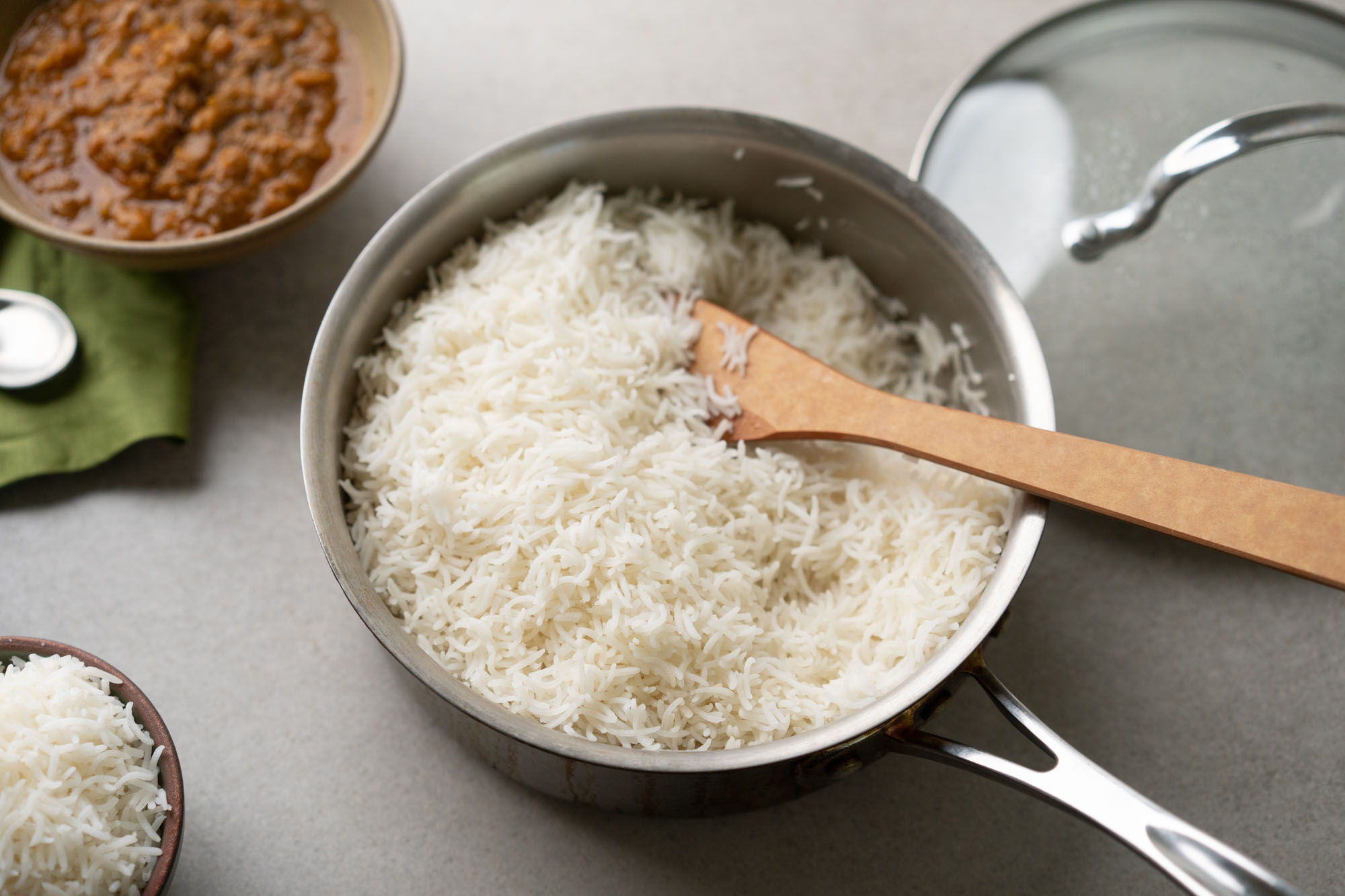
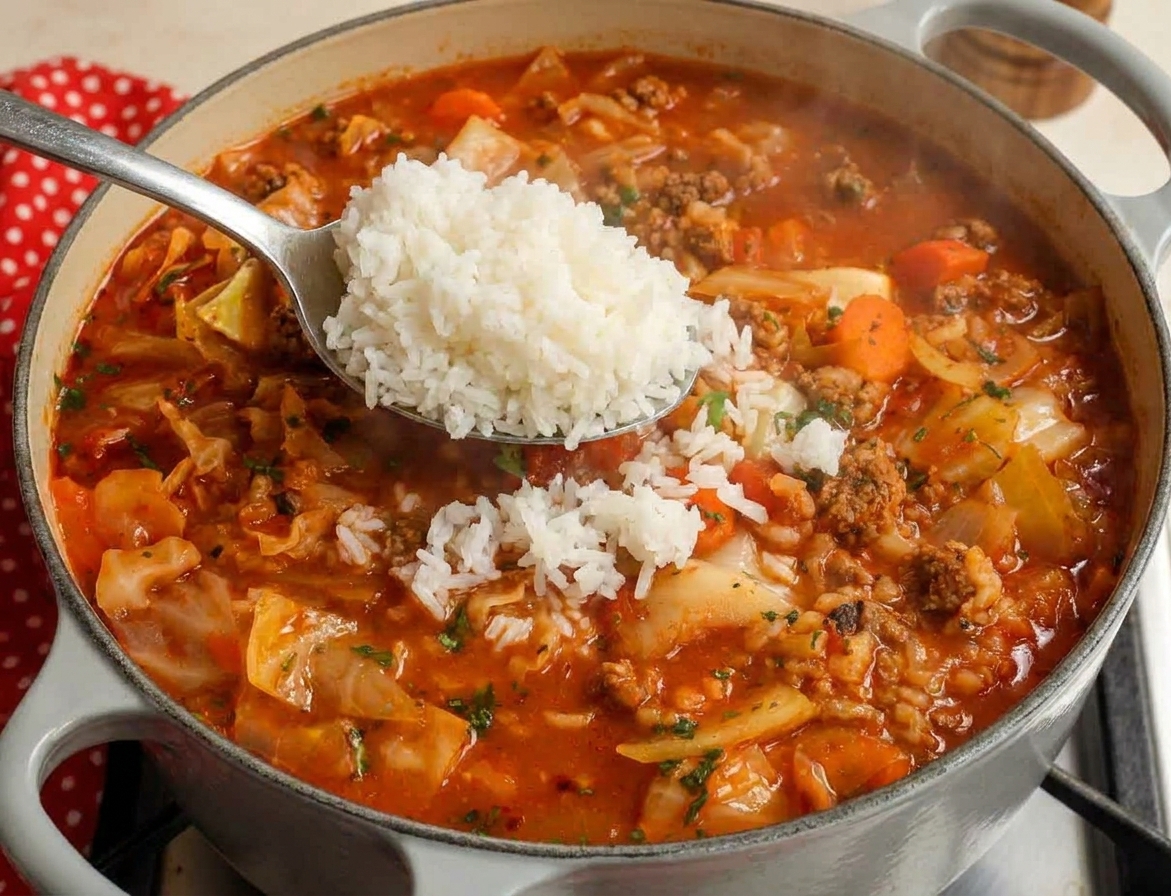
Add cooked rice at the very end, after the cabbage is tender and the soup has finished simmering. Then warm it through for just a minute or two. This keeps the grains separate and prevents the rice from overcooking and turning soft. It also limits how much broth gets absorbed during the simmer, although the rice will still thicken leftovers as it sits.
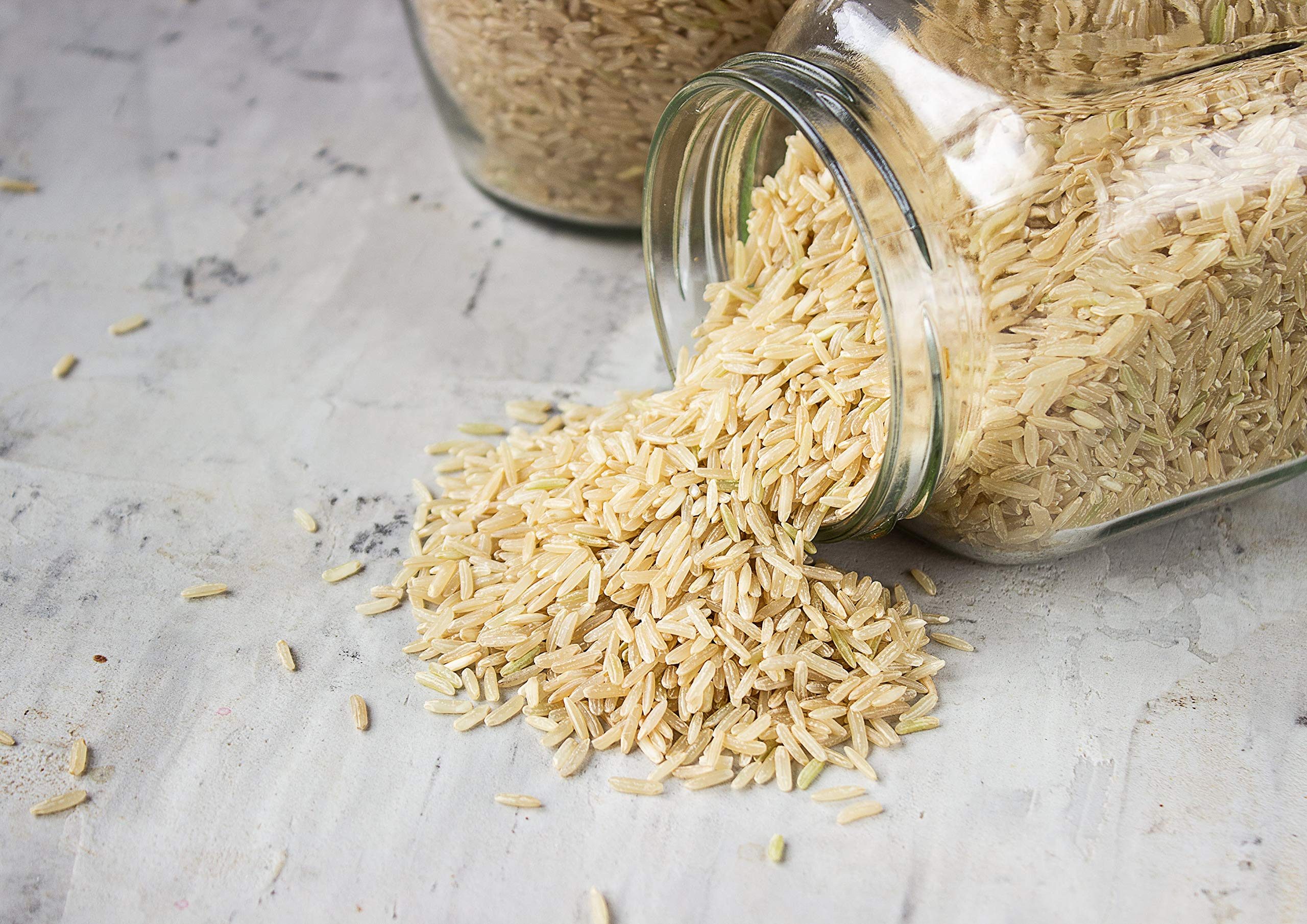
Rice tip: Any cooked rice works here, including leftover takeout rice. White rice stays the most distinct. Brown rice is a little chewier and will drink up broth faster.
Simmer cue for cabbage
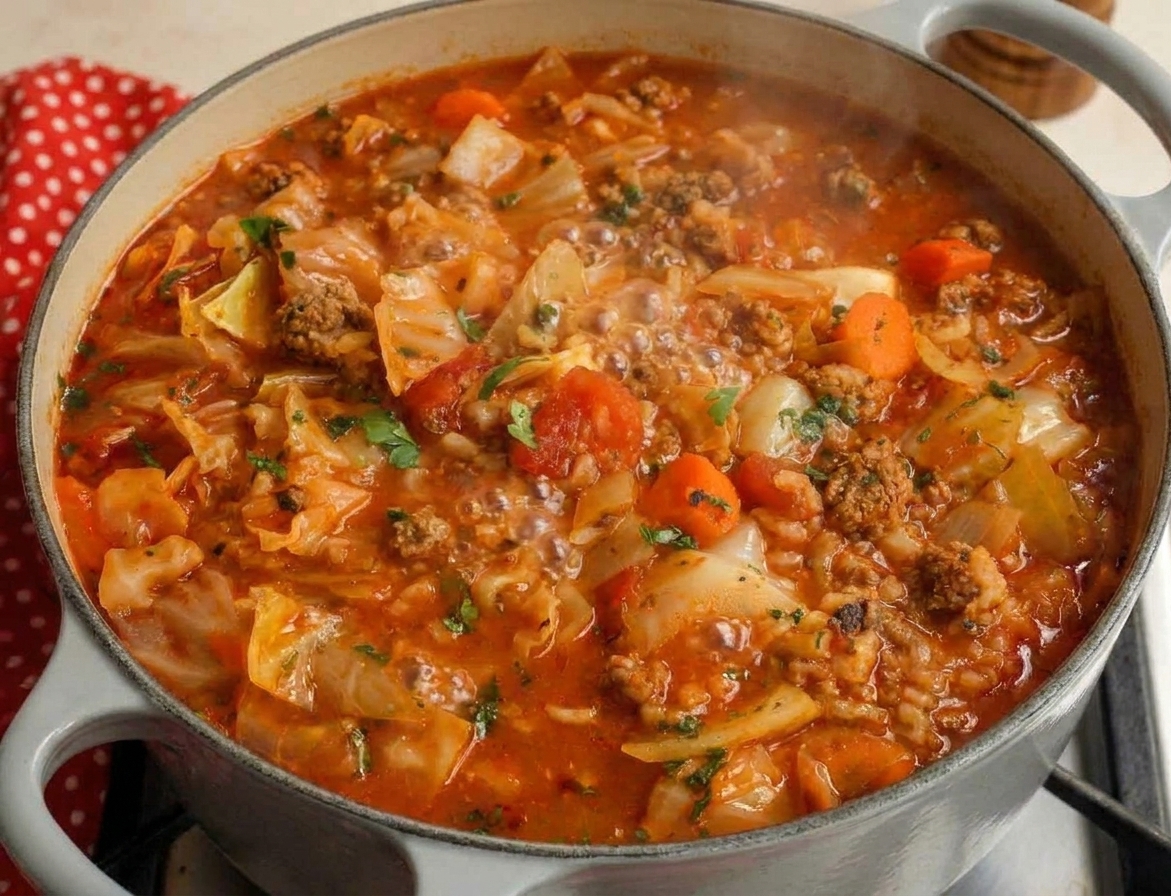
Cabbage is ready when it turns from crisp and pale to soft and silky, and you can easily cut a piece with the side of a spoon against the pot. The timing depends on how large you chop it. In most kitchens, that happens at a gentle simmer, not a hard boil. You want the broth bubbling lazily and the cabbage fully submerged.
What to expect
- Flavor: savory tomato and beef with a gentle sweet-sour finish
- Texture: tender cabbage, meaty bites, and rice that stays separate
- Effort level: straightforward, one pot, very forgiving
Vinegar choices
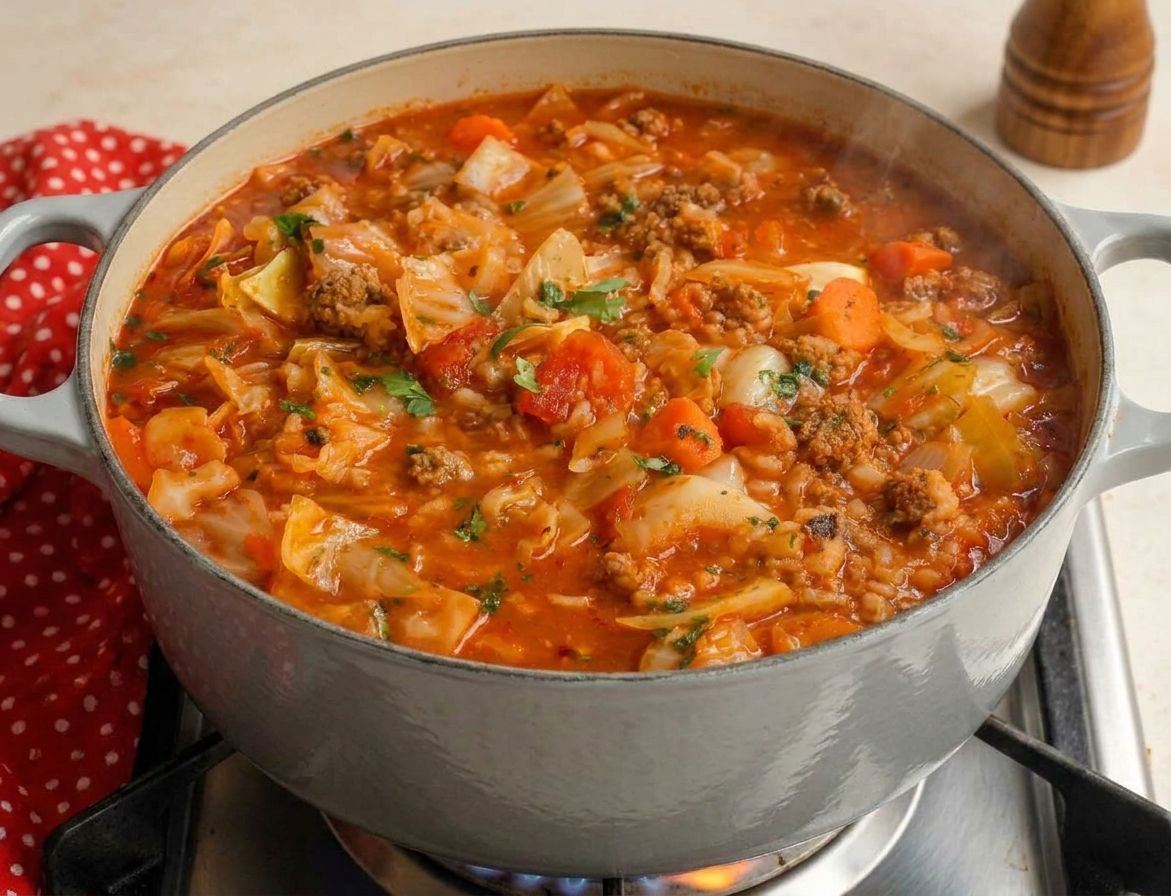
That sweet-sour finish is the point, so add the vinegar to taste. Distilled white vinegar gives the cleanest pop. Apple cider vinegar is a little softer and fruitier. Red wine vinegar works too, but start small and adjust. I always stir it in off the heat, wait a few seconds, then taste again.
Leftovers and freezing
This soup reheats beautifully, but the rice will continue absorbing broth as it sits. If you can, store the rice separately and add it to each bowl when reheating. If the rice is already in the pot, just add a splash of broth or water to loosen it up.
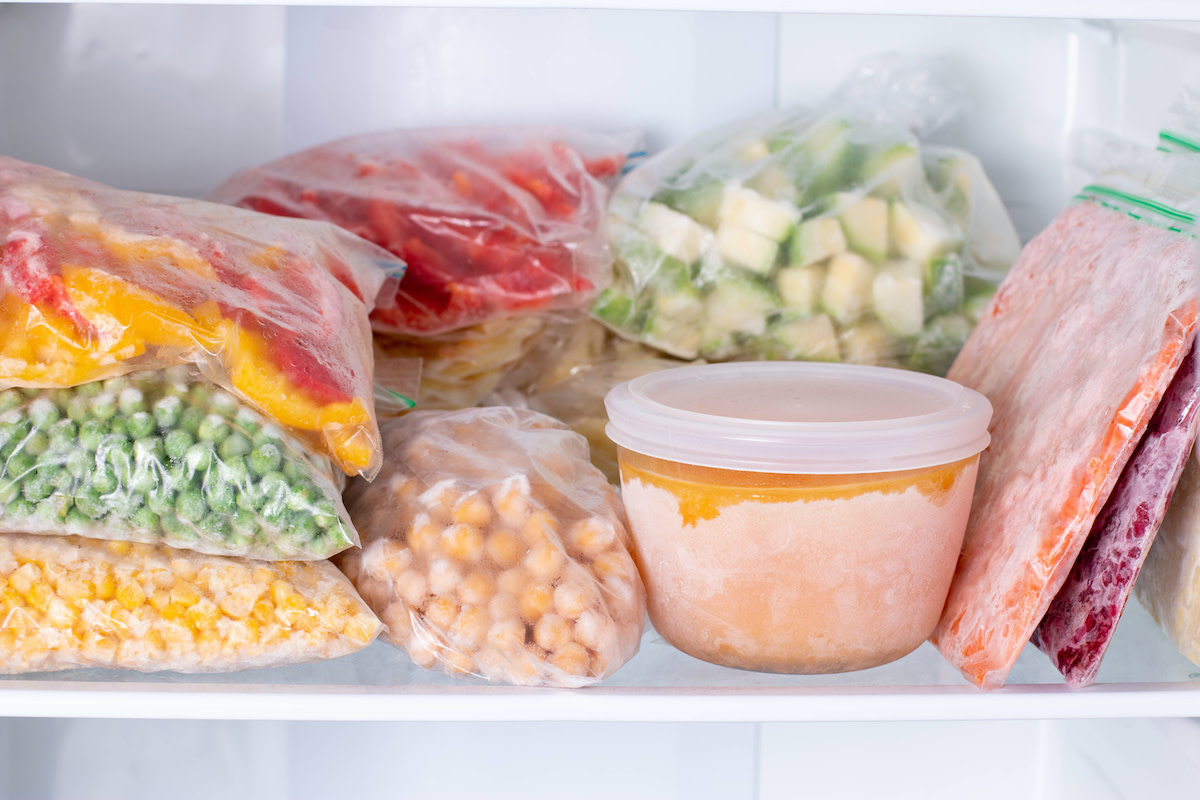
For freezing, freeze the soup base without rice, then add freshly cooked rice after reheating so the texture stays right.
Why this recipe works
- Sweet-sour finishing is nonnegotiable. A small amount of vinegar plus sugar at the end recreates the classic cabbage roll flavor without needing hours of braising.
- Cabbage goes in after the broth is built. Sautéing the aromatics and blooming the tomato paste first gives you depth, then the cabbage simmers gently until silky.
- Rice is added late. Stirring in cooked rice at the end keeps grains distinct and helps prevent the soup from getting starchy and thick during the simmer.
- One pot, layered seasoning. Season the beef, then the broth, then finish with acid. That is the easiest path to a soup that tastes like you meant it.
Ingredient notes
Ground beef: I like 85 to 90 percent lean for flavor without a greasy surface. If you use a fattier grind, drain off excess fat after browning.
Cabbage: Green cabbage is the classic. Chop it into bite-size squares or short ribbons so it eats like “deconstructed” cabbage rolls, not salad.
Tomatoes: Crushed tomatoes make a naturally thick, spoon-coating broth. Diced tomatoes work too, just expect a chunkier texture.
Rice: Any cooked rice works, including leftover takeout rice. White rice stays most distinct; brown rice is nuttier and chewier and will absorb more broth as it sits.
Vinegar: Distilled white vinegar gives the cleanest sweet-sour pop. Apple cider vinegar is great if you want a softer, fruity tang. Red wine vinegar works too, but start small.
Sugar: You do not need much. It rounds out the tomatoes and balances the vinegar. Taste and adjust, especially if your canned tomatoes are very acidic.
Equipment you will need
- Large pot or Dutch oven (5 to 7 quart is ideal)
- Wooden spoon or sturdy spatula
- Chef’s knife and cutting board
- Measuring spoons and cups
- Ladle for serving
Pro tips
- Brown the beef until you see real color. Those browned bits on the bottom of the pot are flavor for your broth.
- Bloom the tomato paste. Give it a minute in the hot pot until it darkens slightly. It takes the edge off and adds richness.
- Keep the simmer gentle. A hard boil can make cabbage taste more sulfur-y and can break it down too fast.
- Finish, then taste. Add vinegar and sugar, stir, wait 30 seconds, then taste. Acid arrives fast, so creep up on it.
- Food waste win: This soup is a great home for that half head of cabbage in your crisper. Just peel off any sad outer leaves and chop the rest.
Substitutes that work
- Ground beef: Ground turkey or chicken works. Add 1 to 2 teaspoons Worcestershire (or a bit more tomato paste) to boost savoriness.
- Rice: Cooked quinoa or farro are great if you want extra chew. Add them at the end the same way you would rice.
- Vinegar: Apple cider vinegar, red wine vinegar, or even a squeeze of lemon in a pinch. Start small and adjust.
- Sugar: Honey or brown sugar both work. Use a little less honey since it reads sweeter.
Variations
- More herby: Add fresh dill or parsley at the end for a brighter, Eastern European-ish vibe.
- Spicy: Add a pinch of red pepper flakes with the garlic.
- Extra veggie: Dice a carrot and add it with the onion for gentle sweetness and color.
- Richer broth: Stir in a small knob of butter right before serving for a restaurant-style finish.
Serving ideas
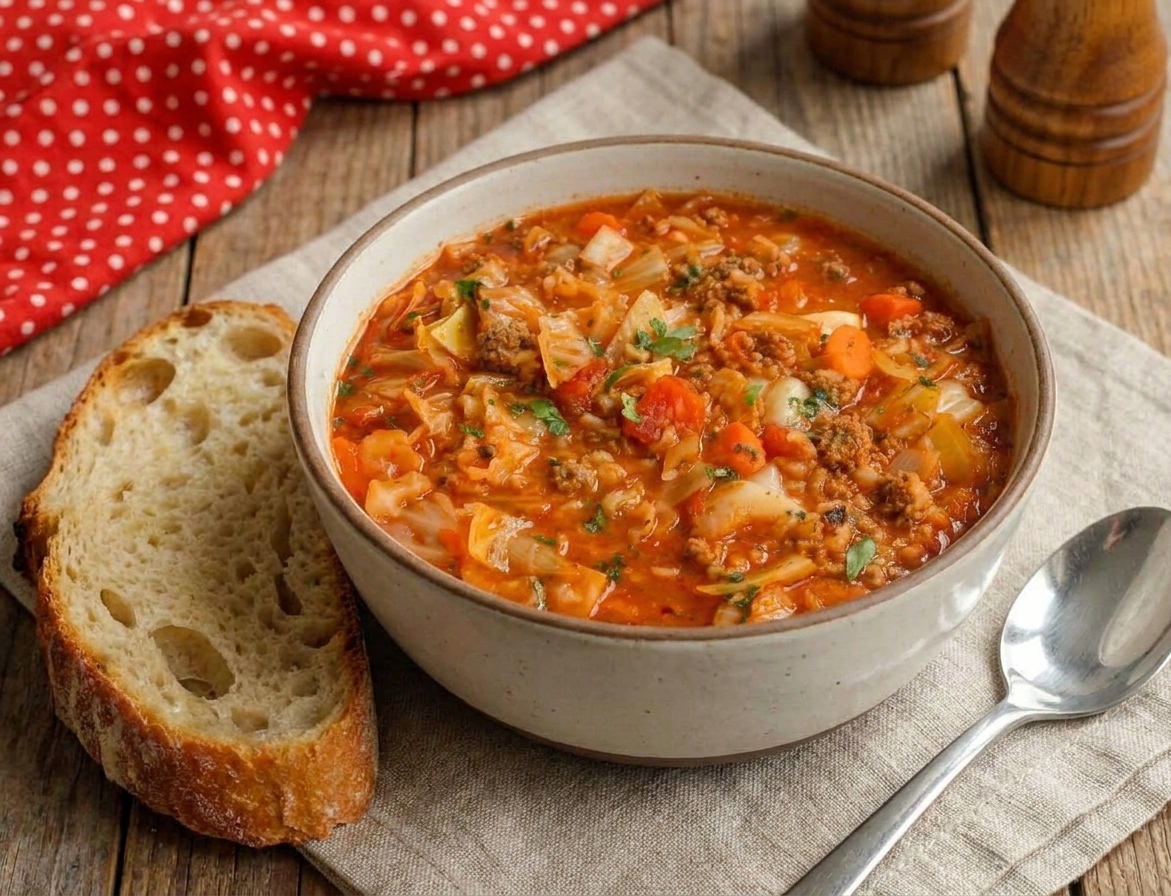
- Serve with crusty bread or buttered rye for maximum cozy factor.
- Add a dollop of sour cream or plain yogurt on top for a creamy tang.
- Top with chopped parsley for freshness.
- If you like a little crunch, add a few quick-pickled onions on top.
Storage and reheating
Refrigerator: Store in an airtight container for up to 4 days.
Best practice for distinct rice: Store the rice separately (if you can) and add it to each bowl when reheating. If the rice is already in the pot, the soup will thicken as it sits. It will still be tasty, just more stew-like.
Reheating: Warm gently on the stove over medium-low heat until steaming. Add a splash of water or broth if it has thickened.
Freezing: Freeze the soup base (without rice) for up to 3 months. Thaw overnight in the fridge, reheat, then add freshly cooked rice.
Common mistakes
- Adding uncooked rice too early: It will absorb broth and can turn gummy. Use cooked rice and add it at the end.
- Boiling hard: A rolling boil can make cabbage overly soft and the broth taste harsher. Aim for a steady simmer.
- Forgetting the finish: Without vinegar and a touch of sugar, the soup can taste like plain tomato beef soup. That sweet-sour balance is the point.
- Underseasoning: Tomatoes and cabbage both need salt. Taste the broth before serving and adjust.
FAQ
Can I cook the rice in the soup?
You can, but the rice will release starch and keep drinking broth as the soup sits. If you want soup that stays brothy and rice that stays distinct, stir in cooked rice at the end, and consider storing rice separately for leftovers.
How do I know when the cabbage is tender?
It should look slightly translucent and feel silky. The easiest cue: press a piece against the side of the pot with a spoon. If it cuts easily, it is ready. Smaller pieces cook faster than larger chops.
What if my soup tastes too acidic?
Add another small pinch of sugar, a little more salt, or a pat of butter. All three help round sharp tomato acidity without making the soup sweet.
Do I need to drain the beef?
If you see a lot of rendered fat pooling, yes. Spoon off or drain most of it so the finished soup does not feel greasy.
Cabbage Roll Soup
A cozy one-pot cabbage roll soup with ground beef, tender cabbage, and a bright sweet-sour tomato broth. Cooked rice is stirred in at the end so the grains stay distinct.
- Prep
- 15 minutes
- Cook
- 35 minutes
- Total
- 50 minutes
- Yield
- 6 servings
Ingredients
- 1 tablespoon olive oil
- 1 medium yellow onion, diced
- 2 cloves garlic, minced
- 1 pound ground beef (85 to 90 percent lean)
- 2 tablespoons tomato paste
- 1 (28-ounce) can crushed tomatoes
- 4 cups beef broth (or low-sodium broth)
- 1 teaspoon kosher salt, plus more to taste
- 1/2 teaspoon black pepper
- 1 teaspoon sweet paprika (optional but recommended)
- 4 cups chopped green cabbage (about 1/2 small head)
- 2 cups cooked white rice (see notes)
- 1 to 2 tablespoons distilled white vinegar (or apple cider vinegar)
- 1 to 2 teaspoons granulated sugar
- Optional for serving: chopped parsley, sour cream, crusty bread
Instructions
- Sauté the aromatics. Set a large pot or Dutch oven over medium heat. Add the olive oil and onion, then cook until softened and translucent, about 5 minutes. Stir in the garlic and cook 30 seconds, just until fragrant.
- Brown the beef. Add the ground beef and cook, breaking it up with a spoon, until no pink remains and you see browned bits forming on the bottom of the pot, 6 to 8 minutes. If there is a lot of excess fat, spoon off most of it.
- Bloom the tomato paste. Stir in the tomato paste and cook for 1 minute, scraping the bottom of the pot, until the paste darkens slightly.
- Build the broth. Add crushed tomatoes, beef broth, salt, pepper, and paprika (if using). Bring to a simmer.
- Add the cabbage and simmer until tender. Stir in the chopped cabbage. Keep the soup at a gentle simmer (not a hard boil) and cook until the cabbage is silky tender and a piece cuts easily with the side of a spoon, 15 to 20 minutes.
- Add rice at the end. Stir in the cooked rice and warm through for 1 to 2 minutes so the grains stay distinct.
- Finish sweet-sour. Remove from the heat. Stir in 1 tablespoon vinegar and 1 teaspoon sugar. Taste and adjust with more vinegar, sugar, and salt until the broth tastes bright and balanced.
- Serve. Ladle into bowls and top with parsley or a dollop of sour cream if you like.
Notes
Rice note: This recipe is written for cooked rice, added at the end to keep grains distinct. Adding it late prevents overcooking and limits thickening during the simmer, but rice will still absorb broth as the soup sits. For best leftovers, store rice separately and add it when reheating.
Make ahead: The soup base tastes even better the next day. For best texture, store rice separately and combine when reheating.