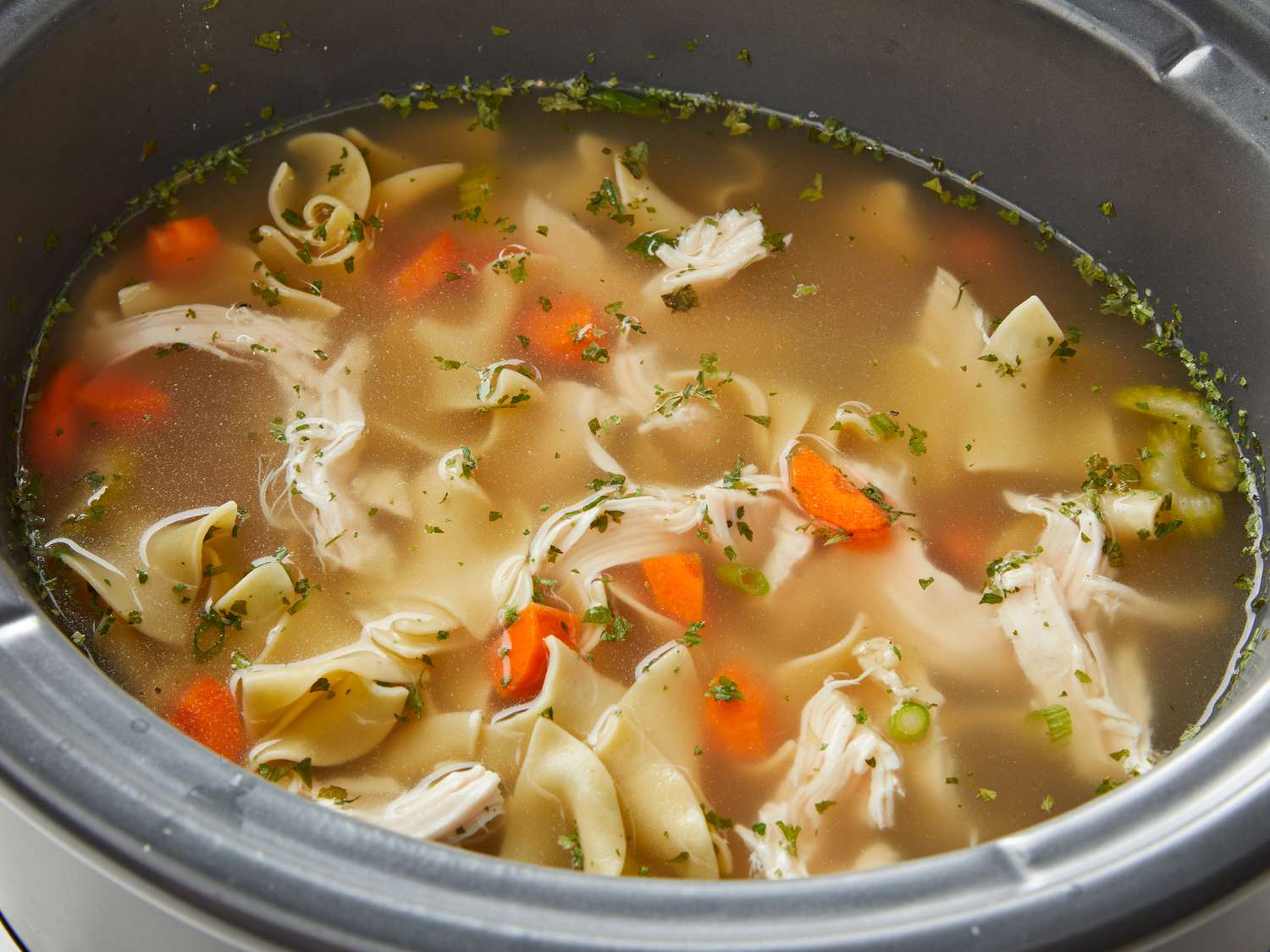
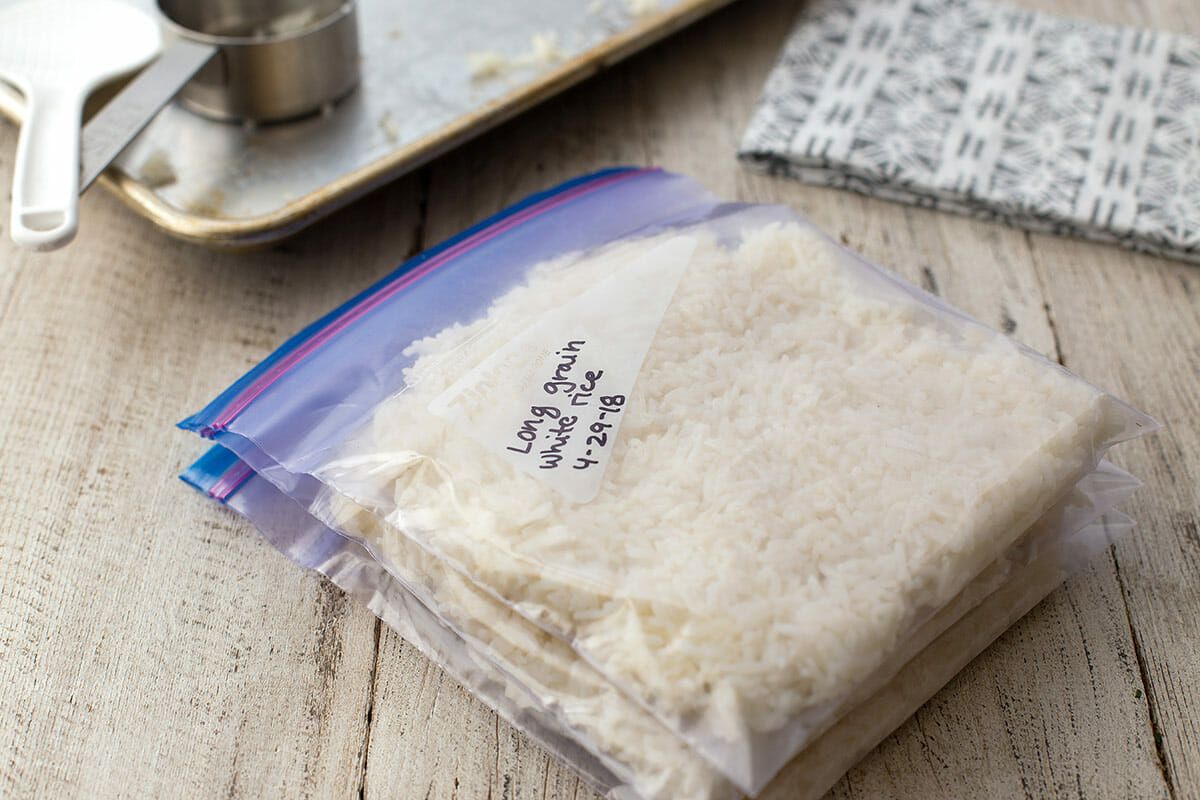
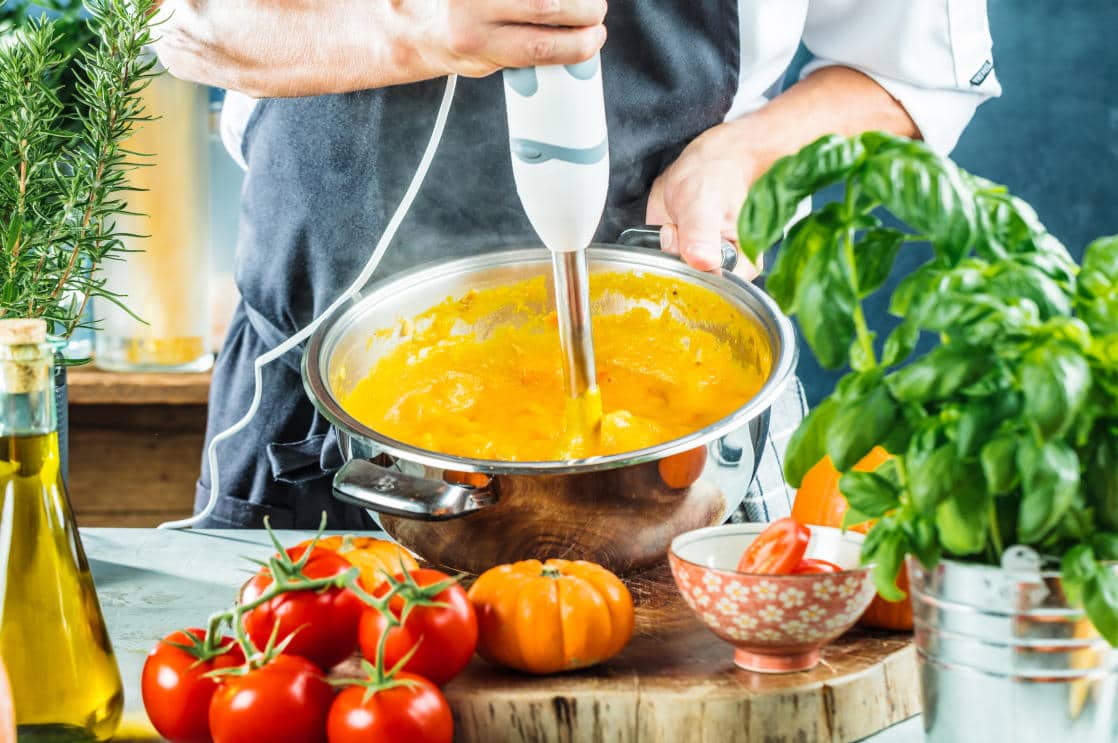
I love making a big pot of soup on Sunday and turning it into Tuesday dinner with zero effort. Freezing is the magic trick, but texture is the catch. If you have ever thawed soup into grainy cream, rubbery potatoes, or noodles that dissolved into the broth, this is for you.
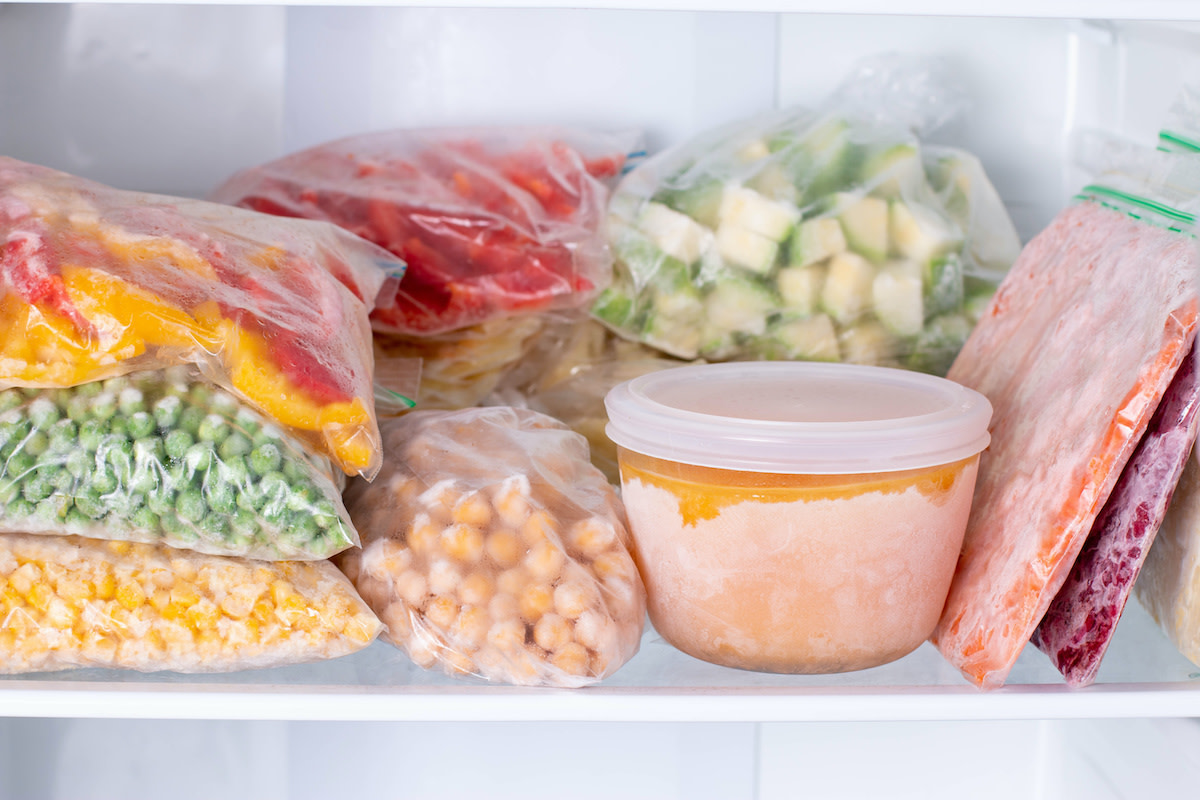
Below is exactly how I freeze soup so it reheats like it never took a trip to the freezer: which soups freeze beautifully, what ingredients to hold back, the safest cooling method, container choices, and reheating guidance for creamy, broth-based, and noodle soups.
What freezing does to texture
Freezing is a phase change: water turns into ice, and ice crystals can damage delicate ingredients. As soup freezes and thaws, moisture can migrate and textures can shift, which is why yesterday’s silky chowder can come back grainy.
- Starches (potatoes, pasta, rice) absorb liquid and keep softening, so they can turn mushy.
- Emulsions (cream, cheese, buttery purees) can separate, leaving a greasy top and grainy base.
- Watery vegetables (zucchini, spinach) can go limp and weep extra liquid.
- Thickeners behave differently: flour-based soups can get slightly grainy; cornstarch-thickened soups can thin out after thawing.
The solution is not “never freeze soup.” It is freezing the right version of the soup and finishing it after thawing.
Soups that freeze well
Great freezer candidates
- Broth-based soups: chicken noodle base (without the noodles), minestrone base (without pasta), turkey and barley (barley holds better than rice).
- Bean and lentil soups: lentil, split pea, black bean, white bean and kale (add delicate greens later if you want them perky).
- Tomato soups: marinara-style tomato basil, roasted tomato, tortilla soup base.
- Pureed vegetable soups (mostly): carrot-ginger, butternut squash, cauliflower. These are usually excellent because they are already blended.
- Meaty stews and chilis: beef stew (with a small tweak on potatoes, see below), chicken chili, turkey chili.
Freezeable with a plan
- Creamy soups (chowders, bisques): freeze the base and add dairy after thawing for the smoothest result.
- Soups with potatoes: waxy potatoes do better than starchy russets, and larger chunks hold up better than tiny dice.
- Soups with lots of greens: still fine, but add fresh greens after thawing if you want bright color and bite.
Most likely to disappoint
- Pasta or noodle-heavy soups (ramen, pho with noodles, chicken noodle with noodles already in): noodles turn soft and bloat.
- Rice-heavy soups: rice keeps absorbing liquid and can go mushy or gritty depending on variety.
- Very dairy-forward soups (cream of mushroom made mostly of milk, heavy cheese soups): more prone to separation unless you finish with dairy later.
The rule I follow: freeze the flavorful base, then add fresh texture ingredients after thawing.
What to add after thawing
If you want soup that tastes like you just made it, hold back these ingredients and add them during reheating:
Add later: starches
- Pasta and noodles: cook fresh and add to each bowl, or cook separately, chill quickly, and store in the fridge 3 to 4 days.
- Rice: same idea as noodles. Fresh rice gives you the best bite.
- Dumplings: drop them into simmering thawed soup right before serving.
Add later: dairy and rich finishers
- Cream, half-and-half, milk: whisk in off-heat or at a gentle simmer.
- Cream cheese, sour cream, yogurt: temper first (details below) so it does not curdle.
- Most cheeses: stir in at the end over low heat.
Add later: delicate greens and crunchy toppers
- Spinach, arugula, tender herbs: add in the last 1 to 2 minutes.
- Fresh garnish: scallions, cilantro, lemon, croutons, tortilla strips. Keep these out of the freezer entirely.
Optional: hold back tender vegetables
Zucchini, mushrooms, and corn can freeze fine, but if you are picky about texture, sauté a fresh handful while the soup reheats and stir it in at the end.
Cool soup safely
Texture matters, but food safety matters more. Cool soup quickly before freezing so it does not linger too long at unsafe temperatures.
Safe cooling targets
- Cool soup from 135°F to 70°F within 2 hours.
- Then cool from 70°F to 41°F within 4 more hours (6 hours total).
Step-by-step cooling method
- Stop the cooking. Take the pot off the heat. If it is thick soup, give it a good stir to release steam.
- Portion into shallow containers. Pour soup into a wide, shallow baking dish (or two) or shallow containers. More surface area equals faster cooling.
- Use an ice bath for speed. Set the dish or pot into a larger bowl or sink of ice water and stir every few minutes until it is lukewarm and no longer steaming.
- Refrigerate until cold. Cover and chill until the soup is 41°F or colder, then move it to the freezer.
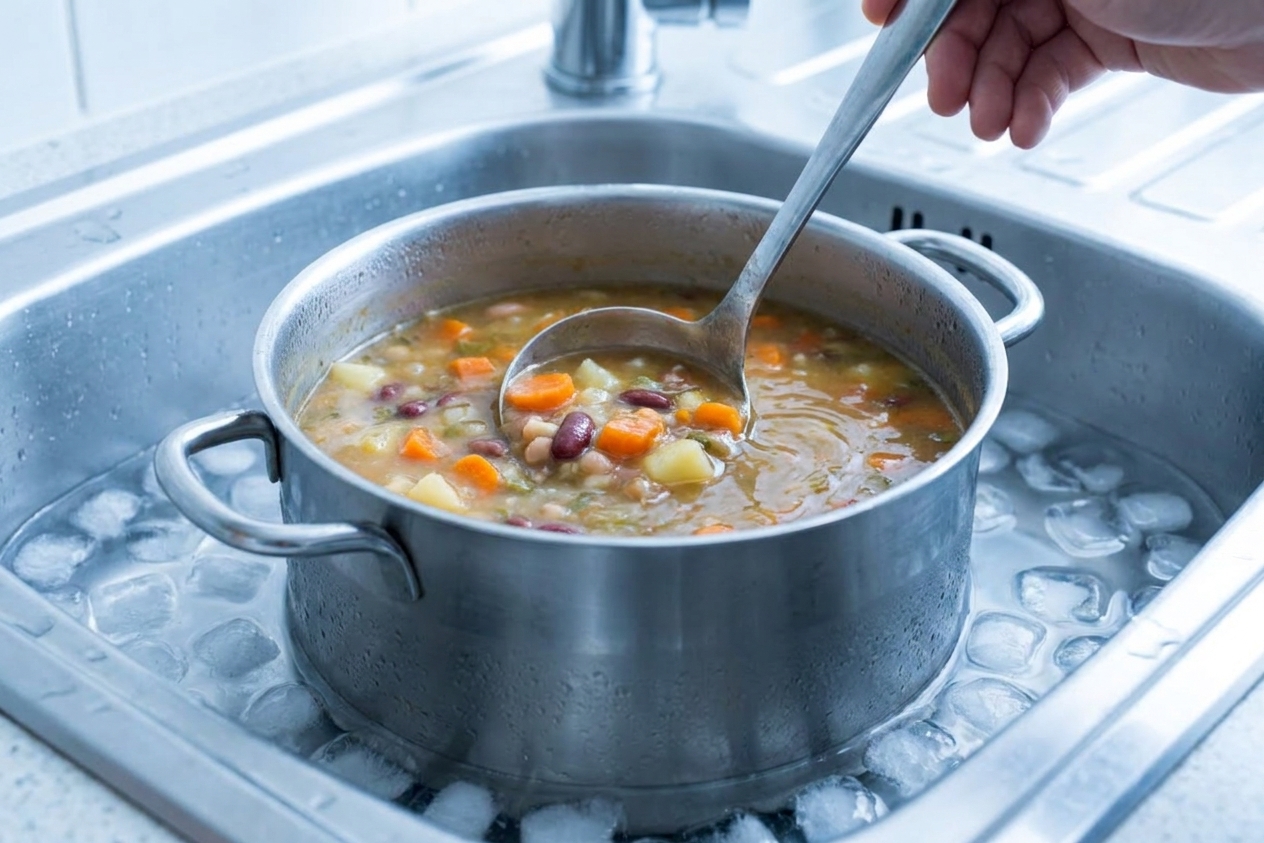
Avoid: putting a huge hot pot straight into the freezer. It warms the freezer, stresses other foods, and freezes too slowly.
Freezer containers
Pick containers based on how you actually eat soup. If you want grab-and-go lunches, portion now. If you feed a family, freeze in larger blocks.
My favorite options
- Wide-mouth mason jars: great for broth-based soups and purees. Use straight-sided, freezer-safe jars if possible, and never fill past the shoulder.
- Freezer containers with tight lids: best all-purpose choice and easiest to stack.
- Heavy-duty freezer bags: best for saving space. Freeze flat on a sheet pan, then file like folders.
- Silicone souper cubes or muffin tins: excellent for portioning. Once frozen, pop out and store in a freezer bag.
How much headspace to leave
- Containers: leave about 1 inch of space at the top for expansion.
- Jars: leave 1 to 2 inches depending on jar size, and keep the shoulder area clear so the jar is less likely to crack.
- Bags: press out air, seal, and lay flat. Aim for an even thickness so it thaws fast.
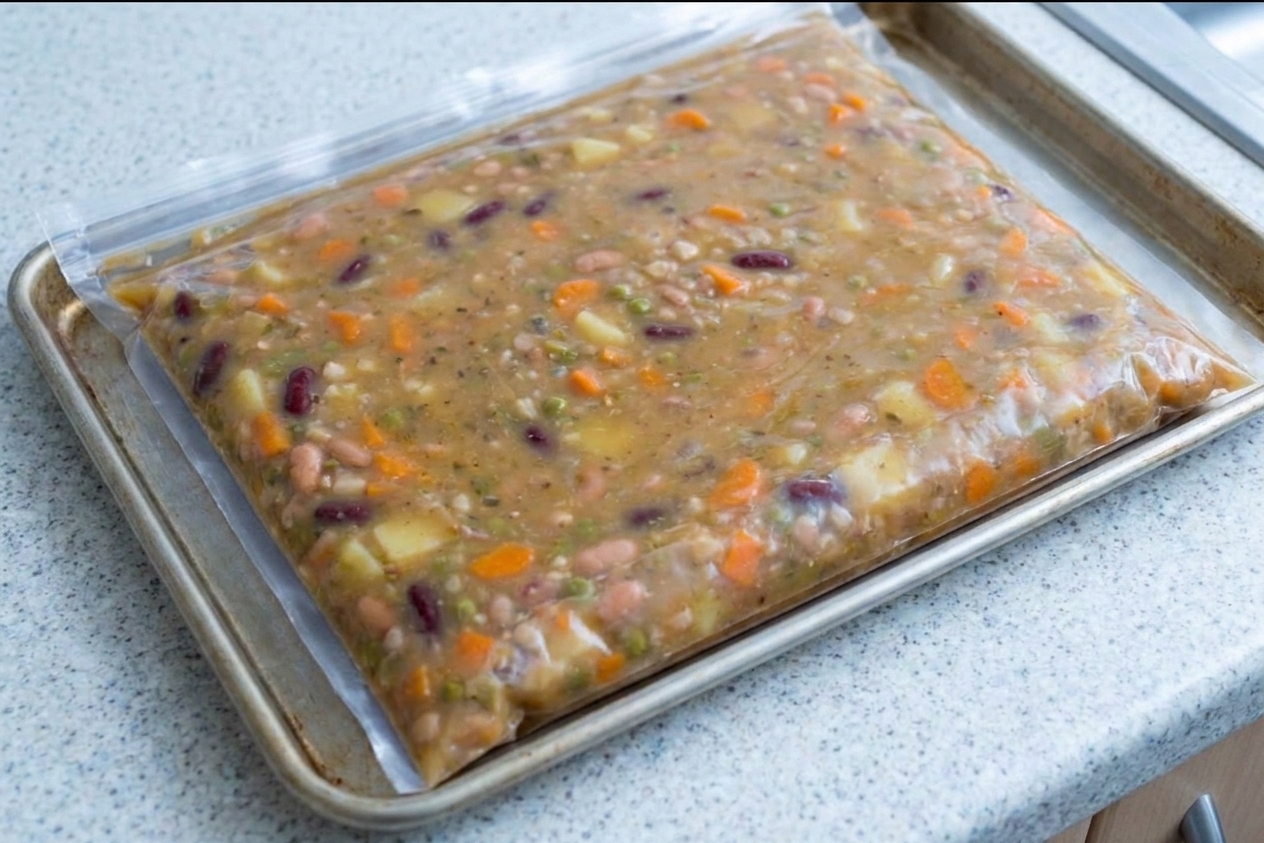
Prevent freezer burn
- Press out air, seal tightly, and keep lids snug.
- For long storage, double-bag thin freezer bags or move frozen portions into a second bag once solid.
- Freeze quickly in flatter shapes so ice crystals stay smaller and texture holds up better.
Labeling that helps later
Label with the soup name and date, plus one quick note like “add noodles” or “stir in cream after thaw.” Future you will feel very cared for.
Freezer life
For best quality, aim to eat frozen soup within 2 to 3 months. Many soups still taste good closer to 3 to 6 months if wrapped and sealed well, but flavor and texture slowly fade. Safety is about keeping the soup frozen solid, not the calendar.
Thawing soup
Best method: fridge thaw
Move soup from freezer to fridge the night before. This is gentlest on texture and easiest for even reheating.
Fast method: cold water for sealed bags
Submerge a tightly sealed bag in cold water, changing the water every 30 minutes until the soup is slushy and breakable, then reheat right away.
From frozen: totally doable
If your soup is frozen in a bag or container, you can reheat straight from frozen. To release a frozen block, run warm water over the sealed container for 10 to 20 seconds, just until it loosens. Do not let the edges sit warm for long unless you are cooking it immediately.
Reheating by type
The goal is gentle heat, frequent stirring, and finishing touches added at the right time.
Creamy soups
- Reheat low and slow. Use a saucepan over low to medium-low heat. Avoid a hard boil, which encourages separation.
- Stir often, especially at the bottom. Creamy soups scorch easily.
- Add dairy at the end. If you froze a dairy-free base, stir in cream or milk once the soup is hot.
- Temper tangy dairy. For sour cream, yogurt, or cream cheese: whisk a few spoonfuls of hot soup into the dairy in a bowl, then stir that mixture back into the pot off-heat.
- Fix a slightly broken soup. Take it off the heat and whisk vigorously. A quick blitz with an immersion blender can bring it back together. Sometimes a tablespoon of cream or a small knob of butter helps smooth it out.
Broth-based soups
- Bring to a simmer, not a raging boil. Simmering heats evenly without beating up the ingredients.
- Taste after it is hot. Cold soup tastes dull, so wait to adjust salt and acid until it is steaming.
- Add brightness at the end. A squeeze of lemon, a splash of vinegar, or a handful of herbs makes thawed soup taste freshly made.
Noodle soups
If the noodles are already in the soup, you can still reheat it, but the noodles will soften more. For the best texture, freeze noodle soup as broth plus solids, and cook noodles fresh.
- Reheat the broth and toppings together. Simmer until hot.
- Cook noodles separately. Rinse briefly to remove surface starch (especially for wheat noodles), then portion into bowls.
- Ladle hot soup over noodles right before serving. This keeps noodles springy.
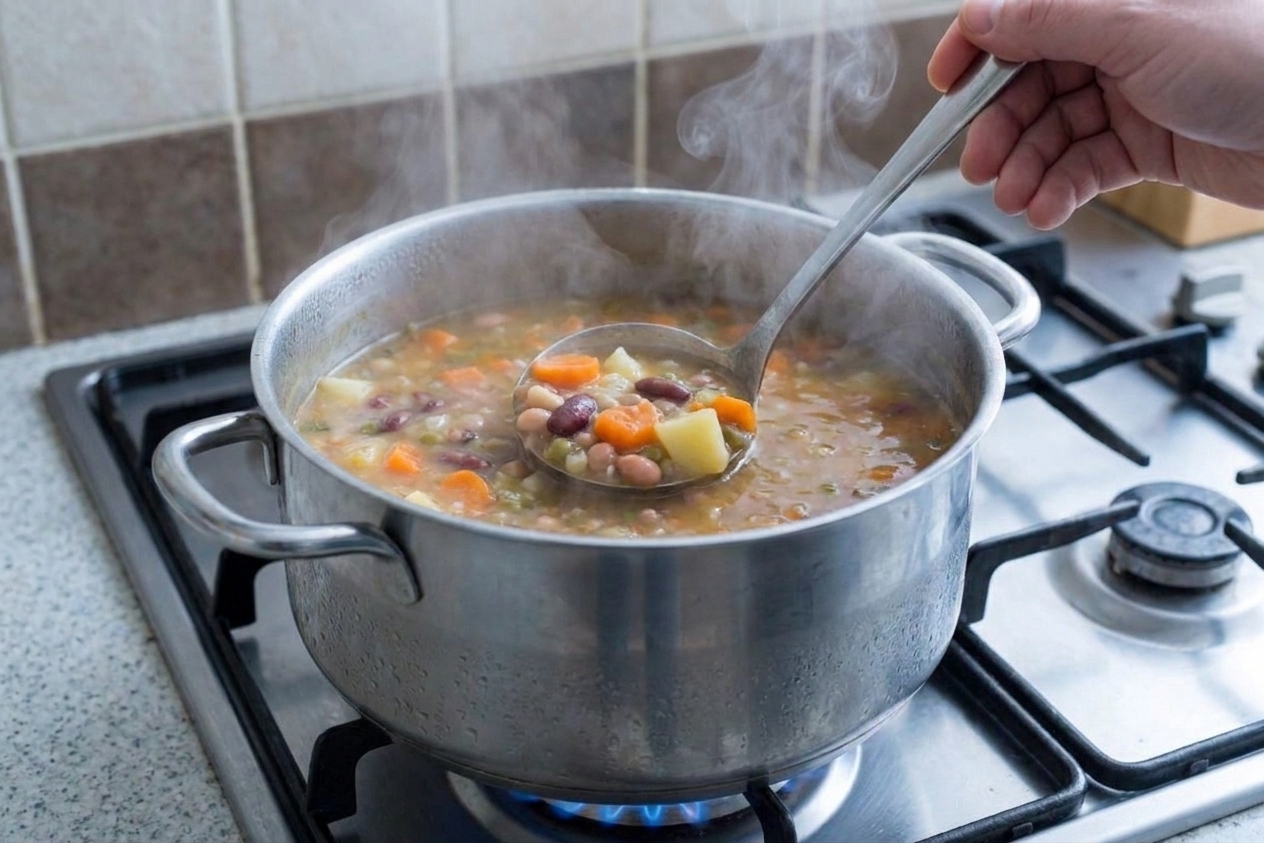
Reheat to a safe temperature
If this soup is leftovers (cooked, cooled, then stored), reheat until it is 165°F, then serve. This matters most if the soup was thawed in the fridge.
Common fixes
Potatoes turned grainy
That is usually a starchy potato issue. Next time use Yukon Gold or red potatoes, keep pieces larger, or freeze the soup without potatoes and add freshly cooked potatoes after thawing. If you are freezing a blended potato soup, expect some texture change and plan to reblend when reheating.
Rice got mushy
Freeze the soup base and add freshly cooked rice when serving. If you must freeze rice in soup, brown rice holds up better than white, and wild rice holds up best.
Vegetables went limp
Stir in a quick fresh component at the end: a handful of sautéed carrots and celery, fresh peas, or a big handful of chopped kale. It brings back that “just cooked” feel.
Soup tastes flat after thawing
Cold temps mute seasoning. Reheat, then adjust in this order:
- Salt (small pinches at a time)
- Acid (lemon juice or vinegar, a few drops to start)
- Fat (olive oil, butter, a spoon of yogurt) if it needs roundness
Quick freezer plan
- Cook soup and decide what to hold back (noodles, dairy, delicate greens).
- Cool quickly in shallow containers, then chill until cold.
- Portion into 2-cup containers for lunches and 1-quart containers for dinners.
- Label with date and “add later” notes.
- Reheat gently, finish with fresh texture ingredients, then adjust salt and acid.
FAQ
Can I freeze soup in glass jars?
Yes, if you use freezer-safe, straight-sided jars and leave generous headspace. Do not fill past the shoulder, and chill the soup before freezing so it freezes faster and more evenly.
Should I freeze soup in one big container or small portions?
Small portions freeze and thaw faster, which helps texture and makes weeknights easier. I do a mix: a few single servings and one larger family portion.
Why did my creamy soup separate after thawing?
Dairy and emulsified fats can break when frozen and reheated too aggressively. Next time freeze a dairy-free base, then add cream or milk during reheating over low heat.
Can I refreeze soup after thawing?
Quality takes a hit each cycle. If you thawed soup in the fridge and it stayed cold, you can refreeze it, but expect softer texture. If it was left at room temperature for an extended time, do not refreeze.