Shrimp gumbo is one of those dishes that feels like a weekend project, but it does not have to be. If you can stir a pot and pay attention to color and smell, you can make a gumbo with a roux that tastes deeply toasted, a broth that is savory and balanced, and shrimp that stay plump instead of turning rubbery.
My Portland reality check: I want gumbo on a random Tuesday, and I want it to use up the last sad celery stalk and half a bell pepper hanging out in my crisper. This recipe leans traditional in flavor, but it is organized for real life.
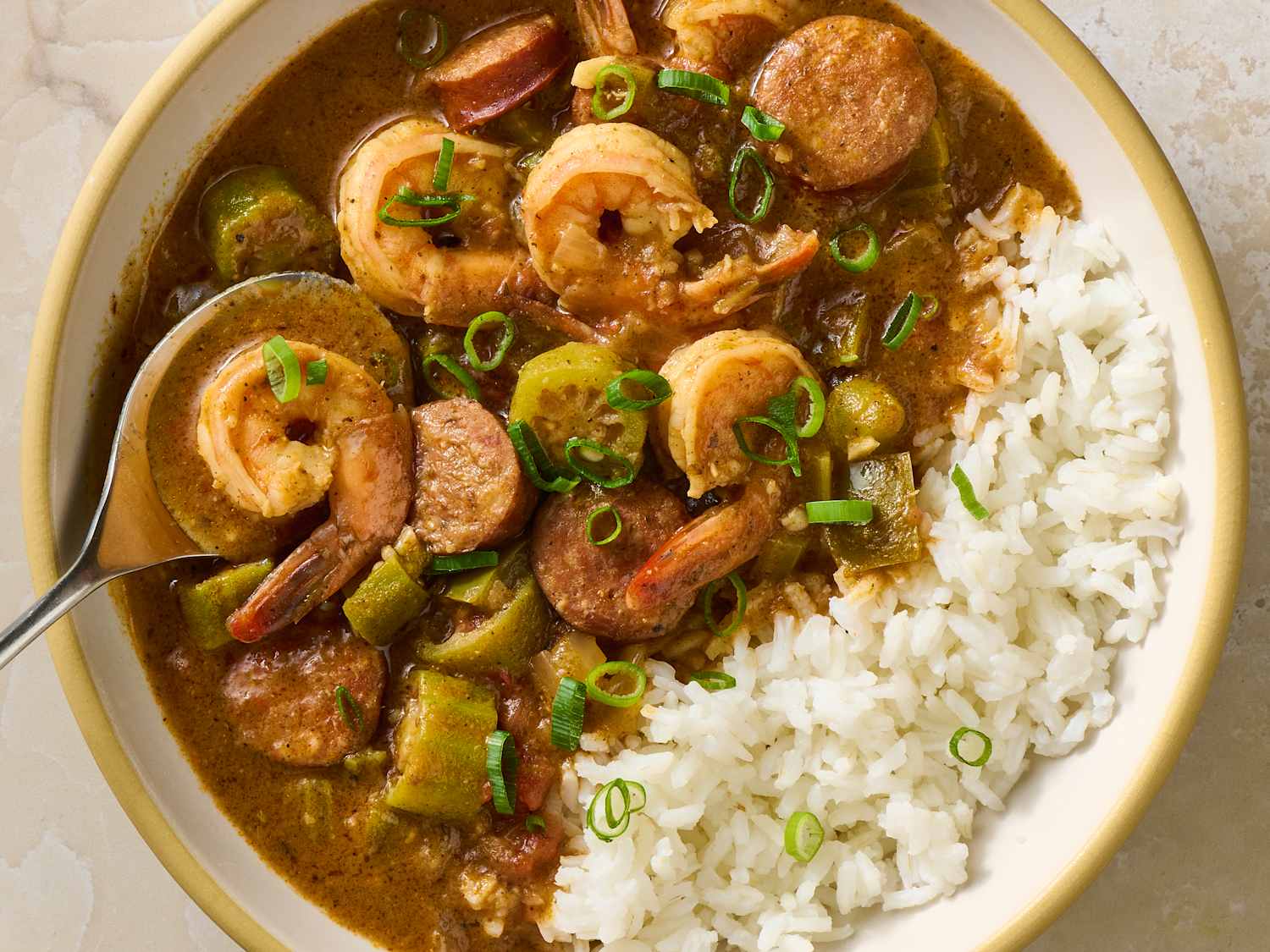
Why this recipe works
Gumbo is not one single recipe. Families and regions do it differently. But the core building blocks are pretty consistent, and once you understand them, the rest is flexible.
- Roux: flour cooked in fat until it turns brown and nutty. This is the backbone and the thickener.
- The holy trinity: onion, bell pepper, celery. Think of it as Cajun and Creole mirepoix.
- Seasoning: typically a mix of paprika, cayenne, thyme, bay leaf, garlic, and black pepper. Creole seasoning works too.
- A thickener, sometimes: okra and/or filé powder (ground sassafras) are both traditional. This recipe uses okra because it is easy and adds body.
- Acid at the end: a small squeeze of lemon or a splash of vinegar wakes up the whole pot. This is my slightly obsessive acid-and-salt moment, and it matters.
Ingredient notes
This is written for shrimp gumbo without sausage. If you want sausage, there is an easy add-in option in the variations.
Shrimp note: Medium to large shrimp (21/25 or 16/20 count) work well. Frozen shrimp is totally fine. Thaw overnight in the fridge, or in a bowl of cold water for 15 to 20 minutes, then pat dry.
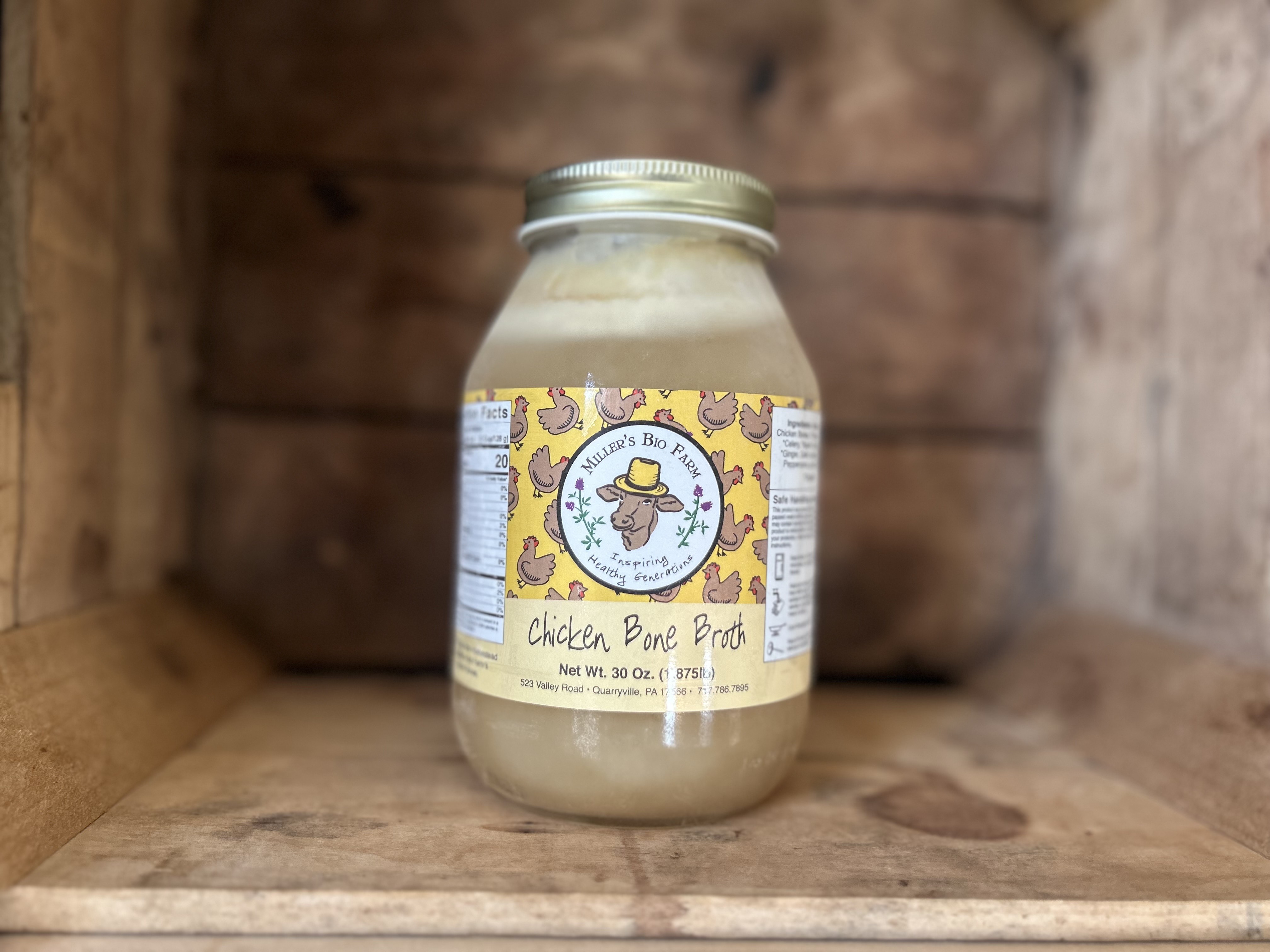
Stock choice: Seafood stock is wonderful, but chicken stock is totally acceptable and often cleaner tasting for weeknights. If your stock is very salty, hold back on seasoning until the end.
Tomatoes or no? Tomatoes are more common in Creole-leaning gumbo. Skip them for a more Cajun-leaning profile.
Okra tip: If you are sensitive to okra “slime,” frozen sliced okra usually behaves nicely. A longer simmer also helps.
Seasoning and salt: Creole seasoning and stock vary wildly. If you are unsure how salty your ingredients are, go light early and dial it in right before the shrimp go in.
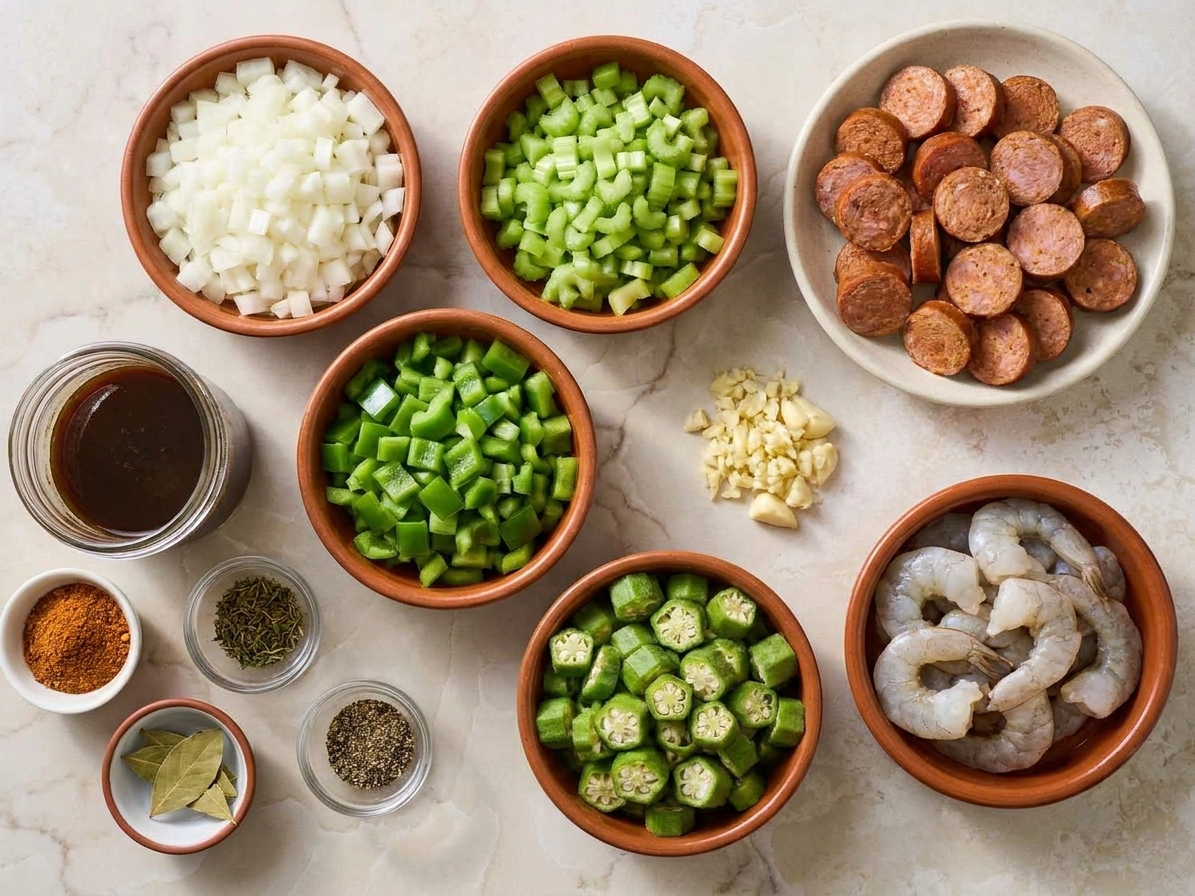
Equipment you will need
- Heavy-bottomed Dutch oven (or heavy stainless pot) for steady heat while making the roux
- Wooden spoon or flat-edged spatula for constant stirring and scraping the bottom and corners
- Whisk to start the roux smoothly
- Measuring cups and spoons for the roux and seasonings
Pro tips
- Use the right pot: a Dutch oven or heavy stainless pot holds steady heat. Thin pots scorch.
- Medium, not high: high heat gets you brown fast, but also burned fast. Medium gives you a wider safety window.
- Stir like you mean it: scrape the bottom and corners continuously. If you need to answer a text, do it before you start.
- Color keeps going: when you add vegetables, the roux will continue to darken a shade. Stop a touch lighter than your final goal.
- Texture cue after adding stock: it should look like a loose gravy. It will thicken as it simmers and as the okra cooks. Note: the darker your roux, the less it thickens compared to a blond roux. That is normal. You are trading thickness for deeper toasted flavor.
- Cook shrimp gently: keep the pot at a gentle simmer so the shrimp stay plump, not rubbery.
Substitutes that work
- Oil for the roux: use neutral oil (vegetable, canola, grapeseed, or avocado) or bacon fat.
- Stock: seafood stock or chicken stock both work.
- Acid to finish: use fresh lemon juice or distilled white vinegar.
- No okra? Leave it out and finish each bowl with a light sprinkle of filé powder. Add filé off the heat, never while boiling, or it can turn ropey and a little gummy.
Variations
Add sausage
Sauté 8 to 12 ounces sliced andouille (or smoked sausage) in the pot first, remove it, then use the rendered fat plus oil as needed to make your roux. Stir the sausage back in during the simmer.
Make it gluten-free
Roux is traditionally wheat flour. For gluten-free, you have options, but the flavor will shift:
- Use a gluten-free all-purpose flour blend for the roux, watching carefully for scorching.
- Skip the roux and thicken with okra plus a small slurry of cornstarch at the end (different vibe, still delicious).
Tomatoes or no tomatoes
Use drained diced tomatoes for a more Creole-leaning gumbo, or skip them for a more Cajun-leaning profile.
Serving ideas
- Rice: long-grain white rice is classic. Cook it separately so it stays fluffy.
- Greens: a sharp, crunchy side salad with vinegar dressing is perfect next to a rich gumbo.
- Something cold: iced tea, crisp lager, or sparkling water with lemon.
- At the table: finish bowls with scallions, parsley, and hot sauce (optional).
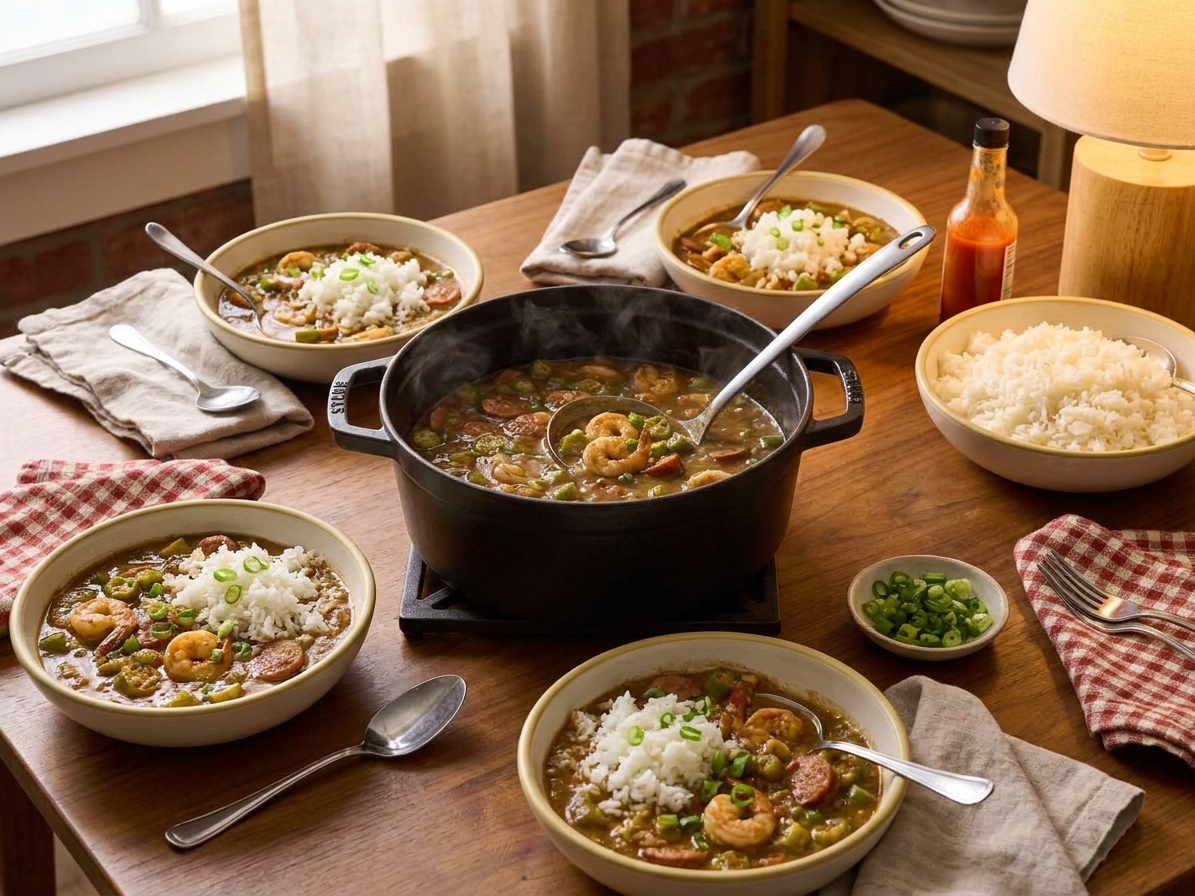
Storage and reheating
Gumbo is a dream for meal prep. It often tastes better the next day.
Refrigerate
Cool, then refrigerate in an airtight container for up to 3 days. Reheat gently. If possible, store rice separately.
Freeze (preferred method)
For best shrimp texture, freeze the gumbo base before adding shrimp. Freeze up to 3 months. Thaw overnight in the fridge, reheat to a simmer, then add raw shrimp and cook 2 to 4 minutes.
Food waste tip
Dice extra onion, pepper, and celery and freeze them as a “gumbo kit.” Next time, your mise en place is basically done.
Common mistakes
- Burning the roux: If it smells burnt, do not try to save it. Dump it, wipe the pot, and start over. Burnt roux will make the whole pot taste bitter.
- Using heat that is too high: high heat gets you brown fast, but also burned fast. Medium gives you a wider safety window.
- Not stirring thoroughly: scrape the bottom and corners continuously so the roux does not scorch.
- Adding stock too quickly: stream in stock slowly while stirring to prevent lumps and keep the texture silky.
- Boiling shrimp: do not boil; keep it at a gentle simmer. Overcooking is the fastest way to ruin an otherwise perfect pot.
- Over-seasoning early: Creole seasoning and stock vary widely. Go light early and dial it in right before the shrimp go in.
- Adding filé powder while boiling: add filé off the heat or it can turn ropey and a little gummy.
FAQ
Why is my gumbo greasy?
A little sheen is normal. If it tastes oily or you see a lot of fat pooling on top, the usual culprits are too much fat in the roux, not enough flour, not cooking the roux long enough to fully integrate, or extra fat coming from sausage or a rich stock. You can skim excess fat, and next time measure the roux carefully and keep the simmer gentle.
Why is my gumbo too thick or too thin?
Too thick: stir in a splash of stock or water and re-simmer 5 minutes. Too thin: simmer uncovered longer. Gumbo reduces as it cooks, and okra contributes body over time. If you went very dark on the roux, expect a slightly looser final texture, and consider simmering a bit longer to concentrate flavor.
Can I use pre-cooked shrimp?
You can, but it is easy to overcook. Add pre-cooked shrimp in the last minute just to warm through, then turn off the heat.
Do I have to use seafood stock?
No. Good chicken stock makes a very satisfying shrimp gumbo. If you do use seafood stock, make sure it tastes clean and not overly fishy.
Shrimp Gumbo
Yield: 6 servings
Time: 55 to 75 minutes
Skill level: confident beginner (the roux is the only focused part)
- Prep
- 15 minutes
- Cook
- 55 to 75 minutes
- Total
- 70 to 90 minutes
- Yield
- 6 servings
Ingredients
- 1/2 cup neutral oil (vegetable, canola, grapeseed, or avocado) or bacon fat
- 1/2 cup all-purpose flour
- 1 large yellow onion, diced (about 2 cups)
- 1 green bell pepper, diced (about 1 cup)
- 2 to 3 celery ribs, diced (about 1 cup)
- 4 cloves garlic, minced
- 1 tablespoon tomato paste (optional but adds depth)
- 1 to 2 teaspoons Creole seasoning, plus more to taste
- 1 teaspoon smoked paprika
- 1/2 teaspoon dried thyme
- 1 bay leaf
- 1/4 to 1/2 teaspoon cayenne, to taste
- 6 cups seafood stock or chicken stock
- 1 (14.5 ounce) can diced tomatoes, drained (optional, more Creole-leaning)
- 2 cups sliced okra (fresh or frozen)
- 1 pound raw shrimp, peeled and deveined (tails off for easy eating)
- Kosher salt and black pepper
- 1 to 2 teaspoons fresh lemon juice or 1 teaspoon distilled white vinegar, to finish
- Sliced scallions and chopped parsley, for serving
- Cooked white rice, for serving
- Hot sauce (optional)
Instructions
- Make the roux (10 to 25 minutes): In a heavy-bottomed Dutch oven over medium heat, whisk together the oil and flour. Once it starts bubbling, switch to a wooden spoon or flat-edged spatula and stir constantly, scraping the bottom and corners, until the roux reaches milk chocolate to dark chocolate color.
- Sweat the trinity (8 to 10 minutes): As soon as the roux hits your target color, add onion, bell pepper, and celery. Stir until the vegetables soften. Add garlic and cook 30 seconds. Stir in tomato paste (if using) and cook 1 minute.
- Bloom spices and add stock (about 5 minutes): Stir in Creole seasoning, smoked paprika, thyme, bay leaf, cayenne, and a few grinds of black pepper. Cook 30 seconds to bloom. Slowly stream in stock while stirring until smooth. Add drained tomatoes (if using).
- Simmer and add okra (20 to 30 minutes): Bring to a gentle simmer, then reduce heat to maintain small, steady bubbles. Add okra and simmer until the broth thickens slightly and the okra loses its raw edge, stirring occasionally.
- Add shrimp at the end (2 to 4 minutes): Season the gumbo to taste with salt, then add shrimp and stir. Cook just until shrimp turn pink and opaque and curl into a loose C shape (keep it at a gentle simmer, not a boil).
- Finish and serve: Turn off the heat. Stir in lemon juice or vinegar, then taste and adjust salt, acid, and cayenne as needed. Serve over rice with scallions, parsley, and hot sauce (optional).
Notes
- Roux cues: Aim for milk chocolate to dark chocolate color. It should smell nutty, like toasted flour and popcorn, never burnt. If it smells burnt, dump it, wipe the pot, and start over.
- Stock choice: Seafood stock is wonderful, but chicken stock is totally acceptable and often cleaner tasting for weeknights. If your stock is very salty, hold back on seasoning until the end.
- Tomatoes or no? Tomatoes are more common in Creole-leaning gumbo. Skip them for a more Cajun-leaning profile.
- Heat level: Start low with cayenne. You can always add hot sauce at the table.
- Shrimp note: Frozen shrimp is fine. Thaw overnight in the fridge, or in a bowl of cold water for 15 to 20 minutes, then pat dry.
- Make-ahead/freezing: For best shrimp texture, freeze the gumbo base before adding shrimp (up to 3 months). Thaw overnight, reheat to a simmer, then add raw shrimp and cook 2 to 4 minutes.
Nutrition
- Calories: ~320
- Fat: ~14 g
- Carbs: ~18 g
- Protein: ~28 g
- Fiber: ~3 g
- Sugar: ~5 g
- Sodium: ~950 mg
Nutrition values are approximate and will vary with stock, Creole seasoning, and serving size (rice not included).