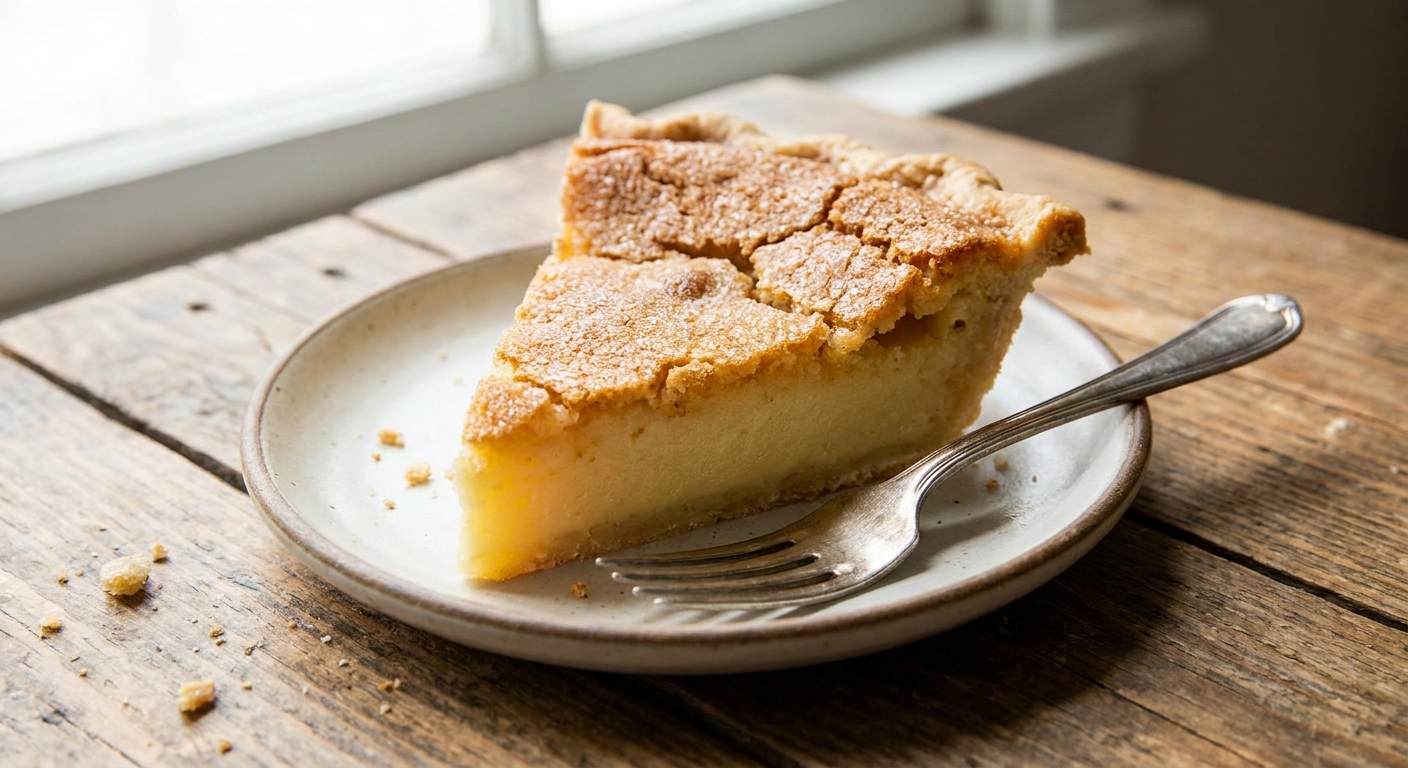

Chess pie is one of those desserts that feels almost too simple to be special. The core is butter, sugar, and eggs, plus a tiny bit of cornmeal to give the filling body and that signature delicate, crackly top. Vanilla and a little vinegar are classic supporting players, and when the pie is baked correctly and cooled completely, it slices like a dream and tastes like warm vanilla custard with a hint of caramelized sweetness in a flaky crust.

If you’ve ever had a chess pie that looked perfect in the oven and then turned runny or weepy on the counter, you are not alone. This recipe is built around three things that make all the difference: keeping the crust crisp, baking until the center is just set using a reliable jiggle test (and an optional temperature check if you like numbers), and giving the pie enough time to cool and chill so the custard fully sets before slicing.
Why this recipe works
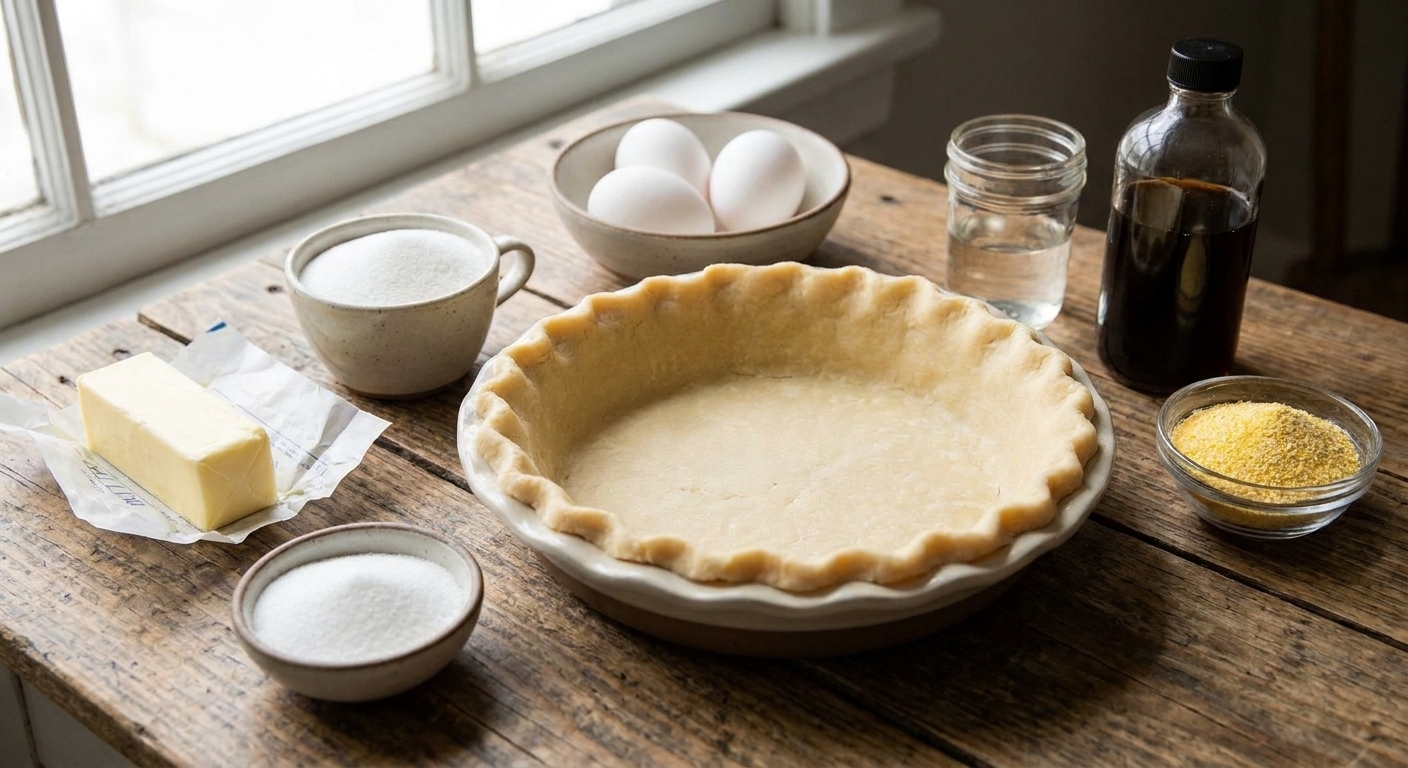
- Cornmeal thickens without turning the filling bready. A small amount helps the custard set and adds the faintest toasty note.
- Vinegar balances sweetness. You do not taste it as vinegar. It brightens the filling and keeps the flavor from going flat.
- A hot oven start sets the top. Beginning at a higher temperature helps create that classic glossy, crackly surface before you finish baking more gently.
- The jiggle test prevents overbaking. Pulling the pie when the center wobbles like set gelatin keeps the custard silky instead of grainy.
- Cooling time equals clean slices. Chess pie continues to set as it cools. Cutting too early is the fastest path to a “lava slice.”
Ingredient notes
Pie crust
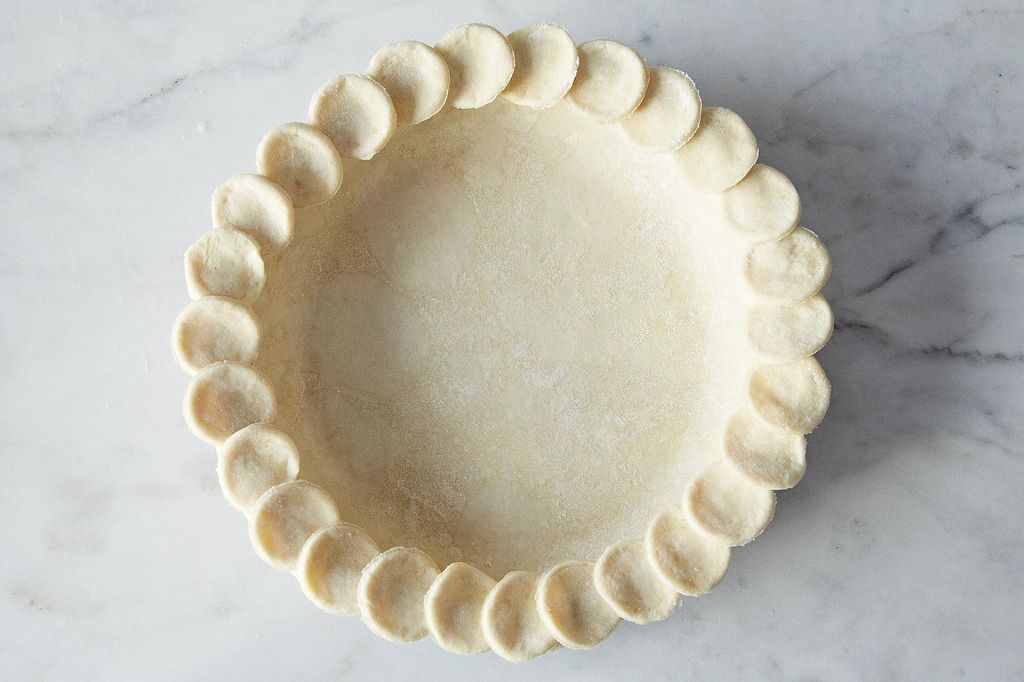
You can use your favorite homemade crust or a store-bought 9-inch deep dish crust. If you are using a standard 9-inch crust that is not deep dish, the filling may come close to the rim. Place the pie dish on a rimmed baking sheet for safety.
Butter
Melted butter gives you a smooth filling with minimal effort. Let it cool slightly so it does not shock the eggs.
Sugar
Granulated sugar is classic. It creates that bright, clean sweetness and helps form the thin top crust as it bakes.
Eggs
Room temperature eggs blend more evenly. Cold eggs can seize the melted butter into little bits.
Cornmeal
Use finely ground cornmeal if you can. It disappears into the custard more smoothly than coarse grind.
Vinegar
Distilled white vinegar is traditional. Apple cider vinegar works too and adds a whisper of fruitiness.
Vanilla and salt
Vanilla is the main flavor, so use a vanilla you like. Salt is not optional here. It keeps the sweetness in check.
Equipment you will need
- 9-inch pie dish (glass or metal both work)
- Rimmed baking sheet (for stability and spill insurance)
- Mixing bowl
- Whisk
- Fine-mesh sieve (optional, for an extra-silky custard)
- Pie shield or aluminum foil (to prevent over-browning the crust)
- Instant-read thermometer (optional, helpful for doneness)
Pro tips
How to keep the crust from going soggy
- Par-bake the crust. A partially baked crust is the most reliable way to keep the bottom crisp with a custard filling.
- Brush with egg white. After par-baking, brush the warm crust with a thin layer of egg white and return it to the oven for 2 minutes. This sets a moisture barrier.
- Fill a warm crust. Let the crust cool just a few minutes, but do not let it go fully cold before adding the filling. Warm crust sets faster and resists sogginess.
The jiggle test
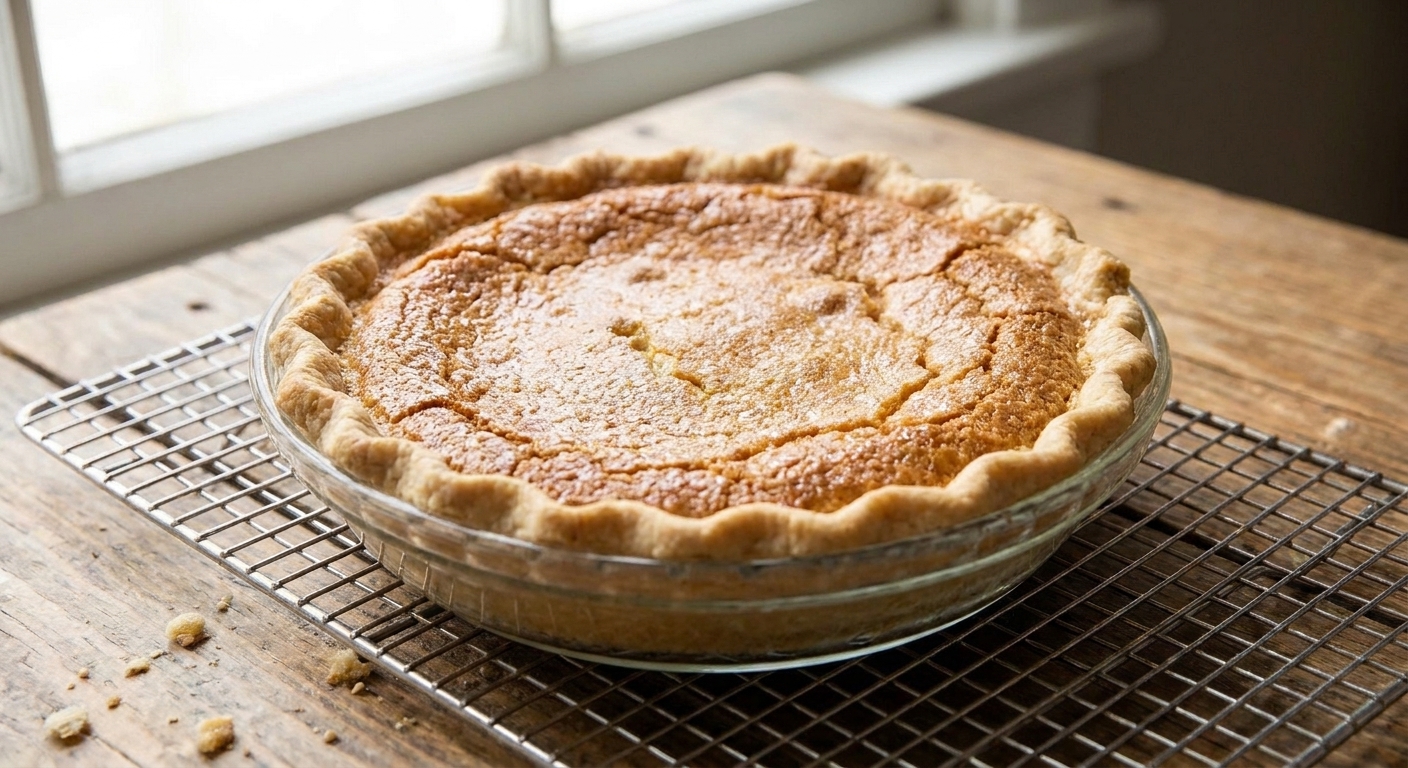
Gently tap the pie dish or nudge the baking sheet. You want the outer 2 to 3 inches to look set, with the very center wobbling like gelatin, not sloshing like liquid. It will finish setting as it cools.
Optional thermometer check
If you like numbers, aim for about 170 to 175 F in the center. Much higher and the eggs can overcook, giving a slightly grainy texture.
Cooling time for clean slices
Cool on a rack until no longer warm to the touch, then chill. For the cleanest slices, plan on at least 4 hours total setting time, and overnight is even better.
Substitutes that work
- Vinegar: Swap distilled white vinegar with apple cider vinegar or fresh lemon juice in the same amount.
- Cornmeal: Fine cornmeal is best, but in a pinch you can use the same amount of all-purpose flour for thickening. The texture will be slightly less “classic.”
- Vanilla: If you are out, use 1 to 2 teaspoons bourbon instead. It reads as warm and vanilla-like after baking.
- Dairy-free: You can experiment with plant-based butter, but results vary by brand. Choose one that is labeled for baking and has a similar fat content to butter.
Variations
- Lemon chess pie: Add 1 tablespoon finely grated lemon zest and swap vinegar for lemon juice.
- Buttermilk chess pie vibe: Replace 1/2 cup of the milk with buttermilk, keeping the vinegar (or reduce vinegar to 1 teaspoon if you prefer it less tangy).
- Brown sugar chess pie: Replace 1/2 of the granulated sugar with light brown sugar for a deeper caramel note.
- Nutmeg top: Grate a little fresh nutmeg over the filling right before baking.
Serving ideas
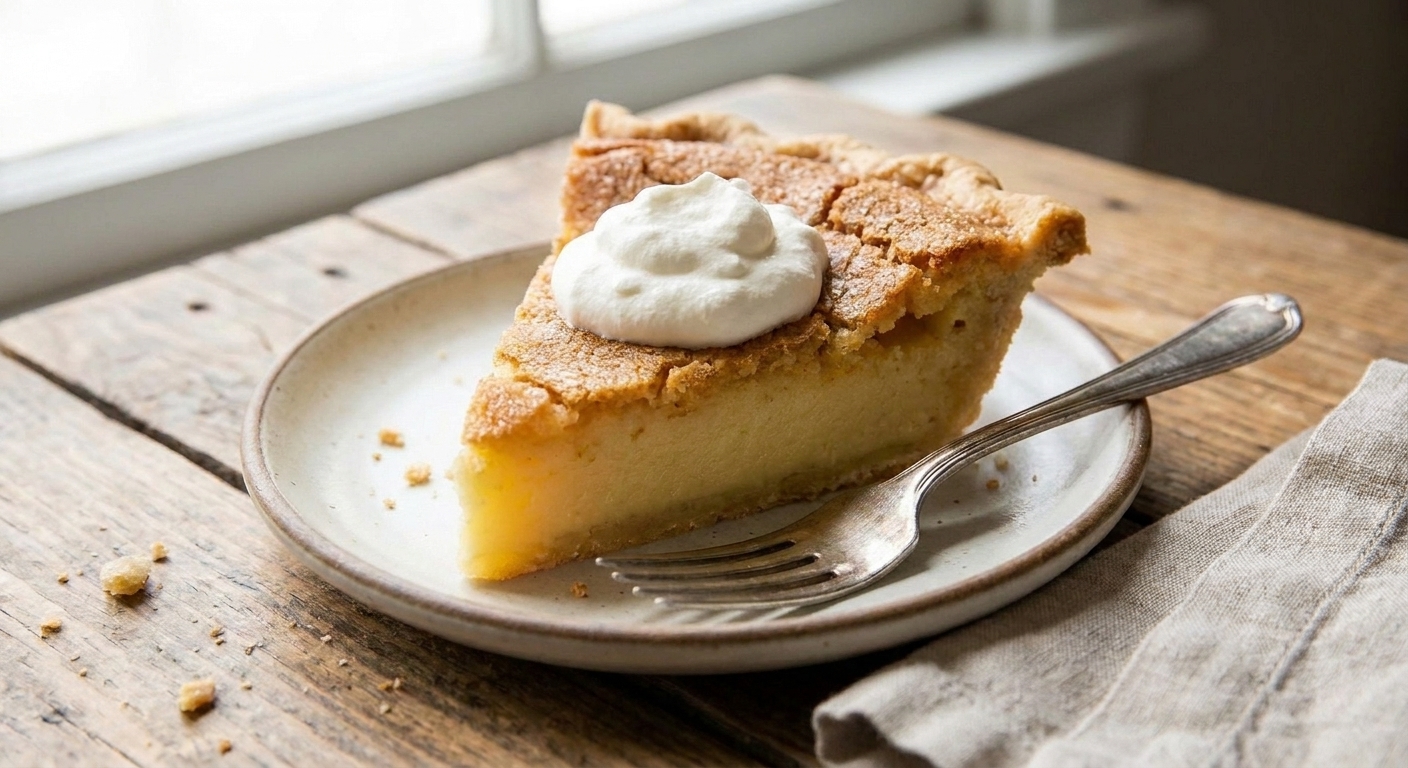
- Serve chilled or at cool room temperature with lightly sweetened whipped cream.
- Add fresh berries for contrast and a little natural acidity.
- For a holiday-style plate, pair with a scoop of vanilla ice cream and a pinch of flaky salt on top.
Storage and reheating
Refrigerator
Cover and refrigerate for up to 4 days. Chess pie actually slices best once it is well chilled.
Freezer
You can freeze chess pie for up to 2 months. Wrap the whole pie or individual slices tightly in plastic wrap, then foil. Thaw overnight in the refrigerator.
Serving after chilling
For the neatest slices, cut straight from the fridge with a sharp knife wiped clean between cuts. If you prefer a softer texture, let slices sit at room temperature for 15 to 20 minutes.
Common mistakes
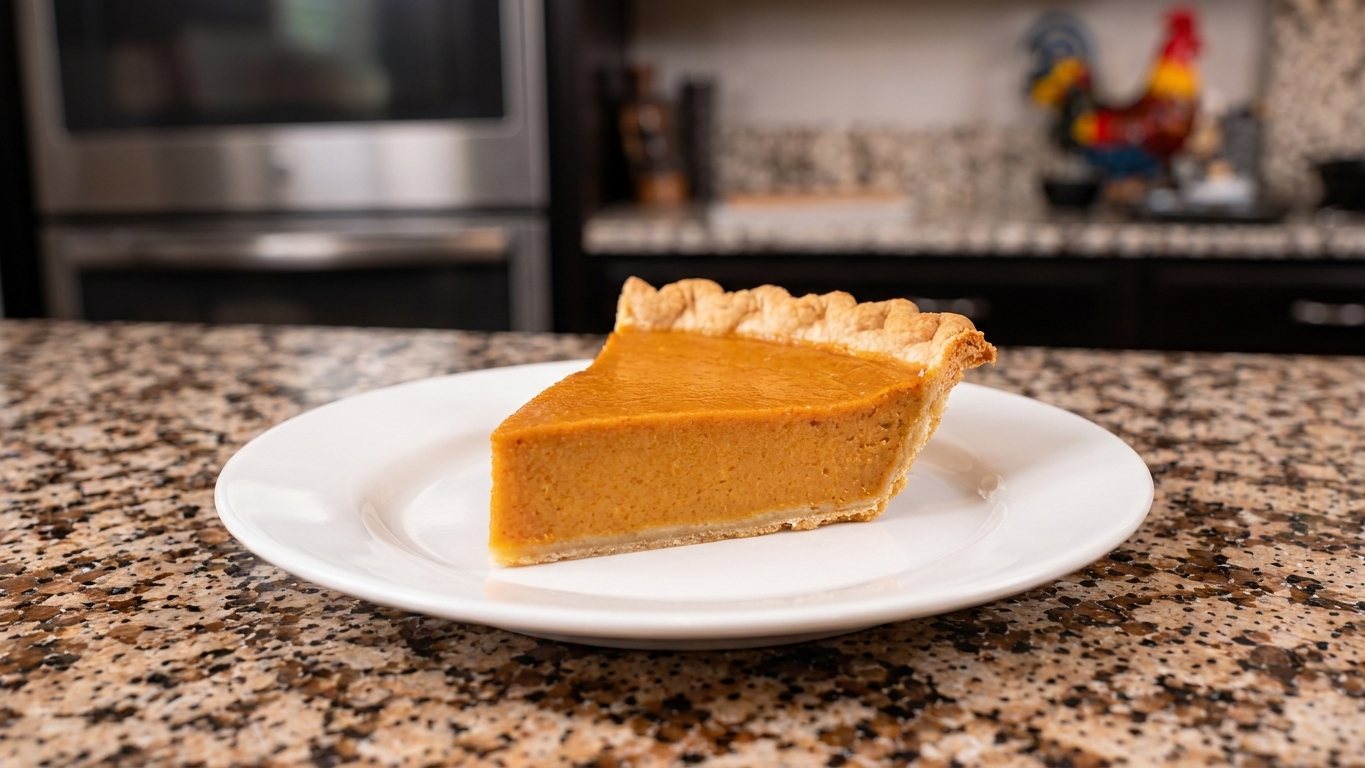
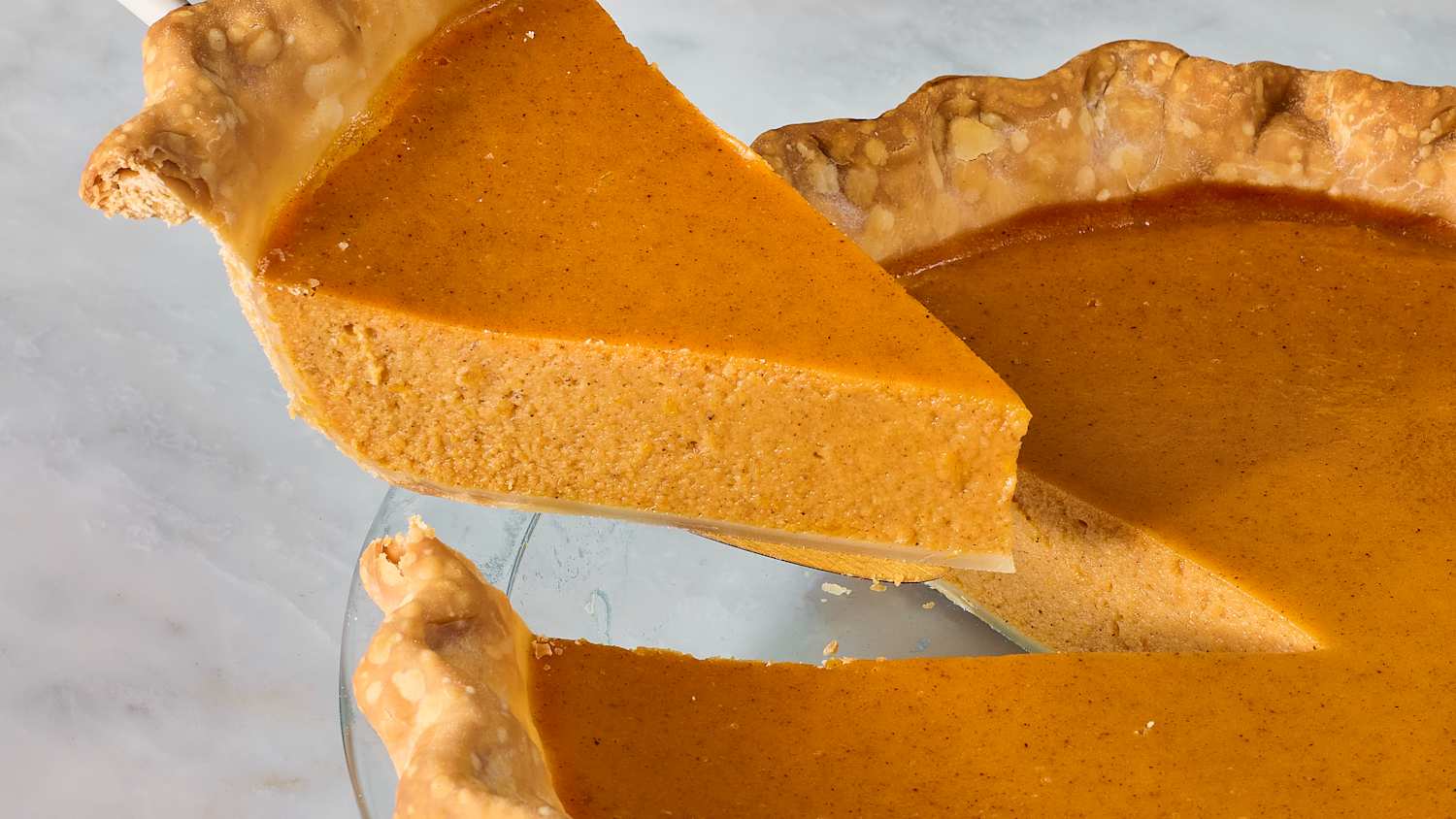
- Cutting too soon. The pie may look set, but the custard needs time to finish firming up. Warm chess pie will not hold a clean wedge.
- Overbaking. If the center is fully firm in the oven, it is likely overbaked. Look for a jiggle in the center and a set edge.
- Skipping crust protection. Without par-baking and a quick egg white seal, the bottom crust can turn gummy under the custard.
- Whisking aggressively. Too much air can create bubbles and an uneven surface. Whisk until smooth, not frothy.
- Pouring filling into a cold crust. It slows setting and can encourage a soggy bottom.
FAQ
Why is it called chess pie?
The exact origin is debated, but the pie itself is a classic Southern pantry custard, meant to be made from basics you likely already have.
Is chess pie supposed to be runny?
No. It should be custardy and soft, but sliceable. If it is runny, it likely needed more bake time or more cooling time, or both.
Do I have to use cornmeal?
Traditional chess pie includes a small amount. It helps the custard set and gives the filling subtle structure. You can substitute flour, but the texture will be slightly different.
Why did my filling separate or look greasy?
This can happen if the butter was very hot when it hit the eggs, or if the pie overbaked. Let melted butter cool slightly and bake only until just set.
Can I make chess pie ahead?
Yes, and I recommend it. Bake the day before, chill overnight, and slice the next day for the cleanest wedges.
Classic Chess Pie
A classic Southern chess pie with a buttery, crackly top and a custardy vanilla center, thickened with a touch of cornmeal and brightened with vinegar. Includes par-baking for a crisp crust and a clear jiggle test for perfect doneness.
- Prep
- 20 minutes
- Cook
- 55 minutes
- Total
- 5 hours 15 minutes
- Yield
- 8 slices
Ingredients
- 1 unbaked 9-inch deep dish pie crust (homemade or store-bought), fitted into a pie dish
- 1 large egg white (for sealing the crust)
- 1/2 cup (113 g) unsalted butter, melted and cooled 5 minutes
- 1 1/2 cups (300 g) granulated sugar
- 1 tablespoon fine cornmeal
- 1 tablespoon all-purpose flour
- 1/2 teaspoon fine salt
- 4 large eggs, room temperature
- 1/2 cup (120 ml) whole milk
- 1 tablespoon distilled white vinegar
- 1 tablespoon vanilla extract
Instructions
- Heat the oven. Arrange a rack in the lower third of the oven. Preheat to 425 F. Set the pie dish on a rimmed baking sheet.
- Par-bake the crust. Line the crust with parchment paper and fill with pie weights or dried beans. Bake for 15 minutes, then carefully lift out the parchment and weights. Bake 5 minutes more, until the bottom looks dry and just beginning to turn pale golden.
- Seal the crust. Brush the warm crust bottom and sides with the egg white. Return to the oven for 2 minutes to set the egg white. Reduce oven temperature to 350 F.
- Mix the dry ingredients. In a large bowl, whisk together the sugar, cornmeal, flour, and salt.
- Add butter, then eggs. Whisk in the melted butter until smooth. Add the eggs one at a time, whisking gently until just combined after each.
- Add milk, vinegar, and vanilla. Whisk in the milk, vinegar, and vanilla until the mixture is smooth. Avoid whipping in lots of air. For an extra-silky filling, strain through a fine-mesh sieve into a pouring vessel.
- Fill the crust. Pour the filling into the warm par-baked crust. If your crust edge is browning quickly, add a pie shield or a loose ring of foil around the rim.
- Bake. Bake at 350 F for 35 to 45 minutes, rotating the baking sheet halfway through, until the edges are set and puffed and the center still has a small gelatin-like jiggle when you gently nudge the pan. The top should look glossy and lightly browned. Optional doneness check: the center should read about 170 to 175 F.
- Cool completely, then chill. Cool the pie on a wire rack until room temperature, about 2 hours. Refrigerate until fully set, at least 2 more hours (overnight is ideal for the cleanest slices).
- Slice and serve. Slice cold for the neatest wedges. Wipe the knife between cuts for clean edges.
Notes
- Jiggle test: Think set gelatin, not liquid. If the center ripples like a wave, bake 5 minutes more and check again.
- Crust insurance: The baking sheet makes it easier to move the pie without sloshing, and it catches any butter-sugar overflow if your crust is not deep dish.
- Clean slices: Chess pie slices best cold. If you want it less chilled, let slices sit 15 to 20 minutes at room temperature after cutting.