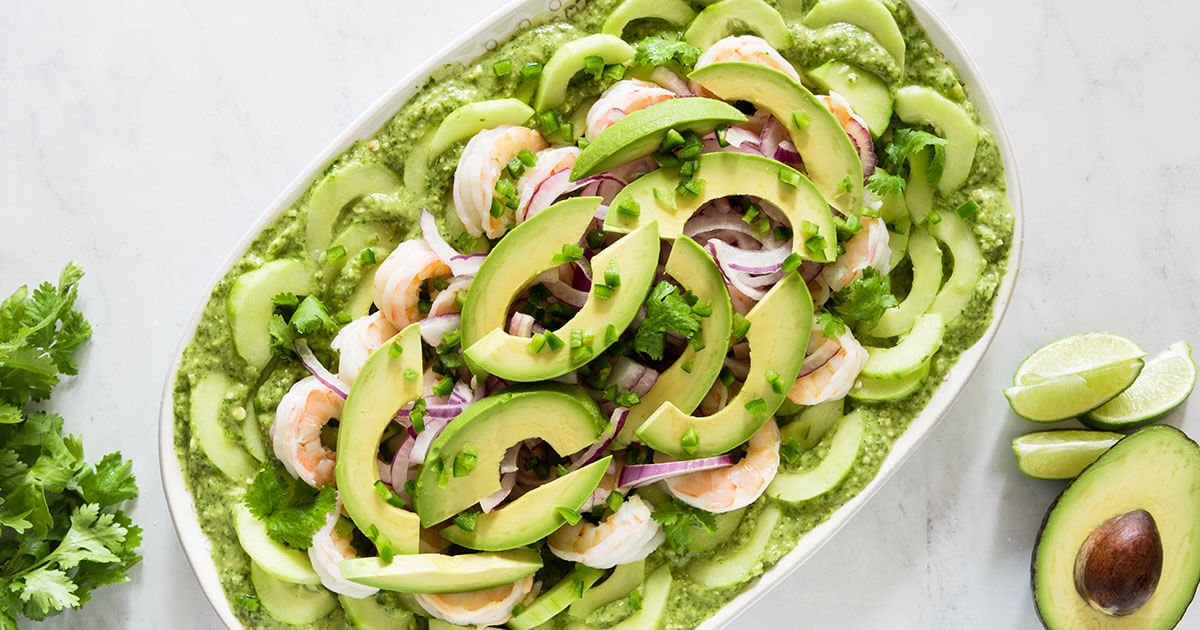

Guacamole is one of those miracles where five everyday ingredients turn into something that tastes like you planned a whole party. My weeknight version sticks to the essentials: ripe avocado, lime, salt, onion, and cilantro. No complicated add-ins, no extra bowls, and no fussy technique. Just a few small choices that make a big difference.

The real secret is using avocados that are properly ripe. When you nail that, the rest is just seasoning. I will show you exactly what to feel for, how to decide between chunky and smooth, and the best low-effort ways to slow browning so your guac stays green longer on the table.
How ripe should the avocados be?
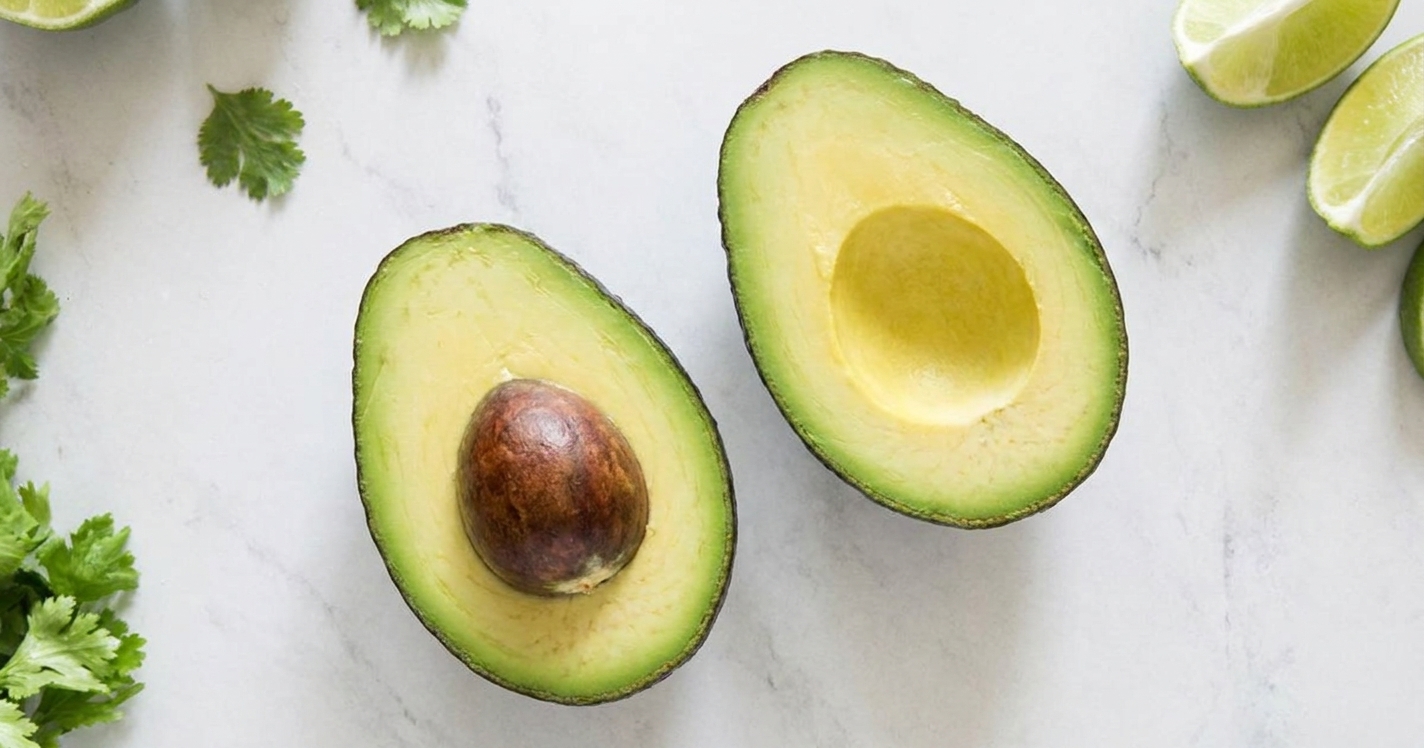
For guacamole, you want avocados that yield to gentle pressure but do not feel squishy or hollow. Think “ripe peach” level of give. If they are rock-hard, you will end up with bland chunks that refuse to mash. If they are very soft, the flavor can taste flat and the texture can turn pasty.
- Perfect ripe: Gives slightly when you press the side with your thumb, and the skin is deep green to nearly black (for Hass).
- Too firm: No give at all. Let it ripen at room temperature for 1 to 3 days.
- Too ripe: Feels very soft, dents easily, or has sunken spots. Still usable if the inside is mostly green, but you may need extra lime and salt to wake it up.
Chunky vs smooth guacamole
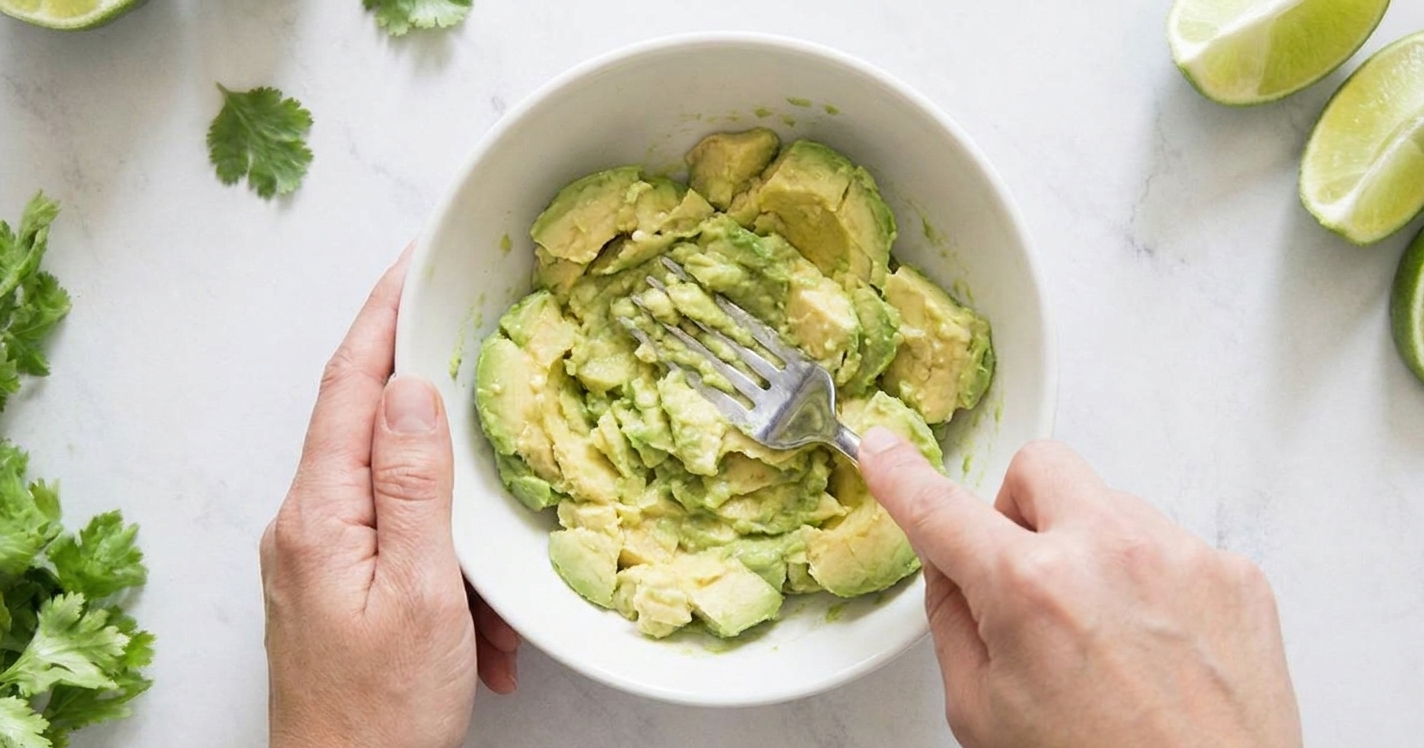
This is the fork-in-the-road moment, and there is no wrong answer. I like a mostly chunky guacamole for chips because it feels fresh and scoopable. For tacos, burrito bowls, or spreading on toast, a smoother guac hugs the food better.
- Chunky: Mash lightly with a fork, leaving visible pieces of avocado. Fold in onion and cilantro at the end so they stay distinct.
- Smooth: Mash more thoroughly with a fork or potato masher. Stir the lime and salt in early to help the avocado break down evenly.
My practical rule: mash 80 percent of the avocado, then fold in the last 20 percent diced into small chunks. You get creaminess and texture without overthinking it.
How to slow browning
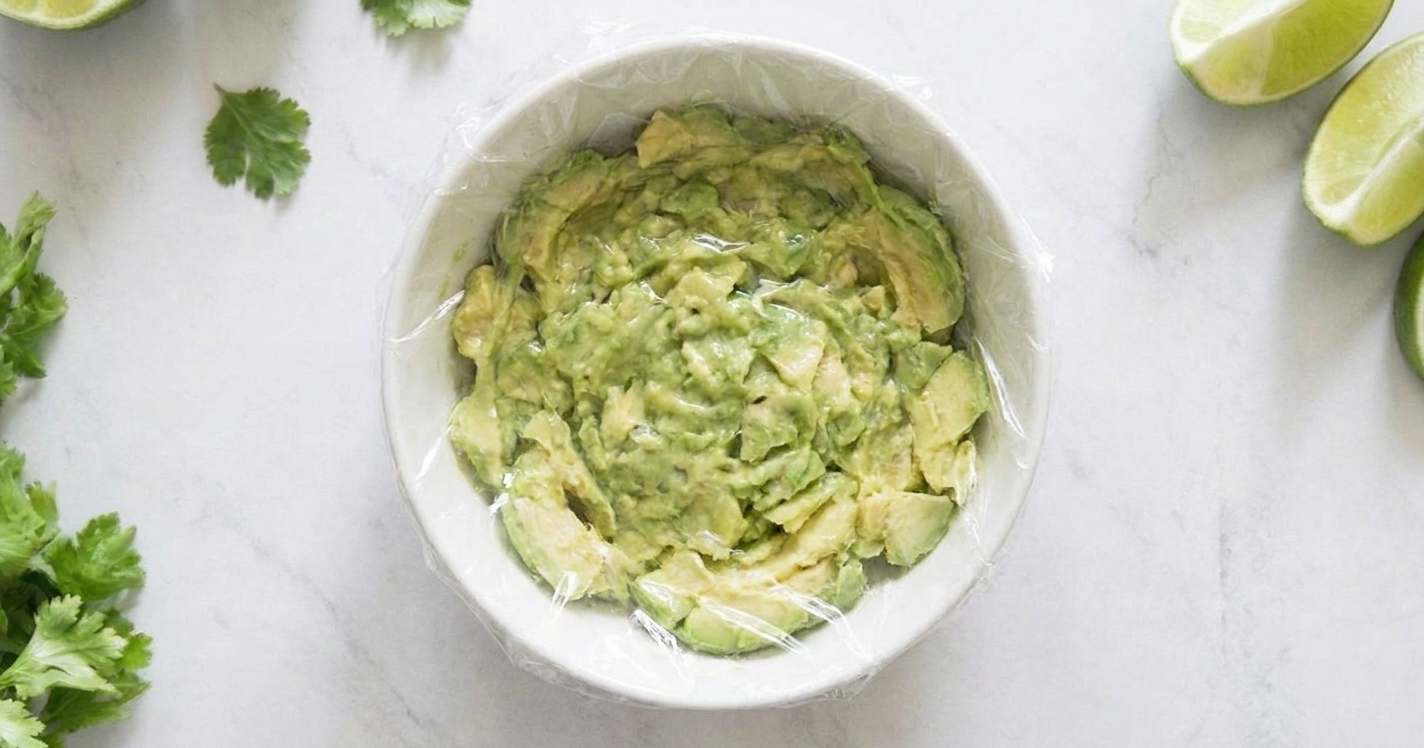
Guacamole browns when the avocado flesh meets oxygen. Lime juice helps, but the biggest win is limiting air contact.
- Press plastic wrap directly on the surface: Smooth it so there are no air pockets. This is my go-to.
- Store in a smaller container: Less headspace means less oxygen.
- Add lime to taste, not as a force field: Too much lime can make guac sharp and watery. Use enough for balance, then rely on good storage.
About the “leave the pit in” trick: it only prevents browning where it touches. It is fine to do, but it does not replace pressing out air on the surface.
Why this recipe works
- Simple seasoning, big payoff: Lime and salt do the heavy lifting, while onion and cilantro add crunch and brightness.
- Texture control: Fork-mashing lets you choose chunky or smooth without special tools.
- Balanced flavor: The method builds in a quick taste-and-adjust step so the guacamole lands in that ideal zone of salty, bright, and creamy.
- Smarter storage: Practical anti-browning steps focus on limiting air exposure, which matters more than any single “hack.”
Ingredient notes
Avocados
Hass avocados are ideal because they turn buttery when ripe. Choose fruit that yields slightly to gentle pressure. If you pop off the stem cap and it is green underneath, you are in great shape. If it is brown, the avocado is likely overripe inside.
Lime
Fresh lime juice tastes cleaner and brighter than bottled. Start small, then add more. The exact amount depends on how rich your avocados are and what you are serving the guac with.
Salt
Kosher salt is easiest to control. If you use fine table salt, start with less and add gradually because it tastes saltier by volume.
Onion
White onion is classic. Dice it small so it blends in without overpowering. If your onion is especially sharp, rinse the diced onion under cold water and pat dry to mellow it.
Cilantro
Use the tender leaves and thin stems. If you are cilantro-sensitive, you can reduce it or omit it, but the guacamole will taste less “classic.”
Equipment you will need
- Cutting board and sharp knife
- Medium bowl
- Fork (or potato masher for extra-smooth)
- Citrus juicer (optional, but helpful)
- Spoon for scooping avocados
Pro tips
- Salt earlier than you think: Stir salt into the mashed avocado first, then add lime. Salt helps bring out the avocado’s nuttiness.
- Use sensory cues: Your guac should taste a little too bold on its own if it is headed for chips. Chips dilute seasoning fast.
- Dice onion tiny: Big onion pieces can dominate each bite. Think confetti, not chunks.
- Adjust lime last: Lime brightens, but too much can make the guacamole taste thin. Add it in small splashes and taste each time.
- For less mess: Score the avocado flesh in the peel with a knife, then scoop it out. It drops into the bowl cleanly.
Substitutes that work
- No lime: Use lemon juice. The flavor shifts slightly, but it still gives acidity and helps slow browning.
- No white onion: Use red onion for a sweeter bite, or sliced green onion for a gentler onion flavor.
- No cilantro: Leave it out, or use a small amount of chopped parsley for color. It will not taste the same, but it will still be fresh.
Variations
- Spicy guacamole: Stir in very finely minced jalapeño (or serrano) to taste.
- Extra zesty: Add a little finely grated lime zest for aroma without extra sourness.
- Crunchy: Fold in a bit more onion and chop the cilantro a touch larger.
- Ultra-smooth: Use a potato masher and mash until glossy and cohesive, then let it sit 5 minutes so the salt dissolves fully.
Serving ideas
Guacamole is obviously perfect with tortilla chips, but I also love it as a “finisher” that turns basic pantry dinners into something you actually look forward to.
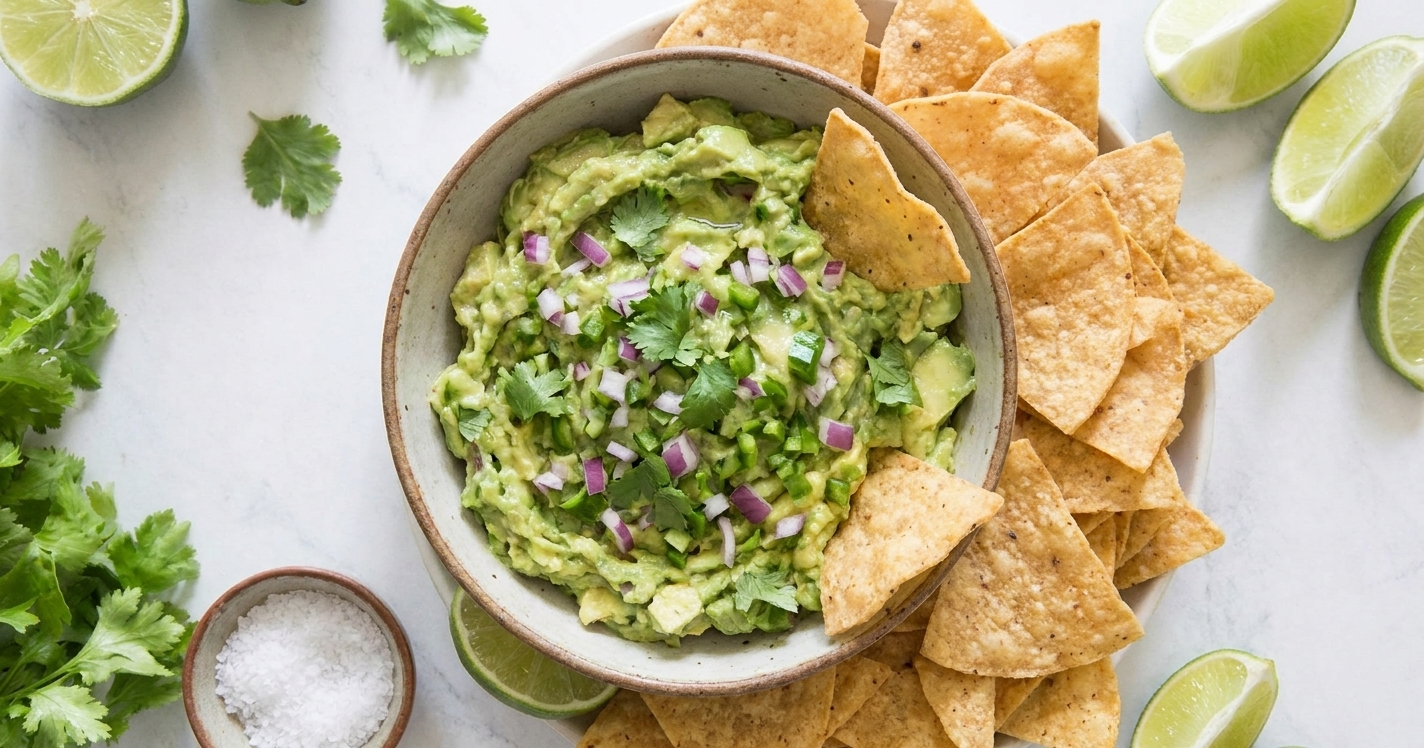
- Chips and dip: Serve with tortilla chips, plantain chips, or thick-cut veggie sticks like jicama and cucumber.
- Taco night: Spoon onto tacos right before serving so the guac stays bright and cool.
- Burrito bowls: Add a big dollop over rice and beans for creaminess without extra dairy.
- Quesadillas: Serve on the side as a cool contrast to melty cheese.
- Toast: Spread thickly and finish with a pinch of salt and extra lime.
- Breakfast: Add to scrambled eggs or a breakfast taco.
Storage and reheating
Refrigerate: Store guacamole in an airtight container with plastic wrap pressed directly on the surface. Chill up to 1 day for best color and flavor.
To refresh: If the top darkens slightly, scrape off the browned layer or stir it in if it is minimal. Taste, then add a small squeeze of lime and a pinch of salt to wake it back up.
Freezing: I do not recommend freezing classic guacamole with onion and cilantro. The texture turns watery as it thaws.
Common mistakes
- Using underripe avocados: You will fight the mash and end up with bland, stiff guac. Let them ripen properly.
- Over-mashing: If you want chunky, stop earlier than you think. Avocado keeps breaking down as you stir.
- Under-salting: Guacamole needs enough salt to taste “alive.” Add in small pinches and keep tasting.
- Too much lime at once: It can turn your guac sharp and loose. Add gradually.
- Storing with air gaps: Browning is mostly an oxygen problem. Press wrap directly onto the surface.
FAQ
How do I ripen avocados faster?
Leave them at room temperature. To speed things up, put avocados in a paper bag. Adding a banana or apple to the bag can help because they release ethylene gas.
Should I use a molcajete?
You can, and it is delicious. For everyday guacamole, a bowl and fork gets you 95 percent of the way there with easier cleanup.
Why does my guacamole taste flat?
It usually needs more salt, more lime, or both. Add a pinch of salt first, stir, taste, then add a small squeeze of lime if it still feels heavy.
Can I make guacamole ahead for a party?
Yes, but I recommend making it the same day. Store it with plastic wrap pressed directly onto the surface and keep it cold until serving.
Easy Guacamole
A classic, no-fuss guacamole with ripe avocados, lime, salt, onion, and cilantro. Choose chunky or smooth, then keep it green longer with simple storage tricks.
- Prep
- 10 minutes
- Cook
- 0 minutes
- Total
- 10 minutes
- Yield
- Makes about 2 cups
Ingredients
- 3 ripe Hass avocados
- 1 lime, juiced (about 2 to 3 tablespoons), plus more to taste
- 1/2 teaspoon kosher salt, plus more to taste
- 1/3 cup finely diced white onion
- 1/3 cup chopped fresh cilantro
Instructions
- Prep the avocados. Halve the avocados, remove the pits, and scoop the flesh into a medium bowl.
- Mash to your preferred texture. Use a fork to mash until smooth, chunky, or somewhere in between. For a balanced texture, mash most of the avocado and leave a few small chunks.
- Season with salt and lime. Sprinkle in the salt, add the lime juice, and stir well. Taste and add more salt and lime as needed. The flavor should be bright and well-seasoned.
- Fold in onion and cilantro. Stir in the diced onion and chopped cilantro until evenly distributed. Taste one last time and adjust seasoning.
- Serve or store. Serve immediately. To store, press plastic wrap directly onto the surface of the guacamole, cover, and refrigerate for up to 1 day.
Notes
Avocado ripeness: Avocados should yield to gentle pressure but not feel squishy. If they are too firm, the guacamole will be bland and hard to mash.
Chunky vs smooth: For chunky guac, mash lightly and fold gently. For smoother guac, mash longer and stir more vigorously.
To mellow onion: If your onion tastes very sharp, rinse the diced onion under cold water and pat dry before adding.
To slow browning: Lime helps, but the best protection is pressing plastic wrap directly on the surface to block oxygen.