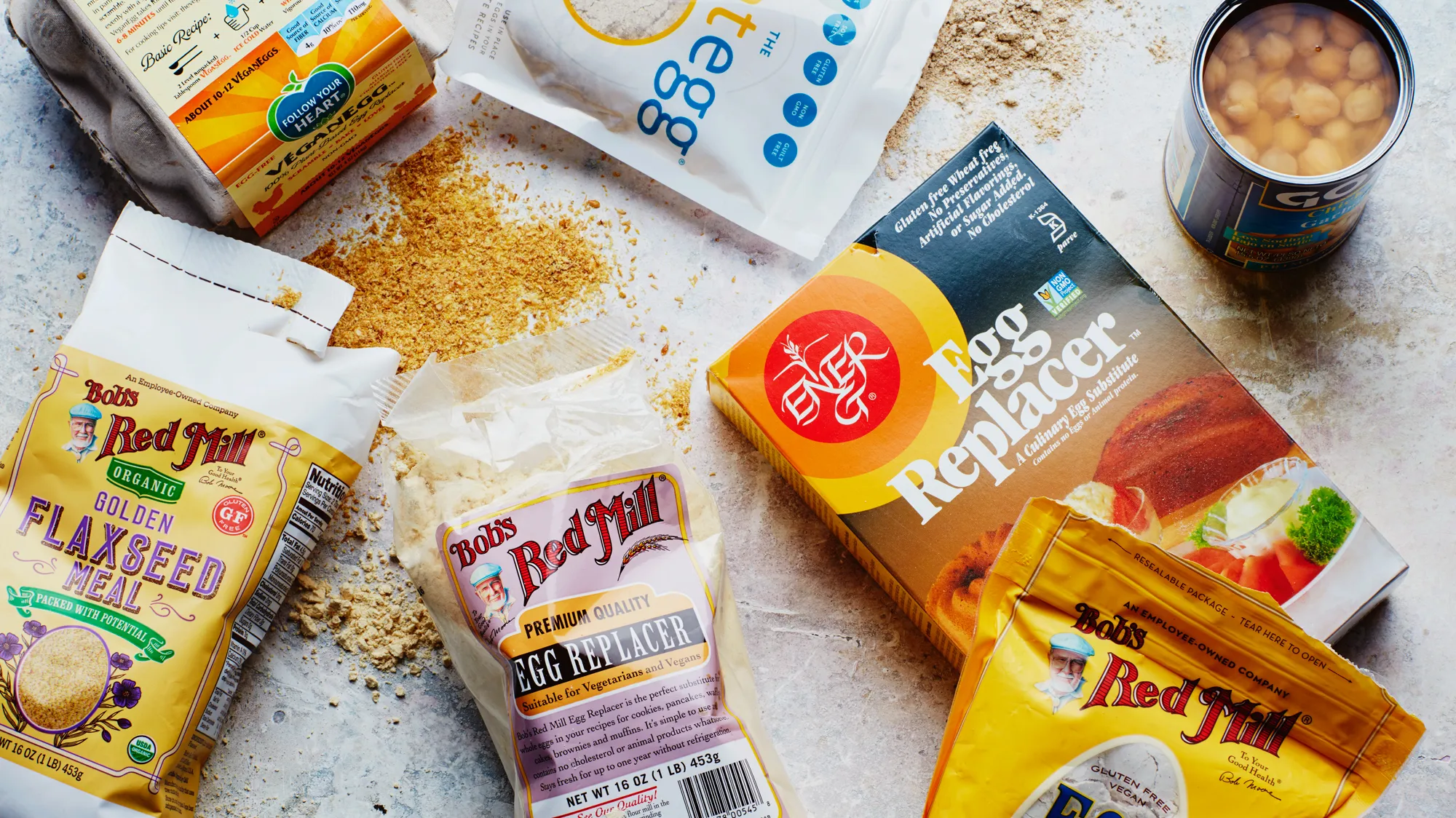
Eggs do three jobs. Your binder needs to match the job.
When a recipe calls for eggs, it usually wants one (or more) of these, often at the same time:
- Binding: holding the batter or dough together so it does not crumble.
- Structure: setting a cake crumb, helping breads hold height, and helping cookies set their shape (along with flour, sugar, and fat temperature).
- Moisture and richness: a tender bite and a little extra fat and emulsification.
Flax eggs, applesauce, aquafaba, and commercial substitutes can all replace eggs, but they do it in different ways. The trick is choosing the one that matches what you are baking.
Quick scope note: These swaps shine when eggs are mostly about binding, structure, or moisture in baked goods. They are not a straight fix for egg-forward recipes like custards, pastry cream, curds, soufflés, and anything where eggs are the main setting agent.
At-a-glance: best binder by bake
If you want the fastest answer, start here. Then scroll for ratios and details.
- Cakes and cupcakes: Commercial egg replacer for reliable rise and a clean flavor (results vary by brand). Applesauce for moist snacking cakes. Aquafaba for lighter sponge-style bakes when you whip it.
- Cookies and bars: Flax egg for chewy cookies and sturdy bars. Applesauce for soft, cakier cookies. Commercial replacer for classic texture with less flavor impact.
- Quick breads and muffins: Flax egg for structure and sliceability. Applesauce for extra moisture (especially in low-oil recipes). Commercial replacer for a predictable dome (brand dependent).
- Yeast breads: You often do not need an egg replacer at all. If eggs are there for softness or enrichment, use a commercial replacer or a small amount of applesauce plus a touch more fat.
The four binders (with ratios and what to expect)
Flax egg (best for chewy structure)
Ratio for 1 egg: 1 tbsp (7 g) ground flaxseed + 3 tbsp (45 g) water. Stir and let thicken 8 to 10 minutes until gel-like.
What it does: Adds binding and a bit of structure. It behaves more like a “whole egg” replacement in cookies and quick breads than in fluffy cakes.
Best in: oatmeal cookies, peanut butter cookies, blondies, brownies, banana bread, bran muffins, hearty quick breads.
Flavor and texture: Slight nutty taste, tiny speckles. Chewier, sturdier crumb.
My stove-side tip: Grind whole flax fresh if you can. Pre-ground works, but fresh ground thickens faster and smells sweeter.

Applesauce (best for moisture and tenderness)
Ratio for 1 egg: 1/4 cup (60 g) unsweetened applesauce.
What it does: Adds moisture and some binding. It does not add much structure, so very tall cakes can sink if applesauce is doing all the heavy lifting.
Best in: muffins, snack cakes, quick breads, soft cookies, pancakes, baked donuts.
Flavor and texture: Slight fruit note (usually subtle). Softer, more tender, sometimes a touch gummy if overused.
Waste-not note: This is a great use for leftover applesauce cups. If it is sweetened, reduce sugar in the recipe by 1 to 2 tbsp per egg replaced.

Aquafaba (best for lift and lightness)
Ratio starting point: For 1 whole egg: 3 tbsp (45 g) aquafaba (the liquid from canned chickpeas). For 1 egg white: 2 tbsp (30 g). Aquafaba varies by brand and thickness, so treat these as a starting point and adjust if yours is very thin or very concentrated.
What it does: Adds binding and, when whipped, real aeration. Unwhipped aquafaba can help with moisture and binding, but it does not replace yolk fat or the same kind of emulsification, so rich cakes may still need enough fat and good leavening.
Best in: waffles, lighter cakes, macarons and meringues, mousse-style desserts, some quick breads, and recipes that separate eggs.
Flavor and texture: Usually neutral once baked. If you taste a “bean” note, it is often from underbaking or a strong chickpea liquid. A pinch of salt and a splash of vanilla help.
My stove-side tip: If your aquafaba seems watery, simmer it for a few minutes to reduce, then cool before using. You want it to feel closer to egg white viscosity.

Commercial egg replacers (best for consistency)
Ratio: Follow the package. Most are a starch and leavening blend mixed with water, often about 1 1/2 tsp powder + 2 tbsp water per egg.
What it does: Reliable binding with a clean flavor and a predictable set. Performance varies by brand and recipe. Some are better at binding than lift, so treat “perfect cake rise” as likely, not guaranteed.
Best in: layer cakes, cupcakes, sugar cookies, chocolate chip cookies, muffins, pancakes, waffles.
Flavor and texture: Neutral. Usually the least noticeable option.
Label check: If you are avoiding eggs for allergy reasons, look for facility statements and allergen notes, and confirm it is truly egg-free.
My test notes: how each binder behaves
Here is what I see most consistently when I’m developing egg-free recipes or adapting older ones. Think of this as “what to expect,” so you can choose on purpose instead of crossing your fingers.
Cakes
- Flax egg: Tends to make cakes a bit denser and slightly darker. Great for carrot cake, spice cake, or anything where a hearty crumb feels right.
- Applesauce: Moist and tender, but can weigh down tall layer cakes. Best for loaf cakes and snacking cakes.
- Aquafaba: Best for a lighter crumb when you whip it, especially in vanilla cakes. Less helpful in very rich batters unless the leavening and bake time are dialed in.
- Commercial replacer: Often the easiest path to domed cupcakes and sliceable layer cakes, especially with a solid brand. If one brand falls flat, try another before you rewrite the recipe.

Cookies
- Flax egg: Chewy center, better cohesion, less crumbling. Often a bit less spread.
- Applesauce: Softer, cakier cookies with less crisp edge. Can reduce browning a bit.
- Aquafaba: Works, but can be fussy. Cookies may spread more unless the dough is well chilled.
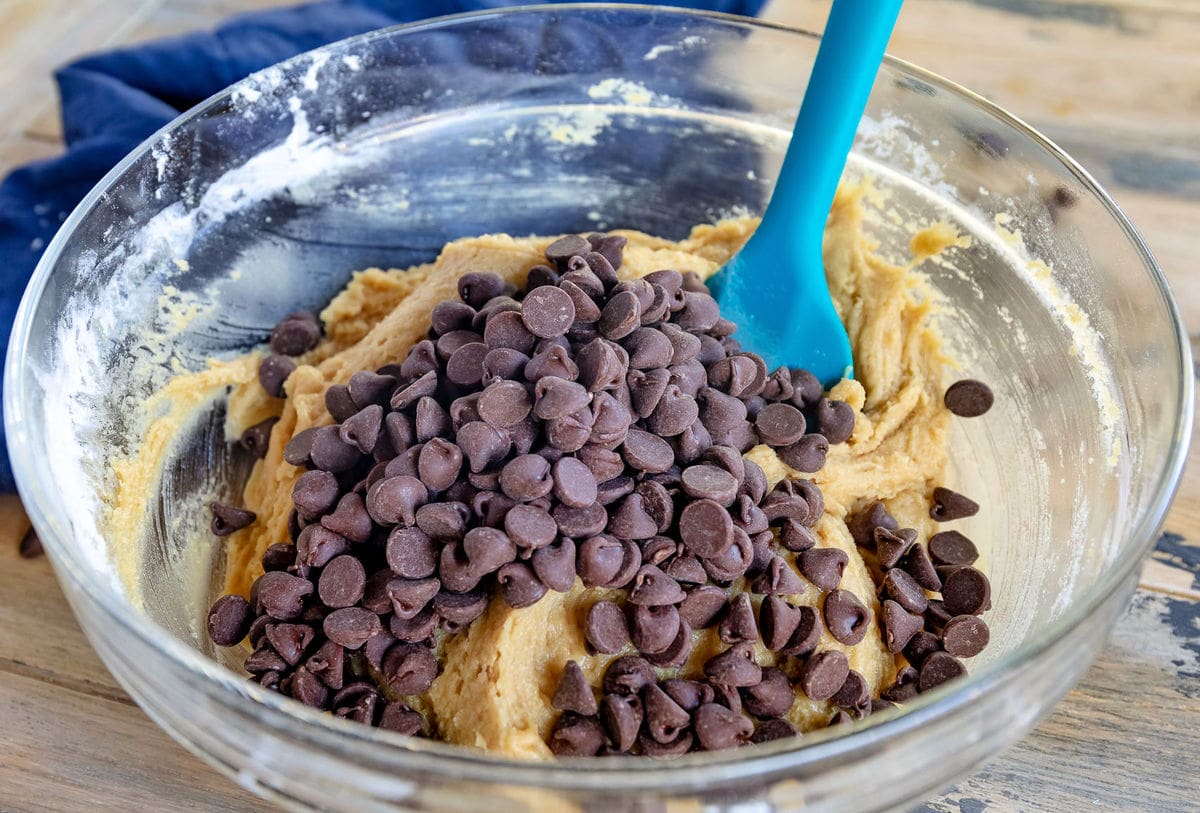
- Commercial replacer: Often closest to “standard” chocolate chip cookie texture, especially for crisp edges and set centers, but results vary by formula and brand.
Quick breads and muffins
- Flax egg: Slices cleanly, sturdy crumb, good height. My top pick for banana bread and zucchini bread.
- Applesauce: Adds moisture and tenderness, especially if you are also reducing oil. Too much can make the center feel a little damp.
- Aquafaba: Helpful when you want a lighter muffin, but less forgiving if you overmix.
- Commercial replacer: Reliable set and a classic muffin texture, with some brand-to-brand variation.
How to swap eggs without rewriting
Egg-free baking is easiest when you keep the rest of the formula steady. Use these guardrails and you will save yourself a lot of “why is this gummy?” moments.
Step 1: Count eggs and choose a plan
- 1 egg in a recipe: Any of the four binders can work, so choose based on the bake (cookie vs cake) and the texture you want.
- 2 eggs: Consider splitting roles. Example: 1 flax egg for structure + 1 applesauce “egg” for moisture in a quick bread.
- 3+ eggs: You are replacing major structure. A commercial replacer or a recipe designed egg-free will usually perform best. Aquafaba can work if the recipe is meant to be airy, but it may take testing.
Step 2: Watch the batter, not the clock
Egg-free batters often look a touch looser at first and then thicken as starches hydrate. Give it 3 to 5 minutes before you panic-add flour. For cookies, chilling the dough 20 to 30 minutes can fix spread before it starts.
Step 3: Add lift only if needed
If your cake or muffin recipe relied on eggs for some of its rise, a tiny bump can help, but treat it as optional:
- As a starting point, try adding up to 1/8 tsp baking powder per egg replaced, especially when using flax egg or applesauce.
- Check what is already in the recipe first. If it is already heavy on baking powder or baking soda, skip the extra or add less.
- Do not overdo it. Too much leavening can taste bitter and can cause sinking.
Troubleshooting
My cake sank in the middle
- Too much moisture (common with applesauce). Next time, replace only half the eggs with applesauce and use a commercial replacer or whipped aquafaba for the rest.
- Underbaked center. Egg-free cakes often need a few extra minutes. Look for a firm spring-back and a clean tester.
- Too much leavening. Keep additions small.
My cookies spread too much
- Chill the dough 20 to 30 minutes.
- If using aquafaba or applesauce, try flax egg or a commercial replacer for a firmer set.
- Check butter temperature. Soft butter plus egg-free swaps can equal puddles.
My quick bread is gummy
- Overmixing is the usual culprit. Stir just until you do not see dry flour.
- Applesauce can tip things gummy. Reduce it slightly or use flax egg instead.
- Let the loaf cool fully before slicing. The crumb sets as it cools.
Flavor notes and pairings
Eggs are pretty neutral, so your binder choice can change the flavor more than you expect. Here is how I steer it back into balance.
- Flax egg: Lovely with warm spices (cinnamon, ginger), chocolate, peanut butter, oats, and whole grains.
- Applesauce: Excellent with cinnamon, brown sugar, maple, vanilla, and fall fruits. In chocolate bakes, bump salt a touch to keep it tasting bold.
- Aquafaba: Best with bright flavors like lemon, berries, and vanilla. If you are sensitive to aroma, add vanilla and a pinch of salt.
- Commercial replacer: The clean slate. Great for delicate flavors like almond, vanilla bean, and citrus zest.

FAQ
Can I replace eggs one-for-one in any recipe?
Sometimes. It is easiest when the recipe uses 1 to 2 eggs and the bake is forgiving (muffins, bars, drop cookies). For recipes with 3+ eggs, delicate sponges, or custardy centers, choose an egg-free recipe built for that texture or expect a couple test rounds.
What is the closest egg substitute for cookies?
For classic chocolate chip and sugar cookies, a commercial egg replacer is often the closest in flavor and spread, although it depends on the brand. For chewy, hearty cookies, flax egg is my go-to.
What is the best egg substitute for a moist cake?
Applesauce gives the most obvious moisture, especially in loaf cakes and snacking cakes. For a tall layer cake that still stays tender, I prefer a commercial replacer and a little extra oil or non-dairy yogurt rather than relying on applesauce alone.
Does aquafaba work in every cake?
It works best when you use it for air, either whipped or in a recipe that is already designed to be light. In very rich batters, aquafaba can struggle to hold the structure unless the leavening and bake time are dialed in, and it will not replace yolk richness on its own.
How do I store leftover aquafaba?
Refrigerate it in a sealed jar for up to 3 to 4 days (some kitchens stretch it to 5). Discard if it smells off or looks questionable. You can also freeze it in tablespoon portions. I freeze in an ice cube tray, then move cubes to a bag so I can grab exactly what I need.
What about chia eggs?
Chia eggs are the close cousin to flax eggs and behave similarly. If you already keep chia seeds around, you can usually swap them in with a similar method and ratio, but flax is the classic in baking for a reason: it gels quickly and blends in well.
Any allergy notes?
If you are baking around multiple allergies, double-check your options: flax and chia are seeds, aquafaba is a legume (chickpea), and commercial replacers vary widely by ingredients and facility statements.
My weeknight rule: match the goal
If you want chew and sturdiness, reach for flax. If you want moist tenderness, applesauce. If you want lift and lightness, aquafaba. If you want steady results with minimal fuss, a commercial replacer is worth keeping in the pantry.
And if you want help adapting a specific recipe from your kitchen, tell me what you are baking and how many eggs you need to replace. I can point you to the best starting swap and what to watch for in the batter.