Eggs do a lot of quiet work in baking. They bind, add moisture, create lift, and help baked goods brown. The good news is you can replace them with simple pantry staples if you match the substitute to the job your recipe needs.
Below is my go-to cheat sheet for cookies, cakes, and muffins, plus exact ratios and what to expect from each swap.
Before you swap
If you know why the egg is there, choosing a substitute gets much easier.
- Binding: holding cookies and muffins together so they slice and bite cleanly.
- Moisture: preventing dryness, especially in cakes and quick breads.
- Lift: helping cakes rise and feel light, not dense.
- Structure: setting a stable crumb so the middle sets up cleanly (gummy centers can also come from underbaking, overmixing, or very sugary batters).
- Richness and browning: adding flavor, color, and a little fat (mostly from the yolk).
Egg size note: These ratios assume a large egg. If your recipe specifies medium or extra-large eggs, expect small differences.
Quick rule: If the recipe calls for 1 to 2 eggs, most substitutes work well. If it calls for 3+, you will get the best results using a purpose-made egg replacer, silken tofu, or an aquafaba plus leavener strategy.
Best egg substitutes
Flax egg
Best for: chewy cookies, muffins, quick breads, pancakes and waffles.
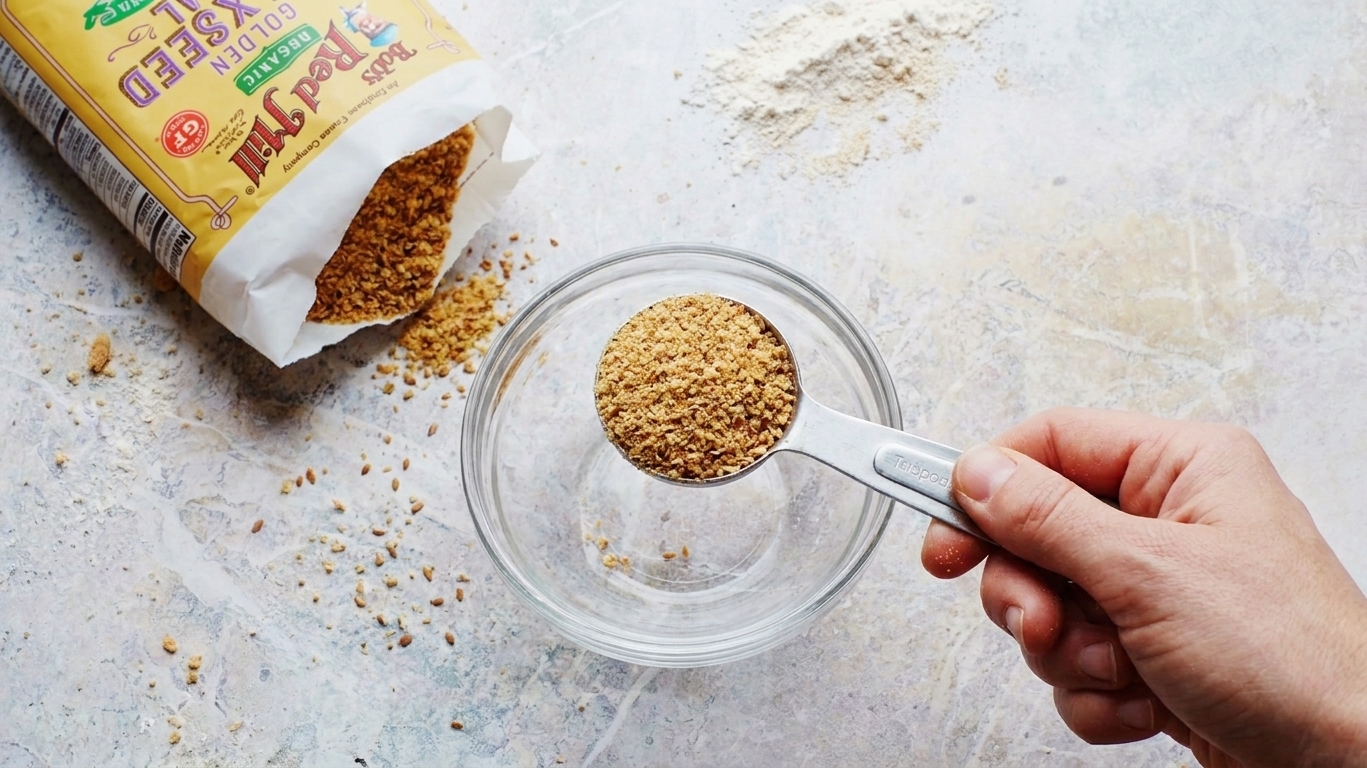
Ratio (1 egg): Mix 1 tablespoon (7 g) ground flaxseed with 3 tablespoons (45 ml) water. Rest 5 to 10 minutes until gelled.
Texture notes: Adds a mild nutty flavor and a slightly heartier crumb. Great binder, minimal lift. For chocolate or spiced bakes, you will never notice it.
Maya tip: Use golden flax for lighter-colored bakes like lemon muffins.
Chia egg
Best for: muffins, quick breads, hearty cookies (oatmeal, peanut butter), bars.
Ratio (1 egg): Mix 1 tablespoon (12 g) chia seeds (whole or ground) with 3 tablespoons (45 ml) water. Rest 10 minutes.
Texture notes: Similar to flax, but slightly more gel-like and can create tiny seed speckles. Binding is excellent, lift is modest.
Unsweetened applesauce
Best for: cake-style cookies, snack cakes, muffins, quick breads (especially cinnamon, carrot, or apple flavors).
Ratio (1 egg): 1/4 cup (60 g) unsweetened applesauce.
Texture notes: Adds moisture and a tender crumb. Can make cookies spread less and cakes slightly denser if used for multiple eggs.
When to avoid: Crisp cookies or delicate sponge cakes, where you really need structure and lift.
Mashed ripe banana
Best for: muffins, quick breads, soft cookies (think breakfast-y flavors).
Ratio (1 egg): 1/4 cup (60 g) mashed banana.
Texture notes: Moist and a bit dense, with obvious banana flavor. Great in chocolate, peanut butter, or warm spice profiles.
Maya tip: If your batter already contains a lot of fruit or sugar, banana can push it into gummy territory. Use it for one of the eggs, not all of them, when possible.
Plain yogurt or sour cream
Best for: muffins and cakes that are meant to be tender, not lofty, plus rich cookies.
Ratio (1 egg): 1/4 cup (60 g) plain yogurt or sour cream.
Texture notes: Adds moisture and richness. Offers a little structure from protein, but not much lift.
Acid bonus: If you are using baking soda, yogurt helps activate it, which can improve rise.
Buttermilk (moisture swap)
Best for: cakes and muffins where the egg is mainly contributing moisture and tenderness, and the recipe already has a reliable binder (enough flour, or another egg substitute).
How to use: Buttermilk is not a true 1:1 whole-egg replacement on its own. Instead, use it to replace some of the recipe's liquid and add tenderness. A common starting point is 3 tablespoons (45 ml) buttermilk per egg you are replacing, then add a binder (like a flax egg) if the batter needs help holding together.
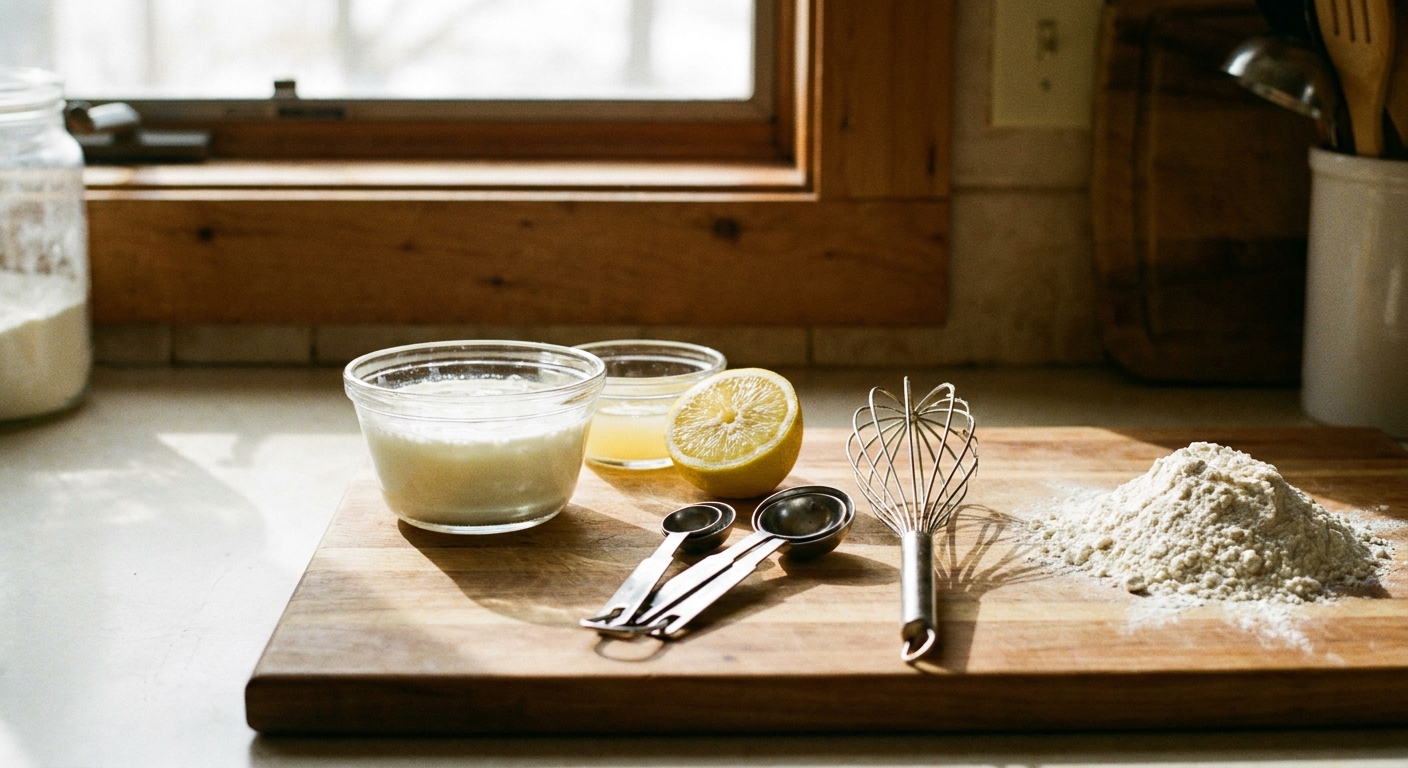
No buttermilk? Stir 1 1/2 teaspoons (7 ml) lemon juice or vinegar into 1/2 cup (120 ml) milk and rest 5 minutes, then measure what you need.
Texture notes: Tender, slightly lighter than applesauce or banana. Not a strong binder, so it shines in flour-forward batters that already set up well.
Silken tofu (blended smooth)
Best for: dense, moist cakes (like chocolate), brownies, bars, quick breads.
Ratio (1 egg): 1/4 cup (60 g) blended silken tofu.
Texture notes: Very neutral when baked, excellent for structure and moisture. Can reduce lift, so pair with baking powder or a little extra leavener when needed.
Aquafaba (chickpea liquid)
Best for: light cakes, macarons, meringues, and recipes needing lift or foam; also works in some cookies.
Ratio: 3 tablespoons (45 ml) aquafaba = 1 whole egg. 2 tablespoons (30 ml) = 1 egg white.
Texture notes: Provides lift and some binding. For cakes, it can help mimic the airy quality eggs provide.
Maya tip: Stir or shake the can before measuring. If your aquafaba seems very thin, you can simmer it for a few minutes to reduce slightly, then cool before using. For best foam, use unsalted aquafaba and whip in a clean bowl. A tiny pinch of cream of tartar helps stability.
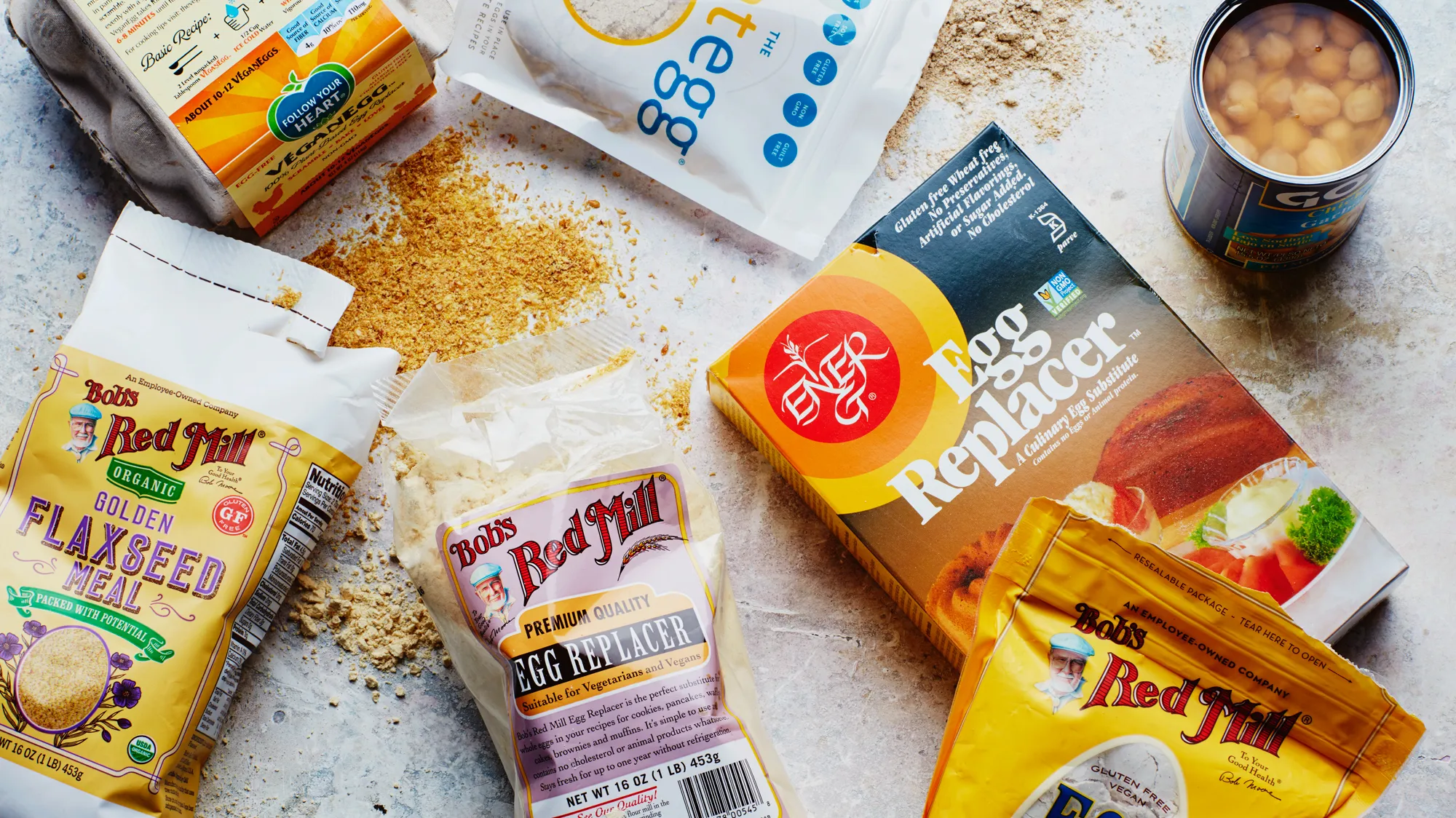
Commercial egg replacer (powder)
Best for: consistent results in cookies, muffins, cakes, and recipes with multiple eggs.
Ratio: Follow the package directions. Most are about 1 1/2 teaspoons powder + 2 tablespoons (30 ml) water per egg.
Texture notes: Reliable binding, decent lift, very neutral flavor. My pick when you are baking for a crowd and want predictability.
Vinegar + baking soda (lift only)
Best for: cakes and cupcakes where you need rise more than binding.
What it replaces: This combo replaces the lift you might get from an egg, not the binding or structure.
How to use: Stir 1 tablespoon (15 ml) vinegar (apple cider or white) into your wet ingredients and mix 1 teaspoon (5 g) baking soda into your dry ingredients, then combine and bake right away. For the most reliable results, pair it with a binder (like applesauce, yogurt, flax, or a commercial replacer) if your recipe needs help holding together.
Important: Get the batter into the oven promptly once combined.
What to use in cookies
Cookies are mainly about binding and moisture. Unless you are baking something cakey, you usually do not need dramatic lift.
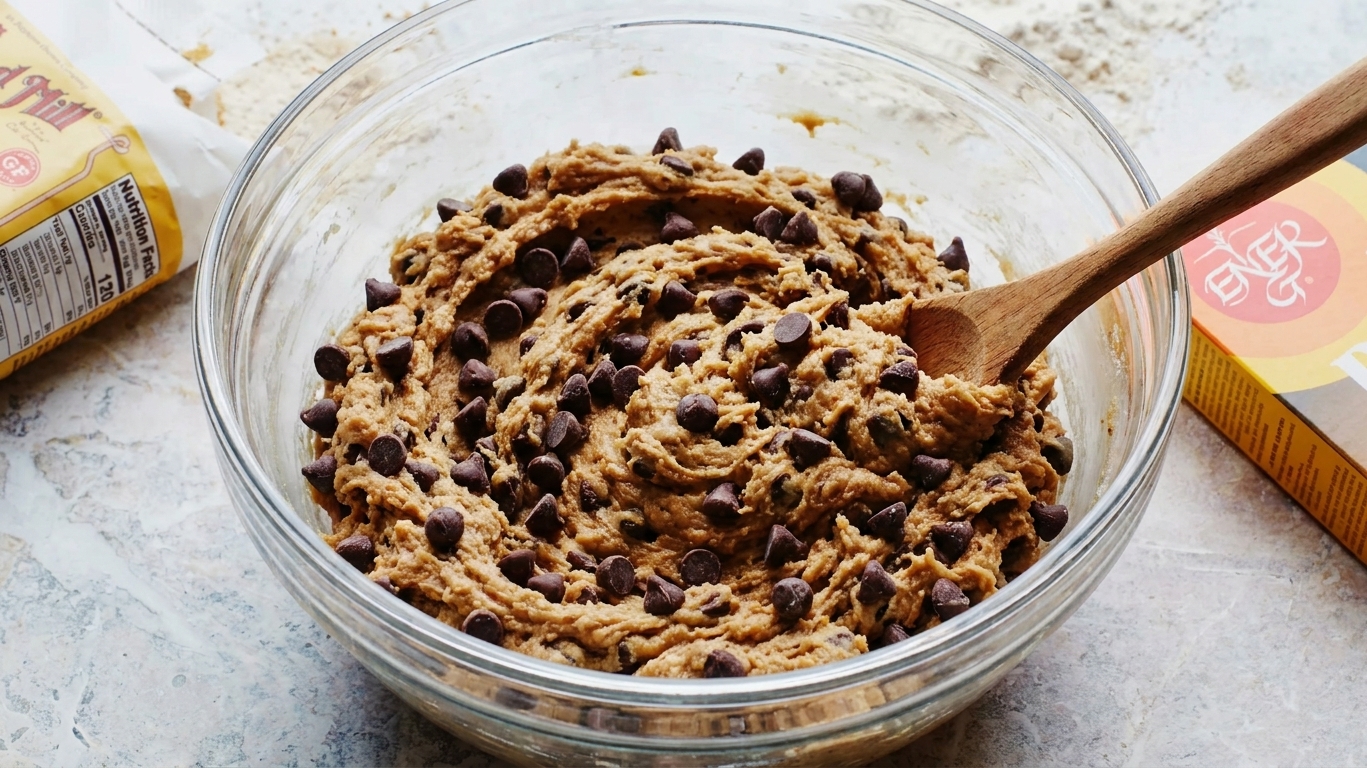
Chewy cookies
- Flax egg: Chewy, cohesive, easy.
- Chia egg: Great binder, slightly more texture.
- Commercial egg replacer: The most “normal” cookie texture.
Soft, cake-style cookies
- Applesauce: Tender, moist, less spread.
- Yogurt or sour cream: Rich, soft centers.
If your cookies spread too much or not enough
- Not spreading: Your substitute may be too thick (banana, applesauce, tofu). Let dough rest 10 minutes, then gently press dough balls a bit flatter before baking.
- Spreading too much: Chill the dough 30 to 60 minutes. If you are re-baking, add 1 to 2 tablespoons flour next time.
What to use in cakes
Cakes need structure and lift. If you want a tender crumb that still rises, choose substitutes that either add protein (tofu, yogurt) or create foam (aquafaba), and make sure your leavening is doing its job.
Layer cakes and cupcakes
- Aquafaba: Best for lighter cakes and cupcakes.
- Commercial egg replacer: Strong all-purpose option.
- Yogurt + a little extra baking powder: Great for simple snack cakes.
Chocolate cake, brownies, and dense cakes
- Silken tofu: Moist, sturdy, very forgiving.
- Applesauce: Works well with cocoa and spice.
Small leavener adjustment that often helps
If you remove eggs in a cake recipe and it seems like it needs a little boost, adding 1/4 teaspoon baking powder per egg replaced can help. Do not go wild or you can end up with a bitter, chemical note and a fragile, over-risen crumb.
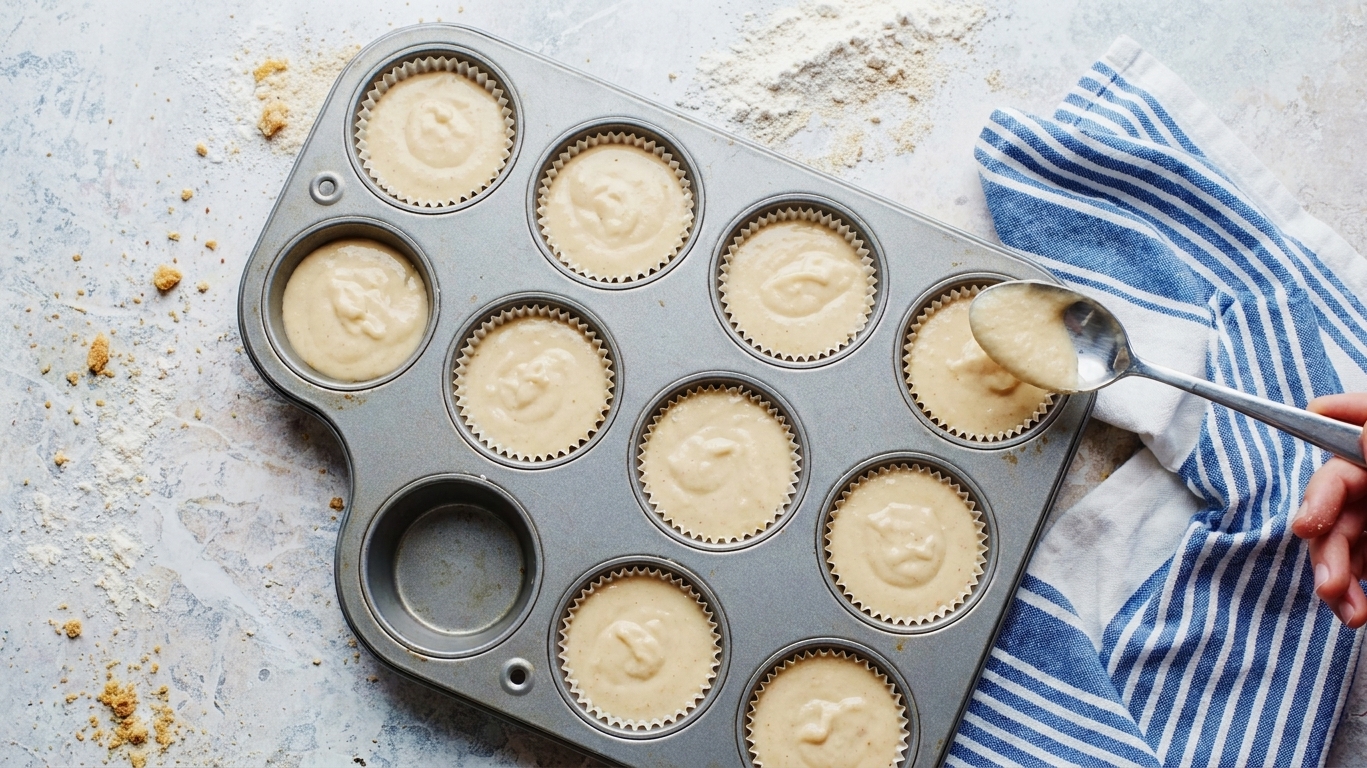
What to use in muffins and quick breads
Muffins are flexible. They like moisture and gentle binding, and they do not usually require the same delicate structure as a layer cake.
Most muffins
- Flax or chia egg: Reliable, especially for hearty muffins.
- Applesauce: Moist and tender, great for fruit muffins.
- Yogurt or sour cream: Rich, soft crumb.
- Mashed banana: Perfect in banana, chocolate, or peanut butter muffins.
How to avoid gummy muffins
- Do not overmix: Stir just until you stop seeing dry flour.
- Watch wet swaps: Banana and applesauce add a lot of moisture. If your batter looks loose like pancake batter, add 1 to 2 tablespoons flour.
- Cool fully: Quick breads finish setting as they cool. Cutting too early can read as gummy even when baked through.
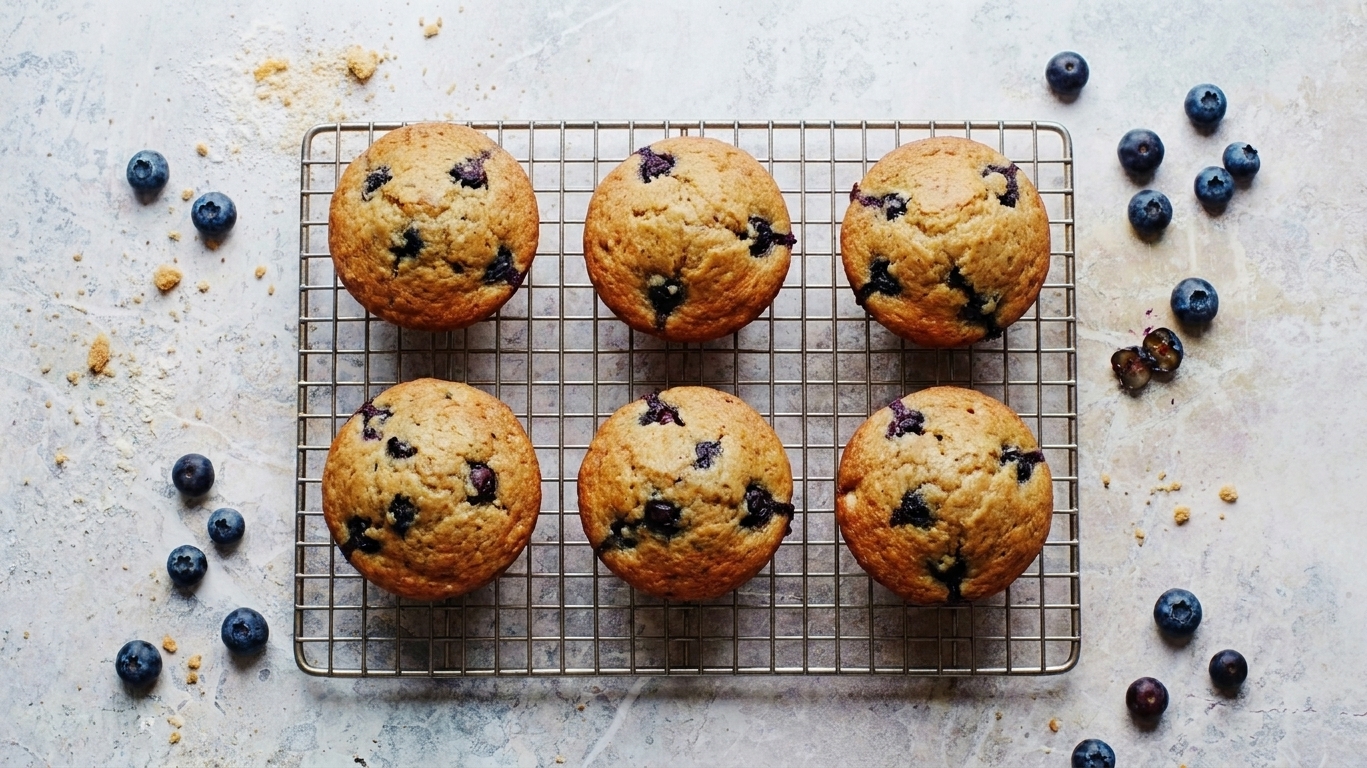
Quick pantry guide
If you just need a decision, here are my default picks.
- Chewy cookies: Flax egg.
- Chocolate chip cookies for picky eaters: Commercial egg replacer.
- Muffins: Yogurt or applesauce.
- Banana bread or breakfast muffins: Mashed banana.
- Chocolate cake or brownies: Silken tofu.
- Light cupcakes: Aquafaba.
Ratios cheat sheet (1 large egg)
- Flax egg: 1 tbsp (7 g) ground flax + 3 tbsp (45 ml) water
- Chia egg: 1 tbsp (12 g) chia + 3 tbsp (45 ml) water
- Applesauce: 1/4 cup (60 g)
- Mashed banana: 1/4 cup (60 g)
- Yogurt or sour cream: 1/4 cup (60 g)
- Silken tofu (blended): 1/4 cup (60 g)
- Aquafaba: 3 tbsp (45 ml)
- Commercial egg replacer: per package (often 1 1/2 tsp powder + 2 tbsp water)
- Vinegar + baking soda: lift booster used alongside a binder
- Buttermilk: moisture swap, not a full replacement
Measuring note: For the most consistent baking, use a kitchen scale when you can. A “medium banana” can vary wildly, but 60 grams is always 60 grams.
Common questions
Can I replace eggs one-for-one in any recipe?
Not always. One-for-one swaps work best in muffins, quick breads, brownies, and many cookies. For very egg-forward bakes like angel food cake, soufflés, and custards, you will need a recipe designed to be egg-free.
How many eggs can I replace before texture suffers?
In most standard home recipes, replacing 1 to 2 eggs is straightforward. When you get to 3+, use commercial egg replacer, silken tofu, or aquafaba, and expect a slightly different crumb.
Will my baked goods brown less without eggs?
Sometimes, yes. Eggs help with browning. If you notice pale results, a small bump in sugar (1 to 2 teaspoons) or brushing with a little milk (dairy or non-dairy) can help, depending on the recipe.
Do flax and chia eggs taste “seedy”?
Flax is usually subtle, especially in chocolate and spice bakes. Chia can leave visible specks if you use whole seeds. Grinding chia makes it less noticeable.
Is aquafaba safe to use from a can?
Yes. Use the liquid from canned chickpeas. If it smells a bit “beany,” that usually bakes off. Unsalted is best when possible.
My best troubleshooting tip
If you are nervous, do a half batch test first, especially for cookies. Egg substitutes are predictable once you find your favorite, but your oven, your flour, and even your banana ripeness can nudge results.
And if you tell me what you are baking and how many eggs the recipe calls for, I can point you to the most reliable swap.