Gluten-free meal prep gets dramatically easier once you stop trying to prep seven completely different dinners. The goal is a small set of flexible components you can mix and match into breakfasts, lunches, and weeknight dinners without getting bored. We are going to build a simple gluten-free system that is safe, organized, and genuinely doable in a home kitchen.

Why this recipe works
This approach works because you prep components, not seven separate meals. A small set of proteins, carbs, vegetables, and one bold sauce can be recombined into bowls, salads, tacos, and quick stir-fries, so you get variety without extra cooking.
- Flexible mix-and-match: build breakfasts, lunches, and dinners from the same core items.
- Better texture all week: roasted vegetables, sturdy grains, and sauces hold up well for leftovers.
- Safer gluten-free cooking: a consistent process helps reduce cross-contact and keeps prep organized.
- Time-efficient: a calm order of operations targets a prep day of about 2 hours.
Ingredient notes
For strict gluten-free (celiac disease or high sensitivity), the most common surprises are in sauces and seasonings, not the obvious grains. Always verify labels on these staples:
- Soy sauce: use tamari or certified gluten-free soy sauce, and make sure it is labeled gluten-free because not all tamari is.
- Broth and bouillon: look for gluten-free or certified gluten-free if you need strict avoidance.
- Spice blends and taco seasoning: wheat-based anti-caking agents still pop up.
- Salad dressings and marinades
- Oats: choose certified gluten-free if you need strict avoidance.

Equipment you will need
You will use the oven, a pot, and one skillet, but not all at once. Helpful gear for an organized prep day:
- Two sheet pans plus parchment paper for easy cleanup
- Pot with lid for rice and/or quinoa
- One skillet for taco turkey or chickpeas
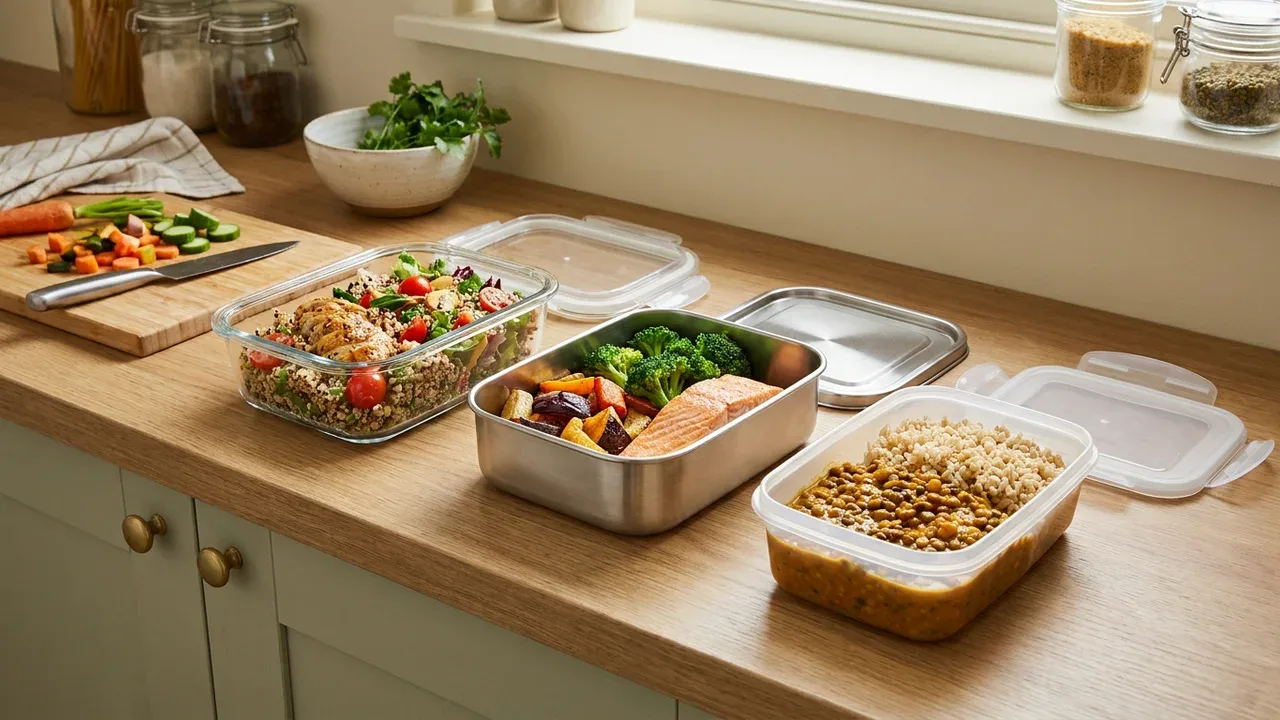
- 10 to 14 medium containers plus a few small ones for sauces
- Labeling supplies (any simple label system for the cook date)
- Optional but useful: a thermometer for checking poultry reaches 165°F
For gluten-free safety in mixed kitchens, also consider dedicated or thoroughly cleaned items that collect crumbs, like toasters, colanders, and appliance baskets.
Pro tips
- Season sheet pans consistently: use 2 to 3 tablespoons oil + 1 teaspoon kosher salt per sheet pan, then add pepper and spices like garlic powder, smoked paprika, or cumin.
- Make grains taste fresh again: cook grains in gluten-free broth, or add a pinch of salt plus a squeeze of lemon after cooking for a brighter flavor.
- Use sauce as the variety lever: taste and ask, “Would I want this on a plain spoon of rice?” If not, add a pinch more salt or a squeeze more citrus.
- Cool smartly to avoid watery containers: spread grains on a sheet pan to cool quickly, and portion once foods stop steaming heavily.
- Reheat with steam: for grains, add 1 to 2 teaspoons water, cover, and microwave until steamy.
- Texture upgrade: reheat roasted vegetables in a skillet or toaster oven for better texture than the microwave.
Substitutes that work
- Carbs: pick two from rice, quinoa, or gluten-free pasta. For the easiest week, use rice + quinoa. If using gluten-free pasta, cook it al dente and aim to use it within 2 to 3 days.
- Proteins: swap between sheet-pan chicken thighs and a quick skillet option like turkey taco meat or garlicky chickpeas.
- Taco turkey alternative: make taco lentils by simmering cooked lentils with the same spices and a spoonful of tomato paste plus water until saucy.
- Sauces: choose lemon tahini or green herb yogurt depending on what you keep on hand.
- Breakfast base: use overnight oats or egg muffins.
Variations
Use the same components to create different “vibes” through seasoning and assembly:
- Vegetable seasoning variations: keep the base (oil + salt) and change the spices (pepper, garlic powder, smoked paprika, cumin).
- Sauce options: lemon tahini (tahini + lemon + garlic + water + salt) or green herb yogurt (plain yogurt + cilantro or parsley + lime + jalapeño + salt).
- Protein mix: for beginners, try one animal protein + one plant protein to keep the week interesting and stretch the budget.
Serving ideas
Mix textures and temperatures when you can: warm grains, cold crunchy veggies, creamy sauce, something pickled.
5-minute lunch bowls
- Mediterranean bowl: quinoa + roasted veg + chickpeas + lemon tahini + cucumbers
- Taco bowl: rice + taco turkey + roasted peppers and onions + salsa + avocado
- Protein salad kit: greens + chicken or chickpeas + roasted sweet potato + vinaigrette
10-minute dinners
- Stir-fry shortcut: reheat rice and veg in a skillet, add protein, season with gluten-free tamari and a squeeze of lime.
- Sheet-pan reheat plate: reheat protein and veg at 400°F for 8 to 12 minutes, finish with sauce.
- Tortilla night: use certified gluten-free corn tortillas, fill with taco turkey, top with slaw and lime.

Sample rotation (Mon to Thu)
- Mon: quinoa + roasted veg + chicken + lemon tahini
- Tue: rice + taco turkey + peppers and onions + salsa
- Wed: big salad + roasted sweet potato + chickpeas + yogurt herb sauce
- Thu: quick fried rice: rice + mixed veg + turkey or chickpeas + gluten-free tamari + lime
Storage and reheating
Meal prep only works when the food still tastes good and stays safe. Use this as your baseline when foods are cooled promptly and stored in clean, airtight containers. If you are immunocompromised or cooking for someone who is, be extra conservative.
Fridge timeline
- Most cooked proteins and grains: 3 to 4 days
- Roasted vegetables: about 3 to 5 days (drier veg keeps longer than very juicy veg)
- Sauces: generally 3 to 7 days depending on ingredients and handling (yogurt and fresh-herb sauces are usually best within 4 to 5 days)
Freezer strategy for a full week
If you want to prep for 7 days, freeze half. This is the simplest way to keep food fresh without gambling on day six chicken.
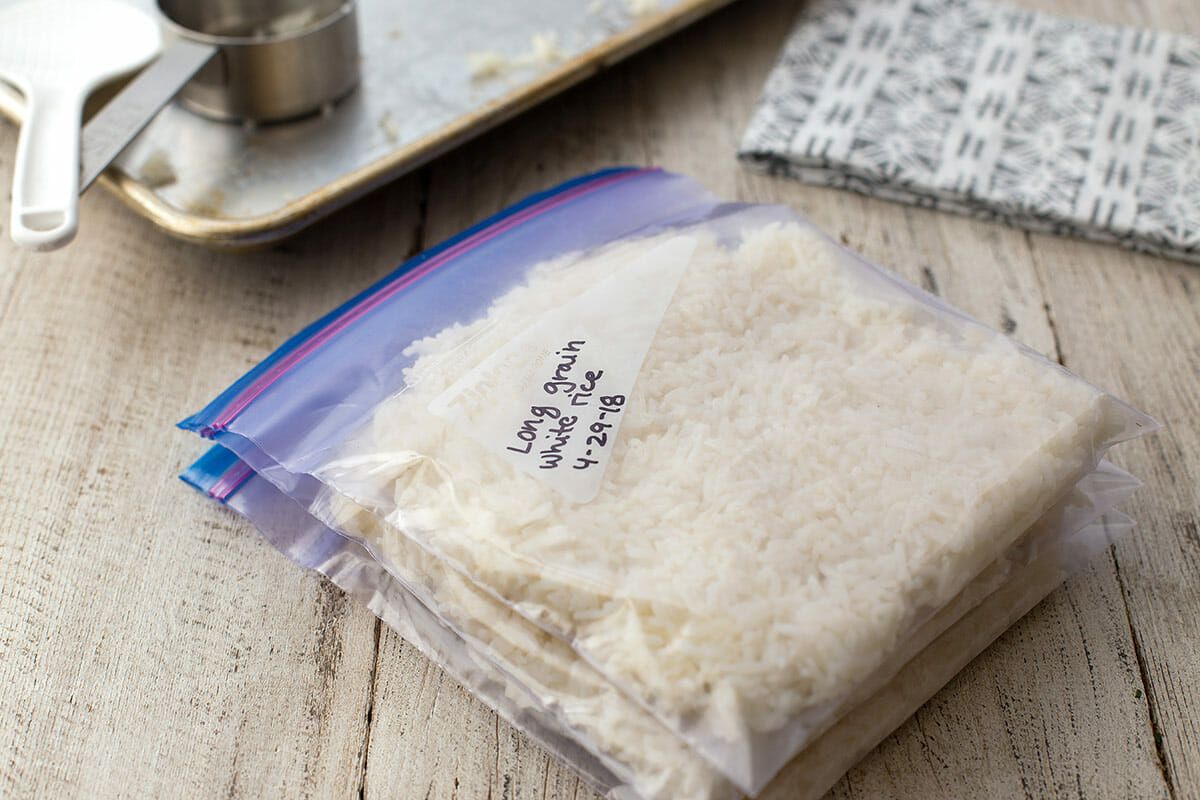
- Freeze cooked rice, quinoa, taco turkey, shredded chicken, and roasted vegetables.
- Freeze in flat layers in zip-top bags for faster thawing.
- Thaw overnight in the fridge, then reheat.

Reheating tips
- General safety: reheat leftovers until steaming hot. For extra peace of mind, especially with poultry, reheat to 165°F.
- Grains: add 1 to 2 teaspoons water, cover, microwave until steamy.
- Roasted veg: reheat in a skillet or toaster oven for better texture than the microwave.
- Proteins: reheat gently, then add sauce after heating to avoid drying out.
Common mistakes
- Assuming “naturally gluten-free” means “safe”: cross-contact can make food unsafe if it touches the wrong cutting board, toaster, colander, or shared appliances.
- Using shared condiments: jam, peanut butter, mayo, and butter get contaminated fast from shared knives; label or keep a gluten-free set.
- Skipping label checks on sauces and seasonings: soy sauce, broth, spice blends, dressings, and oats are common sources of hidden gluten.
- Overcrowding the week with too many different meals: it adds work and increases the chance you quit; focus on a small set of components.
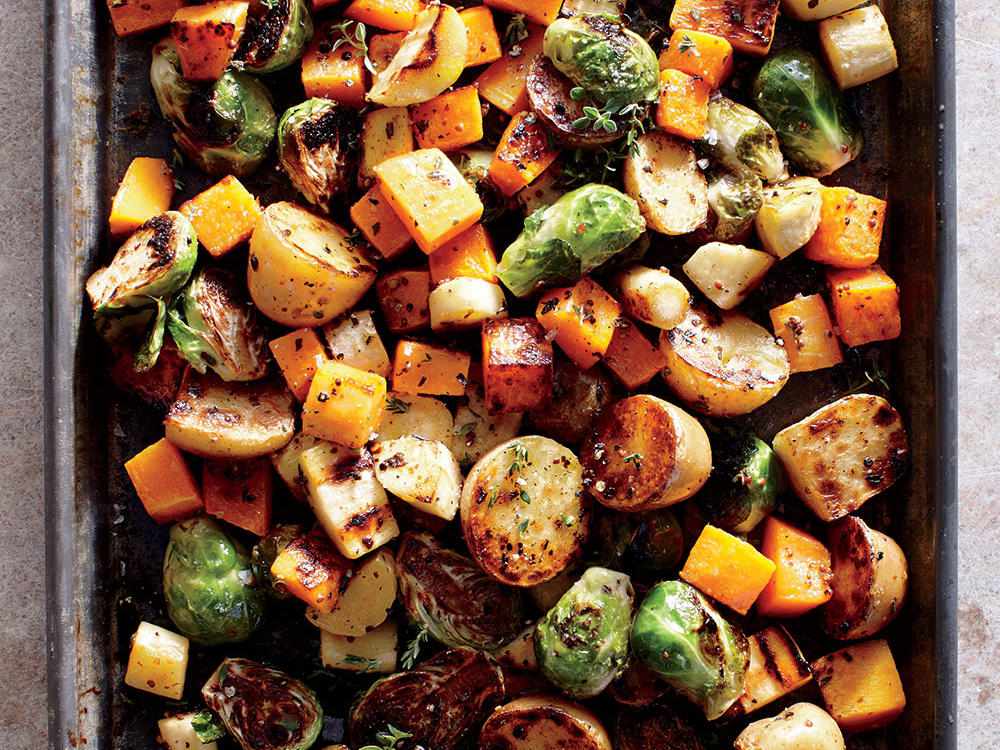
- Under-seasoning roasted vegetables: pale vegetables taste sad in leftovers; aim for caramelized spots.
- Letting food sit out too long: refrigerate perishable cooked foods within 2 hours (or within 1 hour if your kitchen is above 90°F/32°C).
FAQ
Are oats gluten-free?
Oats are naturally gluten-free, but they are often processed alongside wheat. If you need strict gluten-free, buy certified gluten-free oats.
What are the easiest gluten-free carbs to meal prep?
Rice and quinoa are the most forgiving. Potatoes and sweet potatoes are great too, especially roasted. Gluten-free pasta can work, but it is pickier on storage and texture.
How do I keep gluten-free meal prep from drying out?
Two fixes: sauce and steam. Store sauce separately and add after reheating. When reheating grains and proteins, add a teaspoon of water and cover to trap steam.
Can I do gluten-free meal prep if my household eats gluten?
Yes, but create a small gluten-free zone: one shelf in the pantry, one section of the fridge, and dedicated items that collect crumbs (toaster, condiments, and sometimes cutting boards). When in doubt, prep gluten-free foods first, then do gluten cooking later.
Gluten-Free Meal Prep for a Whole Week
A mix-and-match gluten-free meal prep system built from dependable components: two roasted vegetable trays, rice and quinoa, two proteins (sheet-pan chicken and taco turkey or a plant option), and a bold sauce (lemon tahini). Designed to be safe for gluten-free kitchens and flexible for breakfasts, lunches, and dinners all week.
- Prep
- 30 minutes
- Cook
- 90 minutes
- Total
- 2 hours
- Yield
- About 8 servings (components for multiple meals)
Ingredients
- Roasted vegetables: 8 cups chopped mixed vegetables (broccoli, bell pepper, zucchini, red onion)
- 2 to 3 tablespoons olive oil (per sheet pan)
- 1 teaspoon kosher salt (per sheet pan)
- Pepper, to taste
- Optional spices: garlic powder, smoked paprika, or cumin
- Second pan option: sweet potato cubes or cauliflower florets
- Rice: 2 cups dry rice (for about 6 cups cooked)
- Quinoa: 1 1/2 cups dry quinoa
- 3 cups water or gluten-free broth (for quinoa)
- Salt, to taste (for grains)
- Lemon (for finishing quinoa and/or grains)
- Olive oil (a drizzle for finishing quinoa)
- Sheet-pan chicken thighs: chicken thighs, seasoned with salt, pepper, and paprika
- Taco turkey: 1 1/2 pounds ground turkey
- Onion
- Gluten-free taco seasoning (or cumin, chili powder, garlic powder)
- Water (a splash, plus more as needed)
- Lemon tahini sauce: 1/2 cup tahini
- 1/3 cup lemon juice
- 1 small garlic clove, grated
- 1/2 teaspoon salt
- 1/3 to 1/2 cup water (added slowly, until pourable)
Instructions
- Set up: Clear the counter and wipe it down. Pull out containers (about 10 to 14 medium containers plus a few small ones for sauces). Start a sink of hot soapy water so cleanup happens as you go.
- Roast vegetables: Heat oven to 425°F. Line two sheet pans with parchment. Add vegetables to the pans (Pan 1: broccoli, bell pepper, zucchini, red onion; Pan 2: a second veg or a starchy veg like sweet potato cubes or cauliflower florets). Season each sheet pan with 2 to 3 tablespoons oil + 1 teaspoon kosher salt, then add pepper and optional spices. Roast at 425°F for 20 to 30 minutes, tossing once, until browned at the edges and you see caramelized spots.
- Cook quinoa: Rinse quinoa. Simmer 1 1/2 cups quinoa in 3 cups water or gluten-free broth for 15 minutes. Rest 5 minutes. Fluff, then add lemon juice, a drizzle of olive oil, and salt to taste.
- Cook rice: Cook 2 cups dry rice for about 6 cups cooked. (Optional flavor tip: cook in gluten-free broth or add a pinch of salt plus a squeeze of lemon after cooking.)
- Cook protein option A (sheet-pan chicken): Season chicken thighs with salt, pepper, and paprika. Roast at 425°F for about 20 to 30 minutes, until the thickest piece hits 165°F. If the oven is full with vegetables, roast the chicken right after the veggies come out (same temperature, same parchment).
- Cook protein option B (taco turkey): Sauté onion, brown 1 1/2 pounds ground turkey, add gluten-free taco seasoning (or cumin, chili powder, garlic powder), add a splash of water, then simmer 5 minutes. Keep the mixture moist, not crumbly; add water a tablespoon at a time if needed.
- Make lemon tahini sauce: Whisk 1/2 cup tahini, 1/3 cup lemon juice, 1 small grated garlic clove, and 1/2 teaspoon salt. Add 1/3 to 1/2 cup water slowly until pourable. Taste and adjust salt and lemon.
- Cool, portion, and label: Let hot food cool slightly so it does not steam up and make containers watery, but refrigerate perishable cooked foods within 2 hours (or within 1 hour if your kitchen is above 90°F/32°C). Spread grains on a sheet pan to cool quickly. Portion into containers once foods stop steaming heavily. Label with the day you cooked it.
Notes
- Cross-contact checklist: Use a dedicated toaster (or skip toast and use corn tortillas, rice cakes, or gluten-free wraps). Use a clean sponge and dish towel on prep day. Keep separate condiments (jam, peanut butter, mayo, butter). Avoid heavily scored cutting boards or wash and sanitize before gluten-free prep. Be careful with colanders and sifters. Deep-clean shared appliances (air fryer baskets, waffle irons, grills, griddles) or keep a gluten-free option. A dishwasher is generally fine as long as items are scraped and washed properly.
- Gluten-free pasta note: It can work, but it softens faster in the fridge; cook al dente and consider using it within 2 to 3 days.
- Sauce guidance: A sauce is how five lunches stop tasting like the same lunch. Store sauce separately and add after reheating.


Nutrition
- Calories: ~520 per serving
- Fat: ~18 g
- Carbs: ~55 g
- Protein: ~35 g
- Fiber: ~7 g
- Sugar: ~6 g
- Sodium: ~750 mg
Nutrition values are approximate and will vary by exact vegetables, portion sizes, and seasoning/sauce amounts.