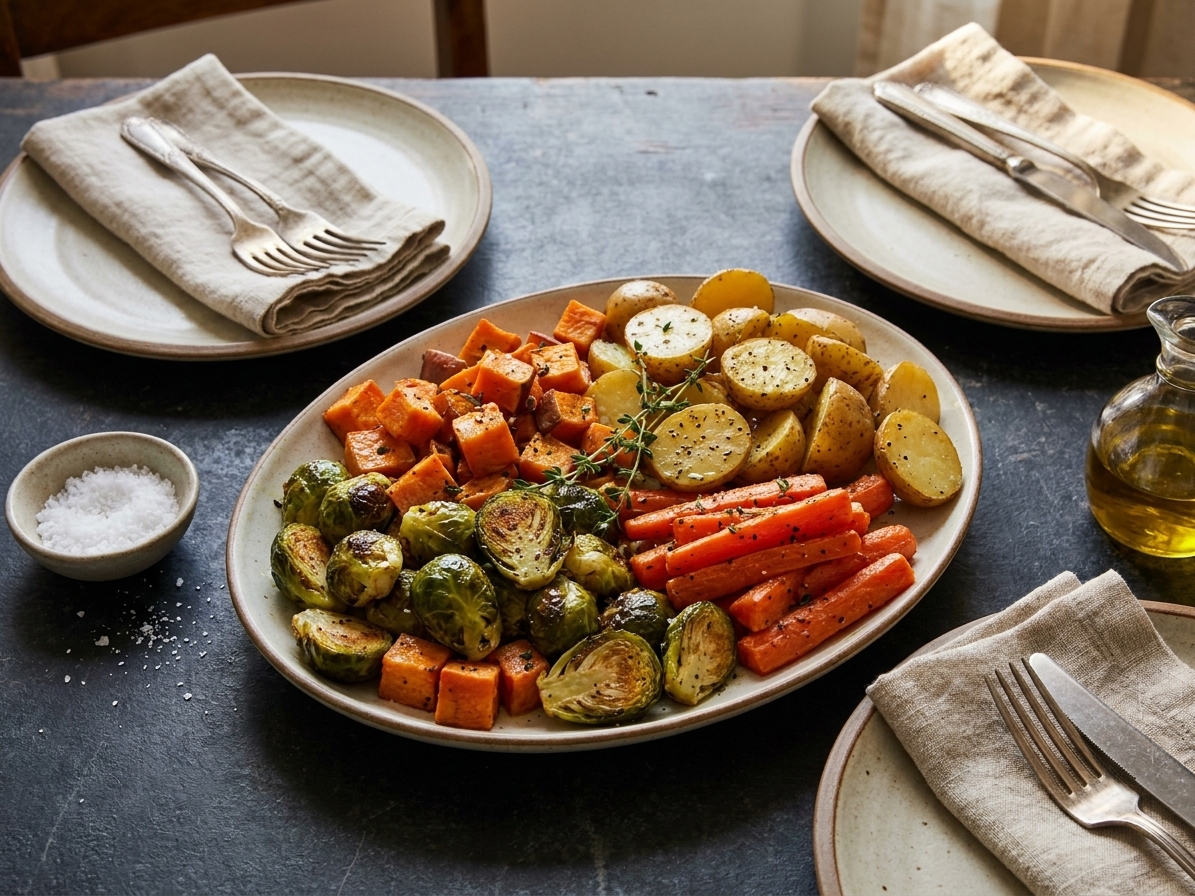
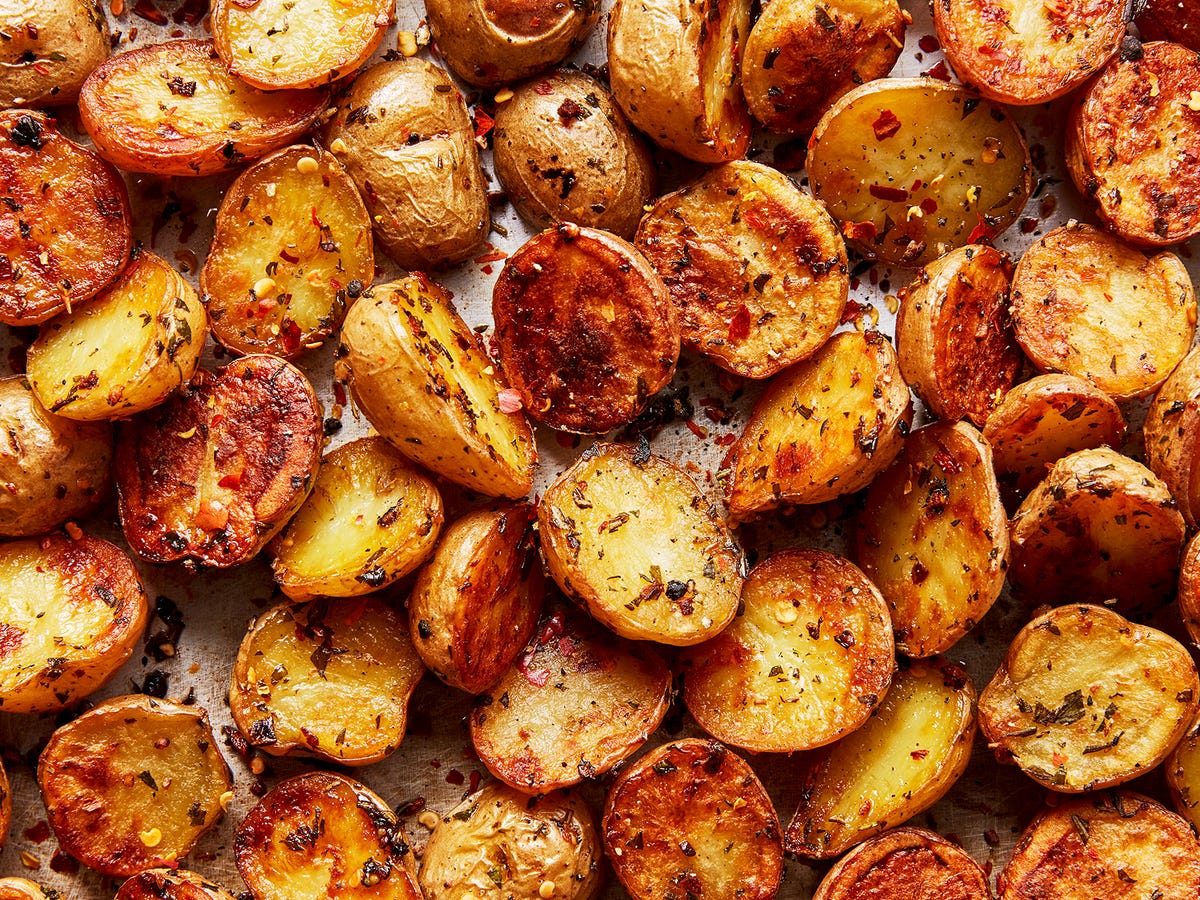
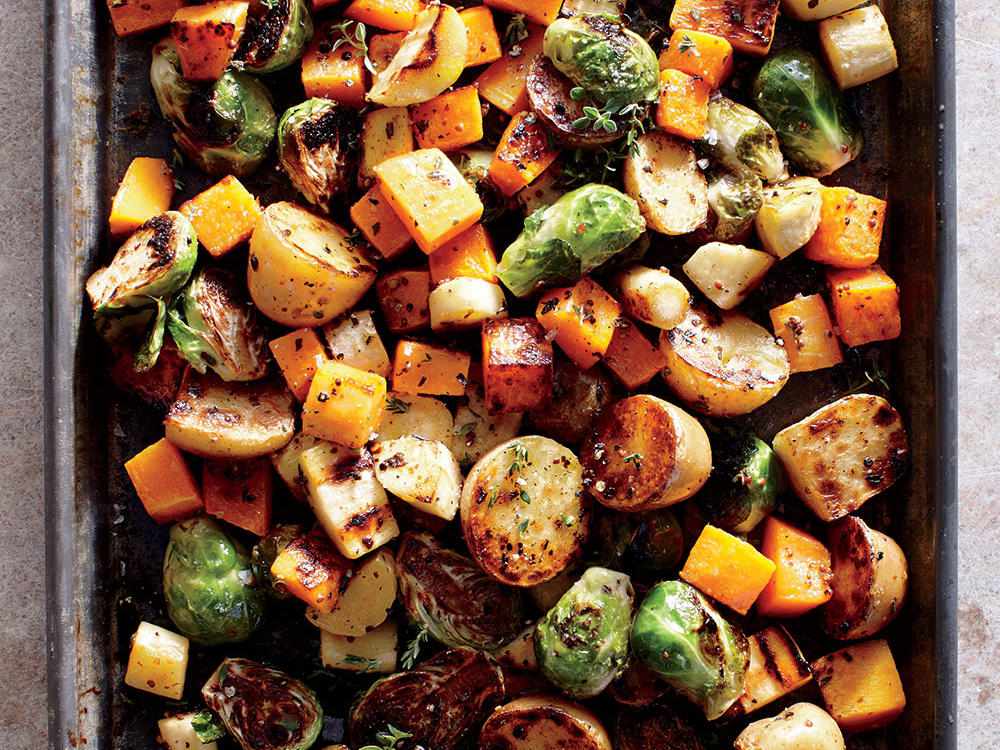
Crispy roasted vegetables are mostly about one thing: dry heat hitting a dry surface. Mushy vegetables happen when moisture gets trapped and turns your sheet pan into a steamer. The good news is you do not need fancy gear or restaurant tricks. You just need the right vegetables, the right cut, enough space, and a hot oven.
Pick vegetables that actually crisp
Almost any vegetable can be roasted, but some are naturally better at developing browned, crispy edges because they have either a sturdier structure, a good amount of sugar, or enough starch to dry out and caramelize.
Great choices for crispy edges
- Broccoli and broccolini (craggy florets = maximum crisp)
- Brussels sprouts (especially halved, cut-side down)
- Cauliflower (big florets brown beautifully)
- Carrots and parsnips (sweet, caramelize well)
- Green beans (fast and snappy when roasted hot)
- Asparagus (high heat, short time)
- Sweet potatoes and winter squash (starchy and sweet, crisp edges when spaced well)
- Red onion wedges (charred tips, jammy centers)
Vegetables that tend to go soft
These can still roast well, but they need extra attention to avoid steaming:
- Zucchini and summer squash (high water content, hard to get truly crisp)
- Mushrooms (they release water as they cook)
- Eggplant (spongy, absorbs oil, can turn custardy)
- Cherry tomatoes (they burst and get juicy)
If you are roasting a mix, pair vegetables with similar roast times, or use two pans so fast cookers do not turn limp while you wait for the dense veggies to finish.
The crispiness checklist (fixes most problems)
1) Use a hot oven
Roast most vegetables at 425°F. For extra browning, go to 450°F for sturdy vegetables like broccoli, Brussels sprouts, cauliflower, and carrots.
If your vegetables keep turning pale and soft, the oven is usually too cool or the pan is overcrowded.
2) Convection helps (if you have it)
If your oven has a convection or air-fry setting, use it. It moves hot air across the pan, which helps moisture evaporate faster.
As a starting point, either reduce the temperature by about 25°F (so 425°F becomes 400°F), or keep the temperature the same and start checking early because cooking can run a bit faster.
3) Preheat the sheet pan (optional, very effective)
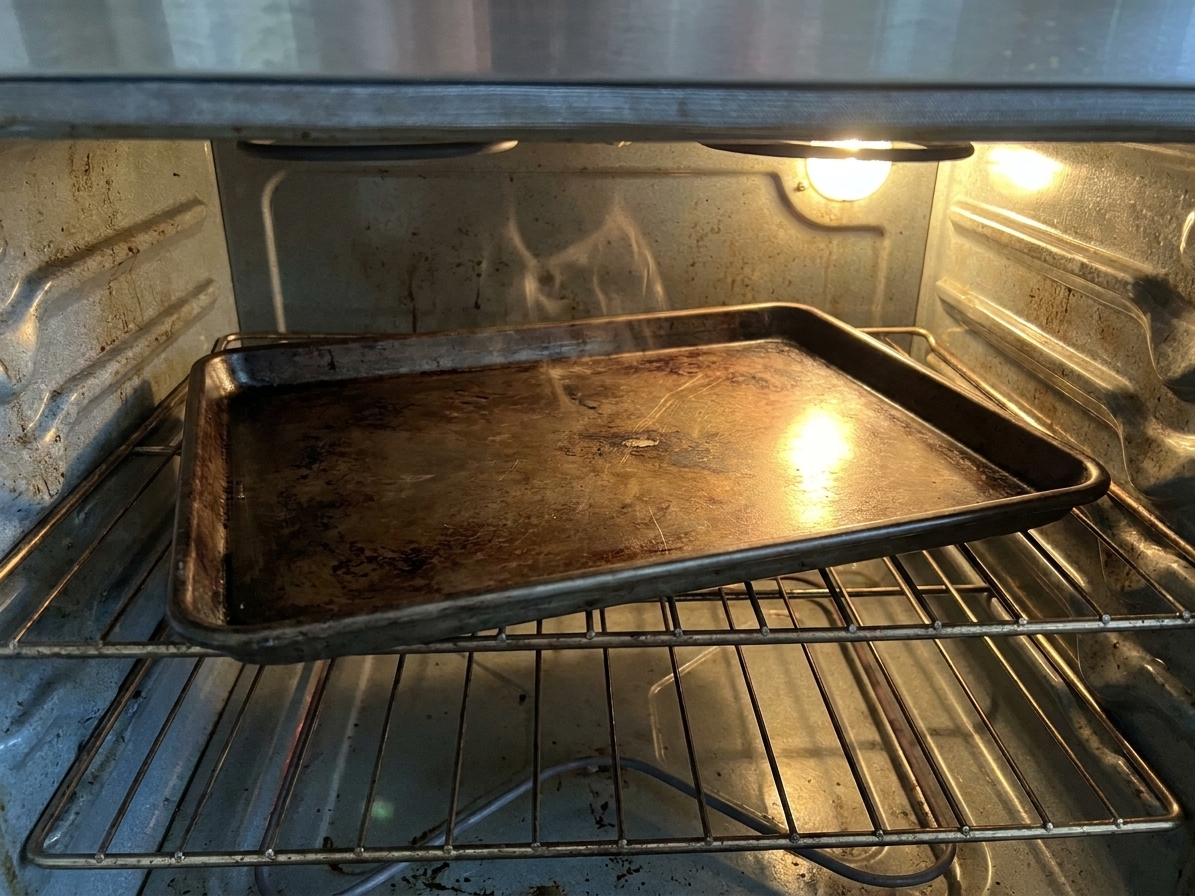
If you want strong browning, slide your empty sheet pan into the oven while it preheats. When you add oiled vegetables to a hot pan, you get an immediate sizzle that helps prevent sticking and kick-starts browning.
Cut vegetables for crisp edges
The goal is even thickness so everything finishes at the same time, plus enough flat surfaces and rough edges to brown.
Smart cutting rules
- Keep pieces similar in size. Mixed sizes = some pieces burn while others stay pale and soft.
- Give yourself flat sides. Halves, wedges, and planks brown better than round coins.
- Do not cut too small. Tiny pieces dry out before they brown and can turn leathery.
- Do not cut too large. Very large chunks take longer to brown, so they can turn tender before they get much color.
My go-to cuts
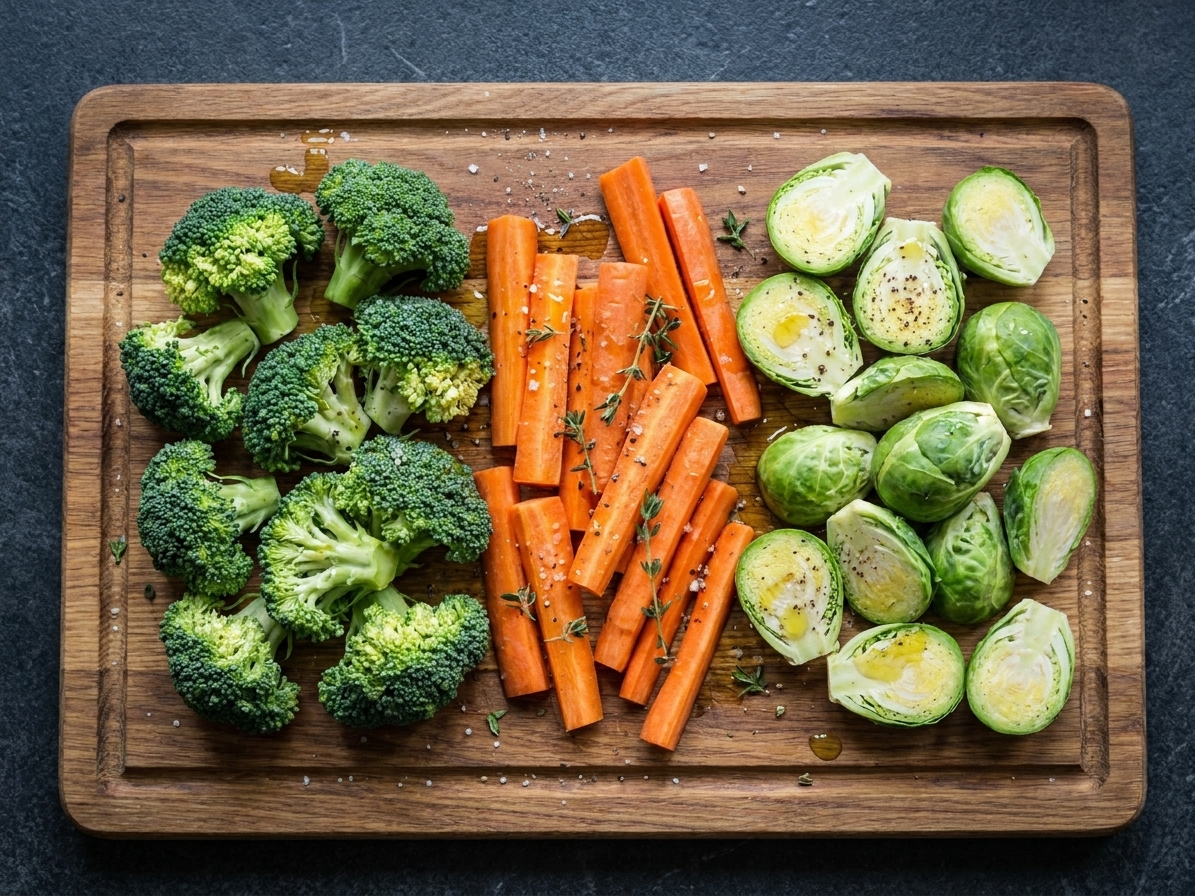
- Broccoli: 1 1/2 to 2-inch florets, with some stem attached. Peel thick stems and cut into batons.
- Brussels sprouts: halve lengthwise, or quarter if very large.
- Carrots: cut on a diagonal into about 1/2-inch thick pieces, or cut into 1/2-inch batons for more surface area.
- Cauliflower: 1 1/2-inch florets, not tiny crumbles.
- Potatoes and sweet potatoes: 3/4-inch cubes, or wedges.
- Zucchini: thick planks (about 3/4-inch) instead of coins.
How much oil to use
Oil helps with browning and crisp edges because it improves heat transfer. Too little oil can lead to dry, pale vegetables. Too much oil can make vegetables feel greasy and slow down surface drying, especially with porous vegetables like eggplant.
A reliable amount
For 1 pound of vegetables, start with 1 to 1 1/2 tablespoons oil. You want a light, glossy coating, not puddles on the pan.
My method that prevents over-oiling
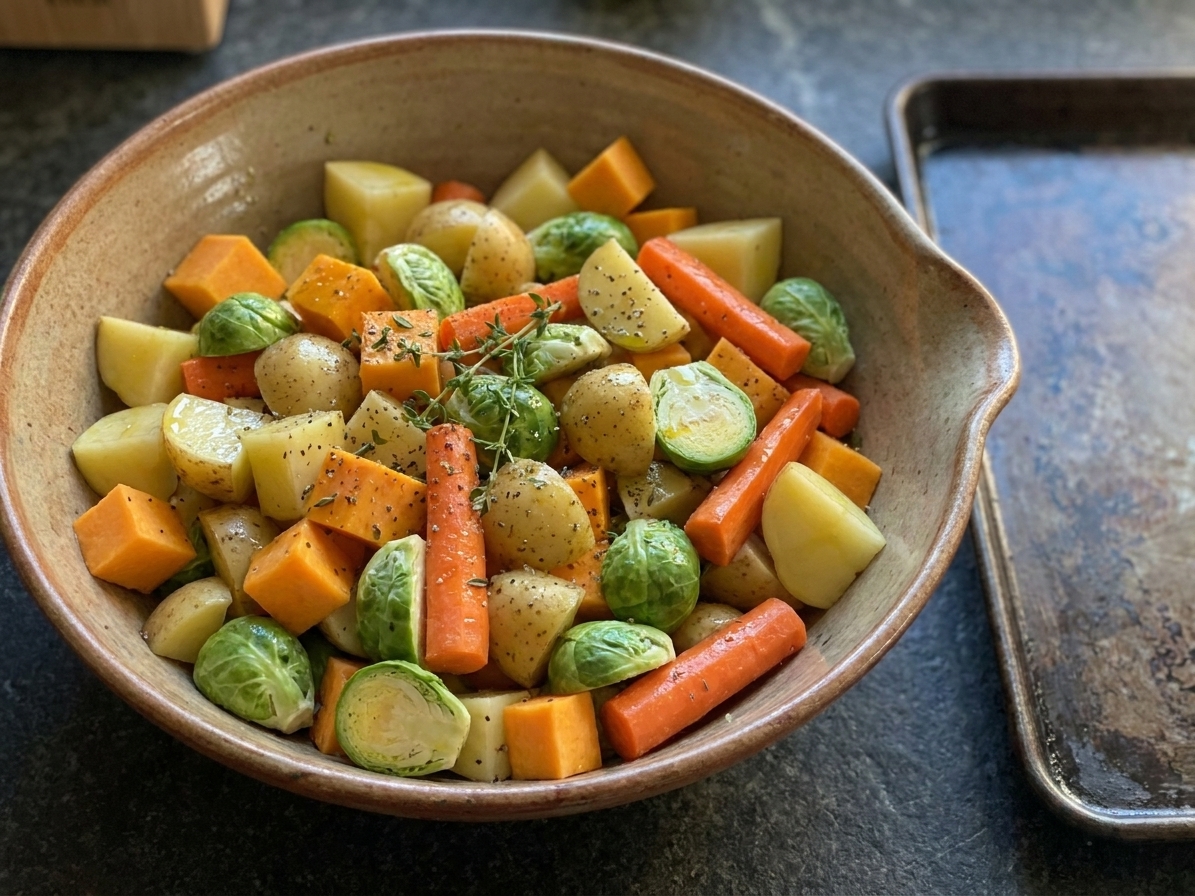
- Put vegetables in a large bowl.
- Drizzle in oil.
- Toss with your hands until every piece looks lightly slick.
- Only add more oil if you still see dry, powdery spots.
Best oils for roasting: olive oil, avocado oil, grapeseed oil. (Save butter for finishing. It can burn at higher temps.)
Do not overcrowd the pan
If vegetables are touching, the moisture they release gets trapped and they steam. Steamed vegetables are tender, but they will never get that crisp, browned exterior.
Spacing rule of thumb
- One layer. No piles.
- Leave a little breathing room. A small gap between pieces is ideal.
- If in doubt, use two pans. It is better to wash one extra pan than eat a tray of limp vegetables.
Pan choice matters
- Use a sturdy rimmed sheet pan. Heavy-gauge aluminum or stainless steel heats more evenly than thin pans.
- Light vs dark pans: Dark pans tend to brown faster. Light aluminum is more forgiving and often browns more evenly.
- Parchment is optional. It can slightly reduce browning because you lose direct metal contact. You can still get excellent results on parchment with a hot oven and plenty of space. For maximum crisp, roast directly on a lightly oiled pan.
- Avoid crowded high-sided roasting dishes for crisp roasting. They trap steam.
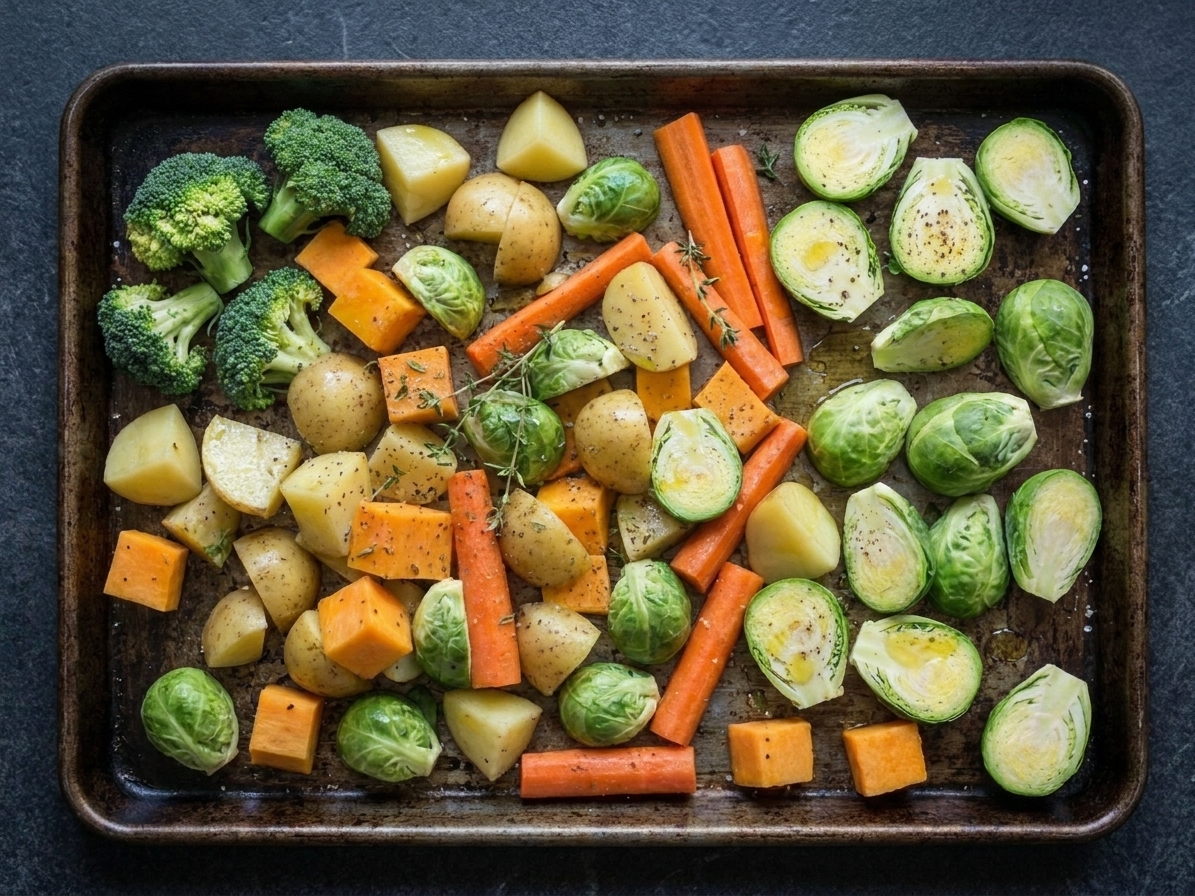
Timing guide for common vegetables
These times assume a 425°F oven, vegetables in a single layer on a sheet pan, and pieces cut to typical roasting sizes. They will vary based on thickness, moisture, your pan, and how hot your oven runs. Always use your senses too: you are looking for deep browning on the edges and a fork-tender center.
Fast roasters (10 to 18 minutes)
- Asparagus: 10 to 14 minutes (thick spears take longer)
- Green beans: 14 to 18 minutes
- Bell peppers: 15 to 20 minutes
Medium roasters (18 to 35 minutes)
- Broccoli florets: 18 to 25 minutes
- Cauliflower florets: 22 to 30 minutes
- Brussels sprouts (halved): 22 to 30 minutes
- Red onion wedges: 20 to 35 minutes (smaller wedges char faster, larger ones get jammy closer to the higher end)
- Zucchini planks: 15 to 22 minutes (best at 450°F, and expect tender edges more than true crisp)
Long roasters (25 to 55 minutes)
- Carrots: 20 to 35 minutes (1/2-inch pieces are often closer to 20 to 30)
- Sweet potatoes (3/4-inch cubes): 30 to 40 minutes
- Butternut squash (3/4-inch cubes): 30 to 40 minutes
- Beets: 40 to 55 minutes (wrap or cover for tender beets, roast open for more browning)
When to flip (and when not to)
Flipping is a tool, not a rule:
- For deeper browning on one side: leave vegetables alone longer and flip once around the last third of cooking.
- For more even browning: flip halfway through.
- For maximum crust on a flat side: roast cut-side down and do not flip (great for Brussels sprouts and onion wedges).
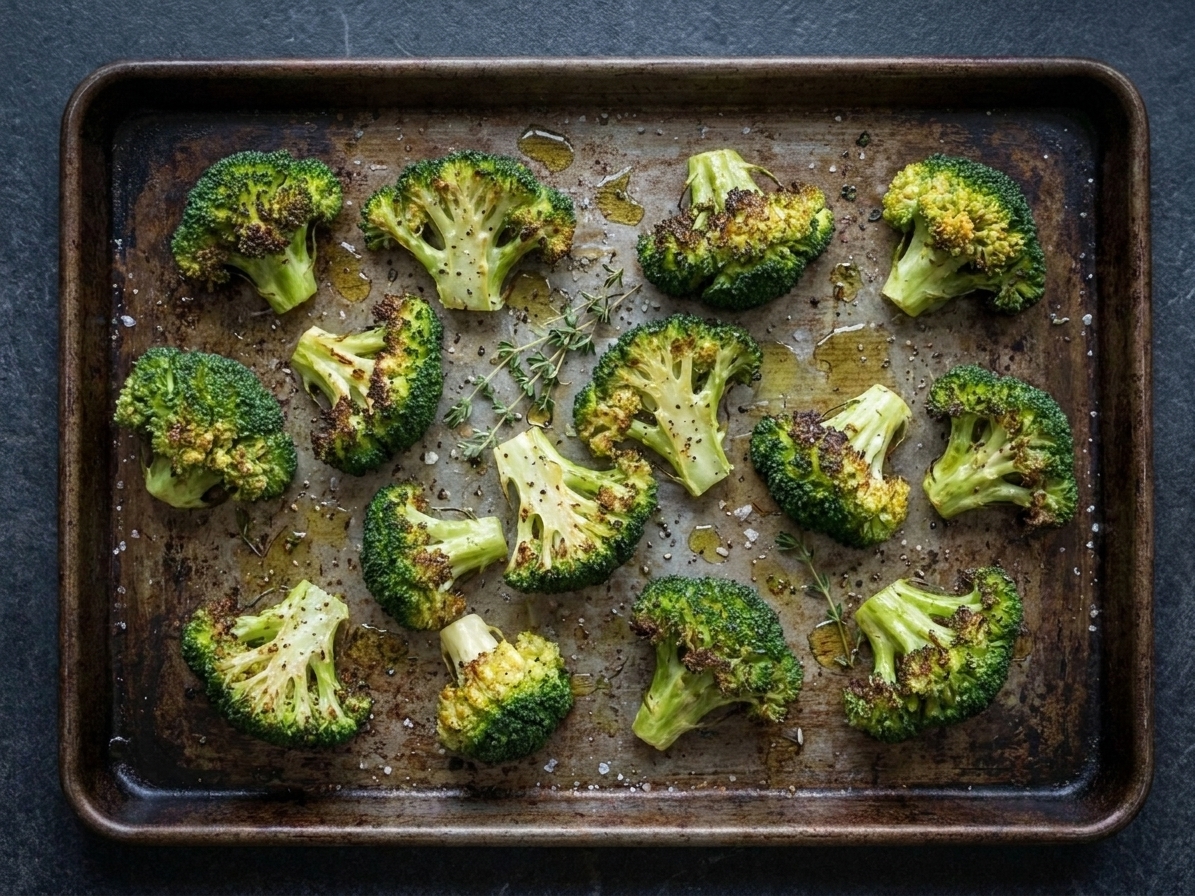
Seasoning that boosts crispiness
Salt draws out moisture. In roasting, that can help because you want surface moisture to release early, then evaporate in the hot oven. The key is timing.
My simple seasoning order
- Right before roasting: oil + salt + pepper (and any dried spices)
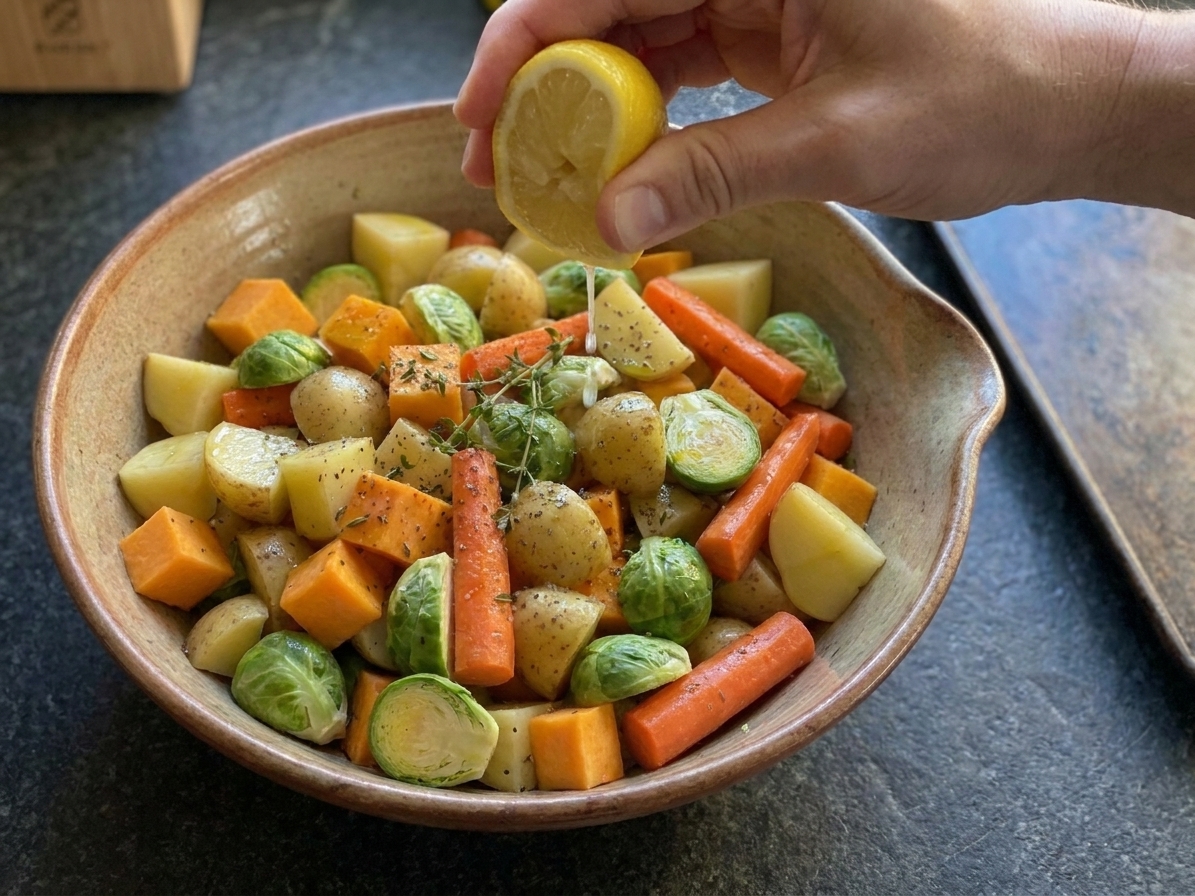
- After roasting: acid + fresh herbs + cheese or nuts (if using)
If you are roasting watery vegetables
For vegetables like zucchini and eggplant, you can take an extra step for better browning: salt them 15 to 30 minutes ahead, let them release moisture, then blot very dry before oiling and roasting. Otherwise, salt right before the pan goes into the oven.
Easy seasoning combinations
- Lemon + garlic + parsley: Toss roasted vegetables with lemon zest, a squeeze of lemon, and chopped parsley.
- Smoky paprika + cumin + lime: Great on cauliflower, sweet potatoes, and peppers.
- Italian-style: Dried oregano before roasting, then finish with balsamic and grated Parmesan.
- Sesame-soy finish: Roast simply, then toss with toasted sesame oil, a tiny splash of soy sauce, and sesame seeds.
- Za’atar + lemon: Za’atar before roasting, lemon juice after.
Tip: If you love garlic, use garlic powder before roasting and add fresh minced garlic only after, or it can burn at high heat.
Moisture management
Dry your vegetables well
Water is the enemy of browning. After washing, dry vegetables thoroughly with a clean towel. For extra insurance, let them sit uncovered for 5 minutes so surface moisture can evaporate.
Roast from frozen (yes, sometimes)
Frozen broccoli, cauliflower, and green beans can roast surprisingly well if you do it right:
- Roast at 450°F.
- Do not thaw first.
- Use generous pan space and expect a little extra time.
Do not cover the pan
Covering traps steam. Keep it open to the hot, dry air.
Troubleshooting: why your roasted vegetables are mushy
Your pan is overcrowded
Fix: use two pans, or roast in batches. This is the most common issue, by far.
Your oven is not hot enough (or it runs cool)
Fix: bump to 450°F and give the oven a full preheat. If you roast often, an inexpensive oven thermometer can be eye-opening.
You used too much oil
Fix: aim for a light coating, not a slick pool at the bottom of the bowl or pan.
You salted and let it sit too long
Fix: salt right before it goes into the oven unless you are intentionally pre-salting a watery vegetable, then blot dry.
You used wet vegetables or a damp pan
Fix: dry everything well. A sheet pan that is still damp from the dishwasher can be enough to slow browning early on.
A simple, repeatable method
If you only remember one approach, make it this:
- Heat oven to 425°F (or 450°F for extra browning). Use convection if you have it.
- Dry vegetables well and cut to even sizes.
- Toss with 1 to 1 1/2 tablespoons oil per pound plus salt and pepper.
- Spread on a sheet pan in one layer with space.
- Roast until deeply browned and fork-tender, flipping halfway for even browning or leaving longer on one side for a deeper crust.
- Finish with something bright: lemon, vinegar, herbs, or a sprinkle of cheese.
Once you nail the technique, roasted vegetables stop being a side dish you tolerate and start being the thing you quietly eat straight off the pan while you plate dinner.