If you can stir, rest, and fold, you can make great pizza dough. This is my go-to base dough that behaves predictably on a weeknight, but can also be prepped ahead for that deeper, slightly tangy flavor you get from good pizzerias. We will make one dough, then I will show you exactly how to nudge it into three styles: thin and crisp, thick pan pizza, and classic chewy hand-tossed.
Why this recipe works
- No-knead structure: The rests and stretch-and-folds do the work, taking the dough from shaggy to smooth without intensive kneading.
- Beginner-friendly hydration: About 65% hydration keeps the dough chewy but still manageable.
- Flexible timing: Works same-day, improves with an overnight cold ferment, and can be frozen for later.
- One base, three styles: Thin, thick pan, and hand-tossed are mainly about shaping thickness, oil, and baking approach, not three different doughs.
Ingredient notes
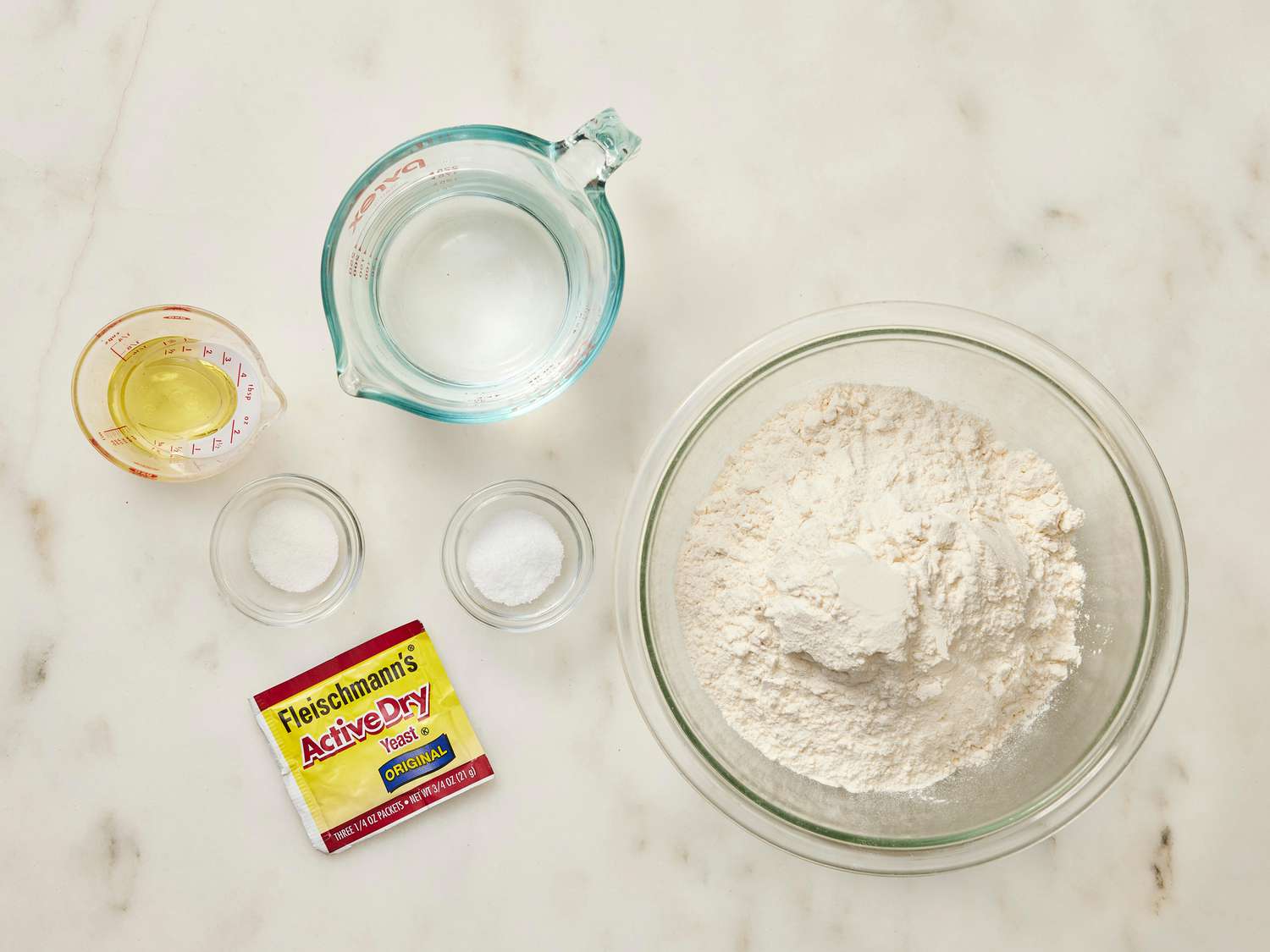
- All-purpose flour: Works beautifully here; use a scale if possible for easiest dough handling. If using cups, fluff the flour, spoon into the cup, then level off.
- Warm water: Aim for 95 to 105°F, comfortably warm, not hot (hot water can harm yeast).
- Fine sea salt: Whisk into flour first; avoid dumping yeast directly onto a concentrated mound of salt.
- Instant yeast: Used in the base method; it is hardy but still benefits from being mixed through flour. Active dry can be used with a small adjustment (see Substitutes).
- Olive oil (optional): Helpful for tenderness; skipping it makes the dough a touch less tender, but still great.
Equipment you will need
- Large mixing bowl
- Wooden spoon or dough whisk
- Plastic wrap or a lid
- Two small containers or one large container for rising
Optional bake setup: Baking steel (top third rack, preheated 45 minutes) or pizza stone (preheated 45 minutes). No stone or steel: use an inverted heavy sheet pan preheated for 20 minutes.
Pro tips
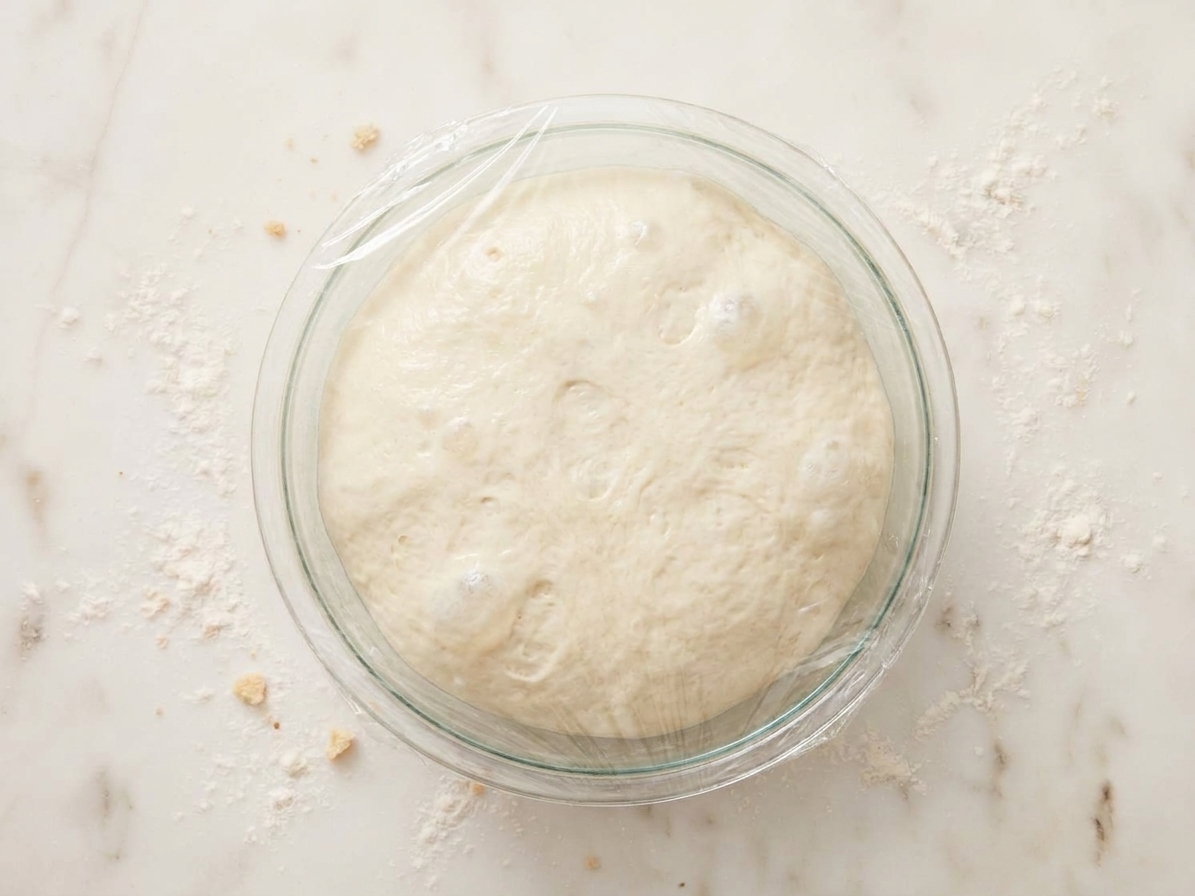
- Do not chase the clock: Look for dough that is puffy and expanded, not necessarily perfectly doubled.
- Create a warm rise: Dough likes 75 to 80°F. If your kitchen is chilly, put the covered bowl in the oven with the light on (oven off), or near (not on) a warm stove.
- Use rests to your advantage: A 10-minute rest after mixing hydrates flour and smooths dough; another 5 to 10 minutes during shaping helps if it snaps back.
- Wet hands for folds: Wetting your hand prevents sticking during stretch-and-folds; oiling hands can be better than adding lots of flour later.
- Sensory proofing cue: After the second rise, a gentle poke should spring back slowly and leave a slight dent.
- Work quickly once stretched: Sauce, cheese, toppings, then straight into the oven.
Substitutes that work
- Bread flour: Not required. Swap 1:1 for a slightly chewier bite.
- Active dry yeast: Use 1 1/4 teaspoons. Mix into the warm water and wait 5 minutes until foamy, then proceed.
- Olive oil: Optional; you can skip it, with a slightly less tender result.
Variations
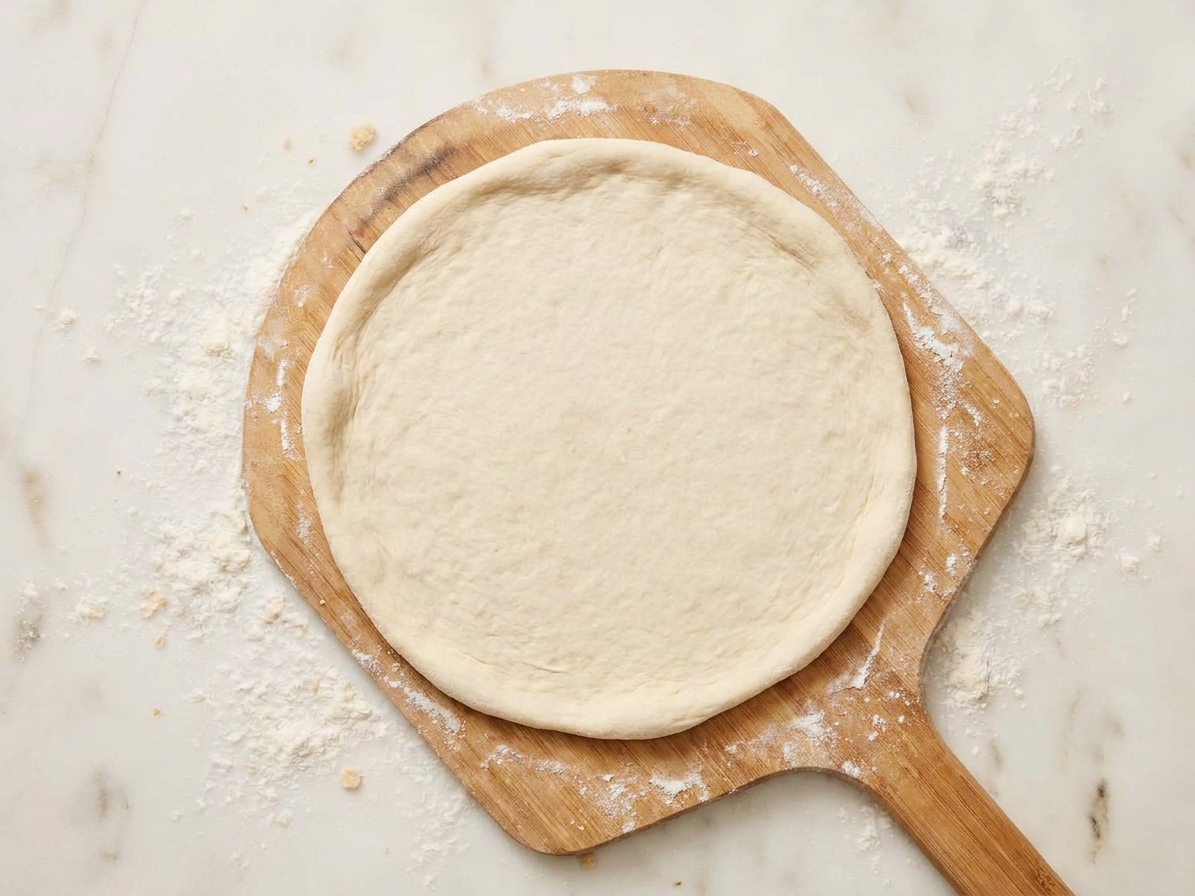
Thin crust (crisp, crackly edges)
- Use: 1 dough ball for a 12 to 14-inch pizza (or push a 10 to 12-inch pizza extra thin).
- Docking: Prick all over with a fork to reduce bubbles. For extra-crisp thin crust or heavier toppings, dock and par-bake 2 to 3 minutes before topping.
- Sauce and toppings: Go lighter than you think; thin crust does not love heavy toppings.
- Bake: Preheat stone or steel 30 to 45 minutes. Bake at 500 to 550°F for 6 to 10 minutes, until deeply browned at the edges.
Thick pan pizza (crisp bottom, fluffy interior)
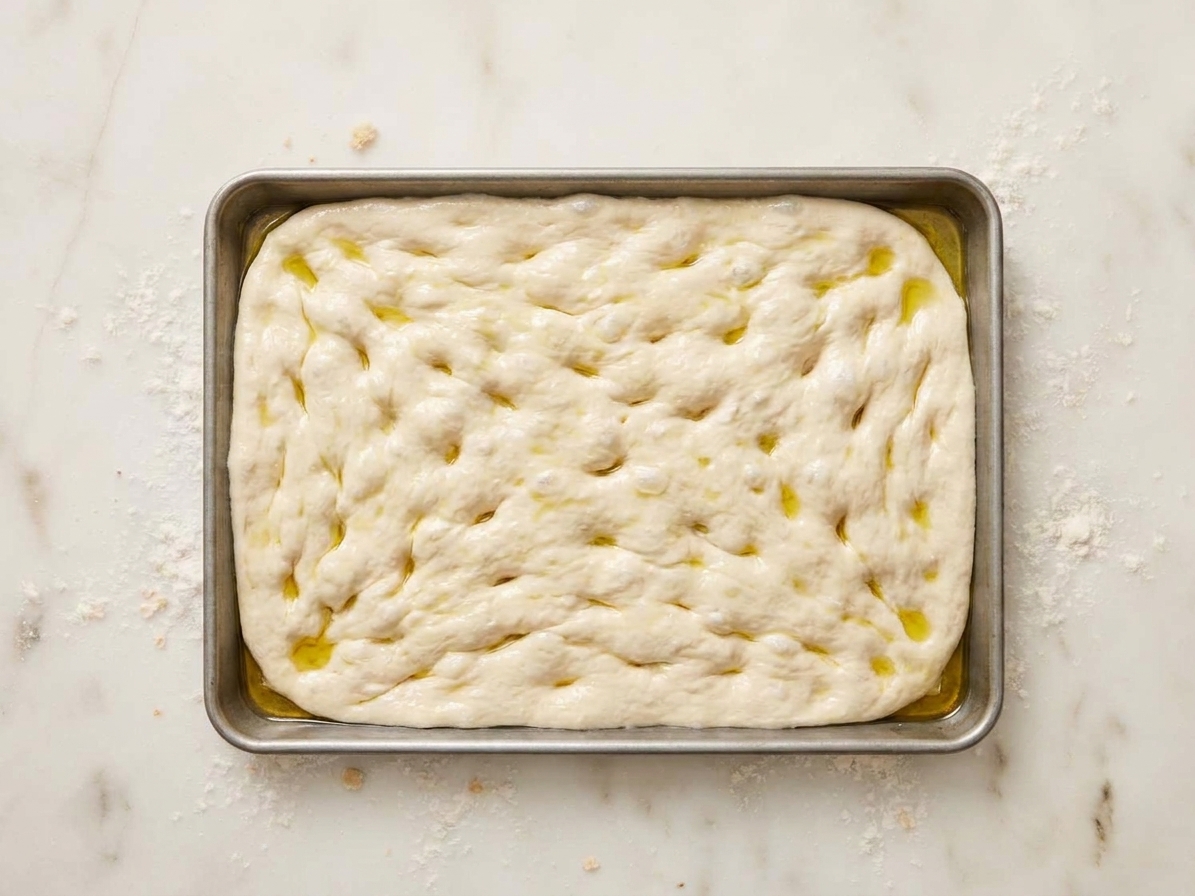
- Use: Both dough balls for a 9 by 13-inch pan, or one dough ball for a 10-inch cast iron skillet.
- Pan prep: Oil generously: 2 to 3 tablespoons olive oil for a 9 by 13.
- Final proof: Rise in the pan 30 to 60 minutes until puffy.
- Bake: 450 to 500°F for 14 to 20 minutes. If the top browns too fast, move to a lower rack. If the bottom is pale, bake a few minutes longer on a lower rack, or set the pan on a preheated stone or steel for the last few minutes.
Chewy hand-tossed (classic pizzeria chew)
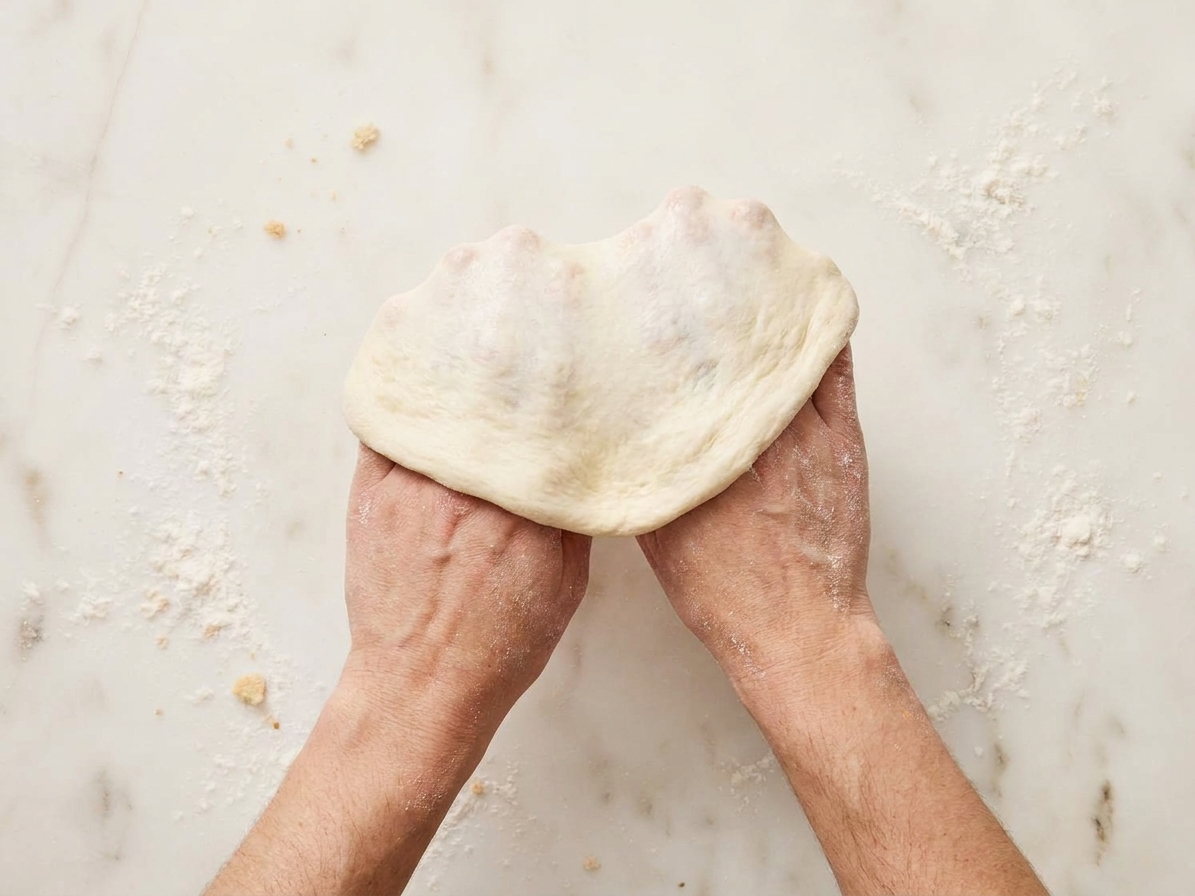
- Use: 1 dough ball for a 10 to 12-inch pizza.
- Key move: Give the dough a little more fermentation if you can; longer rest helps stretching and chew.
- Bake: Preheat stone or steel 30 to 45 minutes. Bake at 500 to 550°F for 7 to 11 minutes.
Serving ideas
- Thin crust: Keep sauce and toppings light for best crispness.
- Pan pizza: For extra color, slide the pizza out of the pan for the last 2 to 3 minutes directly on the rack.
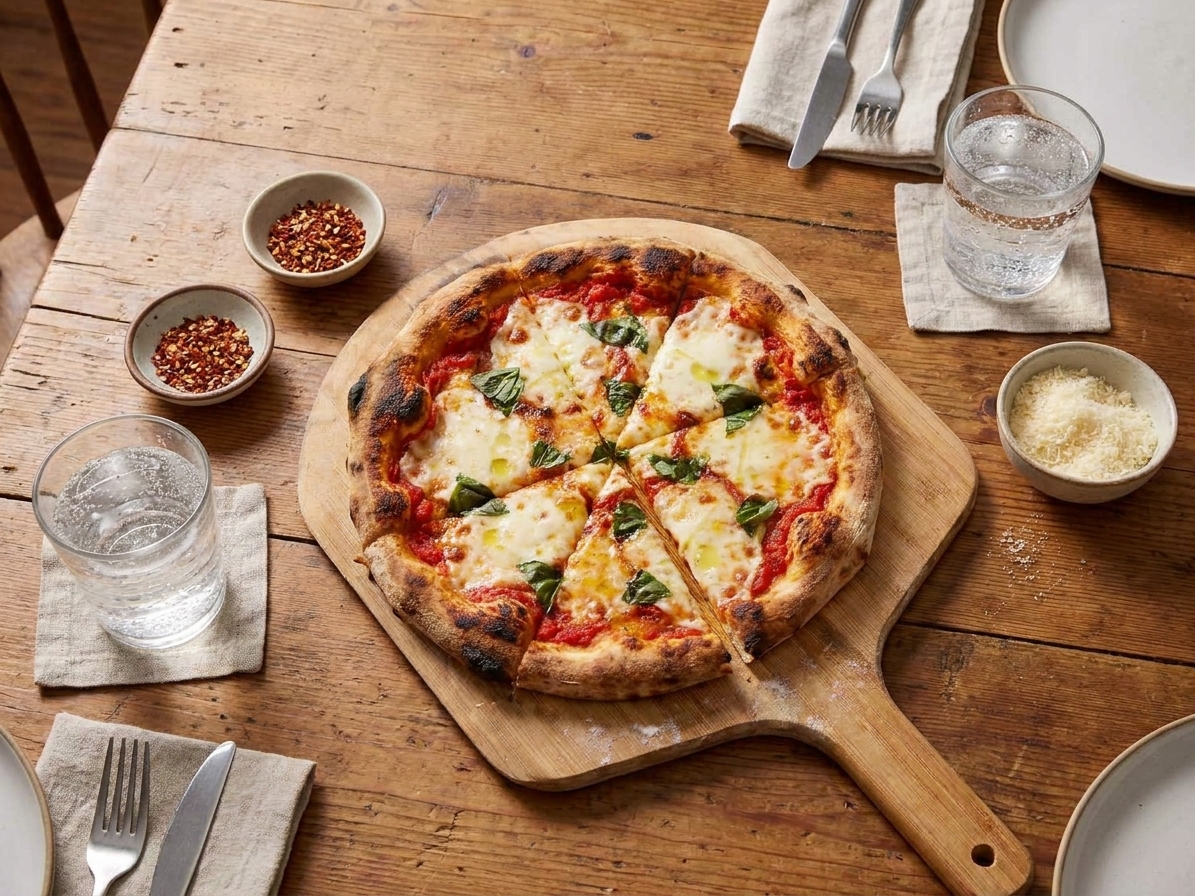
- Table add-ons: Serve with chili flakes and grated cheese on the side.
Storage and reheating
- Refrigerator (cold ferment): After dividing into balls and lightly oiling, cover tightly and refrigerate 12 to 72 hours. Pull from the fridge 60 to 120 minutes before shaping, until cool-room-temp and puffy.
- Freezer: After the first rise, divide into balls and lightly oil. Freeze in a sealed container or freezer bag up to 2 months. Thaw overnight in the fridge, then let sit at room temp 60 to 120 minutes before shaping.
- Food-waste tip: If you only want one pizza tonight, refrigerate or freeze the second dough ball immediately.
Common mistakes
- Adding too much flour during shaping: A slightly sticky dough bakes up lighter and more tender. Use rests and a little oil on hands, and add flour only as needed.
- Not preheating long enough: For stone or steel, preheat at least 30 minutes (and up to 45 minutes for the preferred setup) for better browning.
- Too much sauce: Excess moisture slows browning and can steam the dough.
- Forcing dough that snaps back: Rest 5 to 10 minutes instead; gluten relaxes with time.
- Overloading thin crust: Heavy toppings fight crispness and can lead to a softer bake.
FAQ
Do I need bread flour?
No. All-purpose flour works beautifully here. Bread flour will give a slightly chewier bite. If you have it, swap it 1:1.
Can I use active dry yeast?
Yes. Use 1 1/4 teaspoons active dry. Mix it into the warm water and wait 5 minutes until foamy, then proceed.
How do I know when the dough is proofed enough?
Look for puffy dough that holds a gentle fingerprint for a moment. If it springs back instantly, it needs more time. If it collapses and feels fragile, it may be over-proofed, but you can still bake it. Just handle gently and use a pan if needed.
Can I halve or double the recipe?
Absolutely. The easiest way is by weight. Keep the same ratios and you are golden.
What is the biggest beginner mistake?
Adding too much flour during shaping. A slightly sticky dough bakes up lighter and more tender. Use rests, a little oil on hands, and just enough flour to keep things moving.
Homemade Pizza Dough (Thin, Thick, or Hand-Tossed)
This flexible, no-knead pizza dough makes 2 dough balls for two 10 to 12-inch pizzas (or one thicker 9 by 13-inch pan pizza). Use the same base dough and adjust shaping and baking to get thin and crisp, thick pan, or classic chewy hand-tossed.
- Prep
- 20 minutes
- Cook
- 10 minutes
- Total
- 2 hours 10 minutes
- Yield
- Makes 2 dough balls (two 10 to 12-inch pizzas)
Ingredients
- 400 g (about 3 1/4 to 3 1/3 cups) all-purpose flour, plus more for shaping
- 260 g (about 1 cup plus 2 tablespoons) warm water, about 95 to 105°F
- 8 g (1 1/4 teaspoons) fine sea salt
- 4 g (1 teaspoon) instant yeast (or 1 1/4 teaspoons active dry yeast)
- 10 g (2 teaspoons) olive oil, optional but helpful for tenderness
Instructions
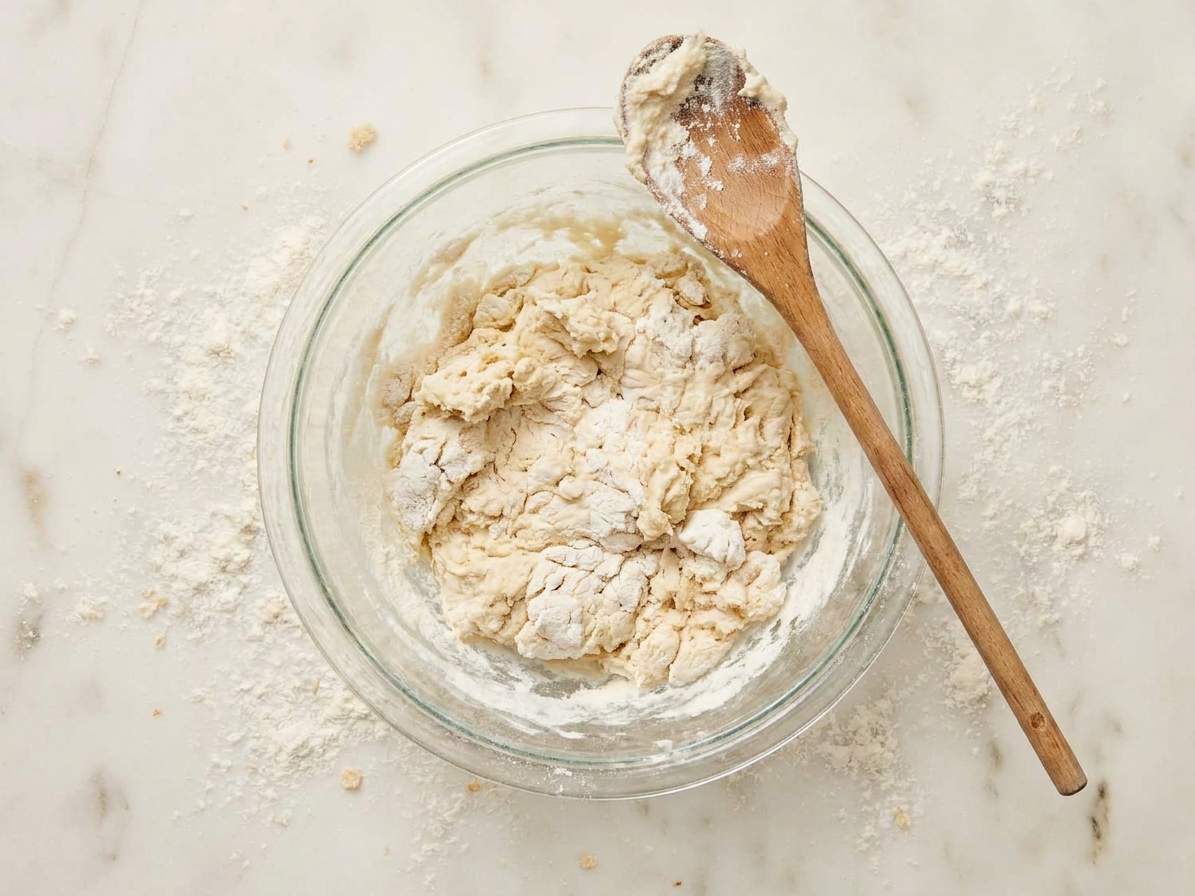
- Mix. In a large bowl, whisk the flour, yeast, and salt. Add the warm water and olive oil. Stir until no dry flour remains. The dough will look shaggy and slightly sticky.
- Rest for 10 minutes. Cover the bowl and let the dough sit.
- Do 2 sets of stretch-and-folds. Wet your hand (prevents sticking). Grab one side of the dough, stretch it up, and fold it over itself. Rotate the bowl and repeat 6 to 8 folds total. Cover and rest 10 minutes, then repeat one more set.
- First rise. Cover and let rise until puffy and roughly doubled, 60 to 90 minutes at warm room temperature. In a cool kitchen it may take closer to 2 hours.
- Divide and pre-shape. Turn the dough onto a lightly floured counter. Divide into 2 equal pieces (about 340 g each). Shape each into a tight ball by tucking edges underneath until the top is smooth.
- Second rise. Place each ball into a lightly oiled container, cover, and let rest 30 to 60 minutes before shaping.
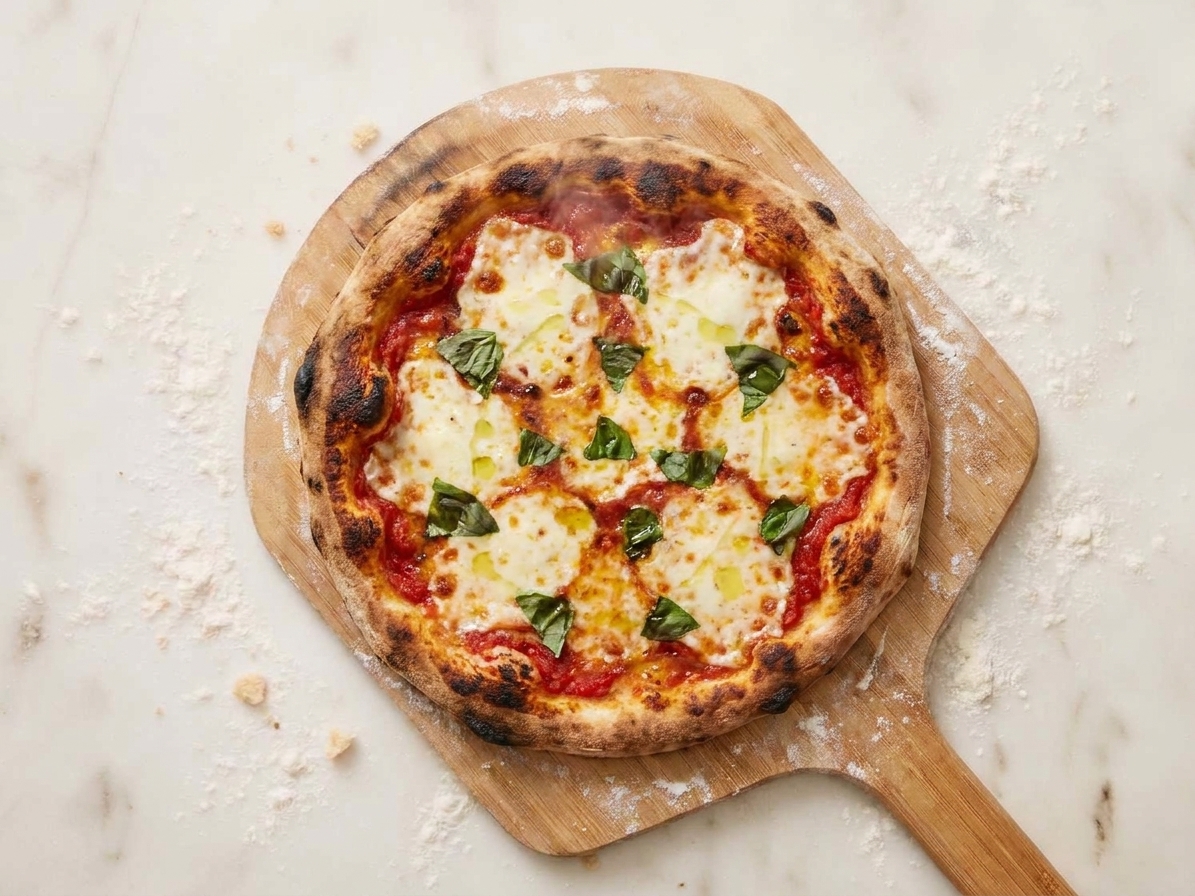
- Shape and bake in your chosen style. Thin crust: bake at 500 to 550°F for 6 to 10 minutes (optional par-bake 2 to 3 minutes). Thick pan: bake at 450 to 500°F for 14 to 20 minutes (final proof in pan 30 to 60 minutes). Hand-tossed: bake at 500 to 550°F for 7 to 11 minutes. For stone or steel, preheat 30 to 45 minutes.
Notes
Measuring note: If you have a kitchen scale, use it. If using cups, fluff the flour, spoon it into the measuring cup, then level it off.
Hydration note: This dough is about 65% hydration, a sweet spot for beginner-friendly handling and a chewy bake.
Proofing cue: After the second rise, poke the dough gently. It should spring back slowly and leave a slight dent.
Preferred bake setup: Baking steel on the top third rack, preheated 45 minutes. Pizza stone also works, preheated 45 minutes. No stone or steel: use an inverted heavy sheet pan preheated for 20 minutes.
Nutrition
- Calories: 740
- Fat: 5 g
- Carbs: 149 g
- Protein: 21 g
- Fiber: 5 g
- Sugar: 0 g
- Sodium: 1550 mg
Approximate values per dough ball (1 of 2), without toppings.