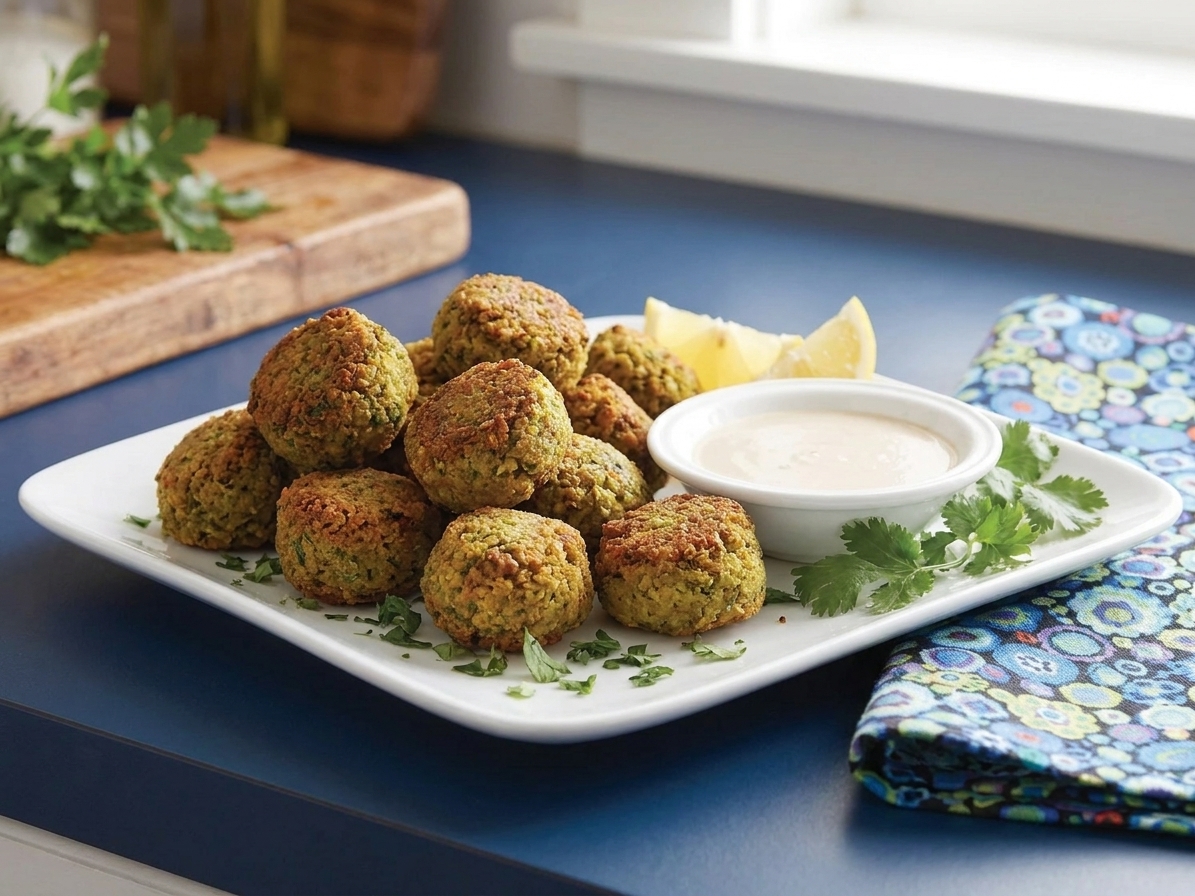

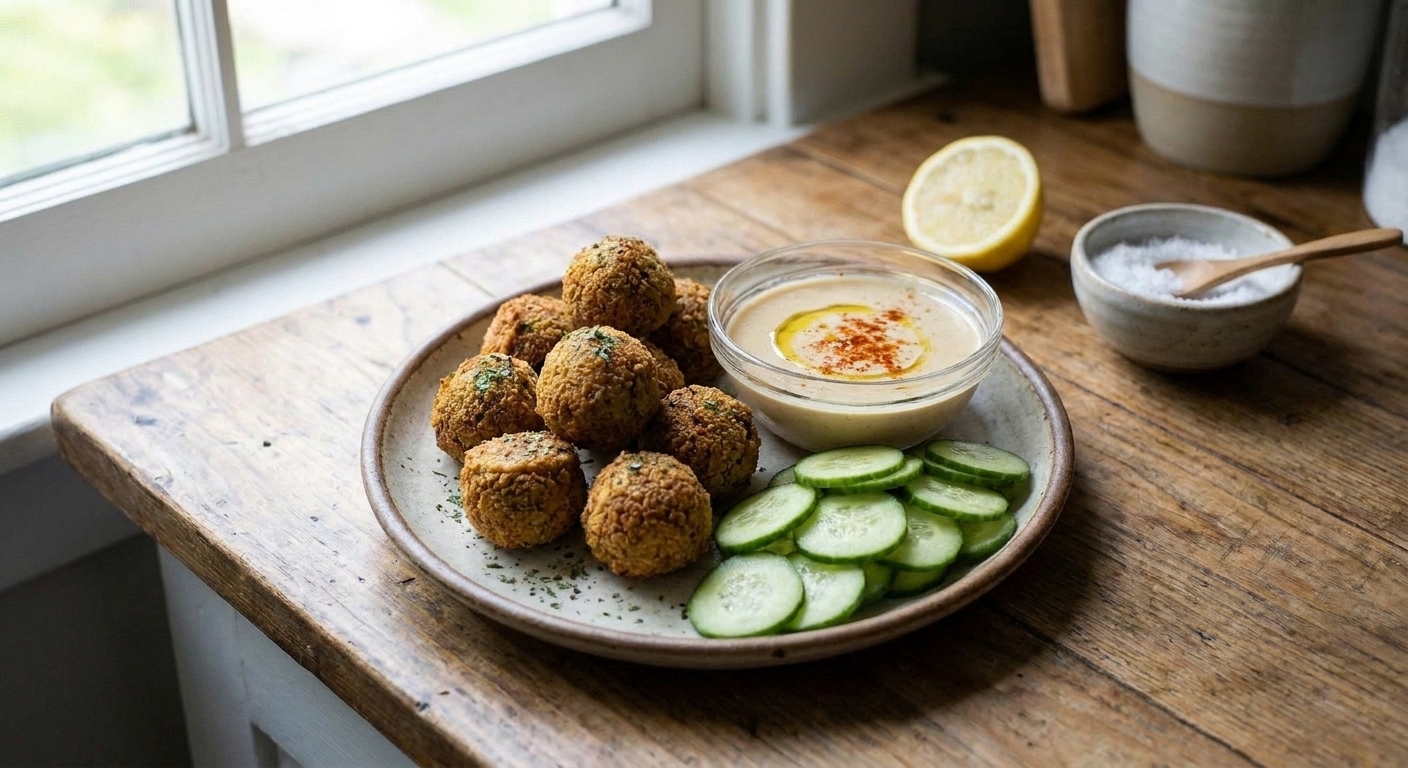
If you have ever ordered falafel and wondered why the tahini on the side is so silky and drizzleable, this is that sauce. It is not hummus, not a dip, and not meant to stand up on a spoon. Think thin enough to ribbon over a warm pita, run into the nooks of a crispy fritter, and lightly coat roasted vegetables without turning them heavy.
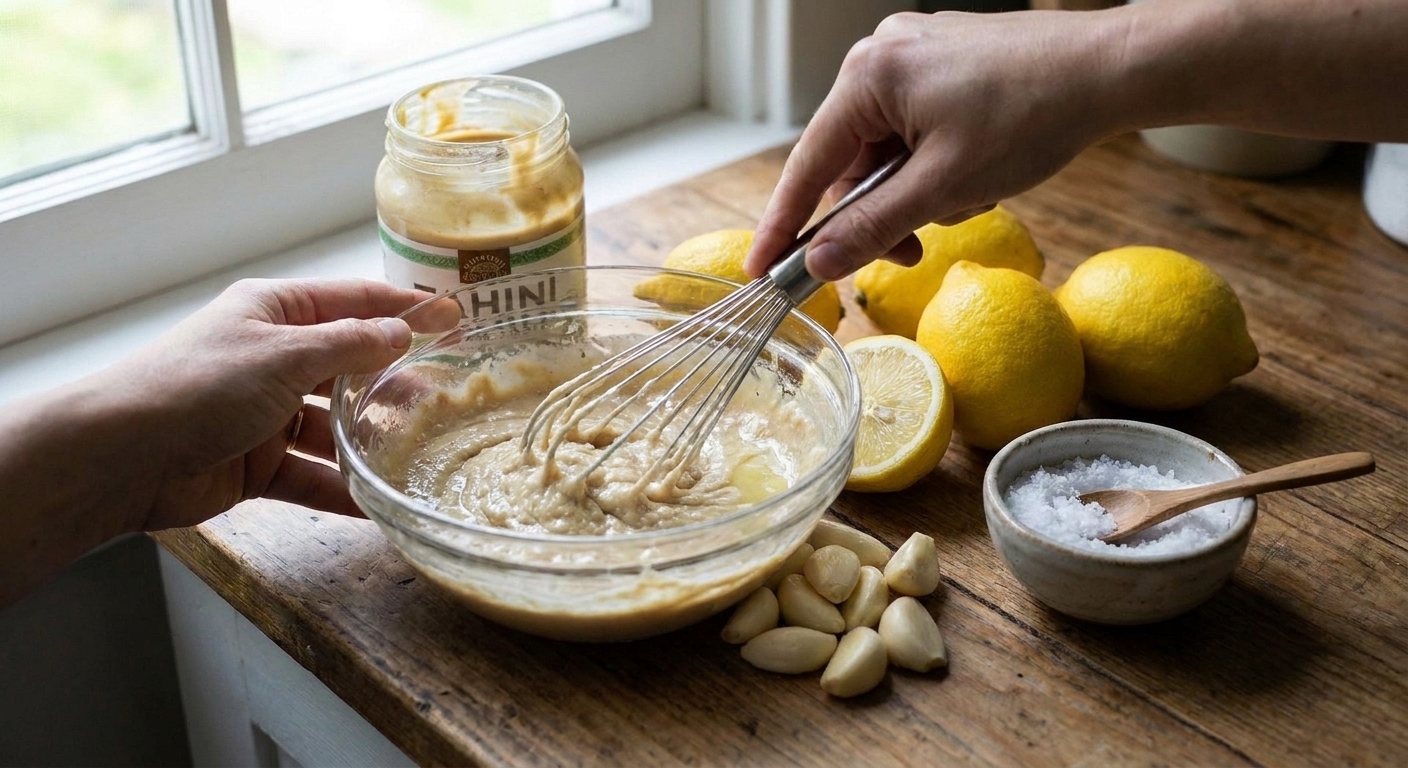
The key is simple: tahini plus lemon plus garlic, then water added gradually. Tahini can look like it is breaking or seizing at first, turning stiff and pale. That is normal. Keep whisking, then add water a tablespoon at a time until it relaxes into a glossy, pourable sauce. Pourable here means it should fall in a thin, steady stream and leave a light coating on the back of a spoon, not a thick mound.

I make this constantly for weeknight bowls and fridge cleanouts because it makes almost anything feel like an actual meal. Drizzle it over roasted broccoli and sweet potatoes, spoon it onto a salad, or serve it alongside falafel with sliced cucumbers and tomatoes. You can also keep it a touch thicker for spreading inside a pita, or loosen it with a splash more water when you want a true drizzle. If you like, a pinch of cumin or a handful of chopped herbs can push it in a more falafel-shop direction.
Why this recipe works
- Water is the texture lever. Adding it slowly gives you control, so you land on a sauce that pours and drizzles instead of a paste.
- Seizing is part of the process. Tahini often tightens when acid hits it. Whisking and gradual water additions turn that stiffness into a smooth emulsion.
- Garlic is mellowed by lemon and tahini. A small clove goes a long way, and the fat in tahini softens the bite so the sauce tastes balanced, not harsh.
- Salt at the end keeps it precise. Tahini brands vary wildly in saltiness and bitterness. Finishing with salt after thinning prevents over-salting.
Ingredient notes
- Tahini: Use a well-stirred tahini (the oil and solids fully recombined). If yours is very thick, let it come to room temperature for easier whisking.
- Lemon juice: Fresh tastes brightest here. Start with the listed amount, then adjust after the sauce is fully thinned.
- Garlic: Grate on a Microplane or smash into a paste with a pinch of salt so it disappears into the sauce.
- Water: Cool to cold water helps the sauce turn lighter and silkier. Add it gradually until it ribbons off a spoon.
- Salt: Fine sea salt dissolves quickly. If using kosher salt, you may need a slightly larger pinch.
Equipment you will need
- Medium bowl
- Whisk
- Microplane or garlic press (optional but helpful)
- Measuring spoons
- Jar with lid for storage
Pro tips
- Expect the weird stage. When you first whisk tahini with lemon, it can turn stiff, grainy-looking, and almost frosting-thick. Keep whisking. Add water 1 tablespoon at a time and it will smooth out.
- Use sensory cues for thickness. For a true sauce, it should pour easily and leave a thin coating on the back of a spoon, like heavy cream. If it plops, add more water.
- Let it sit 5 minutes, then re-check. Tahini thickens slightly as it hydrates. If it tightens up, whisk in another splash of water.
- Balance acid and salt together. If it tastes flat, add salt. If it tastes heavy or bitter, add lemon. If it tastes sharp, add a touch more tahini or water to soften it.
- For extra smooth sauce: Grate the garlic finely and whisk vigorously. Tiny garlic chunks can make the sauce feel thicker than it is.
Substitutes that work
- No fresh lemon: Use bottled lemon juice in a pinch, then add a little extra to brighten. Taste and adjust.
- No garlic: Skip it, or use a small pinch of garlic powder. Start very small and whisk well.
- Lower bitterness: If your tahini is noticeably bitter, add 1 to 2 teaspoons extra lemon juice and a slightly bigger pinch of salt.
- Sesame-free option: This will not taste like classic tahini sauce, but unsweetened sunflower seed butter can work with the same method. It may need a bit more water to become pourable.
Variations
- Herby tahini sauce: Stir in finely chopped parsley, dill, or cilantro after thinning.
- Spicy tahini: Add a pinch of cayenne, Aleppo pepper, or a spoonful of harissa. Thin with a splash more water as needed.
- Cumin-lemon tahini: Add 1/4 teaspoon ground cumin for a warmer, falafel-shop vibe.
- Maple tahini drizzle: For roasted carrots or sweet potatoes, add 1 to 2 teaspoons maple syrup and a little extra lemon to keep it bright.
Serving ideas
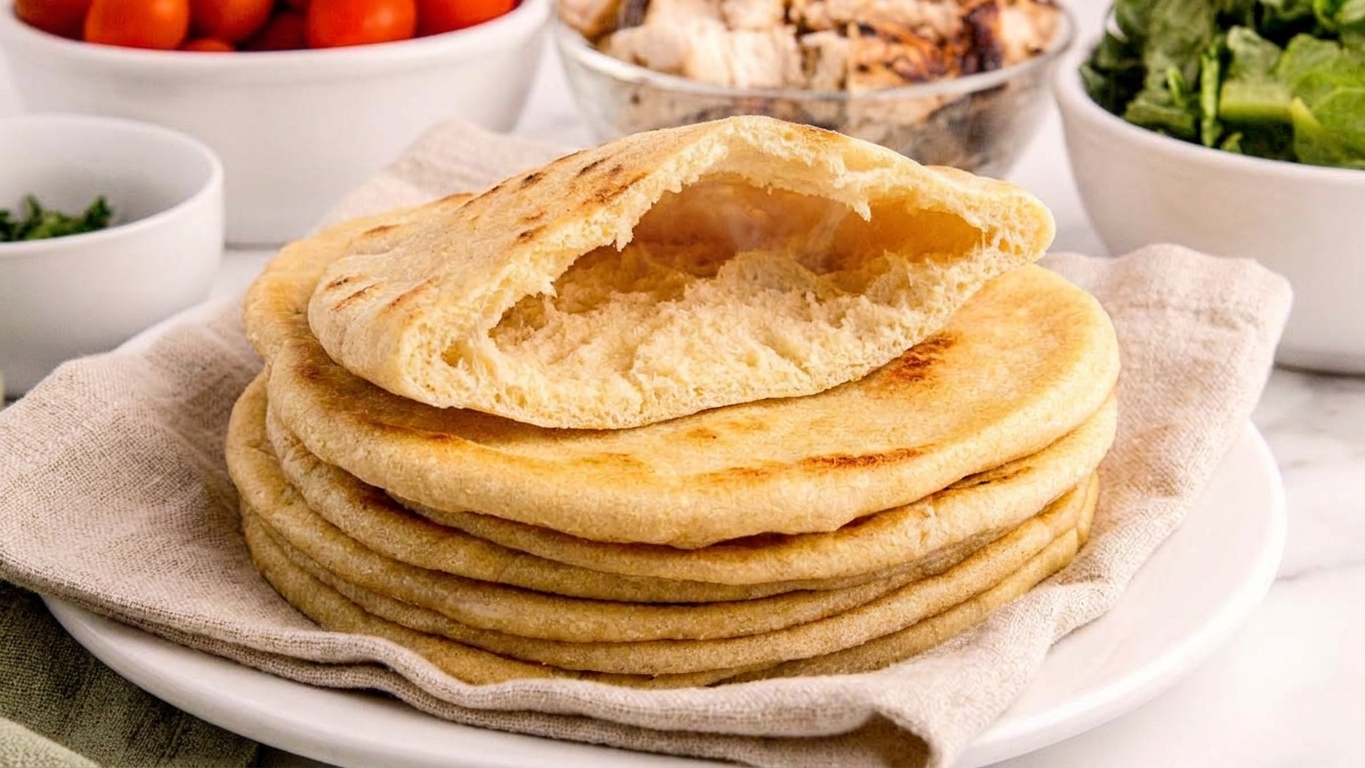
- Falafel platter: Serve in a small bowl alongside falafel, chopped cucumber and tomato, pickles, and warm pita.
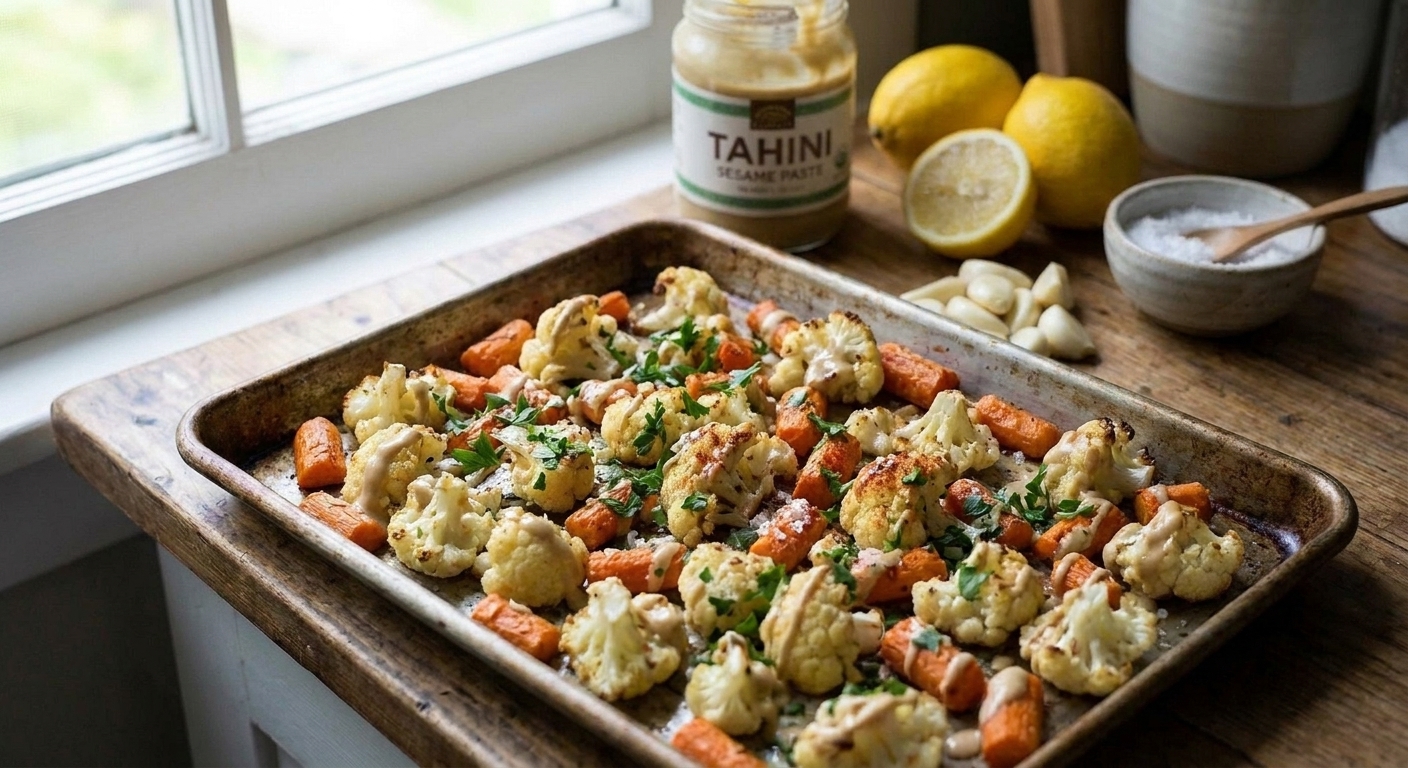
- Roasted vegetables: Drizzle over roasted cauliflower, broccoli, carrots, sweet potatoes, or eggplant right before serving.
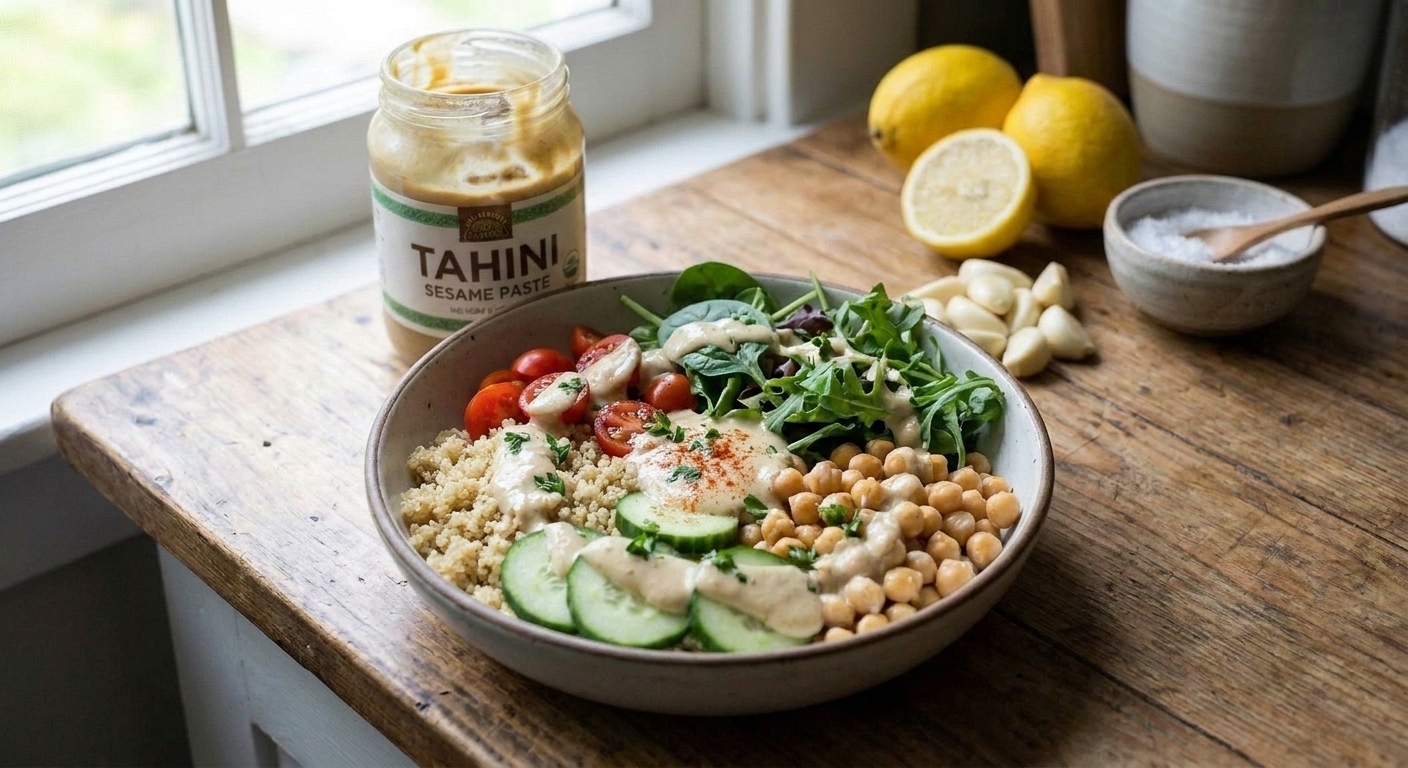
- Weeknight bowls: Use as the sauce for grain bowls with rice or quinoa, greens, chickpeas, and whatever vegetables need using up.
- Salads: Thin a touch more with water and use as a creamy lemon dressing.
- Sandwiches and wraps: Spread a slightly thicker version (less water) inside pita or wraps, then add a drizzle on top.
Storage and reheating
- Refrigerate: Store in a sealed jar in the fridge for up to 5 days.
- It will thicken when cold: That is normal. Whisk in water 1 teaspoon at a time (or let it sit at room temperature for 10 minutes) until it is pourable again.
- Stir before using: Give it a good shake or whisk. Tahini sauces can settle slightly.
- Freezing: Not my favorite. The texture can turn a little grainy after thawing.
Common mistakes
- Adding all the water at once: It can overshoot into watery territory. Add gradually so you control the final pour.
- Panicking when it seizes: The thick, pale stage is expected. Keep whisking and add more water a tablespoon at a time.
- Under-salting: Tahini needs salt to taste like itself. Finish with salt after thinning and tasting.
- Using big garlic pieces: They make the sauce feel chunky and stronger. Grate or paste the garlic for a smooth, balanced sauce.
- Stopping too thick: If you want falafel-shop sauce, it should drizzle easily. If it sits in a mound, whisk in more water.
FAQ
Why did my tahini turn thick and grainy?
That is the classic seize. Acid (lemon) tightens tahini at first. Keep whisking and add water slowly. It will turn smooth and glossy.
How thin should lemon tahini sauce be?
For a true sauce, it should pour easily and ribbon off a spoon. You should be able to drizzle it over falafel without it clumping like a dip.
Can I make it without a whisk?
Yes. A fork works, and a jar with a lid works too. If you shake in a jar, add water gradually so you do not end up too thin.
How do I fix sauce that is too thick?
Whisk in more water, 1 tablespoon at a time, until it loosens. Taste again for salt and lemon after thinning.
How do I fix sauce that is too thin?
Whisk in a little more tahini, 1 teaspoon at a time, or let it sit for a few minutes to hydrate and thicken slightly.
Lemon Tahini Sauce
A bright, garlicky, pourable lemon tahini sauce made with tahini, lemon juice, and water. It is designed to drizzle over falafel, roasted vegetables, and bowls.
- Prep
- 5 minutes
- Cook
- 0 minutes
- Total
- 5 minutes
- Yield
- Makes about 3/4 cup
Ingredients
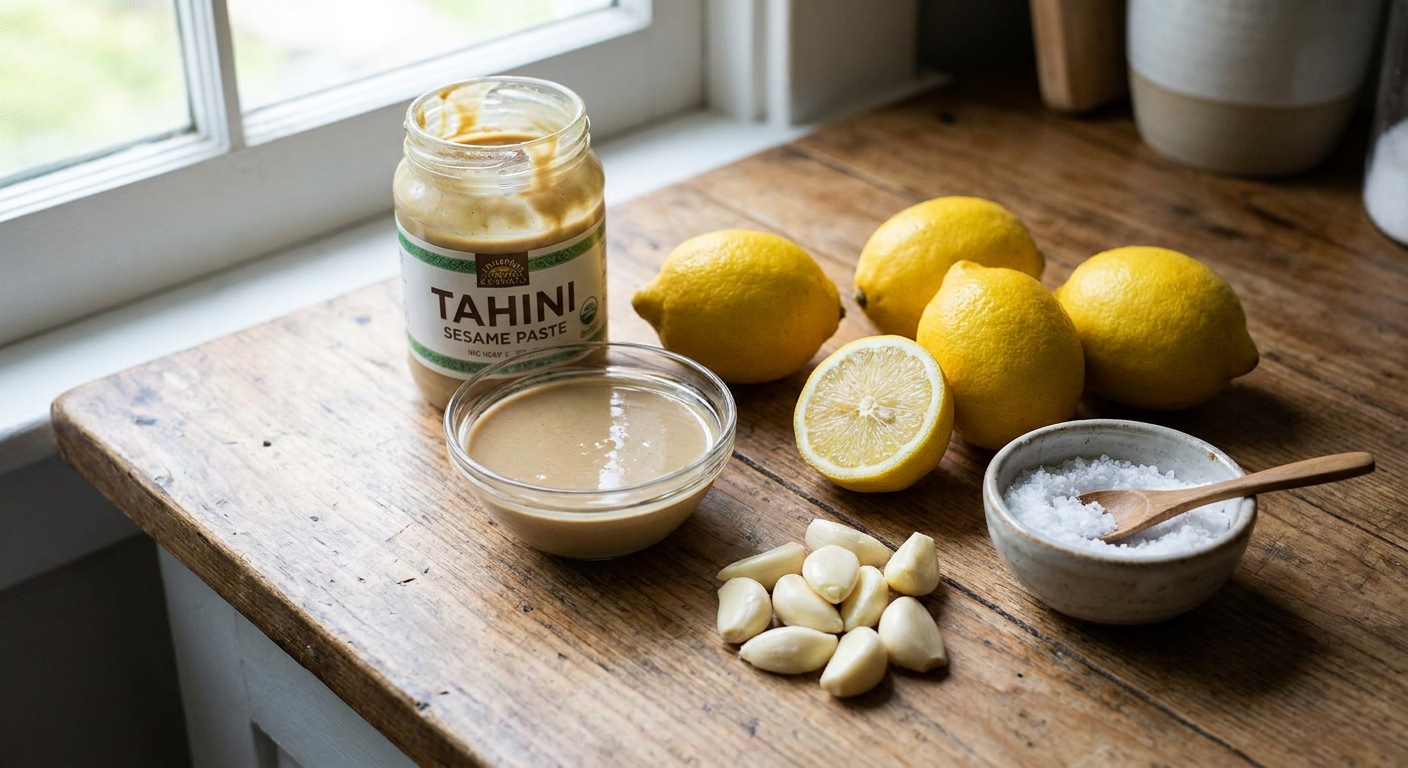
- 1/2 cup tahini, well-stirred
- 3 tablespoons fresh lemon juice (about 1 lemon), plus more to taste
- 1 small garlic clove, finely grated or pressed
- 1/4 teaspoon fine sea salt, plus more to taste
- 4 to 8 tablespoons cool to cold water, as needed for a pourable sauce
Instructions
- Whisk the base. In a medium bowl, whisk together the tahini, lemon juice, and grated garlic until combined. The mixture may turn thicker and lighter in color. Keep whisking until it is evenly mixed.
- Add water gradually. While whisking, add water 1 tablespoon at a time until the sauce turns smooth, glossy, and pourable. Aim for a thin drizzle consistency that ribbons off a spoon. Most tahini needs 4 to 8 tablespoons water.
- Season and adjust. Whisk in the salt. Taste, then adjust with more lemon for brightness, more salt for balance, or another splash of water if it thickened.
- Serve or store. Use right away, or transfer to a jar and refrigerate. If it thickens in the fridge, whisk in 1 to 2 teaspoons water to bring it back to a drizzle.
Notes
Tahini seize fix: If the sauce looks broken or pasty after adding lemon, keep whisking and add more water gradually. It almost always comes back together.
Water temperature: Cool to cold water helps the sauce turn lighter and silkier, but room-temperature water works too. The main trick is adding it slowly.
Garlic intensity: For a milder sauce, use half a clove or let the mixed sauce sit for 10 minutes before serving, then taste again.