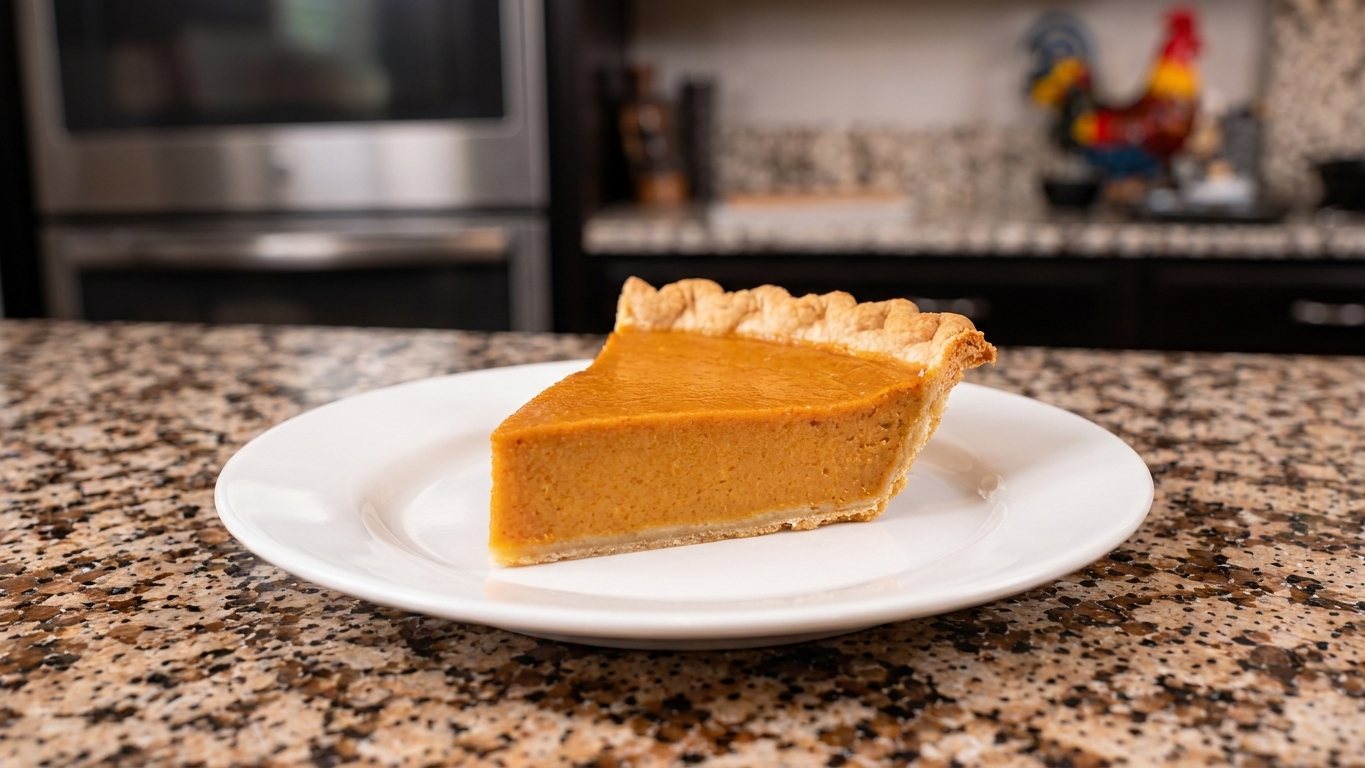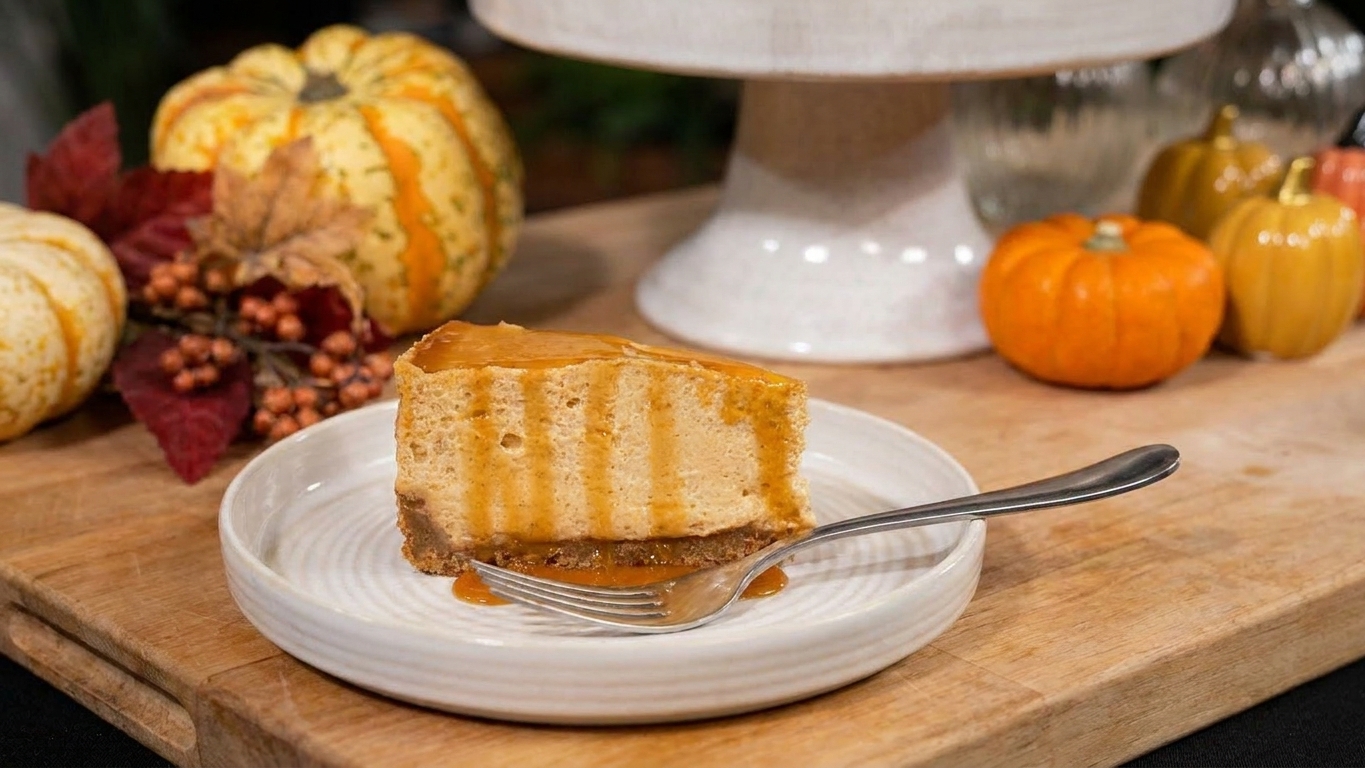

I love pumpkin desserts, but I am picky about texture. I want real cheesecake energy: tangy cream cheese, a dense, creamy set, and slices that stand up on the plate. This baked pumpkin cheesecake checks all those boxes, with a buttery graham cracker crust, a warmly spiced filling, and two unglamorous steps that make it feel bakery-level at home: a water bath and a slow, gentle cool-down.

If you’ve ever dealt with a cracked top or a filling that seems a little loose in the center, this recipe is built to help prevent both. I keep air bubbles to a minimum by mixing gently, bake in gentler, even heat so the edges do not set faster than the center, then cool the cheesecake gradually. With that routine, you should get a smooth top and a creamy, sliceable set that tastes like pumpkin cheesecake, not pumpkin pie.
What to expect
- Flavor: Cream cheese tang, toasted graham, and warm pumpkin spice that tastes like fall without being cloying.
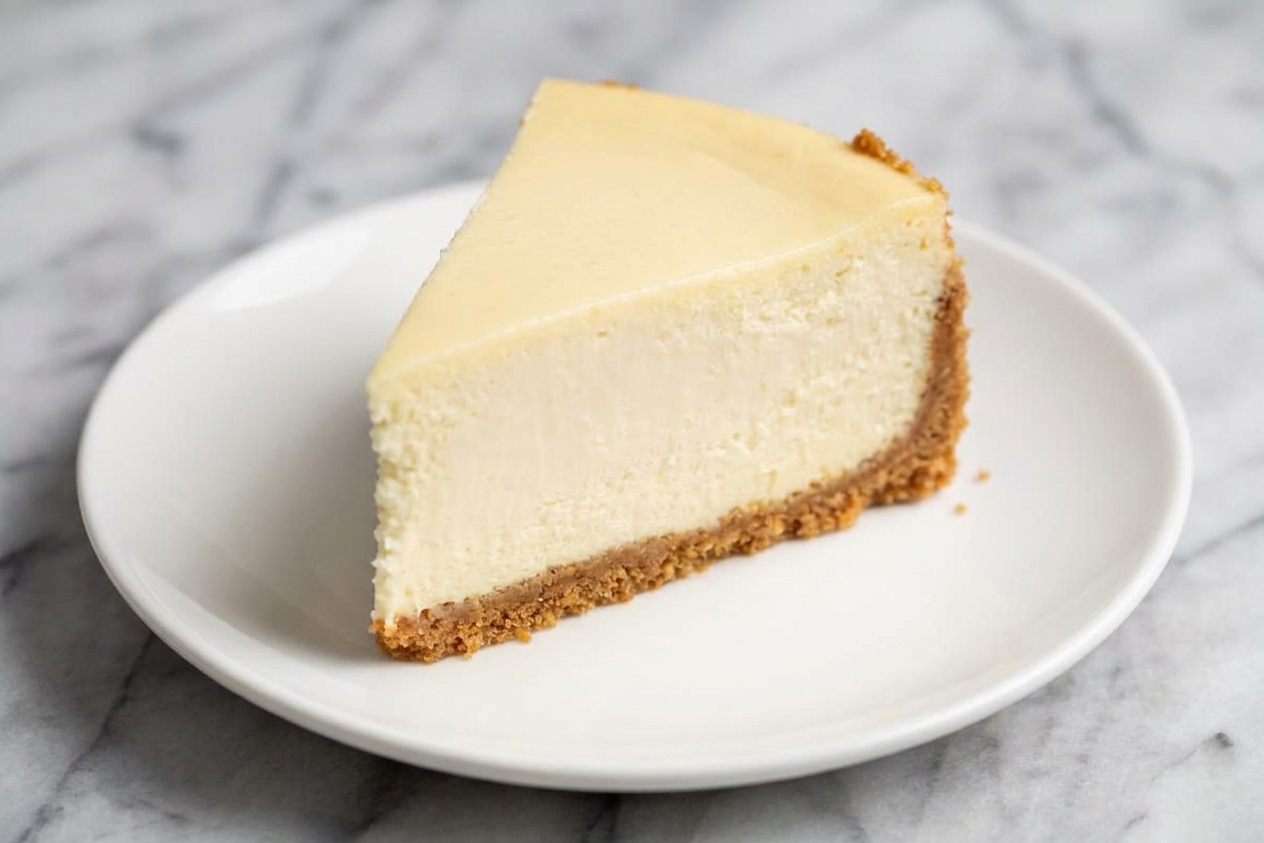
- Texture: Creamy and set, not airy. The center should have a slight wobble when you nudge the pan, like set custard, not like liquid. A good visual cue is that the edges look set and the center 2–3 inches still jiggles.
- Timeline: This is a make-ahead dessert by design. You will bake it, cool it slowly, then chill until fully cold for clean slices.
My Portland kitchen note
Cheesecake days in my house look like a tiny assembly line: kettle of hot water ready for the bath, towels laid out, and a cleared shelf in the fridge. It sounds intense, but it is really just me being organized so nothing gets forgotten when the batter is mixed and time matters. The good news is that once you do the water bath and cool-down routine one time, it becomes second nature.
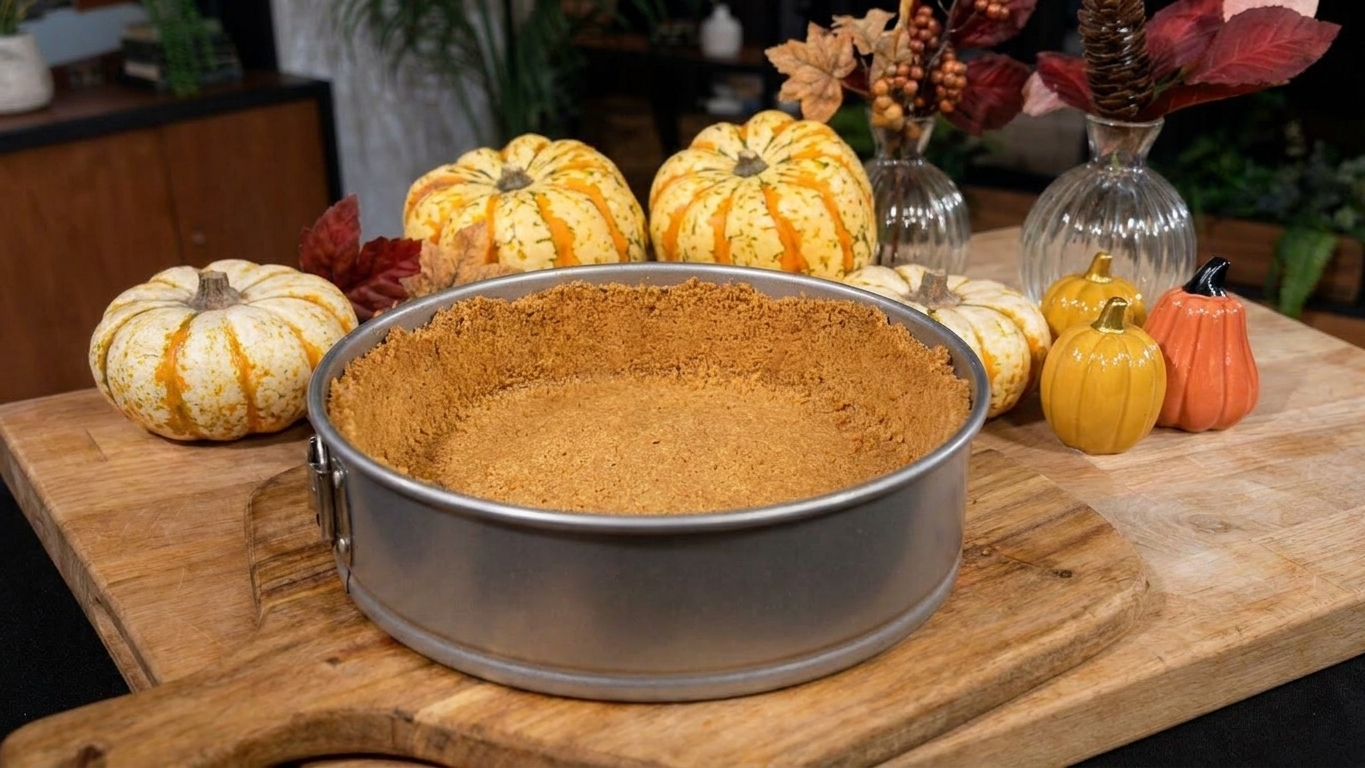
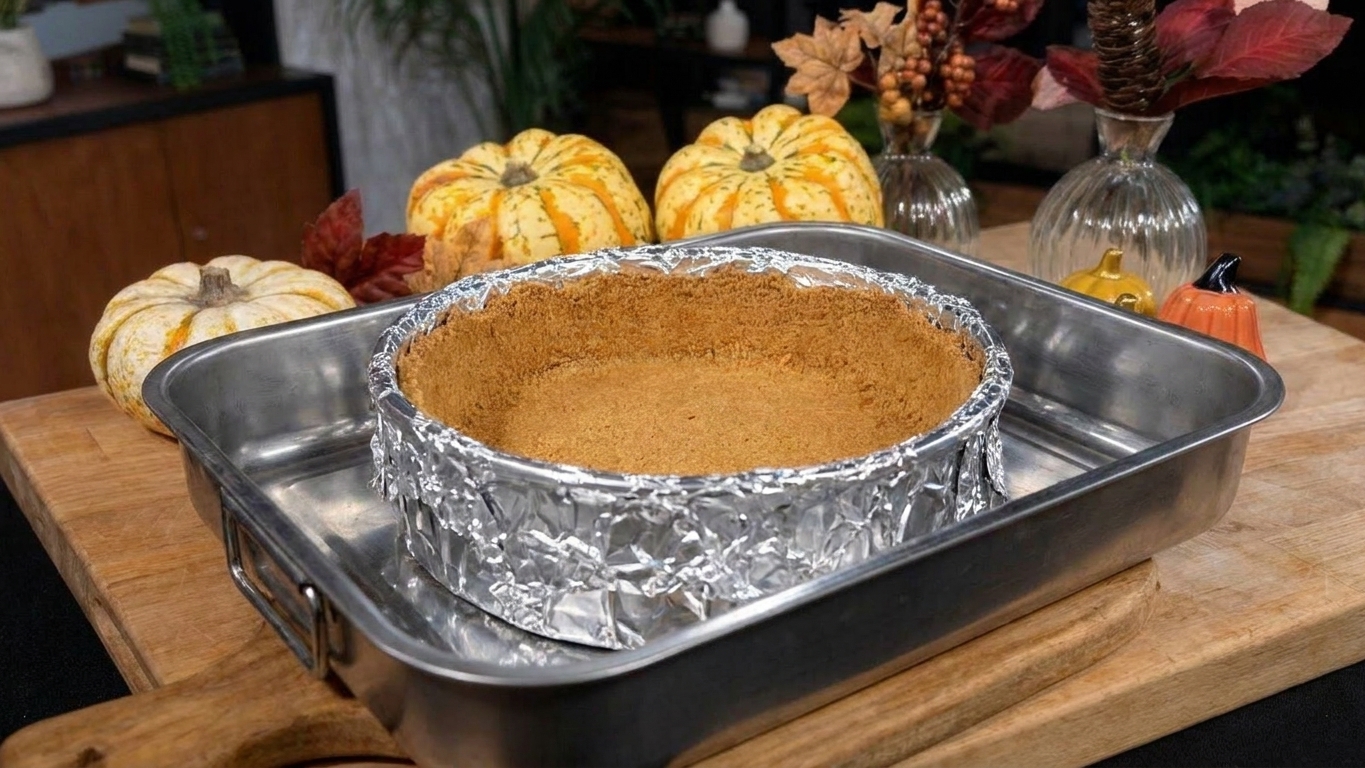
If you are new to water baths, my main tip is simple: wrap the springform pan high up the sides with a few tight layers of heavy-duty foil, and move the roasting pan to the oven rack before you add the hot water. Less sloshing, fewer chances for a soggy crust.
Why this recipe works
- Graham crust that stays crisp: Pre-baking sets the butter and sugars so the crust holds together and does not turn sandy.
- Water bath for gentle heat: The moist, buffered heat helps the cheesecake bake evenly, reducing cracks and helping prevent a rubbery edge.
- Low-aeration mixing: Beating too much air into cheesecake batter can cause puffing in the oven and sinking as it cools, which often leads to cracks.
- Slow cool-down: Letting the cheesecake cool gradually in the turned-off oven, then at room temp, helps it settle without dramatic contraction.
- Chill time for clean slices: A full chill firms the fats and lets the custard structure finish setting, so slices look sharp and hold.
Ingredient notes
Pumpkin puree
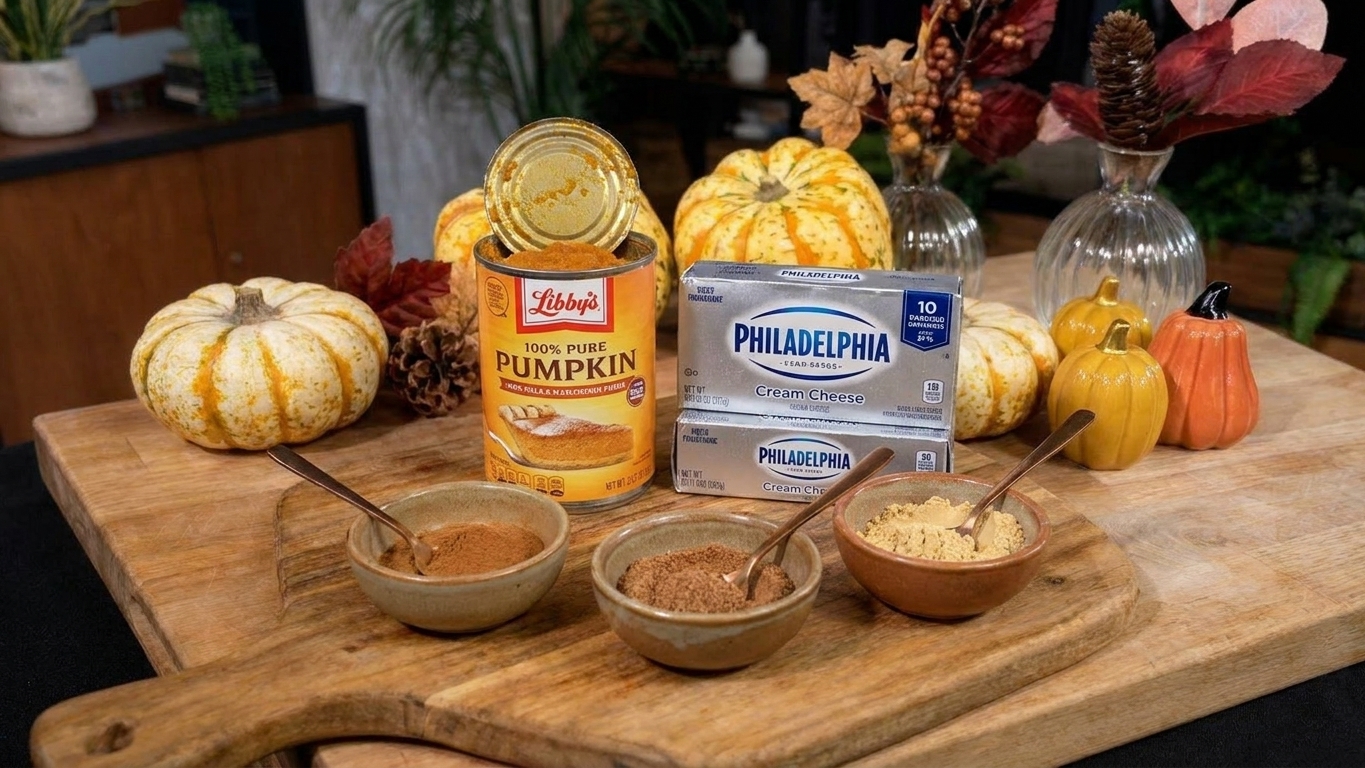
Use plain canned pumpkin puree, not pumpkin pie filling. If your puree looks watery, you can blot it briefly with paper towels to reduce extra moisture.
Cream cheese
Full-fat blocks are key. Let them soften fully so the batter mixes smooth without overbeating.
Sour cream
This boosts tang and keeps the texture creamy. Bring it to room temp so it blends without lumps.
Eggs
Room temperature eggs incorporate more evenly. Add them one at a time and mix just until the yellow disappears.
Spices
Cinnamon, ginger, nutmeg, and cloves give classic pumpkin spice flavor. If your spice jars are older, consider replacing them. Fresh spices make a noticeable difference here.
Graham crackers
Crush to fine crumbs so the crust slices cleanly. A little sugar and salt makes the crust taste like more than just crumbs and butter.
Equipment you will need
- 9-inch springform pan
- Large roasting pan (big enough to hold the springform)
- Heavy-duty aluminum foil (for wrapping the pan)
- Electric mixer (hand mixer or stand mixer)
- Rubber spatula (for scraping the bowl well)
- Instant-read thermometer (optional but very helpful)
- Kettle or saucepan for hot water
Pro tips
- Wrap the springform like you mean it: Use 2 to 3 layers of heavy-duty foil, bringing it high up the sides. This lowers the risk of water sneaking into the crust.
- Tap out bubbles: After you pour the batter, gently tap the pan on the counter a couple of times. This helps pop air pockets for a smoother top.
- Know the doneness cue: The edges should look set, and the center should wobble slightly when you gently jiggle the pan. If using a thermometer, aim for about 150 to 155 F in the center.
- Cool slowly: The slow cool matters if you want a smooth top. Sudden temperature changes are crack's best friend.
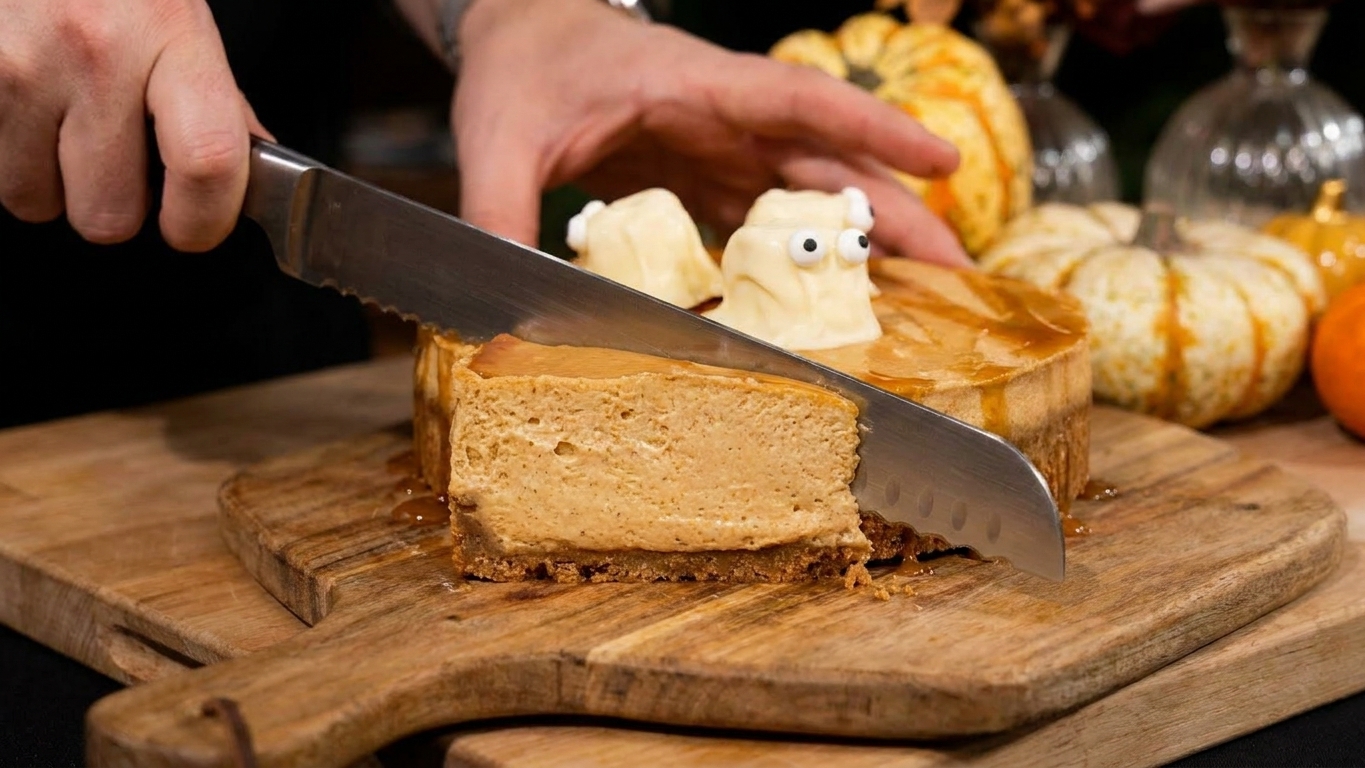
- Slice clean: Use a long, thin knife dipped in hot water, wipe dry between cuts, and let the knife do the work.
Substitutes that work
- Graham crackers: Swap in gingersnaps or Biscoff-style cookies for a spicier crust. Keep the same crumb amount by weight if you can.
- Sour cream: Full-fat Greek yogurt works well, with a slightly brighter tang.
- Spice blend: Pumpkin pie spice can replace the individual spices. Use it to taste, and consider adding a little extra cinnamon for a classic profile.
- Butter: Use unsalted if possible. If using salted, reduce the added salt in the crust.
Variations
- Pecan graham crust: Replace a portion of the crumbs with finely ground toasted pecans for a nutty base.
- Maple pumpkin cheesecake: Add a small amount of maple syrup for a deeper sweetness and fall aroma.
- Bourbon hint: A splash of bourbon in the filling adds warmth without making it boozy.
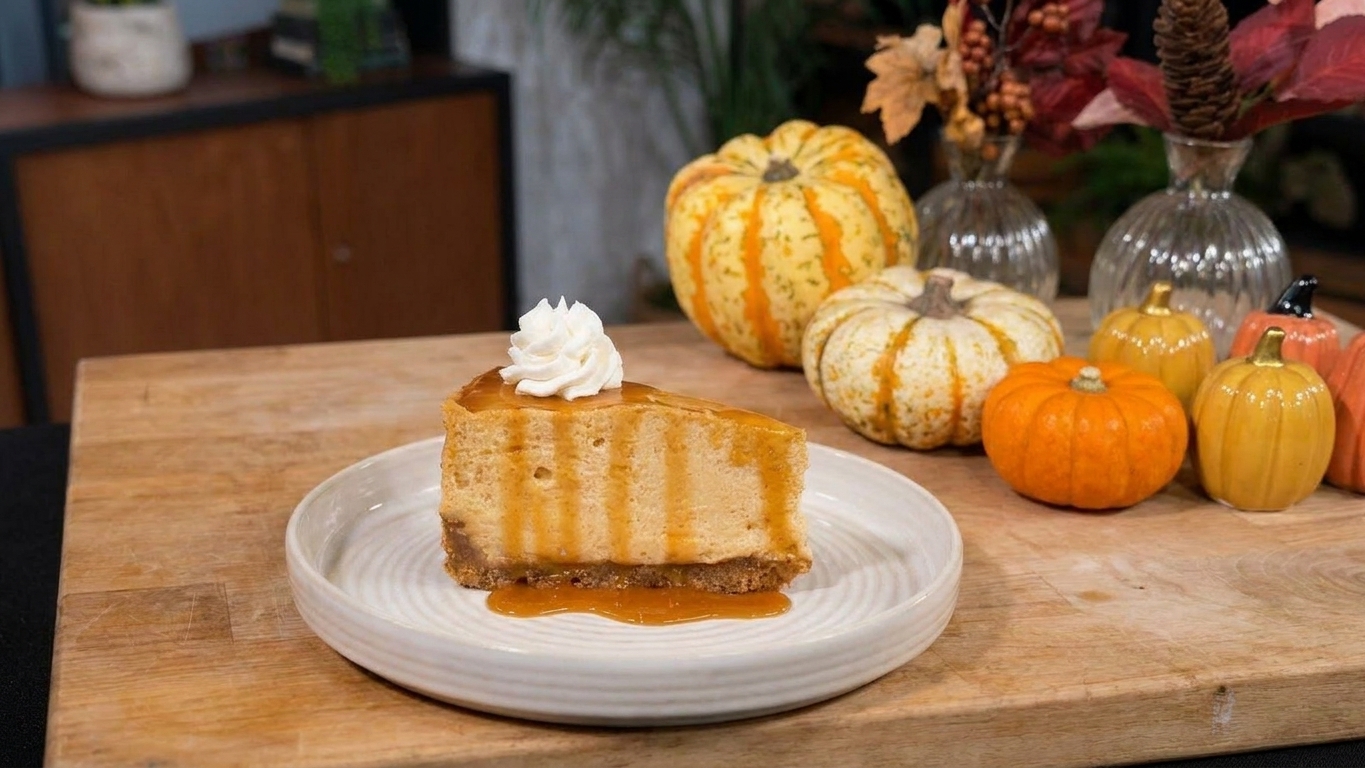
- Whipped cream finish: Top slices with lightly sweetened whipped cream and a pinch of cinnamon right before serving.
Serving ideas
- Serve plain to let the tangy pumpkin flavor shine.
- Add a dollop of whipped cream and a dusting of cinnamon or cocoa.
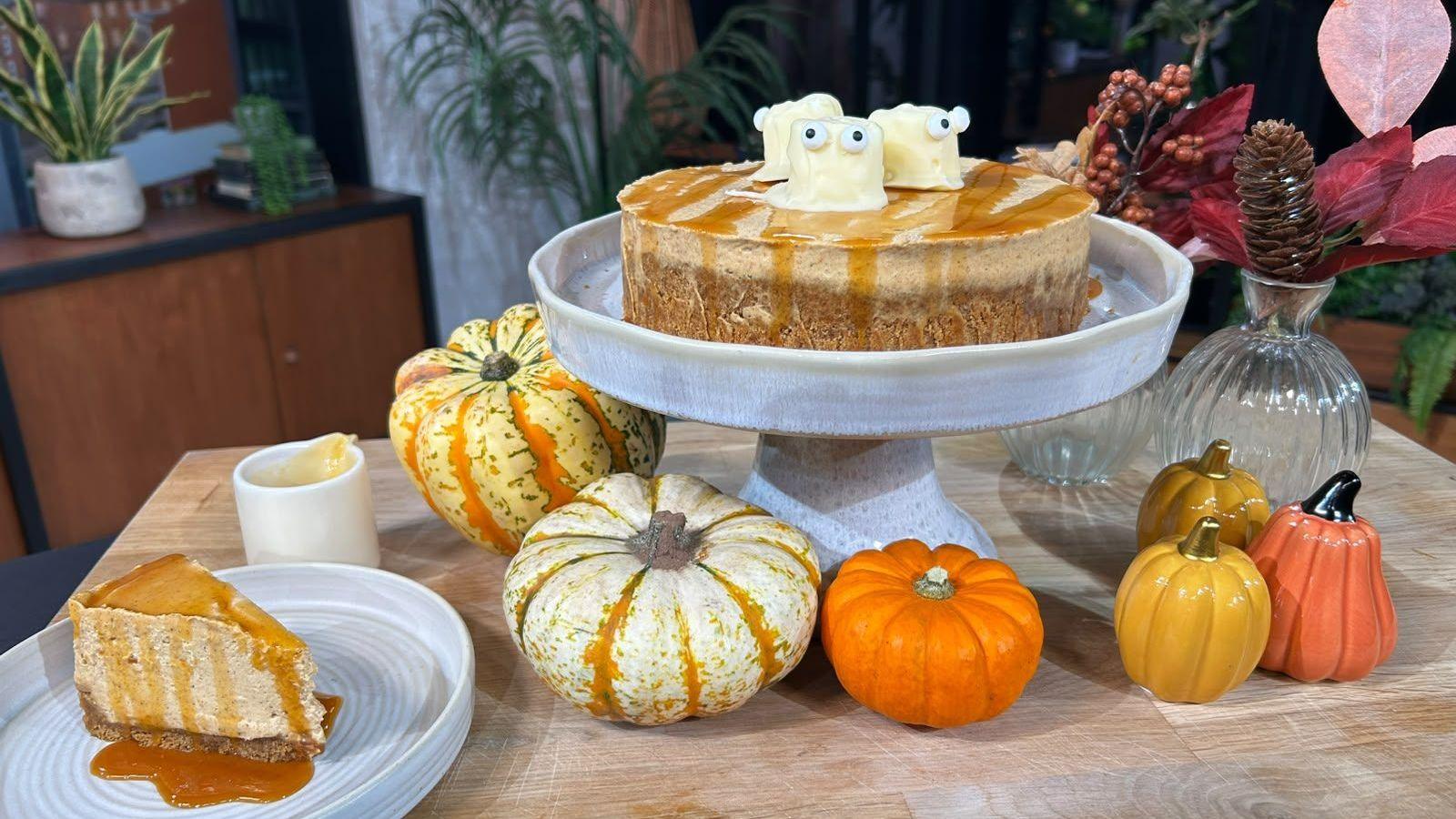
- Spoon a little caramel sauce over each slice for a dessert-bar feel.
- For a crisp contrast, serve with toasted pecans on the side.
Storage and reheating
- Refrigerator: Cover and refrigerate for up to 4 to 5 days. Keep it in the springform or transfer slices to an airtight container.
- Freezer: Freeze chilled cheesecake, whole or sliced. Wrap tightly in plastic wrap, then foil. Freeze up to 1 month for best texture.
- Thawing: Thaw overnight in the fridge. For the cleanest slices, cut while very cold.
Common mistakes
- Using cold cream cheese: This leads to lumps, and you will be tempted to overmix to fix it. Start with properly softened blocks.
- Overbeating after adding eggs: This whips in air and can cause puffing, sinking, and cracking. Mix on low and stop as soon as the batter is smooth.
- Skipping the water bath: You can bake without it, but you are much more likely to get cracks and a dry edge.
- Opening the oven a lot: Temperature swings can crack cheesecake. Use the oven light if you can, and check near the end.
- Rushing the cool-down: Moving hot cheesecake straight to the counter or fridge often creates a cracked top and a sunken center.
FAQ
How do I keep pumpkin cheesecake from cracking?
Use a water bath, mix gently to avoid adding air, do not overbake, and cool it slowly. Those four steps solve most crack issues I see in home kitchens.
How do I know when it is done?
The outer ring should be set, and the center should still have a small wobble when you gently shake the pan. If you like a thermometer cue, the center around 150 to 155 F is a great target.
Why does my crust get soggy?
Usually water sneaks into the springform. Wrap the pan in multiple layers of heavy-duty foil, and make sure the foil comes well up the sides. Also pre-bake the crust to help it set.
Can I make it ahead?
Yes, and you should. Cheesecake is best after a full chill. Make it the day before, refrigerate overnight, then slice when cold.
Can I use fresh pumpkin?
You can, but it is often wetter and less consistent than canned. If using homemade puree, drain it in a fine-mesh sieve or cheesecloth until thick, then measure.
Pumpkin Cheesecake
Baked pumpkin cheesecake with a buttery graham cracker crust, warmly spiced cream cheese filling, and a water bath plus slow cool-down for a smooth top and clean slices.
- Prep
- 30 minutes
- Cook
- 1 hour 25 minutes
- Total
- 9 hours 25 minutes
- Yield
- 12 slices
Ingredients
- For the graham crust
- 2 cups (about 200 g) graham cracker crumbs
- 2 tbsp granulated sugar
- 1/4 tsp fine salt
- 6 tbsp (85 g) unsalted butter, melted
- For the pumpkin cheesecake filling
- 4 packages (8 oz each) full-fat cream cheese, softened
- 1 1/4 cups (250 g) granulated sugar
- 2 tbsp all-purpose flour
- 1 tsp fine salt
- 1 1/2 tsp ground cinnamon
- 1 tsp ground ginger
- 1/4 tsp ground nutmeg
- 1/8 tsp ground cloves
- 1 cup (240 g) pumpkin puree
- 1/2 cup (120 g) sour cream, room temperature
- 1 tsp vanilla extract
- 4 large eggs, room temperature
- For the water bath
- Hot water, as needed
Instructions
- Prep the pan and oven. Heat the oven to 325 F. Lightly grease the bottom and sides of a 9-inch springform pan. Wrap the outside of the pan, bottom and sides, in 2 to 3 layers of heavy-duty foil, pressing it snugly and bringing it well up the sides to help prevent leaks.
- Make and bake the crust. In a bowl, mix graham crumbs, sugar, and salt. Stir in melted butter until the texture looks like wet sand and holds together when pressed. Press firmly into the bottom of the springform pan, using the bottom of a measuring cup to pack it evenly. Bake for 10 minutes, then cool while you make the filling.
- Start the filling base. In a large bowl, beat softened cream cheese on medium-low until smooth and creamy, scraping the bowl and beater often.
- Add sugar and dry ingredients. Add sugar, flour, and salt. Mix on low until fully combined and smooth, scraping down the bowl.
- Add pumpkin and flavorings. Add cinnamon, ginger, nutmeg, and cloves, then mix briefly. Add pumpkin puree, sour cream, and vanilla. Mix on low just until the batter is uniform, scraping the bowl and especially the bottom where cream cheese likes to hide.
- Add eggs gently. Add eggs one at a time, mixing on low just until each egg disappears. Do not overmix. Use a spatula to fold a couple of times to make sure everything is evenly combined.
- Fill the pan. Pour the batter over the cooled crust. Tap the pan gently on the counter a couple of times to release air bubbles.
- Set up the water bath. Place the foil-wrapped springform pan in a large roasting pan. Carefully pour hot water into the roasting pan until it reaches about halfway up the sides of the springform pan.
- Bake. Bake at 325 F until the edges are set and the center still has a slight wobble when nudged, about 70 to 85 minutes. If using an instant-read thermometer, the center should be about 150 to 155 F.
- Cool slowly in the oven. Turn off the oven, crack the oven door open about 1 inch, and let the cheesecake sit in the oven for 1 hour.
- Cool at room temperature. Carefully remove the springform pan from the water bath, remove the foil, and set the cheesecake on a rack. Let cool at room temperature until no longer warm, about 1 to 2 hours.
- Chill until fully set. Cover and refrigerate until thoroughly chilled, at least 6 hours and preferably overnight.
- Unmold and slice. Run a thin knife around the edge, release the springform, and lift off the ring. Slice with a hot, clean knife, wiping between cuts for neat slices.
Notes
Leak insurance: If you worry about water getting in, set the foil-wrapped springform pan inside a slightly larger oven-safe pan before placing it in the roasting pan. This adds another barrier.
Doneness cue over time: Cheesecake is done when it still has a gentle wobble in the center. If it looks liquid in the middle, keep baking in 5 minute increments.
Best make-ahead schedule: Bake in the evening, cool, then refrigerate overnight. Slice the next day when it is fully cold.